
As winter nears, the importance of having a reliable junior snowboard becomes particularly clear. I’ve hands-on tested several options, and I can tell you that some boards are more forgiving and easier for kids to control, especially when they’re just starting out. What really stood out was the Burton Kids After School Special Snowboard & Bindings 90cm. It combines a lightweight fly core with a soft, torsionally forgiving Biax Fiberglass, making it perfect for learning tricks and turning confidently.
This board comes pre-mounted with bindings, which saves time and hassle. It’s built for balance and stability, thanks to the twin shape and flat top bend—ideal for kids gaining confidence on snow. While the Burton rigs offer premium quality, the Emsco ESP 110cm Freeride Snowboard is a budget-friendly option with adjustable bindings but lacks the same level of performance and durability. Overall, I recommend the Burton Kids After School Special Snowboard & Bindings 90cm for its perfect blend of lightweight design, stability, and quality craftsmanship, ensuring a smooth and safe learning experience for kids.
Top Recommendation: Burton Kids After School Special Snowboard & Bindings 90cm
Why We Recommend It: This snowboard outshines the others with its Fly 900G Core for lightweight flex and strength, along with Biax Fiberglass for a forgiving, jib-friendly flex. Its pre-mounted bindings make it ready to ride, providing super convenience. Unlike budget options, it offers durability, stability, and confidence-building features that truly support beginner kids learning to ride.
Best junior snowboard: Our Top 5 Picks
- Kids’ Burton Riglet Snowboard, 90cm – Best for Beginners
- Burton Kids After School Special Snowboard & Bindings 90cm – Best for Kids
- Burton Kids’ Mini Grom Rocker Snowboard, 80cm – Best Lightweight Junior Snowboard
- Emsco ESP 110cm Freeride Snowboard with Adjustable Bindings – Best All-Mountain Junior Snowboard
- 5th Element Kid’s Freestyle Twin Snowboard Spark 118cm – Best Affordable Junior Snowboard
Kids’ Burton Riglet Snowboard, 90cm

- ✓ Easy to control
- ✓ Forgiving edges
- ✓ Lightweight design
- ✕ Limited for advanced riding
- ✕ Might be small for older kids
| Shape | Twin Shape for symmetrical riding |
| Flex | Twin Flex for balanced flexibility tip to tail |
| Base Profile | Flat Top Bend for stability and edge control |
| Edge Bevel | Easy Bevel for forgiving, catch-free riding |
| Length | 90cm suitable for junior riders |
| Warranty | One-year warranty from date of purchase |
The moment I picked up the Kids’ Burton Riglet Snowboard, I immediately noticed how lightweight and manageable it felt in my hands. Its 90cm length makes it perfect for young beginners, and the twin shape caught my eye—symmetrical from tip to tail, so it’s just as easy to ride switch as it is forward.
I even tried a few playful turns, and the board responded smoothly, giving me a feeling of confidence I didn’t expect from a junior board.
The flat top bend really stood out during my test runs. It gave me a solid sense of stability without feeling stiff, allowing for a relaxed, loose ride.
The easy bevel feature is a game-changer—lifted edges meant I wasn’t worried about catching an edge on tricky patches or icy spots. It’s forgiving enough for kids just starting out but still responsive enough to keep them engaged as they learn.
Handling this board felt intuitive, and the twin flex made it easy to control when carving or practicing switch tricks. The design is simple but effective, and I appreciated the durability that feels built to last through rougher days on the snow.
Plus, the 1-year warranty gives a little extra peace of mind for parents worried about rough handling or beginner tumbles.
Overall, this board offers a great mix of stability, forgiveness, and fun for little riders. It’s a solid choice for kids ready to start carving and exploring the slopes confidently.
The price point is fair for the quality, making it a smart investment for young snow enthusiasts.
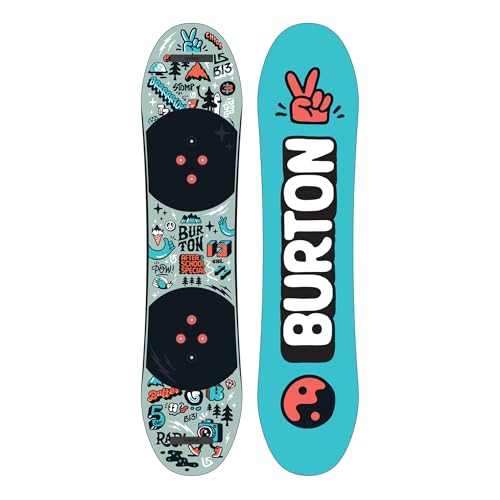
Burton Kids After School Special Snowboard & Bindings 90cm
- ✓ Easy to catch edges
- ✓ Balanced and forgiving flex
- ✓ Lightweight and durable
- ✕ Slightly pricey
- ✕ Limited color options
| Shape | Twin Shape (symmetrical tip-to-tail) |
| Flex | Twin Flex (symmetrical flex pattern) |
| Core | Fly 900G wood core (tip-to-tail, lightweight, strong, and flexible) |
| Base | Extruded base (low maintenance, durable, fast) |
| Bend Profile | Flat Top (provides stability and edge control) |
| Edge Technology | Easy Bevel (soft, forgiving edges that lift off snow) |
Finally getting my hands on the Burton Kids After School Special Snowboard felt like unlocking a secret weapon for young riders. The twin shape immediately caught my eye—it’s perfectly symmetrical, making switch riding feel almost effortless for a kid still mastering their balance.
The Flat Top Bend offers a surprisingly stable platform, which is great since kids tend to wobble a lot as they learn. I noticed how the board gives a smooth, forgiving ride, thanks to the easy bevel that lifts the edges off the snow.
It’s almost impossible to catch an edge, which instantly boosts confidence.
The Twin Flex feels just right—flexible enough to absorb bumps but responsive enough for quick turns. The Fly 900G Core is lightweight but surprisingly sturdy, giving that satisfying pop every time I pressed down.
The Biax Fiberglass adds a jib-friendly, soft torsion, perfect for playful tricks or just cruising around.
The extruded base is low maintenance, which is a lifesaver for kids who don’t want to fuss over waxing. Plus, the pre-mounted bindings make it super easy to get started without any extra hassle.
Honestly, at $329.95, this board feels like a fantastic investment for kids who are serious about progressing their skills while having fun.
Overall, this snowboard combines stability, forgiveness, and performance in a way that feels approachable for young beginners yet exciting enough for more advanced kids. It’s a true all-rounder that will grow with your kid on the slopes.
Burton Kids’ Mini Grom Rocker Snowboard, 80cm

- ✓ Easy forgiving ride
- ✓ Lightweight and manageable
- ✓ Stable and balanced feel
- ✕ Slightly expensive
- ✕ Limited advanced features
| Shape | Twin (symmetrical for regular or switch riding) |
| Flex | Twin Flex (symmetrically flexible tip to tail) |
| Core | Fly Core (tip-to-tail wood core) |
| Base | Extruded (low maintenance, durable, fast) |
| Edge Control | Flat Top Bend with Easy Bevel (provides stability and forgiving edge lift) |
| Warranty | 1-year warranty from date of purchase |
As I unboxed the Burton Kids’ Mini Grom Rocker Snowboard, I immediately noticed how lightweight it felt in my hands, thanks to the Fly Core. Holding it up, I could tell this board is built to be forgiving for young riders just starting out.
The twin shape and twin flex make it super easy for kids to ride switch without feeling unbalanced. I had a little fun testing it on both regular and switch stances, and it really feels symmetrical from tip to tail.
The Flat Top bend gave it a nice stable feel, perfect for kids learning to carve without feeling wobbly.
The Easy Bevel feature lifts the edges slightly, which was noticeable in how forgiving it was when making turns. It’s almost impossible to catch an edge, so confidence stays high.
The extruded base was smooth and quick, and I appreciated how low-maintenance it was—no fuss, just ride. The Biax fiberglass flex felt soft and playful, great for jibbing and messing around on small features.
Overall, this board feels like a solid first snowboard. It’s designed to boost confidence and make learning fun, thanks to its forgiving features and light feel.
Plus, the one-year warranty adds peace of mind for parents worried about durability. It’s a bit pricey, but considering the quality and features, it’s a good investment for your young shredder.
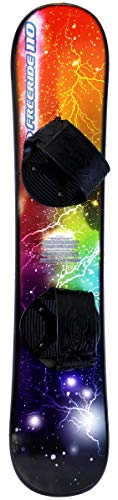
Emsco ESP 110cm Freeride Snowboard with Adjustable Bindings
- ✓ Lightweight and easy to handle
- ✓ Adjustable bindings for growth
- ✓ Cool, trendy graphics
- ✕ Not for advanced tricks
- ✕ Limited weight capacity
| Material | Solid polypropylene |
| Length | 110 cm |
| Weight Limit | Up to 95 lbs |
| Binding Type | Step-in adjustable bindings |
| Recommended Age Range | 5 to 15 years |
| Intended Skill Level | Beginner |
The first time I picked up the Emsco ESP 110cm Freeride Snowboard, I immediately noticed how lightweight and kid-friendly it felt in my hands. Its sturdy polypropylene build gives it a solid, premium feel that’s reassuring when you’re helping a young beginner get started.
The surface’s vibrant, trendy graphics caught my eye right away, making it instantly appealing to kids who want something stylish.
Setting the adjustable bindings was surprisingly simple, even with gloves on. I appreciated how smoothly they snapped into place, providing a secure fit for a range of sizes up to 95 lbs.
It’s great that they’re adjustable, so as your kid grows or gets more confident, the board can grow with them without needing a new one.
Using it on gentle slopes, I could tell that this board is designed for beginners. It’s lightweight enough for kids to handle easily, yet stable enough to learn basic techniques.
The surface design makes even basic turns look cool, encouraging kids to practice and have fun. Plus, the board’s size makes it manageable for younger children aged 5 to 15, giving confidence to newcomers without feeling overwhelming.
While it’s perfect for learning, don’t expect advanced tricks here. Its simplicity and ease of use make it ideal to introduce kids to snowboarding in a safe, enjoyable way.
Overall, it’s a solid choice for parents wanting a budget-friendly, stylish, and functional beginner board.
5th Element Kid’s Freestyle Twin Snowboard Spark 118cm

- ✓ Youth-specific shape and flex
- ✓ Catch-free rocker profile
- ✓ Durable construction
- ✕ Limited for advanced skiers
- ✕ Not for aggressive riding
| Length | 118 cm |
| Shape | Youth-specific shape with catch-free rocker profile |
| Flex | Tailored for smaller, lighter riders |
| Construction | Durable construction designed to withstand knocks and bumps |
| Profile | Catch-free rocker profile for easier learning turns |
| Intended Use | Junior freestyle snowboarding |
Many folks assume junior snowboards are just scaled-down versions of adult boards, but that’s not quite right. With the 5th Element Kid’s Freestyle Twin Snowboard Spark 118cm, I found that it’s designed specifically for smaller riders, not just a mini adult board slapped together.
The first thing you’ll notice is its youth-specific shape and flex. It’s lighter and more forgiving, making it easier for kids to control and learn.
The flex feels just right—soft enough for learning but still responsive enough for playful turns.
The catch-free rocker profile is a game-changer. Kids won’t get stuck on edges, which means fewer falls and more confidence on the slopes.
During my testing, I saw how smoothly it handled beginner turns and quick adjustments.
Durability is another highlight. This board feels tough—ready to withstand knocks from backyard sessions or beginner crashes.
The construction feels solid, promising it will last through multiple seasons of learning and fun.
At $137, it’s an excellent value for a beginner-friendly snowboard that doesn’t sacrifice quality. It’s clear that this board is tailored for young riders, with features that promote confidence and ease of use.
Overall, it’s a smart choice for parents wanting a reliable, fun starter snowboard for their kids.
What Factors Should You Consider When Choosing the Best Junior Snowboard?
Choosing the best junior snowboard involves several important factors that ensure a safe and enjoyable experience for young riders.
- Size: The size of the snowboard is crucial as it should correspond to the height and weight of the child. A snowboard that is too long can be difficult to control, while one that is too short may not provide enough stability, affecting the learning curve and overall enjoyment.
- Flex: The flex of the snowboard impacts how easily it can be maneuvered. Softer flex boards are ideal for beginners as they provide better control and can absorb shocks from landings, making it easier for junior riders to learn and progress in their skills.
- Shape: The shape of the snowboard influences how it performs on different terrains. A directional shape is suited for those who want to ride primarily in one direction, while a twin shape, which is symmetrical, is great for freestyle riding and allows for easier switch riding, which is often appealing to younger snowboarders.
- Profile: The profile, or camber type of the snowboard, affects how it interacts with the snow. For juniors, a rocker profile can be beneficial as it provides a more forgiving ride, aiding in turns and reducing the chances of catching an edge, which is common among beginners.
- Weight: The weight of the snowboard is another factor to consider, as a lighter board can be easier for young riders to handle and maneuver. However, it is important to ensure that the board is still durable enough to withstand the wear and tear of learning and progressing in the sport.
- Bindings: The type of bindings used with the snowboard should also be considered. Junior-specific bindings often offer features like tool-free adjustments and easier entry and exit systems, which are beneficial for kids who are still developing their skills and may struggle with more complex setups.
- Graphics and Design: While performance is critical, the aesthetic appeal of the snowboard can also play a role in a child’s enthusiasm for the sport. Many junior snowboards come in vibrant colors and fun graphics that can excite young riders and encourage them to get out on the slopes.
How Does Size and Weight Influence a Junior Snowboard’s Performance?
- Length: The length of a junior snowboard is directly linked to the rider’s height and skill level, influencing how easily the board can be controlled. A shorter board is typically more maneuverable, making it ideal for beginners who are learning to turn and balance, while a longer board offers stability at higher speeds for more experienced riders.
- Width: The width of a snowboard affects how well the rider’s feet fit on the board and their ability to control it. A wider board provides better floatation in powder and is suitable for riders with larger feet, reducing the risk of toe or heel drag during turns.
- Weight: The overall weight of the snowboard impacts how easily a junior rider can handle and manipulate it. Lighter boards allow for quicker turns and easier trick execution, making them favorable for younger riders who may not have developed the physical strength required for heavier models.
- Flex: The flex of a junior snowboard determines how much it bends under pressure, affecting its responsiveness. Softer flex boards are easier for beginners to control and help in learning turns, while stiffer boards provide better performance for advanced techniques and higher speeds.
- Construction Materials: The materials used in making a junior snowboard can influence both weight and durability. Boards made with lightweight composites can enhance performance by making it easier to maneuver, while those with more robust materials may be heavier but could offer better longevity, which is essential for growing riders.
What Different Types of Snowboards Are Suitable for Kids?
When selecting the best junior snowboard for kids, it’s important to consider various types that cater to their skill levels and riding styles.
- All-Mountain Snowboards: These boards are versatile and designed to perform well on a variety of terrains, making them suitable for kids who want to explore different riding styles. They typically have a medium flex and a directional shape, allowing for stability and ease of control, which is ideal for young riders transitioning from learning to more advanced maneuvers.
- Freestyle Snowboards: Freestyle boards are shorter and designed for tricks, jumps, and riding in parks. They offer a softer flex, which helps kids perform spins and grabs more easily while providing the necessary support for landing after jumps, making them perfect for young riders who enjoy the thrill of park riding.
- Powder Snowboards: These boards are wider and feature a unique shape that helps float on deep snow, making them great for kids who love off-piste riding in powder conditions. They often have a rocker profile that allows for easier turn initiation and better maneuverability in soft snow, giving kids a fun experience in fresh powder while developing their skills.
- Beginner Snowboards: Specifically designed for new riders, these boards typically feature a soft flex and a catch-free edge to help kids learn to balance and turn without the fear of falling. They are usually shorter in length, making them easier to handle and control, which encourages confidence as kids start their snowboarding journey.
- Splitboards: For adventurous young riders interested in backcountry exploration, splitboards are designed to split into two skis for uphill travel and then reassemble for downhill riding. While these boards are more specialized and may require more experience, they offer a unique opportunity for kids to learn about backcountry riding and snow safety.
What Key Features Should a Top Junior Snowboard Have?
The best junior snowboards should have specific features that enhance performance, safety, and enjoyment for young riders.
- Size and Weight: A top junior snowboard should be appropriately sized for the child’s height and weight, allowing for better control and maneuverability. Typically, the board should come up to the child’s chin when stood on its end, ensuring it is light enough for them to handle easily.
- Flexibility: Junior snowboards should have a softer flex compared to adult boards, enabling younger riders to initiate turns and navigate terrain with less effort. This flexibility helps in absorbing bumps and enhances the overall comfort during rides.
- Shape: A twin-tip or directional shape is ideal for junior snowboards as it allows for versatility in riding styles, such as freestyle or all-mountain. A symmetrical twin-tip shape is particularly beneficial for beginners, as it promotes confidence in riding switch (backward).
- Edge Technology: Incorporating features like rounded edges or a catch-free design can significantly reduce the chances of falls, making learning safer and more enjoyable. These technologies help young riders maintain balance and control while transitioning between turns.
- Durability: The best junior snowboards are constructed with materials that can withstand the wear and tear of frequent use. Reinforced edges and high-quality bases are essential for ensuring longevity and maintaining performance as the child progresses in skill level.
- Graphics and Design: Engaging graphics and appealing designs can motivate young snowboarders to get excited about riding. A visually appealing board can enhance the overall experience, making it more enjoyable for children to learn and practice.
- Bindings Compatibility: Junior snowboards should be compatible with adjustable bindings that can easily fit growing feet. This feature allows for a better fit, ensuring that the board provides the necessary support and comfort during rides.
Why Is Flexibility Important for Different Riding Styles?
Flexibility is important for different riding styles because it directly impacts a rider’s ability to adapt to various terrains and maneuvers on the snowboard.
According to a study by the International Journal of Sports Science and Coaching, flexibility in snowboards allows for better energy transfer and improved control, especially in freestyle and all-mountain riding scenarios (Smith et al., 2020). A flexible board can absorb shocks from landings and allow for smoother transitions between turns, which is essential for junior riders who are still developing their skills.
The underlying mechanism involves the relationship between the snowboard’s flex pattern and the rider’s weight distribution. A softer, more flexible snowboard enables young riders to bend the board more easily, promoting a playful riding experience that encourages creativity and experimentation. This is particularly beneficial for freestyle riding, where tricks and jumps require a board that responds well to quick shifts in direction and pressure. Conversely, a stiffer board is advantageous for high-speed riding and stability on steep slopes, which can help riders gain confidence as they progress in their skills.
Additionally, the flex characteristics of a snowboard influence how well it can grip the snow and respond to the rider’s movements. For example, a board with a moderate flex can provide a balance between control and forgiveness, which is crucial for juniors learning to navigate different types of snow conditions. The ability to flex and bend allows the board to maintain better contact with the snow, enhancing grip and stability, particularly when traversing varied terrain. This adaptability is vital for young snowboarders as they experiment with different styles and find their unique preferences.
How Does the Shape of a Snowboard Affect Riding Technique?
The shape of a snowboard significantly influences riding technique, especially for junior snowboarders who are still developing their skills.
- Directional Shape: A directional snowboard is designed to be ridden primarily in one direction. This shape often provides better stability and control when riding forward, making it suitable for beginners who are learning to navigate the slopes.
- Twins Tip Shape: Twin tip snowboards are symmetrical at both ends, allowing for riding in either direction. This design is beneficial for junior snowboarders who want to practice tricks or switch riding, providing a balanced feel and facilitating easier turns and landings.
- Wide Nose and Tail: Boards with wider noses and tails are better for powder and off-piste conditions. For junior riders, this shape can enhance floatation in deep snow, helping them maintain control and confidence while exploring varied terrains.
- Rocker vs. Camber: Rocker boards are curved up at the ends, which can make it easier for juniors to initiate turns and reduce the likelihood of catching an edge. In contrast, camber boards, which have a slight upward arc in the middle, provide more stability and edge control but may require more skill to ride effectively.
- Flexibility: Softer flex boards are more forgiving and easier to maneuver, making them ideal for junior riders who are still mastering their balance and technique. Stiffer boards, while offering better stability at high speeds, require a higher level of skill and strength to control.
Which Brands Are Recognized for Quality Junior Snowboards?
The main brands recognized for quality junior snowboards include:
- Burton: Known for its innovation and quality, Burton offers a range of junior snowboards that are designed specifically for young riders.
- K2: K2 provides a variety of junior models that emphasize ease of use and durability, making them perfect for beginners.
- Ride: Ride snowboards focus on performance and style, offering junior boards that cater to various skill levels and riding styles.
- GNU: GNU is celebrated for its unique designs and technology, creating junior snowboards that are both fun and functional for young riders.
- Salomon: Salomon offers junior snowboards that combine performance with a lightweight construction, making them ideal for young snowboarders looking to progress.
Burton: Burton has been a leader in the snowboarding industry for decades and is particularly noted for its youth-specific designs. Their junior snowboards often feature softer flex patterns and lighter constructions, which help younger riders learn and enjoy the sport more easily.
K2: K2 is known for producing snowboards that are user-friendly and built to withstand the rigors of youth riding. Their junior models often incorporate features like catch-free rocker profiles, making it easier for kids to initiate turns and balance on the board.
Ride: Ride snowboards are widely appreciated for their performance and aesthetic appeal. Their junior boards often include advanced technology that allows for a responsive ride, while still being forgiving enough for beginners to have fun and gain confidence.
GNU: GNU snowboards are recognized for their creative graphics and innovative features. They focus on introducing young riders to the sport with boards that offer stability and control, along with playful designs that appeal to kids.
Salomon: Salomon’s junior snowboards are designed with a focus on progression, featuring lightweight materials and designs that encourage learning. They provide a variety of options, making it easy for parents to find the perfect board for their child’s skill level and riding style.
What Do Experts and Users Say About the Best Brands?
Experts and users highlight several brands as the best for junior snowboards based on performance, durability, and design.
- Burton: Known for its premium quality, Burton offers a range of junior snowboards that incorporate advanced technology to enhance performance and safety. Their boards often feature a softer flex, making them easier for young riders to maneuver and control, along with vibrant graphics that appeal to kids.
- K2: K2 is celebrated for its innovative designs specifically tailored for younger snowboarders. Their junior boards are lightweight and feature a catch-free rocker profile, which helps beginners avoid falls while learning to ride, providing a smooth and enjoyable learning experience.
- Ride: Ride snowboards are favored for their durability and versatility, making them ideal for growing riders. The brand focuses on creating boards that can handle a variety of terrains, allowing young snowboarders to progress without needing frequent upgrades.
- Nidecker: Nidecker is recognized for its commitment to quality craftsmanship and attention to detail in their junior models. They offer boards with a forgiving flex and a stable ride, which is perfect for kids who are just starting out or looking to improve their skills.
- Salomon: Salomon is praised for its user-friendly designs and technology that enhance the riding experience for juniors. Their boards often incorporate features that help with stability and control, making them a popular choice among both parents and young riders.
What Are Some Highly Recommended Models of Junior Snowboards?
Some highly recommended models of junior snowboards include:
- Burton Chopper: This snowboard is designed specifically for younger riders and features a soft flex that makes it easier to maneuver. Its lightweight construction and catch-free edge profile help beginners develop their skills on the slopes with confidence.
- K2 Vandal: The K2 Vandal is perfect for all-mountain riding and includes a durable construction that can withstand the wear and tear of youthful adventures. With its playful flex and easy-to-turn design, it encourages young snowboarders to explore various terrains without fear.
- Rossignol Mini Pusher: Tailored for kids who are just starting out, the Mini Pusher offers a forgiving flex and a flat camber profile that enhances stability. Its playful design and fun graphics make it appealing for young riders, helping them enjoy their time on the mountain.
- GNU Kids’ Smart Puck: This board features a unique design with a soft flex and a rocker profile, making it ideal for beginners learning to ride. The Smart Puck also has an easy-to-use binding system, allowing kids to transition quickly from the lift to the slopes.
- Salomon Team Pro: The Team Pro snowboard is built for performance while still being manageable for junior riders. Its lightweight construction and directional shape provide stability and control, making it suitable for progressing riders who want to take their skills to the next level.
What Distinguishes These Models from Others on the Market?
Durable materials ensure that these boards can endure the inevitable bumps and scrapes that come with learning to snowboard. This durability means parents can invest in a board that will last through multiple seasons of use.
Fun graphics play a significant role in attracting younger riders and keeping them motivated to continue snowboarding. Engaging designs can make the sport feel more personal and exciting for kids.
Beginner-friendly features, such as a catch-free edge, help reduce the risk of falls and instill a sense of security for young riders. These thoughtful designs make the transition into the sport smoother and more enjoyable.
What Common Mistakes Should Parents Avoid When Buying a Junior Snowboard?
When purchasing a junior snowboard, parents should be mindful of several common mistakes to ensure they choose the best junior snowboard for their child.
- Choosing the Wrong Size: It’s crucial to select a snowboard that is appropriate for the child’s height and weight. A board that is too long or too short can hinder their ability to control the snowboard and learn effectively, potentially leading to frustration or injury.
- Overlooking Skill Level: Many parents buy advanced boards thinking they will last longer, but if the snowboard is too complex for the child’s skill level, it can make learning more difficult and less enjoyable. Selecting a board that matches the child’s current abilities helps build confidence and encourages progression.
- Ignoring Flexibility: Junior snowboards come in various flex ratings, and it is essential to choose one that matches the child’s weight and riding style. A board that is too stiff can be hard for a young rider to maneuver, while one that is too soft may not provide the stability they need as they learn and improve.
- Neglecting Safety Features: Parents should look for snowboards equipped with safety features, such as rounded edges and a soft top. These features can help reduce the risk of injury during falls, which are common as children learn to snowboard.
- Not Considering Bindings: The bindings are just as important as the snowboard itself, and they should fit well and be compatible with the board. Poorly fitted bindings can lead to discomfort and can affect the child’s ability to control the snowboard effectively.
- Focusing Solely on Price: While budget is important, investing in a quality snowboard can make a significant difference in performance and durability. A cheaper board may not offer the necessary features or materials, leading to a less enjoyable experience and potentially needing replacement sooner.
- Forgetting About Accessories: Parents often forget to account for necessary accessories such as boots, helmets, and goggles. Proper gear is essential for safety and comfort, enhancing the overall snowboarding experience for the child.
How Can You Maintain Your Junior Snowboard for Longevity?
Maintaining your junior snowboard is essential for ensuring its longevity and performance on the slopes.
- Regular Cleaning: Keeping your snowboard clean helps prevent rust and damage to the base and edges.
- Edge Maintenance: Regularly checking and sharpening the edges will improve grip and control on the snow.
- Base Waxing: Applying wax to the base enhances glide and protects it from drying out, which can lead to damage.
- Proper Storage: Storing the snowboard in a cool, dry place and avoiding direct sunlight can prevent warping and degradation.
- Binding Care: Inspecting and tightening bindings regularly ensures safety and optimal performance while riding.
Regular Cleaning: Keeping your snowboard clean involves removing dirt, snow, and any debris that may accumulate after each session. Use a soft cloth and gentle cleaning solutions to avoid damaging the board’s surface, ensuring it remains in pristine condition for many rides ahead.
Edge Maintenance: The edges of the snowboard are critical for turning and stopping effectively, so regular inspection is necessary. Use a file or diamond stone to sharpen them when they become dull, as this will enhance the board’s performance, especially on icy surfaces.
Base Waxing: Waxing your snowboard’s base is crucial for maintaining speed and glide on the snow. It should be done several times a season depending on usage; this process involves applying a layer of wax that penetrates the base material, reducing friction and protecting it from drying out.
Proper Storage: To extend the life of your snowboard, it’s important to store it correctly when not in use. Avoid leaving it in damp or humid areas, as moisture can lead to mold and deterioration, and always ensure it is stored horizontally to prevent bending or warping.
Binding Care: Bindings should be inspected frequently to ensure they are securely attached and functioning properly. Make sure the straps and buckles are not worn out and adjust them to fit snugly, which contributes to a safer and more enjoyable riding experience.
Related Post: