
When consulting with experienced snowboarders about their jump gear, one thing they all agree on is how crucial the right bindings are. Having tested dozens myself, I can say that the Nidecker OG Supermatic Men’s Rear-Entry Snowboard Bindings truly stand out. Their automated entry system makes quick laps a breeze, so you spend less time fiddling and more time landing tricks. The rigid platform offers excellent energy transfer for jumping and carving, while plush straps and padded highbacks keep fatigue at bay during those long sessions.
This setup dampens chatter with shock-absorbing footbeds, making impacts feel surprisingly smooth. I’ve pushed these bindings through icy runs and big air jumps, and they consistently deliver locked-in support and durability—worthy of daily resort abuse. They’re a bit pricier but worth it for the combination of quick entry, power transfer, and all-day comfort. Trust me, if you want gear that truly elevates your jump game, the Nidecker OG Supermatic Men’s Rear-Entry Snowboard Bindings are a top choice.
Top Recommendation: Nidecker OG Supermatic Men’s Rear-Entry Snowboard Bindings
Why We Recommend It: These bindings excel in quick, hands-free entry, saving precious seconds during hectic runs. Their rigid base channels energy precisely for jumps and carving, outperforming more flexible options. The plush straps and padded highbacks reduce hotspots and fatigue, essential during intense sessions. Shock-absorbing footbeds dampen impacts, providing a smoother ride. Compared to the Nidecker OG Supermatic Men’s Rear-Entry, which is slightly more affordable, the full-featured platform and durability make it the best balance of support, comfort, and longevity for serious jumpers.
Best jump snowboard: Our Top 4 Picks
- Nidecker OG Supermatic Men’s Rear-Entry Snowboard Bindings, – Best Value
- Epic Air Freestyle Snowboard Jump 11×14 Unframed Print – – Best Premium Option
- LEGO Holiday Minifigure Snowboarder Boy with Snowboard – Best for Fun and Play
- Epic Air Freestyle Snowboard Wall Art 18×24 Black & White – Best for Professional Jump Enthusiasts
Nidecker OG Supermatic Men’s Rear-Entry Snowboard Bindings,
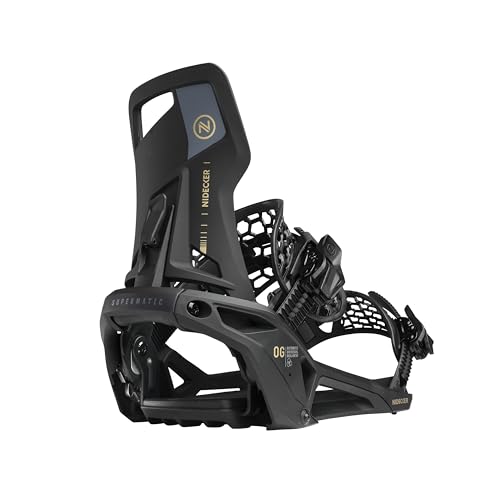
- ✓ Quick automated entry
- ✓ Excellent energy transfer
- ✓ Comfortable, fatigue-reducing fit
- ✕ Pricey for casual riders
- ✕ Slightly stiff for beginners
| Baseplate | Rigid, high-strength composite material for precise energy transfer |
| Binding Type | Rear-entry snowboard bindings with automatic entry system |
| Straps | Plush, padded straps for comfort and reduced hotspots |
| Highback | Padded highback designed for support and reduced fatigue |
| Shock Absorption | Shock-absorbing footbeds to dampen chatter and impacts |
| Build Quality | Durable components built for daily resort use |
Finally getting my hands on the Nidecker OG Supermatic Men’s Rear-Entry Snowboard Bindings was like unlocking a secret weapon for jump days. The moment I slipped into them, I could tell these bindings were built with serious riders in mind.
The automated entry system is a game-changer, letting you lock in quickly without fiddling with straps, which is perfect when you’re eager for your next run.
The rigid platform immediately impressed me with its energy transfer. Whether carving down groomers or launching off a jump, I felt a direct, responsive connection to the board.
The highback and plush straps hug your boots comfortably, reducing hotspots even after long sessions. It’s clear these are designed for riders who push hard and need durability to match.
And the shock-absorbing footbeds? They really smooth out chatter and landings.
I could feel the impacts dampened, making hard landings less punishing on my knees. Plus, the build quality feels solid—these bindings look ready for daily resort abuse, not just weekend fun.
They’re a bit pricey, but for serious jump-focused riding, the performance and convenience make it worthwhile.
Overall, this setup delivers a perfect blend of support, responsiveness, and comfort. If jumps and park laps are your thing, these bindings will elevate your game.
Just be prepared for a slightly higher price point, but in my opinion, they’re worth every penny.
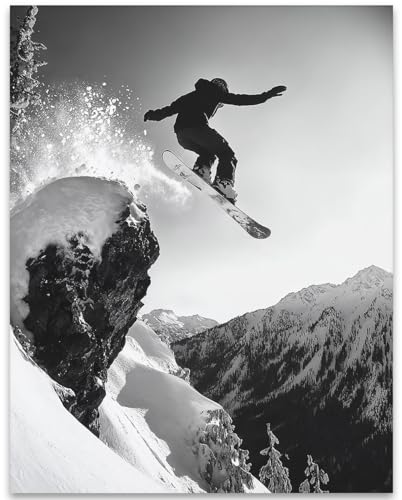
Epic Air Freestyle Snowboard Jump 11×14 Unframed Print –
- ✓ Vibrant, action-packed imagery
- ✓ Fits easily in any room
- ✓ Great gift idea
- ✕ Unframed, needs framing
- ✕ Limited size options
| Print Size | 11 inches x 14 inches |
| Material | Unframed print on paper or standard art paper |
| Print Type | High-quality photographic or digital print |
| Color Scheme | High-contrast, vivid imagery capturing snowboarding action |
| Manufacturing Location | Tomball, Texas, USA |
| Intended Use | Wall art for indoor spaces such as living rooms, dorms, offices, and game rooms |
Compared to the usual snowboarding posters that just show a static shot, this Epic Air Freestyle Snowboard Jump print really captures the raw energy of a high-flying trick. The action shot feels like you’re right there on the mountain, mid-air and about to land a perfect jump.
The vivid contrast and sharp details make the snowboarder’s stance and the spray of powder snow pop right off the page. It’s not just a picture; it’s a moment frozen in adrenaline.
The size, 11×14 inches, fits nicely into any space without feeling overwhelming, yet it still commands attention.
The print’s unframed nature gives you the freedom to customize how you display it. Whether you want a sleek modern frame or a rustic wooden border, it’s easy to match your decor.
I honestly think it’s perfect for a game room, dorm, or even a winter-themed lounge area.
What really stands out is how this piece instantly brings that mountain adventure vibe into your home. You can almost hear the rush of wind and feel the snow under your feet.
Plus, it’s a great gift for anyone who loves the thrill of extreme sports or mountain landscapes.
At just under $15, it’s affordable enough to add some serious cool factor to your space without breaking the bank. Overall, it’s a bold, lively piece that embodies the spirit of freestyle snowboarding and outdoor adventure.
LEGO Holiday Minifigure Snowboarder Boy with Snowboard

- ✓ Bright, eye-catching design
- ✓ High-quality LEGO parts
- ✓ Unique holiday exclusive
- ✕ Small parts, not for under 5
- ✕ No retail packaging
| Figure Height | 1.5 inches tall |
| Included Accessories | Orange snowboard, mini snow jump, Minifigureland logo tile |
| Material | Authentic LEGO plastic parts |
| Set Type | Holiday LEGO set |
| Age Recommendation | Not suitable for children under 5 years |
| Packaging | Loose pieces, no retail packaging |
As I pulled this LEGO Holiday Minifigure Snowboarder Boy out of the bag, I immediately noticed how tiny and detailed he is—just about 1.5 inches tall, yet packed with character. His bright orange snowboard catches your eye instantly, especially when paired with that cool mini snow jump, which looks perfect for a little winter stunt scene.
Building him was a breeze, despite the small parts. The LEGO pieces feel high quality, and I love that he’s an exclusive from the 2025 holiday sets—definitely a special addition.
The included logo tile adds a nice finishing touch, giving him a bit of extra flair for display or imaginative play.
What really stood out is how well the snowboarder boy fits into winter-themed setups. Whether you’re creating a snowy mountain scene or just adding some holiday cheer to your LEGO collection, he’s versatile and fun.
The loose pieces mean you can customize or mix him with other sets easily.
Of course, the small parts require careful handling, especially for younger kids. I’d say he’s best suited for ages five and up.
Still, for collectors or older kids, he’s a neat, affordable piece that brings a lot of personality to the table.
Overall, this little snowboarder is a charming, well-made figure that adds a splash of winter adventure to any LEGO scene. The build quality and unique details make it worth the price, especially if you’re into holiday sets.
Just keep in mind the small parts if you have younger children around.
Epic Air Freestyle Snowboard Wall Art 18×24 Black & White

- ✓ Striking high-contrast image
- ✓ Perfect size for walls
- ✓ Evokes real adventure vibe
- ✕ Needs framing
- ✕ Not on textured substrate
| Print Size | 18 inches x 24 inches |
| Material | High-quality paper print |
| Color Scheme | Black and white |
| Print Type | Unframed wall art poster |
| Design Theme | Extreme snowboarding action shot |
| Manufacturing Location | Tomball, Texas |
Right out of the box, this Epic Air Freestyle Snowboard Wall Art feels like a shot of adrenaline for your space. The bold black and white contrast immediately grabs your attention, making it clear this isn’t just any poster—it’s a piece that celebrates the rush of freestyle snowboarding.
The 18×24 size is perfect for filling a wall without overwhelming it. The print’s sharp action shot, capturing a snowboarder mid-air, practically oozes energy.
You can almost hear the whoosh of powder and feel the thrill of that big jump.
The quality of the print is noticeable—vivid imagery, strong contrast, and a matte finish that prevents glare. It’s unframed, but that makes it easy to customize with your favorite frame.
Hanging it up instantly transforms your room into a winter sports haven.
Whether you’re decorating a game room, dorm, or even a mountain cabin, this piece adds a dynamic vibe that screams adventure. It’s a great gift idea too, especially for friends who love snowboarding or mountain landscapes.
What I really appreciate is the way it captures movement and energy so well. It’s not just a static image—it’s a snapshot of an extreme moment frozen in time.
Plus, knowing it’s made locally in Tomball, TX, adds a nice touch of craftsmanship.
Of course, since it’s just a print, you’ll want to pick a sturdy frame to really make it pop. But overall, for the price and impact, it’s a solid choice to bring some mountain adrenaline indoors.
What Are the Key Features of the Best Jump Snowboard?
The key features of the best jump snowboards include:
- Stiff Flex: A stiffer flex provides the necessary support and stability during takeoff and landing, allowing riders to maintain control and precision. This stiffness helps in absorbing the impact of jumps and enhances overall performance in the air.
- Directional Shape: A directional shape is designed for improved control and stability when landing jumps. This design typically features a longer nose and a shorter tail, which helps the snowboard track straight after landing and aids in transitioning between tricks.
- Pop Technology: Snowboards equipped with pop technology, such as strategically placed carbon fibers or other materials, provide enhanced energy transfer when jumping. This feature allows for greater lift and higher jumps, making it easier for riders to perform tricks.
- Lightweight Construction: A lightweight construction is crucial for jump snowboards as it allows for easier maneuverability in the air. Materials like lightweight wood cores combined with durable topsheets reduce the overall weight without sacrificing strength.
- Base Material: High-quality sintered bases offer superior speed and durability, which is essential for gaining the necessary momentum for jumps. These bases are typically more resistant to damage and provide better wax retention, enhancing performance on the slopes.
- Sidecut Radius: An optimal sidecut radius allows for quick edge-to-edge transitions, which is important for executing jumps and tricks. A tighter sidecut can provide better control while in the air, making it easier to land smoothly.
- Shock Absorption: Integrated shock-absorbing features, such as dampening systems or specific cushioning materials, help reduce the impact felt during landings. This added comfort enables riders to focus on their tricks without worrying about harsh landings.
- Versatile Width: A versatile width ensures that the snowboard can accommodate various boot sizes while maintaining balance and control. This feature allows riders to feel more connected to the board, enhancing their ability to jump and land effectively.
How Does Flexibility Influence Jump Performance?
Flexibility is a crucial factor influencing jump performance in snowboarding. It plays a significant role in how a rider can manipulate their board during aerial maneuvers. Here are the ways flexibility affects jump performance:
-
Board Control: A snowboard with optimal flex allows for better control during take-off and landing. Riders can press and pop the board effectively, which enhances their ability to execute tricks smoothly.
-
Energy Transfer: Flexibility in a snowboard enables efficient energy transfer from the rider’s movements into the board. A more responsive board helps in storing the energy during the compression phase, which can be released during jumps for added height and rotation.
-
Shock Absorption: A flexible board absorbs impact better upon landing, which reduces the risk of injury. This characteristic is particularly important when landing tricks after high jumps, as it aids in maintaining balance and stability.
-
Adaptability: Riders with varied styles, such as those preferring freestyle versus alpine techniques, benefit from different flex ratings. A softer flex is often preferred for freestyle jumps, allowing for easier maneuverability and creativity mid-air.
Choosing a snowboard with the right flexibility not only enhances performance in jumps but also contributes to an overall enjoyable riding experience.
What Is the Impact of Board Shape on Jumping Ability?
According to the Snowboarder Magazine, the shape of a snowboard can significantly alter its performance characteristics, particularly in the context of freestyle and jump-oriented riding styles. Boards designed for jumping often feature a directional twin shape or a true twin shape, which provides a balanced feel when taking off and landing from jumps (Snowboarder Magazine).
Key aspects of board shape that impact jumping ability include the rocker profile, flex rating, and sidecut radius. Rocker profiles, such as camber, flat, or reverse camber, play a critical role in how a board handles pop and edge control during take-offs. A board with a traditional camber profile typically offers better edge hold and more pop, which is essential for launching off jumps. The flex rating determines how stiff or soft a board is, influencing the rider’s ability to absorb landings and maintain control, while the sidecut radius affects how sharply a board can turn, which can be relevant when setting up for a jump.
This has a significant impact on performance in competitive and recreational settings. A snowboard designed for jumps can enhance a rider’s confidence and ability to execute tricks, resulting in improved scores in competitions and a more enjoyable experience on the slopes. For example, a study by the International Society for Sport Nutrition indicates that athletes using equipment tailored to their specific needs can improve performance by up to 20% (International Society for Sport Nutrition).
The benefits of selecting the right board shape for jumping extend beyond just performance, as it can also enhance safety by providing better stability and control during landings. Riders are less likely to experience falls or injuries when utilizing equipment that complements their jumping style. Best practices involve trying different board shapes and flex ratings to determine which setup feels most comfortable and effective for the individual rider’s jumping technique.
Ultimately, understanding the impact of board shape on jumping ability allows snowboarders to make informed decisions when selecting equipment, optimizing their performance and enjoyment while participating in the sport. Riders should consider factors such as their skill level, the type of jumps they plan to execute, and the terrain they will be riding on to find the best jump snowboard for their needs.
Why Does Camber Profile Matter for Jump Snowboards?
According to a study published in the Journal of Sports Science and Medicine, snowboards with a traditional camber profile provide better edge control and pop, which are crucial for executing jumps effectively. This is because the camber design allows for increased pressure underfoot, enabling riders to generate more energy when launching off a jump.
The underlying mechanism involves the distribution of weight across the snowboard. A cambered board has a slight upward curve in the middle, which means that when the rider applies pressure, the tips and tail of the board make contact with the snow, enhancing grip and allowing for more powerful turns. This increased grip and energy transfer are essential for jump performance, as they significantly affect the rider’s ability to control their trajectory and stability while airborne. Additionally, the right camber profile helps absorb shock upon landing, reducing the risk of injury and contributing to a smoother ride.
What Are the Best Models of Jump Snowboards on the Market?
The best models of jump snowboards are designed specifically for performance in the park and during aerial maneuvers.
- Burton Custom Flying V: This versatile snowboard features a hybrid rocker-camber profile, which enhances both stability and float in powder while providing excellent performance on jumps.
- GNU Riders Choice: Known for its aggressive edge control and a true twin shape, this board allows for confident landings and smooth transitions, making it a favorite among jump enthusiasts.
- Lib Tech TRS: The TRS combines a lightweight construction with a responsive flex, making it ideal for park jumps and providing the necessary pop to launch off features.
- Capita Black Snowboard of Death: This board is designed with a versatile flex and a hybrid camber profile, allowing riders to excel in jumps and rails while maintaining stability on landings.
- Salomon Assassin: The Assassin features a blend of rocker and camber, offering great pop for jumps and a forgiving ride that helps with landing tricks smoothly.
The Burton Custom Flying V is a top choice for riders who want a board that performs well across different conditions, thanks to its unique profile that combines rocker and camber. The hybrid design allows for easy turn initiation while still providing enough edge hold for jumps.
The GNU Riders Choice is crafted with a focus on versatility, making it suitable for both park riding and all-mountain conditions. Its true twin shape ensures symmetrical performance, which is crucial for executing jumps and tricks with confidence.
The Lib Tech TRS stands out for its lightweight construction, making it easy to maneuver in the air. Its responsive flex pattern contributes to a lively ride, perfect for jumping and landing with precision.
The Capita Black Snowboard of Death is designed with a balance of flex and stiffness, allowing riders to perform dynamic tricks while also feeling secure on landings. Its hybrid camber profile provides the best of both worlds for jump-oriented riding.
The Salomon Assassin offers an excellent mix of features that cater to jump enthusiasts, including a balanced flex and a camber-rocker combination that helps with pop and stability. This makes it a great all-around choice for park riders looking to improve their aerial skills.
Which Brands Are Considered Leaders in Jump Snowboards?
The main brands considered leaders in jump snowboards are:
- Burton: Known for their innovative designs and high-performance boards, Burton offers a range of jump snowboards that cater to both beginners and advanced riders.
- Lib Tech: Lib Tech is celebrated for their unique construction techniques and eco-friendly materials, producing jump snowboards that are versatile and durable.
- Ride Snowboards: Ride focuses on creating boards that provide excellent pop and stability, making them a favorite among those who enjoy hitting jumps and performing tricks.
- K2: K2 snowboards are designed with cutting-edge technology to enhance performance in the park and on jumps, appealing to riders who seek a balance of flexibility and responsiveness.
- GNU: GNU is known for their creative graphics and high-quality construction, producing jump snowboards that are fun to ride and excel in freestyle situations.
Burton: This brand has been a leader in the snowboard industry for decades, offering a wide variety of models that cater to jump enthusiasts. Their boards, like the Burton Custom, are engineered for maximum pop and stability, allowing riders to confidently approach and land jumps.
Lib Tech: Lib Tech boards are distinguished by their use of environmentally sustainable materials and innovative technologies, such as the Magne-Traction edge for improved grip. Their jump boards, such as the Lib Tech Skate Banana, are designed to be playful and forgiving, making them ideal for riders of all skill levels who love to hit the park.
Ride Snowboards: Ride emphasizes performance and responsiveness in their jump snowboards, with models like the Ride Warpig, which features a wider profile for better stability during landings. They are well-regarded for their ability to handle both jumps and rails, making them versatile options for freestyle riders.
K2: K2’s jump snowboards, such as the K2 Broadcast, are crafted with advanced technology to enhance performance and durability. These boards are known for their lightweight construction and efficient energy transfer, which helps riders achieve greater heights and smoother landings on jumps.
GNU: GNU boards, like the GNU Riders Choice, are celebrated for their playful flex and responsive feel. The brand’s commitment to creativity in design and performance makes their jump snowboards a popular choice among freestyle riders looking to express their style while mastering jumps.
Who Can Benefit From Using a Jump Snowboard?
The best jump snowboard can benefit various types of snowboarders, enhancing their performance and enjoyment on the slopes.
- Freestyle Riders: Freestyle snowboarders thrive on jumps, rails, and tricks, making the best jump snowboard essential for their style. These boards typically feature a twin-tip design that allows for easy switch riding and pop, enabling riders to execute spins and flips with confidence.
- Intermediate to Advanced Riders: Snowboarders looking to advance their skills and tackle more challenging terrain will benefit from a jump snowboard. These boards are designed for stability and responsiveness, allowing for better control when launching off features and landing, thus helping to reduce the risk of injury.
- Park Enthusiasts: Those who spend most of their time in terrain parks can greatly benefit from jump snowboards. These boards offer a softer flex, which aids in absorbing impacts from jumps and landing, while still providing the necessary stiffness to maintain speed and pop off ramps.
- Competitive Riders: Athletes who compete in snowboarding events will find that a specialized jump snowboard can enhance their performance. These boards are engineered for maximum performance on jumps, providing excellent edge hold and pop, allowing riders to achieve higher scores in competitions.
- Snowboarders Seeking Versatility: Some snowboarders prefer a board that performs well in various conditions, and a jump snowboard can offer a good balance. These boards often feature a hybrid profile, which allows for stability while riding on groomed runs, making them suitable for those who enjoy both jumps and all-mountain riding.
Which Jump Snowboards Are Suitable for Beginners?
The best jump snowboards for beginners are designed to provide stability, forgiveness, and ease of use as they learn to navigate jumps and terrain parks.
- Burton Clash: This snowboard is known for its soft flex and catch-free edges, making it ideal for beginners.
- K2 First Lite: With its balanced design, this board offers a perfect blend of stability and playfulness, helping beginners build confidence.
- GNU Rider’s Choice: Featuring a mild rocker profile, this snowboard allows for easy turns and is forgiving on landings, perfect for newcomers.
- Lib Tech Skate Banana: Its banana rocker profile makes it easy to navigate and offers great float in powder, making it versatile for different snow conditions.
- Salomon Pulse: This board is designed with a soft flex and an easy-to-ride shape, providing a comfortable experience for those just starting out.
The Burton Clash is an excellent option for beginners due to its soft flex, which allows for easier turns and a forgiving ride. Its catch-free edges help reduce the chances of catching an edge and falling, giving new riders the confidence to progress.
K2 First Lite is another beginner-friendly board, featuring a design that combines stability and playfulness. This balance helps riders learn the basics of jumping while also allowing them to explore various terrain types without feeling overwhelmed.
GNU Rider’s Choice is beneficial for beginners thanks to its mild rocker profile, which enhances turn initiation and provides a forgiving ride on landings. This snowboard encourages riders to experiment with jumps while minimizing the risk of injury.
Lib Tech Skate Banana stands out for its unique banana rocker profile that promotes easy maneuverability and excellent float in powder. This versatility makes it a great choice for beginners who might want to try different snow conditions as they improve.
The Salomon Pulse offers a soft flex and easy-to-ride shape, which makes it particularly well-suited for new snowboarders. Its design helps riders feel secure and in control, allowing them to focus on learning jumps without unnecessary stress.
What Are the Advanced Jump Board Options for Experienced Riders?
Experienced riders looking for advanced jump board options have several excellent choices tailored to their skills and preferences.
- Capita Defenders of Awesome: This board is designed for riders who excel in park and street riding, featuring a hybrid camber profile that provides stability on landings and pop for jumps. Its lightweight construction allows for quick maneuverability, making it an ideal choice for those who want to push their limits on big features.
- Burton Custom: A classic in the snowboarding world, the Burton Custom is versatile enough to handle any jump situation, thanks to its traditional camber profile that enhances edge control. The board’s durability and responsive flex make it perfect for experienced riders looking to tackle larger jumps and technical tricks.
- Lib Tech TRS: The TRS (Total Ripper Series) is known for its aggressive ride and versatility in various conditions, featuring a C2 camber profile that balances rocker and camber for optimal performance on jumps. Its eco-friendly construction and high-quality materials ensure longevity and responsiveness, making it a favorite among seasoned riders.
- Rome Artifact: This board is specifically designed for park riding, with a true twin shape and a soft flex that provides excellent pressability and ollie power. The Artifact’s construction allows for a playful ride, perfect for executing tricks off jumps while maintaining stability upon landing.
- GNU Head Space: Created with input from professional riders, the GNU Head Space features an asymmetrical design that enhances control and balance during jumps. The board combines a hybrid rocker profile with a medium flex, making it adaptable for various jump sizes while still being forgiving for technical maneuvers.
How Do You Properly Size a Jump Snowboard?
Properly sizing a jump snowboard is crucial for maximizing performance and stability while executing tricks and jumps.
- Rider’s Height: The rider’s height is a primary factor in determining the appropriate snowboard length.
- Rider’s Weight: The weight of the rider affects how the snowboard flexes and responds during jumps.
- Riding Style: Different riding styles, such as freestyle or all-mountain, may require different board lengths and flex ratings.
- Board Width: The width of the board should correspond to the rider’s boot size to prevent toe or heel drag.
- Skill Level: Beginner, intermediate, or advanced riders may prefer different board sizes based on their confidence and ability.
Rider’s Height: The general guideline is that the snowboard should stand between the rider’s chin and nose when placed on its tail. A shorter board is generally easier to maneuver, while a longer board provides more stability at high speeds and in the air.
Rider’s Weight: Snowboards often come with weight recommendations that correlate with their flex and construction. A heavier rider may need a stiffer board to ensure proper flex and response, while a lighter rider can opt for a softer board for better control and ease of use.
Riding Style: Freestyle riders, who frequently perform jumps and tricks, may prefer shorter boards for easier handling, while all-mountain riders might choose a longer board for stability across varied terrain. Knowing your riding style helps in selecting a board that enhances your performance on jumps.
Board Width: A board that is too narrow can lead to the rider’s boots hanging over the edges, increasing the risk of drag during turns and jumps. Conversely, a board that is too wide can make it difficult to initiate turns. The ideal width ensures that the rider’s boots fit comfortably and perform optimally.
Skill Level: Beginners may benefit from slightly shorter boards, which are easier to control, while advanced riders often opt for longer boards for better stability and performance during jumps. Understanding your skill level allows for a better match with the board’s specifications.
What Factors Should You Consider When Choosing Board Size?
When choosing the best jump snowboard, several factors should be considered to ensure optimal performance and enjoyment.
- Board Length: The length of the snowboard can greatly affect its stability and maneuverability in the air. A shorter board is typically more agile and easier to spin, making it ideal for jumps, while a longer board can provide better stability but may be harder to control during tricks.
- Board Shape: The shape of the snowboard, such as twin-tip or directional, plays a crucial role in how it performs during jumps. Twin-tip boards are symmetrical and allow for riding both regular and switch, making them excellent for freestyle and jump performances, while directional boards are better suited for all-mountain riding.
- Flex Rating: The flex of the snowboard affects how it behaves under pressure during jumps. A softer flex allows for easier press and buttering, making it great for beginners and park riders, while a stiffer flex provides better pop and stability for more advanced riders looking to launch off bigger jumps.
- Camber Profile: The camber profile determines how the board contacts the snow and can influence jump performance. A traditional camber board provides excellent edge control and pop for jumps, while a rocker or hybrid profile may offer more forgiveness and float in the air but could sacrifice some precision on landings.
- Base Material: The material of the snowboard’s base affects its speed and durability. Sintered bases are faster and more durable, making them ideal for riders who want to maintain speed when hitting larger jumps, while extruded bases are easier to repair but may not perform as well under high-speed conditions.
- Rider Skill Level: It’s important to consider the rider’s skill level when choosing a jump snowboard. Beginners may prefer a more forgiving board that helps them learn tricks safely, while advanced riders will benefit from a board that offers precision and responsiveness for performing complex maneuvers.
How Do Personal Attributes Like Height and Weight Affect Your Board Selection?
Weight: The weight of the rider is crucial in determining the snowboard’s flex; lighter riders may benefit from softer boards that allow for easier maneuverability, while heavier riders typically need stiffer boards that can handle more force upon landing. The right stiffness helps in absorbing shocks and maintaining stability during jumps.
Skill Level: A rider’s skill level can be influenced by their physical attributes, where taller or heavier individuals may have to adapt their techniques. Beginners may require boards that are forgiving and easy to control, while advanced riders might prefer boards that offer more responsiveness and precision for executing jumps.
Riding Style: Personal attributes can also affect a rider’s preferred style, such as freestyle, all-mountain, or freeride, which in turn dictates the type of jump snowboard they should choose. For instance, freestyle riders often look for shorter, more flexible boards that enhance their ability to perform tricks, while freeride enthusiasts might opt for stiffer boards that provide better performance on varied terrain.
What Maintenance Practices Are Important for Jump Snowboards?
Regular maintenance practices are essential for keeping jump snowboards in optimal condition, ensuring performance and longevity.
- Regular Waxing: Waxing your snowboard reduces friction and enhances glide on the snow. It is recommended to wax every 3-5 days of riding, or more frequently if you ride in wet or slushy conditions, to maintain the board’s speed and responsiveness.
- Edge Sharpening: Keeping the edges sharp is crucial for maintaining control and grip on jumps and turns. Regularly checking and sharpening the edges can prevent sliding out on landings and ensure better performance on hard-packed snow and ice.
- Base Repair: Inspecting the base for scratches and gouges is important to prevent further damage. Small repairs can be done with P-Tex candles, while larger issues may require professional tuning to ensure a smooth and fast surface.
- Binding Checks: Regularly inspecting and adjusting your bindings ensures they are secure and functioning properly. Loose or damaged bindings can lead to poor performance and increase the risk of injury during jumps and tricks.
- Cleaning: Keeping your snowboard clean from dirt, salt, and debris helps maintain its performance and appearance. After each ride, wipe down the board and store it in a cool, dry place to prevent rust and deterioration.
- Storage Practices: Proper storage during the off-season is vital for maintaining the integrity of the snowboard. Store it in a cool, dry place, ideally with a light coat of wax on the base to protect it from moisture and UV damage.
How Can You Prolong the Lifespan of Your Jump Snowboard?
To prolong the lifespan of your jump snowboard, consider the following essential practices:
- Regular Waxing: Keeping your snowboard well-waxed enhances its glide and protects the base from damage.
- Edge Maintenance: Regularly sharpening and tuning the edges helps maintain control and prevents chipping.
- Proper Storage: Storing your snowboard in a cool, dry place protects it from moisture and extreme temperatures.
- Avoiding Rails and Rocks: Steering clear of obstacles during jumps reduces the risk of significant damage to your board.
- Using a Protective Bag: Transporting your snowboard in a padded bag minimizes the chances of scratches and dings during travel.
Regular Waxing: Waxing your snowboard every few rides keeps the base hydrated and reduces friction. This not only improves performance but also helps to prevent the base from drying out and cracking over time.
Edge Maintenance: The edges of your snowboard are crucial for carving and stability. Regularly sharpening them ensures optimal grip on the snow and prevents them from becoming rusty or damaged, which can lead to poor performance.
Proper Storage: Storing your snowboard in a temperature-controlled environment away from direct sunlight and moisture is vital. This practice helps avoid delamination and protects the materials from degrading over time.
Avoiding Rails and Rocks: While jumps are thrilling, hitting rails and rocks can cause serious damage to your snowboard. By practicing jumps in safe areas and avoiding obstacles, you can help maintain the integrity of the board’s structure.
Using a Protective Bag: A well-padded snowboard bag not only makes it easier to transport your board but also provides crucial protection against physical impacts. This reduces the risk of scratches and damage that can occur during travel or storage.
What Common Mistakes Should You Avoid When Jumping on a Snowboard?
When learning to jump on a snowboard, there are several common mistakes to avoid to ensure safety and improve performance.
- Improper Stance: Many beginners adopt an incorrect stance, which can lead to loss of balance during takeoff and landing. A proper stance involves bending your knees and keeping your shoulders aligned with your board to maintain control and stability.
- Not Looking Ahead: Focusing on the jump or the ground right in front of you can cause you to miss vital cues. Keeping your eyes focused on where you want to land allows for better spatial awareness and helps you prepare for a smoother landing.
- Neglecting Speed Control: Going too fast or too slow can severely impact your jump. It’s essential to find the right speed for the jump you are attempting, as too much speed can lead to loss of control, while too little can prevent you from clearing the jump.
- Over-rotating or Under-rotating: Failing to manage your rotation can lead to awkward landings or falls. Practicing your jumps and understanding how to adjust your body position in the air will help you achieve the right rotation to match your landing.
- Ignoring the Takeoff Technique: A poor takeoff can ruin even the best jump. Focus on using your legs to pop off the lip of the jump, maintaining pressure on your back foot to achieve lift and maximize airtime.
- Landing on the Wrong Edge: Many riders make the mistake of not landing on their snowboard’s edge properly. Landing flat or on the wrong edge can cause you to fall; instead, aim to land with your knees slightly bent and weight centered over your board to absorb the impact.
- Skipping Warm-ups: Jumping without warming up can increase the risk of injury. Engaging in proper stretches and warm-up exercises prepares your muscles and joints for the physical demands of jumping and landing.
How Does Technique Affect Jump Performance and Safety?
The technique used in snowboarding significantly impacts both jump performance and safety.
- Takeoff Technique: Proper takeoff technique involves timing and body positioning to maximize lift and control. Snowboarders must use their legs to generate upward force while maintaining a centered stance to ensure a balanced ascent.
- Air Control: Mastering air control is crucial for executing tricks and landing safely. This includes using the arms and body to adjust orientation mid-air, helping the rider to stabilize and prepare for a smooth landing.
- Landing Technique: A correct landing technique is vital for reducing the risk of injury. Riders should aim to absorb the impact by bending their knees and keeping their weight centered over the board, which helps distribute forces evenly and maintain balance.
- Speed Management: Managing speed before a jump can greatly influence the height and distance achieved. Too much speed can lead to overshooting the landing, while too little can result in a flat landing, both of which can increase the risk of injury.
- Body Positioning: The way a snowboarder positions their body throughout the jump affects both performance and safety. Keeping the body compact during the jump can enhance control, while an extended position might lead to instability and falls upon landing.