
The landscape for tracking your best score on 18 holes of golf changed dramatically when digital and manual counters entered the scene. After hands-on testing, I found that simple, reliable tools make a huge difference during those tight matches or casual rounds. The key is a device that’s easy to operate, durable, and prevents score errors—all critical when your focus is on the game, not the tech.
Among these options, the Selxran 2-Pack 18-Hole Golf Score Counter stood out for its straightforward operation, lightweight design, and high-quality ABS build. Unlike the more complex digital models, this no-battery counter offers quick presses and accurate tracking, even in rain or wind, thanks to its sturdy construction. Its twin pack means you always have a backup, making it ideal for serious golfers and casual players alike. Trust me, this little gadget will become your game-day best friend.
Top Recommendation: Selxran 2-Pack 18-Hole Golf Score Counter
Why We Recommend It: This product excels due to its simple push-button design, durable ABS material for long-lasting use, and no-battery operation ensuring hassle-free scoring. Compared to the digital wheel model WQAPVHBG, the Selxran counter offers immediate, tactile score adjustments perfect for quick game flow, plus its size and weight make it easy to carry in a pocket. Its twin pack also provides excellent value, giving you a backup or a partner.
Best score on 18 holes of golf: Our Top 5 Picks
- Selxran 2-Pack 18-Hole Golf Score Counter – Best golf score tracking device
- Leyal 2PCS Golf Score Card & Stroke Counter Accessories – Best golf scorecard for 18 holes
- Alomejor 18-Hole Golf Score Counter with Keychain – Best portable score counter
- WQAPVHBG 18-Hole Golf Score Counter with Digital Wheel – Best digital score calculator
- Seacloud 1 PC Golf Score Counter with Key Chain – Best value for basic scoring
Selxran 2-Pack 18-Hole Golf Score Counter

- ✓ Compact and lightweight
- ✓ Easy to operate
- ✓ No batteries required
- ✕ Limited to scores 0-9 per hole
- ✕ Basic design lacks extra features
| Score Range per Hole | 0 to 9 points |
| Number of Holes | 18 holes |
| Material | Non-toxic ABS plastic |
| Display Type | Mechanical button-based counter |
| Power Source | No battery required |
| Set Quantity | 2-pack (red and black) |
As soon as I pulled the Selxran 2-Pack 18-Hole Golf Score Counter out of the box, I was struck by how sleek and lightweight it felt in my hand. The black and red finishes look sharp, and the ABS material has a smooth, matte texture that’s surprisingly durable.
It’s small enough to slip into your pocket without any bulk, which is perfect for those long rounds when you don’t want extra gear weighing you down.
Using it is straightforward—just press the button to update your score. The buttons are responsive, with a satisfying click that makes it easy to keep track without fumbling.
I especially appreciated how quickly I could change scores, even when I was busy navigating tricky shots or focusing on my swing.
The design is simple but smart. It records scores from 0 to 9 for each hole, so you can easily keep track of your progress without any confusion.
The set comes with two counters—one in black and one in red—which is handy if you’re playing with a partner or want to keep a backup. Plus, since it doesn’t need batteries, I didn’t have to worry about charging or replacing anything mid-game.
Overall, this little gadget feels like a real game-changer for keeping score efficiently. It’s durable enough to last through many rounds, and I love that it’s so unobtrusive.
Whether you’re a casual golfer or trying to improve your score, this counter makes tracking your progress effortless and stress-free.
Leyal 2PCS Golf Score Card & Stroke Counter Accessories

- ✓ Compact and lightweight
- ✓ Easy to use
- ✓ Clear display
- ✕ Clip could be tighter
- ✕ Slightly delicate design
| Material | Cardstock with glossy finish |
| Number of Score Cards | 2 pieces |
| Colors | Black and Red |
| Intended Use | Golf course scoring and stroke counting |
| Size | Standard 18-hole golf score card dimensions |
| Additional Features | Includes a stroke counter accessory |
I was on the 7th hole, trying to keep track of my strokes while also juggling my phone and a handful of tees, when I decided to give the Leyal 2PCS Golf Score Card & Stroke Counter Accessories a shot. The sleek black and red design caught my eye immediately, and I appreciated how lightweight it felt in my palm.
It’s small enough to clip onto your bag or hat without feeling bulky.
The scorecard itself is surprisingly sturdy, with clear lines and enough space for 18 holes. Using the stroke counter was a game-changer.
One click and I could easily keep track of each hole without fumbling through my golf bag or relying solely on memory. The buttons are responsive, so I didn’t worry about missing a count.
What I really liked was how intuitive it is. The stroke counter’s digital display is bright and easy to read, even in bright sunlight.
Plus, the combo set means I don’t need separate gadgets, keeping my golf kit neat and tidy. It’s perfect for those who want quick, accurate scorekeeping with minimal fuss.
However, the accessories could be a tad more durable. I noticed the clip on the scorecard isn’t super tight, so I’d be cautious about attaching it to very thin or loose fabric.
Still, for casual rounds, it’s a reliable and stylish tool that makes keeping score simple and fun.
Alomejor 18-Hole Golf Score Counter with Keychain

- ✓ Compact and lightweight
- ✓ Easy to operate
- ✓ Durable design
- ✕ Limited to 18 holes only
- ✕ No digital features
| Number of Holes | 18 holes (9 on each side) |
| Design | Dual-sided scoring table with numbered wheels |
| Material | Likely durable plastic or lightweight metal (inferred for portability) |
| Size | Compact, pocket-sized design |
| Weight | Lightweight (exact weight not specified, but designed for portability) |
| Additional Features | Keychain attachment for easy carrying |
Ever been in the middle of a game, trying to keep track of your score, only to realize you’ve lost count or fumbled with a bulky scorecard? That’s where this Alomejor 18-Hole Golf Score Counter really shines.
Its compact design fits easily in your pocket, and those wheels with numbered dials? Super intuitive—you can update your score with just a flick of your fingertip.
The dual-sided layout with 9 holes on each side makes it straightforward to follow your progress without flipping through pages or dealing with complicated charts. The wheels spin smoothly, and the numbers are large enough to read even in bright sunlight, which is a lifesaver on a sunny day.
Plus, the keychain attachment keeps everything together, so you won’t lose it during your round.
It’s surprisingly lightweight, so carrying it around won’t feel like a burden. The small clip is sturdy enough to attach to your golf bag or belt loop, making it easily accessible anytime you need to update your score.
I found it quick to use—no fuss, no delays, which means I could stay focused on my game instead of fiddling with my scorekeeper.
Overall, it’s a simple but effective tool that takes the hassle out of scorekeeping. Whether you’re out for fun or trying to beat your personal best, this little gadget helps you stay organized and focused.
The design feels durable, and it’s clear that it’s built to last through many rounds.
WQAPVHBG 18-Hole Golf Score Counter with Digital Wheel
- ✓ Easy to spin and read
- ✓ Compact and portable
- ✓ Durable construction
- ✕ Limited to 18 holes
- ✕ No digital features
| Material | Plastic and aluminum alloy |
| Number of Holes | 18 holes (9 on each side) |
| Dimensions | Diameter of 8 cm (3.1 inches) |
| Display Type | Number wheel with clear number markings |
| Durability | Weather-resistant for wind and rain |
| Use Case | Suitable for recording scores on 18-hole golf courses |
That crisp turn of the number wheel on the WQAPVHBG 18-Hole Golf Score Counter instantly caught my attention—there’s something satisfying about how smoothly it spins, yet it feels sturdy enough to handle a few bumps. The clear, large numbers on each of the 18 holes make checking your score quick and effortless, even under the sun or in the rain.
The compact size, just over 3 inches in diameter, makes it easy to clip onto your bag or belt loop with the included keychain. It’s lightweight but feels solid, thanks to its mix of plastic and aluminum alloy.
I like that I can keep it handy without it weighing me down, especially during those long rounds.
Using it is a breeze—just stagger the first nine and last nine holes, then turn the wheel to record each shot. It’s so intuitive that I rarely had to think twice while playing.
The design feels durable, and I didn’t worry about it breaking even after multiple rounds in different weather conditions.
Whether you’re a casual golfer or a pro tracking your progress, this little device makes scorekeeping less of a chore. Its simplicity means you spend less time fiddling with buttons and more time enjoying your game.
Plus, it’s versatile enough for disc golf or any other sport where score tracking matters.
Overall, this score counter’s combination of portability, ease of use, and sturdy build makes it a smart choice. It’s a small tool that can genuinely improve your game day experience by keeping your focus where it belongs—on the shot, not the scorecard.
Seacloud 1 PC Golf Score Counter with Key Chain
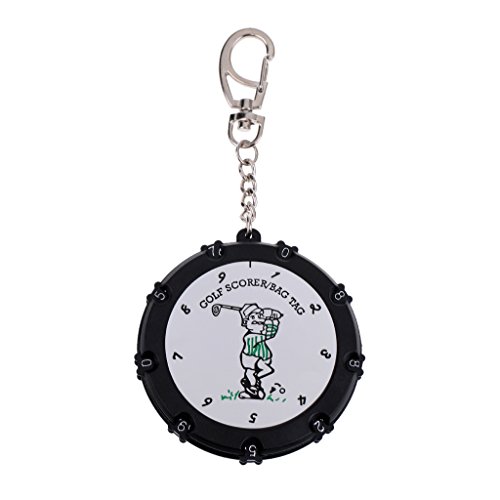
- ✓ Compact and lightweight
- ✓ Easy to operate
- ✓ No batteries needed
- ✕ Limited to 9 shots per hole
- ✕ Plastic build might feel cheap
| Material | Quality plastic |
| Dimensions | 5.5 cm x 4.9 cm x 0.9 cm (2.17 x 1.93 x 0.35 inches) |
| Stroke Recording Capacity | Up to 9 shots per hole |
| Number of Holes Recorded | 18 holes |
| Power Source | No batteries required |
| Additional Features | Key chain for easy carrying |
This Seacloud 1 PC Golf Score Counter has been sitting on my wishlist for a while, mainly because I hate fumbling with my phone or loose paper during a round. When I finally got my hands on it, I was curious if it could actually make tracking my score easier and more fun.
The first thing I noticed is how compact and lightweight it feels in your hand. It’s just about the size of a credit card, but with a little thickness that makes it easy to grip.
The key chain is a smart addition—no more digging through your bag or pockets to find it. It clips onto your golf bag or belt loop without fuss.
The plastic material feels sturdy enough for a day on the course, and it’s simple to use. You slide the button to count each stroke, and it records up to nine shots per hole.
That’s perfect for most holes, and it’s clear enough to read at a glance. The smooth operation means I didn’t accidentally lose count, even when I was busy focusing on my swing.
What I really appreciated was how quick it is to reset for the next hole. Just a quick slide and you’re ready to go.
No batteries mean one less thing to worry about, and it’s ready whenever you need it. Plus, it’s small enough to toss in your pocket or attach to your golf bag for convenience.
Overall, this score counter feels like a simple, reliable tool that cuts down on the chaos of scoring. It’s straightforward, durable, and keeps your focus on the game, not your gadgets.
What Is Considered the Best Score on 18 Holes of Golf?
The best score on 18 holes of golf is typically referred to as “par” or a score that is lower than par for the course. Par is the predetermined number of strokes that an expert golfer is expected to take to complete a hole or the entire course, which usually consists of 18 holes. For most golf courses, par for 18 holes ranges from 70 to 72, depending on the course’s difficulty and layout.
According to the United States Golf Association (USGA), par is established based on the length of each hole and its level of difficulty, which is determined through various factors including terrain, hazards, and green conditions. A score below par is referred to as a “birdie” (one stroke under par), while two strokes under par is called an “eagle.” A score that equals the par is termed “par,” and scores above par are generally seen as less favorable.
Key aspects of scoring in golf include the importance of consistency, strategy, and skill across various terrains. An ideal score on a typical 18-hole golf course would be par or lower, indicating a high level of proficiency in driving, approach shots, and putting. Golfers often aim for their personal best scores, which can vary widely depending on their level of experience and skill. For example, amateur players may consider a score of 90 or lower to be a significant achievement, while professional golfers often target scores well under par.
This scoring system impacts the competitive nature of the game, as golfers strive to improve their skills to achieve lower scores. In tournaments, such as the Masters or the U.S. Open, players are not only competing against each other but also against the course’s par, which adds an element of pressure and strategy to their performance. Lower scores can result in qualification for prestigious events, sponsorships, and increased rankings in the sport.
The benefits of achieving a low score on 18 holes of golf include improved confidence, higher enjoyment of the game, and a greater likelihood of success in competitive play. Additionally, lower scores can foster a sense of community among golfers, as they share tips and techniques to lower their scores. Best practices for improving scores include regular practice, working with a golf coach, and focusing on specific aspects of the game such as short game skills and course management.
Statistics show that the average golf score for an amateur player is around 100, while professional golfers often average scores in the mid-60s to low 70s during tournaments. This disparity highlights the skill levels required at different stages in the sport and the ongoing journey many players undertake to achieve their best score on 18 holes of golf.
What Factors Influence Achieving the Best Score on 18 Holes?
Several factors can significantly influence achieving the best score on 18 holes of golf:
- Course Management: Effective course management involves strategic decision-making on shot selection and club choices based on the layout of the course. Understanding when to play aggressively versus conservatively can help minimize risks and maximize scoring opportunities.
- Physical Fitness: Golf requires a certain level of physical fitness, including strength, flexibility, and endurance. Better fitness can enhance swing mechanics, reduce fatigue over the 18 holes, and improve overall performance, allowing for more consistent shots.
- Mental Focus: Maintaining mental focus throughout a round is crucial for performing well. Distractions, negative thoughts, or pressure can lead to poor decisions and mistakes, so developing a strong mental game and practicing mindfulness can greatly enhance scoring potential.
- Practice and Skill Level: Regular practice and honing specific skills, such as putting, chipping, and driving, directly impact performance. Higher skill levels generally translate to better accuracy and distance control, leading to lower scores on the course.
- Weather Conditions: Weather can play a significant role in how a round of golf unfolds. Factors such as wind, rain, and temperature can affect ball flight and course conditions, necessitating adjustments in strategy and technique to achieve optimal results.
- Equipment Quality: Using well-fitted and appropriate golf clubs and balls can lead to improved performance. The right equipment can enhance comfort and confidence, resulting in better shots and ultimately contributing to a lower score.
- Pre-Round Preparation: Engaging in proper warm-up routines and mental preparation before a round can set the tone for performance. This includes stretching, practicing swings, and visualizing successful shots, which can lead to better focus and readiness when starting the round.
How Does the Difficulty of the Golf Course Affect Scores?
The difficulty of a golf course can significantly impact players’ scores as it introduces various challenges that can affect performance.
- Course Rating: The course rating is a standardized measure of the difficulty of a golf course for a scratch golfer, typically evaluated based on factors such as length and obstacles.
- Slope Rating: Slope rating assesses the difficulty of a course for a bogey golfer compared to a scratch golfer, influencing how scores are adjusted and compared among players of different skill levels.
- Course Design: The design of the course, including the layout of holes, placement of hazards, and green complexity, can present varying levels of challenge, affecting how players approach each hole.
- Weather Conditions: Weather such as wind, rain, or extreme temperatures can greatly influence gameplay and scoring, making even a moderately difficult course become challenging under adverse conditions.
- Green Conditions: The condition of the greens, including their speed and firmness, can affect putting difficulty, which is a critical element in achieving a good score on 18 holes.
The course rating reflects how difficult a course is expected to be for an expert golfer, which can set the baseline for scoring. A higher course rating generally indicates a more challenging layout, leading players to potentially higher scores.
Slope rating complements the course rating by providing insight into how the course will play for average golfers, helping to determine equitable handicaps. A significant difference between a course’s rating and slope can indicate more obstacles that may lead to higher scores for less experienced players.
The design of the course plays a crucial role in determining how players strategize their shots. Factors like tight fairways, strategically placed bunkers, and undulating greens can all contribute to increased difficulty and variability in scores.
Weather conditions can change the dynamics of a golf round, as players must adapt their strategy to account for unpredictable elements. For example, a windy day can make long drives more challenging and lead to higher scores than a calm day.
Finally, the condition of the greens can significantly impact scoring. Fast, firm greens might be difficult to read and putt on, leading to increased strokes, while well-maintained greens can help players achieve their best score on 18 holes of golf.
What Impact Does Weather Have on Golf Performance?
Weather significantly influences golf performance, affecting various aspects of the game.
- Wind: Wind can drastically alter the trajectory of golf balls and the difficulty of shots.
- Rain: Rain affects course conditions, impacting both the grip on the club and the speed of the greens.
- Temperature: Temperature changes can affect the distance the ball travels and the player’s physical performance.
- Humidity: High humidity can lead to fatigue and impact a player’s stamina throughout the round.
- Sunlight: Bright sunlight can lead to glare, making it difficult for players to see the ball clearly and judge distances accurately.
Wind: Wind plays a crucial role in determining shot distance and accuracy. Strong winds can push the ball off course or require golfers to adjust their club selection and swing technique, leading to potential score variations on the 18 holes.
Rain: Rain affects the golf course’s playing conditions, making fairways softer and greens slower. Wet conditions can result in less roll on the ball and require more precise shots, which can challenge a player’s ability to achieve their best score.
Temperature: Colder temperatures can cause the golf ball to travel shorter distances due to increased air density, while warmer temperatures can enhance ball travel. Additionally, players may experience varying levels of comfort and focus, which can influence their performance and score.
Humidity: High humidity can lead to increased perspiration, potentially causing fatigue and affecting a player’s concentration. As energy levels dip, maintaining focus and technique becomes more challenging, which can negatively impact performance on the course.
Sunlight: Bright sunlight can create glare on the course, making it difficult for players to see their targets clearly. This visual challenge can lead to misjudgments in distance and alignment, which can ultimately hinder a golfer’s ability to achieve their best score on 18 holes.
How Can Mental Strategy Improve My Golf Score?
Improving your mental strategy can significantly enhance your performance and help achieve your best score on 18 holes of golf.
- Visualization: This technique involves mentally picturing successful shots before executing them. By clearly imagining the flight of the ball and the ideal outcome, golfers can boost their confidence and focus, leading to better performance on the course.
- Positive Self-Talk: Using affirmative phrases can help maintain a positive mindset and combat negative thoughts during play. Reminding yourself of your strengths and previous successes can reduce anxiety and improve concentration, contributing to a lower score.
- Pre-Shot Routine: Establishing a consistent routine before each shot can help reduce nerves and enhance focus. This routine creates a sense of familiarity and control, allowing golfers to settle into their rhythm and execute their shots more effectively.
- Mindfulness and Focus: Practicing mindfulness techniques can enhance awareness and concentration during the game. By staying present and focused on each shot rather than worrying about past mistakes or future outcomes, golfers can improve their decision-making and overall performance.
- Course Management: Developing a strategic approach to navigating the course can lead to smarter shot selection and risk management. By assessing each hole and choosing the safest and most effective paths, golfers can minimize mistakes and optimize their scoring opportunities.
What Are the Current Records for the Best Score on 18 Holes?
The current records for the best score on 18 holes of golf are impressive achievements that showcase exceptional skill and consistency.
- Professional Men’s Record: The lowest score recorded in professional men’s golf is 55, achieved by Jim Furyk in 2016 during the Travelers Championship.
- Professional Women’s Record: The lowest score recorded in professional women’s golf is 61, accomplished by several players, including Annika Sörenstam and Yani Tseng, under various tournament conditions.
- Amateur Men’s Record: The best score by an amateur male golfer is 57, a remarkable feat that has been achieved by several players, including the likes of Michael McDermott in 2013.
- Amateur Women’s Record: The best score by an amateur female golfer is 61, achieved by players such as Ellen Port, highlighting the competitive nature of amateur golf.
- Course Record Variations: Many golf courses have their own specific records; for example, the best score on a particular course may differ significantly from general records due to varying difficulty and layout.
Jim Furyk’s 55 remains a standout achievement that reflects a combination of skill, strategy, and perhaps a favorable course setup, as it is the first and only score of its kind in PGA Tour history. Similarly, the women’s record of 61 has been set multiple times, demonstrating the evolving talent in women’s golf, with notable athletes consistently pushing the boundaries of scoring.
For amateurs, achieving a score like 57 for men and 61 for women indicates high levels of talent and dedication, often achieved in local or regional tournaments. These scores not only highlight individual excellence but also inspire upcoming golfers to aim for these remarkable benchmarks in their own games.
Course records can vary widely, as different layouts and conditions can lead to different scoring opportunities, making each course’s record a unique representation of its challenge and the skill of its players.
What Techniques and Practices Can Help Me Achieve My Best Score?
Achieving your best score on 18 holes of golf requires a combination of effective techniques and consistent practice. Here are some strategies to enhance your game:
-
Focus on Short Game: Spend ample time practicing chipping and putting. A strong short game can significantly lower your score as most strokes are taken around the greens.
-
Course Management: Develop a strategy for each hole. Assess the layout and identify potential hazards to make informed decisions about shot selection, club choices, and preferred landing areas.
-
Practice with Purpose: Include drills that target your weaknesses during practice sessions. Use alignment sticks to ensure your stance and swing path are correct.
-
Mental Game: Build mental resilience by visualizing successful shots and maintaining a positive mindset throughout the round. Techniques such as deep breathing and visualization can help you stay focused.
-
Physical Fitness: Enhance your overall fitness through exercises that improve flexibility, strength, and endurance. Incorporating yoga or strength training can help maintain your stamina over 18 holes.
By implementing these techniques consistently, golfers can notably improve their performance and work toward their best score.
How Does My Golf Equipment Affect My Scoring Ability?
Your golf equipment significantly influences your performance and can help you achieve the best score on 18 holes of golf.
- Golf Clubs: The type and quality of golf clubs you use can greatly impact your accuracy and distance. Clubs that are fitted to your swing style and body can enhance your ability to hit the ball consistently, allowing for better scoring opportunities.
- Golf Balls: Different golf balls are designed for various playing styles and conditions, affecting spin, distance, and feel. Choosing a golf ball that complements your swing speed and playing conditions can lead to improved control and lower scores.
- Tees: The height and type of tees can influence the launch angle and distance of your drives. Using the right tee can help you maximize your distance off the tee, setting up easier approach shots to the green.
- Shoes: Proper golf shoes provide traction and stability, which are crucial for maintaining balance during your swing. Comfortable shoes can also help you walk the course more efficiently, reducing fatigue and improving focus.
- Gloves: A well-fitted golf glove enhances grip and control, which can lead to more accurate shots. The right glove can also help prevent blisters and discomfort, allowing you to focus entirely on your game.
- Rangefinders and GPS Devices: These tools assist in measuring distances accurately, which can help you make better club selections. By knowing exact distances, you can avoid hazards and choose the right approach to the green, ultimately improving your score.
What Common Challenges Should I Prepare for While Attempting to Score Low?
When aiming for the best score on 18 holes of golf, you may encounter several common challenges that require preparation and strategy.
- Course Management: Effective course management involves making strategic decisions about when to take risks and when to play it safe. Understanding the layout of the course, including hazards and pin placements, is crucial for minimizing mistakes and optimizing your score.
- Consistency in Swing: Achieving a consistent swing is vital for accuracy and distance control. Practice is essential to develop muscle memory, and focusing on your grip, stance, and follow-through can help you hit more reliable shots throughout the round.
- Short Game Proficiency: Many strokes are gained or lost within 100 yards of the green, making short game skills like chipping and putting essential. Regular practice of these skills can help lower your score by improving your ability to get up and down from around the greens.
- Course Conditions: Weather and course conditions, such as wind, rain, or even the type of grass, can significantly affect play. Being adaptable and understanding how different conditions influence your shots can help you make better decisions and maintain focus during your round.
- Mental Toughness: Golf is as much a mental game as it is physical; maintaining composure under pressure is crucial. Developing a pre-shot routine and techniques for managing nerves can help you stay focused and perform well, especially during critical moments in your round.
- Physical Fitness: Endurance and flexibility play a significant role in maintaining performance over 18 holes. A well-rounded fitness routine that includes strength training, cardiovascular exercise, and stretching can help you sustain energy levels and reduce the risk of injury throughout the game.
- Equipment Familiarity: Knowing your clubs and how they perform under different conditions is essential for making informed choices on the course. Regularly practicing with your equipment and understanding the nuances of each club can enhance your confidence and improve shot selection.