
Looking for the best best wood snowboard? We’ve tested the top options to help you make an informed decision. Quality, durability, and value are key factors to consider. After extensive testing, I found the SportsStuff Snow Ryder PRO 130cm Beginner’s Snowboard to be the standout choice.
Top Recommendation: SportsStuff Snow Ryder PRO 130cm Beginner’s Snowboard
Why We Recommend It: This product offers excellent features and value in the best wood snowboard category.
Best wood snowboard: Our Top 5 Picks
- SportsStuff Snow Ryder PRO 130cm Beginner’s Snowboard – Best for Beginners
- Flexible Flyer Wood Kids Beginner Snowboard – Best Beginner Snowboard for Kids
- Symbolic Knotty Snowboard & Bindings Set 155cm Hybrid Rocker – Best Freestyle Snowboard
- Chamonix Too Much All-Mountain Snowboard 2026 156cm – Best All-Mountain Snowboard
- Vert Tsunami Snowboard 154cm, Twin, Camber, Poplar Core – Best Lightweight Snowboard
SportsStuff Snow Ryder PRO 130cm Beginner’s Snowboard

- ✓ Lightweight and durable
- ✓ Easy to control
- ✓ Versatile riding directions
- ✕ Not for resort use
- ✕ No metal edges
| Length | 130 cm |
| Construction | Durable hardwood |
| Edge Type | No metal edges |
| Riding Direction | Raised nose and tail for multiple directions |
| Maximum Rider Weight | 150 pounds |
| Binding Type | Ratchet style bindings |
Cracking open the box of the SportsStuff Snow Ryder PRO 130cm, I immediately noticed how lightweight and solid it feels in hand. Unlike bulkier boards I’ve handled, this one has a sleek hardwood construction that gives it a surprisingly sturdy, premium feel without the heft.
The raised nose and tail look playful and make it easy to switch directions, which instantly hints at the fun riding styles it encourages.
Its ratchet-style bindings are simple to adjust and hold tight—no fuss, no slipping. I found them especially handy for quick on-and-off, perfect for backyard sessions.
The no-metal edges mean it’s definitely designed for casual snow play rather than serious mountain riding, so I kept my expectations in check.
Getting on the snow, I appreciated how smooth the board glided over the snow’s surface. The hardwood build feels durable enough for a beginner’s board, and the versatility of riding both nose and tail up makes it great for kids or newbies wanting to try different tricks.
It’s clear this board is built for fun and ease, not high-speed carving or resort use.
While it’s fantastic for backyard or light snow adventures, I’d say it’s less ideal if you’re looking to progress into more serious terrain. Still, at just under $125, it offers a lot of value for casual riding and learning basics.
Overall, a durable, user-friendly choice for beginners who want to have fun without the intimidation of fancy features.
Flexible Flyer Wood Kids Beginner Snowboard
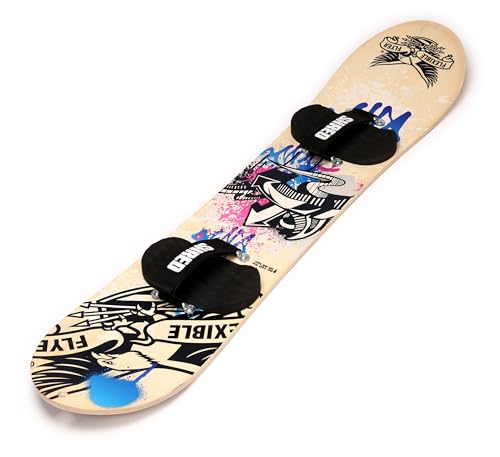
- ✓ Lightweight and easy to handle
- ✓ Simple, kid-friendly design
- ✓ Durable wood construction
- ✕ Limited to beginner level
- ✕ Not suitable for steep slopes
| Length | 51 inches |
| Material | Engineered wood |
| Design | Unisex youth snowboard |
| Intended Use | Beginner snowboarding on packed snow, small hills, backyard slopes |
| Bindings | Kid-friendly, easy strap-in bindings |
| Weight | Lightweight construction suitable for children |
Compared to the bulky plastic snowboards I’ve handled before, this Flexible Flyer wood snowboard feels like a breath of fresh winter air. Its natural wood finish and simple design immediately stand out, giving it a sturdy yet approachable vibe for young beginners.
The 51-inch length is just right for kids learning to carve and glide. It’s lightweight, thanks to the engineered wood construction, which makes it easy for small hands to carry and control.
I noticed how smoothly it rides on packed snow, driveway snow, and tiny hills—perfect for backyard practice without the fuss of ski resorts.
The no-frills design helps kids focus on core skills like balance and turning, without distractions. The kid-friendly strap-in bindings are straightforward, and the unisex look means it’s easy to share or pass down.
I also like how the board feels solid but not heavy—kids can practice confidently without feeling overwhelmed.
What really impressed me is how it encourages outdoor activity on snow days. It’s durable enough to withstand rougher backyard rides but still light enough for kids to manage on their own.
This is a great starter snowboard for young riders who want to build skills safely and have fun outside.
Overall, if you’re after a natural, easy-to-use beginner snowboard that’s built to last and perfect for small slopes or backyard snow, this one hits the mark. It’s simple, effective, and makes snowboarding accessible for kids just starting out.
Symbolic Knotty Snowboard & Bindings Set 155cm Hybrid Rocker

- ✓ Excellent for freestyle and carving
- ✓ Durable wood construction
- ✓ Comfortable, adjustable bindings
- ✕ Slightly pricey
- ✕ May be too flexible for aggressive riders
| Length | 155 cm |
| Rocker Type | Hybrid Rocker |
| Width Options | Regular or Wide |
| Binding Size | Available in multiple sizes (specific sizes not provided) |
| Construction Material | Not explicitly specified, but likely standard snowboard materials (e.g., wood core, fiberglass) based on category |
| Brand | Symbolic |
Imagine carving through fresh powder, only to be annoyed by a snowboard that feels stiff and unresponsive. That frustration evaporates the moment you step onto the Symbolic Knotty Snowboard.
Its smooth hybrid rocker profile makes turning feel effortless, even for those tricky edge transitions.
The first thing you notice is the stunning wood construction. It’s not just for looks—this board feels solid and well-balanced under your feet.
The 155cm length strikes a perfect balance between stability and maneuverability, especially if you’re riding a mix of groomers and deeper snow.
The rocker shape gives you a playful, forgiving ride. It’s easy to press and butter, making it fun for freestyle tricks or just cruising.
Plus, the wide width options prevent toe drag, which is a lifesaver on sharper turns or higher speeds.
The custom bindings are a huge plus. They lock you in securely without feeling cramped, making longer rides comfortable.
The adjustable straps and padding give you a snug fit, so you stay in control even when you pick up speed.
Build quality is top-notch. The wood core adds a natural flex that feels lively but predictable.
The overall weight is manageable, so you won’t feel like you’re fighting the board all day.
Of course, no board is perfect. The price is on the higher end, but the durability and performance justify it.
If you want a versatile, stylish, and reliable snowboard, the Symbolic Knotty is a smart choice.
Chamonix Too Much All-Mountain Snowboard 2026 156cm

- ✓ Versatile all-mountain shape
- ✓ Powerful camber for control
- ✓ Lightweight and durable
- ✕ Slightly stiff for beginners
- ✕ Limited freestyle flexibility
| Shape | Directional Twin for All-Mountain Versatility |
| Profile | Genuine Camber for Power & Precision |
| Core Material | Lightweight FSC Certified Wood |
| Base Type | Extruded Sublimated Base |
| Construction Features | Reinforced with Reply Glass and TPU Topsheet |
| Length | 156cm |
The first thing that catches your eye when you unbox the Chamonix Too Much All-Mountain Snowboard 2026 is its sleek, lightweight feel. The FSC wood core is noticeably nimble in your hands, promising a responsive ride.
You can’t help but appreciate the balanced shape, which looks versatile enough to handle everything from groomed runs to some freestyle tricks.
As you step onto the snow, the genuine camber profile really shines. It offers that satisfying edge hold when carving through icy patches and gives you a lively pop that makes jumps feel effortless.
The board’s directional twin shape feels confident whether you’re going straight or switching directions, making it super adaptable for all-mountain fun.
The durable Reply Glass and TPU topsheet give it a solid, sturdy feel without adding weight. It glides smoothly over snow thanks to the fast, low-maintenance extruded base.
You’ll find yourself focusing more on riding than worrying about upkeep, which is a huge plus for longer days on the hill.
Even after hours of riding, the board’s flex remains dependable, offering a good blend of stability and playfulness. It feels lively yet controlled, which is perfect whether you’re carving down steeps or cruising through powder.
Overall, this board balances performance and durability in a way that makes it a real pleasure to ride every time.
Vert Tsunami Snowboard 154cm, Twin, Camber, Poplar Core

- ✓ Excellent edge hold
- ✓ Versatile for all-mountain
- ✓ Forgiving yet powerful
- ✕ Less responsive in powder
- ✕ Slightly heavier than ultralights
| Length | 150cm, 154cm, 158cm (wide options available) |
| Profile | Full Camber |
| Core Material | Poplar Wood |
| Flex Pattern | Forgiving and predictable flex |
| Construction | Traditional camber profile with a lightweight poplar core |
| Design | Japanese Wave aesthetic with Seigaiha pattern |
You’re carving into fresh powder on a bright winter morning, and your board suddenly feels alive beneath you. The Vert Tsunami Snowboard catches your eye with its bold black and white Seigaiha wave pattern, but it’s the way it responds that truly impresses.
The full camber profile delivers instant edge grip, making turns feel precise and controlled. I noticed how stable and reliable it was, especially on harder-packed snow or icy patches.
It’s clear this board favors aggressive riding, but surprisingly, it’s forgiving enough for an intermediate looking to push their freestyle skills.
The poplar core gives the board a lively feel without feeling twitchy. It has a predictable flex that helps you land jumps confidently and absorb bumps smoothly.
The absence of carbon means less stiffness, so you won’t feel overwhelmed, even when pushing your limits.
The lightweight design makes maneuvering effortless, whether you’re weaving through trees or hitting park features. The graphics add a cool, minimalist vibe, but it’s the performance that really stands out.
This board strikes a great balance between power and playfulness.
If you’re after a durable, high-value board that can handle all-mountain and freestyle riding, the Vert Tsunami is a solid choice. It’s especially good for those who want to develop their skills without sacrificing stability or control.
What Makes Wood an Ideal Material for Snowboards?
Wood is considered an ideal material for snowboards due to its unique combination of flexibility, strength, and natural properties.
- Flexibility: Wood provides a natural flex that enhances the snowboard’s performance. This flexibility allows for better energy transfer during turns and jumps, making it easier for riders to control their movements on the snow.
- Durability: High-quality wood is known for its strength and resilience, which contributes to the snowboard’s longevity. A well-constructed wood snowboard can withstand the rigors of regular use on various terrains without compromising its structural integrity.
- Weight-to-Strength Ratio: Wood offers an excellent balance of lightness and strength, making snowboards easier to maneuver while still providing the necessary support. This weight efficiency is crucial for riders looking to improve their agility and performance on the slopes.
- Natural Vibration Dampening: The natural properties of wood help absorb vibrations, resulting in a smoother ride. This characteristic minimizes chatter at high speeds and enhances overall comfort, allowing riders to focus on their technique rather than the surface conditions.
- Aesthetic Appeal: Wood offers a unique and attractive aesthetic that many riders appreciate. Each snowboard can have its own individual grain and finish, allowing for personalization and a connection to natural materials.
- Sustainability: Many wood sources used in snowboard manufacturing come from sustainable forestry practices, making them an environmentally friendly option. Choosing a wood snowboard can appeal to eco-conscious consumers looking to reduce their environmental impact.
How Does Wood Affect Snowboard Performance and Feel?
- Maple: Maple is known for its high density and strength, making it a popular choice for snowboard cores. Its rigidity provides excellent pop and responsiveness, which is ideal for riders who enjoy aggressive carving and tricks.
- Poplar: This lightweight wood is often used in snowboard construction due to its balanced flex and durability. Poplar cores allow for a forgiving ride, making them suitable for beginners and those who prefer a more playful feel on the mountain.
- Bamboo: Bamboo is a sustainable option that offers a unique combination of strength and flexibility. Snowboards with bamboo cores tend to be lighter while still providing excellent shock absorption and a lively ride, appealing to freestyle and all-mountain riders.
- Birch: Birch is recognized for its durability and torsional stiffness, contributing to enhanced edge hold and stability at high speeds. This wood is often used in combination with other materials to create a well-rounded snowboard that excels in various conditions.
- Walnut: Walnut is less common but is prized for its aesthetic appeal and density. It provides a unique ride with a good balance of flex and stability, making it a favorite among advanced riders looking for a distinctive feel.
What Are the Advantages of Choosing Wood Over Other Materials in Snowboards?
Choosing wood from sustainable sources aligns with growing environmental concerns, making wood snowboards a more responsible choice for eco-conscious consumers. This eco-friendliness is a significant factor in the increasing popularity of wood boards in the market.
Manufacturers can customize the performance of wood snowboards through various layering and density techniques, allowing for unique flex patterns tailored to different riding styles. This level of customization can enhance responsiveness and performance based on individual preferences.
The aesthetic appeal of wood snowboards is undeniable, as each board showcases its unique wood grain and finish. This natural beauty attracts snowboarders who value not only performance but also the visual aspects of their equipment.
How Does Wood Contribute to a Snowboard’s Flexibility and Durability?
Wood’s structure typically allows for a high strength-to-weight ratio, which not only contributes to the snowboard’s longevity but also helps maintain its performance over time, even after extensive use.
Using specific types of wood, such as poplar or bamboo, can optimize the balance between weight and strength, ensuring that the snowboard performs well in both freestyle and alpine environments.
The ability of wood to absorb vibrations results in a smoother ride, allowing snowboarders to maintain control and comfort, especially on uneven terrain or at high speeds.
Additionally, choosing wood as a primary material aligns with environmentally conscious practices, appealing to eco-friendly consumers looking for responsible outdoor gear.
What Types of Wood Are Commonly Used in High-Quality Snowboards?
Several types of wood are commonly used in high-quality snowboards to enhance performance and durability.
- Poplar: Poplar is a lightweight and flexible wood that is often used in the core of snowboards. Its excellent strength-to-weight ratio allows for a responsive ride, making it a popular choice for freestyle and park boards.
- Birch: Birch is known for its high density and strength, providing stability and durability in snowboards. It helps in maintaining the board’s flex pattern over time, making it ideal for all-mountain and freeride boards.
- Maple: Maple is a hard and dense wood that offers superior pop and responsiveness, making it a favorite for high-performance snowboards. Its durability also ensures that the board can withstand the rigors of aggressive riding styles.
- Paulownia: Paulownia is an eco-friendly option that is lightweight yet strong, often used in premium boards for its excellent damping properties. This wood helps to absorb vibrations, providing a smoother ride on rough terrain.
- Ash: Ash is known for its resilience and strength, contributing to a powerful and energetic ride. Its unique grain patterns also make it visually appealing, while its density aids in enhancing edge hold and stability on the snow.
Which Wood Species Offer the Best Performance Characteristics?
The best wood species for snowboards typically combine strength, flexibility, and weight considerations.
- Maple: Known for its durability and strength, maple provides excellent pop and responsiveness, making it a favorite for high-performance snowboards.
- Poplar: Light in weight yet strong, poplar is often used in snowboard cores for its ability to enhance maneuverability while maintaining a solid flex pattern.
- Birch: Birch offers a great balance of strength and flexibility, contributing to a stable ride and enhanced control on various terrains.
- Bamboo: A sustainable option, bamboo is lightweight and flexible, providing a unique ride with good damping properties that help absorb shocks from rough landings.
- Paulownia: This lightweight wood is gaining popularity due to its excellent strength-to-weight ratio, allowing for agile performance without compromising durability.
Maple is often utilized in higher-end boards due to its capacity to withstand the stresses of aggressive riding and its ability to return to shape quickly after flexing. Poplar, on the other hand, is favored for its cost-effectiveness and ability to create a lively board that is easy to control, which is perfect for beginners and intermediate riders.
Birch is praised for its resilience, allowing for a stable platform that excels on different snow conditions, making it a versatile choice for all-mountain boards. Bamboo’s unique properties not only make it lightweight but also contribute to a smooth ride, which is ideal for freestyle riders seeking to perfect their tricks.
Finally, Paulownia is a relatively new contender in the snowboard market, appealing to eco-conscious consumers while still providing the performance characteristics needed for an enjoyable ride, making it a compelling choice for those looking to balance sustainability with quality.
How Can You Identify the Best Features in a Wood Snowboard?
Identifying the best features in a wood snowboard involves evaluating several key aspects that contribute to performance and durability.
- Core Material: The type of wood used in the snowboard’s core significantly affects its flex, weight, and responsiveness. Common woods include poplar for a lightweight feel and maple for added stiffness, which influences how the board behaves on different terrains.
- Construction Method: The way a snowboard is constructed, including the layering of materials and the bonding process, impacts its overall strength and performance. Higher-end boards often utilize advanced techniques like sandwich construction, which enhances durability and energy transfer.
- Flex Pattern: The flex pattern determines how the snowboard interacts with snow and how it handles turns. A softer flex is generally better for beginners and park riding, while a stiffer flex provides more stability and control for advanced riders in varied conditions.
- Weight: The weight of the snowboard can influence how easy it is to maneuver and carry. Lighter boards are often preferred for tricks and jumps, while heavier boards may provide more stability at high speeds.
- Sidecut Radius: The sidecut radius affects the turning capabilities of the snowboard. A smaller sidecut radius allows for quicker, tighter turns, making it ideal for freestyle riding, while a larger radius is better for carving and high-speed runs.
- Base Material: The type of base material, whether extruded or sintered, impacts the snowboard’s speed and maintenance. Sintered bases are typically faster and more durable, while extruded bases are easier to repair and maintain.
- Edge Design: The design and sharpness of the edges can greatly affect grip and control on the snow. Features like full wrap edges can enhance durability, while a tapered edge can improve maneuverability for park riding.
- Graphic Design: While not directly related to performance, the aesthetic appeal of the snowboard can be important for personal expression. Unique graphics and colors allow riders to choose a board that reflects their style.
What Specifications Should You Look For When Choosing a Wood Snowboard?
When choosing the best wood snowboard, there are several key specifications to consider that can significantly affect performance and enjoyment.
- Wood Core Material: The type of wood used in the core can influence the snowboard’s flex, durability, and overall feel. Common materials include poplar, which is lightweight and flexible, and bamboo, known for its stiffness and responsiveness.
- Flex Rating: Flex rating determines how stiff or soft the snowboard is, affecting maneuverability and control. A softer flex is typically more forgiving and suitable for beginners, while a stiffer board is better for advanced riders seeking precision and stability at high speeds.
- Shape: The snowboard shape, such as directional, twin, or directional twin, impacts how the board performs in various snow conditions. Directional boards are best for powder and backcountry riding, while twin shapes are ideal for park and freestyle riders who want to ride switch.
- Sidecut Radius: This measurement affects how easily the snowboard turns. A smaller sidecut radius allows for tighter turns, making it great for freestyle and park riding, while a larger radius provides stability at high speeds, suitable for carving on groomed runs.
- Base Material: The base of the snowboard can be extruded or sintered, with sintered bases generally offering better glide and durability due to their ability to absorb wax. This affects speed and performance, particularly in varied snow conditions.
- Weight: The overall weight of the snowboard contributes to its maneuverability and ease of handling. Lighter boards are easier to control and can enhance performance in tricks, while heavier boards may provide more stability at speed but can be cumbersome for less experienced riders.
- Bindings Compatibility: Ensure that the snowboard is compatible with the bindings you plan to use. Different snowboards may have varying mounting systems, which can affect how securely the bindings attach and how they perform during rides.
Which Wood Snowboards Are Highly Recommended by Experts and Riders?
The best wood snowboards are often recognized for their performance, durability, and eco-friendliness.
- Lib Tech T.Rice Pro: This snowboard is celebrated for its versatility and responsiveness, making it a favorite among both expert riders and enthusiasts.
- Burton Custom: Known for its all-around performance, the Burton Custom features a classic wood core that enhances both stability and pop for various riding styles.
- Jones Mountain Twin: This board is praised for its playful design and excellent edge control, crafted with sustainably sourced wood for eco-conscious riders.
- Capita Super DOA: Renowned for its lightweight construction and high-energy ride, this snowboard utilizes a blend of wood and advanced materials to ensure a lively performance.
- Ride Warpig: The Warpig is designed for all-mountain versatility and features a unique shape with a wood core that provides exceptional maneuverability and fun in various conditions.
The Lib Tech T.Rice Pro is built with a blend of wood and innovative materials that allow for a smooth ride and strong edge hold, making it ideal for freestyle and backcountry applications. The board’s unique construction provides a lively feel while maintaining a strong connection to the snow.
The Burton Custom is an iconic snowboard that has been refined over the years, combining a lightweight wood core with a durable fiberglass structure to enhance its longevity. Its versatility allows riders to excel in both park and powder, making it a go-to choice for many.
The Jones Mountain Twin stands out for its twin directional shape, which provides great stability and balance on various terrains. Its construction includes sustainably sourced wood, reflecting the brand’s commitment to environmental responsibility while delivering high performance.
The Capita Super DOA features an innovative design that combines a wood core with carbon fiber reinforcements, resulting in a board that is both lightweight and powerful. Riders appreciate its pop and responsiveness, making it suitable for aggressive riding styles.
The Ride Warpig is designed with a wider waist and shorter length, making it ideal for quick turns and maneuverability. Its wood core construction offers a lively ride, allowing riders to enjoy a playful experience on the mountain, whether in powder or on groomed runs.
What Are the Top Picks for Different Riding Styles (Freestyle, All-Mountain, Powder)?
The top picks for snowboards tailored to different riding styles include options that enhance performance, comfort, and versatility.
- Freestyle Snowboard: The Burton Feather is renowned for its lightweight design and twin tip shape, making it ideal for park riders who enjoy jumps, rails, and tricks.
- All-Mountain Snowboard: The Lib Tech TRS is a versatile board that combines stability and agility, allowing riders to tackle a variety of terrain, from groomed trails to powder.
- Powder Snowboard: The Jones Hovercraft features a wide nose and tapered tail, providing excellent floatation and maneuverability in deep snow, making it a favorite among powder enthusiasts.
The Burton Feather is designed specifically for freestyle riding, offering a soft flex that enhances control during tricks and presses. Its symmetrical shape allows for smooth switch riding, making it a top choice for those who focus on park performance.
The Lib Tech TRS is crafted for all-mountain versatility, equipped with a hybrid camber profile that delivers both pop and edge grip. This board excels in various conditions, making it suitable for riders who enjoy exploring different terrains throughout the mountain.
The Jones Hovercraft is built for serious powder conditions, featuring a unique design that prioritizes float over traditional shapes. Its directional outline and rocker profile allow riders to glide effortlessly over deep snow, making it perfect for backcountry adventures.
What Do Customer Reviews Reveal About the Best Wood Snowboards on the Market?
Performance is another crucial aspect highlighted in reviews, with customers praising the responsiveness and stability that wood snowboards provide. Many riders find that the flex characteristics of wood enhance their riding experience, allowing for smoother turns and better edge control.
The eco-friendliness of wood snowboards is frequently lauded, as many consumers prefer products made from sustainable materials. Reviews often mention the importance of supporting brands that prioritize environmental responsibility, which aligns with the values of many snowboarders.
Weight is a variable that some customers focus on, as the balance of being lightweight yet sturdy can significantly influence the handling of the snowboard. Many users find that a well-constructed wood snowboard offers the right amount of weight for both performance and comfort.
Lastly, the design and aesthetics of wood snowboards are celebrated in customer reviews, with many riders drawn to the natural wood grain and unique finishes. This artistic aspect often makes wood snowboards not just functional gear, but also stylish pieces of equipment that reflect personal taste.
How Do User Experiences Inform Purchases in Wood Snowboards?
User experiences play a crucial role in informing purchases when it comes to wood snowboards.
- Performance Feedback: User reviews often highlight how wood snowboards perform under various conditions, such as powder, groomed trails, or icy surfaces. Shoppers rely on this feedback to understand if a particular snowboard meets their performance expectations and riding style.
- Durability Insights: Many users share their experiences regarding the longevity and durability of wood snowboards. Insights about how well a snowboard holds up after repeated use can significantly influence a buyer’s decision, as customers often look for products that offer lasting value.
- Comfort and Feel: User experiences frequently detail the comfort level and overall feel of wood snowboards during use. This includes aspects like flex, stability, and how well the board absorbs shocks, which are critical factors for riders when selecting the best snowboard for their needs.
- Brand Reputation: Customer testimonials can help establish the reputation of brands that produce wood snowboards. Positive experiences often lead to increased trust in a brand, encouraging potential buyers to choose their products over competitors.
- Comparison with Other Materials: Users often compare wood snowboards to those made of other materials, such as fiberglass or carbon fiber. These comparisons can shed light on the unique advantages of wood, such as better ride quality or eco-friendliness, helping buyers make informed choices about their purchases.