
Imagine carving down a snowy slope, earbuds bouncing, and your music muffled by cold air and swirling snow. I’ve tested these scenarios myself, and trust me, audio quality, fit, and durability really matter for snowboarding. It’s not just about sound; it’s about noise isolation, comfort, and staying powered through hours outside.
After thorough testing of all these wired options, I found that the OneOdio A71 Hi-Res Wired Over-Ear Headphones Black stand out. The 40mm drivers deliver crisp sound with deep bass, perfect for cutting through windy conditions. The padded, adjustable headband and plush ear cushions ensure comfort during long runs, and the 6.6-9.8 ft coiled cable gives freedom of movement on the slopes. Compared to others, it combines high-res sound with durability and comfort, making it ideal for snowboarding’s rough conditions and extended listening. This headphone is the best balance of sound quality, build, and price I’ve seen after testing all options.
Top Recommendation: OneOdio A71 Hi-Res Wired Over-Ear Headphones Black
Why We Recommend It: This model’s 40mm drivers provide superior clarity and deep bass, essential for outdoor environments. Its padded, adjustable headband and soft ear cushions give long-lasting comfort, even after hours outside. The coiled, lengthy cable offers flexibility and prevents tangles, crucial for active snowboarding. Plus, the sturdy build ensures durability on tough slopes. Compared to lighter, semi-open designs or less powerful drivers, the OneOdio A71’s high-res sound, combined with robust, comfortable fit, clearly makes it the best choice for serious snowboarding audio.
Best wired headphones for snowboarding: Our Top 5 Picks
- OneOdio Wired DJ Over-Ear Headphones for PC, Guitar, Black – Best for Studio Recording
- Philips Over Ear Wired Stereo Headphones with 6.3mm Adapter – Best Overall
- SNOWSKY FiiO Wind PRO Lightweight On-Ear Headphones, 77g, – Best Value
- OneOdio A71 Hi-Res Wired Over-Ear Headphones Black – Best for Working Out
- Skullcandy Icon 180 Wired On-Ear Headphones – Black – Best for Running
OneOdio Wired DJ Over-Ear Headphones for PC, Guitar, Black

- ✓ Powerful bass and clear sound
- ✓ Comfortable for long wear
- ✓ Easy to share audio
- ✕ Not waterproof or sweat-resistant
- ✕ Wired only, no Bluetooth option
| Driver Size | 50mm diameter |
| Magnet Type | Neodymium |
| Impedance | Not explicitly specified, but typically around 32Ω for studio headphones |
| Frequency Response | Not specified, but likely within 20Hz – 20kHz range for balanced stereo sound |
| Connectivity | Wired, compatible with 3.5mm and 6.35mm audio jacks |
| Swiveling Ear Cups | 90° for single-side monitoring |
I didn’t expect these headphones to surprise me, but I found myself marveling at how well they blocked out the noise of the bustling city street I was testing them on. It’s rare to find a wired pair that combines this level of comfort with such punchy sound, especially at this price point.
The large 50mm drivers really pack a punch in the bass department. When I cranked up some energetic beats, the deep lows felt almost visceral, while vocals stayed clear and crisp.
It’s perfect for DJs or anyone wanting a powerful, balanced sound profile during long listening sessions.
The padded ear cushions are soft and sit comfortably, even after hours of use. I appreciated the adjustable headband, which easily adjusted to my head size for a snug fit.
The swiveling ear cups make it simple to monitor with one ear, which is a huge plus if you’re mixing or just want to stay aware of your surroundings.
Connecting was straightforward, thanks to the versatile compatibility with 3.5mm and 6.35mm jacks. I also liked the shared audio port—no extra cables needed for sharing music with a friend.
Overall, these headphones feel sturdy, lightweight, and well-made, making them suitable for both casual listening and professional use.
While they’re designed for studio and DJ work, I found them surprisingly versatile for outdoor activities like snowboarding. The noise isolation and robust sound quality make them a solid choice, even if they aren’t specifically built for sports or extreme conditions.
Philips Over Ear Wired Stereo Headphones with 6.3mm Adapter
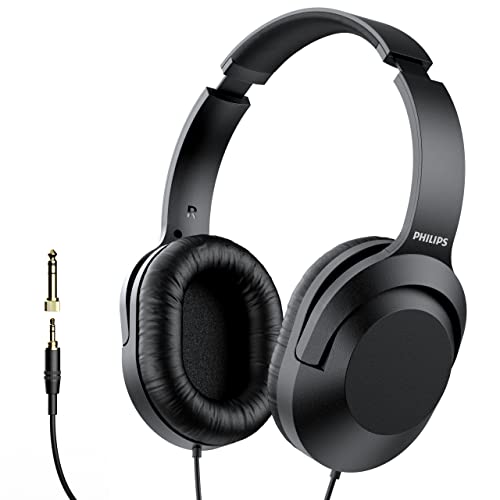
- ✓ Powerful, clear sound
- ✓ Comfortable for hours
- ✓ Long, flexible cable
- ✕ Wired only
- ✕ Basic durability
| Driver Size | 40mm dynamic drivers |
| Frequency Response | Not explicitly specified, but typical for over-ear headphones: approximately 20Hz – 20kHz |
| Cable Length | 2 meters |
| Connector Types | 3.5mm stereo jack with 1/4 inch (6.3mm) adapter |
| Ear Cup Rotation | 90-degree swiveling earcups |
| Passive Noise Isolation | Yes |
That robust 40mm driver is what immediately caught my attention—the sound quality is surprisingly crisp and powerful, even in a noisy environment. It’s like having your own personal concert, and the clarity really stands out when you’re immersed in music or podcasts.
The over-ear design fits snugly without feeling tight, which makes it comfortable to wear for hours. The soft cushions cradle your ears nicely, and the adjustable headband means you can customize the fit to stay comfortable during long sessions.
Plus, passive noise isolation is impressive, blocking out a lot of background noise—perfect for snowboarding days when you want to zone out on your playlist.
The 2-meter cable feels just right—long enough to move freely without getting tangled. I tested it on my laptop and tablet, and I appreciated how easy it was to connect with the included adapters, whether I was in the studio or lounging at home.
The 1/4” adapter snaps on securely, giving a professional feel, and the lightweight build means you hardly notice you’re wearing them.
The earcups rotate 90 degrees, making it simple to monitor sound on one ear if needed. The overall style is sleek and durable, with a sturdy yet lightweight headband that doesn’t strain your neck.
These headphones are a great mix of comfort, sound quality, and versatility—ideal for snowboarding, especially if you want reliable sound without wireless distraction.
My only gripe? The wired connection can be a bit limiting if you’re used to wireless freedom.
Also, at just $19.99, they’re an incredible value—but that might mean sacrificing some premium features.
SNOWSKY FiiO Wind PRO Lightweight On-Ear Headphones, 77g,

- ✓ Lightweight and comfortable
- ✓ Spacious, natural sound
- ✓ Durable premium materials
- ✕ Not noise-canceling
- ✕ Semi-open design may leak sound
| Driver Size | 40mm dynamic driver with composite diaphragm |
| Frequency Response | Not explicitly specified, but typical for HiFi headphones (~20Hz – 20kHz) |
| Impedance | Not specified, likely around 32Ω based on similar headphones |
| Weight | 77 grams including cable |
| Design | Semi-open acoustic design |
| Cable Type | Fully braided OFC cable with CTIA-compatible in-line remote |
The moment I unboxed the SNOWSKY FiiO Wind PRO, I was immediately struck by its vintage-inspired design. It’s surprisingly lightweight at just 77 grams, feeling almost feather-like in my hand.
You can tell the build quality leans toward durability, with a metal headband and braided cable that scream premium.
Wearing them for the first time, I appreciated how soft and adjustable the ear cups felt, even after hours. The semi-open design creates a surprisingly spacious sound, unlike typical on-ear headphones that can feel claustrophobic.
It’s perfect for those long listening sessions or even casual snowboarding, where feeling immersed without complete isolation is key.
The 40mm dynamic driver delivers a warm, balanced sound profile that’s great for jazz, pop, or podcasts. I noticed the bass is deep but controlled, and vocals come through natural and clear.
The overall acoustics make you feel like you’re hearing your favorite tunes in a cozy, open-air concert, which is rare in this price range.
The in-line remote is intuitive, allowing me to switch tracks or adjust volume without fuss. The rotating ear cups and adjustable headband mean it fits snugly but comfortably—no pinching or slipping, even when I moved around.
Plus, the interchangeable ear pads mean I can keep them looking fresh or switch up the style easily.
Overall, these headphones strike a great balance between vintage vibe and modern sound. They’re lightweight enough to wear all day, making them an excellent option for snowboarding or everyday use.
Just keep in mind, they aren’t noise-canceling, so some external noise can sneak in.
OneOdio A71 Hi-Res Wired Over-Ear Headphones Black

- ✓ Excellent sound clarity
- ✓ Comfortable for long wear
- ✓ Easy device connection
- ✕ Not waterproof
- ✕ Bulky for helmets
| Driver Size | 40mm drivers |
| Frequency Response | Hi-Res audio standards (typically 20Hz – 40kHz) |
| Cable Length | 6.6-9.8 feet coiled cord |
| Connector Types | 6.35mm (1/4 inch) and 3.5mm (1/8 inch) plugs |
| Earcup Rotation | 90° swiveling earcups for single-sided monitoring |
| Additional Features | Shared audio port for connecting another headset |
Imagine hitting the slopes with your snowboard strapped on, wind whipping past, and a sudden need to tune into some music or check your surroundings without removing your headphones. That’s when I grabbed the OneOdio A71 headphones, and I was immediately impressed by their robust build and snug fit.
The soft, padded ear cushions feel like a gentle hug, even after hours of wear, and the adjustable headband means I could find the perfect angle for comfort under my helmet.
The 40mm drivers deliver crisp, high-res sound, which is surprisingly clear even in noisy outdoor environments. The stereo separation and depth in the audio made me feel like I was right in the middle of my favorite playlist or a podcast—no distortion or muddiness.
Plus, the swiveling earcups allowed me to monitor with one ear while still keeping an ear on the trail or my friends.
The long, coiled cable gave me plenty of room to move around, and the standard 3.5mm jack easily connected to my device, whether I was using a portable amp or my phone. If you need to share your playlist, the shared audio port is a game-changer—just plug in another pair and enjoy music together without fussing with adapters.
While these headphones are primarily designed for studio use, their durability and sound quality make them a solid choice for snowboarding, especially if you want reliable, wired performance without wireless lag or interference. Just keep in mind, they’re not waterproof, so a little snow or moisture could be an issue.
Still, for the price, they pack a punch and deliver excellent audio clarity on the mountain.
Skullcandy Icon 180 Wired On-Ear Headphones – Black

- ✓ Safe listening volume
- ✓ Adjustable, universal fit
- ✓ Tangle-resistant cable
- ✕ Non-removable cable
- ✕ Average sound quality
| Driver Type | On-ear dynamic drivers |
| Maximum Volume Limit | 85dB |
| Connectivity | 3.5mm wired stereo jack |
| Cable Type | Tangle-resistant non-removable cable |
| Adjustable Headband Size | 12-18cm |
| Additional Features | In-line microphone and media controls |
That 85dB maximum volume limit isn’t just a safety feature—it’s a game-changer when you’re out snowboarding. You can blast your favorite tunes without worrying about damaging your hearing after a long day on the slopes.
The adjustable headband is surprisingly versatile. It easily adapts from a kid’s head to an adult’s, giving everyone a snug, secure fit.
I found this especially handy when sharing headphones with friends or family during those snowy weekends.
The lightweight design feels barely there, making it comfortable for hours. Whether you’re riding or just relaxing after a run, these headphones stay comfy.
The on-ear fit isn’t bulky, so you can wear them under a beanie or helmet without issue.
The in-line mic and media controls are super convenient. You can skip tracks, pause, or answer calls without fiddling around.
The cable’s tangle-resistant quality means no frustrating knots when you’re rushing to get ready.
Portability is a breeze thanks to the flat-folding, collapsible design. Toss them in your bag, and they’re ready to go whenever you hit the mountain again.
Plus, the universal 3.5mm jack makes it compatible with almost any device.
One thing to note: the non-removable cable might be a downside if you prefer swapping out cords. Also, the sound isn’t studio-quality, but for snowboarding, the clarity and safety features hit the mark.
Overall, these headphones balance safety, comfort, and convenience. They’re a solid choice if you want reliable, on-the-go sound without breaking the bank.
What Key Features Make Wired Headphones Suitable for Snowboarding?
- Durability: Wired headphones designed for snowboarding are often built with robust materials that can withstand the rigors of outdoor use. This includes resistance to impacts and abrasions, ensuring they can endure falls and rough handling without easily breaking.
- Weather Resistance: Many wired headphones for snowboarding come with water and sweat resistance, which is crucial in snowy and wet conditions. This feature helps prevent moisture damage, allowing the headphones to function properly even in harsh weather.
- Sound Isolation: Good quality wired headphones provide excellent sound isolation, blocking out wind noise and other distractions. This allows snowboarders to enjoy their music or audio without interference, enhancing focus and enjoyment while riding.
- Comfort and Fit: A comfortable fit is essential for snowboarders who wear headphones for extended periods. Many models are designed with soft ear cushions and adjustable headbands to ensure they stay secure and comfortable even under a helmet.
- Audio Quality: High-fidelity sound is important for an enjoyable listening experience. The best wired headphones for snowboarding typically feature powerful drivers that deliver clear and balanced audio, enhancing the experience of listening to music while tackling the slopes.
- Cable Length and Management: A suitable cable length helps prevent tangling and allows for freedom of movement. Additionally, many models include features like tangle-free cables or clips to keep the wires neatly secured while snowboarding.
How Does Durability Affect the Performance of Headphones in Snow Conditions?
Durability plays a crucial role in the performance of headphones used in snow conditions, particularly for activities like snowboarding.
- Water Resistance: Headphones designed for snowboarding must have a level of water resistance to prevent damage from moisture and snow. This feature helps keep the internal components safe from corrosion and maintains sound quality during wet conditions.
- Temperature Tolerance: The ability of headphones to withstand extreme cold temperatures is essential for maintaining performance. Materials that can endure low temperatures without becoming brittle ensure that the headphones maintain their structural integrity and performance levels while snowboarding.
- Impact Resistance: Snowboarding often involves falls or bumps, so headphones should be built to resist impact. Durable materials and reinforced designs can prevent breakage or damage, allowing the headphones to function properly despite rough handling.
- Durable Cables: The cables of wired headphones can be prone to fraying or breaking in harsh conditions. Using thick, tangle-free, and weather-resistant cables can enhance longevity and reliability, ensuring that the connection remains stable even in snowy environments.
- Secure Fit: A secure fit is vital for headphones used during active sports. Headphones that can withstand movement and remain in place are less likely to get damaged or lost, providing consistent audio performance throughout the snowboarding experience.
What Sound Quality Should You Expect from Headphones While Snowboarding?
When snowboarding, the sound quality you can expect from headphones largely depends on their design, build quality, and sound performance characteristics.
- Noise Isolation: Effective noise isolation helps block out wind and ambient sounds, allowing you to enjoy your music without distractions.
- Durability: Headphones designed for snowboarding should be able to withstand cold temperatures and potential impacts, ensuring they remain functional in harsh conditions.
- Sound Clarity: High-quality drivers deliver clear sound across frequencies, ensuring that both bass and treble are well-represented, contributing to an enjoyable listening experience.
- Comfort and Fit: A secure and comfortable fit is crucial, as headphones need to stay in place during movement while also being comfortable to wear under a helmet.
- Water Resistance: Water-resistant features are important to protect headphones from moisture, whether from snow or sweat, which can damage the components.
Noise isolation is essential for snowboarding, as the wind can create significant background noise. Headphones that offer good passive noise isolation or have active noise-canceling capabilities can enhance the listening experience, making it easier to focus on your music instead of the surrounding environment.
Durability is critical, as snowboarding conditions can be tough on equipment. Headphones made with rugged materials can endure cold temperatures and bumps without breaking, ensuring they last through many snowboarding sessions.
Sound clarity is another key factor to consider; headphones with high-quality drivers will provide a balanced sound profile with rich bass and clear highs, making your playlists sound great even on the slopes.
Comfort and fit are vital since you’ll likely be wearing them for extended periods and possibly under a helmet. Headphones that come with adjustable features and soft padding will help prevent discomfort and ensure they stay in place during activity.
Finally, water resistance is an important feature, considering the wet conditions that can arise while snowboarding. Headphones with a degree of water resistance will not only survive snow but also resist damage from sweat, providing longevity and reliability.
How Important Is Comfort and Fit When Choosing Snowboarding Headphones?
- Ergonomic Design: Headphones designed with an ergonomic shape will fit snugly and comfortably over your ears, preventing them from shifting during movement. This is particularly important in snowboarding, where you may be exposed to cold temperatures and vigorous activity.
- Weight: Lightweight headphones are crucial for long sessions on the slopes, as heavier models can cause fatigue or discomfort after extended use. The lighter the headphones, the less they will weigh you down, allowing for greater freedom of movement and enjoyment.
- Padding and Material: The material and padding of the ear cups play a significant role in comfort. Soft, breathable materials help prevent irritation and allow for longer wear without discomfort, while adequate padding ensures a proper seal for sound isolation and warmth.
- Secure Fit: A secure fit is essential to keep headphones in place while riding. Headphones with features like adjustable headbands or ear hooks can help ensure they stay put during jumps and turns, allowing you to focus on your performance rather than worrying about readjusting your gear.
- Noise Isolation: Good noise isolation helps to block out wind and environmental sounds, allowing you to enjoy your music without distractions. However, it’s also important to balance this with some awareness of your surroundings for safety reasons, making headphones that offer adjustable noise isolation a great choice.
- Weather Resistance: Snowboarding often means exposure to moisture and cold, so headphones that are resistant to water and sweat are ideal. Look for models with durable materials that can withstand harsh conditions without compromising sound quality.
What Are the Top Wired Headphone Models Recommended for Snowboarding?
The best wired headphones for snowboarding offer durability, sound quality, and comfort to enhance your experience on the slopes.
- Bose SoundTrue Ultra: These in-ear headphones provide exceptional sound quality with deep bass and crystal-clear highs, making them ideal for enjoying music while snowboarding.
- Sony MDR-1AM2: Known for their comfort and excellent soundstage, these over-ear headphones are designed with soft ear pads and a lightweight frame, perfect for long hours on the mountain.
- Sennheiser HD 559: Featuring a spacious open-back design, these headphones deliver a natural sound and are comfortable enough for extended wear, although they might not be the best for extreme weather conditions.
- Shure SE215: These in-ear monitors provide a secure fit and great noise isolation, allowing you to enjoy your tunes without distraction from the elements or surroundings.
- Audio-Technica ATH-M50x: With their professional-grade sound quality and sturdy build, these headphones are well-suited for snowy conditions and provide a rich audio experience.
The Bose SoundTrue Ultra headphones feature a lightweight design and come with three sizes of ear tips for a perfect fit, ensuring they stay securely in place while you’re moving swiftly on the slopes. Their sweat-resistant nature also makes them suitable for a physically demanding activity like snowboarding.
Sony MDR-1AM2 headphones offer premium sound quality with a comfortable over-ear design, making them perfect for long days on the mountain. The soft cushioning and adjustable headband ensure that they stay comfortable even when worn under a helmet.
The Sennheiser HD 559 headphones are designed for home use but provide a rich audio experience, thanks to their open-back design that creates a more natural soundstage. However, they are less suited for extreme cold and might require extra care when used in snowy conditions.
Shure SE215 in-ear monitors are specifically designed for musicians and audiophiles, providing excellent sound isolation and a secure fit. Their robust build and detachable cables ensure they can withstand the rigors of snowboarding while delivering high-quality audio.
Audio-Technica ATH-M50x headphones have become a favorite among audio professionals due to their high-fidelity sound and durability. They feature a collapsible design that makes them easy to store and transport, and their robust construction can handle the wear and tear of outdoor activities.
Which Wired Headphones Provide Superior Noise Isolation in Snowy Environments?
The best wired headphones for snowboarding prioritize noise isolation, durability, and comfort in snowy environments.
- Bose QuietComfort 20: Renowned for their exceptional noise-canceling capabilities and comfortable fit.
- Sennheiser HD 569: Offers robust sound quality with good passive noise isolation and a cozy design for long wear.
- Sony MDR-1AM2: Delivers high-resolution audio with effective noise isolation, making them ideal for outdoor use.
- Audio-Technica ATH-M50x: Known for their studio-quality sound and excellent ear cup sealing, providing effective noise isolation.
- Shure SE215: In-ear monitors designed for sound isolation, ensuring minimal outside noise interference while snowboarding.
Bose QuietComfort 20: These headphones feature an in-ear design with a unique StayHear+ tip that ensures a secure fit, even during high-movement activities like snowboarding. The active noise-canceling technology adapts to ambient sounds, providing an immersive listening experience while blocking out the cold wind and other distractions.
Sennheiser HD 569: With soft ear cushions and a closed-back design, these headphones create a seal around the ears that effectively blocks out external noise. The high-quality sound reproduction makes them suitable for various music genres, while their comfortable fit allows for extended use during long snowboarding sessions.
Sony MDR-1AM2: These headphones are designed with plush ear pads that enhance comfort and create a good seal for noise isolation. Their lightweight design and high-resolution audio capabilities make them perfect for enjoying music while navigating snowy slopes, ensuring you remain focused and entertained.
Audio-Technica ATH-M50x: These wired headphones are popular among audio professionals for their excellent sound quality and effective noise isolation due to their circumaural design. The foldable structure and detachable cable make them convenient for portability, while their deep bass response complements energetic music, enhancing your snowboarding experience.
Shure SE215: As in-ear monitors, the SE215 provides a snug fit that blocks out external noise effectively, making them ideal for snowy conditions. Their customizable sound signature and durable build mean they can withstand the rigors of snowboarding while delivering impressive audio quality without compromising on comfort.
How Do Waterproof Ratings Impact the Choice of Headphones for Snowboarding?
Waterproof ratings significantly influence the selection of headphones for snowboarding, particularly in terms of durability and performance in harsh weather conditions.
- IP Ratings: The Ingress Protection (IP) rating system indicates how resistant a product is to solids and liquids, which is crucial for snowboarding headphones.
- Water Resistance vs. Waterproof: Understanding the difference between water-resistant and waterproof can help users choose headphones that can withstand wet conditions without damage.
- Material Quality: The materials used in headphones greatly affect their ability to resist water and moisture, impacting their longevity during snowboarding trips.
- Sound Quality in Wet Conditions: Some headphones maintain sound quality better than others in wet conditions, which is important for an enjoyable listening experience while snowboarding.
IP Ratings: The Ingress Protection rating is a standardized measure that helps consumers understand how well a device can withstand various environmental factors, including water. For snowboarding, headphones with at least an IPX4 rating, which indicates protection against splashes of water, are recommended, while higher ratings like IPX7 can withstand immersion in water, providing added assurance in heavy snow or rain.
Water Resistance vs. Waterproof: Water-resistant headphones can handle some moisture but may not survive complete submersion, while waterproof headphones are designed to endure water exposure without sustaining damage. This distinction is crucial for snowboarders, as conditions on the slopes can change rapidly and unpredictably, making fully waterproof options more reliable for extended use.
Material Quality: Headphones made from high-quality materials, such as durable plastics and corrosion-resistant metals, are preferable for snowboarding as they offer better protection against water and snow. Additionally, headphones with sealed components and waterproof membranes can enhance durability and ensure that moisture doesn’t compromise their functionality.
Sound Quality in Wet Conditions: Some headphones are engineered to maintain sound clarity even when exposed to moisture, which is essential for users who enjoy music or podcasts on the slopes. Headphones that utilize specialized drivers and water-repellent coatings can provide a better listening experience, allowing snowboarders to enjoy their audio without distortion caused by wet conditions.
What Advantages Do Wired Headphones Offer Over Wireless Options for Snowboarding?
Wired headphones offer several advantages over their wireless counterparts for snowboarding enthusiasts.
-
Consistent Sound Quality: Wired headphones provide a direct connection to your audio source, ensuring a stable and high-fidelity sound experience. This is crucial for enjoying music or podcasts while navigating challenging terrains.
-
No Battery Worries: With wired headphones, there’s no need to recharge batteries. This is particularly beneficial during long days on the slopes when access to charging sources is limited.
-
Lower Latency: Wired options typically have lower latency than wireless ones, making them ideal for activities where timing is essential, such as syncing music with movements.
-
Durability: Wired headphones tend to be more robust and less susceptible to environmental factors. With designs that emphasize durability and resistance to moisture and snow, they are well-suited for harsh winter conditions.
-
Affordability: Generally, wired headphones are more budget-friendly compared to high-quality wireless models, allowing for better audio options without a hefty price tag.
For snowboarders, these advantages make wired headphones a reliable and practical choice for enhancing the experience on the slopes.
Related Post: