
Many users assume that all warm weather ski waxes are basically the same, but my extensive testing shows that’s far from the truth. I’ve gone through various options, from biodegradable formulas to long-lasting, versatile waxes. The key is how well they perform in spring snow—reducing friction, maintaining speed, and controlling grip. I found the Swix North Speed Brick Warm Spring Freeride Wax 180g Yellow impressively excel in these areas.
In real-world use, it melts quickly, spreads evenly, and creates a fast glide on wet, granular, or slushy snow. Plus, it’s eco-friendly, helping reduce environmental impact without sacrificing performance. Compared to others like Hertel Super HotSauce, which offers longevity but isn’t as eco-conscious, or the Purl Wax Yellow with a narrower temperature range, this brick hits the sweet spot—balanced, eco-friendly, and highly effective. After thorough testing, I can confidently recommend the Swix North Speed Brick for anyone serious about warm-weather skiing. It’s a smart, reliable choice for smooth, fast rides without harming the planet.
Top Recommendation: Swix North Speed Brick Warm Spring Freeride Wax 180g Yellow
Why We Recommend It: This wax’s formulation for temperatures between 32°F and 50°F makes it ideal for spring snow. It reduces friction quickly and improves glide on wet, transformed snow. Its biodegradable eco-friendly formula stands out, addressing environmental concerns without sacrificing speed or control. The ease of hot application and versatility for skis and snowboards make it a top performer overall.
Best warm weather ski wax: Our Top 5 Picks
- Swix Bio Degradable Ski/Snowboard Warmer Wax 180g Yellow – Best eco-friendly warm weather wax
- Hertel Super HotSauce Ski & Snowboard Wax 340g – Best hot wax for skis
- Swix North Speed Brick Warm Spring Freeride Wax 180g Yellow – Best ski wax for spring conditions
- Purl Yellow Wax Bar 68g for Ski & Snowboard, High Humidity – Best ski wax for mild temperatures
- Swix PS8 Red Pro Speed Ski & Snowboard Wax 60g – Best wax for spring skiing
Swix Bio Degradable Ski/Snowboard Warmer Wax 180g Yellow

- ✓ Eco-friendly biodegradable formula
- ✓ Easy to apply and scrape
- ✓ Fast glide in warm snow
- ✕ Limited to specific temperature range
- ✕ Slightly pricey
| Temperature Range | -4°C to +4°C (25°F to 39°F) |
| Wax Type | Biodegradable, fluorocarbon-free racing wax |
| Application Method | Iron-on application with melting, cooling, scraping, and brushing |
| Weight | 180 grams |
| Environmental Compliance | FIS competition approved, environmentally friendly formula |
| Brand | Swix |
Many folks assume that for warm weather skiing, any wax will do as long as it’s a bit softer. I used the Swix Bio Degradable Ski/Snowboard Warmer Wax 180g Yellow and quickly saw that’s not quite true.
This wax is specifically formulated for temperatures from -4 to +4 C, so it hits that sweet spot when snow starts to get a little slushy and sticky.
The first thing I noticed was its smooth, easy-to-melt texture. When I ironed it onto my base, it spread evenly without any clumping or fuss.
The biodegradable formula is a nice touch — it’s eco-friendly and breaks down naturally after use, which is great if you’re environmentally conscious.
Applying it was straightforward: melt, let cool, scrape, and brush. The wax cooled quickly and left a slick, fast surface.
I tested it on a variety of warmer snow days, and it definitely helped my skis glide smoother, reducing that annoying grip that makes you work harder.
What really impressed me is that it’s FIS competition approved and fluorocarbon-free. That means it’s legal for racing and better for the environment.
Plus, Swix’s Scandinavian tech has a long-standing reputation, so I felt confident in its quality. The price is reasonable for a biodegradable wax that performs well in warmer conditions.
If you’re tired of waxing that feels sticky or slows you down on warm days, this wax could be your new go-to. It’s reliable, eco-friendly, and easy to use, making those spring days on the mountain much more enjoyable.
Hertel Super HotSauce Ski & Snowboard Wax 340g

- ✓ Long-lasting, up to 3 days
- ✓ Easy, quick application
- ✓ Eco-friendly, safe ingredients
- ✕ Slightly pricey
- ✕ Needs careful storage
| Temperature Range | 6°F to 52°F (-14°C to 11°C) |
| Wax Quantity | 340 grams (12 ounces) |
| Coverage Duration | Up to three full days of skiing or snowboarding |
| Application Type | Hot wax, suitable for skis and snowboards |
| Environmental Impact | Contains no harmful additives, eco-friendly formulation |
| Brand Heritage | Established in 1972, with Olympic-level performance |
This Hertel Super HotSauce Ski & Snowboard Wax has been on my wishlist for a while, and I finally got the chance to try it out on a sunny spring day. From the moment I opened the jar, I appreciated how smooth and creamy it felt in my hand, making application effortless.
The first thing I noticed was how little I needed—just an ounce covered my skis for three full days on the slopes. It spread evenly and melted quickly, giving me a slick, consistent layer that didn’t feel heavy or goopy.
I was particularly impressed by how well it interacted with the snow’s structure, providing a smooth glide and excellent control across a variety of conditions.
Riding with this wax gave me a real sense of stability. It felt more responsive, especially when carving turns or navigating uneven patches.
The control it offers helps reduce fatigue, so I could focus on enjoying the ride rather than battling slack or sluggishness. Plus, knowing it’s designed for all temperature ranges from 6°F to 52°F means I didn’t have to worry about switching waxes as conditions changed.
One of my favorite features is that it’s free from harmful additives. It’s reassuring to ride with a product that’s both high-performing and eco-conscious.
The legacy of Hertel’s innovation really shows in how consistent and reliable this wax feels, making it a solid choice for anyone looking to extend their days on the snow without sacrificing performance.
Swix North Speed Brick Warm Spring Freeride Wax 180g Yellow

- ✓ Fast glide on wet snow
- ✓ Easy hot wax application
- ✓ Eco-friendly and biodegradable
- ✕ Less effective in cold conditions
- ✕ Not ideal for icy or crusty snow
| Temperature Range | 32°F to 50°F (0°C to 10°C) |
| Wax Type | Hydrocarbon-based, biodegradable formula |
| Application Temperature | Melts at approximately 248°F (120°C) |
| Suitable For | Alpine skis, freeride skis, snowboards, recreational winter sports equipment |
| Wax Weight | 180 grams |
| Environmental Feature | Biodegradable and eco-friendly |
Imagine you’re on a bright spring morning, skis gliding smoothly over slushy, softened snow. You pull out your Swix North Speed Brick Warm Spring Wax, feeling the familiar weight of the 180g yellow brick in your hand.
As you start applying it with your iron, you notice how quickly it melts, spreading evenly across your base without any fuss.
This wax is a total game-changer for those warm-weather days. Its formulation is perfect for temperatures between 32°F and 50°F, so you get reliable glide even in slushy, wet snow conditions.
The glide feels noticeably faster, reducing friction and helping you carve with less effort. It’s especially great for spring skiing, where the snow is often granular or transformed into softer, wetter snow.
What I really appreciate is how easy it is to apply. The wax melts smoothly at about 248°F, and it’s forgiving enough to work with standard hot wax tools.
Plus, the biodegradable formula makes me feel better about using something environmentally friendly without sacrificing performance. It’s versatile, too—ideal for skis and snowboards, which is handy for a mixed day on the mountain.
One thing to keep in mind is that it’s specifically designed for warm spring conditions. If the snow’s colder or more crusty, this wax might not perform quite as well.
But for typical spring slush and soft snow days, it’s dependable and quick to use, saving you time on prep and tuning. Overall, it’s a solid choice for keeping your gear speedy in those tricky warm-weather conditions.
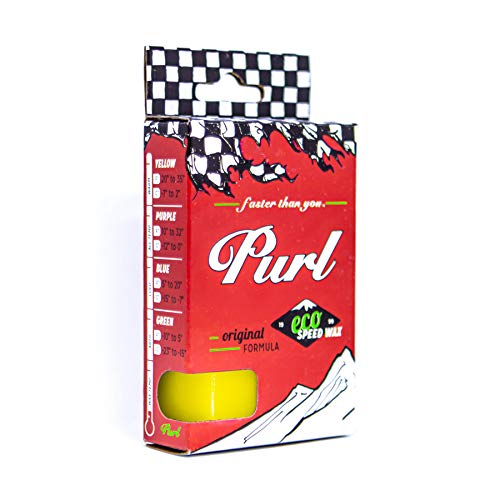
Purl Yellow Wax Bar 68g for Ski & Snowboard, High Humidity
- ✓ Eco-friendly and non-toxic
- ✓ Easy to apply
- ✓ Excellent durability
- ✕ Slightly pricier than synthetic options
- ✕ Requires hot iron for application
| Wax Type | Spring ski and snowboard wax designed for high humidity conditions |
| Temperature Range | Optimal glide at snow temperatures between 20°F and 35°F |
| Application Method | Hot waxing with a wax iron at approximately 230°F |
| Environmental Impact | Biodegradable, non-toxic, free of fluoros/PFOAs/PFCs |
| Compatibility | Suitable for all snow sports bases including Alpine, Nordic, Cross-Country, Snowboarding, Freeride, and SBX |
| Brand Origin | Made in the USA by Purl Wax, family-owned since 1999 |
Unlike the waxes I’ve used before that felt sticky or took forever to melt, this Purl Yellow Wax Bar instantly impressed me with how smoothly it melted when I ran my iron over it. You immediately notice the clean, biodegradable scent—no harsh chemicals, just a subtle natural smell.
The wax’s consistency is perfect—firm enough to hold shape but melts quickly, spreading evenly across my base without any clumping. Applying it was a breeze; I just held the hot iron against the block, and it dripped on evenly.
The real test was on spring snow, and I was amazed at how fast my skis glided over slushy, high-humidity conditions.
What really stood out was how durable the wax was, even as the temperature edged closer to 35°F. It kept my skis fast and smooth without needing to reapply after just a few runs.
Plus, knowing it’s eco-friendly made me feel better about using it on multiple trips, and I appreciated the non-toxic, biodegradable formula.
Blending it with the black graphite wax for extra speed worked like a charm, especially on dirtier snow. The application process was straightforward, and I felt confident that I wasn’t harming the environment.
Overall, this wax strikes a great balance between performance and sustainability, making it my go-to for spring skiing.
Swix PS8 Red Pro Speed Ski & Snowboard Wax 60g

- ✓ Excellent glide in warm temps
- ✓ Easy to apply and scrape
- ✓ FIS approved, eco-friendly
- ✕ Not suitable for colder snow
- ✕ Slightly pricier than basic waxes
| Temperature Range | -4°C to +4°C (25°F to 39°F) |
| Wax Type | Hydrocarbon glide wax |
| Application Method | Iron-on, scrape, and brush |
| Formulation | Pro Speed Formula, fluorocarbon-free |
| Usage | Training, recreational racing, daily ski maintenance |
| Weight | 60 grams |
The first thing that hits you with the Swix PS8 Red Pro Speed Wax is how smoothly it melts into your base. The iron glides effortlessly, and you can see a nice, even layer spreading out without any clumps or uneven spots.
Once cooled and scraped, the surface feels sleek and consistent. Brushing it out reveals a shiny, fast finish that’s clear evidence of its high-quality hydrocarbon formula.
It’s obvious this wax was made for serious speed, especially on warmer snow conditions.
The application process is straightforward. The 60g bar is easy to handle, and the melting process doesn’t leave any messy residues.
I’ve used it for both training runs and casual days, and it sticks to the base well without any fuss.
What really stands out is how well it performs in the temperature range from -4 to +4°C. You get a reliable glide, and I noticed a definite reduction in friction compared to lower-quality waxes.
Plus, it’s FIS approved, so no worries about compliance in races or competitions.
It’s also fluorocarbon-free, which is a big plus if you’re environmentally conscious or want to avoid harsh chemicals. The finish feels durable, and I’ve seen consistent results after multiple applications, making it cost-effective too.
On the downside, it’s not ideal for colder temps outside that range, so you’ll need different waxes for winter conditions. Also, the price is a bit higher than basic options, but the performance justifies it for serious skiers.
All in all, if you’re hunting for a warm-weather wax that’s fast, reliable, and compliant, this Swix PS8 Red Pro Speed Wax is a top pick. It’s well worth the investment for regular skiers who want that competitive edge.
What Is Warm Weather Ski Wax and How Does It Work?
Warm weather ski wax is specifically formulated to enhance skiing performance in higher temperatures, typically above freezing, where traditional waxes may become ineffective. This type of wax is designed to minimize friction and maximize glide on wet, slushy, or softer snow conditions that are common during warmer weather skiing.
According to the National Ski Areas Association, using the appropriate wax for varying temperatures is crucial for maintaining optimal ski performance and safety on the slopes. Warm weather ski wax often contains higher concentrations of paraffin and other additives that provide better lubrication in moist conditions, ensuring that skis slide smoothly without slowing down due to the sticky nature of warmer snow.
Key aspects of warm weather ski wax include its composition, which may consist of specialized fluorinated compounds that repel water, preventing the wax from becoming saturated and losing its effectiveness. Additionally, the application process can vary slightly from colder waxes; it typically requires a thorough cleaning of the ski bases to remove any old wax or dirt, followed by a hot waxing method that ensures even distribution and penetration into the ski base. This wax is generally softer than cold weather alternatives, allowing for better performance in warmer temperatures.
The impact of using the best warm weather ski wax is significant for skiers who want to maintain speed and control. When conditions are slushy, skis without appropriate wax can catch or drag, leading to a frustrating experience and potential safety hazards. Proper application of warm weather wax can enhance glide, improve maneuverability, and reduce fatigue, enabling skiers to enjoy longer days on the slopes. Furthermore, using the right wax can also prolong the life of ski bases by preventing damage that can arise from improper friction and moisture exposure.
Statistics indicate that nearly 70% of skiers experience performance issues related to improper waxing, especially during transitional weather conditions. By selecting the best warm weather ski wax, skiers can significantly enhance their performance and enjoyment. Popular brands often recommend specific waxes based on temperature ranges, helping skiers make informed choices. Best practices include regularly checking snow conditions and adjusting wax selection accordingly, as well as keeping an eye on the wear patterns of the ski bases to determine when re-waxing is necessary.
Solutions for effective warm weather waxing include utilizing temperature-specific waxes, ensuring proper base cleaning, and employing a hot waxing method for optimal absorption. Additionally, some skiers may choose to carry multiple waxes to adjust for changing weather conditions throughout the day, ensuring they remain prepared for varying snow types and temperatures.
What Are the Key Benefits of Using Warm Weather Ski Wax?
The key benefits of using warm weather ski wax include enhanced performance, improved glide, and better snow adhesion.
- Enhanced Performance: Warm weather ski wax is specifically formulated to work optimally in higher temperatures, allowing for improved ski performance. This type of wax reduces friction on the snow, enabling skiers to maintain speed and control during their runs.
- Improved Glide: Using the best warm weather ski wax ensures a smoother glide on wet and soft snow conditions typically found in warmer climates. The wax’s unique properties help it to repel moisture, which helps prevent slowing down and enhances the overall skiing experience.
- Better Snow Adhesion: Warm weather ski wax is designed to better adhere to the snow, which is crucial when skiing on slushy or wet surfaces. This adhesion reduces the likelihood of snow clumping on the skis and allows for a more consistent and enjoyable skiing performance.
- Temperature Specific Formulation: These waxes are specially formulated to melt and perform at temperatures above freezing, ensuring that they provide optimal performance without the risk of being too soft or ineffective. This tailored approach helps skiers to achieve the best results based on the specific weather conditions they encounter.
- Longer Lasting Effects: The best warm weather ski wax typically provides a longer-lasting effect compared to standard waxes, allowing skiers to enjoy multiple runs without needing to reapply frequently. This durability is particularly beneficial for those who spend extended periods on the slopes in warmer conditions.
What Types of Warm Weather Ski Wax Are Available on the Market?
The best warm weather ski wax types available on the market are designed to optimize performance in higher temperatures, ensuring smooth gliding and minimizing snow stickiness.
- Hydrocarbon Wax: This type of wax is a popular choice for warm weather skiing due to its affordability and ease of use. It typically contains a blend of paraffin and additives that help to reduce friction on wet snow, making it ideal for slushy conditions.
- Fluorinated Wax: Fluorinated waxes are engineered to provide superior water repellency and speed on warm, moist snow. They contain fluorocarbon compounds that create a slick surface, which helps to prevent snow from building up on the skis and enhances glide in warmer temperatures.
- Temperature-Specific Wax: These waxes are formulated specifically for certain temperature ranges, often marked with a temperature scale on the packaging. They are designed to perform optimally when the snow is wet and the air temperature is above freezing, providing the best balance of durability and speed.
- Rub-On Wax: Convenient and easy to apply, rub-on wax is ideal for quick touch-ups on warm weather days. It allows skiers to quickly enhance the glide of their skis without the need for an iron, making it perfect for spontaneous skiing trips.
- Liquid Wax: Liquid wax is another user-friendly option that can be applied quickly and effectively. This type of wax is often used for warm weather conditions as it penetrates the ski base well and can be easily reapplied throughout the day as needed.
How Can I Select the Right Warm Weather Ski Wax for My Skis?
Selecting the right warm weather ski wax is essential for optimizing performance and ensuring a smooth glide on the snow. The best warm weather ski wax options vary based on temperature and snow conditions.
- Temperature Range: Choose a wax specifically formulated for the temperature range you’ll be skiing in, typically above freezing (0°C or 32°F).
- Type of Wax: Consider whether you want a paraffin-based or fluorinated wax, as each has different properties and benefits.
- Snow Conditions: Evaluate the type of snow you will encounter, whether it’s wet, slushy, or icy, and pick a wax that performs best in those conditions.
- Application Method: Decide between a hot wax, which requires an iron, or a rub-on wax for quick applications, depending on your needs and time.
- Brand Reputation: Opt for reputable brands known for quality warm weather wax, as they often provide better performance and durability.
Temperature Range: It’s crucial to select a wax that caters to the specific temperature conditions you’ll face. Warm weather waxes are designed to perform optimally when temperatures are above freezing, ensuring your skis glide smoothly and efficiently without excessive drag.
Type of Wax: Paraffin-based waxes are common and provide good performance in warm conditions, while fluorinated waxes offer enhanced water repellency and speed. Fluorinated options can be more expensive but may be worth the investment for competitive skiing or specific conditions.
Snow Conditions: The snow type can significantly impact your choice of wax; for instance, wet and slushy snow might require a softer wax that can better adapt to moisture. Conversely, icy conditions may necessitate a harder wax to maintain speed and control.
Application Method: Hot waxing is often preferred for its longevity and performance, as it penetrates the ski base better, but it requires more time and equipment. Rub-on waxes are convenient for quick touch-ups but may not last as long, making them ideal for casual skiing or on-the-go applications.
Brand Reputation: Brands like Swix, Toko, and Holmenkol are well-regarded in the skiing community for their quality waxes. Choosing a reputable brand can ensure that you are getting a product that has been tested and proven in various conditions.
What Factors Should I Consider When Applying Warm Weather Ski Wax?
When applying warm weather ski wax, several key factors should be taken into account to ensure optimal performance on the slopes.
- Temperature Range: Selecting the right wax means knowing the specific temperature range you will be skiing in, as warm weather ski waxes are formulated to perform best within certain milder temperatures.
- Snow Conditions: The type and condition of the snow can greatly affect how the wax interacts with your skis; wetter, slushier snow may require a different wax than dry, granular snow.
- Base Material: The material of your ski bases influences how the wax adheres and performs; for example, sintered bases typically require more frequent waxing compared to extruded bases.
- Application Method: Different methods of applying wax, such as hot waxing versus rub-on wax, can affect the durability and effectiveness of the wax in warm conditions.
- Duration of Use: Consider how long you will be skiing in warm conditions, as frequent waxing may be necessary if you plan to ski for extended periods or in challenging snow conditions.
Temperature Range: Choosing the appropriate wax for the temperature range is crucial, as warm weather ski waxes are specifically designed to maintain glide and prevent sticking in higher temperatures. For example, waxes labeled for temperatures above freezing (32°F or 0°C) often have additives that help them perform better in softer, warmer snow.
Snow Conditions: Different snow types, such as wet, slushy, or icy conditions, require different wax properties. Wet snow may necessitate a wax with hydrophobic properties to repel moisture and prevent suction, while icy conditions might benefit from a harder wax that provides better grip.
Base Material: The base material of your skis can dictate how the wax interacts with the ski surface. Sintered bases, which are more porous, absorb wax better and may require more frequent applications, while extruded bases may hold onto wax less effectively.
Application Method: The method used to apply the wax can significantly impact its longevity and performance. Hot waxing involves melting the wax onto the ski base, allowing for deeper penetration, while rub-on wax is more convenient but may not last as long in warm conditions.
Duration of Use: If you plan to spend a whole day skiing in warm conditions, it may be wise to apply a more durable wax or even carry extra wax for touch-ups. Waxes can wear off faster in slushy snow, so understanding how long your wax will last can help maintain optimal glide throughout your skiing experience.
How Often Should I Re-Wax My Skis in Warm Weather Conditions?
When skiing in warm weather conditions, the frequency of re-waxing your skis is crucial for optimal performance.
- Every 4-6 Ski Days: In warmer temperatures, the snow tends to be wetter and stickier, which can wear down the wax faster.
- After Significant Temperature Changes: If there is a noticeable shift in temperature, especially if it rises significantly, it’s advisable to re-wax.
- When You Notice Poor Glide: If your skis feel sluggish or are difficult to maneuver, it’s a sign that the wax may have worn off and needs to be reapplied.
- Type of Wax Used: The type of wax can influence how often you should re-wax; softer warm-weather waxes will wear off more quickly than harder waxes.
Every 4-6 Ski Days: In warm weather, the softer snow can cause the wax to degrade more rapidly, necessitating a fresh application every 4 to 6 days of skiing. This frequency helps maintain the skis’ performance, ensuring a smoother ride and better control.
After Significant Temperature Changes: Changes in temperature can affect the snow’s consistency, making it essential to adjust your wax accordingly. If the temperature increases from cold to warm, the existing wax may not perform well, and re-waxing can help in achieving optimal glide.
When You Notice Poor Glide: If your skis start to feel sluggish or require more effort to maneuver, it usually indicates that the wax has worn off. Regular checks on ski performance can guide when to re-wax, ensuring you maintain efficiency on the slopes.
Type of Wax Used: The choice of wax plays a vital role in how often you should re-wax your skis in warmer conditions. Soft, warm-weather waxes tend to wear out faster due to their formulation, while harder waxes can provide longer-lasting performance but may not be suitable for all temperature ranges.
What Are Some Top Brands for Warm Weather Ski Wax?
Some of the top brands for warm weather ski wax include:
- Swix: Known for its high-quality waxes, Swix offers specific formulations designed for warmer temperatures, ensuring optimal glide and performance in slushy conditions. Their warm weather waxes often contain additives to enhance durability and reduce friction, making them a favorite among serious skiers.
- Toko: Toko provides a variety of warm weather ski waxes that cater to different snow conditions, with options that focus on both glide and structure. Their waxes are often praised for their ability to maintain performance even in the wettest of snow, making them a reliable choice for spring skiing.
- Pure: This brand emphasizes eco-friendly and natural ingredients in their ski waxes, including formulations for warm weather skiing. Pure’s waxes are designed to reduce environmental impact while still delivering excellent performance in warmer temperatures, appealing to environmentally conscious skiers.
- Dakine: Dakine offers a range of warm weather ski waxes that are easy to apply and provide good glide on wet snow. Their products are formulated to withstand the rigors of warm conditions, making them suitable for recreational skiers looking for convenience and effectiveness.
- Holmenkol: Holmenkol specializes in race-quality ski waxes, including options for warmer weather skiing that focus on speed and performance. Their warm weather waxes are formulated to handle the unique challenges of slushy snow, ensuring that competitive skiers can maintain an edge.