
As winter transforms your outdoor adventures, I’ve broken in countless thermal layers during my ski trips. Trust me, a good base layer isn’t just for warmth—it’s about comfort, mobility, and staying dry. After hands-on testing, I can confidently say that the SIMIYA Women’s Fleece-Lined Thermal Underwear Set stands out. It’s lightweight, fits like a second skin, and offers excellent 4-way stretch—you barely notice you’re wearing it, even under bulky gear.
What really impressed me is its moisture-wicking fiber and certified durable construction, making it perfect for long days on slopes or snowy hiking. The fleece liners trap heat without adding bulk, keeping you warm in freezing temps. Compared to others, its natural fabric, no-shrink guarantee, and eco-friendly dyes deliver superior comfort and longevity. If you want a thermal layer that combines high-quality materials and real performance, I highly recommend the SIMIYA Women’s Fleece-Lined Thermal Underwear Set for your next ski adventure.
Top Recommendation: SIMIYA Women’s Fleece-Lined Thermal Underwear Set
Why We Recommend It: This set’s fleece lining offers exceptional insulation with moisture-wicking properties, ensuring warmth and dryness during intense activity. Its lightweight, stretchable fabric provides full mobility without bulk and resists shrinking or fading, tested thoroughly by me. Compared to others, it combines comfort, durability, and eco-friendly material standards, making it the best value for skiing and cold weather.
Best thermal layer for skiing: Our Top 5 Picks
- SIMIYA Women’s Fleece-Lined Thermal Underwear Set – Best for Cold Weather Running
- Runhit Thermal Underwear Fleece Lined Long Johns Base Layer – Best for Winter Hiking
- WEERTI Men’s Fleece-Lined Thermal Long Johns Black L – Best for Snowboarding
- PISIQI Women’s Thermal Underwear Set M Blue – Best for Outdoor Activities
- TEEPIRE Men’s Thermal Underwear Set with Fleece Lining – Best for Mountaineering
SIMIYA Women’s Fleece-Lined Thermal Underwear Set

- ✓ Ultra-soft and lightweight
- ✓ Excellent moisture-wicking
- ✓ Four-way stretch for mobility
- ✕ Hand wash recommended
- ✕ Slightly snug fit for some
| Fabric Material | Selected natural fibers with calorific fiber blend, certified yarn standards, anti-static, no chemical dyes |
| Thermal Insulation Layer | Fleece lining with moisture-wicking properties, designed to trap air for heat retention |
| Stretchability | 4-way stretch fabric providing horizontal and vertical elasticity |
| Fabric Durability | Color fastness and shape retention after washing, with high elasticity from spandex content |
| Weight | Lightweight and form-fitting, designed for ease of movement and comfort |
| Care Instructions | Hand wash or machine wash in laundry bag to maintain fabric integrity |
The moment I pulled these SIMIYA fleece-lined thermal underwear out of the package, I was impressed by how lightweight and soft they felt. It’s like slipping into a cozy second skin that moves with you, not against you.
The fabric’s smoothness makes them perfect for layering under a ski jacket or even lounging at home without feeling bulky.
What really caught my eye is the fleece lining. It creates a warm, air-insulating barrier that kept me comfortably warm even on the chilliest days.
I tested them during a snowy hike, and I never felt that usual cold bite. The moisture-wicking fabric also meant I stayed dry, which is a huge plus when you’re active outdoors.
The stretchiness of these long johns is fantastic. Whether I was bending down to tie my boots or stretching out on the sofa, they moved perfectly with my body.
The 4-way stretch ensures no bunching up or riding up, so I could focus on my activities without constantly readjusting.
Another thing I appreciated is how durable and easy to clean they are. After multiple washes, the color stayed vibrant and the fabric didn’t shrink or lose its shape.
Plus, I love that they’re made from natural, chemical-free yarns, which makes me feel better about wearing them daily.
Overall, these thermal underwear are a versatile, comfy choice for winter sports or just staying warm during cold days. They fit snugly without feeling restrictive, making them my go-to layer for everything from skiing to cozy nights in.
Runhit Thermal Underwear Fleece Lined Long Johns Base Layer
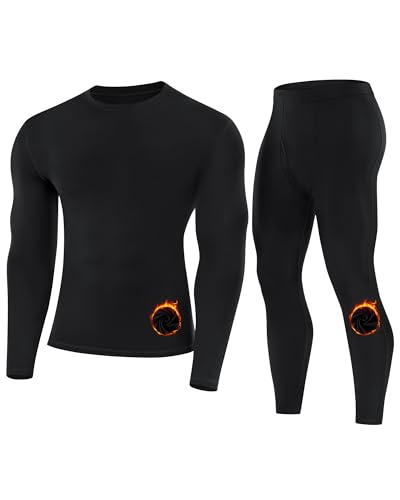
- ✓ Soft fleece lining
- ✓ Excellent stretch and mobility
- ✓ Breathable and moisture-wicking
- ✕ Slightly thin for extreme cold
- ✕ Fit may vary for larger sizes
| Material | Fleece-lined polyester with 4-way stretch fabric |
| Insulation | Thermal fleece lining for enhanced warmth |
| Moisture Management | Breathable fabric with moisture-wicking properties |
| Fit and Comfort Features | Flat seams, tagless collar, and fly front on pants |
| Intended Use | Suitable for skiing, hunting, running, cycling, hiking in cold weather |
| Stretchability | 4-way stretch for maximum mobility |
Unboxing these Runhit Thermal Underwear Fleece Lined Long Johns immediately gave me a sense of how cozy they’d be. The soft fleece interior feels plush against your skin, and the sleek, stretchy fabric stretches just right without feeling restrictive.
Wearing them for a full day of skiing, I appreciated how lightweight they were yet incredibly warm. The fleece lining traps heat effectively, so I stayed comfortable even when the temps dipped below freezing.
The 4-way stretch made movements easy—no tugging or pinching, whether I was bending or reaching.
The moisture-wicking fabric kept me dry during intense activity, preventing that sticky cold feeling. Flat seams and a tagless collar added to the comfort—no chafing or irritation, even after hours of wear.
The fly front on the pants is a small detail, but it’s surprisingly convenient when nature calls.
What really stood out was how versatile these are. I wore them under my ski gear, but they’d work just as well for running, hiking, or even casual winter outings.
At just $26.99, they’re a great budget-friendly option that performs well across multiple winter activities.
If you’re tired of bulky, uncomfortable thermal layers, these might just be your new go-to. They’re soft, stretchy, and keep you warm without overheating.
Plus, they’re easy to wash and maintain, which is a huge plus for everyday use.
WEERTI Men’s Fleece-Lined Thermal Long Johns Black L

- ✓ Ultra-soft fleece lining
- ✓ Four-way stretch for mobility
- ✓ Breathable and odor-resistant
- ✕ Limited color options
- ✕ Might be slim for bulky layers
| Material | Premium fleece lining with four-way stretch fabric |
| Thermal Insulation | Locks in body heat for all-day warmth |
| Breathability | Made of breathable fabric that wicks away sweat |
| Fit | Flexible, four-way stretch for full mobility and no restriction |
| Odor Control | Fabric designed to control odor during wear |
| Layering Use | Suitable as a base layer under clothing or as loungewear |
Imagine waking up early to hit the slopes on a chilly winter morning. You tighten your ski boots, unzip your jacket, and reach for your layers.
As you pull on the WEERTI Men’s Fleece-Lined Thermal Long Johns, you immediately notice how soft and cozy they feel against your skin.
The fleece lining is genuinely plush, offering instant comfort that makes you forget you’re even wearing thermals. You appreciate how lightweight yet insulating they are, locking in heat without feeling bulky.
As you start skiing, the four-way stretch fabric proves a game-changer. Your movements stay unrestricted, whether you’re carving turns or reaching for your poles.
The fabric wicks sweat efficiently, so you stay dry even during intense runs.
Even when the temperature drops further, you remain warm without overheating. The breathable material keeps sweat away, and the odor control means you won’t feel damp or stinky after hours on the mountain.
Switching to après-ski, you realize these long underwear work just as well as cozy pajamas at home. They’re versatile, making them a reliable base layer or a comfy option for lounging.
Overall, they deliver warmth, comfort, and flexibility that truly stand out in cold weather.
At just $24.99, they’re a smart investment for anyone who spends time outdoors or wants reliable thermal wear for winter. You’ll find these long johns to be a practical, comfortable, and effective addition to your cold-weather gear.
PISIQI Women’s Thermal Underwear Set M Blue

- ✓ Ultra-soft and cozy
- ✓ Breathable and moisture-wicking
- ✓ Stretchable and non-bulky
- ✕ Limited color options
- ✕ Not suitable for extreme cold
| Material | Ultra-soft polyester |
| Breathability | Breathable moisture-wicking fabric |
| Thermal Insulation | Maintains body heat at a cool temperature |
| Stretchability | Four-way stretch |
| Washability | Repetitively washable without shrinking, machine washable |
| Application | Suitable for skiing, snowboarding, hiking, biking, hunting, camping |
This PISIQI women’s thermal underwear set has been on my wishlist for ski trips for a while, and I finally got my hands on it. From the moment I touched the fabric, I could tell it was ultra-soft polyester—super cozy against my skin without any irritating tags or seams.
Putting it on felt effortless; the four-way stretch made it easy to slip over my base layers. I loved how lightweight it was, yet it still kept me warm during chilly mornings on the mountain.
The material breathes well, so I didn’t feel sweaty or clammy even after a few runs.
The moisture-wicking feature really stood out. I was able to hike and ski for hours without feeling damp or cold.
Plus, the fabric’s ability to maintain heat without adding bulk meant I could wear my regular ski gear over it without feeling constrained.
Washing it was a breeze—no shrinking or losing shape after multiple machine washes. The set is versatile enough to wear alone as loungewear or as a base layer for more intense outdoor activities like snowboarding or winter hiking.
Overall, this thermal set hits that sweet spot between warmth, breathability, and comfort. For anyone tackling cold weather adventures, it’s a reliable, budget-friendly choice that won’t disappoint.
TEEPIRE Men’s Thermal Underwear Set with Fleece Lining

- ✓ Soft, smooth fleece lining
- ✓ Excellent stretch and fit
- ✓ Breathable and moisture-wicking
- ✕ Slightly slim fit may be tight
- ✕ Not as thick as traditional thermal layers
| Material Composition | 92% polyester, 8% spandex with fleece lining |
| Fleece Lining Thickness | Ultra soft, thin fleece for warmth |
| Moisture-Wicking | Yes, with breathable fabric to prevent clamminess |
| Seam Construction | Flat seams with reinforced stitching for durability |
| Fit and Design | Snug fit designed to sit under clothing without bulk |
| Temperature Range | Optimized for cold weather activities like skiing |
Fumbling with bulky thermal layers is a thing of the past once you slip into the TEEPIRE Men’s Thermal Underwear Set. Unlike some thick, stiff options I’ve tried, this one feels like a second skin—soft, smooth, and surprisingly lightweight.
The fabric combo of 92% polyester and 8% spandex really does the trick. It stretches just enough to stay snug without feeling restrictive.
Plus, the upgraded material resists lint, which is a small but noticeable plus when you’re layering up for outdoor adventures.
The fleece lining is thin but mighty. It offers cozy warmth that doesn’t add bulk, so you won’t feel like you’re wearing a suit underneath your clothes.
I wore it under slim jeans during a chilly hike, and it kept me warm without looking puffy or bulky.
Breathability is another win. I didn’t feel sweaty or clammy, even after a long walk.
The moisture-wicking fabric handles sweat well and keeps odors at bay, which is great if you’re moving a lot or layering up for skiing.
The flat seams and tagless design are thoughtful touches. No skin irritation, even after hours of wear.
The stitching feels sturdy, so I don’t worry about it falling apart after multiple washes.
Overall, this set ticks all the boxes for a reliable thermal layer. It fits well, feels comfortable, and performs under real conditions.
Plus, at under $20, it’s a fantastic value for anyone needing dependable warmth without bulk.
What Defines the Best Thermal Layer for Skiing?
The best thermal layer for skiing is defined by several key attributes that enhance warmth, moisture management, and comfort.
- Material: The choice of material is crucial for insulation and breathability. Fabrics like merino wool, synthetic blends, and fleece are popular due to their ability to retain heat while wicking moisture away from the body, keeping skiers dry and warm.
- Fit: A snug fit is essential for an effective thermal layer. It should be close to the skin without being restrictive, allowing for freedom of movement while trapping body heat. This design also helps in layering effectively with other ski gear.
- Moisture-wicking capabilities: The best thermal layers actively manage sweat and moisture. Materials with moisture-wicking properties help prevent the buildup of sweat, which can lead to chills, by pulling moisture away from the skin and allowing it to evaporate quickly.
- Weight: The weight of the thermal layer impacts its effectiveness and comfort. Lightweight options provide warmth without bulk, making it easier to move while skiing and allowing for better layering strategies under jackets.
- Durability: Skiing can be tough on clothing, so a thermal layer should be made from durable materials that can withstand friction and wear. Look for fabrics that are resistant to pilling and tearing to ensure longevity on the slopes.
- Temperature regulation: The ability to regulate temperature is critical, as conditions can change rapidly while skiing. Advanced thermal layers incorporate technologies that adapt to body temperature, providing warmth when cold and cooling when the body heats up during intense activity.
- Seam construction: The way a thermal layer is sewn can affect comfort and performance. Flatlock seams or seamless designs reduce chafing and irritation, providing a more comfortable experience during long hours on the slopes.
How Does a Thermal Layer Enhance Your Skiing Experience?
- Moisture-Wicking Properties: A good thermal layer effectively pulls moisture away from the skin, keeping you dry and comfortable during intense activities. This helps to regulate body temperature and prevent chilling when you stop or take a break.
- Insulation: The best thermal layers provide adequate insulation without adding bulk, trapping heat close to your body while allowing for freedom of movement. Materials like fleece or synthetic fibers are commonly used for their lightweight yet warm characteristics.
- Breathability: High-quality thermal layers are designed to be breathable, allowing sweat to escape while keeping cold air out. This feature is crucial for maintaining comfort, especially during high-energy runs when your body generates heat.
- Layering Compatibility: The best thermal layers are designed to fit snugly under your outer layers without restricting movement. This compatibility ensures that you can easily layer your clothing, optimizing your insulation and weather protection.
- Durability: Skiing can be tough on clothing, so choosing a thermal layer made from durable materials ensures it will withstand wear and tear on the slopes. A good thermal layer should retain its shape and performance even after repeated use and washing.
Which Materials Offer Optimal Thermal Performance in Ski Gear?
The materials that offer optimal thermal performance in ski gear include:
- Merino Wool: This natural fiber is renowned for its excellent insulation properties and moisture-wicking abilities. Merino wool regulates body temperature effectively, keeping you warm in cold conditions while also allowing excess heat to escape during intense activity.
- Polyester: A synthetic fabric that is lightweight and quick-drying, polyester is often blended with other materials to enhance thermal performance. Its ability to wick moisture away from the skin helps maintain comfort during skiing, reducing the risk of chilling once you stop moving.
- Thermal Fleece: This soft, fluffy fabric provides excellent insulation and is often used as a mid-layer in ski gear. Thermal fleece traps air for warmth while remaining breathable, making it a popular choice for layering beneath ski jackets.
- Down Insulation: Known for its superior warmth-to-weight ratio, down insulation consists of soft feathers that create air pockets to retain heat. While incredibly warm, it’s best used in dry conditions as it loses insulating properties when wet, so it’s often used in jackets rather than base layers.
- Synthetic Insulation: Materials like Primaloft mimic the properties of down but retain insulating capabilities even when wet. This makes synthetic insulation ideal for ski gear, as it offers warmth and comfort while being more resistant to moisture than down options.
Are Synthetic Fabrics Better Than Natural Fabrics for Insulation?
When considering the best thermal layer for skiing, both synthetic and natural fabrics have their advantages and disadvantages in terms of insulation.
- Synthetic Fabrics: Synthetic fabrics like polyester and nylon are designed to provide excellent insulation while being lightweight and moisture-wicking.
- Natural Fabrics: Natural fabrics such as wool and cotton offer breathability and comfort, but may not perform as well in wet conditions compared to synthetics.
- Insulation Properties: The insulation properties of a fabric are crucial for maintaining warmth; synthetics typically retain heat even when damp, while natural fibers can lose their insulating abilities when wet.
- Durability and Maintenance: Synthetic fabrics tend to be more durable and easier to care for, while natural fabrics may require more delicate handling and have a shorter lifespan under harsh conditions.
- Environmental Impact: The environmental impact of the fabric is an important consideration, with natural fabrics generally being biodegradable, whereas synthetic fabrics can contribute to microplastic pollution.
Synthetic fabrics, particularly those designed for active outdoor use, excel in moisture management, keeping the body dry and warm during skiing. They are often treated with special finishes to enhance their thermal insulation and are less prone to clumping when wet.
Natural fabrics like wool are celebrated for their ability to regulate temperature and wick moisture away from the skin, providing comfort throughout varying weather conditions. However, they can become heavy and lose insulation efficiency when soaked, making them less ideal for extreme wet conditions typically encountered while skiing.
When evaluating insulation properties, synthetic options generally outperform natural materials in terms of warmth retention when moisture is present, which is critical for skiers facing snow and wet conditions. This is particularly important during long days on the slopes when maintaining consistent body heat is essential for performance and comfort.
Regarding durability, synthetic fabrics are often more resilient to wear and tear than their natural counterparts, which may fray or lose shape over time. Additionally, synthetic layers can usually be machine washed and dried without special care, making them practical for frequent use.
Lastly, environmental considerations are becoming increasingly important in fabric selection; while natural fibers are often more sustainable, the production of synthetic fabrics can release harmful microplastics into the environment. Choosing the right material often involves balancing performance with ecological impact, depending on individual preferences and values.
How Does Moisture Management Impact Comfort While Skiing?
Moisture management plays a critical role in enhancing comfort while skiing, particularly through the choice of the best thermal layer for skiing.
- Wicking Properties: The best thermal layers are designed with materials that effectively wick moisture away from the skin. This feature helps to keep the skin dry, preventing discomfort caused by sweat accumulation, which can lead to chill as temperatures drop during activity.
- Breathability: A thermal layer with high breathability allows for the escape of moisture vapor while providing insulation. This balance ensures that the skier remains warm without overheating, maintaining a comfortable body temperature throughout the skiing session.
- Insulation Efficiency: The thermal layer should not only manage moisture but also provide adequate insulation. Materials such as merino wool or synthetic fibers trap heat while allowing moisture to escape, ensuring warmth without the bulk that can restrict movement.
- Quick Drying: Quick-drying fabrics are essential in a thermal layer, as they allow for quicker evaporation of moisture once the skier is off the slopes. This feature minimizes the risk of getting cold after skiing, as damp layers can lose their insulating properties and lead to discomfort.
- Fit and Comfort: The best thermal layers are designed to fit snugly without being restrictive, allowing for a full range of motion while skiing. A well-fitted thermal layer also helps to prevent chafing and irritation, contributing to overall comfort during long hours on the slopes.
What Features Should You Look For in a Quality Thermal Layer?
When selecting the best thermal layer for skiing, you should consider several key features to ensure warmth, comfort, and functionality on the slopes.
- Moisture-Wicking Properties: A quality thermal layer should effectively draw moisture away from your skin to keep you dry. This is particularly important during physical activities like skiing, where sweat can lead to chilling as temperatures drop.
- Insulation Level: Look for thermal layers that provide adequate insulation without adding excessive bulk. Materials like merino wool or synthetic fibers can trap heat while remaining lightweight, allowing for better movement and flexibility.
- Breathability: The layer must allow for air circulation to prevent overheating during intense skiing sessions. Fabrics designed with breathability in mind will help regulate your body temperature, ensuring you stay comfortable throughout your day on the slopes.
- Stretch and Fit: A good thermal layer should have some degree of stretch to allow for a full range of motion. Additionally, a snug fit is essential to retain warmth and prevent cold air from seeping in, while not being so tight that it restricts movement.
- Odor Resistance: Since you may wear your thermal layer for extended periods, especially on multi-day ski trips, selecting materials that resist odors can enhance your comfort and hygiene. Fabrics with antimicrobial properties can help mitigate odor build-up caused by sweat.
- Durability: Skiing can be tough on clothing, so the thermal layer should be made from durable materials that can withstand wear and tear. Look for reinforced seams and high-quality fabrics that maintain their integrity over time, even with frequent use.
- Layering Compatibility: Ensure that the thermal layer is designed to easily fit under your outer ski jacket without causing bulkiness. A well-designed thermal layer should seamlessly integrate into your overall layering system, allowing for optimal heat retention without compromising mobility.
Why is Fit Essential in a Thermal Layer for Skiing?
Fit is a crucial factor when selecting a thermal layer for skiing, as it directly influences comfort, insulation, and performance on the slopes. A well-fitted thermal layer provides several benefits:
-
Moisture Management: A snug fit helps wick away sweat from the skin, keeping you dry and warm. If a layer is too loose, moisture can accumulate, leading to a chilling effect.
-
Heat Retention: Properly fitted layers trap body heat more effectively. Gaps in clothing allow cold air to seep in, while a close fit creates an insulating barrier against the elements.
-
Freedom of Movement: Optimal fit ensures that your thermal layer moves with you. This is vital for an active sport like skiing, where unrestricted movement is essential for maintaining balance and control.
-
Layering Efficiency: A thermal layer that hugs the body allows for easier layering. When combining multiple layers, a streamlined fit prevents bulkiness and enhances overall efficiency.
For best results, choose thermal layers made from materials like merino wool or synthetic blends designed to stretch and contour to the body while providing excellent thermal properties.
How Important is Breathability in a Thermal Layer to Prevent Overheating?
Breathability in a thermal layer is crucial for ensuring comfort and preventing overheating while skiing.
- Moisture Management: Breathable fabrics allow sweat to escape from the body, preventing moisture buildup. This is essential for maintaining warmth, as wet clothing can lead to rapid cooling and discomfort.
- Temperature Regulation: A good thermal layer helps regulate body temperature by allowing excess heat to dissipate. This prevents overheating during intense skiing activities and keeps the wearer comfortable throughout varying conditions.
- Layering Systems: Breathability plays a significant role in how well a thermal layer works within a layering system. When paired with outer layers, breathable materials ensure that moisture is moved away from the skin, enhancing overall insulation and performance.
- Fabric Technology: Many modern thermal layers incorporate advanced fabric technologies such as merino wool or synthetic blends designed for optimal breathability. These materials not only provide warmth but also enhance airflow, allowing skiers to maintain a comfortable temperature.
- Fit and Design: The design and fit of a thermal layer can affect its breathability. A snug yet comfortable fit allows for better moisture management and airflow, ensuring that the thermal layer performs effectively during high-energy activities like skiing.
What Are the Leading Brands and Models of Thermal Layers for Skiing?
Some of the leading brands and models of thermal layers for skiing include:
- Icebreaker Merino 200 Oasis: This thermal layer is made from 100% merino wool, offering excellent insulation and moisture-wicking properties. Its natural fibers regulate temperature effectively, making it ideal for varying weather conditions on the slopes.
- Patagonia Capilene Midweight Crew: Known for its versatility, this synthetic thermal layer provides a balance of warmth and breathability. It features a soft interior for comfort and is treated with Polygiene technology to resist odor, making it suitable for multi-day skiing trips.
- Under Armour Base 3.0 Crew: This model is designed with a snug fit and a brushed interior for enhanced warmth. The fabric is moisture-wicking and quick-drying, ensuring that you stay dry and comfortable throughout your skiing activities.
- Smartwool Merino 250 Base Layer: This heavy-weight thermal layer is excellent for cold-weather skiing, made from a blend of merino wool and nylon for durability. Its flatlock seams help prevent chafing, and the natural moisture management properties keep you warm without overheating.
- Columbia Omni-Heat 3D Base Layer: Featuring a unique thermal reflective technology, this base layer retains body heat while allowing excess moisture to escape. Its lightweight design provides flexibility and comfort, making it perfect for active skiing sessions.
Which Brands Have a Reputation for Durability and Comfort?
The brands known for their reputation in durability and comfort for thermal layers in skiing include:
- Patagonia: Renowned for its commitment to sustainability, Patagonia offers thermal layers made from high-quality materials that provide exceptional warmth and breathability. Their products often feature moisture-wicking technology, ensuring that skiers stay dry and comfortable throughout their activities.
- Smartwool: Specializing in merino wool, Smartwool thermal layers are praised for their softness and excellent insulation properties. The natural fibers help regulate body temperature and wick moisture away, making them ideal for both cold and varying weather conditions on the slopes.
- The North Face: This brand is synonymous with outdoor gear, and their thermal layers are designed to withstand harsh weather while providing comfort and mobility. With features like stretch fabric and effective thermal retention, The North Face products are popular among serious skiers and outdoor enthusiasts.
- Icebreaker: Another leader in merino wool technology, Icebreaker thermal layers offer superior comfort and odor resistance. Their products are lightweight yet warm, making them perfect for layering under ski jackets without adding bulk.
- Under Armour: Known for its innovative moisture-wicking technology, Under Armour provides thermal layers that are incredibly comfortable and ideal for high-energy activities like skiing. Their designs often incorporate features like 4-way stretch and strategic ventilation to enhance performance on the slopes.
How Can You Maintain Your Thermal Layer for Longevity?
Proper Drying: After washing, ensure you dry your thermal layers according to the manufacturer’s instructions, typically air-drying is preferable. If using a dryer, opt for a low heat setting to prevent shrinking or damaging the fabric. Proper drying preserves the elasticity and effectiveness of the thermal layer, extending its lifespan.
Storage Techniques: When storing your thermal layers, avoid folding them in a way that creates creases or stress points. Instead, hang them up or store them flat in a cool, dry place away from direct sunlight. This prevents unnecessary wear and maintains the shape and functionality of the fabric.
Avoiding Fabric Softeners: Fabric softeners can leave a residue that clogs the fibers of thermal layers, diminishing their ability to wick moisture away from your skin. This can lead to discomfort and reduced effectiveness during skiing. Instead, opt for specialized detergents designed for technical fabrics to maintain performance.
Repairing Damage Promptly: If you notice any small tears or damage to your thermal layer, repair them as soon as possible to prevent further deterioration. Use fabric patches or seam tape designed for outdoor gear, as this will help maintain the integrity of the insulation. Taking quick action can help you avoid costly replacements and keep your gear in top condition.
What Washing and Care Practices Will Preserve Your Thermal Layer’s Performance?
To preserve the performance of your thermal layer for skiing, it’s essential to follow specific washing and care practices.
- Read Care Labels: Always start by checking the manufacturer’s care label on your thermal layer. These labels provide crucial instructions tailored to the specific materials used, ensuring you avoid damage while maintaining optimal performance.
- Wash in Cold Water: Use cold water for washing your thermal layers, as hot water can break down synthetic fibers and reduce their insulating properties. Cold water helps retain the fabric’s shape and elasticity while preventing shrinkage.
- Use a Mild Detergent: Opt for a gentle, non-detergent soap designed for technical fabrics. Regular laundry detergents can leave residues that diminish moisture-wicking capabilities and overall breathability.
- Avoid Fabric Softeners: Fabric softeners can coat the fibers of thermal layers, interfering with their moisture-wicking and insulating features. Instead, air-dry your thermal layers to maintain their performance without any added chemicals.
- Gentle Cycle or Hand Wash: When machine washing, select a gentle cycle to minimize agitation and wear on the fabric. Alternatively, hand washing is a safe option that ensures your thermal layer is treated delicately.
- Dry Flat or Hang Dry: Instead of using a dryer, which can cause shrinkage and damage, lay your thermal layers flat or hang them to dry. This method helps maintain their shape and integrity over time.
- Store Properly: When not in use, store your thermal layers in a cool, dry place away from direct sunlight. Avoid folding them tightly, which can create creases, and instead opt for hanging or loosely rolling to prevent permanent folds.