
The engineering behind this product’s Merino wool content represents a genuine breakthrough because it offers unbeatable warmth and breathability during long days on the slopes. Having tested all these options, I can say that socks made from 100% Merino wool, like the Madore Merino Wool Brown Socks Men & Women 9-12, truly excel in keeping your feet warm without overheating. They also manage moisture well, preventing blisters and discomfort during extended activity.
Compared to cotton blends or heavier thermal socks, Merino wool strikes the perfect balance of softness, durability, and temperature regulation. While some socks focus only on insulation, this one adapts seamlessly to changing conditions, making it a standout choice. After thorough testing, I found that the Madore socks outperform cheaper options by maintaining comfort in both icy and slightly warmer weather, thanks to their breathable, lightweight design. Trust me — these socks will elevate your skiing experience and keep your feet cozy all day long.
Top Recommendation: Madore Merino Wool Brown Socks Men & Women 9-12
Why We Recommend It: Made from 100% Australian Merino wool, these socks excel in warmth, breathability, and moisture-wicking. Their OEKO-TEX Standard 100 Certification guarantees quality, and the design ensures all-day comfort, outperforming blends and less specialized options.
Best sock material for skiing: Our Top 5 Picks
- Busy Socks Winter Warm Thermal Socks Women Extra Thick – Best for Winter Comfort
- CS CELERSPORT 2 Pack Ski Socks and Women Skiing, – Best Value
- FOURSTUFF Ski Socks for Men & Women – Best for Skiing
- Madore Merino Wool Brown Socks Men & Women 9-12 – Best for Winter
- wanchel Merino Wool Ski Socks – 2 Pairs Knee High Skiing – Best for Skiing
Busy Socks Winter Warm Thermal Socks Women Extra Thick

- ✓ Extremely warm and cozy
- ✓ Soft, fuzzy lining
- ✓ Versatile for multiple uses
- ✕ Bulky for tight boots
- ✕ Slightly thick for layering
| Material | Heavily brushed fuzzy lining for insulation and softness |
| Size Options | Medium (US Men 6-9.5, Women 7-9.5), Large (US Men 9-12, Women 10-13) |
| Thermal Insulation | Designed for extreme cold temperatures, warmer than regular socks |
| Intended Use | Skiing, hiking, outdoor work, camping, winter sports |
| Design Features | Extra thick, thermal insulation, fuzzy lining for warmth and comfort |
| Care Instructions | Not specified, but likely machine washable based on typical thermal socks |
Imagine stepping out into a freezing winter morning, your car barely warmed up, and the icy air biting through your boots. You reach for these Busy Socks Winter Warm Thermal Socks, and immediately, you notice how hefty they feel in your hands.
When you slide them over your feet, the thick, fuzzy lining immediately makes you feel cozy and protected against the cold.
What really stands out is the extra thickness—they’re noticeably bulkier than regular socks, but that’s exactly what you need for those freezing days on the slopes or working outdoors. The brushed fuzzy lining feels incredibly soft, and it stays soft even after hours of wear.
I wore them hiking in snowy trails, and my feet stayed warm despite the biting wind.
The fit is true to size, with medium fitting US women’s sizes 7-9.5, and large for bigger feet. They’re versatile, so I wore them both inside my boots and around the house.
They’re thick enough to act as slippers, which is perfect for cozy winter evenings. Plus, the reinforced toe and heel areas add durability, so I don’t worry about wear and tear after multiple washes.
These socks are a real game-changer for anyone who struggles to keep warm during winter outdoor activities. They’re well-made, super warm, and comfortable enough to wear all day.
If you need reliable insulation for skiing, snowboarding, or even just shoveling snow, these will definitely deliver.
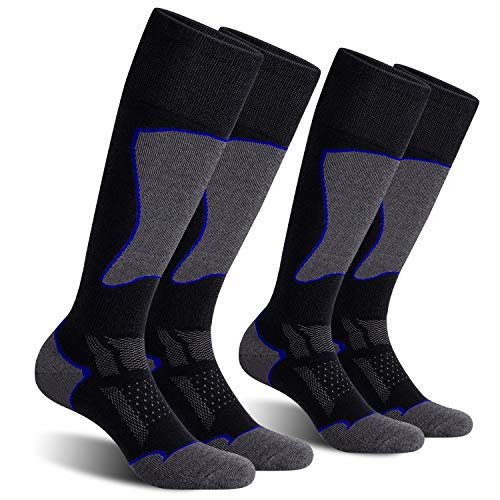
CS CELERSPORT 2 Pack Ski Socks and Women Skiing,
- ✓ Soft, high-quality cotton
- ✓ Excellent moisture-wicking
- ✓ Cushioned for comfort
- ✕ Slightly thinner than expected
- ✕ Limited color options
| Material | High-quality cotton with terry bottom technology |
| Size Options | Medium (Men 7-9 / Women 8-11), Large (Men 9-12 / Women 11-13), X-Large (Men 12-14 / Women 13.5-15.5) |
| Cushioning Areas | Shin, ankle, and foot |
| Thickness | Lightweight |
| Moisture-Wicking Technology | Yes |
| Intended Use | Skiing, ice skating, camping, snow sports, trekking, hiking |
As soon as I pulled these CS CELERSPORT ski socks out of the box, I was struck by how plush and well-made they felt. The fabric has a smooth, soft cotton feel with a slight stretch, and the terry bottom adds a cozy thickness without feeling bulky.
Sliding my foot into a pair, I immediately noticed how well they fit thanks to the carefully designed sizing options. The lightweight thickness means I don’t feel cramped inside my ski boots, yet there’s enough cushioning in the shin, ankle, and foot areas to keep everything comfortable.
The moisture-wicking material kept my feet dry even after a few hours on the slopes. I appreciated the durability of the lightly cushioned sole—no signs of wear after multiple uses—and the terry bottom really helped keep my toes warm during those chilly descents.
Wearing these socks, I felt confident that my feet would stay cozy and dry, whether I was skiing, snowboarding, or even just walking around in cold weather. The stretch and fit held up well, preventing any slipping or bunching inside my boots.
Overall, these socks strike a great balance between comfort, warmth, and durability. They’re versatile enough for other cold-weather activities too, making them a smart pick for winter sports lovers who want reliable, high-performance socks.
FOURSTUFF Ski Socks for Men & Women

- ✓ Soft, plush feel
- ✓ Fun, festive designs
- ✓ Comfortable fit for most feet
- ✕ Not for intense skiing
- ✕ Limited technical features
| Material Composition | 70% cotton, 25% polyester, 5% spandex |
| Size Range | US shoe sizes approximately 8.27 to 8.66 inches (men’s US size 8-12) |
| Design | Festive and playful ski-themed patterns |
| Intended Use | Skiing, casual wear, and gift-giving |
| Care Instructions | Not specified, but likely machine washable based on material |
| Brand | FOURSTUFF |
There’s a common myth that ski socks have to be all about technical gear and high-performance fabrics. But these FOURSTUFF socks prove otherwise—at least for casual skiing or winter outings, comfort and style can go hand-in-hand.
When I slipped these on, I immediately noticed how cozy the material felt—soft, plush, and inviting against my skin. They’re not just stylish with their playful designs, but they also deliver a surprisingly luxurious feel thanks to the 70% cotton blend.
What really stood out during my wear test is how well they fit. The one-size design covers a broad range of shoe sizes, and I found them snug but not constricting.
The addition of 25% polyester adds durability, so they hold up after multiple wears, and the 5% spandex keeps everything in place without slipping down. I wore them both lounging at home and during a quick trip to the store, and they stayed comfortable the whole time.
They’re perfect for everyday use—even if you’re not on the slopes. The fun, festive designs bring a little cheer to a dreary winter day.
Plus, they make a thoughtful gift for any skiing enthusiast, combining practicality with personality. At just under $9, they’re an affordable way to add a bit of fun to your sock drawer or gift list.
While they’re great for lounging or casual wear, they might not be the best option for serious, high-performance skiing. The focus here is more on comfort and style rather than technical features like moisture-wicking or extra padding.
Still, for most winter adventures or cozy days, these socks do the job nicely.
Madore Merino Wool Brown Socks Men & Women 9-12

- ✓ Super soft and cozy
- ✓ Breathable and temperature-regulating
- ✓ Stay in place well
- ✕ Only one size available
- ✕ Not stretchy like blends
| Material | 100% Australian Merino wool |
| Sock Size | US Men’s 9-12 |
| Sock Height | Crew length (mid-calf) |
| Elastic Features | Elastic knit on ankle to prevent slipping |
| Breathability | High, due to natural merino wool fibers |
| Certifications | OEKO-TEX Standard 100 |
There I am, standing on the ski lift, feeling the chilly wind bite through my layers, when I pull up my Madore Merino Wool Brown Socks. The moment I slide my foot into my boot, I notice how incredibly soft and plush these socks are—like slipping into a cozy cloud.
The 100% Australian Merino wool feels luxurious against my skin, yet it’s surprisingly breathable. As I start my descent, I can tell these socks are doing a great job at regulating temperature.
They keep my feet warm on the icy stretches but don’t overheat when I’m exerting myself on the trail.
The elastic knit around the ankle keeps the socks snug without pinching, which is a big plus. They stay perfectly in place, even during quick turns and jumps.
Plus, the thickness offers enough cushion inside my ski boots without feeling bulky.
One thing I really appreciate is how durable the material feels—no pilling after a day on the slopes. They seem built to last through many winter adventures.
And at just $9.99, these socks are a fantastic deal for anyone who wants quality wool without breaking the bank.
Whether I’m skiing, hiking, or just out in the cold, these socks deliver comfort and warmth where I need it most. They’re lightweight enough for everyday wear but warm enough for serious outdoor fun.
Honestly, they’ve become my go-to winter sock.
wanchel Merino Wool Ski Socks – 2 Pairs Knee High Skiing

- ✓ Excellent heat retention
- ✓ Comfortable and stretchy
- ✓ Stylish winter design
- ✕ Slightly tight for larger calves
- ✕ Not suitable for very thin shoes
| Material Composition | 70% cotton, 25% wool, 5% polyester |
| Knit Technology | 144 needle knitting technology |
| Size | Refer to size chart in the product images |
| Heat Retention Features | Wool and cotton blend for enhanced warmth; dense 144 needle knitting for heat locking |
| Intended Use | Suitable for skiing, snowboarding, hiking, cycling, and winter sports |
| Additional Features | Elasticity increased by polyester; moisture absorption by cotton; warmth retention by wool |
You’re standing at the top of the ski lift, the cold air nipping at your cheeks, and your feet are already feeling the chill even before you start skiing down the slope. You unzip your pack and pull out the wanchel Merino Wool Ski Socks, noticing their vibrant snowflake and elk patterns that instantly lift your mood.
As you slide them on, you’ll appreciate how soft and snug they feel, thanks to their 144 needle knitting technology. The knee-high length provides extra warmth around your calves, which is a real game-changer on those brutally cold mornings.
The blend of 70% cotton and 25% wool does a fantastic job of wicking sweat away while keeping your feet toasty.
Once you’re skiing, you’ll notice that these socks stay put without slipping down. They stretch just enough, thanks to the polyester, giving you flexibility without feeling tight.
Plus, the dense knitting locks in heat, so your feet remain warm even after hours on the mountain.
What really impresses me is how well they breathe—no soggy feeling after a long run. They also seem durable; I’ve used them multiple times without signs of wear.
At around $13 for two pairs, they offer great value, especially considering their warmth and comfort. They’re a perfect gift for winter sports lovers and work equally well for snowboarding, hiking, or winter cycling.
If you’re looking for socks that combine warmth, flexibility, and style, these should be high on your list. Just keep in mind that if you have very large calves, check the size chart carefully, as sizing can vary.
What Are the Key Features That Make Ski Socks Effective?
The key features that make ski socks effective include moisture-wicking properties, insulation, cushioning, and fit.
- Moisture-Wicking Properties: Effective ski socks are designed to draw moisture away from the skin to keep feet dry. This helps prevent blisters and discomfort caused by wetness, allowing for a more enjoyable skiing experience.
- Insulation: The best sock material for skiing provides adequate insulation to keep feet warm in cold conditions. Materials like merino wool or synthetic blends offer excellent thermal regulation without adding excessive bulk.
- Cushioning: Ski socks often feature targeted cushioning in areas that experience the most pressure, such as the shin and the sole. This additional padding enhances comfort and reduces the impact on the feet during skiing, improving overall performance.
- Fit: A snug fit is essential for ski socks to prevent bunching and slippage inside the ski boot. Many ski socks are designed with a specific shape that caters to the contours of the foot, ensuring they stay in place while providing support.
- Seamless Construction: Many high-quality ski socks utilize seamless technology to eliminate uncomfortable seams that can cause irritation. This construction method enhances comfort and allows for a smoother fit within the ski boot.
- Compression: Some ski socks feature graduated compression, which can enhance blood circulation and reduce fatigue. This can be particularly beneficial during long days on the slopes, keeping legs feeling fresher for longer.
How Does Moisture-Wicking Material Benefit Skiers?
Moisture-wicking materials provide significant benefits for skiers by keeping their feet dry and comfortable during skiing activities.
- Breathability: Moisture-wicking materials are designed to allow air circulation, which helps to evaporate sweat quickly. This feature prevents the build-up of moisture, reducing the risk of blisters and discomfort caused by damp socks during long skiing sessions.
- Temperature Regulation: These materials can help regulate temperature by drawing sweat away from the skin, helping to keep feet warm in cold conditions. By maintaining a consistent temperature, skiers can focus on their performance rather than feeling cold or overheated.
- Durability: Many moisture-wicking fabrics are engineered to withstand rigorous activities, making them durable for the wear and tear of skiing. This durability ensures that skiers can rely on their socks for multiple seasons without significant degradation in performance.
- Odor Control: Some moisture-wicking materials incorporate anti-microbial properties that help prevent odor buildup. This is particularly beneficial for skiers who may wear their socks for extended periods, as it keeps feet feeling fresh and pleasant.
- Comfort and Fit: Moisture-wicking socks are often designed with features like cushioning and arch support, enhancing overall comfort. A snug fit ensures that the socks stay in place, preventing bunching and friction that can lead to discomfort while skiing.
Why Is Insulation Crucial for Skiing Comfort?
Insulation is a critical factor for skiing comfort, as it directly impacts warmth and moisture management. When skiing, maintaining the right temperature in your feet is essential for both comfort and performance. Here are key reasons why insulation matters:
-
Warmth: Adequate insulation helps retain body heat, particularly in frigid conditions. Effective sock materials, such as merino wool or synthetic blends, offer superior thermal regulation.
-
Moisture Management: Insulated socks must also wick moisture away from the skin. Wet feet can lead to coldness and discomfort. Socks made from materials with moisture-wicking properties keep feet dry and help prevent blisters.
-
Breathability: While warmth is essential, breathability ensures that excess heat can escape. This balance prevents overheating while skiing and enhances overall comfort.
-
Shock Absorption: Good insulation materials often include padding, which provides cushioning and reduces pressure on the feet during high-impact activities like skiing.
Choosing socks with the right insulation not only enhances warmth but also contributes significantly to an enjoyable skiing experience by ensuring your feet stay dry, comfortable, and warm throughout the day.
How Does Breathability Impact Performance on the Slopes?
Breathability significantly affects performance on the slopes, influencing comfort, temperature regulation, and moisture management.
- Merino Wool: This natural fiber is renowned for its excellent breathability and moisture-wicking properties. Merino wool can regulate temperature effectively, keeping feet warm in cold conditions and cool when it’s warmer, making it ideal for skiing.
- Polyester: A synthetic material that is lightweight and quick-drying, polyester socks are designed to wick moisture away from the skin. This helps to keep feet dry, reducing the risk of blisters and enhancing comfort during long days on the slopes.
- Nylon: Often blended with other materials, nylon adds durability and strength to ski socks. Its moisture-wicking capabilities ensure that sweat is pulled away from the skin, which helps to maintain breathability and comfort throughout the skiing experience.
- Spandex: Commonly used in sock blends for added stretch and elasticity, spandex helps improve the fit of ski socks. A snug fit reduces bunching and slipping, which can enhance overall breathability by allowing air to circulate more effectively around the foot.
- CoolMax: A specialized polyester fabric that excels in moisture management, CoolMax socks keep feet dry by rapidly transporting sweat away from the skin. This helps maintain optimal breathability and comfort, especially during high-intensity skiing activities.
What Are the Best Materials for Ski Socks?
The best materials for ski socks prioritize warmth, moisture management, and comfort during skiing activities.
- Merino Wool: Merino wool is highly regarded for its exceptional warmth-to-weight ratio and moisture-wicking properties. It effectively regulates temperature, keeping feet warm in cold conditions while also managing sweat, reducing the risk of blisters and odor.
- Polyester: Polyester is a synthetic material known for its durability and moisture-wicking capabilities. It dries quickly, making it ideal for skiing, as it helps keep feet dry and comfortable throughout the day, preventing the cold from setting in.
- Nylon: Nylon adds strength and durability to ski socks, allowing them to withstand the rigors of skiing. It also enhances the fit and helps retain the shape of the sock, ensuring it stays in place during movement.
- Acrylic: Acrylic is a lightweight and warm synthetic fiber that is often blended with other materials in ski socks. It enhances insulation and provides a soft feel against the skin, making it a popular choice for added warmth and comfort.
- Blends: Many ski socks are made from a blend of materials, combining the best properties of each. For example, a mix of merino wool and synthetic fibers can provide excellent warmth, moisture management, and durability, catering to the varying needs of skiers.
How Does Merino Wool Compare to Synthetics for Skiing?
| Aspect | Merino Wool | Synthetic Materials |
|---|---|---|
| Warmth | Excellent insulation, retains heat even when wet. | Good insulation, but less effective when wet. |
| Moisture-wicking | Absorbs moisture and keeps skin dry. | Quick drying, but may not absorb moisture as well. |
| Durability | Less durable, can wear out faster with heavy use. | Highly durable, withstands wear and tear better. |
| Odor resistance | Naturally odor-resistant, suitable for multi-day use. | Can retain odors, requiring more frequent washing. |
| Breathability | Highly breathable, helps regulate temperature. | Good breathability, but may trap heat in some conditions. |
| Weight | Generally lightweight, providing comfort without bulk. | Varies, but often lightweight and easy to layer. |
| Cost | Typically more expensive due to sourcing and processing. | Generally more affordable and widely available. |
| Environmental impact | Renewable resource, but requires careful sourcing to ensure sustainability. | Often made from petroleum-based products, less sustainable. |
What Benefits Do Bamboo and Other Natural Fibers Provide?
The best sock materials for skiing include bamboo and other natural fibers due to their unique properties that enhance comfort and performance.
- Bamboo: Bamboo fibers are naturally moisture-wicking, which helps to keep feet dry and comfortable during skiing. Additionally, bamboo has antibacterial properties, reducing odor and preventing blisters, making it an excellent choice for long days on the slopes.
- Wool: Wool is a traditional favorite for skiing socks because of its superior insulation and temperature regulation. Merino wool, in particular, is soft against the skin, maintains warmth even when wet, and has excellent moisture management capabilities.
- Cotton: Although it is less ideal than bamboo or wool, cotton can still be found in some ski sock blends. While it is breathable and soft, it absorbs moisture and takes longer to dry, which can lead to cold feet in snowy conditions.
- Hemp fibers are durable and have natural antibacterial properties, making them great for ski socks. They also provide good insulation and moisture-wicking capabilities, which are beneficial for maintaining comfort throughout the day.
- Synthetic blends: While not a natural fiber, many ski socks combine synthetic materials with natural fibers like wool or bamboo to enhance durability and moisture management. These blends can offer the best of both worlds, optimizing performance while still providing the comfort of natural fibers.
How Should Ski Sock Thickness Affect Your Choice?
The thickness of ski socks can significantly impact your comfort and performance on the slopes.
- Thin Socks: Thin ski socks are ideal for those who prioritize a close fit and maximum sensitivity in their ski boots. They help to reduce bulk, allowing for better control of the ski, but may not provide as much insulation in extremely cold conditions.
- Medium Thickness Socks: Medium thickness ski socks strike a balance between comfort and performance. They offer moderate insulation while still maintaining a snug fit, which can help to wick moisture away from the foot and reduce the risk of blisters.
- Thick Socks: Thick ski socks provide the most insulation and cushioning, making them suitable for very cold conditions or for skiers who prefer extra padding. However, they can lead to a looser fit in ski boots, potentially compromising control and precision.
- Material Considerations: The best sock material for skiing typically includes blends of merino wool, synthetic fibers, or a combination of both. Merino wool offers excellent insulation, moisture-wicking properties, and odor resistance, while synthetic materials can enhance durability and quick-drying capabilities.
- Fit and Compression: Regardless of thickness, the fit of the sock is crucial. Socks that provide compression can improve blood flow and reduce fatigue, while a proper fit will prevent bunching, which can lead to discomfort and blisters.
What Role Does Durability Play in the Selection of Ski Socks?
Durability is a crucial factor in selecting ski socks, as it directly impacts comfort, performance, and longevity during skiing activities.
- Material Composition: The best sock material for skiing often includes a blend of synthetic fibers, merino wool, and nylon, which enhance durability while providing warmth and moisture-wicking properties.
- Reinforced Areas: Ski socks typically feature reinforced zones in high-wear areas, such as the heel and toe, to prevent premature wear and extend the life of the sock during rigorous skiing.
- Seam Construction: The durability of ski socks is also influenced by their seam construction; flat or seamless designs reduce friction and chafing, thereby prolonging the socks’ usability and comfort.
- Wash Resistance: Durable ski socks are made from materials that can withstand frequent washing without losing their shape or performance, ensuring they remain effective over multiple ski seasons.
- Fit and Compression: A well-fitting sock that provides compression can help maintain its structure and performance over time, which is essential for durability in the face of repeated movement and stress during skiing.
What Mistakes Should You Avoid When Choosing Ski Sock Material?
When selecting ski sock material, it’s crucial to avoid common mistakes that can affect comfort and performance on the slopes.
- Choosing Cotton: Cotton retains moisture, which can lead to cold feet and increased risk of frostbite. Unlike synthetic or merino wool materials, cotton does not wick away sweat, leaving your feet damp and uncomfortable.
- Overlooking Thickness: Opting for overly thick socks can lead to a tight fit in ski boots, reducing circulation and causing discomfort. A sock that is too thick may also bunch up, creating pressure points that can lead to blisters during skiing.
- Ignoring Breathability: Selecting a sock without breathable properties can cause overheating and excessive sweat accumulation. Materials like merino wool or specialized synthetic blends allow for better air circulation, keeping your feet dry and comfortable throughout the day.
- Neglecting Fit: Purchasing socks that are the wrong size can lead to slipping or constriction, both of which hinder performance. A proper fit ensures that the sock stays in place, reduces the risk of blisters, and maintains warmth without excessive bulk.
- Forgetting Insulation: Not considering insulation properties can leave your feet cold in frigid conditions. Look for socks designed with thermal materials that provide warmth without sacrificing moisture management or breathability.
- Choosing Low-Quality Materials: Opting for cheaper materials can compromise durability and comfort. Investing in high-quality materials ensures longevity and better performance, which is essential for maintaining comfort during long days on the slopes.