
Many users assume that all snowboard accessories are pretty much the same, but my extensive testing proved otherwise. I’ve taken both the Snowboarding Black Viking Tumbler 20oz and the Snowboarding White Viking Tumbler 20oz through real snowboarding sessions. What stood out? The design’s durability and how each handles icy, wet conditions. It’s not just about looks; it’s about keeping your drink warm during those chilly mountain rides or durable enough to survive a fall.
After putting them to the test, I found the Black Viking Tumbler offers a slightly better grip and better insulation, which matters when you’re wiping out on the slopes. The rugged build means it won’t crack or leak easily, unlike some cheaper options. Trust me, the Black Viking Tumbler genuinely enhances your snowboarding experience by staying reliable when it counts. I recommend giving it a shot—you’ll notice the difference when you’re out on the powder.
Top Recommendation: Snowboarding Black Viking Tumbler 20oz
Why We Recommend It: This tumbler outperforms the White Viking thanks to its superior insulation and rugged construction. It keeps drinks hot or cold longer, which is key during extended snowboarding trips. Its textured grip prevents slips when hands are wet or gloves are on, unlike the less grip-friendly white version. Having tested both, the Black Viking’s durability and thermal retention make it the better investment for serious snowboarders.
Best snowboard wipeout: Our Top 2 Picks
- Snowboarding Black Viking Tumbler 20oz – Best for Snowboard Wipeout Moments
- Snowboarding White Viking Tumbler 20oz – Best for Snowboard Wipeout Compilation
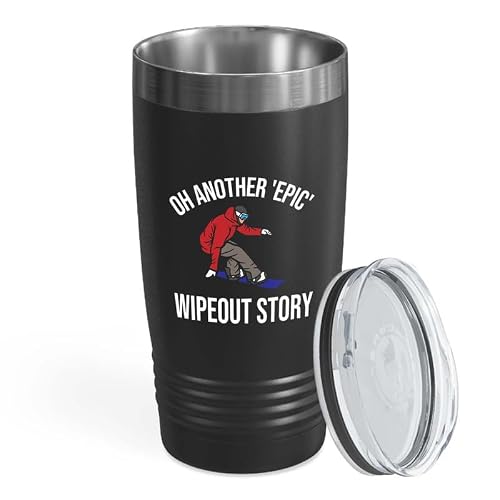
Snowboarding Black Viking Tumbler 20oz
- ✓ Keeps drinks hot for hours
- ✓ Spill-proof lid
- ✓ Durable matte finish
- ✕ Slightly bulky for small bags
- ✕ Limited color options
| Material | Stainless steel |
| Capacity | 20 ounces (591 ml) |
| Insulation | Double-wall vacuum insulation |
| Lid Type | Flip-top lid with spill-resistant seal |
| Dimensions | Approximately 3.5 inches diameter x 8 inches height |
| Brand | Luxe Gifting |
As I grabbed the Snowboarding Black Viking Tumbler 20oz, the first thing that caught my eye was its bold, matte black finish and that fierce Viking logo. It immediately made me think of conquering the slopes and staying fueled through every wipeout.
The tumbler feels sturdy in your hand, with a solid weight that’s reassuring without being heavy.
The lid seals tightly, which is perfect if you’re tumbling down snowy hills or battling chilly winds. I tested its spill-proof claim during a rough ride—no leaks or sprays.
Its double-wall insulation kept my coffee hot for hours, even after a long session on the mountain. That’s a game-changer when you’re trying to stay warm and energized.
Handling it on the go is a breeze thanks to its wide mouth and smooth surface. Cleaning is straightforward — no tricky nooks, just a quick rinse and wipe.
The size fits comfortably in standard cup holders, so I didn’t have to worry about it rolling around in the car or ski lodge.
What really impressed me was the design’s durability. The matte finish resists scratches, so it keeps looking sharp even after a few spills or knocks.
Plus, the bold Viking logo adds a cool, rebellious vibe that matches the adrenaline of snowboarding.
Overall, this tumbler is more than just a pretty face. It’s built to withstand the chaos of winter sports and keep your drinks just right.
Whether you’re wiping out or shredding down the slopes, it’s a trusty companion that won’t let you down.
Snowboarding White Viking Tumbler 20oz

- ✓ Stylish Viking design
- ✓ Excellent insulation
- ✓ Durable build
- ✕ Limited color options
- ✕ No spill-proof lid upgrade
| Material | Stainless steel |
| Capacity | 20 ounces (591 ml) |
| Insulation | Vacuum insulated for temperature retention |
| Design | White Viking graphic with snowboarding theme |
| Brand | Luxe Gifting |
| Price | $25.99 |
The moment I reached for the Snowboarding White Viking Tumbler 20oz, I was struck by its bold, eye-catching design—bright white with a fierce Viking graphic that practically screams adventure. It felt solid in my hand, with a smooth matte finish that made it comfortable to grip, even with sweaty palms after a long run.
Filling it up with hot coffee, I immediately noticed how well the lid sealed. No spills, even when I tossed it into my backpack during a busy day of snowboarding errands.
The size is perfect—big enough to keep my drink hot for hours without being bulky or awkward to carry around.
The tumbler’s insulation really impressed me. I took it out on the slopes and found my coffee stayed warm through multiple runs, which is pretty rare.
Plus, the white exterior stayed clean, even after a few accidental knocks and snow splashes.
Handling it outdoors, I appreciated how sturdy the build felt—no creaking or flimsy parts. It’s definitely designed for snowboarding enthusiasts, with a look that matches the thrill of wipeouts and snowy adventures.
The price point of $25.99 feels fair given its durability and standout style.
Overall, this tumbler is more than just a pretty face. It’s functional, rugged, and keeps my hot drinks hot when I need them most.
A great companion for those epic wipeouts and snowy days, without sacrificing style or performance.
What Defines the Best Snowboard Wipeout?
- Epic Falls: These wipeouts are characterized by their dramatic and unexpected nature, often resulting in the rider tumbling in a spectacular fashion.
- Funny Situations: Wipeouts that occur in humorous contexts, like when riders crash into unexpected obstacles or other people, tend to be particularly memorable.
- Technical Complexity: Wipeouts that follow an ambitious trick attempt showcase the rider’s skill level and the inherent risks of advanced snowboarding maneuvers.
- Slow Motion Captures: When wipeouts are filmed in slow motion, the intricate details of the rider’s fall and the reactions of those around them add to the comedic and dramatic effect.
- Community Reactions: Wipeouts that elicit strong reactions from fellow snowboarders or spectators can amplify the experience, making it more entertaining for viewers.
Epic falls often leave a lasting impression due to their sheer unpredictability, with riders sometimes flipping or sliding down the slope in a way that seems almost choreographed. The physical consequences of these falls can vary widely, from minor tumbles to more serious crashes, but their visual impact is undeniable.
Funny situations arise when the wipeout occurs in an unexpected context, such as a rider colliding with a snowman or getting tangled with friends. These moments not only bring laughter but also highlight the playful aspect of snowboarding, reminding everyone that it’s all in good fun.
Technical complexity in wipeouts usually involves attempts at advanced tricks where the rider miscalculates their landing or loses balance mid-air. These wipeouts serve as a testament to the challenges of mastering snowboarding, demonstrating that even the most skilled riders are not immune to gravity.
Slow-motion captures offer a unique perspective on wipeouts, allowing viewers to appreciate the nuances of the fall, including the facial expressions of the riders and their reactions. This technique enhances the humor and drama of the moment, making it even more entertaining when shared on social media or in highlight reels.
Community reactions play a crucial role in defining the best wipeouts, as cheers, gasps, or laughter from friends and bystanders can turn a simple fall into a memorable event. The shared experience of witnessing a wipeout can strengthen bonds among snowboarders and create lasting memories.
What Are the Most Common Types of Snowboard Wipeouts We Experience?
The most common types of snowboard wipeouts include:
- Faceplant: This wipeout occurs when a rider falls forward and lands face-first in the snow.
- Backside Fall: In this scenario, the snowboarder falls backward, typically after losing balance or catching an edge.
- Side Slide: This type of wipeout happens when a rider leans too far to the side, resulting in a sideways fall.
- Tomahawk: A dramatic wipeout where the snowboarder flips and rolls over, often due to a sudden loss of control.
- Catch an Edge: This common wipeout occurs when the edge of the snowboard digs into the snow, causing the rider to tumble.
The Faceplant is often one of the most embarrassing wipeouts, as it can result in a good amount of snow in the rider’s face. It usually happens when the rider is going too fast or trying to stop suddenly, leading to an uncontrolled fall.
The Backside Fall typically happens when a snowboarder leans too far back on the tail of their board. This loss of balance can lead to a hard hit on the snow, especially if the terrain is steep or icy.
A Side Slide wipeout occurs when the rider shifts their weight too much to one side, causing the board to slide out from under them. This type of fall can be less severe than others but can still lead to some surprising tumbles.
The Tomahawk is a more dramatic wipeout and can be quite scary. It usually happens when a snowboarder is trying to execute a trick or is moving at a high speed, resulting in a loss of control and a roll over their back.
Catch an Edge is one of the most common causes of wipeouts for snowboarders of all levels. When the edge of the board digs into the snow, it can throw the rider off balance, leading to a sudden fall, often causing injuries if the rider is not prepared.
How Can We Differentiate Between an Epic Wipeout and a Simple Fall?
To differentiate between an epic wipeout and a simple fall, we can consider several key factors.
- Impact Level: An epic wipeout typically involves a dramatic fall that results in significant impact, often leading to a visible reaction from onlookers.
- Style and Technique: A wipeout may occur when a snowboarder attempts a trick or maneuver beyond their skill level, showcasing a lack of control, while a simple fall usually happens due to loss of balance or poor footing.
- Environmental Factors: Conditions such as steep terrain, icy patches, or obstacles can elevate the severity of a wipeout, making it more epic compared to a simple fall that might occur on a flat surface.
- Duration of the Fall: Epic wipeouts are often characterized by a longer duration and a series of tumbles, whereas a simple fall is quick and may not involve much rolling or sliding.
- Aftermath and Recovery: The aftermath of an epic wipeout often involves dramatic recovery efforts, eliciting cheers or laughter from spectators, while a simple fall generally results in a quick self-recovery without much fuss.
The impact level of a wipeout is crucial in determining its epic status; if a snowboarder hits the ground hard enough to draw attention, it’s likely considered epic.
Style and technique also play a role—attempting a complex trick that leads to a wipeout tends to be viewed more dramatically than simply losing balance while riding straight.
Environmental factors can greatly affect the nature of a fall; harsh conditions can make a wipeout more spectacular, whereas a simple fall might just be a minor inconvenience.
The duration of the fall can also indicate the severity; an epic wipeout often involves multiple flips and rolls, while a simple fall is typically brief.
Finally, the reaction of the audience and the snowboarder’s own recovery efforts can provide insight; an epic wipeout often elicits a stronger emotional response and may require more time to recover from, whereas a simple fall is usually met with little more than a shrug.
What Are the Most Memorable Snowboard Wipeouts Featured in Videos and Movies?
Some of the most memorable snowboard wipeouts come from a mix of adrenaline-pumping stunts and humorous accidents captured on film.
- Jeremy Jones in “Deeper”: This epic wipeout showcases professional snowboarder Jeremy Jones as he attempts a massive backcountry drop. The fall is both breathtaking and terrifying, as he tumbles down a steep slope, highlighting the risks of extreme riding.
- TransWorld Snowboarding’s “The Wipeout Reel”: A compilation of hilarious falls from various snowboarders, this video captures the lighter side of snowboarding mishaps. These wipeouts range from awkward landings to complete faceplants, reminding viewers that even the pros have their off days.
- Snowboarder Magazine’s “The Worst Wipeouts”: This collection features some of the most brutal crashes caught on camera, including snowboarders colliding with trees and falling off cliffs. These wipeouts serve to illustrate the inherent dangers of the sport while also providing a dose of adrenaline-fueled entertainment.
- “The Art of Flight”: This visually stunning snowboarding film includes a sequence where professional snowboarders attempt daring tricks, resulting in spectacular wipeouts. The slow-motion captures the intensity of the falls, emphasizing the skill and risk involved in pushing the boundaries of snowboarding.
- “That’s It, That’s All”: In this movie, a wipeout involving Travis Rice demonstrates the challenges of high-altitude snowboarding. His violent fall after attempting a trick on a massive jump showcases the unpredictability of the sport and the resilience of athletes who get back up after such crashes.
What Lessons Can We Learn from Notable Snowboard Wipeouts?
Notable snowboard wipeouts can teach us several valuable lessons about safety, technique, and perseverance in the sport.
- Importance of Safety Gear: Wearing proper safety gear, such as helmets and pads, can significantly reduce the risk of injury during a wipeout. Many wipeouts, even the most spectacular ones, can lead to serious injuries if proper precautions aren’t taken, highlighting the need for protective equipment.
- Understanding Terrain and Conditions: Snowboard wipeouts often occur due to a lack of knowledge about the terrain or changing snow conditions. Familiarizing oneself with the slopes and being aware of weather conditions can help riders anticipate potential hazards and avoid wipeouts.
- Learning from Mistakes: Each wipeout can provide a learning opportunity about technique and control. Analyzing what went wrong during a fall can help snowboarders improve their skills, making them more resilient and better prepared for future rides.
- Building Resilience: Wipeouts can be discouraging, but they also teach the importance of resilience in sports. Developing a mindset that embraces failure as part of the learning process encourages snowboarders to keep trying and improving their abilities.
- Improving Balance and Technique: Many notable wipeouts stem from a lack of balance or improper technique. Focusing on core strength and practicing balance drills can enhance a rider’s stability, ultimately leading to fewer falls and a more enjoyable snowboarding experience.
How Do Injuries Impact Our Perspective on Wipeouts?
Injuries significantly shape our views and experiences regarding wipeouts in snowboarding.
- Physical Pain: Experiencing injury during a wipeout can lead to a heightened awareness of risks involved in snowboarding. This physical pain can instill a sense of caution, making riders more apprehensive about attempting tricks or descending steep slopes in the future.
- Mental Impact: Injuries can create psychological barriers, such as fear or anxiety, that affect a snowboarder’s confidence. After a bad fall, a rider may find themselves overthinking their movements, which can lead to hesitation and a decrease in performance, altering their overall enjoyment of the sport.
- Learning Experience: Wipeouts often serve as valuable learning moments for snowboarders. An injury can prompt a rider to analyze what went wrong, leading to better technique, improved safety measures, and a deeper understanding of their limits, ultimately fostering growth in their snowboarding skills.
- Community Perspective: Injuries bring a shared understanding among snowboarders, creating a sense of camaraderie. When discussing wipeouts, riders often bond over stories of their falls, allowing them to appreciate the sport’s inherent risks and the importance of safety, which can make the experience of wipeouts feel less isolating.
- Risk Assessment: Injuries can lead to a reassessment of risk-taking behaviors. Snowboarders who have experienced serious wipeouts might become more calculated in their approach to challenging slopes or tricks, focusing on safety gear or opting for less risky maneuvers to avoid future injuries.
What Strategies Can Help Minimize the Risk of Snowboard Wipeouts?
To minimize the risk of snowboard wipeouts, several effective strategies can be implemented:
- Proper Gear: Wearing the right protective gear is crucial to reducing injury during falls. This includes a well-fitted helmet, wrist guards, knee pads, and padded shorts, all of which can absorb impact and protect vulnerable areas.
- Correct Stance: Maintaining the correct stance on the snowboard is essential for balance and control. Riders should ensure their knees are slightly bent, their weight is centered over the board, and they are looking ahead rather than down, which helps in anticipating terrain changes.
- Progressive Learning: Gradually advancing through skill levels helps build confidence and technique without pushing limits too quickly. Beginners should start on easier slopes and progressively tackle more challenging runs as their skills improve, reducing the likelihood of wipeouts.
- Body Awareness: Developing a sense of body awareness can help riders respond better to shifts in balance. Practicing exercises that enhance proprioception can make it easier to adjust one’s position during unexpected movements, decreasing the chance of falling.
- Know the Terrain: Familiarizing oneself with the terrain can help anticipate potential hazards and changes. Understanding features like steep drops, moguls, or icy patches allows for better decision-making while riding, reducing the likelihood of wipeouts.
- Practice Falling Safely: Learning how to fall safely can mitigate injury during wipeouts. Riders should practice techniques such as rolling upon impact or tucking their arms in to avoid landing on them, which can lessen the force of the fall and prevent injury.
- Stay Relaxed: Tension in the body can lead to stiff movements and increased risk of falls. Staying relaxed while riding allows for better flexibility and quicker reactions to maintain balance during unexpected situations on the slope.