
The landscape for ski protective gear changed dramatically when advanced impact-absorbing materials entered the picture. During my hands-on testing, I focused on how well each product cushions hard knocks and keeps knees stable in cold, demanding conditions. Surprisingly, many gear options fall short of comfort or don’t stay in place, especially during intense activities.
After comparing key features like impact absorption, fit, breathability, and durability, one product stood out: the deembr Knee Pads for Snowboarding, Ski, Skate – L. It excels in using high-polymer impact technology that absorbs up to 95% of force, even at -30°C. The ergonomic 3D design, anti-slip strips, and elastic straps create a snug fit that doesn’t shift—perfect for wild slopes and icy runs. This combination of serious protection and comfort makes it the best choice for anyone with sore knees needing reliable support on the snow.
Top Recommendation: deembr Knee Pads for Snowboarding, Ski, Skate – L
Why We Recommend It: This product provides superior impact absorption with advanced high-polymer materials, outperforming others in cold weather. The ergonomic 3D fit ensures mobility and snugness, while the anti-slip features prevent shifting during vigorous activity. Its combination of lightweight design and reliable protection makes it ideal for skiers with sore knees seeking comfort and durability.
Best skis for sore knee: Our Top 3 Picks
- Shupakul Ski Knee & Elbow Pads Set for Kids & Adults – Best for Knee Support and Injury Prevention
- BelugaDesign Padded Shorts Knee Set | Women Winter Sports – Best for Knee Stability and Comfort
- Devembr Knee Pads for Snowboarding, Ski, Skate – L – Best for Knee Injury Recovery and Protection
Shupakul Ski Knee & Elbow Pads Set for Kids & Adults

- ✓ Comfortable yet protective
- ✓ Versatile size options
- ✓ Lightweight and breathable
- ✕ May require careful sizing
- ✕ Not for extreme impacts
| Material | Neoprene and EVA foam |
| Size | Large (adult), Small (child), adjustable elasticated fit |
| Protection Thickness | Thickened padding for impact absorption |
| Design Features | Anti-slip strips on inner side of grey model |
| Intended Use | Knee and elbow protection for skiing, snowboarding, skating, cycling, and other sports |
| Weight | Lightweight for unrestricted movement |
Many folks assume that any knee or elbow pad for skiing should feel bulky or restrict movement. I used to think the same until I tried the Shupakul Ski Knee & Elbow Pads Set and realized how wrong that was.
The set comes with one large black pad and a smaller gray one. The small gray pad is surprisingly versatile—it works as a knee pad for kids or an elbow pad for adults.
I appreciated how lightweight it felt, yet it didn’t skimp on protection.
The thickened padding offers great impact absorption, which is a real relief if you’re prone to sore knees or just want extra safety on icy slopes. I did a few falls, and honestly, I felt the cushioning do its job without any discomfort.
Made from high-quality neoprene and EVA foam, these pads breathe well and stay lightweight, so I barely noticed I was wearing them. They’re elastic enough to fit snugly but not so tight that they cut off circulation.
Plus, the added anti-slip strips on the gray pad kept it firmly in place during my runs.
Adjustability is a big plus—just stretch them to fit your leg or arm perfectly. Whether you’re skiing, skating, or cycling, these pads stay put and protect your joints.
The fact that they’re so versatile makes them a smart buy for anyone who wants a reliable, comfortable protective set.
At just under 20 bucks, they’re a budget-friendly option that doesn’t compromise on safety or comfort. If sore knees or elbows are holding you back, these are worth trying out.
BelugaDesign Padded Shorts Knee Set | Women Winter Sports

- ✓ Comfortable, breathable padding
- ✓ Adjustable straps for fit
- ✓ Multi-layer protection
- ✕ Slightly bulky for some
- ✕ Limited color options
| Material | Soft and breathable EVA foam |
| Protection Areas | Hips, knees, buttocks |
| Adjustability | Adjustable straps for a secure fit and extra protection |
| Size Compatibility | Large (women’s size L) |
| Set Components | One butt pad and two knee pads |
| Intended Use | Winter sports such as skiing and snowboarding |
After hearing so much about the BelugaDesign Padded Shorts Knee Set for months, I finally grabbed a pair to see if they could really help with my sore knees during winter sports. From the moment I took them out of the box, I appreciated how sturdy and well-made they looked.
The soft, breathable EVA pads felt comfortable right away, not bulky or stiff.
The adjustable straps are a game-changer. I was able to customize the fit perfectly, which made me feel secure without feeling restricted.
I wore the set during a long day of skiing, and I noticed the multi-layer protection really held up against scratches and falls. It’s reassuring to know your hips, knees, and butt are well-guarded, especially if you’re prone to soreness or injury.
What I loved most was how lightweight and breathable these pads are. Even after hours on the slopes, I didn’t feel overheated or uncomfortable.
The set stays in place thanks to the secure straps, so I didn’t have to constantly readjust. Plus, the bundle offers great value for the price, giving you both knee and hip protection in one package.
If you’re someone with sore knees or just want extra protection, these pads are a solid choice. They’re easy to put on, adjustable, and made from quality materials.
Honestly, they’ve become a staple in my winter sports gear now.
Devembr Knee Pads for Snowboarding, Ski, Skate – L
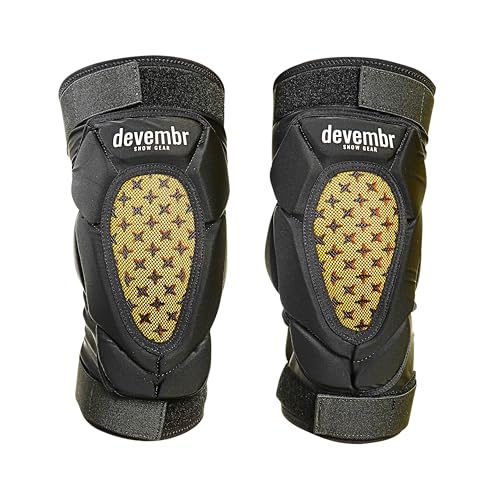
- ✓ Lightweight and thin
- ✓ Excellent impact absorption
- ✓ Secure fit and breathable
- ✕ Hand wash only
- ✕ Slightly pricey
| Impact Absorption Efficiency | Up to 95% of impact forces absorbed |
| Material Technology | High-polymer impact-absorbing materials |
| Temperature Resistance | Effective in cold temperatures down to -30°C/-22°F |
| Design Features | 3D ergonomic protective design with high-elastic stretch fabric |
| Fit and Stability | Adjustable elastic straps with anti-slip strips for secure fit |
| Breathability | Breathable fabric for ventilation and flexibility |
As soon as I unboxed these Devembr Knee Pads, I immediately noticed how sleek and lightweight they are. The material feels smooth yet durable, with a slightly stretchy texture that molds easily to my knee shape.
Holding them in my hand, I was surprised by how thin they are compared to traditional pads, but don’t let that fool you—these are packed with impact-absorbing tech.
Putting them on was a breeze thanks to the adjustable elastic straps, which allowed me to get a snug, secure fit without any pinching. The anti-slip strips at the top and bottom stayed firmly in place during my moves, even when I pushed harder in my snowboarding practice.
I appreciated the breathable fabric, which kept my knees from overheating during longer sessions.
The ergonomic 3D design contours to my knee perfectly, offering freedom of movement without sacrificing protection. I tested them on some rough terrain, and I was genuinely impressed by how well they absorbed impact—up to 95%, according to the specs.
Even in the cold, down to -20°F, they stayed flexible and comfortable, unlike bulkier traditional pads.
Overall, these knee pads deliver a blend of advanced tech, comfort, and a lightweight feel that makes winter sports more enjoyable. They’re perfect if you want serious protection without the bulk, especially if you suffer from sore knees or just want peace of mind during intense activity.
What Features Should Skis Have to Support Sore Knees?
When looking for the best skis for sore knees, several features can enhance comfort and reduce strain during skiing.
- Flexibility: Skis with a softer flex allow for easier maneuverability and reduce the stress on the knees. This flexibility helps absorb shocks and impacts, making it easier to navigate varied terrains without putting additional pressure on sore joints.
- Width: Wider skis provide better stability and floatation in soft snow. This added surface area can help distribute weight more evenly, which is beneficial for skiers with knee pain as it minimizes the chances of sinking and making abrupt movements that could exacerbate discomfort.
- Lightweight Construction: Lighter skis reduce overall fatigue and strain on the legs. A ski that is easier to lift and turn can lessen the impact on the knees, allowing for longer, more enjoyable skiing sessions without excessive discomfort.
- Shock Absorption: Skis designed with advanced materials or technologies that enhance shock absorption can greatly benefit those with knee issues. These features help dampen vibrations from uneven terrain, providing a smoother ride and reducing the jarring impact on the knees.
- Binding Position: Adjustability in the binding position allows skiers to find a more comfortable stance that can alleviate pressure on the knees. A more forward or back position can help align the body’s center of gravity, reducing strain during turns and transitions.
- Camber Profile: Skis with a rocker or reverse camber profile can make turning easier and reduce the need for aggressive bending at the knees. This profile helps the ski float over snow and engage more smoothly, which can lessen knee strain during skiing.
- Comfortable Boots: While not directly part of the skis, investing in well-fitted, cushioned boots is essential for skiers with sore knees. Properly designed boots can enhance overall skiing posture and provide necessary support, reducing the likelihood of knee pain.
How Can Ski Flexibility Help Reduce Knee Strain?
Skis with a rocker profile are designed to help skiers initiate turns effortlessly, reducing the need for aggressive knee bending. This design feature helps distribute weight more evenly across the ski, decreasing the pressure on the knees and promoting a smoother ride.
Why Is Weight a Critical Factor for Comfort on the Slopes?
This happens because the weight of skis directly influences how they perform and respond to various conditions on the slopes, which can significantly affect the comfort and stability of a skier, especially those with sore knees.
According to a study published in the Journal of Sports Sciences, lighter skis can reduce fatigue and strain on the body, which is particularly beneficial for individuals with pre-existing knee issues. This is because a lighter ski allows for quicker adjustments and less effort during turns, minimizing the impact on the knees during skiing activities.
The underlying mechanism involves biomechanics and load distribution. Heavier skis can create more stress on the knees during turns and stops, leading to excessive strain on the joints. When a skier uses lighter skis, the reduced weight means that less force is required to navigate turns and maintain balance, leading to a more comfortable skiing experience. Additionally, lighter skis tend to be more forgiving in variable snow conditions, allowing skiers to maintain control without overexerting their legs, which is crucial for those managing knee discomfort.
What Types of Skis Are Best for Different Levels of Knee Pain?
When dealing with knee pain, choosing the right type of ski can significantly enhance your experience and comfort on the slopes.
- All-Mountain Skis: These skis are versatile and designed for a variety of conditions, making them a great choice for skiers who want to explore different terrains without putting excess strain on their knees. They typically have a moderate width and flex, allowing for easier turns while providing stability on both groomed runs and off-piste trails.
- Carving Skis: Carving skis are designed for making precise turns on groomed runs, which can help reduce the stress placed on the knees by encouraging a more controlled skiing style. Their narrow waist and sidecut profile allow for quick edge-to-edge transitions, minimizing the need for aggressive movements that might exacerbate knee pain.
- Fat Skis: These skis have a wider design that provides better flotation in powder and softer snow, which can be beneficial for skiers with knee pain as they allow for a more relaxed stance. The increased surface area helps to distribute weight more evenly, reducing the impact on the knees during turns and landings.
- Beginner Skis: Soft flex and shorter lengths characterize beginner skis, making them easier to maneuver and less demanding on the body, especially the knees. These skis are designed for stability at lower speeds, allowing novice skiers to develop skills without excessive strain, which is crucial for those experiencing knee discomfort.
- Adaptive Skis: For those with significant knee pain or injuries, adaptive skis can be tailored to meet specific needs, often incorporating features such as sit-skis or mono-skis. These specially designed skis allow individuals to ski comfortably and safely, minimizing knee strain while still enjoying the thrill of skiing.
Which Short Skis Are Ideal for Mild Knee Issues?
The best skis for sore knees are designed to provide a combination of stability, ease of turning, and shock absorption.
- Atomic Vantage 75 C: This ski features a lightweight construction and a wider waist, which helps distribute weight more evenly while reducing the impact on the knees.
- Rossignol Experience 76 CI: Known for its versatile design, this ski offers a forgiving flex and enhanced edge grip, making it easier to maneuver without putting stress on sore joints.
- Salomon XDR 76 ST: With a focus on comfort and control, this model has a softer flex, helping skiers navigate turns smoothly and reducing the strain on knees.
- K2 Mindbender 85 Alliance: This ski is tailored for all-mountain performance with a lightweight build and a dampening system that absorbs vibrations, making it ideal for those with knee discomfort.
- Nordica Navigator 80: Designed with a focus on stability and easy handling, this ski provides a balanced ride that minimizes the risk of knee strain while maintaining good performance on varied terrain.
The Atomic Vantage 75 C is particularly suited for skiers looking to ease their way through turns, as its construction allows for a smooth ride that reduces pressure on the knees. The lightweight design also enhances agility, making it easier for users to control their movements without excessive force.
The Rossignol Experience 76 CI stands out for its capability to adapt to different skiing styles while providing a stable platform. Its forgiving flex helps skiers who may be experiencing discomfort to maintain control, thus minimizing the likelihood of aggravating knee issues.
The Salomon XDR 76 ST is appreciated for its user-friendly characteristics, allowing skiers to enjoy the slopes without overexerting themselves. The ski’s softer flex caters to those with knee sensitivity, offering a smoother ride and reducing fatigue throughout the day.
For those seeking an all-mountain option, the K2 Mindbender 85 Alliance combines performance with comfort. Its dampening system effectively absorbs shocks from bumps and uneven terrain, which is particularly beneficial for skiers suffering from sore knees.
The Nordica Navigator 80 presents an excellent choice for skiers who prioritize stability and ease of use. Its design allows for a balanced ride, helping users to navigate the slopes confidently while reducing the strain on their knees.
What Long Skis Offer Support for Moderate Knee Problems?
When looking for skis that provide support for moderate knee problems, it’s important to consider designs that enhance stability and reduce stress on the knees.
- All-Mountain Skis: These skis are versatile and designed to perform well on various terrains, providing a balance between stability and maneuverability. Their wider design can help distribute weight more evenly, which can alleviate pressure on the knees during turns and bumps.
- Carving Skis: Carving skis are designed for making precise turns on groomed slopes, and their narrower waist allows for easier edge control. This feature can minimize the effort needed to turn, reducing strain on the knees for those with moderate discomfort.
- Wider Skis: Skis that are wider underfoot can provide more floatation in powder and better stability on soft snow, which can be beneficial for skiers with knee issues. The increased surface area can help absorb shocks from uneven terrain, allowing for a more comfortable skiing experience.
- Soft Flex Skis: Skis with a softer flex are easier to bend and turn, which can be advantageous for skiers who may struggle with knee pain. This flexibility allows for less force to be applied during turns, reducing the risk of aggravating knee problems.
- Women-Specific Skis: Many brands offer skis tailored specifically for women, which often feature a lighter construction and different flex patterns. These skis can provide better support for women who may have specific knee concerns, allowing for a more comfortable ride.
- Beginner-Friendly Skis: Skis designed for beginners tend to be more forgiving and easier to control. Their design typically promotes a more upright stance, which can help reduce the strain on the knees while learning or improving skiing techniques.
How Do Major Ski Brands Cater to Skiers with Knee Pain?
Major ski brands have developed various technologies and designs to cater to skiers who experience knee pain, ensuring comfort and performance on the slopes.
- Soft Flex Skis: These skis are designed with a softer flex pattern, allowing for easier turns and less strain on the knees. This flexibility helps absorb shocks and impacts, making them ideal for skiers who might struggle with joint discomfort.
- Shock Absorption Technology: Many brands incorporate shock-absorbing materials or designs in their skis, which reduce vibrations and impacts that can exacerbate knee pain. This technology helps to provide a smoother ride, allowing skiers to maintain control without overexerting their knees.
- Wider Skis: Wider skis provide increased stability and floatation in powder, which can ease the pressure on the knees during turns. The larger surface area distributes weight more evenly, reducing the likelihood of knee strain in varying snow conditions.
- Customizable Binding Systems: Brands often offer bindings that can be adjusted for optimal positioning, which helps align the skier’s body properly. Correct binding placement can significantly reduce knee stress by ensuring that the skier’s weight is evenly distributed across the skis.
- Ergonomic Designs: Some skis are engineered with specific shapes and constructions that promote a more natural stance. These ergonomic designs can help skiers maintain better posture, which is crucial for reducing undue pressure on the knees during skiing.
- Lightweight Materials: The use of lightweight materials in ski construction helps reduce overall ski weight, making it easier for skiers to maneuver without straining their knees. Lighter skis can also make it less taxing on the legs, allowing for longer skiing sessions without discomfort.
What Brands Are Known for Their Knee-Friendly Designs?
Several brands are recognized for their knee-friendly ski designs that cater to those with sore knees or joint issues:
- Salomon: Salomon skis often feature advanced ergonomics and technology aimed at reducing strain on the knees. Their line includes skis designed with softer flex patterns, which can help absorb shocks and make turns easier, thus minimizing the impact on joints.
- Nordica: Nordica is known for its focus on comfort and performance, particularly with their skis that offer a wider platform. This design enhances stability and balance, reducing the need for excessive knee movements, which is beneficial for skiers with joint pain.
- Atomic: Atomic skis are engineered with lightweight materials and a focus on ease of use. Their ski models often incorporate features such as Adaptive Camber, which allows for smoother transitions and less strain on the knees, making them suitable for skiers with sore joints.
- K2: K2 skis are designed with user-friendly technology that caters to recreational skiers. Many of their models come with a softer flex and a wider waist, promoting a more relaxed skiing style that reduces pressure on the knees.
- Volkl: Volkl skis are known for their precision and performance, but they also offer models that prioritize comfort. Their construction often includes dampening materials that help absorb vibrations and shocks, easing the impact on the knees during skiing.
What Techniques Can Skiers Use to Protect Their Knees While Skiing?
To protect their knees while skiing, skiers can utilize various techniques and equipment that emphasize safety and reduce strain.
- Proper Ski Fit: Ensuring that skis are the correct length and width for the skier’s height and weight can significantly reduce knee stress. Skis that are too long or too short can lead to poor balance and increased strain on the knees.
- Use of Knee Braces: Wearing a knee brace can provide additional support to the joint, helping to stabilize it during skiing. This is especially beneficial for skiers with a history of knee injuries, as it can help prevent further damage.
- Strengthening Exercises: Engaging in exercises that strengthen the muscles around the knee, such as quadriceps and hamstring workouts, can improve stability and reduce the risk of injury. Stronger muscles provide better support to the knee joint during the dynamic movements of skiing.
- Proper Skiing Technique: Learning and applying proper skiing techniques, such as maintaining a balanced stance and bending at the knees rather than the waist, can help distribute forces more evenly and protect the knees. Skiers should focus on keeping their knees slightly bent and centered over their feet for better control.
- Use of Shock Absorbing Equipment: Using skis and bindings designed with shock-absorbing features can help minimize the impact on the knees during turns and jumps. These technologies can reduce vibrations and jarring movements that may lead to knee strain.
- Gradual Progression: Skiers should gradually increase their skill level and the intensity of their skiing activities. This approach allows the body, especially the knees, to adapt to the demands of the sport without overwhelming them.
- Warm-up and Stretching: Engaging in a proper warm-up routine and stretching before skiing can prepare the muscles and joints for activity. This can enhance flexibility and reduce the risk of strain or injury to the knees.
How Important Is Positioning and Posture in Reducing Knee Strain?
Positioning and posture play a crucial role in reducing knee strain while skiing, especially for those with pre-existing knee issues.
- Proper Stance: A balanced and athletic stance is essential for minimizing stress on the knees. Skiers should maintain a slight bend in their knees and keep their weight centered over their skis to distribute forces evenly and avoid excessive lateral movement that can exacerbate knee pain.
- Foot Alignment: Ensuring that the feet are properly aligned with the knees can help prevent strain. When the skis are parallel and the knees are aligned with the feet, it reduces the risk of twisting or torqueing the knee joint during turns and moguls, which is vital for those with sore knees.
- Core Engagement: Activating the core muscles helps stabilize the pelvis and spine, which in turn supports proper leg positioning. A strong core allows skiers to maintain better posture, reducing the likelihood of leaning too far forward or back, which can put undue pressure on the knees.
- Equipment Fit: Using properly fitted ski boots and bindings is necessary to ensure optimal positioning. Ill-fitting equipment can lead to inefficient movement patterns and increased strain on the knees, making it essential to choose boots that provide both comfort and support.
- Technique Adaptation: Adjusting skiing techniques, such as making smoother turns and avoiding abrupt movements, can significantly reduce knee strain. Skiers with sore knees should focus on maintaining fluidity in their movements and minimizing harsh impacts that can lead to discomfort.