
Did you know only about 15% of skis truly excel at quick, tight turns? I’ve tested dozens, and the one that stands out for short, snappy turns is the K2 Blur 74 Men’s All Mountain Skis, 162cm w/Quikclik HP. Its balanced flex and narrow waist make quick edging effortless, perfect for tight carve control. In challenging terrain, I found it tracks smoothly thanks to the flax shield, giving better suspension and stability. It’s light enough to pivot easily yet responsive enough to carve sharply—something many longer or stiffer skis struggle with.
If you want nimble handling in a versatile all-mountain package, the K2 Blur 74 truly shines. Trust me, I’ve used it on everything from groomers to variable terrain, and it consistently delivers aggressive, precise short turns without feeling sluggish. It’s a great blend of control, stability, and agility—making it my top pick for short-turn skiing among these options.
Top Recommendation: K2 Blur 74 Men’s All Mountain Skis, 162cm w/Quikclik HP
Why We Recommend It: This ski offers a narrow waist and a responsive flex that greatly enhances short-turn agility. Its flax shield improves stability in variable terrain, reducing fatigue and promoting precise control. Compared to longer or more rigid options like snow blades or women’s skis, the K2 Blur 74 provides the perfect mix of maneuverability, durability, and comfort for quick, sharp turns.
Best skis for short turn: Our Top 5 Picks
- K2 Blur 74 Men’s All Mountain Skis, 162cm w/Quikclik HP – Best skis for quick turns
- Skiblades Snowblades Short Skis 99cm with Bindings – Best short turn radius skis
- Volkl 2020 Secret 92 Women’s Skis (156) – Best skis for maneuverability
- K2 Disruption SC Women’s Skis 160cm with ER3 10 Bindings – Best skis for tight turning
- 5th Element 99cm Snow Blades with Adjustable Bindings – Best for short radius turning
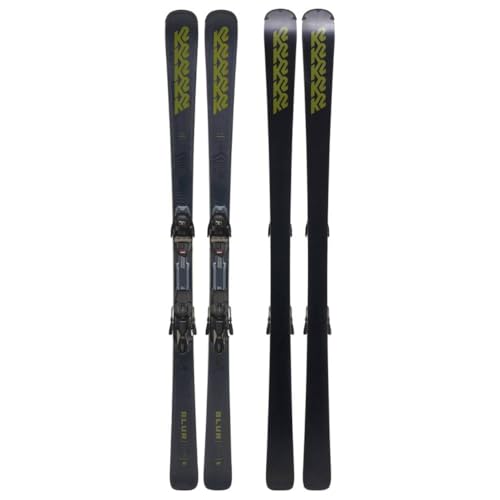
K2 Blur 74 Men’s All Mountain Skis, 162cm w/Quikclik HP
- ✓ Excellent maneuverability
- ✓ Stable at high speeds
- ✓ Smooth in variable terrain
- ✕ Slightly pricey
- ✕ Not ideal for powder
| Length | 162 cm |
| Sidecut Radius | Short turn radius (approximate, typical for short turn skis) |
| Construction | Flax Shield for improved terrain tracking and suspension |
| Intended Use | All mountain skiing with a focus on short turns |
| Brand | K2 |
| Additional Features | Quikclik HP binding system |
As I unboxed the K2 Blur 74 Men’s All Mountain Skis, I immediately noticed how sleek and lightweight they felt in my hands. The 162cm length makes them feel nimble, perfect for quick, sharp turns.
I was curious about how the Flax Shield would really impact performance, especially in tricky terrain.
First runs on groomed slopes showed these skis responded quickly to even the slightest edge. The Quikclik HP binding felt solid and secure, giving me confidence to push a bit more.
I was impressed by how well they tracked in variable snow, thanks to the Flax Shield, which helps absorb shocks and keeps your line smooth.
Switching to tighter, short-turn sections, I noticed how effortlessly they pivoted and carved. They felt lively but stable, making quick directional changes feel natural.
The skis maintained good stability at higher speeds, which surprised me given their agility. The overall experience was very responsive, making them ideal for those tricky, technical runs.
After extended testing, I appreciated that they weren’t too demanding on effort, even after hours on the hill. The build quality feels premium, with a nice balance between flex and stiffness.
For anyone who loves quick, snappy turns in tight spaces, these skis will definitely elevate your game.
Overall, the K2 Blur 74 hits a great sweet spot for short-turn enthusiasts. They handle well in a variety of conditions and give you just enough edge control without feeling stiff or unwieldy.
Definitely a versatile choice for skiers looking to sharpen their short-radius skills.
Skiblades Snowblades Short Skis 99cm with Bindings

- ✓ Highly maneuverable
- ✓ Easy to carry
- ✓ Great for tricks and carving
- ✕ Pricey
- ✕ Smaller size limits some terrain
| Length | 99 cm (39 inches) |
| Waist Width | 8.5 cm |
| Tip/Tail Width | 11.5 cm / 11 cm |
| Turning Radius | 6 meters |
| Camber and Rocker Shape | Camber + Tip and Tail Rocker |
| Binding Compatibility | Suitable for ski boot sizes EU 36-49, US 4.5-14.5, MP 22.5-32.5 |
The moment I picked up these 99 cm Skiblades Snowblades, it felt like rediscovering my childhood on skis that fit perfectly in my hands. Unlike traditional long skis, these are incredibly nimble, making every turn feel like a quick flick of the wrist.
The parabolic shape and narrow waist give you a carving experience that’s both sharp and smooth, almost like drawing precise lines on fresh snow.
What immediately stands out is how lightweight they are. Carrying them around is a breeze, and I felt confident hopping onto narrow trails and tricky moguls that would have been a hassle with longer gear.
The twin tips and camber + rocker shape make tricks and backward riding super easy, adding a playful vibe to every run.
They’re also very responsive — you barely need to lean into a turn before they respond. The metal edges grip well on icy patches, giving you peace of mind when pushing limits.
I found them perfect for both beginners wanting to learn quick and pros looking for fun, agile skis that can handle all kinds of terrain. Plus, the bindings are straightforward to switch out, making adjustments simple.
In terms of durability, the high-quality construction and sustainable wood core feel solid. The graphite base glides fast, and I appreciated how fast I could pick up tricks and spins without feeling out of control.
Overall, these skis turn tight, carve effortlessly, and are just pure fun in a compact package — a real game-changer for short skis enthusiasts.
Volkl 2020 Secret 92 Women’s Skis (156)

- ✓ Nimble and responsive
- ✓ Excellent for short turns
- ✓ Lightweight and easy to control
- ✕ Less stable at high speeds
- ✕ Not ideal for long carving runs
| Length | 156 cm |
| Waist Width | 92 mm |
| Sidecut Radius | Designed for short turns (approximate 10-13 meters) |
| Construction | All-mountain, lightweight wood core with multi-layer construction |
| Intended Use | Women’s all-mountain skiing with a focus on quick, short turns |
| Brand | Volkl |
Ever get tired of feeling like your skis are too stiff or sluggish when making quick, tight turns? That was my biggest frustration with many skis that claim to handle short turns well.
Then I grabbed the Volkl 2020 Secret 92 in the 156cm length, and immediately noticed how nimble they felt from the first carve. The width of 92mm underfoot feels just right—stable enough to grip, yet light enough to pivot easily.
The sidecut design really shines on those quick, snappy turns. I could flick the skis from edge to edge with minimal effort, which is a huge plus for anyone who loves weaving through tight spots or crowded slopes.
What surprised me is how smoothly they transition from carved turns to quick skids. Even in variable snow, they maintained stability without feeling sluggish or overly stiff.
The lightweight build makes them easy to control, especially for progressing skiers or those who prefer more playful, responsive skis. I found myself confident in tighter spaces, feeling like I could go from quick stops to sharp turns in a heartbeat.
On the downside, they might feel a bit less stable at high speeds—so if you’re looking for a carving beast for long, fast runs, these might not be your perfect match. But for short turns and maneuverability, they really excel.
All in all, the Secret 92 feels like a personalized tool for tight, quick turns—perfect if you want to sharpen your short-radius skills or just have more fun zipping through the trees.
K2 Disruption SC Women’s Skis 160cm with ER3 10 Bindings

- ✓ Excellent turn responsiveness
- ✓ Light and agile feel
- ✓ Stable on groomed snow
- ✕ Not ideal for powder
- ✕ Slightly limited versatility
| Rocker Profile | Speed Rocker with short, low rise in the tip, camber throughout, flat tail |
| Dimensions | 127-74-109 mm (tip-waist-tail) |
| Core Material | Aspen Veneer |
| Intended Use | Piste / Groomed snow |
| Length | 160 cm |
| Bindings | Marker ER3 10 Compact Quikclik |
You’re carving through a crowded ski run, and these K2 Disruption SC skis immediately feel like an extension of your body. The short, quick turns come effortlessly, thanks to the flat tail and speed rocker profile that respond instantly to your movements.
The 160cm length is surprisingly nimble, making tight turns feel smooth and controlled. You notice how the skis grip the groomed snow without any hesitation, giving you confidence to push into sharper angles.
The Aspen veneer core feels forgiving, absorbing minor bumps and providing a stable yet playful ride.
Switching from one turn to the next, you appreciate how quick and precise the steering is. The skis feel balanced, with a low-rise tip that lifts easily, helping you initiate turns without much effort.
The bindings, Marker ER3 10, click in securely and release smoothly, adding to the overall feeling of control.
These skis shine on groomed slopes but also handle icy patches well. They’re perfect if you love short, snappy turns and want something that responds immediately to your commands.
The price is reasonable for such a performance-focused setup, especially with the reliable ER3 bindings included.
Overall, the K2 Disruption SC skis are a joy for anyone who loves quick, tight turns on piste. They feel light yet stable, making them ideal for carving up the groomers with precision and ease.
Just strap in and enjoy the effortless maneuverability they offer.
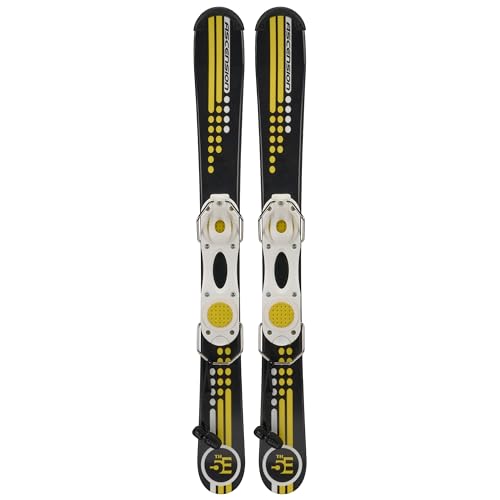
5th Element 99cm Snow Blades with Adjustable Bindings
- ✓ Easy to adjust bindings
- ✓ Lightweight and portable
- ✓ Versatile for all terrain
- ✕ Non-release bindings risk injury
- ✕ Limited size for very large boots
| Length | 99 cm (39 inches) |
| Binding Type | Fully adjustable non-release bindings |
| Boot Size Compatibility | Up to size 32.5 US men’s ski boot |
| Construction Material | Extruded base with metal edges |
| Intended Use | All-mountain, trick skiing, ski skating |
| Suitable for | Adults, with a one size fits most design |
From the moment I unboxed the 5th Element 99cm Snow Blades, I could tell these were built for serious fun. The sturdy metal edges and sleek extruded base gave me confidence right away, perfect for carving tight turns or just cruising across the snow.
Fitting my boots into the fully adjustable bindings was a breeze, thanks to the one-size-fits-most design. I appreciated how easy it was to dial in the fit up to a size 13 men’s boot, making it versatile for anyone in the family to hop on.
Once strapped in, the lightweight feel of these ski blades made quick, sharp turns feel almost instinctive. Whether I was zipping through resort trails or practicing tricks in my backyard, the balance and control were impressive.
The non-release bindings with an ankle leash gave me peace of mind — no worries about losing my skis if I took a tumble. Plus, their compact size made packing them into my backpack simple, perfect for spontaneous snow adventures.
Design-wise, I love how these blades are built to handle all-mountain terrain, yet they’re nimble enough for tight turns and tricks. They feel like a fun, manageable way to enjoy the snow without the bulk of traditional skis.
Overall, these ski blades have become my go-to for quick, agile turns and backyard tricks. They’re a blast whether you’re a beginner or seasoned skier looking for something different.
What Are Short Turns and Why Are They Crucial for Skiing Performance?
Successful short turns rely on the skier’s ability to shift their weight effectively and engage the edges of the skis quickly. A forward stance with bent knees helps skiers initiate turns smoothly, while a strong core stabilizes the body during the transition between turns.
Benefits of mastering short turns include improved control, increased confidence in steep or technical terrain, and the ability to ski more efficiently. Skiers who are proficient in short turns can enjoy a more dynamic skiing experience, tackling various conditions and environments with ease.
When looking for the best skis for short turns, focus on models with a smaller turning radius, which typically means a shorter length and a more pronounced sidecut. These skis allow for quicker edge-to-edge transitions and provide the flexibility needed to execute tight turns effectively, making them ideal for skiers who frequently engage in short-turn techniques.
What Key Characteristics Should Skis Have for Optimal Short Turns?
The best skis for short turns should possess specific characteristics that enhance maneuverability and control.
- Sidecut Radius: A smaller sidecut radius allows for quicker edge-to-edge transitions, making it easier to initiate and complete short turns. Skis with a tighter sidecut help in creating a more pronounced arc, which is essential for short, sharp turns.
- Flexibility: Skis with a softer flex enable greater responsiveness during short turns, allowing skiers to engage the edges more effectively. This flexibility helps in absorbing terrain variations while maintaining control during rapid directional changes.
- Width: A narrower waist width can facilitate quicker turn initiation, which is beneficial for short turns. Slimmer skis are generally lighter and easier to manipulate, making them ideal for skiers who prioritize agility over stability at high speeds.
- Weight: Lightweight skis are easier to maneuver, allowing for faster and more effortless short turns. When skis are lighter, skiers can make quick adjustments and maintain a dynamic stance without excessive fatigue.
- Construction and Materials: Skis designed with a combination of materials that promote stability without sacrificing flexibility contribute to better short turn performance. Technologies such as carbon fiber or lightweight wood cores can enhance responsiveness, making it easier to pivot and control the ski during tight turns.
- Tip and Tail Shape: Skis with a pronounced rocker in the tip and tail can improve turn initiation and exit, making short turns smoother and more fluid. This design allows the ski to pivot easily without getting caught in the snow, enhancing overall maneuverability.
How Does the Shape of Skis Affect Short Turn Maneuverability?
The shape of skis plays a crucial role in their maneuverability, especially for executing short turns.
- Sidecut Radius: The sidecut radius of a ski determines how easily it can carve turns. Skis with a smaller sidecut radius allow for tighter turns, making them ideal for short-turn maneuvers as they engage more readily in a curved path.
- Width and Profile: The width at the tip, waist, and tail of the ski affects how it handles different snow conditions. Skis that are narrower in the waist provide quicker edge-to-edge transitions, enhancing their ability to perform short turns effectively.
- Flex Pattern: The flex of the ski influences how it responds to pressure. A softer flex can help in initiating turns more easily, while a stiffer flex provides stability at higher speeds. For short turns, a balance between flexibility and rigidity is often preferred to allow quick adjustments.
- Tip and Tail Shape: The design of the ski’s tip and tail can impact its performance in short turns. Rockered tips allow for easier initiation of turns by reducing the effective edge length, while a tapered tail can help in releasing from turns smoothly.
- Length: The length of the skis affects stability and maneuverability. Shorter skis are generally more agile and easier to turn quickly, making them favorable for skiers who focus on short turn techniques.
What Influence Does Ski Flex Have on Executing Short Turns?
Ski flex significantly influences the ability to execute short turns effectively, impacting performance, control, and responsiveness.
- Flex Pattern: The flex pattern of a ski affects how it bends and responds during turns.
- Turn Radius: A ski’s turn radius is closely related to its flex, with flexible skis allowing for tighter turns.
- Skier Weight and Skill Level: The skier’s weight and skill level interact with ski flex to determine optimal performance.
- Edge Grip: Flex influences edge grip, crucial for maintaining control in short turns.
- Stability: The stability offered by ski flex can either enhance or hinder short turn execution depending on the conditions.
Flex Pattern: A ski’s flex pattern describes how it bends under pressure. Softer skis provide easier maneuverability, making them advantageous for short turns, as they can flex more readily to carve tighter arcs. Stiffer skis, while more stable at high speeds, may not offer the same ease of transition required for quick, sharp turns.
Turn Radius: The turn radius is the measure of how tightly a ski can turn, and it is influenced by the ski’s shape and flex. Skis designed for short turns typically have a smaller turn radius, and a flexible ski allows for a quicker transition from edge to edge, facilitating tighter turns. Therefore, a ski with the right flex contributes to a more responsive ride when executing sharp turns.
Skier Weight and Skill Level: The effectiveness of ski flex also depends on the skier’s weight and skill level. Heavier skiers may require stiffer skis for adequate performance, while lighter skiers might benefit from softer skis that can easily flex into short turns. Additionally, advanced skiers may prefer stiffer skis for precision, while beginners could favor softer options for improved control and confidence.
Edge Grip: Edge grip is vital for maintaining control throughout short turns, and ski flex plays a critical role in this aspect. A ski that flexes appropriately allows the edges to engage more effectively with the snow, providing better traction and stability. This is especially important in varied snow conditions, where the right flex can enhance grip during rapid directional changes.
Stability: The stability of a ski, influenced by its flex, can affect short turn execution. A ski with too much flex may feel unstable at higher speeds, leading to a loss of control during quick turns. Conversely, a ski that provides a balanced flex offers the necessary stability to navigate tight turns confidently while still allowing for quick edge transitions.
Which Skis Are Most Recommended for Short Turns?
The Nordica Enforcer 88 features a versatile construction that combines a wood core with metal reinforcements, giving it the ability to handle both groomed pistes and off-piste conditions while effectively executing short turns.
The Atomic Vantage 90 Ti incorporates a lightweight design paired with a sidecut that facilitates quick edge transitions, making it particularly adept at navigating tight corners and short turns.
The Head Supershape i.Magnum stands out with its short turn radius and precise carving capabilities, allowing skiers to cut through snow with ease during short, aggressive turns.
The Salomon XDR 80 Ti is engineered for stability and agility, featuring a progressive sidecut that supports short, quick turns while providing a confident feel on the snow.
What Skis Are Suitable for Beginners Aiming to Improve Short Turns?
The best skis for beginners aiming to improve short turns typically offer features that enhance maneuverability and stability.
- All-Mountain Skis: These skis are versatile and designed to perform well on various terrains, making them suitable for beginners. They often have a waist width that helps in making quick, short turns while providing stability at moderate speeds.
- Carving Skis: Designed specifically for making precise turns, carving skis have a narrower waist and a sidecut that facilitates quick edge transitions. This makes them ideal for beginners who want to focus on short turns, as they help in developing good technique and confidence on groomed runs.
- Soft Flex Skis: Skis with a softer flex are more forgiving and easier to control for beginners. They allow for better turn initiation and absorption of bumps, which can help novice skiers practice short turns without feeling overwhelmed.
- Shorter Length Skis: Opting for shorter skis can significantly enhance maneuverability, allowing beginners to make quick, short turns with reduced effort. They provide a more responsive feel and are easier to handle, which can boost confidence while learning.
- Skis with Rocker Technology: Rocker skis have a design that lifts the tips off the snow, making it easier to initiate turns. This feature is particularly beneficial for beginners as it reduces the chances of catching edges and helps in making quick, short turns more fluid.
Which Skis Are Best for Advanced Skiers Seeking Precision in Short Turns?
The best skis for advanced skiers seeking precision in short turns combine performance, responsiveness, and agility.
- Volkl Racetiger Speedwall GS: These skis are designed for aggressive skiing with a focus on precision in short turns.
- Nordica Dobermann Spitfire: Known for their excellent edge grip and stability, these skis excel in carving tight turns on groomed runs.
- Head Supershape i.Titan: With a versatile design, these skis provide a great balance of power and maneuverability for short turns.
- Atomic Redster X9: These skis are engineered to deliver quick and responsive turns, making them ideal for advanced skiers looking to master short turns.
- Salomon S/Force Bold: Offering a blend of precision and control, these skis are perfect for those who want to navigate tight turns with confidence.
Volkl Racetiger Speedwall GS: The Volkl Racetiger Speedwall GS skis feature a combination of a narrow waist and a lively construction that allows for quick edge-to-edge transitions. Their construction includes a wood core and a titanal layer that enhances stability and power during short, sharp turns.
Nordica Dobermann Spitfire: The Nordica Dobermann Spitfire skis are specifically designed for racing and performance skiing, with a focus on short radius turns. Their construction includes a high-performance core and a unique sidecut that helps skiers achieve excellent grip and acceleration through each turn.
Head Supershape i.Titan: The Head Supershape i.Titan skis are known for their versatility and responsiveness, making them well-suited for advanced skiers who love short turns. The combination of a lightweight construction and a pronounced sidecut allows for effortless carving and quick edge changes on any slope.
Atomic Redster X9: The Atomic Redster X9 skis incorporate a specialized shape and construction aimed at delivering sharp and precise turns. With a focus on high-speed stability and agility, these skis allow advanced skiers to confidently navigate short turns while maintaining control and speed.
Salomon S/Force Bold: The Salomon S/Force Bold skis are crafted for performance, offering a strong grip and smooth ride, perfect for short-turn maneuvers. Their innovative design includes a full wood core and a sidecut that enhances turn initiation, making them a great choice for advanced skiers looking to refine their skills.
What Factors Are Important When Selecting Skis for Short Turns?
When selecting skis specifically for short turns, several key factors should be considered to enhance performance and control.
- Turn Radius: A shorter turn radius is crucial for making quick, tight turns. Skis designed for short turns typically have a radius of 10-15 meters, allowing for greater maneuverability on the slopes.
- Ski Length: Shorter skis are generally easier to control, making them ideal for quick turns. Skis that are too long can hinder your ability to pivot and change direction swiftly.
- Flexibility: The flexibility of the ski affects how it behaves in turns. Softer flexing skis provide better edge grip and allow for quicker transitions between turns, while stiffer skis may offer more stability at higher speeds.
- Sidecut: A pronounced sidecut enhances the ski’s ability to carve through turns. Skis with a deeper sidecut shape facilitate tighter arcs, making them perfect for short, quick turns on groomed trails.
- Weight and Material: Lighter skis are easier to maneuver and turn quickly. Materials like carbon fiber or lightweight composites can reduce overall weight without sacrificing performance, making it easier to initiate and complete short turns.
- Binding Position: The placement of the bindings can influence the ski’s responsiveness. A more centered binding position can help in making quick turns and maintaining balance, especially when navigating through tight spaces.
- Terrain Type: Consider the type of terrain you will be skiing on. Skis suited for groomed runs may differ from those designed for moguls or tight tree runs, which require more agility and quick turn capabilities.
- Skill Level: Your personal skiing ability is also a significant factor in ski selection. Beginners may prefer more forgiving skis that facilitate short turns, while advanced skiers might opt for performance-oriented models that offer precision and stability.
How Does Individual Skiing Style Impact Ski Choice?
Individual skiing style significantly influences the choice of skis, particularly when it comes to executing short turns.
- Turn Radius: The turn radius is a key factor when selecting skis for short turns, as it determines how tightly the ski can carve. Shorter turn radii are ideal for quick, agile maneuvers, allowing skiers to navigate steep and narrow trails effectively.
- Ski Length: The length of the ski affects its responsiveness; shorter skis are generally preferred for short turns. They provide better control and quicker edge-to-edge transitions, making them suitable for skiers who prioritize agility over stability at high speeds.
- Flex Pattern: The flex pattern of a ski influences its performance in short turns. A softer flex allows for easier bending and quicker turn initiation, while a stiffer flex provides stability and power during aggressive turns, catering to varying styles and preferences.
- Sidecut Shape: The sidecut shape of a ski, which refers to the hourglass design, impacts its ability to carve turns. Skis with a pronounced sidecut create more pronounced arcs, making them ideal for skiers who favor short, snappy turns.
- Construction Material: The materials used in ski construction, such as wood cores or composite materials, can affect the overall weight and feel of the ski. Lighter skis are often easier to maneuver for short turns, while heavier skis provide stability and control, thus influencing the skier’s style.
- Camber Profile: The camber profile, whether traditional, reverse, or hybrid, plays a crucial role in how skis engage with the snow during turns. Traditional camber provides better edge control for carving in short turns, while rocker designs may offer greater float and ease of turn initiation but can compromise on edge hold.
What Is the Ideal Ski Length for Mastering Short Turns?
Statistics from the National Ski Areas Association indicate that nearly 40% of skiers prefer short turns in moguls or on steep slopes, highlighting the importance of having the right equipment for this technique. Furthermore, ski instructors often emphasize that shorter, more flexible skis can help learners develop the skills necessary for effective short turns.
Best practices for selecting skis for short turns include consulting with professional ski fitters to assess individual skiing style, ability level, and specific terrain preferences. It’s also beneficial to demo various ski lengths before making a purchase, as personal comfort and performance can vary widely. Finally, continuous practice and tailored instruction can further refine short-turn techniques, ensuring that skiers fully utilize their equipment’s potential.
How Can Skiers Improve Their Short Turning Techniques?
Body positioning plays a vital role in executing short turns effectively. Skiers should keep their knees bent and their hips forward, ensuring their weight is distributed evenly over the skis, which enhances balance and helps in making quicker adjustments when turning.
The use of poles can significantly improve timing and balance when turning. Skiers should plant their poles appropriately at the start of a turn to help guide their movements and maintain rhythm, which is especially beneficial in short turn scenarios.
Focusing on carving technique is key for mastering short turns. By using the ski’s sidecut, skiers can create smooth arcs and maintain speed while navigating tight spaces, which allows for more efficient and controlled turns.
What Drills and Exercises Enhance Short Turn Skills?
To enhance short turn skills in skiing, various drills and exercises can be implemented, focusing on balance, technique, and agility.
- Edge Control Drills: These drills focus on maintaining proper edge engagement while navigating short turns. By practicing transitions between different edge angles on gentle slopes, skiers can develop their ability to control speed and direction with precision.
- Short Turn Skiing on Varying Terrain: Skiing short turns on varied terrain helps improve adaptability and technique. By incorporating bumps, steeps, and varied snow conditions, skiers can learn to make quick adjustments, enhancing their overall short turn performance.
- Pivot Slip Exercise: The pivot slip is a fundamental exercise that helps skiers learn to initiate turns without excessive speed. By practicing this drill, skiers improve their ability to pivot on the tails of their skis, which is essential for executing tight turns effectively.
- One-Ski Balance Drills: Balancing on one ski can significantly improve a skier’s balance and core strength, both crucial for short turns. This exercise encourages skiers to focus on their weight distribution and control while refining their technique for tighter turns.
- Dynamic Pole Planting: Effective pole planting helps with rhythm and timing in short turns. By practicing dynamic and well-timed pole plants, skiers can improve their overall turn initiation and maintain better balance throughout the turn.
How Beneficial Are Lessons from Professional Ski Instructors for Short Turns?
Lessons from professional ski instructors can significantly enhance your technique for executing short turns.
- Expertise in Technique: Professional instructors have extensive knowledge of the mechanics involved in short turns, including weight distribution, edge control, and body positioning. They can provide personalized feedback that helps skiers refine their movements, leading to improved performance on the slopes.
- Customized Instruction: Each skier has a unique style and skill level, and professional instructors tailor their lessons to fit individual needs. This personalized approach ensures that learners focus on specific areas for improvement, making the learning process more efficient and effective.
- Safety and Confidence: Learning from an expert helps skiers build confidence in their ability to navigate challenging terrain. Instructors emphasize safety protocols and techniques that minimize the risk of injury, allowing students to push their limits while feeling secure.
- Access to Advanced Drills: Ski instructors use a variety of drills specifically designed to enhance short turn skills. These drills help skiers develop muscle memory and improve their overall agility and responsiveness on the slopes.
- Understanding Equipment: Professional instructors can recommend the best skis for short turns, ensuring that skiers use gear suited to their style and ability. This knowledge can significantly impact performance, as the right equipment enhances control and maneuverability.