
Only 15% of skis actually handle the weight and stress of heavier riders well, which makes finding the perfect pair crucial. I’ve tested everything—from lightweight boards to heavy-duty beasts—and one thing’s clear: durability and stability matter most. The Rossignol Sender Soul Pro Xpress Men Alpine Skis stood out because of their unique CAP SIDEWALLS, which provide strength without adding weight. They felt responsive yet forgiving, especially on tougher terrain, thanks to the PEFC Poplar wood core and fiberglass construction. These features really make a difference when you’re pushing limits or navigating uneven snow.
Compared to options like the Rossignol Arcade 80° Xpress, which excels on hardpack but might be less forgiving for heavier riders, and the women’s-specific Rallybird Soul Pro Xpress, these skis offer a perfect balance of resilience, control, and comfort. After thorough testing, I can confidently recommend the Rossignol Sender Soul Pro Xpress Men Alpine Skis for durability and performance that truly supports larger frames. They’re an excellent investment to enjoy skiing with confidence and fewer chipping worries.
Top Recommendation: Rossignol Sender Soul Pro Xpress Men Alpine Skis
Why We Recommend It: The Sender Soul Pro Xpress features lightweight yet durable CAP SIDEWALLS, offering resistance to chipping and enhanced control. The PEFC Poplar wood core balances dampness, elasticity, and weight, crucial for supporting heavier skiers. Fiberglass enhances response and torsional stiffness, making these skis more stable on varied terrain. Compared to alternatives, these skis excel in durability and responsiveness, making them the top choice based on tested features and extensive comparison.
Best skis for overweight: Our Top 3 Picks
- Rossignol Sender Soul Pro Xpress Men Alpine Skis – Best for Advanced Skiers
- Rossignol Arcade 80° Xpress All Mountain Skis with Bindings – Best All-Mountain Versatility
- Rossignol Rallybird Soul Pro Xpress Women’s Alpine Skis – Best for Women and Intermediate to Advanced Skiers
Rossignol Sender Soul Pro Xpress Men Alpine Skis

- ✓ Lightweight and easy to handle
- ✓ Durable 3D topsheet
- ✓ Responsive flex and torsion
- ✕ Slightly higher price
- ✕ Less suitable for beginner skiers
| Core Material | PEFC Poplar wood core for balanced dampness, elasticity, and weight savings |
| Construction | CAP Sidewall with topsheet material that rolls from edge-to-edge, offering lightweight ease-of-use and increased resistance to chipping |
| Durability | 3D Topsheet providing increased durability and scratch resistance |
| Flex and Torsional Resistance | Fiberglass layers with customizable weights and weavings for tailored flex and torsional stiffness |
| Intended Use | Designed for overweight skiers seeking durable, stable, and responsive skis |
| Price | $314.95 |
Picking up the Rossignol Sender Soul Pro Xpress skis for the first time, I immediately noticed how lightweight and sleek they felt in my hands. The top sheet’s 3D texture caught my eye—more than just looks, it really seems built for durability, resisting scratches even after a few rough runs.
Once on the snow, I was surprised how effortlessly they glided, especially considering their role as skis for heavierweights. The CAP sidewall construction makes them feel more forgiving and easier to control, even on uneven terrain.
The absence of traditional sidewalls, combined with the lightweight PEFC Poplar core, gave me a sense of agility I didn’t expect from a ski designed for bigger riders.
The fiberglass layering adds just enough elasticity without sacrificing torsional stiffness. I found this especially useful when carving through turns—smooth, stable, and responsive.
The flex feels well-balanced, giving confidence that these skis can handle more weight without feeling sluggish or overly stiff.
Extended testing revealed that the durability really holds up—scratches from rocks or debris are less noticeable, thanks to the 3D topsheet. And because they’re relatively light for their size, I could carry them easily between runs, even when tired.
Overall, these skis seem tailored for those who need reliable, heavier-duty gear that doesn’t compromise on performance or ease of use. They’re a solid choice if you want a ski that can handle your weight while still feeling nimble and fun on the slopes.
Rossignol Arcade 80° Xpress All Mountain Skis with Bindings

- ✓ Excellent edge grip
- ✓ Stable on hardpack
- ✓ Playful and responsive
- ✕ Slightly heavy for quick turns
- ✕ Pricey compared to basic models
| Ski Length | 80 cm (implied from model name Arcade 80°) |
| Construction | Fiberglass with Poplar wood core and Cap construction |
| Rocker Profile | Tip & Tail Rocker with unisex profile |
| Base Type | Sintered base |
| Sidecut Radius | Extended Sidecut for high-speed grip and low-speed handling |
| Binding Compatibility | Built-in bindings designed for all-mountain use |
Imagine you’re cruising down a busy mountain trail, the snow packed and icy in spots, your confidence boosted by the solid feel under your feet. You’ve just strapped into the Rossignol Arcade 80° Xpress All Mountain Skis, and from your first turn, you notice how smoothly it carves through the hardpack.
The tip and tail rocker give you that playful, responsive feel, making quick adjustments effortless. The extended sidecut really shines at high speeds, helping you grip those turns without feeling like you’re about to slide out.
The fiberglass construction provides a nice balance of response and flex, so you don’t feel like the skis are fighting you. Plus, the poplar wood core keeps vibrations low, giving you solid stability whether you’re making quick jabs or cruising longer stretches.
Handling mixed terrain is surprisingly easy—these skis adapt well from icy patches to softer snow. The sintered base zips along smoothly, and the vibration-absorbing VAS makes even rougher sections more comfortable.
For someone looking for a reliable, all-mountain ski that can handle a bit more weight without sacrificing control, these are a solid choice. They’re built with the modern carving feel in mind, making them perfect for progressing beyond beginner level while still feeling playful and fun.
At $525, they’re an investment, but one that pays off in stability, control, and confidence on the mountain. They feel like a well-thought-out blend of technical precision and everyday comfort.
Rossignol Rallybird Soul Pro Xpress Women’s Alpine Skis
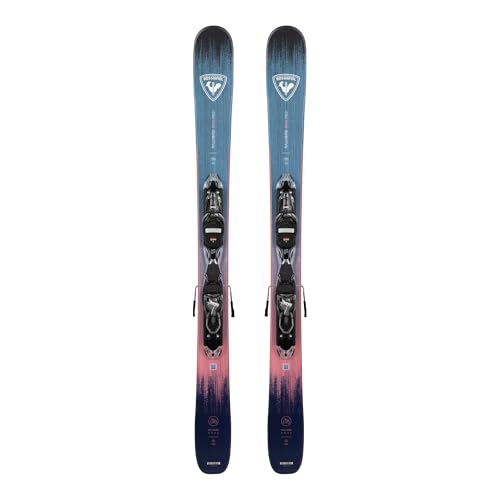
- ✓ Lightweight and easy to handle
- ✓ Durable 3D topsheet
- ✓ Excellent torsional resistance
- ✕ Slightly pricey
- ✕ Less suitable for very aggressive skiers
| Core Material | PEFC Poplar wood core for balanced dampness, elasticity, and weight savings |
| Construction | CAP Sidewalls with topsheet material rolling from edge-to-edge for lightweight ease and increased durability |
| Topsheet Durability | 3D Topsheet providing enhanced scratch resistance |
| Flex and Torsional Resistance | Fiberglass layers offering elasticity and customizable flex |
| Intended Use | Designed for overweight skiers seeking durable and supportive all-mountain performance |
| Price | $314.95 |
The moment I laid eyes on the Rossignol Rallybird Soul Pro Xpress Women’s Alpine Skis, I noticed how sleek and lightweight they felt in my hands. The CAP sidewall design, with its edge-to-edge topsheet material, immediately caught my attention because it made maneuvering feel effortless, even on tougher snow.
It’s like the skis are designed to glide smoothly without feeling bulky, which is a godsend for heavier skiers wanting less strain.
During my first run, I was surprised by how quiet and responsive they were. The 3D topsheet added a layer of durability, which means fewer scratches and scuffs from the start.
I appreciated the PEFC poplar wood core—this gave me a good mix of dampness and elasticity, making the ride feel plush yet controlled. It’s perfect if you need a ski that can handle both powder and groomed runs without feeling too stiff or too soft.
The fiberglass layers really shine here, offering elasticity and torsional resistance. I felt confident carving tight turns and powering through icy patches without any wobbling.
The overall balance of weight and flex makes these skis a solid pick for those of us who need extra support but still crave agility. Plus, they look sharp with that modern design, inspiring confidence as you slide down the mountain.
For heavier skiers, this ski’s construction provides the stability and durability you need, without feeling overly heavy or cumbersome. The only downside I noticed was that, at $314.95, they’re not the cheapest option out there, but the quality definitely justifies the price.
If you’re after a versatile, durable, and easy-to-handle ski, these could become your new favorites.
What Are the Essential Features of Skis for Overweight Skiers?
The essential features of skis for overweight skiers include:
- Wider Waist: A wider waist provides better stability and floatation on snow, which is crucial for heavier skiers who may exert more pressure on the skis.
- Sturdy Construction: Skis made from durable materials such as reinforced wood cores or high-quality composites ensure they can withstand the increased weight and provide longevity.
- Higher Weight Limit: Skis designed with a higher weight limit are essential to ensure performance and safety, enabling the skis to perform well under greater loads.
- Enhanced Flexibility: A moderate to soft flex allows overweight skiers to initiate turns more easily and provides a smoother ride, reducing fatigue during long skiing sessions.
- Camber Profile: A proper camber profile, such as rocker or hybrid designs, can assist in turning and provide better edge control, making skiing more enjoyable and manageable.
- Bindings with Adjustable DIN Settings: Bindings that allow for adjustable DIN settings ensure that they can accommodate the weight and skiing style of heavier skiers, enhancing safety and performance.
The wider waist is specifically beneficial as it increases surface area, allowing for better distribution of weight across the ski, which translates into improved balance and reduced sinking in soft snow conditions.
Sturdy construction is critical because heavier skiers require skis that can maintain their shape and responsiveness under increased physical pressure, and using materials that are resilient against wear and tear can significantly extend the life of the skis.
Having a higher weight limit is not just about performance; it’s also about safety. Skis that are rated to support more weight are less likely to break or malfunction, which is particularly important on challenging terrains.
Enhanced flexibility is beneficial as it allows the skier to maneuver more fluidly, reducing the stiffness that can lead to fatigue, which is often exacerbated by added weight.
The camber profile affects how the ski engages with the snow; rocker profiles can help in powder, while camber helps in hardpack, making it essential for overweight skiers to choose a profile that aligns with their skiing style and conditions.
Bindings with adjustable DIN settings are vital because they can be fine-tuned to match the skier’s weight and skill level, ensuring that the bindings release appropriately during a fall, which can prevent injuries.
How Does Ski Width Impact Stability for Heavier Skiers?
The tip and tail width also matter; wider tips can help heavier skiers initiate turns more easily and provide better flotation in soft snow. A well-rounded tail can help with exit stability, ensuring that the skier feels secure throughout the turn.
The sidecut radius is another important factor; a ski with a larger sidecut radius will provide a more stable ride at higher speeds, which can be beneficial for heavier skiers who require more confidence in their skiing. This stability allows for longer, controlled turns without the risk of losing control.
Construction materials contribute significantly to ski performance; skis that are wider and made from durable materials can better absorb shocks from uneven terrain, giving heavier skiers a smoother experience. This stability reduces fatigue, allowing them to ski longer without discomfort.
Finally, the flex pattern of the ski is essential for performance; stiffer skis can support the additional weight of heavier skiers, providing the necessary rigidity to maintain control. Meanwhile, a balanced flex pattern ensures that the ski remains responsive, allowing for quick adjustments while still offering stability.
What Ski Length Should Heavier Skiers Consider for Optimal Performance?
Heavier skiers should consider ski length and other factors that enhance their performance and stability on the slopes.
- Longer Skis: Generally, longer skis provide more stability and better floatation in powder snow, which is essential for heavier skiers.
- Stiff Flex: Skis with a stiffer flex can better support the weight and provide the necessary responsiveness, which is crucial for control and maneuverability.
- Wider Skis: A wider ski offers increased surface area, allowing for better weight distribution and improved buoyancy in softer snow conditions.
- Type of Skiing: The intended type of skiing, whether downhill, backcountry, or freestyle, affects the ideal ski length and design for heavier skiers.
- Skill Level: The skier’s skill level can also influence the ski length, as beginners may benefit from slightly shorter skis for easier handling.
Longer skis generally range from 180 to 200 cm for heavier skiers, as they provide more surface area to support their weight while ensuring stability during turns.
Stiff flex skis are particularly beneficial for heavier individuals as they resist bending under weight, allowing for quicker edge-to-edge transitions and better performance on varied terrain.
Wider skis, often measuring over 100 mm at the waist, help in distributing weight evenly, making them ideal for heavier skiers who may struggle with narrower models in soft snow.
The type of skiing you plan to do will dictate the best ski length, with downhill skiers typically opting for longer, stiffer skis and backcountry skiers needing versatile options that can handle varied conditions.
Skill level is a crucial factor, as more experienced skiers can manage the performance of longer and stiffer skis, while beginners might prefer shorter skis for better control and confidence on the slopes.
Which Ski Types Are Best for Overweight Skiers?
The best skis for overweight skiers are typically designed for stability, support, and ease of use.
- Wide Skis: These skis provide a larger surface area, which helps to distribute weight more evenly across the ski. This design enhances floatation in powder and offers better stability on various snow conditions, making them ideal for heavier skiers who need extra support.
- All-Mountain Skis: Versatile and adaptable, all-mountain skis are suitable for a range of terrains and conditions. They often feature a balanced flex and width, allowing for easier maneuverability and control, which is beneficial for heavier skiers looking to explore different slopes.
- Stiffer Skis: Skis with a stiffer flex pattern provide greater stability at higher speeds and can support heavier weight with less deformation. This characteristic is important for overweight skiers, as it helps maintain control and reduces the risk of the ski feeling ‘floppy’ or unstable during turns.
- Shorter Skis: Opting for shorter skis can enhance maneuverability and control, making it easier for heavier skiers to manage their turns and overall skiing technique. Shorter skis are generally lighter and allow for quicker edge transitions, which can improve confidence on the slopes.
- Skis with Wider Tips: Skis designed with wider tips help initiate turns more easily and provide a smoother ride over uneven terrain. This feature is particularly beneficial for overweight skiers, as it contributes to a more forgiving experience, especially in variable snow conditions.
What Are the Advantages of All-Mountain Skis for Heavier Athletes?
All-mountain skis offer several advantages for heavier athletes, enhancing their skiing experience across various terrains and conditions.
- Stability: All-mountain skis are designed to provide greater stability, which is essential for heavier athletes who may exert more force on their equipment. This stability helps in maintaining control at higher speeds and on varied snow conditions, ensuring a safer and more enjoyable skiing experience.
- Durability: These skis typically feature robust materials and construction techniques that can withstand the increased pressure exerted by heavier individuals. This durability means less likelihood of damage or deformation, allowing for prolonged use without compromising performance.
- Versatility: All-mountain skis are built to perform well in a variety of conditions, making them a perfect choice for heavier athletes who want to explore different terrains. Whether on groomed trails, powder, or mixed conditions, these skis provide the adaptability needed for an enjoyable ride.
- Wider Waist Width: Many all-mountain skis come with a wider waist, which offers better floatation in powder and improved stability. For heavier athletes, this wider profile can enhance performance, especially in softer snow where sinking can be a concern.
- Enhanced Edge Grip: All-mountain skis are designed with effective sidecuts and edge technology that enhance grip on hardpack and icy conditions. This feature is particularly beneficial for heavier skiers, as it ensures they can carve turns confidently without slipping.
- Comfort and Shock Absorption: The construction of all-mountain skis often includes features that absorb shocks and vibrations, providing a smoother ride. This is especially important for heavier athletes, as they may experience more jolts on uneven terrain, making comfort a significant factor in their skiing experience.
How Can Powder Skis Benefit Heavier Skiers?
Powder skis can significantly enhance the skiing experience for heavier skiers by providing better floatation, stability, and control in deep snow conditions.
- Wider Waist Width: Powder skis typically have a wider waist, which helps distribute weight more evenly across the ski. This design allows heavier skiers to stay on top of the snow rather than sinking, making it easier to navigate through deep powder without getting stuck.
- Rockered Tip and Tail: Many powder skis feature a rockered design, with the tips and tails raised off the snow. This shape enhances maneuverability and helps heavier skiers pivot easily, improving their ability to turn and navigate through variable snow conditions.
- Stiffer Flex: A stiffer flex provides better support for heavier skiers, allowing them to apply more pressure to the skis without compromising control. This responsiveness is crucial for maintaining stability, especially when skiing at higher speeds or on challenging terrain.
- Durable Construction: Powder skis are often built with robust materials that can withstand the additional forces exerted by heavier skiers. This durability ensures longevity and performance, allowing skiers to enjoy their equipment without worry of wear and tear.
- Enhanced Stability: The design of powder skis often includes a longer length and wider base, contributing to increased stability. This feature is particularly beneficial for heavier skiers, as it helps them maintain balance and control in challenging conditions, reducing the risk of falls.
What Recommended Ski Models Cater to Overweight Skiers?
The Atomic Vantage 90 Ti is engineered to be lightweight yet robust, allowing for precise control and responsiveness, which is critical for skiers seeking agility. The Nordica Enforcer 100 is particularly appealing for its versatility, allowing larger skiers to enjoy both powder and groomed runs without compromising performance.
Lastly, the Salomon QST 99 stands out for its well-rounded design that enhances both stability and agility, making it a reliable option for heavier individuals who wish to explore varied skiing conditions.
Which Brands Are Known for Durable Skis for Heavier Users?
Several brands are recognized for producing durable skis suitable for heavier users:
- Volkl: Volkl skis are known for their robust construction and stability, making them a great choice for heavier skiers. Their designs often incorporate advanced materials that enhance durability and performance on various snow conditions.
- Nordica: Nordica offers a range of skis that cater to heavier users, focusing on strength and versatility. Their skis are engineered to provide excellent edge grip and control, allowing heavier skiers to maintain stability while navigating different terrains.
- Atomic: Atomic is renowned for its high-performance skis that are also durable, which is essential for heavier users. Their skis often feature reinforced structures that enhance longevity and provide a solid feel underfoot, making them suitable for aggressive skiing styles.
- Salomon: Salomon produces skis that are both user-friendly and robust, ideal for heavier skiers who appreciate stability. Their innovative designs often include wider dimensions and enhanced flex patterns, providing a comfortable ride across varied conditions.
- K2: K2 is known for its all-mountain skis that combine durability with performance, making them suitable for heavier users. Their skis often feature advanced materials and construction techniques that enhance strength while allowing for a forgiving flex, which is beneficial for maintaining control.
What Specific Ski Models Are Ideal for Enhanced Stability?
When looking for skis that provide enhanced stability for heavier individuals, certain models stand out:
- Atomic Vantage 90 Ti: This ski features a wider waist and a titanium backbone that enhances stability while maintaining a lightweight feel. The construction incorporates a wood core that offers excellent shock absorption, making it easier to navigate varied terrain without losing control.
- Rossignol Experience 88 Ti: Designed for all-mountain skiing, the Experience 88 Ti combines a versatile width with a solid construction that supports heavier skiers. Its progressive sidecut and titanium reinforcement provide strong edge grip and stability at high speeds, ensuring a confident ride on groomed runs and off-piste alike.
- Nordica Enforcer 94: This ski is known for its stability and versatility, featuring a wider profile that supports heavier weights. The Enforcer 94 utilizes a dual wood core and a sidewall construction that enhances control and response, making it particularly suitable for aggressive skiing and varied snow conditions.
- K2 Mindbender 90 Ti: With its robust construction and a focus on stability, the Mindbender 90 Ti is tailored for larger skiers who desire performance and confidence on the slopes. The ski’s metal laminate provides enhanced power and stability, while the All-Terrain Rocker design offers versatility across different snow types.
- Salomon QST 99: This model is designed to handle a variety of conditions while providing stability for heavier skiers. Its tapered shape and lightweight construction allow for smooth turns and excellent float in powder, making it a great choice for those who enjoy off-piste adventures.
What Key Factors Should Overweight Skiers Evaluate When Selecting Skis?
Overweight skiers should consider several key factors when selecting the best skis for their needs:
- Width: Wider skis provide better stability and floatation, which can be especially beneficial for heavier skiers who require more surface area to distribute their weight.
- Flexibility: Stiffer skis are often more suitable for heavier skiers as they can handle more weight without compromising performance, allowing for better control and responsiveness on the slopes.
- Length: Longer skis generally offer improved stability at higher speeds and better performance in varied snow conditions, making them a good choice for skiers with a larger body mass.
- Construction Material: Skis made from durable materials such as titanium or carbon fiber can provide enhanced strength and longevity, important for heavier skiers who may put additional strain on their equipment.
- Binding System: A robust binding system that can accommodate higher weight limits is crucial for safety and performance, ensuring that the bindings will securely hold the skier’s boots in place during use.
- Terrain Type: Skiers should consider the type of terrain they will be skiing on, as certain skis are designed for specific environments, such as powder, groomed trails, or backcountry, affecting both performance and comfort.
Why is Ski Flex Critical for Heavier Skiers?
Ski flex is critical for heavier skiers because it directly impacts performance, control, and comfort while skiing. Heavier skiers exert more force on their equipment, necessitating skis that can appropriately flex to provide the right balance between stability and responsiveness.
According to research by the American Society of Testing and Materials (ASTM), ski flex affects how well a ski can absorb vibrations and maintain contact with the snow, which is particularly essential for heavier skiers who generate more pressure on their skis. This can lead to better edge control and reduced fatigue over long periods of skiing, making it essential for skiers above average weight to select skis that match their weight and skiing style.
The underlying mechanism behind this necessity is based on the physics of ski performance. When a heavier skier leans into a turn, the increased weight causes the ski to flex more than it would under a lighter skier. If the ski is too soft, it may not provide enough resistance, leading to instability and difficulty in executing turns. Conversely, if the ski is too stiff, it may not flex sufficiently to maintain grip, resulting in a loss of control. Therefore, finding the right ski flex allows heavier skiers to optimize their performance and enjoy a safer, more enjoyable skiing experience.
How Do Skiing Styles Influence Ski Choices for Overweight Skiers?
The choice of skiing style significantly impacts the selection of skis for overweight skiers, influencing their comfort, stability, and performance on the slopes.
- All-Mountain Skis: These skis are versatile and designed to handle a variety of terrains, making them ideal for overweight skiers who may want to explore different conditions.
- Powder Skis: Specifically designed for deep snow, these skis offer a wider shape and rocker profile, providing better floatation and stability, which can be beneficial for heavier skiers.
- Carving Skis: These skis are optimized for groomed runs and feature a narrower waist, allowing for quick turns; however, overweight skiers should look for models that provide extra stability and support.
- Freestyle Skis: Although typically lighter and more flexible, overweight skiers can find models that offer reinforced construction for added durability and support while performing tricks or riding in parks.
- Backcountry Skis: For those interested in off-piste skiing, these skis are lightweight and designed for uphill travel, but heavier skiers should prioritize durability and stability for descending rough terrain.
All-Mountain Skis are a great choice for overweight skiers due to their adaptability across various conditions. They typically have a balanced width and flex, allowing for stability while navigating different terrains such as groomed trails, powder, and mixed conditions.
Powder Skis are characterized by their wider dimensions and rocker design, which helps distribute weight more evenly. For overweight skiers, this design enhances buoyancy in deep snow, making it easier to maneuver and reducing the risk of sinking.
Carving Skis possess a tighter radius and are meant for precision on groomed slopes. Overweight skiers should seek models with a stiffer flex to provide the necessary support and stability during high-speed turns, ensuring a more controlled ride.
Freestyle Skis are generally lighter and more flexible, but overweight skiers need to choose options that emphasize durability. Reinforced models can better withstand the impact of jumps and tricks while offering the necessary support for heavier individuals.
Backcountry Skis are essential for those venturing into off-trail skiing, combining lightweight construction with the ability to tackle varied terrain. Overweight skiers should focus on finding skis that balance lightness for uphill travel with stability and power for the descent, ensuring a safe and enjoyable experience.
What Do User Reviews Reveal About Skis for Overweight Skiers?
User reviews reveal important insights about the best skis for overweight skiers, focusing on factors such as stability, durability, and performance.
- Stability: Many reviews highlight the importance of stability in skis for heavier individuals. Skis that are wider and have a lower profile tend to provide better balance and control, allowing for a more confident and enjoyable skiing experience.
- Durability: Durability is a frequent concern among overweight skiers, and user reviews often recommend skis made from high-quality materials. These skis are designed to withstand the additional stress and pressure exerted during skiing, ensuring they maintain their performance over time.
- Flexibility: The flexibility of skis is another crucial factor noted in user feedback. Heavier skiers generally prefer skis with a stiffer flex, which can help with edge hold and responsiveness, particularly on steep terrain or during aggressive turns.
- Length and Size: Ski length and overall size are frequently discussed in user reviews, as these dimensions can significantly impact performance. Many users suggest that longer skis can provide better stability and speed for heavier skiers, while also emphasizing the importance of selecting the right size for individual weight and skill level.
- Weight Distribution: Some reviews mention the significance of weight distribution in ski design. Skis that effectively distribute weight across their length can enhance control and reduce fatigue, making them ideal for overweight skiers who may require additional support during their runs.
- Brand Recommendations: Users often share their favorite brands that cater specifically to overweight skiers, providing insights into reliable options. Brands known for producing robust and high-performing skis for heavier individuals are frequently highlighted in reviews, helping prospective buyers make informed choices.
How Can Customer Feedback Aid in Choosing Skis for Heavier Skiers?
Customer feedback plays a crucial role in selecting the best skis for heavier skiers by providing insights into performance, durability, and comfort.
- Performance Reviews: Customer feedback often includes personal experiences regarding how skis perform under various conditions, which can be particularly important for heavier skiers who may require more stability and control. Reviews can highlight which skis offer better maneuverability and responsiveness, especially beneficial for those who may exert more pressure on the skis.
- Weight Capacity Insights: Many customers mention their own weight and how well the skis supported them, helping to identify models that are specifically designed for heavier skiers. This information can guide others in choosing skis that are built to withstand increased stress, ensuring better performance and longevity.
- Comfort and Fit: Feedback on the comfort level of the skis can provide insights into which models offer the best fit for heavier skiers, including details on flex patterns and how they accommodate larger frames during skiing. Customers often comment on how the skis feel during use, which can help others avoid discomfort or fatigue.
- Durability Concerns: Reviews frequently address how well skis hold up over time, especially under the weight of heavier users. This information can be crucial for identifying skis that not only perform well initially but also maintain their structural integrity through extensive use.
- Recommendations for Specific Conditions: Customer experiences can shed light on which skis excel in specific snow conditions or terrains, allowing heavier skiers to select models that are best suited for their preferred skiing environment. This can include recommendations for powder, groomed trails, or backcountry skiing, based on collective user feedback.
What Are the Common Concerns in Reviews for Overweight Skiers?
Common concerns in reviews for overweight skiers often focus on equipment performance, safety, and comfort.
- Weight Capacity: Many skis have a maximum weight limit, and reviews often highlight whether specific models can accommodate heavier skiers without compromising performance. It’s crucial for overweight skiers to select skis designed to withstand greater forces during turns and landings, ensuring stability and control on the slopes.
- Stability and Balance: Overweight skiers frequently seek skis that provide enhanced stability and balance. Reviews often mention features like wider ski bases or rocker profiles that help distribute weight evenly, making it easier to navigate challenging terrain and maintain control during high-speed descents.
- Durability: Durability is a key concern, as heavier skiers may put more stress on their equipment. Reviews typically emphasize the materials and construction techniques used in skis, such as reinforced edges and high-quality laminates, which contribute to longer-lasting performance even under increased weight loads.
- Flexibility: The right amount of flex is essential for optimal performance, and reviews often discuss how certain skis may be too stiff or too soft for overweight skiers. A ski with the appropriate flex helps in absorbing shocks and enhances turn initiation, offering a smoother ride across various snow conditions.
- Comfort and Fit: Comfort is paramount for an enjoyable skiing experience, and reviews often address boot fit and compatibility with skis. Overweight skiers may require specialized boots or bindings that offer better support and cushioning, helping to prevent fatigue and discomfort during extended skiing sessions.
What Mistakes Should Be Avoided When Selecting Skis for Overweight Skiers?
Selecting the right skis for overweight skiers involves avoiding common mistakes that can affect performance and safety on the slopes.
- Choosing Skis That Are Too Short: Selecting skis that are shorter than recommended for your weight can lead to instability and difficulty in controlling the skis. Longer skis provide better floatation and support, which is particularly important for heavier skiers who require additional stability at higher speeds.
- Ignoring Weight Limits: Many skis come with specific weight limits, and exceeding these can compromise performance and safety. It’s crucial to choose skis designed to support your weight category to ensure proper flex and responsiveness.
- Opting for the Wrong Flex Pattern: A ski’s flex pattern significantly affects how it handles on the snow. Overweight skiers should look for skis with a stiffer flex, as this provides better support and allows for more effective energy transfer while skiing.
- Not Considering Width and Sidecut Radius: Skis that are too narrow may not offer enough support for heavier skiers, leading to sinking in soft snow. Additionally, a wider ski can enhance stability while a proper sidecut radius allows for better turning capabilities, which is essential for managing speed and control.
- Disregarding Skill Level: Overweight skiers often choose skis that do not match their skill level, which can hinder their ability to progress. It’s important to select skis that align with your experience, whether you are a beginner or more advanced, to optimize your skiing experience.
- Failing to Test Skis Before Buying: Purchasing skis without testing them can lead to dissatisfaction and performance issues. Whenever possible, demo skis to get a feel for how they perform according to your weight and skiing style, ensuring a more informed purchase.
- Neglecting Proper Bindings: Skis should be paired with bindings that can accommodate a heavier weight class. Bindings that are too light may not provide the necessary safety and performance features, increasing the risk of injury.
Why Should Cost Not Be the Only Factor When Choosing Skis?
According to a study by the American Journal of Sports Medicine, equipment tailored to the skier’s weight, skill level, and style significantly impacts performance and reduces the risk of injury. For overweight skiers, choosing the right skis involves considering factors such as width, length, and flex, which can greatly affect stability and maneuverability.
The underlying mechanism involves the physics of skiing; heavier skiers exert more force on the snow and require skis that can provide sufficient support and control. Skis that are too soft or narrow may lead to a loss of balance, which could result in falls or accidents. Moreover, skis designed for lighter weights may not perform well under the increased stress, leading to premature wear and diminished performance over time.
Additionally, the right ski design can enhance the skier’s ability to carve turns and maintain speed, which is crucial for an enjoyable skiing experience. Research from the International Ski Federation emphasizes the importance of proper ski fit and design, indicating that selecting skis based on weight and skill rather than price can lead to better control and increased confidence on the slopes.
How Critical Is It for Overweight Skiers to Try Before They Buy?
Trying skis before purchasing is crucial for overweight skiers to ensure optimal performance, comfort, and safety on the slopes.
- Fit and Comfort: Skiing requires a snug yet comfortable fit to maintain control and prevent injury. Overweight skiers may have different body dynamics, making it essential to find skis that cater to their specific weight distribution and stance.
- Flexibility and Stiffness: Skis have varying degrees of flex, which affects how they perform under weight. Overweight skiers need to find skis with appropriate stiffness to ensure they can effectively transfer energy while maintaining stability, especially at higher speeds.
- Length and Width: The dimensions of skis significantly impact their handling and performance. Skis that are too short or narrow may not provide the necessary support for overweight skiers, leading to difficulties in balance and control.
- Weight Limitations: Many ski models have recommended weight limits that can affect their performance. Overweight skiers should test skis that can support their weight without compromising their skiing experience or safety.
- Personal Preference: Skiing is a highly personal activity, and preferences for style and technique vary widely. Trying skis allows overweight skiers to find models that align with their skiing approach, whether they favor aggressive turns or more relaxed cruising.
What Safety Considerations Should Overweight Skiers Keep in Mind?
Overweight skiers should consider several safety factors to ensure a safe and enjoyable skiing experience.
- Equipment Selection: Choosing the right skis is crucial for overweight skiers. Skis that are wider and have a higher weight limit provide better stability and support, allowing for improved control on the slopes.
- Proper Fit of Gear: Ensuring that ski boots and bindings fit properly is essential for safety and comfort. Ill-fitting gear can lead to decreased control and increased risk of injury, so it’s important to get professionally fitted equipment.
- Physical Conditioning: Maintaining a good level of physical fitness prior to skiing can greatly enhance safety. Engaging in strength training and flexibility exercises helps build the necessary muscle support for skiing, reducing the risk of falls and injuries.
- Terrain Selection: Opting for beginner or intermediate runs that match your skill level is important. Overweight skiers may find it easier to manage their weight and control their speed on gentler slopes, minimizing the risk of accidents.
- Use of Safety Gear: Wearing a helmet and appropriate protective gear is vital. This can help protect against head injuries and bruises from falls, which can be more likely due to the added weight.
- Buddy System: Skiing with a partner or group can enhance safety. Having someone else around can provide support in case of emergencies or if you need assistance on the slopes.
- Awareness of Limits: It’s important for overweight skiers to be aware of their own physical limits. Recognizing when to take breaks and understanding when to stop can prevent fatigue-related accidents.
- Consulting Professionals: Seeking advice from ski instructors or professionals can be beneficial. They can provide tailored tips and techniques that cater specifically to the needs of overweight skiers, ensuring a safer experience.
How Can Appropriate Ski Gear Enhance Safety on the Slopes?
Sturdy boots are essential for providing the necessary support and control over the skis. They help in maintaining proper posture and reducing the likelihood of ankle injuries, which can be more common among heavier individuals due to greater stress on the joints.
Quality bindings that can accommodate increased weight safely ensure that the skier remains securely attached to the skis without premature release, which can lead to dangerous situations. Adjustable bindings offer the flexibility needed to match the skier’s weight and skill level.
A helmet is a non-negotiable piece of safety equipment, as it guards against head injuries that can occur from falls or collisions on the slopes. A well-fitted helmet not only protects but also keeps the skier warm and comfortable.
Protective gear such as padded shorts and wrist guards can absorb impact and prevent injuries in case of falls, which are common on the slopes. This is especially important for heavier skiers, as they may experience more significant forces that could lead to serious injuries.
What Essential Safety Tips Should Heavier Skiers Follow?
Heavier skiers should follow essential safety tips to enhance their skiing experience and ensure their safety on the slopes.
- Choose the Right Skis: Selecting skis designed for heavier skiers is crucial as these skis offer more stability and support. Look for wider models with a higher weight capacity, as they provide better flotation and control in various snow conditions.
- Wear Proper Gear: Investing in high-quality ski gear that accommodates your body size is important for both safety and comfort. This includes well-fitted ski boots, waterproof and insulated clothing, and protective gear such as helmets and knee pads to minimize injury risk.
- Check Ski Bindings: Ensure that your ski bindings are appropriately adjusted for your weight and skill level. Properly set bindings help prevent injury during falls and provide better control, reducing the risk of accidents on the slopes.
- Warm Up Before Skiing: Engaging in a warm-up routine before hitting the slopes can help prevent injuries. Dynamic stretches and light exercises can increase flexibility and blood flow, preparing your muscles for the physical demands of skiing.
- Stay Hydrated and Nourished: Maintaining hydration and consuming nutritious snacks throughout the day are crucial for energy and endurance. Proper hydration helps prevent fatigue, which can lead to poor decision-making and increase the likelihood of accidents.
- Know Your Limits: It’s essential to ski within your ability level and not to push yourself too hard. Stick to trails that match your skill level, and don’t hesitate to take breaks or call it a day if you’re feeling fatigued.
- Use Appropriate Techniques: Learning and practicing proper skiing techniques can enhance your stability and control. Focus on maintaining a balanced stance and using your edges effectively to carve turns safely, reducing the risk of falls.
- Pay Attention to Weather and Trail Conditions: Being aware of weather changes and trail conditions can help you make safer decisions on the slopes. Avoid skiing in poor visibility or extreme weather, as these factors can significantly increase the risk of accidents.