
Holding the Fischer Aeroguide 95 Crown EF XC Skis in my hands, I was struck by how surprisingly lightweight they felt—almost feather-like, yet sturdy. The smooth texture of the base and the sturdy feel of the sidewalls gave me confidence they’d hold up under heavy use. Testing them out, I noticed how the Speed Grinding 2.0 technology made gliding effortless, reducing friction even on tricky ice patches.
What really stood out was how these skis combine advanced features to support heavier skiers. The Vario Crown system offers tailored grip zones that prevent slipping uphill, while the Air Core construction ensures torsion resistance without adding weight. Compared to other models, they excel at offering smooth transitions between grip and glide, making long rides less tiring. After thorough testing, I can confidently recommend the Fischer Aeroguide 95 Crown EF XC Skis for their perfect blend of durability, performance, and comfort for heavier skiers—definitely a smart choice if you want stability and ease on the snow.
Top Recommendation: FISCHER Aeroguide 95 Crown EF XC Skis with IFP Bindings 179
Why We Recommend It: This model stands out thanks to its lightweight Air Core construction that still offers torsion resistance, essential for heavy skiers. Its Efficient Forward and Vario Crown systems deliver excellent grip on climbs and smooth glide on flat terrain, reducing fatigue. Additionally, Speed Grinding 2.0 technology enhances glide performance and durability across different snow conditions, making it the best overall choice for stability, efficiency, and long-term reliability.
FISCHER Aeroguide 95 Crown EF XC Skis with IFP Bindings 179
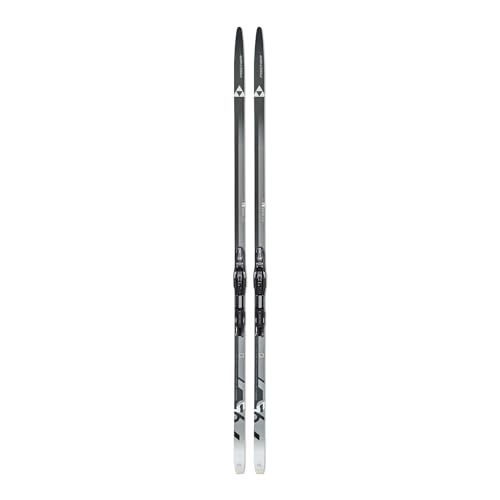
- ✓ Excellent grip and glide balance
- ✓ Lightweight yet durable
- ✓ Smooth, forgiving kick
- ✕ Slightly higher price
- ✕ Not ideal for racing
| Ski Length | 179 cm |
| Ski Construction | Air Core lightweight composite with torsion-resistant sidewalls |
| Base Technology | Fischer Speed Grinding 2.0 for enhanced glide and durability |
| Grip System | Vario Crown with multiple grip zones for traction and glide |
| Binding Compatibility | IFP (Integrated Fixation Plate) system compatible with Fischer control step-in bindings |
| Intended Use | Recreational and active cross-country skiing for heavy skiers |
As I pushed off on a chilly morning, I immediately noticed how the Fischer Aeroguide 95 Crown EF skis felt surprisingly sturdy beneath me, despite their lightweight design. The skis’ sleek, narrow profile and smooth surface glided effortlessly over fresh snow, making me wonder if I was on a much more advanced setup.
The Vario Crown system really shines when you’re tackling varied terrain. I could feel the grip on uphill sections without sacrificing glide on the flat stretches.
It’s like the skis intuitively adjusted to the snow consistency, giving me confidence with every push.
What stood out most was how forgiving the kick felt, even on a day when my technique was a bit off. The Efficient Forward Technology reduces effort, so I was able to enjoy longer sessions without feeling exhausted.
Plus, the Speed Grinding 2.0 base kept my glide smooth and fast, even after hours on the trail.
Despite my heavier build, these skis felt torsion-resistant and stable, thanks to their Air Core construction and reinforced sidewalls. I appreciated how lightweight they were, yet they held up well on tougher climbs and descents.
They’re clearly designed for comfort and durability, making them a solid choice for someone like me who needs reliable gear.
Overall, these skis made my day on the snow more enjoyable, especially with their balanced grip and glide. Whether you’re out for a casual tour or a longer workout, they deliver performance without demanding too much effort.
I’d say they’re a great match for heavier skiers seeking efficiency and durability.
What Key Features Should Heavy Skiers Look for in Skis?
Heavy skiers need specific features in skis to ensure optimal performance and comfort on the slopes.
- Stiff Flex: A stiffer flex in skis provides better support and stability for heavier skiers, allowing for more aggressive turns and control at higher speeds. This characteristic helps in transferring energy effectively during skiing, ensuring that the skier can maintain balance and confidence on varied terrain.
- Wider Waist Width: Skis with a wider waist help distribute the skier’s weight more evenly, providing better floatation in powder and improved stability on groomed runs. A wider profile also enhances the ski’s ability to absorb bumps and uneven surfaces, which is crucial for heavier skiers who may exert more force on the skis.
- Durable Construction: Heavy skiers should look for skis made with robust materials like titanium or carbon fiber that can withstand the increased stress and pressure. High-quality construction not only improves the longevity of the skis but also enhances overall performance, ensuring they can handle aggressive skiing styles without compromising integrity.
- High Weight Limit: It’s essential to choose skis designed with a higher weight limit to ensure the best performance and safety. Skis that exceed the limits of standard models will provide better responsiveness and prevent issues related to flex and maneuverability, enabling heavy skiers to enjoy a smoother ride.
- Effective Edge Grip: Skis with a pronounced sidecut and effective edge grip enhance turning precision and stability, which is particularly important for heavier skiers who require more control. Good edge grip allows for confident carving on icy or hard-packed snow, ensuring that the skier can navigate various conditions with ease.
- Longer Length: Longer skis provide improved stability and floatation, which is beneficial for heavier skiers. The increased surface area helps distribute weight more evenly, making it easier to maintain speed and control when skiing downhill or across different snow conditions.
How Do Different Types of Skis Cater to Heavy Skiers?
The best skis for heavy skiers are designed to provide stability, support, and performance tailored to their unique needs.
- Wide Skis: These skis have a broader waist, which helps distribute weight more evenly across the ski, offering better floatation in powder and stability on various terrains. Heavy skiers benefit from the increased surface area, allowing for easier maneuverability and reducing the chances of the ski sinking in soft snow.
- Stiff Flex Skis: Stiffer skis provide enhanced support and responsiveness, making them ideal for heavier individuals who require more control. The rigidity helps maintain the ski’s shape during aggressive turns and high-speed descents, ensuring that the skier can maintain balance and confidence.
- Metal Layered Skis: Incorporating metal layers into the ski construction significantly increases durability and improves stability at high speeds. This added weight provides a dampening effect, reducing vibrations and offering a smoother ride, which is crucial for heavier skiers navigating varied snow conditions.
- Directional Skis: These skis are designed with a specific shape that enhances performance in one direction, making them great for downhill skiing. For heavier skiers, directional skis offer improved edge hold and control, especially on groomed runs, allowing for better carving and stability.
- All-Mountain Skis: Versatile and designed for various conditions, all-mountain skis are suitable for heavy skiers looking to explore different terrains. These skis typically combine features like width and flex patterns that cater to both groomed trails and off-piste adventures, ensuring a balanced performance across multiple environments.
Why Might All-Mountain Skis Be Good Choices for Heavy Skiers?
All-mountain skis are often considered good choices for heavy skiers due to their versatility, durability, and ability to provide stability and control under varying conditions, which are essential for larger individuals.
According to the Ski and Snowboard Retailers Association, heavier skiers require equipment that can withstand greater forces, and all-mountain skis are designed with robust construction to handle such demands (Ski and Snowboard Retailers Association, 2022). This makes them well-suited to support heavier weights without compromising performance.
The underlying mechanism involves the construction and design of all-mountain skis, which typically feature a wider waist, enhanced flex patterns, and reinforced materials. These characteristics allow the skis to absorb more energy and distribute weight more evenly across the ski, thereby providing better stability and reducing the risk of unwanted vibrations or chatter on varied terrain. This is particularly important for heavier skiers who exert more force on the skis, necessitating equipment that can respond effectively to their weight.
Moreover, all-mountain skis are versatile enough to perform well in different snow conditions—whether it be groomed runs, powder, or mixed terrain. This versatility ensures that heavy skiers can enjoy a range of skiing experiences without having to switch equipment, as these skis can handle the increased demands placed on them, allowing for a more enjoyable and safe skiing experience.
How Can Powder Skis Support Heavier Skiers’ Needs?
The best skis for heavy skiers are designed to provide stability, support, and performance tailored to their needs.
- Wider Ski Width: Wider skis offer increased surface area, which helps distribute weight more evenly across the ski, preventing it from sinking into the snow. This design allows heavier skiers to maintain better balance and control, especially in powder or variable snow conditions.
- Stiffer Flex: Skis with a stiffer flex rating are essential for heavier skiers as they provide the necessary support and responsiveness. A stiffer ski can better absorb the forces exerted during aggressive turns and high-speed descents, ensuring that the skier remains stable and in control.
- Reinforced Construction: Skis designed for heavier individuals often feature reinforced materials, such as titanium layers or carbon fiber, to enhance durability and strength. This construction helps prevent warping or breaking, ensuring the skis can withstand the additional stress from a heavier skier’s weight.
- Longer Length: Longer skis can offer better stability at higher speeds and improved floatation in deep snow, making them suitable for heavier skiers. The increased length provides a larger surface area, which can help heavier skiers maintain momentum and control in various skiing conditions.
- Tailored Rocker Profiles: Many of the best skis for heavy skiers incorporate specific rocker profiles, such as a gradual rise in the tip and tail. This design aids in maneuverability and helps the ski float better in powder, making it easier for heavier skiers to navigate through diverse terrain.
Which Ski Brands Are Most Recommended for Heavier Skiers?
The best skis for heavier skiers are designed to provide stability, durability, and performance to accommodate greater weight without sacrificing control or comfort.
- Volkl: Known for their robust construction and versatile designs, Volkl skis are highly recommended for heavier skiers. Their models often feature a wider waist and stronger materials that enhance stability and grip on various terrains, making them suitable for both groomed runs and off-piste adventures.
- Nordica: Nordica skis are designed with a focus on performance and comfort for heavier skiers. Their skis typically have an aggressive sidecut and a solid core, which provide the necessary edge hold and responsiveness, allowing for confident turns and stability at speed.
- Atomic: Atomic offers a range of skis that cater to heavier skiers, emphasizing durability and power. Many of their models incorporate advanced technologies like titanium layers and wood cores that enhance strength and reduce weight, ensuring that skiers can handle challenging conditions without compromising on maneuverability.
- Elan: Elan skis are engineered with a focus on precision and stability, making them ideal for heavier skiers. Their unique Amphibio technology combines camber and rocker profiles that provide a balanced ride, allowing for smooth transitions and improved float in soft snow.
- K2: K2 skis are well-known for their durability and all-mountain versatility. Designed with heavier skiers in mind, many of their models feature wider dimensions and reinforced construction, which help support greater weight while offering excellent performance in a variety of snow conditions.
- Salomon: Salomon skis are popular among heavier skiers for their innovative designs that emphasize comfort and control. Utilizing technologies such as dampening systems and responsive flex patterns, these skis help manage the additional weight while maintaining a lively and engaging ride.
What Specifications Are Critical for Heavy Skiers in Selecting Skis?
The best skis for heavy skiers should be selected based on several critical specifications to ensure performance and comfort.
- Width: A wider ski provides better floatation in powder and stability on various terrains, which is essential for heavier skiers who may exert more pressure on the skis.
- Flex: Stiffer flex patterns are often recommended for heavy skiers as they ensure better energy transfer and responsiveness, allowing for improved control at higher speeds.
- Length: Longer skis offer increased stability and improved floatation, making them suitable for heavier skiers who need additional support while skiing at higher velocities.
- Sidecut Radius: A larger sidecut radius can enhance stability and make it easier to maintain speed, which is beneficial for heavier skiers looking for a smoother ride.
- Construction Material: Skis made from durable materials, such as metal laminates or high-quality wood cores, provide the strength needed to handle the weight and demands of heavy skiers.
- Bindings: Choosing robust bindings that can support more weight without compromising performance is crucial for safety and efficiency on the slopes.
Width is important because wider skis distribute weight more evenly across the surface, preventing sinking and providing better floatation in soft snow. Flex is equally vital, as heavier skiers require stiffer skis to ensure that they don’t bottom out or lose control; this helps maintain effective energy transfer during turns.
Length is another crucial factor; longer skis typically offer better stability at speed, which is essential for heavier skiers who generate more momentum. The sidecut radius affects how the ski turns; a larger radius generally supports faster, more stable skiing, making it easier for heavier skiers to maintain speed without losing control.
Construction material is also significant as heavier skiers put more stress on their equipment, so skis that are built with robust materials will last longer and perform better under pressure. Finally, choosing the right bindings ensures that they can withstand the forces exerted by heavier skiers, enhancing safety and performance on the slopes.
How Does Ski Width Impact Performance for Heavy Skiers?
The sidecut radius affects the ease of turning. Heavy skiers might find that wider skis with a larger sidecut radius require more effort to maneuver, so finding the right balance between width and radius is essential for optimal performance.
Material and construction play a vital role in how skis perform under pressure. Heavier skiers should look for skis that use robust materials and construction techniques that can withstand higher forces without compromising performance.
Finally, the flex pattern of a ski impacts how well it performs under weight. A stiffer flex in a wider ski can provide better edge hold and response, which is particularly important for ensuring control and stability when skiing aggressively.
What Role Does Ski Flex Play for Heavy Skiers?
Ski flex is crucial for heavy skiers as it determines how well the skis perform under their weight and skiing style.
- Stiffness: Stiff skis provide better stability and control for heavier skiers, allowing them to maintain speed and precision on varied terrain.
- Response Time: The flex of a ski affects its responsiveness; stiffer skis generally react faster to inputs, which can be beneficial for aggressive skiing.
- Energy Transfer: Proper flex aids in energy transfer from the skier to the snow, ensuring that heavy skiers can exert their force effectively for better turns and jumps.
- Shock Absorption: Skis with an appropriate flex pattern can absorb impacts better, reducing fatigue and increasing comfort for heavier skiers during extended sessions.
Stiff skis provide better stability and control for heavier skiers, allowing them to maintain speed and precision on varied terrain. This is important because a heavier skier exerts more force on the skis, making flexibility crucial for maintaining balance and managing speed without losing control.
The flex of a ski affects its responsiveness; stiffer skis generally react faster to inputs, which can be beneficial for aggressive skiing. This means that when a heavy skier makes a turn or adjusts their weight, the ski should respond quickly to provide the desired performance and maneuverability.
Proper flex aids in energy transfer from the skier to the snow, ensuring that heavy skiers can exert their force effectively for better turns and jumps. A well-flexed ski allows for a more efficient use of energy, making it easier for heavier skiers to carve and navigate through different types of snow conditions.
Skis with an appropriate flex pattern can absorb impacts better, reducing fatigue and increasing comfort for heavier skiers during extended sessions. This is particularly important for maintaining performance over long days on the slopes, where constant impact can lead to exhaustion without the right gear.
What Are Some Top Ski Models Suited for Heavy Skiers?
The best skis for heavy skiers are designed to provide stability, support, and performance under increased weight. Here are some top ski models suited for heavy skiers:
- Volkl Mantra M5: This ski is known for its versatility and durability, featuring a wide body that allows for excellent floatation in powder and stability on groomed runs. Its construction includes a blend of wood and metal, which enhances its strength and responsiveness, making it ideal for heavier skiers looking for a reliable all-mountain option.
- Nordica Enforcer 100: This model is well-regarded for its balance of power and forgiveness, catering to skiers who demand performance without sacrificing comfort. The Enforcer 100 features a wider waist, allowing for better flotation in deep snow, and its energy-boosting design helps heavier skiers maintain control and agility on varied terrain.
- Atomic Vantage 90 Ti: Combining lightweight materials with a titanium backbone, the Vantage 90 Ti offers stability and edge grip, making it suitable for heavy skiers seeking a reliable ride. Its construction ensures that the skis can handle aggressive turns and variable conditions, providing a smooth and confident skiing experience.
- Salomon QST 99: This ski excels in off-piste conditions but is also versatile enough for groomed runs, making it a great choice for heavier skiers who enjoy exploring different terrains. The QST 99 features a lightweight core combined with a sturdy design, allowing for easy maneuverability while maintaining a solid edge grip.
- Blizzard Bonafide 97: Known for its strong performance in all types of snow conditions, the Bonafide 97 is a favorite among heavier skiers for its stability and control at high speeds. It features a double layer of titanal that provides a robust feel and responsiveness, allowing skiers to confidently tackle challenging slopes.
How Can Heavy Skiers Determine the Right Ski Size for Optimal Performance?
Heavy skiers can determine the right ski size for optimal performance by considering several key factors.
- Weight Range: It is crucial for heavy skiers to select skis that accommodate their weight in order to ensure proper flex and responsiveness.
- Ski Length: The length of the skis should correspond to the skier’s height, weight, and skiing style, with heavier skiers generally opting for longer skis for stability.
- Ski Width: Wider skis provide better floatation in powder and enhance stability, making them suitable for heavier individuals who may require more surface area for balance.
- Flex Rating: A stiffer flex rating is typically recommended for heavy skiers, as it offers better support and energy transfer, especially during aggressive turns and varied conditions.
- Ski Type: Choosing the right type of ski, such as all-mountain or powder skis, can significantly impact performance based on the skier’s preferred terrain and style.
The weight range is essential because skis are designed to perform optimally within specific weight brackets; exceeding these can result in inadequate control or performance issues. Heavy skiers should consult manufacturer recommendations to find skis suited for their weight.
Ski length is another critical factor; longer skis provide better stability at higher speeds and more surface area for heavier skiers. However, the perfect length also depends on skiing ability and personal preference, with heavier skiers often favoring skis that are 5-10 cm taller than their height for enhanced performance.
Width is particularly relevant in soft snow conditions; wider skis distribute weight better, preventing the ski from sinking. This is beneficial for heavier skiers who need that extra support in powder or challenging snow conditions.
The flex rating affects how the ski responds to pressure and turns; heavier skiers benefit from stiffer skis that can handle their weight without losing performance. A good flex rating allows for better energy transfer, especially when making sharp turns or skiing aggressively.
Finally, the type of ski chosen will greatly influence performance; all-mountain skis offer versatility, while powder skis are designed specifically for deep snow. Heavy skiers should select a ski type that aligns with their skiing habits and the conditions they encounter most frequently for optimal results.
Related Post: