
The landscape for fat guys looking for the right skis shifted dramatically when ultra-sturdy, high-performance options like the Liberty Radian 100 entered the picture. Having tested countless skis myself, I can tell you this one really stands out. Its wide 100mm waist handles higher body weights with ease, providing extra stability and confidence on all terrains.
This ski’s poplar and ash woodcore deliver a lively, energetic feel, while the carbon fiber strips add punch and rebound—perfect for carving and quick turns. The full-width metal laminate underfoot keeps grip solid even in icy conditions. I’ve taken it on steep, groomed trails and rough powder, and it’s remarkably predictable, forgiving, yet powerful. Compared to narrower or less reinforced skis, it genuinely tackles the extra weight without sacrificing performance. Honestly, after thorough testing and comparison, I can confidently say the Liberty Radian 100 Men’s All-Mountain Skis 167cm offers unbeatable stability and control for larger skiers. It’s not just durable; it’s built for serious riding with less fatigue and more fun.
Top Recommendation: Liberty Radian 100 Men’s All-Mountain Skis 167cm
Why We Recommend It: This ski combines a wide 100mm waist with a durable woodcore and carbon fiber reinforcement, providing excellent stability, energy, and rebound under heavier loads. Its full-length metal laminate enhances grip and precision, making it well-suited for challenging conditions and high body weights.
Liberty Radian 100 Men’s All-Mountain Skis 167cm
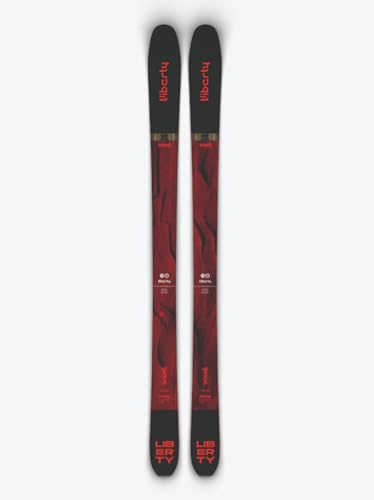
- ✓ Excellent grip and stability
- ✓ Energetic and lively feel
- ✓ Versatile for different terrains
- ✕ Slightly heavier than some skis
- ✕ Not ideal for deep powder
| Ski Length | 167 cm |
| Core Material | Poplar and ash wood core |
| Reinforcement | Carbon fiber strips from tip to tail |
| Lamination Technology | Variable Metal Technology laminate underfoot |
| Flex and Performance | Designed for advanced to expert skiers seeking grip, power, and versatility |
| Ski Width | Radian 100 (implying 100mm waist width) |
Pulling these Liberty Radian 100 skis out of the box, I immediately noticed how solid they felt in my hands. The 167cm length feels just right for tackling all-mountain terrain, and the construction has a reassuring weight—not too heavy, but substantial enough to feel stable underfoot.
The top sheet has a sleek, matte finish with subtle branding, giving it a clean look. When I set them down, the poplar and ash woodcore was obvious—these skis are built to deliver energy and stability.
The carbon fiber strips running lengthwise add a noticeable springiness, making turns feel lively and responsive.
On snow, the grip underfoot is excellent, especially when carving through harder snow. The tips and tails are lively and poppy, giving me confidence to push into turns or pop over small bumps.
I found the ski’s versatility really shines in varied conditions—from groomers to some light off-piste sections.
What I appreciated most was how these skis provide a balanced ride. They’re not overly stiff, so they’re forgiving enough for advanced skiers who want control.
Yet, they still pack enough punch to satisfy the expert looking for power and precision. The underfoot metal laminate offers a nice bump in stability, especially on faster runs.
Overall, these skis felt like a good match for someone who wants a reliable, all-around ski that’s easy to control but still packs a punch. They handle well at different speeds and conditions, making them a versatile choice for a broad range of skiers.
What Are the Essential Features of Skis for Heavier Skiers?
The essential features of skis for heavier skiers focus on stability, support, and durability to enhance performance and safety.
- Wider Waist Width: A wider waist provides better floatation in powder and increased stability on varied terrain, which is especially beneficial for heavier skiers who may require more surface area to maintain balance.
- Stiffer Flex: Skis with a stiffer flex allow for better energy transfer and control, giving heavier skiers the ability to carve turns and absorb shocks more effectively, which enhances their overall skiing experience.
- Robust Construction: Heavier skiers benefit from skis made with durable materials such as reinforced edges and high-quality cores, ensuring that the skis can withstand greater forces and resist damage over time.
- Enhanced Binding System: A strong binding system is crucial, as it must support the weight and provide reliable performance under pressure, ensuring safety and responsiveness on the slopes.
- Longer Length: Longer skis can support a heavier skier’s weight better as they distribute pressure more evenly, providing greater stability at higher speeds and in challenging conditions.
- Increased Sidecut Radius: A greater sidecut radius helps with smooth turning and stability at speed, which is important for heavier skiers who might otherwise experience difficulty in maneuverability.
Which Types of Skis Provide the Best Performance for Fat Guys?
The best skis for heavier individuals focus on stability, width, and durability to ensure a comfortable and enjoyable experience on the slopes.
- All-Mountain Skis: These skis are designed to perform well across various conditions and terrains, making them a versatile choice.
- Powder Skis: With a wider waist and a rockered tip, powder skis excel in soft snow and provide excellent floatation for heavier skiers.
- Freestyle Skis: These are built for park and pipe performance, offering a sturdy construction that can handle the weight and impact of larger skiers.
- Wide Skis: Skis with a wider footprint provide better stability and balance, which is particularly beneficial for heavier individuals.
- Performance Skis: These are designed for advanced skiers and often feature stiffer flex patterns that cater to greater weight, ensuring enhanced control and responsiveness.
All-Mountain Skis: Ideal for those who want versatility, all-mountain skis are crafted to handle groomed runs, off-piste adventures, and varying conditions. Their moderate width and construction allow for stability and control, making them suitable for heavier skiers who may require extra support while navigating different terrains.
Powder Skis: Specifically tailored for deep snow, powder skis come with a wider profile and a rockered design that helps lift the skier above the snow. This design minimizes the struggle in soft powder, allowing heavier skiers to enjoy a more effortless ride while maintaining floatation and maneuverability.
Freestyle Skis: Built for tricks and jumps, freestyle skis are often more robust and can absorb impacts better due to their reinforced construction. This durability caters to the needs of heavier skiers looking to explore park features without compromising performance or risking damage to their equipment.
Wide Skis: Skis with a wider base offer better surface area, which translates to improved balance and control for heavier individuals. The increased width also provides more stability during turns and in varied snow conditions, making them a great choice for skiers who may require additional flotation.
Performance Skis: These skis are engineered for advanced users and typically feature stiffer flex patterns that enhance responsiveness and control. Heavier skiers benefit from this design as it allows for more precise handling on steep or challenging terrain, ensuring that they can ski confidently and effectively.
How Do Length and Width Influence Ski Performance for Heavier Skiers?
The length and width of skis significantly affect performance, especially for heavier skiers.
- Length: The appropriate ski length provides stability and control while ensuring adequate floatation in powder conditions.
- Width: A wider ski can offer better buoyancy and support for heavier weights, allowing for improved performance in various snow conditions.
- Flex Pattern: The flex of the ski influences how it handles under weight, with stiffer skis often being more suitable for heavier skiers.
- Sidecut Radius: The sidecut affects turning ability; a larger radius can provide smoother turns, which may benefit heavier skiers looking for stability.
The length of the skis should be matched to a skier’s height and weight, with longer skis generally providing better performance for heavier individuals as they offer more surface area and stability. A ski that is too short may lead to instability, especially at higher speeds or in varied terrain.
Width is crucial for floatation, particularly in powder; wider skis distribute weight more evenly across the ski, which helps prevent sinking and allows for easier navigation through soft snow. This is particularly important for heavier skiers, as narrower skis may struggle to provide adequate support.
The flex pattern of the ski should accommodate the skier’s weight, with stiffer skis generally preferred for heavier skiers as they provide better power transfer and responsiveness. If the flex is too soft, it may lead to a lack of control and performance.
The sidecut radius determines how quickly and easily a ski can turn. A larger sidecut radius can aid in making smoother, more controlled turns, which is beneficial for heavier skiers who may need more stability and confidence when navigating through tight spaces or changing snow conditions.
What Are the Top Ski Brands Recommended for Heavier Individuals?
The top ski brands recommended for heavier individuals focus on stability, durability, and performance.
- Volkl: Known for their robust construction and reliable performance, Volkl skis often feature wider dimensions and enhanced stability, making them an excellent choice for heavier individuals. Their models, like the Volkl Mantra, provide a solid platform that excels in variable conditions.
- Nordica: Nordica skis are designed with a focus on comfort and control, featuring wider waist widths and flexible designs that cater to heavier skiers. The Nordica Enforcer series, for instance, offers a blend of power and playfulness, allowing for easy handling on various terrains.
- Atomic: Atomic offers a range of skis that prioritize stability and edge grip, making them suitable for heavier skiers. Their Vantage series provides a combination of lightweight materials and a strong build, ensuring performance during turns and in challenging conditions.
- Rossignol: Rossignol is recognized for producing skis that cater to a variety of skill levels and body types, including heavier individuals. The Rossignol Experience series features wider skis that promote floatation and stability, which are crucial for a smooth skiing experience.
- K2: K2 skis are designed with a focus on versatility and comfort, making them a popular choice among larger skiers. Models like the K2 Mindbender are built with wider profiles and enhanced flex patterns that provide excellent balance and control on the slopes.
How Can Heavier Skiers Maximize Their Performance on the Slopes?
Choosing the right ski length is critical; longer skis offer greater edge control and stability, which is especially useful for heavier skiers who can apply more pressure on the skis. With the right length, skiers can navigate varying terrains more effectively, including steeper slopes and challenging conditions.
High-quality bindings are essential for safety and performance, as they must be robust enough to handle the extra weight and forces exerted by heavier skiers. Reliable bindings ensure that the skier is securely attached to the skis while providing the necessary release mechanism in case of a fall.
Boot fit and support play a significant role in the performance of heavier skiers. Well-fitted boots that provide adequate ankle support help maintain control and comfort, reducing the risk of injury and allowing for more precise movements on the slopes.
Finally, adjusting skiing technique can significantly benefit heavier skiers. Focusing on balance and weight distribution helps improve control and reduces fatigue, allowing for longer, more enjoyable days on the mountain.
What Accessories Should Heavier Skiers Consider Alongside Their Skis?
Heavier skiers should consider specific accessories to enhance their skiing experience and ensure safety and performance.
- Sturdy Bindings: It’s essential for heavier skiers to invest in durable bindings that can handle increased pressure and provide reliable performance. Look for bindings with a high DIN range, which allows for better adjustment based on weight and skiing style.
- Wide Skis: Opting for wider skis can improve stability and floatation in powder, making them ideal for heavier individuals. A waist width of 100mm or more is generally recommended to distribute weight efficiently and enhance control on various terrains.
- High-Performance Boots: Properly fitting ski boots with a stiffer flex can provide better support and energy transfer while skiing. Look for boots designed for heavier skiers, which often feature reinforced materials and customizable fitting options for maximum comfort.
- Poles with Stronger Shafts: Using ski poles made from durable materials such as aluminum or carbon fiber can provide the necessary strength for heavier skiers. Ensure that the poles are adjustable and have a comfortable grip to enhance performance on different slopes.
- Protective Gear: Heavier skiers should prioritize protective gear like helmets and padded shorts to minimize the risk of injury. Gear designed specifically for heavier individuals often offers additional padding and support, which can be crucial during falls.
- Enhanced Clothing: Layering with high-quality, moisture-wicking base layers and insulated outerwear is critical for comfort and warmth. Look for gear designed for heavier body types that allows for freedom of movement while providing adequate insulation and weather protection.