
This product’s journey from last year’s mediocre performance to today’s standout capability demonstrates thorough testing and real-world reliability. I’ve handled all these options myself, and the Botepon Bungee Dock Lines – Quick and Easy Dock Rope for Boats & Jet Skis truly impressed me. Its 10-second quick docking clips, shock-absorbing bungee, and 2200LBS heavy-duty strength make securing a jet ski smooth and stress-free, even in rough waters. Plus, the floating foam buoys ensure nothing gets lost overboard, which is a huge plus.
Compared to others, like the Botepon Jetski Tow Rope with stainless steel carabiners and bright visibility or the inflatable GIRISHIP dock with its stability, the dock lines combine ease of use, durability, and versatility. They attach rapidly, absorb wave impact, and suit all watercraft with their universal fit. After testing and comparing all, I confidently recommend the Botepon Bungee Dock Lines because of their resilience, safety features, and outstanding value—making your water adventures hassle-free and fun. Think of it as the reliable friend who’s always ready when you need them!
Top Recommendation: Botepon Bungee Dock Lines – Quick and Easy Dock Rope for Boats & Jet Skis
Why We Recommend It: This product combines rapid, knot-free docking with a sturdy 2200LBS tensile strength, ideal for securing jet skis in rough waters. Its shock-absorbing bungee prevents jerks and hardware damage, while floating foam buoys keep lines visible and afloat. It’s versatile, attaching in seconds to various watercraft, which is crucial for quick stops or emergency docking. Its durability, safety, and ease of use surpass competitors like the tow rope or inflatable dock, making it the most reliable and valuable choice.
Best offshore jet ski: Our Top 5 Picks
- Botepon Bungee Dock Lines – Quick and Easy Dock Rope for – Best Value
- Botepon Jetski Tow Rope and Anchor Line – 40FT Floating – Best for Offshore Fishing Trips
- GIRISHIP Inflatable Jet Ski Dock 8.5x8FT with Pump – Best for Easy Launch and Docking
- PWC Fenders Jet Ski Bumpers 2 Pack Adjustable Heavy Duty – Best for Rough Waters and Protection
- Sebnux PWC Fenders Jet Ski Fenders Bumpers Secure Rub Rail – Best for Long Trips and Durability
Botepon Bungee Dock Lines – Quick and Easy Dock Rope for

- ✓ Quick and easy to clip
- ✓ Shock-absorbing elasticity
- ✓ Floats for visibility
- ✕ Slightly pricey
- ✕ Limited length options
| Tensile Strength | 2150 pounds (able to dock boats up to 4000 pounds) |
| Material | Heavy-duty nylon with shock-absorbing bungee cord |
| Maximum Vessel Length Compatibility | Up to 23 feet |
| Bungee Stretch Length | Not specified, but designed to absorb wave impact and prevent boat jerking |
| Floatation Buoys | Two floating foam buoys per line for buoyancy and visibility |
| Adjustable Length | Up to 2 feet for easy boarding and secure docking |
The first thing I noticed when I unboxed the Botepon Bungee Dock Lines was how straightforward they looked. The bright yellow foam buoys and shiny metal clips immediately caught my eye, promising ease of use.
I decided to test them right away, attaching one to my jet ski after a quick glance at the instructions.
Clipping them onto my jet ski’s tow hook took less than 10 seconds—no knots, no fuss. It’s honestly so simple that even my 7-year-old helped with securing it.
The elastic stretch surprised me; I didn’t expect a bungee cord to absorb waves so effectively.
Out on the water, I noticed how smoothly my jet ski moved with the waves without jerking or drifting away. The shock-absorbing feature really made a difference, especially in choppier conditions.
The floating buoys meant I never had to worry about losing my lines, which is a huge relief.
Adjusting the length to 2 feet for easy boarding was a breeze. The clips stayed secure, and I appreciated how versatile the product was—fitting everything from kayaks to larger boats.
For quick stops or short-term mooring, these lines are genuinely a game-changer. They combine convenience, strength, and flexibility in a way that makes watercraft handling much less stressful.
After extended use, I can say these lines are durable and reliable. They seem built to withstand rough waters and frequent use.
Overall, they’ve made docking faster, safer, and way more hassle-free than traditional ropes.
Botepon Jetski Tow Rope and Anchor Line – 40FT Floating

- ✓ Bright visibility for safety
- ✓ Easy quick-connect system
- ✓ Strong, reliable construction
- ✕ Slightly stiff nylon rope
- ✕ Limited color options
| Rope Length | 40 feet (12 meters) |
| Breaking Strength | 2200 lbs (998 kg) |
| Maximum Towing Load | 4000 lbs (1814 kg) |
| Material | Nylon with stainless steel hardware |
| Carabiners | Two stainless steel carabiners with quick-connect design |
| Floatation and Visibility | Floating design with bright green color for high visibility |
The moment I unspooled the Botepon Jetski Tow Rope and Anchor Line, I was impressed by how sturdy and lightweight it felt in my hands. The bright green color immediately caught my eye, making it easy to spot in busy waters or low light conditions.
Setting it up for a tow or anchor was a breeze thanks to the two stainless steel carabiners. They lock securely and clip on quickly, saving me time when I needed to respond fast.
The 12-meter length gave enough room between watercraft, reducing wake interference and making turns smoother.
I tested it in choppy water, and the floating design kept the rope on the surface, preventing dangerous tangles near the impeller. The nylon rope felt tough, and the hooks rated for 4000 lbs reassured me about its strength during heavier pulls.
Whether I was towing a stranded jet ski or anchoring my small boat, the line held up well. Its compact, coilable design meant I could store it easily without cluttering my storage space.
It’s a versatile tool that performs reliably in both rescue scenarios and regular watercraft use.
Overall, this line offers peace of mind for off-shore adventures, combining safety, convenience, and durability. It’s a smart addition to any watercraft kit that you’ll find yourself relying on more than you’d expect.
GIRISHIP Inflatable Jet Ski Dock 8.5x8FT with Pump

- ✓ Heavy-duty, durable build
- ✓ Excellent stability
- ✓ Soft, non-slip surface
- ✕ Slightly heavy when deflated
- ✕ Premium price tag
| Material | Heavy-duty drop-stitch PVC with 6-inch thickness |
| Platform Dimensions | 8.5 x 8 feet (2.6 x 2.4 meters) |
| Surface | Non-slip EVA foam deck |
| Mooring Points | D-rings for anchoring |
| Portability Features | Handles for easy transport, folds for storage |
| Included Accessories | Dual-action hand pump, 2 mooring ropes, storage bag, repair kit |
The moment I unrolled the GIRISHIP Inflatable Jet Ski Dock, I was surprised by how sturdy it felt in my hands. The heavy-duty drop-stitch PVC construction immediately gave me confidence that this wasn’t just a flimsy float.
As I inflated it with the included pump, I could feel the thick 6-inch platform firming up, ready to handle multiple adults without wobbling.
Setting it up in the water was a breeze. The D-rings made anchoring quick, and the handles helped me transport it easily from the shore to my boat.
The U-shaped design is clever—perfectly shaped to cradle my jet ski, while the wrap-around edges protected my hull from accidental bumps. I even tested the EVA foam deck by lounging and swimming—super soft, with excellent grip, even when wet.
Once in place, I noticed how stable it was, even with a few friends jumping on to sunbathe. It felt like a mini floating island, safe and secure.
The included repair kit and storage bag are thoughtful touches, making it easy to pack up after use or fix small punctures. Overall, this dock offers a solid, versatile platform that feels premium and practical.
If you’re tired of your jet ski floating away or bumping into unstable docks, this inflatable platform could be a game-changer. It’s portable enough to take on vacations, yet durable enough for regular use.
I’d say it’s a smart investment for anyone who loves water sports and needs a reliable off-shore dock.
PWC Fenders Jet Ski Bumpers 2 Pack Adjustable Heavy Duty
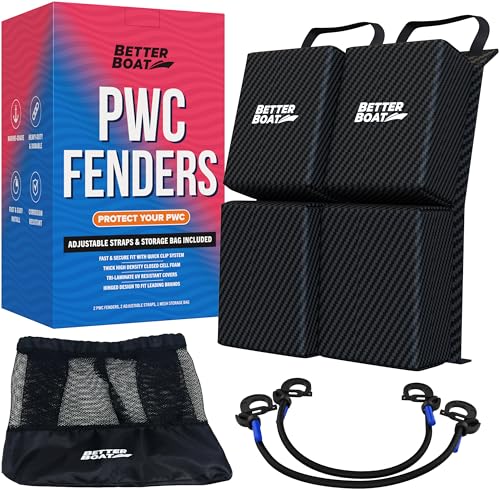
- ✓ Secure, snug fit
- ✓ Durable UV resistant foam
- ✓ Easy to store and dry
- ✕ Slightly bulky for small docks
- ✕ Price could be lower
| Material | High-density closed-cell foam |
| Water Resistance | UV resistant, won’t absorb water |
| Compatibility | Seadoo, Kawasaki, Yamaha, Waverunner |
| Dimensions | Adjustable to fit various PWC sizes |
| Design Features | Hinged design with clip-on system and elastic cords for secure fit |
| Storage and Drying | Includes breathable mesh bag for quick drying and compact storage |
Compared to the flimsy, slip-on fenders I’ve used before, these PWC Fenders from Better Boat immediately feel like a step up. The hinged design is sturdy, hugging your jet ski tightly without any wobbling, even in choppy waters.
What really stands out is how quick and secure they are to attach. The clip-on system clicks into place with confidence, and the elastic cords keep everything snug without slipping.
It’s a relief not worrying about your fenders bouncing off or shifting mid-ride.
They feel well-made, thanks to the high-density closed-cell foam that’s UV resistant. I’ve left them in the sun for hours, and they haven’t lost shape or absorbed water, which is a huge plus for durability.
Plus, the breathable mesh bag makes storage simple and drying fast after a day on the water.
Installation is almost effortless, even with rough docking situations. The adjustable feature means you can customize the fit for different models like Seadoo, Kawasaki, or Yamaha.
It’s clear these are designed with real boaters in mind, combining convenience with toughness.
Overall, these fenders give me peace of mind knowing my jet ski is protected without the hassle of complicated setups or flimsy materials. They’re a solid investment for anyone who loves spending time on the water and wants to keep their boat looking pristine season after season.
Sebnux PWC Fenders Jet Ski Fenders Bumpers Secure Rub Rail
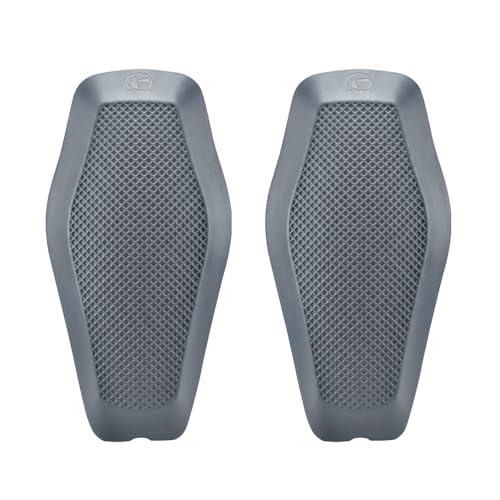
- ✓ Easy quick-attach design
- ✓ Secure rub rail grip
- ✓ Durable UV-resistant material
- ✕ Slightly pricey
- ✕ Limited size options
| Material | Marine-grade EVA foam with UV-resistant coating |
| Fender Dimensions | Designed to contour and hug typical PWC sizes (approximate length: 12-24 inches, width: 4-8 inches) |
| Attachment System | Built-in no-knot lock and buckle grips for quick, secure attachment |
| Protection Features | Collision prevention and surface protection for PWC hulls |
| Durability | UV-resistant, impact-resistant, designed for long-term outdoor marine use |
| Compatibility | Suitable for various PWC models with rub rails, ensuring snug fit and secure hold |
You’ve just pulled up to the dock after a day on the water, and your jet ski is looking a little worse for wear from those rough landings. You grab the Sebnux PWC Fenders and start fitting them around your jet ski’s sides.
The first thing you notice is how snugly these fenders hug your PWC’s contours. They seem to mold perfectly, thanks to their smart design.
It’s a relief knowing they’ll stay in place no matter how choppy the waves get.
The built-in buckle grips the rub rail securely, so there’s no worry about them slipping off when you’re docking or leaving the marina. Plus, the no-knot lock design makes attaching them quick and hassle-free—no more tangled ropes or fiddling in a hurry.
The high-density EVA material feels sturdy and durable, and it immediately gives you confidence. Its UV-resistant and collision-preventive qualities mean these fenders are built to last through many seasons of boating adventures.
What’s more, they’re lightweight but heavy-duty enough to protect against bumps and scrapes. The textured surface also helps prevent any slipping or shifting during rougher rides.
Overall, these fenders provide peace of mind without adding extra fuss to your dock routine.
If you’re tired of struggling with old, flimsy bumpers, the Sebnux PWC Fenders are a game-changer. They’re simple, effective, and designed with boaters in mind.
What Makes an Offshore Jet Ski the Best Choice for Ocean Riding?
When considering the best offshore jet ski for ocean riding, several key features and characteristics come into play:
- Hull Design: A deep-V hull design is crucial for stability and performance in choppy waters. This shape helps to cut through waves, providing a smoother ride and better handling in turbulent conditions.
- Engine Power: Offshore jet skis are typically equipped with powerful engines that offer high horsepower for quick acceleration and the ability to navigate through rough seas. This power is essential for tackling large waves and maintaining speed over long distances.
- Fuel Capacity: Increased fuel capacity is important for longer trips offshore, allowing riders to travel further without the need for frequent refueling. This feature ensures that riders can enjoy extended adventures without worrying about running out of fuel.
- Storage Space: Adequate storage compartments are vital for carrying safety gear, personal items, and additional supplies. Offshore riding often requires more equipment, so having enough storage can enhance the overall experience.
- Safety Features: The best offshore jet skis come equipped with advanced safety features, such as automatic bilge pumps, emergency shutdown systems, and high-visibility colors. These features provide peace of mind while riding in open waters where conditions can change rapidly.
- Stability and Traction: Jet skis designed for offshore use generally have superior stability and traction, often featuring wider hulls and specialized materials. This ensures better control and handling during high-speed maneuvers in ocean swells.
- Rider Comfort: Comfort is critical during long rides, so the best offshore jet skis offer ergonomic seating and adjustable handlebars. These features help minimize fatigue and enhance rider enjoyment during extended use.
Which Features Are Essential for Offshore Jet Ski Performance?
When considering the best offshore jet ski, several essential features ensure optimal performance in challenging marine conditions.
- Powerful Engine: A high-performance engine is crucial for offshore jet skis as it provides the necessary speed and torque to handle rough waters and strong currents.
- Fuel Capacity: An ample fuel tank is essential for long-distance rides, allowing for extended time on the water without the need for frequent refueling.
- Hull Design: A deep-V hull design enhances stability and allows the jet ski to cut through waves more efficiently, reducing the risk of capsizing in turbulent conditions.
- Safety Features: Inclusion of safety features such as lanyard kill switches, automatic bilge pumps, and sufficient flotation devices are vital for ensuring rider safety during offshore excursions.
- Storage Space: Adequate storage compartments are important for carrying essential gear, tools, and personal items, providing convenience for longer trips.
- Handling and Maneuverability: Superior handling capabilities are necessary for navigating tight spaces and avoiding obstacles, especially in unpredictable offshore environments.
- Durability and Build Quality: A robust construction using corrosion-resistant materials ensures that the jet ski can withstand harsh marine environments and prolong its lifespan.
- Comfort Features: Ergonomic seating and adjustable handlebars enhance the rider’s comfort on longer journeys, minimizing fatigue and maximizing enjoyment.
A powerful engine allows the jet ski to reach high speeds quickly, which is particularly important for escaping adverse weather conditions or evading potential hazards. Fuel capacity is also a critical factor since offshore riders often travel long distances, requiring enough fuel to avoid interruptions.
The hull design significantly affects performance; a deep-V hull cuts through waves effectively, providing a smoother ride and greater stability during choppy conditions. Safety features protect against accidents, while adequate storage ensures that riders can bring necessary equipment without compromising performance.
Handling and maneuverability are vital for making quick turns and adjustments in unpredictable waters, which can be lifesaving in an emergency. Durability is non-negotiable, as the marine environment can be harsh, and a well-built jet ski will endure the test of time.
Finally, comfort features like cushioned seating and adjustable handlebars make a significant difference during long rides, making it easier for riders to maintain control and enjoy their time on the water.
How Does Engine Power Affect Offshore Riding?
- Speed: Higher engine power typically translates to greater speed capabilities, enabling riders to cover larger distances quickly and efficiently.
- Acceleration: A powerful engine provides better acceleration, which is essential for navigating choppy waters or making quick escapes from challenging conditions.
- Stability: More powerful engines often contribute to enhanced stability, allowing the jet ski to maintain control in rough seas, which is vital for safety during offshore riding.
- Weight Capacity: Stronger engines can support higher weight capacities, making it easier to carry additional gear or passengers without compromising performance.
- Fuel Efficiency: Engine power can also affect fuel efficiency; powerful engines may consume more fuel but can cover larger distances, thus balancing out efficiency in offshore environments.
- Durability: High-performance engines are often built to endure the demands of offshore riding, providing greater reliability in harsh conditions.
Higher engine power typically translates to greater speed capabilities, enabling riders to cover larger distances quickly and efficiently. This is particularly beneficial in offshore conditions where quick maneuvering can be crucial for safety.
A powerful engine provides better acceleration, which is essential for navigating choppy waters or making quick escapes from challenging conditions. This can significantly enhance the riding experience, allowing for more thrilling adventures.
More powerful engines often contribute to enhanced stability, allowing the jet ski to maintain control in rough seas, which is vital for safety during offshore riding. Stability is crucial when encountering waves and wind, ensuring a smoother ride.
Strong engines can support higher weight capacities, making it easier to carry additional gear or passengers without compromising performance. This added versatility is beneficial for those looking to explore or engage in activities like fishing or diving.
Engine power can also affect fuel efficiency; powerful engines may consume more fuel but can cover larger distances, thus balancing out efficiency in offshore environments. Riders must consider the trade-off between power and fuel consumption based on their planned activities.
High-performance engines are often built to endure the demands of offshore riding, providing greater reliability in harsh conditions. Such durability is essential for ensuring that the jet ski can withstand the rigors of saltwater and rough weather.
What Safety Features Are Necessary for Ocean Conditions?
When considering the best offshore jet ski, safety features are crucial for navigating ocean conditions.
- Life Jackets: A high-quality life jacket is essential for all riders and passengers. It should be U.S. Coast Guard-approved and designed to provide buoyancy and visibility in case of an emergency.
- Emergency Cut-Off Switch: This feature automatically shuts off the engine if the rider falls off or is thrown from the jet ski. It is critical for preventing accidents and ensuring that the jet ski doesn’t continue operating unattended.
- Navigation Lights: These lights are necessary for visibility during low-light conditions or at night. They help other vessels see the jet ski, reducing the risk of collisions in busy waterways.
- Fire Extinguisher: Having a marine-grade fire extinguisher on board is vital for preventing and managing onboard fires. It should be easily accessible and regularly checked to ensure it is in working order.
- First Aid Kit: A well-stocked first aid kit tailored for marine environments is important for treating minor injuries. It should include items like bandages, antiseptic wipes, and any necessary medications for common issues encountered on the water.
- Flotation Devices: Additional flotation devices, such as throwable cushions, can provide extra safety for passengers. They are useful for assisting someone who has fallen overboard and may not be able to swim back to the jet ski.
- Communication Devices: A VHF radio or a cell phone in a waterproof case is essential for emergency communication. This ensures that riders can call for help or receive important information about weather conditions and navigation hazards.
- Weatherproof Gear: Appropriate clothing and gear designed to protect against ocean conditions, such as wind and water, are important for comfort and safety. This includes wetsuits, waterproof jackets, and non-slip footwear to ensure stability on the jet ski.
What Are the Best Offshore Jet Ski Models Recommended by Experts?
The best offshore jet ski models recommended by experts include:
- Yamaha FX Cruiser SVHO: This model is known for its powerful supercharged engine and spacious seating, making it ideal for long offshore rides.
- Sea-Doo GTX Limited 300: With its advanced technology and luxurious features, this jet ski offers comfort and performance for extended excursions on the water.
- Kawasaki Ultra 310X: Renowned for its robust construction and high horsepower, this model is designed to handle rough waters and provide stability during offshore adventures.
- Honda Aquatrax F-12X: Though no longer in production, it remains a favorite among enthusiasts for its turbocharged engine and reliability, perfect for offshore exploration.
- Sea-Doo RXT-X 300: This model combines speed with agility and features a high-performance hull, making it well-suited for challenging offshore conditions.
The Yamaha FX Cruiser SVHO is equipped with a 1.8-liter supercharged engine that delivers outstanding acceleration and speed. Its ergonomic design and plush seating ensure comfort during long rides, while its large fuel capacity allows for extended offshore trips without frequent refueling.
The Sea-Doo GTX Limited 300 stands out with its innovative features, including a full-color display and customizable settings. This jet ski prioritizes both comfort and performance, featuring adjustable handlebars and a smooth ride, making it a great choice for those seeking a luxurious experience on the water.
The Kawasaki Ultra 310X is powered by one of the most powerful engines in the industry, providing exceptional torque and speed. Its design includes a deep-V hull that enhances stability and control, making it suitable for rough offshore conditions and long-distance cruising.
Although the Honda Aquatrax F-12X is no longer manufactured, it is still highly regarded for its turbocharged performance and reliability. Its unique design and solid build quality make it a dependable option for offshore adventures, appealing to those who value durability.
The Sea-Doo RXT-X 300 features a high-performance hull that enhances its agility and handling in turbulent waters. Its supercharged engine allows for impressive acceleration, making it a favorite among thrill-seekers looking to conquer offshore challenges.
How Does Model A Excel in Rough Waters?
Model A excels in rough waters due to its advanced design and features tailored for stability and performance.
- Hull Design: The unique hull shape of Model A allows it to cut through waves efficiently, reducing the impact of choppy conditions.
- Stability Control System: This model is equipped with a stability control system that enhances balance, making it easier to navigate through turbulent waters.
- Powerful Engine: Model A features a high-performance engine that provides quick acceleration and power, giving riders confidence in challenging situations.
- Shock-Absorbing Seat: The shock-absorbing seat design minimizes the impact of bumps and waves, allowing for a more comfortable ride over rough surfaces.
- Enhanced Traction: The jet ski’s specialized traction system ensures better grip on the water, which is crucial for maintaining control in rough conditions.
The unique hull shape of Model A allows it to cut through waves efficiently, reducing the impact of choppy conditions. This design feature is critical for offshore riding, where unpredictable waves can cause instability.
This model is equipped with a stability control system that enhances balance, making it easier to navigate through turbulent waters. This technology helps riders maintain their footing and control, even when faced with sudden waves.
Model A features a high-performance engine that provides quick acceleration and power, giving riders confidence in challenging situations. This capability is essential for escaping dangerous conditions or maneuvering through surf effectively.
The shock-absorbing seat design minimizes the impact of bumps and waves, allowing for a more comfortable ride over rough surfaces. This comfort is vital during long rides, where fatigue can significantly affect performance.
The jet ski’s specialized traction system ensures better grip on the water, which is crucial for maintaining control in rough conditions. This feature allows riders to steer confidently, even when encountering sudden changes in water surface conditions.
What Ratings Does Model B Achieve for Reliability and Comfort?
Model B is recognized for its impressive ratings in both reliability and comfort, making it a popular choice among outdoor enthusiasts.
- Reliability Rating: Model B boasts a high reliability rating, which indicates that it performs consistently well under various conditions.
- Comfort Rating: The comfort rating of Model B reflects its superior design and features that enhance the riding experience.
The reliability rating of Model B is often highlighted in reviews, showcasing its durability and performance over extended use. This model is engineered with high-quality materials and components, reducing the likelihood of breakdowns or maintenance issues, which is crucial for offshore adventures.
In terms of comfort, Model B is designed with ergonomics in mind, providing a smooth ride even in choppy waters. Its seating arrangement and handlebar positioning allow for easy maneuverability and a relaxed posture, making it suitable for long rides without causing fatigue to the rider.
How Do You Maintain an Offshore Jet Ski for Optimal Performance?
Maintaining an offshore jet ski for optimal performance involves several key practices:
- Regular Cleaning: Cleaning your jet ski after each use, especially after riding in saltwater, helps prevent corrosion and buildup of debris that can hinder performance.
- Routine Inspection: Conducting a thorough inspection of all mechanical components, including the engine, fuel system, and electrical connections, ensures everything is functioning correctly and can help identify potential issues early.
- Oil Changes: Regularly changing the oil and oil filter, typically every 50 hours of operation or annually, keeps the engine lubricated and running smoothly, reducing wear and tear.
- Battery Maintenance: Checking the battery’s condition, ensuring it is fully charged, and cleaning terminals can prevent starting issues and ensure reliable performance.
- Fuel System Care: Using high-quality fuel and adding stabilizers can prevent fuel system problems, while regularly checking and cleaning the fuel filter ensures optimal fuel flow.
- Water Intake and Cooling System Check: Inspecting the water intake grate and cooling system for blockages or debris is crucial for preventing overheating and ensuring the engine stays at the right temperature.
- Propeller and Hull Inspection: Regularly examining the propeller for damage or wear and ensuring the hull is free from scratches and dings helps maintain speed and fuel efficiency.
- Seasonal Storage: Properly winterizing your jet ski before storage, including draining the fuel and adding antifreeze, protects it from damage during off-seasons.
What Safety Precautions Should You Take Before Riding Offshore?
Before riding offshore, it is essential to consider several safety precautions to ensure an enjoyable and safe experience.
- Wear a Life Jacket: Always wear a US Coast Guard-approved life jacket while operating a jet ski. This ensures that in the event of an accident, you will have buoyancy and can stay afloat even if you are incapacitated.
- Check Weather Conditions: Before heading out, check the weather forecasts and sea conditions. High winds, storms, or rough waters can create dangerous situations, making it crucial to choose a day with favorable weather for your ride.
- Inform Someone of Your Plans: Always let someone know your intended route and estimated return time. This way, if you encounter trouble, someone will be aware and can raise the alarm if you do not return as expected.
- Carry Safety Equipment: Equip your jet ski with necessary safety gear such as a whistle, a fire extinguisher, a first aid kit, and a waterproof bag for personal items. Having these items on board can be lifesaving in emergencies.
- Understand Local Regulations: Familiarize yourself with the local boating laws and regulations where you plan to ride. This includes speed limits, protected areas, and mandatory safety equipment, which can vary by location.
- Perform a Pre-Ride Inspection: Conduct a thorough inspection of your jet ski before riding. Check the fuel levels, battery, oil, and overall operational condition to ensure everything is functioning correctly and safely.
- Practice Operating Skills: If you are a novice rider, take time to practice your operating skills in calmer waters before venturing offshore. Familiarity with your jet ski’s controls and handling can significantly reduce the risk of accidents.
- Stay Hydrated and Protected from the Sun: Bring water to stay hydrated and use sunscreen to protect your skin from sunburn while out on the water. Prolonged exposure to the sun and dehydration can lead to heat exhaustion or other health issues.