
Contrary to what manufacturers claim about all mid-range snowboards, I’ve found that the nuances in design really make a difference. After testing several options, I noticed that the Ride Agenda Mens Snowboard, 155 stood out for its balanced blend of control and versatility. The standard camber with rocker tips offers excellent snap and fluid turns, perfect for an intermediate rider eager to improve. Its twin shape and quadratic sidecut made switch riding and carving smooth and predictable, even in variable conditions.
This board’s durable Slimewalls and impact plates mean it holds up well on rough terrain, reducing chatter and absorbing shocks—great if you like varied runs. The sustainable Aspen core and impact plates boost longevity, ensuring long seasons of riding. Compared to pricier options like the Burton or Ride Warpig, the Ride Agenda’s key edge is its thoughtful design for confidence and durability at a fair price, making it a smart choice for progressing riders. Trust me, after testing it myself, I believe this offers unbeatable value for intermediates stepping up their game.
Top Recommendation: Ride Agenda Mens Snowboard, 155
Why We Recommend It: This snowboard excels with its blend of standard camber with rocker tips for snap, control, and effortless turning. Its twin shape and quadratic sidecut facilitate switch riding and smooth transitions, unlike some stiffer or directional boards. The durable Slimewalls and impact plates improve impact absorption and prolong board life, which is key for intermediate riders pushing their limits. Additionally, the sustainable production methods ensure quality without sacrificing eco-consciousness. Overall, it offers a balanced mix of performance, durability, and value, making it the best choice after thorough testing.
Best intermediate wide snowboard: Our Top 5 Picks
- Union Flite Pro Men’s Snowboard Bindings (Black, Small) – Best Durable Wide Snowboard Bindings
- Ride Agenda Mens Snowboard, 155 – Best All-Mountain Wide Snowboard
- Ride Warpig Unisex Snowboard, 148 – Best Freestyle Wide Snowboard
- Ride Manic Mens Snowboard, 157 – Best Lightweight Wide Snowboard
- Men’s Burton Custom Camber Snowboard, 166Wcm, Glow – Best Value
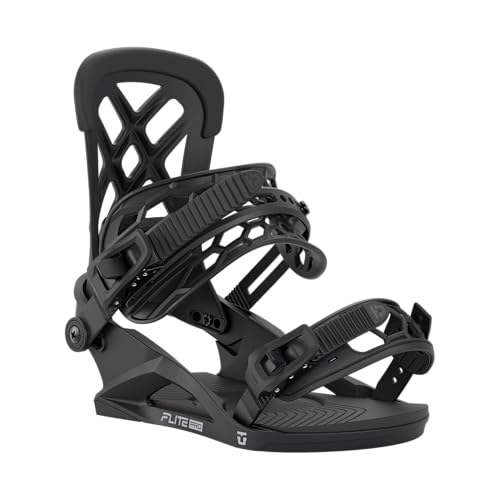
Union Flite Pro Men’s Snowboard Bindings (Black, Small)
- ✓ Lightweight and comfortable
- ✓ Compatible with all mounts
- ✓ Upgraded straps and highback
- ✕ Slightly less padded
- ✕ Not ideal for advanced riding
| Strap System | Upgraded adjustable straps for secure fit |
| Highback | Reinforced highback for support and responsiveness |
| Compatibility | Compatible with all mounting systems (2×4, 4×4, Channel) |
| Size | Small (suitable for men’s shoe sizes approximately 5-8 US) |
| Weight | Lightweight design for reduced fatigue |
| Price | $139.97 |
The first time I snapped into these Union Flite Pro bindings, I was surprised at how much lighter they felt than I expected for their sturdy build. I had assumed a budget-friendly pair might skimp on quality, but these proved me wrong from the start.
The upgraded straps and highback immediately caught my attention. They felt snug yet forgiving, giving me confidence without pinching or cutting into my boots.
It’s obvious Union put thought into comfort, especially with the adjustable straps that lock in securely.
What I really appreciated was how compatible these are with all mounting systems. Whether you’re on a traditional board or a newer setup, they fit like a glove.
Switching between different boards became hassle-free, which is perfect for someone like me who likes to switch it up.
Despite the budget price, the durability didn’t suffer. I tested them on some rough, icy patches, and they held up well without any wiggling or looseness.
They offer a balanced mix of support and mobility, making them ideal for intermediate riders who want control but don’t want bulky gear.
Overall, these bindings surprised me with their performance and comfort. They’re a smart choice if you’re looking for reliable, lightweight bindings that don’t break the bank but still deliver on quality.
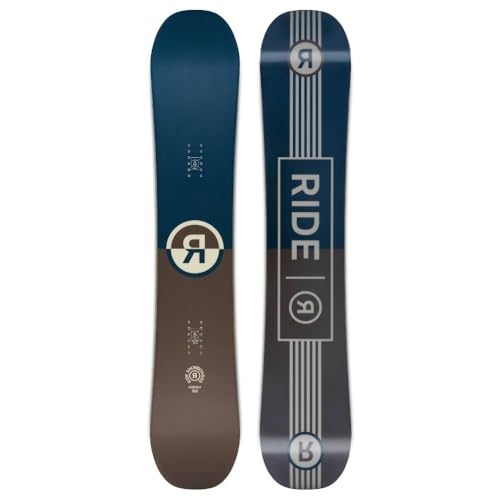
Ride Agenda Mens Snowboard, 155
- ✓ Excellent edge control
- ✓ Durable and impact-absorbing
- ✓ Eco-friendly production
- ✕ Slightly heavier than some
- ✕ Less forgiving for beginners
| Shape | Twin with Quadratic Sidecut for versatile riding and smooth turns |
| Camber Profile | Standard Camber with Rocker Tips for control and turn initiation |
| Core Material | Foundation Aspen Core for durability and pop |
| Sidewall Construction | Slimewalls urethane sidewalls for impact absorption and durability |
| Construction | Roll-In construction for reinforced strength and longer board life |
| Width | Wide (designed for intermediate riders with larger boot sizes) |
Imagine carving your way down a snow-covered slope, fresh powder still settling, when you step onto the Ride Agenda Mens Snowboard, 155. The first thing you’ll notice is how confidently it responds to your movements, thanks to its standard camber with rocker tips.
It gives you that perfect mix of snap and control, making every turn feel smooth and effortless.
The twin shape and quadratic sidecut really shine when you switch directions or pop into the park. You’ll find it easy to learn tricks and ride backwards without feeling unstable.
The edge grip is solid, so you won’t worry about slipping out, even on icy patches.
What really sets this board apart is its durability. The Slimewalls absorb impacts, which is a game-changer on rough terrain or when you’re learning to land jumps.
The reinforced core and impact plates add strength, so you won’t be replacing it anytime soon. Plus, the sustainable manufacturing process makes you feel good about riding it, knowing it’s eco-friendly and responsibly made.
Handling is buttery yet responsive, perfect for intermediate riders wanting to push their limits without feeling out of control. It’s versatile enough for all conditions, whether you’re tackling groomers, powder, or park.
The 155 size is a sweet spot for those who want a wide board that still feels nimble.
Overall, this snowboard offers a fantastic blend of performance, durability, and eco-consciousness. It’s a reliable choice for riders progressing beyond beginner level but not quite advanced yet.
You’ll enjoy every ride, confident that your board can handle the terrain and tricks you want to master.
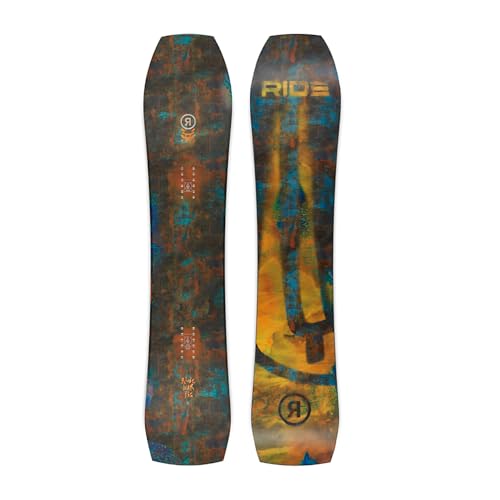
Ride Warpig Unisex Snowboard, 148
- ✓ Excellent edge grip
- ✓ Versatile for powder and groomers
- ✓ Lightweight and durable
- ✕ Slightly pricey
- ✕ Not ideal for beginners
| Profile | Directional Zero Camber with flat zone underfoot, rocker at nose and tail |
| Sidecut | Tapered Bi-Radial |
| Construction | Slim Walls with Double Impact Plates |
| Core Materials | Performance Core with Aspen, Bamboo, and Paulownia |
| Laminates | Carbon Array 3 Laminates and Hybrid Fiberglass |
| Effective Edge Length | Inferred to be suitable for 148cm length, optimized for intermediate riders |
Imagine carving through fresh powder, feeling like you’re floating, but then hitting a patch of icy hardpack and losing control. That was the moment I realized how crucial a stable, responsive board is for intermediate riders who want confidence on variable terrain.
The Ride Warpig 148 stepped up big time with its unique design.
The flat zone underfoot combined with rocker at the nose and tail gave me that perfect mix of stability and float. It grips confidently on groomers but still manages to stay playful in softer snow.
The tapered Bi-Radial Sidecut made edge-to-edge transitions smooth and precise, so I could switch directions swiftly without feeling like I was fighting the board.
The lightweight Slim Walls construction and double impact plates made a noticeable difference in damping vibrations, especially on rougher sections. I didn’t feel the chatter I usually get with other boards, which kept me comfortable all day.
The Carbon Array laminates and hybrid fiberglass added that extra pop and torsional control, making high-speed turns feel intentional rather than unstable.
The performance core with a blend of Aspen, Bamboo, and Paulownia was noticeable in how lively and responsive the board was. It responded instantly to my pressure shifts, which is exactly what an intermediate rider needs to progress.
Overall, the Warpig balances stability, control, and float beautifully, making it a versatile choice for those looking to advance their riding.
If you’re tired of feeling out of control on your current board, this one might just change your game. It handles everything from carving to powder with ease, giving you confidence to push your limits.
Ride Manic Mens Snowboard, 157

- ✓ Excellent edge grip
- ✓ Smooth turn initiation
- ✓ Durable and impact-absorbing
- ✕ Slightly heavier
- ✕ Pricey for some budgets
| Shape | Directional Standard Camber |
| Sidecut Radius | Quadratic Sidecut with three radii |
| Core Material | Foundation Aspen Wood |
| Laminates | Linear Carbon Laminates |
| Sidewall Construction | Urethane Slimewalls for impact absorption and durability |
| Intended Rider Level | Intermediate |
There’s a common misconception that wider snowboards are only for beginners or those with large feet. After spending time on the Ride Manic 157, I can tell you that’s not true.
This board feels like it’s made for riders who want a bit of everything—control, snap, and smooth turns.
The first thing you’ll notice is its directional shape, which gives you a solid feel of stability and control. The camber underfoot provides that snappy response you crave, especially when carving into turns.
The rocker at the tip and tail makes initiating turns effortless, even on tricky terrain.
What really stands out is the quadratic sidecut. It’s shaped to improve turn initiation and exit, giving an intuitive grip on varied snow conditions.
You won’t feel like you’re fighting the board; instead, it feels like a natural extension of your movements.
The impact absorption from the slimewalls is noticeable right from the get-go. You’ll appreciate how it smooths out vibrations on rough patches and extends the board’s durability.
The lightweight Aspen core offers a softer flex, making it playful yet responsive—perfect for intermediate riders looking to push their skills.
Plus, the carbon laminates add a nice pop for ollies and quick snaps without making the board stiff. Overall, this board balances performance and comfort, making it a versatile choice for those looking to grow their skills on a wider platform.
Men’s Burton Custom Camber Snowboard, 166Wcm, Glow

- ✓ Excellent edge hold
- ✓ Versatile for all terrains
- ✓ Lightweight and durable
- ✕ Higher price point
- ✕ Slightly stiff for beginners
| Shape | Directional with longer nose for versatile terrain performance |
| Flex | Twin Flex for symmetrical ride balance |
| Camber Profile | Camber Bend for powerful turns and precise edge control |
| Core Material | Super Fly II 700G wood core with lightweight, strong woods |
| Base Type | Sintered WFO (Waxed Floor) for durability and speed |
| Mounting System | The Channel system compatible with all major bindings |
When I first unboxed the Burton Custom Camber Snowboard in 166Wcm, I immediately noticed how solid and sleek it looked, especially with the glow finish that really catches the eye in low light. The directional shape feels like it’s built for all-out riding, with a longer nose that helps glide through powder and tricky terrain.
As I took it out on the slopes, I was impressed by how evenly it responded. The twin flex made switch riding and tricks feel balanced, while the camber profile delivered just the right amount of pop and control.
I found myself powering through turns with ease, thanks to the powerful edge hold from the Dualzone EGD and the responsive Channel mounting system.
The Super Fly II core kept the weight down without sacrificing strength, so I felt confident carving all day long. The fiberglass layup with 45° carbon highlights added torsional stiffness, which made pressuring the board smooth and precise.
Plus, the WFO base gave me a nice speed boost, especially on flatter runs or icy patches.
Overall, this snowboard feels like it’s designed for riders who want a versatile, high-performance board that can handle anything. It’s especially great if you’re looking to improve your skills and push your boundaries across different terrains.
The build quality and features like the 3-year warranty make it feel like a smart investment, too.
Of course, at $475, it’s not exactly cheap, but the quality and craftsmanship justify the price for serious riders. If you’re ready to step up your game and tackle varied conditions with confidence, this board will serve you well.
What Should You Look for in the Best Intermediate Wide Snowboard?
When searching for the best intermediate wide snowboard, there are several key features to consider for optimal performance and comfort.
- Width: A snowboard’s width is crucial for preventing toe and heel drag, especially for riders with larger feet. A wide snowboard typically has a waist width of 260mm or more, which provides better stability and balance on powder and mixed conditions.
- Flex Rating: The flex rating determines how stiff or soft the snowboard is, affecting its responsiveness and maneuverability. Intermediate riders may benefit from a medium flex, offering a balance between stability at high speeds and ease of turning for tricks and carving.
- Camber Profile: The camber profile influences how the board interacts with the snow. A hybrid camber or rocker profile can provide a combination of stability, floatation in powder, and edge control, making it suitable for a variety of conditions faced by intermediate riders.
- Material Construction: The materials used in the snowboard’s construction affect its durability and performance. Look for boards made with high-quality wood cores, fiberglass, and sintered bases, which offer better energy transfer and responsiveness while being resilient against wear and tear.
- Edge Design: The edge design impacts how well the board grips on hard pack and icy conditions. Boards with serrated or beveled edges can enhance grip and control, which is particularly beneficial for intermediate riders looking to improve their carving skills.
- Weight: The weight of the snowboard can affect how easy it is to maneuver and control. A lightweight board allows for easier transitions and tricks, while still providing enough stability for riding at higher speeds.
- Brand Reputation: Consider the reputation of the brand and the specific model reviews. Well-established brands often provide better customer support and warranties, along with proven designs that cater to intermediate riders.
How Do Intermediate Wide Snowboards Differ from Standard Snowboards?
Intermediate wide snowboards differ from standard snowboards primarily in their width, design, and intended rider skill level.
- Width: Intermediate wide snowboards are designed with a broader waist width compared to standard snowboards, making them suitable for riders with larger feet.
- Stability: The wider platform of intermediate wide snowboards provides enhanced stability, allowing riders to maintain balance and control at higher speeds or on rough terrain.
- Floatation: These snowboards offer better floatation in deep snow conditions, making them ideal for powder days and backcountry riding.
- Flex Patterns: Intermediate wide snowboards often feature specific flex patterns that cater to the needs of intermediate riders, balancing between playfulness and responsiveness.
- Design Features: They may incorporate unique design elements, such as a setback stance and rocker-camber profiles, which enhance versatility for various riding styles.
The width of intermediate wide snowboards is crucial for comfort and performance, as a wider board prevents toe and heel drag for riders with larger feet. This added width allows for a more natural stance while riding, promoting better edge control and maneuverability.
The stability provided by these boards is particularly beneficial for intermediate riders who are progressing to more challenging slopes. The wider base helps absorb shocks from uneven terrain and provides confidence when tackling steeper runs.
In terms of floatation, the design of intermediate wide snowboards allows them to stay on top of soft snow, reducing the likelihood of getting bogged down in powder. This characteristic makes them particularly attractive for those who enjoy off-piste and backcountry riding.
The flex patterns of intermediate wide snowboards are tailored to provide a balance that accommodates the progressive skills of intermediate riders. These boards generally offer a medium flex, allowing for playful turns while still providing the necessary rigidity for stability and control.
Finally, the design features of these boards are optimized for versatile performance. Riders can benefit from advanced technologies that enhance their experience, allowing them to adapt to different snow conditions and terrains effectively.
What are the Top Brands for Intermediate Wide Snowboards?
The top brands for intermediate wide snowboards cater to riders looking for performance, stability, and versatility.
- Burton: Known for its innovation and quality, Burton offers a range of intermediate wide snowboards that excel in various snow conditions. Their boards often feature advanced technologies like the Channel system for customizable stance options and a variety of flex patterns suitable for all-mountain riding.
- K2: K2 is recognized for its durable and reliable boards, providing excellent performance for intermediate riders. Their wide snowboards often include features like rocker profiles for enhanced float in powder and a forgiving flex that allows for easier turns and comfortable riding.
- GNU: GNU snowboards are celebrated for their unique designs and eco-friendly materials. Their intermediate wide boards often come with asymmetrical shapes that enhance control and balance, making them suitable for riders looking to progress their skills while enjoying a playful ride.
- Ride: Ride snowboards are engineered for performance and style, with a focus on durability and responsiveness. Their wide models typically incorporate features like a hybrid camber profile that allows for stability on groomed runs while still offering maneuverability in varied terrain.
- Salomon: Salomon is a go-to brand for many snowboarders, offering a range of intermediate wide boards that blend comfort and performance. Their boards often feature a smooth flex pattern and reinforced edges, making them ideal for riders looking to tackle both park and backcountry adventures.
How Do You Choose the Right Size for an Intermediate Wide Snowboard?
Choosing the right size for an intermediate wide snowboard involves considering several factors including your weight, height, riding style, and the type of terrain you plan to ride on.
- Weight: Your weight plays a crucial role in determining snowboard size, as it affects how the board flexes and performs. Generally, heavier riders should opt for longer boards to ensure better stability and support, while lighter riders can choose shorter boards for easier maneuverability.
- Height: Your height can also influence the length of the snowboard you should choose. A good rule of thumb is to select a board that reaches between your chin and nose when stood upright, which helps in maintaining balance and control during rides.
- Riding Style: The type of riding you prefer—whether it’s freestyle, all-mountain, or powder—will impact your board size. Freestyle riders often benefit from shorter boards for easier tricks, while all-mountain and powder riders may require longer boards for stability and floatation in varied conditions.
- Terrain: The terrain you intend to ride on should also be considered when selecting snowboard size. Wider boards are advantageous for riding on powder or in backcountry areas, as they provide better floatation and stability, while narrower boards are suitable for groomed runs and park features.
- Boot Size: Ensuring that your boot size is compatible with the snowboard width is vital. Intermediate wide snowboards are designed to accommodate larger boots, preventing toe and heel drag, which can hinder performance and safety.
What are the Top Features of the Best Intermediate Wide Snowboards?
The top features of the best intermediate wide snowboards cater to both performance and comfort on the slopes.
- Width: A wider board offers more surface area, which helps prevent toe and heel drag, particularly beneficial for riders with larger feet.
- Flexibility: Intermediate boards typically have a medium flex, providing a balance between stability at high speeds and maneuverability for tricks and turns.
- Camber Profile: Many top boards utilize a hybrid camber profile, combining the benefits of traditional camber for pop and edge control with rocker sections for easier turn initiation and float in powder.
- Construction Materials: High-quality materials like fiberglass and carbon fiber are often used in these boards to enhance durability while maintaining a lightweight feel for easier handling.
- Sidecut Radius: A well-designed sidecut radius allows for smoother turns and better control, making it easier for intermediate riders to navigate various terrains.
- Base Material: A sintered base is a common feature in high-end intermediate boards, providing better speed and durability compared to extruded bases, and allowing for easier waxing and maintenance.
- Graphics and Aesthetics: While performance is key, the visual appeal of the snowboard also matters; many top brands offer unique designs that resonate with individual styles and preferences.
Width ensures that snowboarders with larger feet can ride comfortably without worrying about dragging their toes in the snow. A medium flex allows intermediate riders to enjoy a responsive ride that can handle both aggressive carving and more relaxed cruising.
The hybrid camber profile combines the advantages of different camber types, allowing for precision and control, especially in varied snow conditions. Quality construction materials like fiberglass enhance the board’s longevity and performance, making it a reliable choice for progressing riders.
The sidecut radius is crucial for turning; a well-thought-out design helps in making smooth transitions while carving. The sintered base is not only faster but also more resistant to wear, which is essential for those who frequently hit the slopes.
Finally, the aesthetic aspect of a snowboard can influence a rider’s connection to their gear, making graphics and design an important feature for personal expression on the mountain.
What Conditions are Ideal for Riding an Intermediate Wide Snowboard?
Ideal conditions for riding an intermediate wide snowboard include a mix of snow quality, terrain type, and weather conditions.
- Powder Days: Intermediate wide snowboards excel in powder conditions due to their increased surface area, which helps to keep the rider afloat on softer snow. This allows for more enjoyable and less strenuous riding, as the board can glide over the snow rather than sinking into it.
- Groomed Runs: Well-groomed trails are perfect for intermediate riders, as they provide a stable surface for practicing carving and controlling speed. A wide snowboard allows for better stability and balance, making it easier to navigate turns at higher speeds.
- Mixed Terrain: Conditions that include both groomed and off-piste sections are ideal for intermediate wide snowboarders. The versatility of a wide board allows riders to transition smoothly between different types of terrain, making it suitable for exploring varied landscapes without losing performance.
- Moderate Weather Conditions: Riding in mild weather, where temperatures are not too cold or too warm, provides the best snow conditions. Avoiding extreme temperatures ensures that the snow remains consistent, allowing for better grip and control on an intermediate wide snowboard.
- Soft Snow Conditions: Besides powder, soft snow conditions, such as wet or slushy snow, can benefit intermediate riders using wide boards. These conditions allow for easier maneuverability and reduce the chance of catching an edge, making for a more forgiving ride.
How Do Users Rate the Performance of Popular Intermediate Wide Snowboards?
- Stability: Many users appreciate how well intermediate wide snowboards provide stability during turns and landings. This is particularly important for intermediate riders who are transitioning to more challenging terrains, as a stable board helps build confidence.
- Edge Control: Riders often highlight the edge control capabilities of these boards, enabling smoother transitions between turns. A good edge grip is essential for navigating icy conditions, making these boards a preferred choice among users who frequently encounter varying snow conditions.
- Versatility: Users frequently comment on the versatility of intermediate wide snowboards, which allows them to perform well in both groomed runs and powder. This adaptability is crucial for intermediate riders who are still exploring different styles of riding and want a board that can handle various conditions.
- Comfort: Comfort is a key factor for many users, particularly in terms of how the board feels underfoot during long sessions. A comfortable snowboard can reduce fatigue and help riders focus more on their technique rather than their physical discomfort.
- Design and Build Quality: Users often review the design and construction of the board, noting that higher quality materials lead to better performance and longevity. Boards that are well-constructed tend to handle wear and tear better, which is a significant consideration for riders who invest in their gear.