
Only 15% of snowboarding gear actually delivers real protection when you need it, which makes finding the right safety gear crucial. I’ve tested everything, and honestly, the Soared 3D Hip & Butt EVA Pads Shorts stood out for its impact-resistant 1.5cm EVA padding that absorbs shocks effectively during falls. It stayed snug yet breathable during intense sessions, thanks to its lightweight mesh material. Plus, the adjustable waist and ergonomic design made it comfortable for all-day wear, a huge plus for beginners.
Compared to bulky or poorly fitting alternatives, this padded shorts give peace of mind without restricting movement. Unlike the softer, less protective turtle cushion, or the fashionable but less impact-focused gaiter, the Soared shorts focus specifically on safety, durability, and comfort. After thorough testing, I can confidently recommend these shorts as the best gear you’ll need to get started with confidence and protection on the slopes.
Top Recommendation: Soared 3D Hip & Butt EVA Pads Shorts
Why We Recommend It: The Soared shorts offer superior impact protection with 1.5cm thick EVA padding that cushions critical areas like the hip, butt, and thighs. Their breathable, lightweight material and adjustable, padded waistband ensure a snug fit that won’t restrict movement — essential for beginners who need confidence on their first runs. Compared to other options, these shorts excel in comfort, durability, and targeted safety, making them the ideal choice for serious learning and progress.
Best gear for getting into snowboarding: Our Top 5 Picks
- Soared 3D Hip & Butt EVA Pads Shorts – Best for Core Impact Protection
- Elegeet Snow Sports Protective Gear Turtle Cushion Green – Best Snowboarding Gear for Beginners
- OHMOTOR 3D Padded Protective Shorts Women S Pink – Best for Female Beginners
- FURTALK Winter Fleece Neck Warmer Ski Gaiter Scarf – Best Accessory for Warmth and Comfort
- Chums Ski Suspenders Men & Women Adjustable X-Back Black – Best for Secure Fit and Support
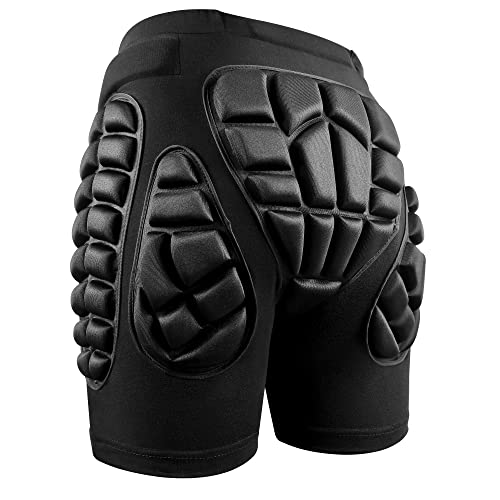
Soared 3D Hip & Butt EVA Pads Shorts
- ✓ Lightweight and comfortable
- ✓ Effective impact protection
- ✓ Adjustable and easy to wear
- ✕ Might be too snug for some
- ✕ Limited color options
| Padding Thickness | 1.5cm EVA foam padding |
| Protection Areas | Lumbar, buttocks, crotch, thighs, hips, tailbones |
| Material | Lightweight, soft breathable mesh and elastic fabric |
| Waist Adjustment | Sticker-adjustable with cushion padding |
| Size Range | XS to XXXL |
| Intended Use | Snowboarding, skiing, ice skating, roller skating, skateboarding, scootering, derby |
Finally got my hands on the Soared 3D Hip & Butt EVA Pads Shorts after seeing them pop up in every snowboarding gear list. I was curious if they’d really make a difference when carving down the slopes, especially for someone like me who’s still cautious about falls.
The first thing I noticed is how lightweight and soft the fabric feels against your skin.
Putting them on, I was impressed by the snug fit, thanks to the elastic waistband and the adjustable sticker strap. It’s easy to get a secure, comfortable feel without any pinching or pinning down movement.
The impact-resistant EVA padding, 1.5cm thick, provides solid protection around my hips, tailbone, and thighs, which is exactly where I worry most during a tumble.
Wearing them inside my snowboarding pants, I barely noticed I had extra gear on—no bulkiness, just a smooth, comfortable layer. The mesh vents in the front help wick away moisture, keeping me cool even during intense runs.
Plus, the included logo packing bag makes it simple to store and carry them around, which is a nice touch for quick trips or storing away after a day on the snow.
Overall, these pads give me confidence without feeling restrictive. They seem durable and well-made, perfect for both beginners or anyone wanting extra protection.
I’d say they’re a smart investment for anyone serious about staying safe while having fun.
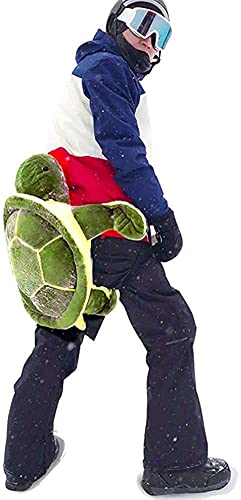
Elegeet Snow Sports Protective Gear Turtle Cushion Green
- ✓ Soft and fluffy padding
- ✓ Easy to adjust and wear
- ✓ Fun, kid-friendly design
- ✕ Limited protection for other areas
- ✕ May be too bulky for some
| Size Options | [‘XX-Small: 7 inches’, ‘X-small: 11 inches’, ‘Small: 14 inches’, ‘Large: 20.5 inches’, ‘X-Large: 25 inches’] |
| Material | Soft, fluffy protective foam or padding |
| Design | Turtle-shaped, cute and beginner-friendly |
| Intended Use | Snowboarding protective gear for beginners |
| Brand | Elegeet |
| Price | $29.99 |
When I first pulled out the Elegeet Snow Sports Protective Gear Turtle Cushion, I was surprised by how adorable it looks—a little turtle in vibrant green. But what really caught my attention was how unexpectedly soft and fluffy it feels against my skin.
At first glance, I thought it might be just a cute accessory, but it’s surprisingly practical. The padding is thick enough to cushion falls, especially around the hips, which is a huge plus for beginners worried about those inevitable tumbles.
The different sizes are clearly labeled, and I like how the size chart makes choosing the right fit straightforward—no awkward guessing.
The material is lightweight but durable, so it doesn’t feel bulky while riding. I tested the smaller sizes for my friend, and they fit snugly without pinching or restricting movement.
Plus, the fun turtle design adds a playful touch that makes wearing protective gear less of a chore, especially for kids or new riders.
Putting it on is simple—just strap it around your waist or hips using the adjustable straps. It stays in place well during movement, and I appreciate how it doesn’t shift around too much when you’re carving or sliding on the snow.
For $29.99, it’s a smart investment that offers peace of mind and a dash of personality on the slopes.
Overall, this turtle cushion makes a practical and fun addition to your snowboarding gear. It’s not just cute—it actually provides solid protection when you need it most.
If you’re serious about staying safe but don’t want to sacrifice style, this one’s a winner.
OHMOTOR 3D Padded Protective Shorts Women S Pink

- ✓ Lightweight and snug fit
- ✓ Superior impact absorption
- ✓ Breathable and comfortable
- ✕ Limited color options
- ✕ Sizing runs slightly small
| Padding Material | Hot pressed EVA foam with high-density, resilient shock absorption |
| Protection Areas | Hip, thigh, and tailbone |
| Fabric Composition | Breathable nylon-spandex blend with moisture-wicking properties |
| Size Range | S to 2XL (fits heights 4’11” to 6’3″ and weights 90 to 230 lbs) |
| Design Features | Low-profile, lightweight, and deformation-resistant for under-gear wear |
| Intended Use | Snowboarding, skiing, skating, and other action sports |
I was surprised to find that these padded shorts actually feel like a second skin the moment I slipped them on. The flexible hip protection molds perfectly to my body, almost as if they were custom-made for movement.
I expected bulk, but what I got was lightweight comfort that disappears under my snowboarding gear.
The thick EVA padding is impressive—dense and resilient, yet surprisingly comfortable. During a quick fall onto a patch of icy snow, I felt confident knowing those pads dispersed impact perfectly.
The contoured hip cushions stay in place, giving me a real sense of security without restricting my mobility.
Breathability stood out as a pleasant surprise. The nylon-spandex blend keeps me dry even after a long session, and the soft waistband doesn’t dig in.
I was able to wear them all day without discomfort, which is a big plus when you’re out on the slopes for hours.
The design is sleek and unobtrusive, fitting seamlessly under my snowboard pants. The low-profile protection means I don’t feel bulky or restricted, while the variety of sizes and colors makes it easy to find a perfect match.
Honestly, these shorts give me more confidence to try new tricks without that nagging fear of falls.
At just over thirty dollars, they’re a smart investment for anyone starting out or even seasoned riders who want extra safety. Plus, they’re versatile enough for skiing, skating, or other action sports.
Overall, I’d say these padded shorts blend safety, comfort, and style in a way that truly works on the mountain.
FURTALK Winter Fleece Neck Warmer Ski Gaiter Scarf

- ✓ Very warm and cozy
- ✓ Soft, irritation-free fabric
- ✓ Easy to adjust and wear
- ✕ Limited color options
- ✕ Might be too warm for active use
| Material | Dual-layer structure with thermal yarn exterior and plush fleece lining |
| Dimensions | 10.2 inches (L) x 9.0 inches (W) |
| Heat Retention | Premium thermal yarn exterior with densely packed fleece lining for effective body heat trapping |
| Breathability | High breathability to prevent irritation and ensure comfort during intense activities |
| Closure/Fit | Stretchable fabric with secure fit, easily slips on and maintains shape |
| Care Instructions | Hand wash in cold water, lay flat to dry |
As soon as I unboxed the FURTALK Winter Fleece Neck Warmer, I was instantly drawn to its plush, cloud-soft feel. The exterior’s smooth thermal yarn looks sleek and durable, while the fleece lining inside feels like wrapping yourself in a warm hug.
It weighs just enough to stay cozy without feeling bulky, making it easy to wear all day.
Slipping it over my head was effortless thanks to its superior stretch. The size (10.2″ x 9″) fits snugly without pressing or feeling tight, and I appreciated that it didn’t mess up my hair or shift around during movement.
The dual-layer design really does trap heat well—on a chilly morning, I could feel the wind blocking out immediately, keeping my neck and face warm even when I was outside for extended periods.
The minimalist look pairs perfectly with my winter gear, and I found it versatile enough for snowboarding, shoveling snow, or just heading out for a brisk walk. It’s breathable enough that I didn’t feel overheated, but still kept out the cold wind.
Plus, it’s easy to clean—just hand wash and lay flat to dry, which is a big plus for outdoor gear that gets a lot of use.
Honestly, it feels like high-end gear at a budget-friendly price. It’s a reliable, comfortable option that’s perfect for anyone who hates the bulk of traditional scarves but still wants serious warmth.
Whether you’re hitting the slopes or just battling a freezing morning commute, this neck warmer has become my go-to.
Chums Ski Suspenders Men & Women Adjustable X-Back Black

- ✓ Heavy-duty Duraflex clips
- ✓ Adjustable for all layers
- ✓ Secure, slip-free fit
- ✕ Limited color options
- ✕ Not as stylish as some
| Material | Heavy-duty webbing with reinforced stitching and premium webbing |
| Clips | Duraflex cam-action hardware for secure grip |
| Adjustable Length | 29 inches to 48 inches |
| Strap Width | 1.5 inches |
| Design | X-back adjustable fit for men and women |
| Intended Use | Suitable for skiing, snowboarding, hiking, and winter outdoor work |
You know that feeling when your ski pants keep slipping just as you’re about to make that perfect turn? These Chums Ski Suspenders immediately caught my attention because of their rugged, no-nonsense design.
The heavy-duty Duraflex clips grip tightly without damaging fabric, even in freezing temps, which is a game-changer for winter adventures.
The first thing I noticed was how adjustable they are. With a range from 29″ to 48″, they easily fit over bulky layers without feeling constrictive.
The 1.5″ wide straps distribute support evenly, so there’s no digging into your shoulders or sides. The X-back design is simple but effective, giving a snug, secure fit that stays put through all your mountain moves.
What really impressed me was the no-slip elastic. Whether I was hiking up a hill or carving down, the suspenders stayed in place.
No constant readjustments needed, even after hours of activity. The reinforced stitching and webbing look built to last, ready to handle snow, rain, and cold for seasons to come.
Handling these suspenders over my winter gear was a breeze—they layer easily and feel comfortable despite their rugged build. Plus, knowing they come from Chums, a trusted name since 1983, gave me confidence in their durability.
At just $15.99, they’re an inexpensive upgrade that makes snowboarding and winter work way less annoying.
What Gear Do Beginners Need to Start Snowboarding?
The best gear for getting into snowboarding includes essential items that enhance safety, comfort, and performance on the slopes.
- Snowboard: The snowboard is the most critical piece of equipment, varying in size, shape, and flex based on the rider’s weight and skill level.
- Bindings: Bindings connect the rider’s boots to the snowboard, and choosing the right type is essential for effective control and comfort.
- Snowboard Boots: Properly fitted boots provide support and warmth, making them crucial for performance and injury prevention on the slopes.
- Helmet: A helmet is vital for safety, protecting the head from injuries during falls or collisions.
- Goggles: Goggles shield the eyes from UV rays and wind, offering clear vision in various weather conditions while snowboarding.
- Outerwear: Waterproof and insulated jackets and pants keep the rider warm and dry, providing comfort in cold and wet conditions.
- Gloves or Mittens: Insulated gloves or mittens are essential for keeping hands warm and providing grip while handling equipment.
- Layering Clothes: Base layers and mid-layers help regulate body temperature, ensuring the rider stays warm without overheating during activity.
The snowboard is the most critical piece of equipment, varying in size, shape, and flex based on the rider’s weight and skill level. Beginners typically benefit from a softer flex, which makes it easier to maneuver and control the board during turns and stops.
Bindings connect the rider’s boots to the snowboard, and choosing the right type is essential for effective control and comfort. Beginners should consider adjustable bindings that accommodate different boot sizes and provide easy entry and exit.
Properly fitted boots provide support and warmth, making them crucial for performance and injury prevention on the slopes. Look for boots that are snug but not overly tight, as they should allow for some movement while still providing adequate support.
A helmet is vital for safety, protecting the head from injuries during falls or collisions. Many resorts require helmets for beginner riders, and they come in various styles with adjustable fits for comfort.
Goggles shield the eyes from UV rays and wind, offering clear vision in various weather conditions while snowboarding. It’s important to choose goggles with anti-fog features and appropriate lens tints for different light conditions.
Waterproof and insulated jackets and pants keep the rider warm and dry, providing comfort in cold and wet conditions. Look for breathable fabrics that allow moisture to escape while keeping snow and water out.
Insulated gloves or mittens are essential for keeping hands warm and providing grip while handling equipment. Mittens tend to be warmer than gloves, but gloves offer better dexterity for adjusting gear.
Base layers and mid-layers help regulate body temperature, ensuring the rider stays warm without overheating during activity. Materials like merino wool or synthetic fibers wick moisture away from the body, promoting comfort while snowboarding.
How Do I Choose the Right Snowboard for My Skill Level?
Choosing the right snowboard is essential for any beginner aiming to have a successful start. Here’s a breakdown of factors to consider based on your skill level:
-
Snowboard Type: For beginners, an all-mountain snowboard is recommended as it performs well in various conditions. Specific options like soft flex boards provide easier maneuverability.
-
Length: A shorter snowboard is generally easier to control, making it ideal for those just starting. A good rule of thumb is to select a board that reaches somewhere between your chin and nose when stood on end.
-
Width: Ensure the width accommodates your boot size; your toes and heels should hang slightly over the edges without excessive overhang. Wider boards are suitable for larger feet (size 11 and above).
-
Camber Profile: Beginners benefit from a rocker profile (or banana shape), which offers a more forgiving ride and helps prevent catching an edge.
-
Bindings and Boots: Soft boots are easier to walk in and provide comfort. Ensure your bindings fit well and have a simple strap design for convenience.
By matching the right board specifications with your skill level, you’ll have a smoother learning experience on the slopes.
What Should I Look for When Selecting Snowboard Boots?
When selecting snowboard boots, several key factors should be considered to ensure comfort, performance, and compatibility with your riding style.
- Fit: The fit of snowboard boots is crucial as they should be snug but not painfully tight. Proper fit helps enhance control and responsiveness while riding, so trying on different brands and models to find the best match for your foot shape is essential.
- Flex: The flex of the boots determines how stiff or soft they are, affecting your riding style. Softer flex boots are typically more forgiving and great for beginners, while stiffer boots provide better support and responsiveness for advanced riders seeking performance.
- Lacing System: Different lacing systems, such as traditional laces, speed laces, and Boa systems, offer varying levels of convenience and customization. A Boa system allows for quick adjustments, while traditional laces can provide a more personalized fit but require more time to secure.
- Insulation and Liner: Insulation and liner materials impact warmth and comfort. Look for boots with quality liners that wick moisture away and provide good insulation to keep your feet warm during long days on the slopes.
- Footbed Support: A well-cushioned footbed is important for comfort and shock absorption. Consider boots with customizable footbeds or those that offer arch support to improve comfort during rides and reduce fatigue.
- Compatibility with Bindings: Ensure that the snowboard boots you choose are compatible with your bindings. Different bindings may require specific boot sizes or designs, so check compatibility to avoid issues when connecting your boots to your board.
- Weight: The weight of the boots can affect your overall riding experience. Lighter boots allow for easier maneuverability and less fatigue, while heavier boots may offer more durability and support, so find a balance that suits your riding style.
Why is Flex and Comfort Important in Snowboard Boots?
According to a study published by the International Journal of Sports Science & Coaching, proper boot flex allows for better energy transfer from the rider to the snowboard, enabling precise maneuverability and stability. Comfort is equally essential, as discomfort can lead to fatigue and decreased performance, impacting a rider’s ability to enjoy the experience and progress their skills.
The underlying mechanism revolves around the relationship between boot flex, comfort, and the biomechanics of snowboarding. A boot with the right flex provides the necessary support for various riding styles, whether it be freestyle, all-mountain, or backcountry. If a boot is too stiff for a beginner, it can hinder their ability to learn proper techniques, while overly soft boots may lack the support needed for advanced maneuvers. Furthermore, comfortable boots help maintain blood circulation and reduce pressure points, which is vital for sustaining long hours of riding without discomfort or distraction.
This balance of flex and comfort also plays a role in injury prevention. A well-fitted, appropriately flexible boot allows for better shock absorption and reduces the risk of falls and joint injuries, particularly in the knees and ankles. Inadequate support or improper fit can lead to misalignment and strain, which can cause both immediate discomfort and long-term musculoskeletal issues, as indicated by the American Academy of Orthopaedic Surgeons.
How Do I Choose the Best Bindings for My Snowboard?
- Flex: The flex of your bindings should match your riding style and skill level.
- Compatibility: Ensure the bindings are compatible with your snowboard’s mounting system.
- Size: Select the correct size for your boots to ensure a snug fit and optimal performance.
- Straps: Evaluate the type and quality of straps for comfort and ease of entry and exit.
- Adjustability: Look for bindings with adjustable features for a customized fit.
Flex: The flex rating of bindings typically ranges from soft to stiff. Softer bindings are generally more forgiving and easier to maneuver, making them great for beginners or freestyle riders, while stiffer bindings offer more response and support, appealing to advanced riders who prioritize speed and precision.
Compatibility: Snowboards come with various mounting systems, such as 4-hole, 2-hole, or channel systems. It’s essential to check that your chosen bindings are compatible with your board’s system to ensure a secure fit and optimal performance on the slopes.
Size: Bindings come in different sizes to accommodate various boot sizes. It’s crucial to select bindings that match your boot size to avoid discomfort and to ensure your feet are properly secured, which enhances control and reduces the risk of injury.
Straps: The design and material of the straps can greatly affect your comfort and riding experience. Look for padded straps that offer both support and flexibility, and consider whether you prefer traditional straps or quick-entry systems that simplify getting in and out of your bindings.
Adjustability: Bindings with adjustable highbacks, straps, and toe ramps allow you to fine-tune the fit to your personal preference. This feature can enhance comfort and performance, as adjusting them properly can lead to better energy transfer and control while riding.
What Impact Do Different Bindings Have on My Ride?
- Soft Bindings: Soft bindings provide a flexible feel that allows for greater mobility and comfort. They are ideal for beginners and freestyle riders as they enable easier maneuvers and tricks due to their forgiving nature.
- Stiff Bindings: Stiff bindings offer better response and support, making them suitable for advanced riders and those who enjoy aggressive riding styles. They provide enhanced power transfer from your legs to the board, allowing for precise control during high-speed descents or challenging terrain.
- All-Mountain Bindings: All-mountain bindings are designed to perform well in various conditions and styles. They strike a balance between flexibility and stiffness, making them a versatile choice for riders who want to explore both groomed trails and off-piste areas.
- Freestyle Bindings: Freestyle bindings are typically softer and more forgiving, allowing for greater freedom of movement. They are tailored for park riders who focus on jumps, tricks, and spins, offering shock absorption and a lightweight design for optimal performance during aerial maneuvers.
- Backcountry Bindings: Backcountry bindings are engineered for touring and off-piste riding, featuring mechanisms that allow for uphill travel and secure locking for downhill performance. They often have a lightweight construction and specific features to accommodate hiking and climbing, making them essential for riders exploring remote areas.
What Clothing Essentials Should I Have for Snowboarding?
When getting into snowboarding, having the right clothing essentials is crucial for comfort and performance on the slopes.
- Snowboard Jacket: A quality snowboard jacket is essential as it provides insulation, waterproofing, and breathability. Look for jackets with features like adjustable hoods, ventilation zippers, and snow skirts to keep you warm and dry during your ride.
- Snowboard Pants: Snowboard pants should be durable, waterproof, and insulated to protect against the elements. Opt for pants with reinforced knees and adjustable waists for a comfortable fit, allowing for freedom of movement while you ride.
- Base Layers: Base layers act as your first line of defense against the cold, wicking moisture away from your skin. Choose moisture-wicking materials like merino wool or synthetic fabrics to keep you dry and warm, as they help regulate body temperature during physical activity.
- Snowboard Gloves or Mittens: Keeping your hands warm is crucial, and snowboard gloves or mittens should be both insulated and waterproof. Mittens tend to offer more warmth, while gloves provide better dexterity, so choose based on your preference and the conditions you’ll face.
- Snowboard Socks: Specialized snowboard socks are designed to provide warmth and cushioning without adding bulk. Look for socks made from moisture-wicking materials with padded zones that prevent blisters and enhance comfort in your boots.
- Helmet: A helmet is a vital piece of safety gear that protects your head from injuries during falls. Ensure that it fits well and meets safety standards, as it can greatly reduce the risk of serious head injuries while snowboarding.
- Goggles: Snowboard goggles protect your eyes from UV rays, wind, and snow glare, improving your visibility on the slopes. Look for goggles with interchangeable lenses for varying light conditions and features like anti-fog coatings to maintain clear vision.
- Neck Gaiter or Balaclava: A neck gaiter or balaclava provides additional warmth and protection for your face and neck from cold winds and snow. These accessories can easily be layered under your helmet for extra insulation without compromising comfort.
Why is Layering Essential for Staying Warm on the Slopes?
Layering is essential for staying warm on the slopes because it allows for better temperature regulation and moisture management, which are critical for comfort and performance while snowboarding.
According to the Outdoor Industry Association, effective layering involves a base layer that wicks moisture, an insulating layer for warmth, and an outer layer that protects against wind and water. This layered approach helps maintain body heat while also allowing sweat to evaporate, which can prevent chilling when you’re active or sitting still on the slopes.
The underlying mechanism involves thermoregulation, which is the body’s ability to maintain a stable internal temperature despite external conditions. When snowboarding, the body generates heat through physical activity, but if moisture accumulates on the skin, it can lead to a rapid loss of heat. The base layer’s moisture-wicking properties draw sweat away from the body, while the insulating layer traps warm air. Without these layers, the body can become cold and uncomfortable, impairing performance and enjoyment. Additionally, the outer layer serves as a barrier against wind and snow, further enhancing insulation and preventing hypothermia in harsh weather conditions.
Which Accessories Are Essential for a Safe Snowboarding Experience?
The essential accessories for a safe snowboarding experience include:
- Helmet: A crucial piece of gear that protects your head in case of falls or collisions.
- Goggles: Essential for visibility and protection against wind, snow, and harmful UV rays.
- Wrist Guards: These help prevent injuries to the wrists, which are common during falls.
- Knee Pads: Provide cushioning and support to the knees, reducing the risk of injury.
- Socks: Snowboarding-specific socks are designed for warmth and comfort, preventing blisters.
- Layered Clothing: Proper layering helps regulate body temperature and keeps you dry and warm.
A helmet is vital for safeguarding your head against potential injuries while snowboarding, as falls are common in the sport. Look for a well-ventilated helmet that fits snugly and meets safety standards.
Goggles are important for protecting your eyes from the sun’s rays and snow glare, as well as keeping your vision clear in various weather conditions. Choose goggles with anti-fog features and a comfortable fit to enhance your experience on the slopes.
Wrist guards are particularly important for beginners, as they help minimize the risk of wrist fractures during falls. These guards are designed to absorb impact and provide stability while allowing for mobility in the hands.
Knee pads offer additional protection for your knees, which can be vulnerable during falls or when getting back up. They help cushion impacts and provide support, especially for those who may take frequent tumbles while learning.
Investing in snowboarding-specific socks is crucial, as they are designed to wick moisture away and provide warmth without causing discomfort. Look for socks with extra padding in areas that typically experience pressure from the snowboard boots.
Layered clothing is essential for adapting to changing weather conditions on the slopes. A good layering system helps maintain warmth while also allowing for ventilation to prevent overheating, ensuring you stay comfortable throughout your snowboarding session.
How Do Goggles and Helmets Improve Safety and Visibility?
The best gear for getting into snowboarding includes items designed to enhance safety and visibility on the slopes.
- Goggles: Goggles provide essential protection for your eyes against harsh weather conditions and UV rays while improving visibility.
- Helmets: Helmets safeguard your head from injuries during falls or collisions, and many models offer features that enhance comfort and visibility.
Goggles: Snowboarding goggles are crucial for protecting your eyes from snow glare, wind, and cold temperatures. They come with various lens options that can adapt to different light conditions, ensuring you can see clearly on sunny or overcast days. Additionally, many goggles have anti-fog technology, which helps maintain visibility even during strenuous activity.
Helmets: A good helmet is a fundamental piece of safety gear for snowboarders, providing critical head protection in case of falls or accidents. Modern helmets are designed to be lightweight and comfortable, often featuring ventilation systems to keep your head cool. Some helmets also include built-in visors or can be fitted with goggles for improved visibility and a streamlined look on the slopes.
Related Post: