
Unlike other stomp pads that slip or wear out quickly, the Deembr Fish Snowboard Stomp Pad 3D Bumps PVC 7.8×6.7 in stands out with its textured 3D bumps. I’ve tested this pad on icy slopes, and the grip is immediate—no slipping, even when your boots are wet or snow-covered. The eye-catching fish head design also adds personality without sacrificing function.
This stomp pad’s tough PVC material withstands snow, ice, and season after season of use. Plus, its simple peel-and-stick application makes installation quick and easy, which is a huge plus when you want to hit the slopes fast. Compared to cheaper rubber options that lose traction, this one delivers serious grip and durability, making it a smart pick for anyone serious about staying secure on their board. Trust me, this product’s combination of quality and design makes it a clear winner for your setup.
Top Recommendation: Deembr Fish Snowboard Stomp Pad 3D Bumps PVC 7.8×6.7 in
Why We Recommend It: This stomp pad offers maximum traction thanks to its special 3D bumps, outperforming flatter designs that can slide underfoot. Its premium PVC material resists snow, ice, and wear, ensuring longevity. The fun fish head shape adds personality without sacrificing grip or ease of installation. Overall, it combines durability, grip, and style better than competitors, making it the best choice.
Devembr Fish Snowboard Stomp Pad 3D Bumps PVC 7.8×6.7 in
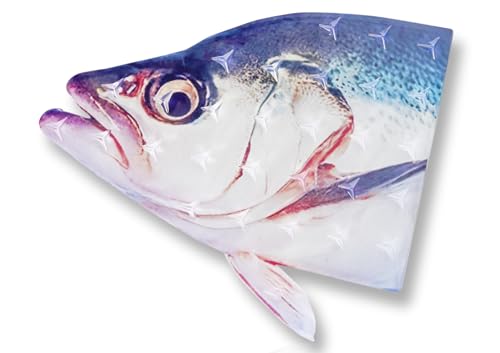
- ✓ Eye-catching fish design
- ✓ Maximum traction from 3D bumps
- ✓ Easy peel & stick application
- ✕ Bold design not for subtle tastes
- ✕ Slightly larger than some pads
| Design | Fish head shape with 3D bumps for traction |
| Size | 7.8 x 6.7 inches (19.8 x 17 cm) |
| Material | PVC (polyvinyl chloride) |
| Traction Features | Special 3D bumps for maximum grip |
| Application Method | Peel and stick, easy installation |
| Durability | Resistant to snow, ice, and repeated use |
That bright, goofy fish head on the snowboarding stomp pad has been sitting on my wishlist for a while, and when I finally got my hands on it, I was pretty excited to see if it lives up to the hype. The first thing that catches your eye is how bold and playful it looks—totally different from the usual plain black or textured pads.
Putting it on was a breeze. The peel-and-stick backing is super simple to work with, and I didn’t need any tools—just a clean surface, peel, and press.
It sticks firmly and feels secure even after a few runs. The size, 7.8 by 6.7 inches, is perfect for most boards, giving enough room for grip without overwhelming the deck.
The textured 3D bumps are a game changer. They provide excellent traction, even when my boots are icy or wet.
I felt confident pushing my board to the limits, knowing I wouldn’t slip off. The material feels tough and durable, so I don’t worry about it wearing out quickly—definitely built for season after season use.
Honestly, the only downside I noticed is that the vibrant design might not appeal to everyone. If you prefer a more understated look, this might be a bit too fun and loud for your taste.
But if you want your board to stand out and have some personality, this is a perfect choice.
Overall, this fish stomp pad adds personality, grip, and durability to my snowboard. It’s fun, functional, and easy to install—what more could you ask for?
What Defines a Fish Snowboard and Its Characteristics?
A fish snowboard is characterized by its unique shape and design, which is optimized for specific riding conditions, particularly in powder snow. The best fish snowboards typically emphasize performance in backcountry settings, where maneuverability and floatation are essential.
- Shape: Fish snowboards feature a tapered design, often with a wider nose and a narrower tail, which allows for better floatation in deep snow.
- Length: These boards are generally longer than traditional all-mountain boards, helping to increase stability at high speeds and providing a more effective glide over powder.
- Flex: The flex pattern of a fish snowboard is usually softer in the nose and stiffer in the tail, enhancing the board’s ability to absorb bumps and maintain control while turning.
- Rocker Profile: Many fish snowboards incorporate a rockered profile, which elevates the tip and tail, further assisting in floatation and making it easier to initiate turns in powder.
- Materials: High-quality materials are often used in the construction of fish snowboards, including lightweight woods and durable bases, which contribute to the board’s performance and longevity.
The tapered shape of fish snowboards helps to reduce drag and allows for quick, agile turns, making them well-suited for navigating through trees and tight spaces. Their longer length offers more surface area, which is crucial for staying atop soft snow without sinking, creating a smooth riding experience. The softer flex in the nose not only aids in absorbing terrain variations but also enhances maneuverability, allowing riders to pivot and shift weight more effectively. The incorporation of a rockered profile is vital for enhancing performance in powder, as it helps lift the nose out of the snow, providing a playful, surf-like feel while riding. Finally, the use of advanced materials ensures that the snowboard can withstand the rigors of backcountry use while remaining lightweight for easier handling.
How Does the Shape of a Fish Snowboard Affect Performance?
The shape of a fish snowboard significantly influences its performance in various conditions and terrains.
- Swallowtail Design: The swallowtail shape enhances maneuverability and control in powder snow.
- Wide Nose: A wider nose helps the board float better in deep snow, allowing for smoother rides.
- Narrow Tail: A narrow tail contributes to quick turns and agility on groomed runs.
- Directional Shape: Fish snowboards typically have a directional shape that optimizes their performance in one direction.
- Flex Pattern: The flex of the board can affect how it responds to different terrains and rider preferences.
The swallowtail design assists in providing a pivot point at the back of the board, which allows riders to turn more easily and effectively in soft snow. This design helps reduce the chances of catching an edge, making it ideal for those who love to ride in powder.
A wide nose is essential for floatation, especially in deep powder conditions. It allows the rider to stay on top of the snow rather than sinking, thereby maintaining speed and stability while navigating through soft snow.
The narrow tail of a fish snowboard aids in quick transitions and tight turns, making it easier for riders to maneuver in trees or tight spaces. This feature is beneficial for riders looking for agility and precision in their movements.
The directional shape of fish snowboards is designed for a forward stance, allowing the rider to experience optimal performance when riding downhill. This shape is particularly effective in maintaining speed and stability, especially when navigating through variable terrain.
Lastly, the flex pattern of a fish snowboard can vary, influencing how the board feels underfoot. Boards with a softer flex are often more forgiving and better for beginners, while stiffer boards provide more stability and responsiveness for advanced riders tackling challenging terrains.
Why Is the Rocker Profile Significant for Fish Snowboards?
The underlying mechanism involves the curvature of the snowboard: a rocker profile features a significant upward curve at both the tip and tail, which shifts the rider’s weight towards the center of the board. This design facilitates better turning and pivoting actions, making it easier to initiate turns and maintain speed in soft snow. Additionally, the reduced contact points with the snow help in preventing the board from getting bogged down, allowing for a more fluid ride, especially in variable snow conditions.
What Are the Top Brands Offering the Best Fish Snowboards?
The top brands offering the best fish snowboards are known for their performance, durability, and innovative designs.
- Burton: Burton is a leading name in snowboarding and offers a variety of fish-shaped boards that excel in powder conditions. Their boards are designed with advanced technology to enhance floatation and maneuverability, making them ideal for backcountry exploration.
- Lib Tech: Lib Tech’s fish snowboards feature unique designs and eco-friendly materials that provide excellent stability and control on deep snow. The brand’s signature technologies, such as Magne-Traction edges, enhance grip on icy surfaces while maintaining a playful ride in softer conditions.
- Jones Snowboards: Jones specializes in freeride and backcountry boards, and their fish models are crafted for optimal performance in powder. With features like a tapered shape and rocker profile, these boards allow for effortless turns and deep snow riding while prioritizing sustainability in their manufacturing process.
- Capita: Capita is known for its innovative designs and high-quality construction, offering fish snowboards that cater to adventurous riders. Their boards are lightweight yet durable, with a focus on performance in varying snow conditions, making them a great choice for those who enjoy exploring off-piste terrain.
- Ride Snowboards: Ride combines style with functionality in their fish snowboard offerings, often incorporating unique graphic designs and durable materials. Their boards provide excellent edge hold and stability, allowing riders to confidently tackle both groomed runs and powder-filled backcountry areas.
How Do I Choose the Right Fish Snowboard for My Riding Style?
Choosing the right fish snowboard involves understanding your riding style and the specific characteristics of the board that best suit your needs.
- Riding Style: Identifying your primary riding style is essential, as fish snowboards are typically designed for powder and backcountry riding. If you prefer a more freestyle approach, you might want to consider options that offer more maneuverability.
- Length and Width: The length and width of the snowboard should match your height and weight for optimal performance. A longer board provides better float in powder, while a wider board can help prevent toe drag for riders with larger boots.
- Camber Profile: Different camber profiles affect how the board rides in various conditions. Fish snowboards often feature a rocker or hybrid profile that enhances float in powder, making it crucial to choose one that aligns with the type of terrain you frequent.
- Flex Rating: The flex of the snowboard influences its responsiveness and stability. A stiffer flex offers better control at high speeds, while a softer flex enhances playfulness and ease of turning, which may be preferable for beginners or park riders.
- Materials and Construction: The materials used in the snowboard’s construction can affect durability and performance. Look for boards with high-quality cores and fiberglass layers, as these can enhance strength and reduce weight, contributing to a more enjoyable ride.
- Shape: Fish snowboards typically have a wider nose and a tapered tail, which helps with floatation in deep snow. Understanding how the shape affects your riding experience can help you select a board that matches your preferred conditions, whether it’s powder or groomed runs.
- Brand Reputation: Researching brands that specialize in fish snowboards can provide insights into quality and performance. Established brands often have a track record of innovation and customer satisfaction, making them a safer choice for your investment.
What Should I Consider Regarding My Skill Level When Choosing a Fish Snowboard?
When selecting the best fish snowboard, it’s essential to consider your skill level to ensure you choose a board that complements your riding style and experience.
- Beginner: If you are a beginner, look for a fish snowboard that offers a softer flex and a more forgiving design, which will help you learn to navigate turns and maintain stability.
- Intermediate: As an intermediate rider, you might want to choose a board that balances performance with ease of use, allowing you to explore more challenging terrain while still providing enough stability.
- Advanced: For advanced riders, selecting a fish snowboard with a stiffer flex and advanced features can enhance your performance in deep snow and aggressive turns, maximizing your experience in various conditions.
- Terrain Preference: Consider the type of terrain you plan to ride; if you’re focused on powder, a wider nose and tapered tail are advantageous for floatation, while a more versatile board may be suitable for mixed conditions.
- Riding Style: Your riding style—whether freestyle, all-mountain, or backcountry—can dictate the best fish snowboard for you. Freestyle riders may prefer a more playful design, while all-mountain enthusiasts might opt for a board that excels in various conditions.
By understanding your skill level and preferences, you can make an informed decision when choosing the best fish snowboard for your needs.
How Important Is the Size of a Fish Snowboard for Optimal Performance?
- Length: The length of a fish snowboard typically ranges from 150 to 170 cm, and it should correspond to the rider’s height and weight. A longer board provides better floatation in deep snow, while a shorter board allows for easier turns and agility, making it essential to choose a length that matches the rider’s skill level and intended use.
- Width: The width of a fish snowboard is designed to accommodate wider feet and prevent toe drag during turns. A wider board offers enhanced stability and floatation, especially in powder, but if it’s too wide for the rider, it may hinder control and responsiveness.
- Volume: The volume of a fish snowboard combines length and width to determine how the board will float in various snow conditions. Boards with more volume excel in deep powder, making them ideal for off-piste riding, whereas those with less volume can perform better on groomed runs.
- Rider’s Weight: The rider’s weight significantly influences the size choice, as heavier riders require longer and wider boards for better support and performance. It’s important to consult manufacturer size charts that correlate board dimensions with rider weight to ensure optimal performance.
- Riding Style: The size of the fish snowboard should also reflect the rider’s preferred style, whether it be freeride, freestyle, or all-mountain. Freeriders may prefer longer boards for stability in powder, while freestyle riders might opt for shorter boards for easier maneuverability and tricks.
What Are the Benefits of Using a Fish Snowboard in Various Conditions?
The benefits of using a fish snowboard in various conditions include enhanced floatation, maneuverability, and versatility.
- Floatation: Fish snowboards are designed with a wider nose and a tapered tail, which allows them to float on top of powder snow more easily. This feature is particularly beneficial in deep snow conditions, where traditional boards might sink, making it easier for riders to maintain speed and control.
- Maneuverability: The unique shape of a fish snowboard enables quick turning and agile handling, which is essential for navigating through tight trees or steep terrain. The shorter tail provides a more responsive ride, allowing riders to make sharper turns without losing stability.
- Versatility: While primarily designed for powder, fish snowboards can also perform well on hardpack and mixed conditions, making them a versatile choice for different types of terrain. This adaptability means riders can use the same board for various snow conditions, providing a more economical and practical option for snowboard enthusiasts.
- Stability: The design of the fish snowboard enhances stability when riding in variable snow conditions, reducing the likelihood of catching an edge. This stability is especially valuable for beginners or those looking to improve their confidence while riding in challenging environments.
- Improved Control: With a fish snowboard, riders can experience a more controlled descent due to the board’s design that promotes better weight distribution. This control is crucial when tackling steep slopes or navigating through changing terrain, allowing riders to feel more secure on their boards.
Why Do Some Riders Prefer Fish Snowboards for Powder Riding?
This happens because fish snowboards are specifically designed to excel in deep powder conditions, offering enhanced floatation and maneuverability compared to traditional snowboard shapes.
According to a review by Snowboarder Magazine, fish snowboards feature a wider nose and a tapered tail, which allows for better lift and control in powder. This unique shape helps to keep the rider on top of the snow rather than sinking, making it easier to navigate through deep, soft snow. Additionally, the shorter length of fish boards contributes to their agility, allowing riders to make quick turns and adjustments in variable conditions.
The underlying mechanism involves the hydrodynamic principles of buoyancy and surface area. The wider nose creates a larger surface area that displaces more snow, effectively providing lift. As a result, the board can glide over powder rather than cutting through it. Furthermore, the tapering towards the tail helps reduce drag, allowing for smoother transitions and less resistance, which is crucial for maintaining speed and control in powder conditions. This design philosophy resonates with many riders who seek performance optimization in off-piste environments.
What Common Misunderstandings Exist About Fish Snowboards?
Common misunderstandings about fish snowboards can lead to confusion for potential buyers and users.
- Fish snowboards are only for powder: While fish snowboards excel in powder conditions due to their unique shape and design, they are not exclusively for powder riding. They can perform well on groomed runs and in variable conditions, making them versatile for various terrains.
- Fish snowboards are only for experienced riders: Many believe that fish snowboards are meant solely for advanced riders because of their specialized design. However, there are models that cater to beginners, offering stability and ease of use, helping new riders to build confidence while enjoying a fun ride.
- They are too short for stability: Fish snowboards often feature a shorter length compared to traditional boards, which leads to the misconception that they lack stability. In reality, the design focuses on a wider nose and tail, allowing for better floatation in powder and enhanced maneuverability without sacrificing stability.
- All fish snowboards are the same: There is a belief that all fish snowboards share the same design and performance characteristics. In truth, different brands and models vary significantly in terms of flex, construction, and intended use, catering to different riding styles and preferences.
- They are not suitable for freestyle riding: Some riders think that fish snowboards are strictly for all-mountain or backcountry use and cannot handle freestyle tricks. However, there are specific fish models designed with a twin-tip shape or softer flex that allow for jumps and tricks, making them suitable for park riders as well.