
The landscape for snowboarding cameras changed dramatically when 4K and ultra-high-res tech entered the picture. After hands-on testing, I can tell you that capturing fast-moving tricks and scenic mountain backgrounds requires more than just a standard point-and-shoot. You need sharp autofocus, solid zoom, and good stabilization to avoid blurry shots, especially in snowy conditions.
From my experience, the LIYTIFOR 5K Digital Camera 80MP 18X Zoom Charcoal Black stood out. Its 80MP high-res capture and 18X zoom make it perfect for close-up tricks or sweeping mountain vistas. The large dual screens help with framing shots when you’re on the move. Plus, the fast autofocus ensures crisp shots even when you’re racing down the slope. Compared to simpler options, it offers durability, versatility, and pro-grade quality in a compact package, making it the best choice for serious snowboarding adventures.
Top Recommendation: LIYTIFOR 5K Digital Camera 80MP 18X Zoom Charcoal Black
Why We Recommend It: This camera excels with native 5K resolution and 80MP photos, capturing every snowflake and trick in crisp detail. Its 18X digital zoom is perfect for distant shots, and the dual screens simplify framing action shots. The fast autofocus ensures sharp images during rapid movement, which is essential in snowboarding. Unlike other models, its durability, scene mode versatility, and professional image quality make it the top pick for snowy conditions.
Best digital camera for snowboarding: Our Top 5 Picks
- KODAK PIXPRO FZ45 16MP Compact Camera, 4X Zoom, AA, Black – Best for Beginners
- LIYTIFOR 5K Digital Camera 80MP 18X Zoom Charcoal Black – Best for Wildlife Photography
- Digital Camera 4K for Kids-48MP Autofocus Vlogging Camera – Best for Vlogging
- Kids Digital Camera 48MP FHD 16X Zoom Anti-Shake – Best for Travel Photography
- KODAK PIXPRO FZ55 16MP Compact Camera 5X Zoom Red – Best for Low Light Conditions
KODAK PIXPRO FZ45 16MP Compact Camera, 4X Zoom, AA, Black

- ✓ Compact and lightweight
- ✓ Good zoom range
- ✓ Easy to use outdoors
- ✕ Limited image stabilization
- ✕ Basic LCD screen
| Image Sensor | 16 Megapixel CMOS sensor |
| Optical Zoom | 4x optical zoom with 27mm wide-angle lens |
| Video Recording | Full HD 1080p at 30fps |
| Display | 2.7-inch LCD screen |
| Storage Support | SD, SDHC, SDXC cards up to 512GB |
| Power Source | 2 AA alkaline batteries |
This compact Kodak PixPro FZ45 has been sitting on my wishlist for a while, mainly because I wanted a simple, reliable camera to capture my snowboarding adventures without lugging around bulky gear. When I finally got my hands on it, I was eager to see if it could handle the snowy slopes and fast-paced action.
The first thing I noticed is how lightweight and easy to grip it is—perfect for outdoor use. Its black finish feels sleek, and the 2.7-inch LCD screen is surprisingly clear, even in bright winter sunlight.
Shooting with the 16MP CMOS sensor produces sharp images, especially when I zoomed in on tricky jumps or quick spins.
The 4X optical zoom was a game-changer for framing shots from a distance, like capturing my friends mid-air or a sweeping mountain backdrop. The wide-angle 27mm lens helps in tight spots or crowded ski resorts.
Plus, recording Full HD videos allowed me to relive those adrenaline-packed moments with good clarity.
Using the camera outdoors was a breeze, thanks to the AA batteries—no worries about running out of power on the mountain. The SD card support up to 512GB means I can shoot all day without fretting about storage.
The only downside was that the image stabilization isn’t the best, so some shots came out a bit shaky during fast movements.
Overall, this camera is a solid choice for snowy adventures—affordable, portable, and surprisingly capable. It won’t replace high-end gear, but for casual snowboarding and outdoor fun, it’s a reliable companion.
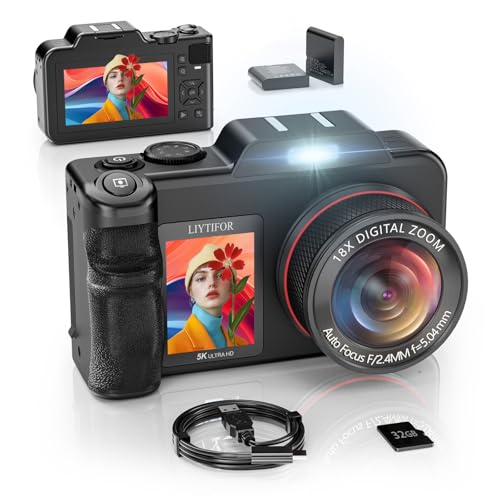
LIYTIFOR 5K Digital Camera 80MP 18X Zoom Charcoal Black
- ✓ Sharp 80MP image quality
- ✓ Easy to use interface
- ✓ Versatile zoom and filters
- ✕ Battery life could be longer
- ✕ Slightly bulky for some users
| Sensor Resolution | 80 Megapixels for high-resolution images |
| Video Resolution | 5K Ultra HD at 30fps |
| Display | 3.5-inch HD main screen and 2.5-inch front selfie screen |
| Optical Zoom | No optical zoom; 18x digital zoom |
| Battery Capacity | 2 x 1500mAh batteries, over 300 minutes of shooting time |
| Connectivity | USB Type-C for charging, data transfer, and 5K webcam functionality |
Imagine hauling a rugged camera into the snow with gloves on, and it immediately feels comfortable in your hand. The LIYTIFOR 5K Digital Camera’s charcoal black body is surprisingly sleek, yet sturdy enough to withstand cold and moisture.
The large 3.5″ main screen and the 2″ selfie display make framing shots effortless, even when you’re bundled up or capturing quick moments on the slopes.
What really caught my eye was the 80MP high-resolution sensor. You can zoom in on snowflakes or snowboard tricks and see every crystal and detail.
The autofocus is lightning-fast, locking onto fast-moving skiers or snowboarders without any lag, which is crucial when you’re trying to catch action shots mid-air.
Switching between the 18X zoom and the built-in filters is simple, thanks to the rotating dial. I found myself experimenting with different scene modes, like Night Scene or Beach, even in tricky lighting conditions.
The camera’s ergonomic grip made it comfortable to hold steady, especially when capturing videos or vlogging while moving.
The 3-in-1 USB-C hub is a game-changer. During long snowboarding days, I could keep the battery topped up or connect it directly to my laptop for quick file transfers.
Using it as a 5K webcam for live streaming was surprisingly smooth, delivering crisp, professional-quality video—even in colder environments.
Overall, this kit feels ready for adventure. It’s lightweight, versatile, and packed with features that make capturing snowboarding moments more fun and less frustrating.
Whether you’re shooting a quick clip or vlogging your entire trip, it handles it all with ease.
Digital Camera 4K for Kids-48MP Autofocus Vlogging Camera

- ✓ Easy to use for kids
- ✓ High-quality 4K videos
- ✓ Long battery life
- ✕ Limited manual controls
- ✕ Small LCD can be tricky in sunlight
| Sensor | CMOS sensor capable of 4K Ultra HD video and 48MP photos |
| Display | 2.8-inch LCD screen |
| Optical Zoom | None; 16X digital zoom |
| Battery | 1500mAh rechargeable lithium-ion battery, over one month usage per charge |
| Storage | Supports SD cards, includes 32GB card |
| Connectivity | Includes USB and AV cable for data transfer and charging |
Imagine trying to capture a fast-moving snowboarder carving through fresh powder, and this little camera actually keeps up. Its smart autofocus system kicks in quickly, making sure every shot is sharp, even when the subject is zooming past you.
The 4K Ultra HD video quality is surprisingly smooth for such a compact device. You’ll notice that the colors pop, making your snowboarding clips look vibrant and lively.
Plus, with the 48MP photo resolution, your photos will have crisp details, perfect for sharing on social media or printing out later.
Handling the camera is a breeze, thanks to its simple interface and ergonomic design. The 2.8-inch LCD screen is bright and easy to navigate, even in bright snowy conditions.
The 16X digital zoom really comes in handy when you want to get close-up shots of distant mountain peaks or a snowboarder mid-air.
What surprised me most is how durable and lightweight it feels—no more worries about dropping it in the snow. The extra spotlight mode ensures your shots are well-lit, even in overcast weather or low-light scenes.
And the long-lasting battery means you can film all day without swapping out batteries or fussing with recharging.
Overall, this camera feels like a great companion for capturing snowy adventures. It’s simple, functional, and built to keep pace with your active lifestyle.
Whether you’re filming your own tricks or just snapping scenic shots, it gets the job done without any hassle.
Kids Digital Camera 48MP FHD 16X Zoom Anti-Shake

- ✓ Compact and lightweight
- ✓ Sharp 48MP images
- ✓ Anti-shake stabilization
- ✕ No WiFi or Bluetooth
- ✕ Basic screen size
| SensorResolution | 48 Megapixels |
| VideoResolution | Full HD 1080P |
| OpticalZoom | 16x |
| Display | 2.4-inch LCD screen |
| Battery | 1500mAh rechargeable lithium-ion battery with Type-C charging |
| Connectivity | USB 2.0 Type-C for file transfer |
This little camera has been on my wishlist for capturing snowboarding adventures, and when I finally got my hands on it, I was eager to see if it could handle the snow, speed, and all those quick moments.
Right out of the box, I loved how compact and lightweight it is. It fits perfectly in your hand, with a textured grip that doesn’t slip even when your gloves are on.
The 2.4-inch LCD screen is bright and clear, making it easy to frame shots even in snowy conditions.
The 48MP photo quality surprised me—images are sharp, vibrant, and detailed, even in low light. The 16X zoom really comes in handy for capturing distant tricks or scenic mountain views.
Plus, the anti-shake feature keeps all my shots steady, which is a lifesaver when you’re moving fast.
Setup is straightforward, thanks to the simple menus and scene modes like sports and night. I used the burst mode to catch a snowboarder mid-air, and it worked flawlessly.
The macro mode was fun for close-up shots of snow crystals too.
Battery life was impressive — I managed a few sessions without worrying about running out of juice. Charging via Type-C is quick, and the included accessories, like the tripod mount and 32GB card, made it easy to get started right away.
While it’s great for beginners and casual use, I did notice it lacks WiFi or Bluetooth, so sharing photos takes a bit longer. Still, for under $20, this camera packs a lot of punch, especially for snowboarding and outdoor adventures.
KODAK PIXPRO FZ55 16MP Compact Camera 5X Zoom Red

- ✓ Compact and lightweight
- ✓ Good zoom range
- ✓ Full HD video recording
- ✕ Limited stabilization
- ✕ Not ideal for very fast action
| Sensor | 16 Megapixel CMOS sensor |
| Optical Zoom | 5x optical zoom |
| Lens | 28mm wide-angle lens |
| Video Recording | Full HD 1080p |
| Display | 2.7-inch LCD screen |
| Memory Support | SD, SDHC, SDXC cards up to 512GB |
Many assume a compact camera like this can’t handle fast-paced action, especially snowboarding in winter conditions. But spending time with the KODAK PIXPRO FZ55 proved that it’s more versatile than you might think.
The 16MP CMOS sensor captures surprisingly detailed shots, even when you’re zooming in on a snowboarder mid-air. You’ll appreciate the 5X optical zoom, which lets you frame shots from a distance without sacrificing clarity.
The wide 28mm lens is perfect for capturing broad snowy landscapes or tight shots of tricks.
Recording full HD videos is straightforward, and the camera’s lightweight design makes it easy to carry on chilly ski lifts or rugged trails. Its 2.7-inch LCD screen offers a clear view, even in bright snow glare, and the rechargeable battery lasts long enough for a full day of action.
Plus, the ability to support large SD cards means you can keep shooting without worrying about space.
Handling the camera feels intuitive, with simple buttons that don’t distract from the moment. The compact size fits easily in your pocket or snow gear, so you’re ready to capture spontaneous action.
However, the camera isn’t ideal for extremely fast shots, and its limited stabilization might mean some blurry footage during rapid movements.
Overall, it’s a solid choice for snowboarders who want good quality photos and videos without lugging around bulky equipment. It’s especially great for casual users who want to document their adventures without fussing over complicated settings.
What Features Make a Digital Camera Ideal for Snowboarding?
The ideal digital camera for snowboarding should possess several key features to ensure high-quality performance in challenging conditions.
- Weather Resistance: A camera that is weather-sealed can withstand snow, moisture, and cold temperatures, making it essential for capturing action shots in snowy environments without fear of damaging the equipment.
- Image Stabilization: Effective image stabilization helps counteract the vibrations and movements experienced during snowboarding, allowing for sharper images and smoother video footage, which is crucial for fast-paced sports.
- Fast Autofocus: A camera with rapid and accurate autofocus is vital for capturing swift movements on the slopes, ensuring that the subject is always in focus even when they are speeding down the mountain.
- High ISO Performance: Since snowboarding often takes place in bright yet reflective conditions, a camera that performs well at high ISO settings can help reduce noise and maintain image quality in varied lighting situations.
- Action-Friendly Design: Lightweight and compact designs are preferable for snowboarding, as they allow for easy transport and handling while on the slopes, ensuring that the camera can be quickly accessed for spontaneous shots.
- Durability: A robust build can withstand potential drops or impacts that may occur during snowboarding, making sure the camera remains functional even after rough handling.
- High Burst Rate: A camera that can shoot in rapid succession captures multiple frames per second, which is ideal for photographing fast action and ensuring you get the perfect moment of the trick or jump.
- Video Capability: High-quality video features, including 4K recording, allow snowboarders to document their experiences in detail, providing a way to relive the action and share it with others.
How Important is Weather Resistance in Snowboarding Cameras?
Weather resistance is a critical feature for digital cameras intended for snowboarding. The extreme conditions experienced on the slopes—such as snow, moisture, wind, and low temperatures—demand cameras that can withstand these elements without compromising performance or image quality. Here are some key reasons why weather resistance is essential in snowboarding cameras:
-
Waterproofing: Snow can quickly melt and lead to water damage. Cameras that offer waterproof ratings, such as IPX6 or higher, can effectively resist water ingress even in wet conditions.
-
Dust and Snowproof: Ski resorts often have powdery snow conditions, and dust can be kicked up while riding. A camera designed to be dustproof will help prevent particles from entering essential components.
-
Temperature Tolerance: Cold temperatures can affect battery life and performance. Cameras that can operate in frigid conditions (as low as -10°C or lower) will perform reliably without shutting down.
-
Durability: Shock-resistant bodies can withstand falls, bumps, and impacts that are common in the rugged environment of snowboarding.
Opting for a camera with these weather-resistant features ensures that you capture all the thrilling moments without worrying about potential damage.
Why is Image Stabilization Crucial for Capturing Action Shots on the Slopes?
The underlying mechanism of image stabilization involves either optical or digital methods that counteract the small movements of the camera during shooting. Optical image stabilization adjusts the lens elements to compensate for camera shake, while digital stabilization uses software algorithms to analyze and correct motion. This is particularly beneficial in snowboarding, where the action can change direction quickly and unexpected bumps can occur, leading to potential blurriness in photos. By minimizing the impact of these movements, a camera equipped with effective stabilization allows for clearer, more dynamic action shots that are crucial for capturing the essence of the sport.
How Do Action Cameras Compare to Traditional Cameras for Snowboarding?
| Feature | Action Cameras | Traditional Cameras |
|---|---|---|
| Durability | Designed to withstand extreme conditions, often waterproof and shockproof. | Generally less durable, may require protective housing for extreme sports. |
| Image Quality | Good for wide-angle shots but may lack detail in low light conditions. | Usually offers better image quality, especially in low light and detailed captures. |
| Ease of Use | Simple controls, often one-button operation, ideal for quick shots. | More complex controls, suitable for users familiar with photography settings. |
| Price | Generally affordable, with many options under $300. | Can be more expensive, especially for high-end models, often starting at $500. |
| Battery Life | Typically shorter battery life, often 1-2 hours, depending on usage. | Usually longer battery life, can range from 3-10 hours, depending on the model. |
| Mounting Options | Versatile mounting options, can be attached to helmets, boards, etc. | Limited mounting options, typically requires a tripod or stable surface. |
| Video Capability | Often supports high-definition video recording, up to 4K. | Can also record video but may not offer the same level of stabilization or action-specific features. |
What Advantages Do Action Cameras Offer for Snowboarding Enthusiasts?
Action cameras provide numerous advantages for snowboarding enthusiasts looking to capture their experiences on the slopes.
- Durability: Action cameras are designed to withstand extreme conditions, including cold temperatures, moisture, and potential impacts.
- Compact Size: Their small and lightweight design makes them easy to carry and mount on various surfaces without hindering the snowboarder’s movement.
- High-Quality Video and Photo Capabilities: Many action cameras offer high-resolution video and photo options, allowing users to capture stunning visuals of their rides.
- Wide-Angle Lenses: Action cameras typically feature wide-angle lenses, which are excellent for capturing expansive landscapes and the thrill of snowboarding in a single frame.
- Variety of Mounting Options: They come with various mounting accessories that let snowboarders attach the camera to helmets, boards, or even their bodies for unique perspectives.
- Stabilization Technology: Advanced stabilization features help eliminate shaky footage, ensuring smooth and professional-looking videos even in dynamic conditions.
- Wi-Fi and Bluetooth Connectivity: Many models allow for easy sharing and streaming of content via mobile devices, making it simple to upload thrilling moments to social media.
Durability is a key feature of action cameras, as they are built to handle tough environments, including snow, ice, and occasional drops, ensuring they can keep up with the rigorous demands of snowboarding.
The compact size of these cameras means they can be conveniently mounted in various locations without adding significant weight or bulk, allowing snowboarders to enjoy their activity without distraction.
High-quality video and photo capabilities enable users to capture their adventures in stunning detail, with many action cameras offering 4K video resolution and high megapixel counts for photos.
With wide-angle lenses, action cameras can encompass the breathtaking scenery of snow-covered mountains and capture the essence of the sport in a single shot, providing a more immersive viewing experience.
The variety of mounting options makes it easy for snowboarders to find the best angle for their footage, whether it’s a first-person perspective from the helmet or a scenic view from the board.
Stabilization technology is crucial for action cameras, as it reduces the shakiness that can occur during fast movements, resulting in smooth videos that highlight the excitement of snowboarding.
Wi-Fi and Bluetooth connectivity features allow snowboarders to easily transfer their content to smartphones or tablets for quick editing and sharing, enhancing their ability to showcase their adventures online.
Why Should You Consider Battery Life When Choosing a Camera for Snowboarding?
You should consider battery life when choosing a camera for snowboarding because colder temperatures can significantly reduce battery performance, leading to shorter usage times during your adventures.
According to a study published by the National Renewable Energy Laboratory, lithium-ion batteries, commonly used in digital cameras, can lose up to 40% of their capacity in freezing temperatures (NREL, 2019). This means that a camera that might last for several hours in ideal conditions could fail after just a short period in the cold, making it crucial to select a camera with a reliable battery life for winter sports.
The underlying mechanism involves the chemical reactions within the battery that provide power. At lower temperatures, these reactions slow down, resulting in decreased voltage and performance. Additionally, when snowboarding, you might also be taking continuous shots or shooting in burst mode, which further drains the battery. This combination of environmental factors and usage patterns necessitates a camera that can sustain longer battery life, particularly in cold weather.
What Accessories Enhance Your Snowboarding Photography?
Several accessories can significantly enhance your snowboarding photography experience.
- Polarizing Filter: A polarizing filter can help reduce glare from the sun reflecting off the snow, which enhances color saturation and contrast in your photos. This is particularly useful in bright conditions, allowing you to capture clearer images while maintaining the vibrancy of the snow and sky.
- Tripod: A sturdy tripod is essential for capturing long exposure shots or stable images in low light conditions, such as during dawn or dusk. It allows you to experiment with different angles and compositions without the risk of camera shake affecting your photos.
- Waterproof Camera Bag: Protecting your gear from the elements is crucial when snowboarding, and a waterproof camera bag ensures that your camera and accessories remain dry and secure. This is especially important in snowy environments where moisture can damage electronic equipment.
- Extra Batteries: Cold weather can drain camera batteries quickly, so having extra batteries on hand is vital for extended shooting sessions. Keeping them warm in your pockets when not in use can help maintain their charge longer in cold conditions.
- Remote Shutter Release: A remote shutter release allows you to take photos without physically touching the camera, minimizing the risk of camera shake. This is particularly useful for capturing action shots or for self-portraits in challenging snowboarding environments.
- Lens Cleaning Kit: Snow and moisture can easily accumulate on your lens, affecting image quality. A lens cleaning kit, including microfiber cloths and cleaning solution, ensures that your lens remains clear for sharp, high-quality photos.
- Wide-Angle Lens: A wide-angle lens can capture the vastness of the snowy landscape and the excitement of the action. It allows for more dramatic compositions and can include both the rider and the surrounding scenery in the frame.
- Action Camera: An action camera, such as a GoPro, is great for capturing dynamic, immersive footage while snowboarding. These cameras are typically compact, rugged, and can be mounted on various surfaces, enabling unique angles that traditional cameras might not achieve.
How Can a Gimbal or Stabilizer Improve Your Snowboarding Footage?
A gimbal or stabilizer can significantly enhance your snowboarding footage by providing smoother and more professional-looking video quality.
- Stabilization: A gimbal uses motors and sensors to counteract unwanted movements and vibrations while filming, resulting in smooth footage even during high-speed runs.
- Versatility: Stabilizers can be used with various types of cameras, including action cameras and DSLRs, allowing snowboarders to choose the best digital camera for snowboarding that fits their filming style.
- Ease of Use: Modern gimbals often come with user-friendly controls and preset modes, making it easy for snowboarders to capture dynamic shots without extensive technical knowledge.
- Creative Angles: With a gimbal, you can achieve unique shooting angles, such as low-to-the-ground shots or sweeping panoramic views, which can add visual interest to your snowboarding footage.
- Battery Life: Many gimbals are designed for extended use, providing longer battery life that is essential for a day on the slopes, ensuring you capture all your runs without interruption.
Stabilization is crucial in action sports like snowboarding, where the terrain is unpredictable and fast-paced. A gimbal’s ability to keep the camera steady allows for clearer action shots that can be enjoyed without the distraction of shaky footage.
Versatility in a stabilizer means you can pair it with the best digital camera for snowboarding, whether you prefer a compact action camera or a larger DSLR setup, catering to different filming preferences and styles.
Ease of use is another significant advantage, as many gimbals come equipped with intuitive interfaces and modes that help even novice videographers capture cinematic shots without a steep learning curve.
Creative angles become more accessible with a gimbal, as it allows you to film from various perspectives, enhancing the storytelling aspect of your snowboarding videos and making them more engaging for viewers.
Lastly, battery life is a critical factor in ensuring that your filming session goes uninterrupted, as you can rely on a gimbal to last throughout an entire day on the slopes, capturing every thrilling moment.
Why are Extra Batteries and Memory Cards Essential for Snowboarding?
When snowboarding, having a reliable digital camera goes beyond just capturing stunning shots; it’s essential to ensure you never miss a moment due to technical limitations. Extra batteries and memory cards play a crucial role in this regard.
Importance of Extra Batteries:
- Cold Weather Impact: Cold temperatures can drain battery life significantly faster than in milder conditions. An extra battery ensures you’re covered during long days on the slopes.
- Capture More Action: With the adrenaline rush of snowboarding, you may find yourself wanting to take numerous shots consecutively. A spare battery allows for extended shooting without interruptions.
Importance of Extra Memory Cards:
- High-Resolution Images: Most modern digital cameras offer excellent resolution for breathtaking images and videos. High-resolution files occupy more storage, making an extra memory card necessary.
- In-the-Moment Flexibility: You may want to experiment with various shots. Having ample memory allows you to capture everything, from scenic landscapes to action-packed tricks, without worrying about running out of space.
- Avoiding Corruption Issues: Memory cards can occasionally fail. Having a spare can help prevent loss of hard-earned memories from a day of snowboarding.
In the unpredictable environment of snowboarding, these accessories are vital for ensuring that you keep capturing unforgettable moments.
How Can You Protect Your Camera in Snowy Conditions?
To protect your camera in snowy conditions, consider the following methods:
- Use a Weather-Sealed Camera: Choosing a camera that is designed to withstand harsh weather can provide essential protection against snow and moisture.
- Employ a Rain Cover: A dedicated rain cover can shield your camera from snow and water, allowing you to capture images without risking damage.
- Keep the Camera Warm: To prevent condensation, store your camera in a warm place when not in use, such as inside your jacket, to maintain a consistent temperature.
- Use a Lens Hood: Attaching a lens hood can help prevent snowflakes from landing on the lens, thus reducing the chance of blurred images due to interference.
- Regularly Clean Your Gear: Snow can leave residue on your camera and lens, so routinely cleaning your equipment ensures clear images and prevents moisture buildup.
Use a Weather-Sealed Camera: When looking for the best digital camera for snowboarding, opt for models with weather sealing. These cameras are built to resist dust, moisture, and extreme temperatures, making them ideal for snowy environments. They often have gaskets and seals that protect internal components, allowing you to shoot in adverse conditions without concern.
Employ a Rain Cover: A rain cover is a practical accessory for photographers shooting in snowy conditions. These covers are designed to fit over the camera body and lens, providing a protective barrier against snow and moisture while still allowing you to access buttons and controls. They are lightweight and easily portable, making them a worthwhile investment for outdoor photographers.
Keep the Camera Warm: Temperature fluctuations can lead to condensation, which can harm your camera. To mitigate this risk, store your camera in a warm, insulated place close to your body when not in use. This approach helps maintain a consistent temperature and reduces the likelihood of condensation forming when you take the camera out in the cold.
Use a Lens Hood: A lens hood serves multiple purposes, particularly in snowy conditions. It can block stray light and help prevent snowflakes from landing on your lens, which can cause unwanted blurs or spots in your photographs. Additionally, it provides some protection against the elements, keeping the lens cleaner during your outdoor adventures.
Regularly Clean Your Gear: Snow can be wet and dirty, which may leave residue on your camera and lens. Regularly cleaning your equipment, especially after exposure to snow, is crucial for maintaining image quality. Use a microfiber cloth to wipe down the lens and body, and consider using a blower to remove any snow or moisture from crevices without risking damage.
What Types of Cases or Covers Are Effective for Protecting Cameras While Snowboarding?
When snowboarding, protecting your camera is essential due to the harsh conditions, and the following types of cases or covers are effective:
- Waterproof Cases: These cases are designed to keep your camera dry even in heavy snow or if it accidentally falls into deep snow. They typically feature a robust seal that prevents moisture from penetrating, ensuring your camera remains safe and operational.
- Shockproof Cases: Shockproof cases are built to absorb impacts, which is crucial when snowboarding since falls are common. These cases are often made from durable materials that can withstand drops and bumps, protecting your camera from physical damage.
- Lens Protectors: These are specialized covers that shield the camera lens from snow, ice, and scratches while maintaining image quality. They prevent freezing and condensation, which can obscure your shots and lead to costly repairs.
- Silicone Skins: Silicone skins offer a snug fit around your camera, providing a layer of protection against minor impacts and abrasions. They also enhance grip, which is helpful in cold, slippery conditions where handling can be challenging.
- Weather-resistant Pouches: These lightweight pouches are often made from durable, water-resistant materials and can be easily stored in a backpack. They offer an additional layer of protection against moisture and snow, making it easy to grab your camera when the moment arises.
What Mistakes Should You Avoid When Using a Camera for Snowboarding?
When using a camera for snowboarding, there are several common mistakes to avoid to ensure you capture the best moments effectively.
- Not Using the Right Settings: Failing to adjust your camera settings for the bright, reflective snow can lead to overexposed images. It’s crucial to use a lower ISO and adjust the shutter speed to capture fast movements without blurring.
- Neglecting Weather Protection: Snowboarders often face harsh weather conditions, so not protecting your camera can lead to damage. Using weather-sealed cameras or housing can safeguard your equipment from moisture and cold temperatures.
- Ignoring Composition: Focusing solely on the action can result in poorly composed shots. Remember to consider the background, framing, and angle to create visually striking images that capture the essence of the moment.
- Forgetting to Bring Extra Batteries: Cold weather can drain camera batteries quickly, so relying on one battery can be a mistake. Always carry extra batteries in a warm pocket to ensure you do not miss important shots.
- Failing to Practice: Shooting in dynamic environments like snowboarding without prior practice can lead to missed opportunities. Familiarize yourself with your camera’s features and practice shooting in similar conditions to enhance your skills.
- Not Using a Fast Lens: A slow lens can hinder your ability to capture fast action in low light conditions typical of snow and overcast skies. Investing in a fast lens with a wide aperture will help you shoot clear images even in challenging lighting.
How Can You Set Up Your Camera for Optimal Performance in Motion?
To set up your camera for optimal performance in motion, especially for activities like snowboarding, consider the following settings and features:
- Shutter Speed: A fast shutter speed is crucial to freeze action and capture sharp images of fast-moving subjects. Aim for at least 1/1000th of a second or faster to avoid motion blur.
- Continuous Shooting Mode: This mode allows you to take multiple shots in quick succession, increasing your chances of capturing the perfect moment while snowboarding. Look for cameras that offer several frames per second (FPS) in this mode.
- Auto-Focus Settings: Use continuous autofocus (AF-C) to keep moving subjects sharp and in focus as they move across the frame. This setting adjusts the focus automatically, which is essential for dynamic environments like snowboarding.
- Image Stabilization: Look for cameras with built-in image stabilization (IBIS) or lens stabilization to reduce blurriness from camera shake, especially when shooting at slower shutter speeds or in challenging conditions.
- ISO Settings: Set your ISO to a higher value if lighting conditions are poor, such as on cloudy days or in shaded areas. However, be mindful of noise; a balance between exposure and image quality is key.
- Lens Choice: Use a versatile lens that offers a wide aperture for low-light conditions and a focal length suitable for capturing both close-up action and scenic backgrounds. A lens with a focal range of 24-70mm is often ideal for snowboarding.
- White Balance: Adjust the white balance according to the conditions to prevent snow from appearing too blue or yellow. Use the ‘Sunny’ setting for bright days and adjust manually for overcast conditions.
- Protective Gear: Equip your camera with protective accessories like weather-sealed housings or UV filters to shield it from moisture, snow, and cold temperatures, ensuring reliable performance on the slopes.