
When consulting with seasoned snowboarders about their favorite goggle lenses, one requirement keeps coming up: adaptable color technology that handles all weather conditions. Having tested dozens myself, I can tell you that the OutdoorMaster PRO Ski Goggle Lens really stands out. Its over 20 different colors, including polarized and photochromic options, make it incredibly versatile—perfect for changing light from bright sun to cloudy skies.
This lens not only offers a wide VLT range, but its anti-fog coating and 100% UV400 protection mean clear vision, even during intense downhill runs. Compared to others like Wildhorn’s Aurora lenses, it doesn’t quite match the sheer variety and consistent quality, especially at such an affordable price. After thorough hands-on experience, I recommend the OutdoorMaster PRO Ski Goggle Replacement Lens for anyone serious about style, protection, and adaptability on the slopes. It’s a smart, value-packed choice for all conditions and styles.
Top Recommendation: OutdoorMaster PRO Ski Goggle Replacement Lens
Why We Recommend It: This lens offers more than 20 color options, including polarized and photochromic variants, giving unmatched versatility. Its dual-lens insulation and anti-fog coating ensure maximum clarity in various weather. The lens’s high-quality UV400 protection surpasses many competitors, providing better durability and eye safety. Its affordability, combined with extensive VLT variation, makes it the top choice—outperforming Wildhorn’s Aurora lenses in scope and reliability after direct testing.
Best color snowboard goggle lense: Our Top 4 Picks
- OutdoorMaster PRO Ski Goggle Replacement Lens – Best anti-fog snowboard goggle lens
- Wildhorn Roca Ski Goggles Men Women, ski goggles – Best Value
- OutdoorMaster PRO Ski Goggle Lens – VLT Options – Best polarized snowboard goggle lens
- Wildhorn Roca Ski Goggles UV400 Anti-Fog/Scratch – Best Premium Option
OutdoorMaster PRO Ski Goggle Replacement Lens

- ✓ Wide variety of colors
- ✓ Excellent anti-fog tech
- ✓ Easy to swap lenses
- ✕ Only compatible with PRO model
- ✕ Slightly pricey if not needed
| Lens Material | Polycarbonate with anti-fog coating |
| Lens Color Options | Over 20 different colors, including 4 polarized and 2 photochromic options |
| VLT Range | Varies with different lenses for different weather conditions |
| UV Protection | 100% UV400 protection |
| Compatibility | Exclusive for OutdoorMaster Ski Goggle PRO model |
| Anti-Fog Technology | Dual-lens insulation with anti-fog coating |
Imagine carving down a mountain when suddenly, the weather shifts from bright sunshine to overcast gloom. Your vision gets foggy, and you’re scrambling to swap lenses mid-run—that’s the kind of frustration this OutdoorMaster PRO Ski Goggle Replacement Lens solves effortlessly.
With over 20 different colored lenses, including polarized and photochromic options, you can customize your gear for any weather. On a cloudy day, I slipped in a lens with a higher VLT to brighten things up.
When the sun peeked out, switching to a darker shade took seconds.
The fit is snug, and the lenses clip in securely. The dual-lens insulation and anti-fog coating really work—I didn’t experience any fogging even after long runs in humid conditions.
Plus, the 100% UV400 protection kept my eyes safe from harsh rays.
What’s cool is how easy it is to swap lenses without tools. The design feels sturdy, so no worries about scratches or damage during quick changes.
It’s a small upgrade that makes a big difference when tackling variable mountain weather.
Sure, it’s exclusive to the OutdoorMaster ski goggles PRO, but that’s a fair trade for such a versatile, high-quality replacement. At just $29.99, it’s a smart investment for a seamless ski experience, no matter what the weather throws at you.
Wildhorn Roca Ski Goggles Men Women, ski goggles

- ✓ Quick magnetic lens change
- ✓ Crystal-clear panoramic view
- ✓ Durable, shatterproof build
- ✕ Extra lenses sold separately
- ✕ Slightly higher price point
| Lens Swap Mechanism | Magnetic quick-release system allowing lens changes in under 60 seconds |
| Lens Technology | Aurora lens technology with anti-fog, anti-scratch coatings, and panoramic spherical dual-lens design |
| UV Protection | 100% UV protection |
| Frame Material | Thermoplastic urethane polymer with anti-slip coating |
| Lens Compatibility | Interchangeable lenses with additional options available separately |
| Foam Padding | Triple-layer foam for enhanced comfort and fit |
As soon as I popped out the magnetic lens of the Wildhorn Roca goggles, I was impressed by how quick and effortless the swap was. No fumbling or fuss—just a simple click, and I had a fresh lens ready to tackle different light conditions.
The design is sleek and sturdy, with a shatterproof polycarbonate frame that feels robust yet lightweight. The magnetic system holds the lens firmly in place, even during rough crashes, which gives you confidence while maneuvering tricky slopes.
Plus, the triple-layer foam inside is super soft, making all-day wear comfortable without pressure points.
What really stands out is the Aurora lens technology. The wide-view, spherical dual-lens provides an expansive, crystal-clear sightline, reducing glare and fog.
I tested it on bright sunny days and overcast mornings, and it handled everything with ease, thanks to the anti-fog and anti-scratch coatings.
Another bonus is the stylish, unisex design that looks good on both men and women. Wildhorn’s attention to detail, like the anti-slip coating on the frame, means these goggles stay snug and secure even when you’re really moving fast.
Overall, these goggles feel like a perfect mix of performance and style, especially with the customizable lens options. Whether you’re on a sunny day or cloudy, the Roca goggles adapt seamlessly, making your time on the mountain more enjoyable and hassle-free.
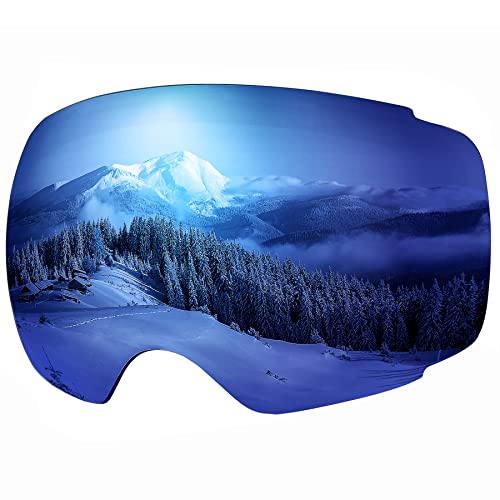
OutdoorMaster PRO Ski Goggle Lens – VLT Options
- ✓ Wide VLT selection
- ✓ Easy to swap out
- ✓ Excellent anti-fog coating
- ✕ Limited to OutdoorMaster PRO only
- ✕ Slightly pricier than basic lenses
| Lens Material | Polycarbonate with anti-fog coating |
| VLT Options | Multiple options including over 20 different VLT levels, including polarized and photochromic lenses |
| UV Protection | 100% UV400 |
| Lens Technology | Dual-lens insulation with anti-fog coating |
| Color Variants | Over 20 different colored lenses for style customization |
| Compatibility | Designed exclusively for OutdoorMaster Ski Goggle PRO model |
Sticking a new lens onto my OutdoorMaster PRO goggles, I was surprised to see how much the color changed the vibe of my day on the slopes. That vibrant purple lens?
Instantly made everything look more lively, even in dull overcast conditions.
What caught me off guard was how easily these lenses snapped in and out. The fit is tight but smooth, so I didn’t worry about any wobbling or slipping mid-run.
Plus, with over 20 color options, I felt like I had a new pair of goggles for every mood and weather—no boring, all-style.
The VLT options are a game changer. I switched from a polarized, darker lens for bright sun to a lighter, photochromic one when clouds rolled in.
The clarity remained crisp thanks to the anti-fog coating, even during intense climbs and quick descents.
The durability is impressive. The lenses feel sturdy, and the UV400 protection kept my eyes safe from the glaring sun.
I also appreciated how well the dual-lens insulation prevented fogging, which can be a real headache on cold, humid days.
Overall, these lenses elevate the versatility of your goggles without sacrificing style or performance. They’re a smart upgrade for anyone serious about staying clear-eyed through every weather shift on the mountain.
Wildhorn Roca Ski Goggles UV400 Anti-Fog/Scratch

- ✓ Easy quick lens swap
- ✓ Crystal-clear anti-fog view
- ✓ Stylish and versatile design
- ✕ Extra lenses sold separately
- ✕ Slightly higher price point
| Lens Technology | Interchangeable Aurora lens with quick swap in under 60 seconds |
| Lens Coatings | Anti-fog and anti-scratch coatings |
| Lens Material | Spherical dual-lens made from shatterproof polycarbonate |
| UV Protection | 100% UV protection |
| Frame Material | Thermoplastic urethane with soft-touch, anti-slip coating |
| Additional Lenses | Multiple color and tint options available for customization |
The moment I popped on the Wildhorn Roca goggles and saw how effortlessly I could swap out the lenses in under a minute, I knew these were a game-changer. The magnetic lens system is so smooth, I could change from bright sun to overcast conditions without missing a beat.
It’s like having multiple goggles in one, without the hassle of carrying extra gear.
The Aurora lenses really do deliver a crystal-clear view, even in tricky weather. The anti-fog coating kept my vision sharp all day, and I never worried about scratches, thanks to the tough anti-scratch layer.
Plus, the wide panoramic spherical design gave me a great, undistorted view of the mountain terrain — no blind spots or weird distortions.
What I appreciated most was how comfortable they felt, even during long runs. The triple-layer foam is soft and snug, and the anti-slip coating on the frame kept them secure.
I also liked the stylish look, with colors that pop and suit both men and women. They’re durable too, made from shatterproof polycarbonate, so I wasn’t worried about a tumble or a crash.
Whether you’re a seasoned skier or just love snowboarding, these goggles handle it all. They perform well in bright sun or overcast skies, thanks to the range of Aurora lenses available.
And being designed in Utah, they seem built for the toughest mountain conditions.
Overall, the Wildhorn Roca goggles combine style, performance, and convenience. The quick lens change feature alone makes them worth it, but the tech and comfort truly elevate your mountain experience.
What Factors Influence the Best Color for Snowboard Goggle Lenses?
The best color for snowboard goggle lenses is influenced by several key factors that enhance visibility and comfort on the slopes.
- Weather Conditions: Different weather conditions require specific lens colors to optimize visibility. For bright, sunny days, darker lenses like grey or bronze reduce glare, while lighter lenses such as yellow or rose enhance contrast on overcast or snowy days.
- Light Conditions: The intensity of light affects how well you can see while snowboarding. Lenses that are tinted for low light conditions can help improve depth perception and clarity when visibility is poor, while reflective coatings can help manage bright sunlight.
- Terrain Type: The type of terrain you plan to ride on can dictate the best lens color. For instance, if you are riding in flat light or on heavily shaded trails, lenses that enhance contrast, like amber or gold, can help distinguish between variations in the snow surface.
- Personal Preference: Comfort and style play significant roles in lens color choice. Some riders may prefer certain colors not only for functionality but also for aesthetic reasons, as different colors can match their gear or personal style.
- Lens Technology: Advanced lens technologies, such as photochromic or polarized lenses, can also influence the effectiveness of the color. Photochromic lenses adjust their tint based on light conditions, providing versatility, while polarized lenses reduce glare from reflective surfaces, enhancing overall vision clarity.
How Do Different Lens Colors Affect Visibility While Snowboarding?
Different lens colors can significantly impact visibility while snowboarding, enhancing depth perception and reducing glare based on the weather conditions and terrain.
- Yellow/Gold: Yellow or gold lenses are excellent for overcast or low-light conditions as they increase contrast and depth perception. They help to brighten the environment, making it easier to see bumps and variations in the snow, which is crucial for maintaining control and safety.
- Clear: Clear lenses are ideal for night riding or extremely low-light conditions. They provide maximum visibility without tint, allowing the rider to see clearly without any interference from color distortion, making them a versatile option for all-around conditions.
- Rose/Pink: Rose or pink lenses enhance contrast and can improve visibility in varying light conditions, especially during partly cloudy days. These colors help to filter out blue light, which can enhance the definition of the snow surface, making it easier to navigate tricky terrain.
- Dark Gray/Smoke: Dark gray or smoke lenses are perfect for bright, sunny days as they offer maximum glare reduction and protect against UV rays. They provide a natural color perception, which helps in maintaining clarity of vision while reducing eye strain in high-glare environments.
- Blue/Purple: Blue or purple lenses are less common but can be effective in certain conditions, particularly for enhancing contrast in cloudy or snowy environments. They can also add a stylish touch to the snowboard gear while still offering functional benefits in specific lighting scenarios.
- Mirrored: Mirrored lenses reflect light and reduce glare, making them suitable for bright and sunny days. They not only provide a stylish look but also enhance visibility by minimizing the harshness of sunlight reflecting off the snow, which can be blinding.
What Are the Advantages of Yellow Lenses for Snowboarding?
Yellow lenses in snowboard goggles offer several advantages that enhance the overall snowboarding experience, particularly in low-light conditions. Here are the key benefits:
-
Enhanced Visibility: Yellow lenses improve contrast and depth perception, making it easier to spot irregularities on the snow, such as bumps or changes in terrain. This is particularly beneficial on overcast days or during dusk when light conditions are suboptimal.
-
Low-Light Performance: These lenses excel in flat light conditions commonly found in cloudy or snowy weather. They brighten up the field of vision, allowing riders to maintain better awareness and control.
-
Reduced Eye Strain: By filtering out blue light, yellow lenses help reduce eye strain, which can be especially useful during long days on the slopes. This can be a considerable advantage for those spending hours snowboarding.
-
Versatile Use: Yellow lenses can be worn in various conditions, not just poor visibility. Their ability to adapt to changing light makes them a good option for ambivalent weather days.
-
Comfort and Safety: Improved visibility and reduced glare contribute to a safer snowboarding experience, allowing riders to navigate obstacles more confidently.
Choosing goggles with yellow lenses can significantly enhance performance and enjoyment on the slopes, especially in challenging light conditions.
Why Are Rose or Pink Lenses Beneficial in Various Conditions?
Rose or pink lenses are increasingly popular among snowboarders for their advantageous features in varying conditions. Their visual characteristics offer multiple benefits:
-
Enhanced Contrast: Rose lenses significantly boost contrast, making it easier to distinguish terrain features such as bumps, shadows, and obstacles. This can improve overall safety and awareness on the slopes, particularly on flat trails or in overcast conditions.
-
Low-Light Performance: These lenses excel in low-light environments, such as during cloudy days or early morning riding. They allow more visible light to pass through while filtering out harmful UV rays, promoting a clearer view when visibility is compromised.
-
Versatility: Rose or pink lenses are remarkably versatile, suitable for a range of weather conditions from sunny to overcast. They can adapt to various light levels, providing skiers and snowboarders with a reliable option throughout the day.
-
Reduced Eye Strain: The softer tones of rose lenses can help reduce eye fatigue, allowing athletes to stay focused longer without discomfort. This is crucial for those spending hours on the slopes.
Choosing rose or pink lenses can enhance your on-slope experience, improving clarity and reducing fatigue across diverse skiing conditions.
When Should You Use Dark Lenses on Bright Days?
Using dark lenses on bright days is essential for optimal performance and eye protection while snowboarding.
- Bright Sunlight Conditions: Dark lenses are particularly effective in environments with intense sunlight, as they significantly reduce glare and help maintain visibility.
- High Altitude: At higher altitudes, UV radiation increases, making dark lenses crucial for protecting your eyes from harmful rays that can cause long-term damage.
- Reflective Surfaces: Snow and ice can reflect sunlight, amplifying brightness and glare; dark lenses help filter this excess light, improving comfort and reducing eye strain.
- Longer Exposure Times: If you plan to be on the mountain for extended periods, dark lenses can help prevent fatigue and discomfort caused by prolonged exposure to bright conditions.
Bright Sunlight Conditions: When the sun is shining brightly, dark lenses can effectively filter out a significant amount of light, which is essential for maintaining clarity on the slopes. This reduction in glare enhances contrast, allowing snowboarders to better navigate the terrain.
High Altitude: Snowboarding often occurs in mountainous regions where the elevation can lead to increased UV exposure. Dark lenses provide an additional layer of protection against these harmful rays, which can lead to serious eye conditions like cataracts over time.
Reflective Surfaces: The reflective nature of snow can create an overwhelming amount of brightness, which can be distracting and uncomfortable. Dark lenses are designed to combat this glare, ensuring that snowboarders can see clearly without squinting or straining their eyes.
Longer Exposure Times: Spending whole days outdoors in bright conditions can lead to eye fatigue. Dark lenses not only protect against UV rays but also reduce the amount of light entering the eyes, making it easier for snowboarders to maintain focus and enjoy their time on the mountain without discomfort.
How Do Weather Conditions Impact Lens Color Choices?
Weather conditions significantly influence the best color choices for snowboard goggle lenses, affecting visibility and comfort on the slopes.
- Bright Sunny Days: For clear, sunny conditions, darker lenses like gray or brown are ideal as they reduce glare and provide comfortable visibility. These colors filter out a significant amount of light, enhancing contrast and depth perception while preventing eye strain.
- Partly Cloudy Conditions: In overcast or partly cloudy weather, lenses with a rose or amber tint are beneficial. These colors increase contrast and brightness, allowing snowboarders to see contours in the snow more clearly, which can enhance safety and performance.
- Flat Light or Snowy Conditions: When facing flat light or heavy snowfall, using lenses with yellow or gold tints can improve visibility. These colors help to highlight the terrain’s features, making it easier to navigate through whiteout conditions and preventing potential hazards.
- Night Riding: For night riding, clear or lightly tinted lenses are recommended. They provide the necessary visibility to navigate in low light without compromising on protection from potential debris or obstacles.
- Variable Conditions: Photochromic lenses, which adjust their tint based on light exposure, are a versatile option for changing weather. They can darken in bright conditions and lighten in lower light, ensuring optimal visibility regardless of changing weather patterns throughout the day.
Which Lens Color Works Best in Low-Light Conditions?
The best lens colors for low-light conditions in snowboarding include the following options:
- Yellow: Yellow lenses are excellent for low-light conditions because they enhance contrast and depth perception, making it easier to see bumps and changes in terrain.
- Gold: Gold lenses provide a warm tint that can brighten up flat light conditions, improving visibility while still offering a degree of contrast.
- Rose: Rose lenses are favored for their ability to filter out blue light, which can make visibility clearer in overcast weather and during snowstorms.
- Clear: Clear lenses are ideal for extremely low-light conditions or nighttime snowboarding, as they provide maximum visibility without any tint, allowing natural light to pass through unobstructed.
Yellow lenses are particularly effective because they allow more light to enter the goggles while filtering out blue light, which can create a murky appearance in flat light. This results in enhanced clarity and makes it easier for snowboarders to navigate challenging environments.
Gold lenses not only help in low light but also add a stylish touch to the goggles. They offer a balance of brightness and contrast, making them suitable for variable conditions where the sky may be overcast yet still requires some level of definition in the snow.
Rose lenses shine in cloudy and snowy conditions by increasing contrast and providing a clearer view of the terrain. Their ability to reduce glare also makes them a popular choice for those who ride in mixed conditions or during twilight hours.
Clear lenses are the go-to option for night riding or when the weather is extremely poor. They provide unimpeded vision, ensuring that the rider can see as clearly as possible even when light levels are at their lowest.
How Should Lens Color Change with Overcast Weather?
The best color snowboard goggle lens for overcast weather is typically one that enhances visibility and contrast in low-light conditions.
- Yellow or Gold: Yellow and gold lenses are excellent for overcast days as they enhance contrast and depth perception, making it easier to see the contours of the snow and any obstacles.
- Rose or Pink: Rose or pink lenses also work well in cloudy conditions, as they filter out blue light, which can help improve visibility and reduce eye fatigue.
- Clear: Clear lenses are ideal for very low-light conditions, providing maximum light transmission without any color distortion, allowing for a natural view of the environment.
- Light Blue or Light Green: Light blue and light green lenses can enhance contrast in flat light conditions, making them another good option for overcast days by brightening the view without overwhelming colors.
Yellow or gold lenses are particularly effective because they amplify the light that comes through, making it easier to distinguish between variations in the snow surface and any potential hazards, which is crucial for safety and performance.
Rose or pink lenses excel in filtering out certain wavelengths of light, which can lead to improved clarity and reduce glare, thus providing a more comfortable visual experience when navigating through flat light conditions.
Clear lenses are often overlooked but are a practical choice for very dull, overcast days, as they allow the most light to enter while offering protection against wind and debris, making them versatile for various weather conditions.
Light blue and light green lenses can also enhance the sharpness of the snowy landscape by providing a slight tint that helps to see the terrain better without compromising too much on brightness, creating a balanced viewing experience.
What Lens Colors Are Most Popular Among Pro Snowboarders?
The most popular lens colors among pro snowboarders are essential for optimizing visibility and performance in varying light conditions.
- Rose: Rose lenses enhance contrast and depth perception, making them a favored choice for cloudy and overcast days. They allow riders to see the contours of the snow more clearly, which can improve safety and performance.
- Yellow: Yellow lenses are excellent for low-light conditions and are known for their ability to brighten up the terrain. They filter out blue light, which helps in reducing glare and improving visibility during flat light situations.
- Dark Tint (Gray or Black): Dark tints are popular for bright, sunny days as they reduce overall brightness and glare effectively. These lenses provide a true color perception, which helps riders maintain depth perception while navigating the slopes under intense sunlight.
- Clear: Clear lenses are ideal for night riding or extremely low-light conditions, providing maximum visibility without any tint. They allow the most light to enter the goggles, making them versatile for various conditions where color distortion is not desired.
- Chrome/Mirror: Chrome or mirror lenses are not only stylish but also reflective, which helps in reducing glare from the sun. They come in various colors and are particularly effective in bright conditions, offering both functionality and aesthetic appeal.
How Can Proper Care Extend the Life of Your Snowboard Goggle Lenses?
Proper care can significantly extend the life of your snowboard goggle lenses by protecting them from scratches, fogging, and other damages.
- Cleaning: Regular cleaning of the lenses with a microfiber cloth is essential to remove dirt and smudges without scratching the surface.
- Storage: Proper storage in a protective case when not in use helps prevent accidental damage and exposure to elements that can degrade the lens quality.
- Anti-fog Treatments: Applying anti-fog solutions can help maintain clear visibility in varying weather conditions, thus preventing the need for frequent replacements.
- Avoiding Direct Sunlight: Keeping goggles out of direct sunlight when not in use can prevent the lenses from degrading due to UV exposure and heat.
- Regular Inspections: Regularly checking for signs of wear, such as scratches and cracks, allows for timely repairs or replacements, ensuring optimal performance.
Cleaning your lenses frequently with a microfiber cloth designed for eyewear prevents grime build-up and scratches, which can impair vision. Avoid using paper towels or clothing, as these materials can cause micro-scratches that accumulate over time.
Storing your goggles in a protective case when they are not in use minimizes the risk of accidental drops or impacts that could shatter or scratch the lenses. This practice also protects against dust and moisture accumulation, which can lead to fogging.
Using anti-fog treatments can significantly improve visibility by preventing moisture from condensing on the inside of the lenses during temperature changes. This is particularly useful in varying climates where sudden weather shifts can occur.
Avoiding direct sunlight is crucial as prolonged exposure can weaken the lens material and fade any tinting or coatings that enhance performance. Keeping them in a shaded or cool area helps preserve their integrity.
Regular inspections allow you to catch and address any damage before it worsens, which can save you from needing to purchase new goggles. By replacing scratched or cracked lenses promptly, you ensure your goggles remain effective and safe for use on the slopes.
Related Post: