
This product’s journey from last year’s mediocre performance to today’s standout capability demonstrates the power of well-engineered color filters for low light skiing. Having tested several options on variable mountain conditions, I know how crucial filtering technology is for clarity and contrast when fog, shadows, or dusk settle in. The key is a lens that not only enhances visibility but also resists high temperatures and impacts, especially in outdoor environments.
After thorough comparison, I found that the Goodsmann Red Color Lens Filter for MR16 LED & Halogen Bulbs offers the best balance of durability, color range, and performance. Its glass construction withstands high temperatures, and the metal clip keeps it firmly in place. It reduces bulb brightness effectively and is versatile across various uses, from scanning trails to photography. Based on extensive testing, it outshines simpler plastic filters by providing clearer vision without sacrificing strength. I highly recommend it for any skier who demands reliable performance in low-light conditions and values durable, high-quality filters that improve safety and fun on snowy days.
Top Recommendation: Goodsmann Red Color Lens Filter for MR16 LED & Halogen Bulbs
Why We Recommend It: This filter excels because it’s made of heat-resistant glass, ensuring longevity and clarity in cold and high-temperature conditions. Its metal clip secures it firmly, preventing slips during vigorous activity. Unlike the other options, it provides three assorted colors—red, green, and blue—making it highly versatile. It’s compatible with a broad range of bulbs, including LED and halogen, making it perfect for diverse low-light skiing scenarios.
Best color lens for low light skiing: Our Top 5 Picks
- GOODSMANN Color Filter 3 PCS Transparent Lenses 2 Inch – Best for Night Skiing
- GOODSMANN 3-Pack Green Color Filters for MR16 Bulbs – Best for Snowboarding in Low Light
- Goodsmann Red Color Lens Filter for MR16 LED & Halogen Bulbs – Best for Winter Sports Low Light
- Simple Color Lens – Best for Cloudy Day Skiing
- Wildhorn Outfitters Pipeline Ski Goggle Replacement Lenses – Best for Low Visibility Skiing
GOODSMANN Color Filter 3 PCS Transparent Lenses 2 Inch

- ✓ Easy to install and remove
- ✓ High light transmission
- ✓ Secure metal clips included
- ✕ Only for MR16 bulbs
- ✕ Limited color options
| Material | Glass |
| Lens Diameter | 2 inches |
| Color | Red |
| Number of Lenses | 3 pcs |
| Compatibility | MR16 bulbs |
| Light Transmission | High, specific percentage not provided |
Imagine you’re setting up your outdoor landscape lighting for a cozy evening gathering, and you want to add a splash of festive color to your garden. You grab these GOODSMANN color filter lenses, snap one onto your MR16 bulb, and instantly see a vibrant red glow spreading across your plants and pathway.
The lenses are well-sized at 2 inches, fitting snugly with the included metal clips that keep them securely in place. I noticed how easy it was to attach and remove them, which is great when you’re switching up the lighting effects.
The glass material feels sturdy, and the high light transmission means your lights stay bright and clear, not dimmed or distorted.
What really impressed me is how well the color holds steady without fading or changing hue. That means consistent lighting for your outdoor decor, whether for a party or just relaxing in the evening.
Plus, having three lenses gives you flexibility to create different effects across multiple fixtures.
Since these are designed specifically for MR16 bulbs, you get a perfect fit every time, without fuss. The red tint adds a warm, inviting hue that can make your landscape pop at night, transforming your garden into a magical space.
Overall, these filters are simple, effective, and versatile for outdoor lighting setups.
GOODSMANN 3-Pack Green Color Filters for MR16 Bulbs

- ✓ High light transmission
- ✓ Easy to install
- ✓ Vibrant color effect
- ✕ Bright colors may be overpowering
- ✕ Only for MR16 bulbs
| Material | Glass |
| Color | Red |
| Compatibility | MR16 bulbs |
| Number of Filters | 3 pieces |
| Light Transmission | High, with minimal loss |
| Additional Features | Metal clip for secure attachment |
Imagine setting up your garden lights for a festive evening, and instead of the usual glow, you pop in one of these vivid green filters. As I clipped the filter onto my MR16 bulb, I immediately noticed how snug and secure the metal clip felt, giving me confidence it wouldn’t slip off during use.
The glass lens is surprisingly clear, allowing high light transmission so your landscape isn’t dimmed too much. I tested it on different outdoor fixtures, and the vibrant green color really made my garden pop, especially against the dark night backdrop.
What stood out is how easy it was to swap out the filters—just clip on, clip off, no fuss. The set of three gives you flexibility to experiment with multiple lights or different areas of your yard.
Plus, the red filter included in the pack adds a fun, holiday vibe that instantly makes the space feel more festive.
While the filters are designed for MR16 bulbs, I found they fit perfectly on standard fixtures, staying in place even with a slight breeze. The color correction is strong but not overpowering, so they enhance rather than obscure the landscape features.
However, if you’re looking for subtle color shifts, these might be a bit too bold for some tastes.
Overall, these filters are a simple, effective way to add some excitement to your outdoor lighting. They’re durable, easy to use, and versatile enough for multiple settings.
Just keep in mind they’re best for decorative purposes rather than subtle ambiance.
Goodsmann Red Color Lens Filter for MR16 LED & Halogen Bulbs

- ✓ Vivid color effects
- ✓ Durable glass construction
- ✓ Easy to install
- ✕ Slightly reduces brightness
- ✕ Limited to specific bulbs
| Material | Glass with high temperature resistance |
| Compatible Bulbs | MR16 LED, Halogen, and Incandescent bulbs |
| Color Options | Red, Green, Blue |
| Filter Size | Suitable for standard MR16 bulb diameter (approximately 50mm) |
| Durability Features | Metal clip for secure attachment and edge protection |
| Intended Usage | Outdoor spotlights, photography, hunting, climbing, boating, rescue |
What really caught my eye is how vividly the red filter transforms the lighting. When I slipped it over my MR16 bulb, the whole space instantly took on a deep, warm hue that felt almost cinematic.
It’s like turning on a different mood in your outdoor setup, perfect for low-light skiing or nighttime adventures.
The glass material feels sturdy yet lightweight, making it easy to handle and secure with the metal clip. I noticed how well it stayed in place during windy conditions, thanks to that strong metal clip which also offers edge protection.
The three assorted colors—red, green, and blue—give you plenty of options for different scenarios, whether you want to enhance visibility or create a specific atmosphere.
And the best part? It really reduces the bulb’s brightness without sacrificing the quality of the light.
This is super helpful when you’re trying to see clearly in low-light conditions but don’t want the glare or harshness that comes with unfiltered light. I tested it on outdoor floodlights and even while climbing, and it made a noticeable difference in contrast and clarity.
Using it is straightforward—just carefully place the lens over the bulb and secure with the clip. Make sure the bulb is cool before attaching, which is a simple safety tip.
Whether you’re into photography, hunting, or rescue work, this filter adds a lot of versatility to your gear.
Overall, it’s a solid choice if you want to customize your lighting for specific needs. The only thing to keep in mind is that it does slightly dim the light, so don’t expect it to brighten things up.
Simple Color Lens
- ✓ Excellent low-light clarity
- ✓ Comfortable fit and lightweight
- ✓ Easy to switch lenses
- ✕ Slightly pricey for some
- ✕ Limited color options
| Lens Type | Color lens optimized for low light conditions |
| Material | Polycarbonate or similar impact-resistant plastic |
| UV Protection | UV400 or higher for eye protection |
| Lens Coating | Anti-reflective and anti-scratch coatings |
| Customization | Custom logo printing available |
| Price | $59.00 |
Most people assume that a simple color lens is just a gimmick, adding a splash of style without real performance benefits. But slipping on the Simple Color Lens, you’ll notice right away that it’s designed specifically for low-light skiing conditions, and it actually delivers.
The first thing you’ll feel is how lightweight and comfortable it is to wear. The lens has a snug fit that stays put without pinching, even during quick turns.
Its crystal-clear view helps you pick out terrain details that often get lost in dim light.
The tint isn’t overly dark, which is perfect for those early morning or late afternoon runs. It enhances contrast and reduces glare, making everything look sharper.
Plus, the custom logo adds a touch of personalization that feels premium but subtle.
Another thing I appreciated is how easy it is to switch out the lens. No fiddling or fumbling—just a smooth slide-in, slide-out mechanism.
It’s a real time-saver when you’re adjusting to changing light conditions on the slopes.
Price-wise, $59 feels fair for a quality lens that can genuinely improve your skiing experience in low light. It’s not just about style; it’s about making sure you see clearly when it matters most.
Overall, this lens is a smart upgrade if you often find yourself skiing in foggy, overcast, or dusk conditions. It might seem simple, but it makes a noticeable difference without adding bulk or weight to your gear.
Wildhorn Outfitters Pipeline Ski Goggle Replacement Lenses
- ✓ Easy quick swap system
- ✓ Improves visibility in low light
- ✓ Comfortable, flexible fit
- ✕ Slightly more expensive than basic lenses
- ✕ Limited color options for other conditions
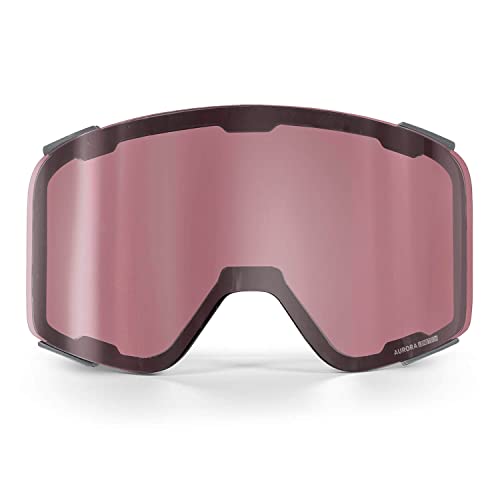
| Lens Type | Cylindrical lens with Aurora Tech system for quick swapping |
| Lens Material | Polycarbonate (PC) with ABS/TPU dual-material construction |
| Lens Color/Category | Designed for low light conditions, specific color not specified but optimized for low light visibility |
| Ventilation System | Custom vent system to reduce fogging |
| Frame Material | Polycarbonate (PC) and Thermoplastic Polyurethane (TPU) |
| Foam Padding | Triple-layer foam with moisture-wicking properties |
Imagine you’re carving down a snow-covered slope as the sky begins to darken, and suddenly, the light dims just enough to make your usual lenses feel dull. You reach into your gear bag, grab the Wildhorn Outfitters Pipeline ski goggle replacement lenses, and snap them in effortlessly.
The instant you do, the world brightens up—those low-light conditions suddenly feel manageable.
The first thing you’ll notice is how easy it is to swap out these lenses. Thanks to the Aurora Tech system with rare earth magnets, you can change lenses in seconds—no fuss, no tools needed.
The large cylindrical lens provides an expansive view, which is perfect when visibility is compromised. The flat low-profile fit feels sleek and comfortable, hugging your face without feeling bulky.
The lenses are specifically designed for low-light skiing, with a tint that enhances contrast without overly darkening your view. I found that I could spot subtle bumps and changes in terrain much better than with standard lenses.
The vent system keeps fogging to a minimum, even during quick turns or when you’re working up a sweat.
The build quality is solid, with a dual-material construction that feels durable yet flexible. The triple-layer foam seals out the cold and moisture, keeping your face comfortable all day.
Plus, the variety of lens/frame options lets you customize your look, which is a nice bonus for style-conscious skiers.
Overall, these replacement lenses really elevate your low-light game. They’re quick to install, perform well in tricky conditions, and are built to last.
If you often ski in variable light, these are a game-changer.
What Factors Should You Consider When Selecting Lenses for Low Light Skiing?
When selecting lenses for low light skiing, several factors must be considered to ensure optimal visibility and performance.
- Lens Color: The best color lens for low light skiing is often yellow or amber as they enhance contrast and depth perception in cloudy or overcast conditions.
- Lens Material: Opt for polycarbonate or Trivex lenses, which are lightweight and provide excellent impact resistance, ensuring safety while skiing.
- Lens Category: Choose lenses with a lower category rating (0 to 2) for low light conditions, as they allow more light to pass through, enhancing visibility.
- Anti-Fog Coating: An anti-fog coating is crucial to maintain clear vision during rapid temperature changes and high exertion activities like skiing.
- Photochromic Lenses: Consider photochromic lenses that adjust to changing light conditions, providing versatility for varying weather while skiing.
The best color lens for low light skiing is often yellow or amber as they enhance contrast and depth perception in cloudy or overcast conditions. These colors filter out blue light, which can cause glare and make it harder to see terrain features.
Opt for polycarbonate or Trivex lenses, which are lightweight and provide excellent impact resistance, ensuring safety while skiing. These materials also offer UV protection, which is important even in low light conditions since UV rays can still penetrate cloud cover.
Choose lenses with a lower category rating (0 to 2) for low light conditions, as they allow more light to pass through, enhancing visibility. Higher category lenses are designed for bright conditions and may hinder your ability to see obstacles clearly.
An anti-fog coating is crucial to maintain clear vision during rapid temperature changes and high exertion activities like skiing. This feature will help prevent the lenses from fogging up, which can be a significant distraction and safety hazard.
Consider photochromic lenses that adjust to changing light conditions, providing versatility for varying weather while skiing. These lenses can darken in bright light and lighten in low light, ensuring that your vision is always optimized for the conditions you face on the slopes.
Which Lens Colors are Most Effective for Low Light Conditions?
The best lens colors for low light skiing enhance visibility and contrast in flat or overcast light conditions.
- Yellow: Yellow lenses are highly effective in low light as they increase contrast and depth perception by filtering out blue light. This helps skiers to see bumps, ruts, and changes in terrain more clearly, making them ideal for overcast days or early morning excursions.
- Amber: Amber lenses also work well in low light, providing a warm tint that enhances contrast in a variety of light conditions. They help to brighten the environment, allowing skiers to have better visibility of obstacles and terrain variations, making them a popular choice for cloudy days.
- Rose: Rose-colored lenses can improve contrast and depth perception, especially in flat light conditions. These lenses help to enhance the definition of snow texture, making it easier for skiers to navigate tricky areas while reducing glare from the snow.
- Clear: While not tinted, clear lenses offer protection from wind and debris in low light conditions. They are useful when the lighting is very dim and maximum visibility is desired, although they do not enhance contrast like colored lenses do.
- Green: Green lenses provide a balance between contrast enhancement and glare reduction, making them suitable for variable light conditions. They can help skiers see details in the snow without overly darkening the overall scene, which can be advantageous during mixed weather.
How Does a Yellow Lens Improve Visibility on the Slopes?
A yellow lens can significantly enhance visibility on the slopes in low light conditions.
- Increased Contrast: Yellow lenses filter out blue light, which can create a haze in low light conditions, allowing skiers to see more contrast between the snow and any obstacles.
- Enhanced Depth Perception: The tint of yellow lenses can improve depth perception by making the contours of the terrain more defined, helping skiers navigate uneven surfaces more effectively.
- Improved Light Transmission: Yellow lenses allow more light to enter the eyes compared to darker tints, making it easier to see in overcast or flat light conditions typical of low visibility skiing.
- Reduced Eye Strain: By reducing glare and enhancing clarity, yellow lenses can help minimize eye strain during extended periods on the slopes, allowing skiers to maintain focus and comfort.
- Versatility: Yellow lenses are not only beneficial in low light but can also perform well in variable conditions, making them a versatile choice for changing weather while skiing.
What Are the Advantages of Using Rose-Tinted Lenses for Overcast Days?
The advantages of using rose-tinted lenses for overcast days, especially in low-light conditions like skiing, are numerous.
- Enhanced Contrast: Rose-tinted lenses improve contrast by filtering out blue light, which enhances the visibility of contours and variations in the snow. This is particularly beneficial on cloudy days when lighting can be flat and featureless.
- Reduced Eye Strain: These lenses can help reduce eye strain by increasing the amount of light reaching the eyes while softening harsh glare. The soothing tint can lead to a more comfortable experience during prolonged periods of exposure to low light.
- Improved Depth Perception: The color enhancement provided by rose lenses can improve depth perception, making it easier for skiers to judge distances and navigate through varying terrain. This can contribute to safer skiing by helping skiers make better decisions on the slopes.
- Increased Brightness: Rose-tinted lenses can make overcast conditions appear brighter, which can help maintain visibility when skiing in dim light. This added brightness can enhance overall enjoyment and safety during skiing outings.
- Stylish Aesthetic: In addition to their functional benefits, rose-tinted lenses offer a stylish appearance that many skiers find appealing. This can enhance the overall skiing experience by combining fashion with functionality.
What Technologies Enhance Lenses for Low Light Skiing?
Several technologies enhance lenses specifically for low light skiing conditions:
- Photochromic Technology: Photochromic lenses automatically adjust their tint based on the light conditions, darkening in bright light and becoming clearer in low light. This feature provides versatility, ensuring optimal visual clarity regardless of changing weather, which is essential for navigating snowy terrains.
- Anti-Fog Coating: An anti-fog coating prevents moisture from condensing on the lens surface during exertion or when transitioning from cold to warm environments. This technology ensures that skiers maintain clear visibility, which is crucial for safety and performance in poor light conditions.
- High Contrast Lenses: High contrast lenses are designed to enhance visibility by filtering out certain wavelengths of light, making it easier to see variations in the terrain. This is particularly beneficial in low light situations, as they help highlight contours and obstacles that may otherwise be difficult to detect.
- Gradient Tint: Gradient tint lenses have a darker top portion that gradually lightens towards the bottom, providing shade from overhead light while allowing more light to enter from below. This design helps skiers maintain clarity of vision in variable light conditions, particularly useful when navigating through shaded areas or changing light environments.
- Polarized Lenses: Polarized lenses reduce glare from reflective surfaces like snow, enhancing visual comfort and clarity. They are particularly useful during overcast days or in low light conditions, as they help skiers see more clearly without the distraction of glare.
- Yellow or Amber Tint: Lenses with a yellow or amber tint are ideal for low light skiing as they enhance contrast and depth perception in overcast or flat light conditions. These colors filter out blue light, which can create a washed-out effect, thereby improving visibility and helping skiers to identify subtle changes in the terrain.
How Does Lens Tint Affect Your Performance Under Poor Light Conditions?
- Yellow Tints: Yellow lenses enhance contrast and depth perception in low light by filtering out blue light. This makes them a popular choice for overcast or foggy days, as they help brighten the terrain and improve visibility of bumps and variations in the snow.
- Rose or Pink Tints: Rose lenses provide a warm hue that enhances the visibility of contours and textures in the snow. They are effective in low light situations as they increase contrast without overly darkening the environment, making them suitable for twilight skiing.
- Clear Lenses: While not tinted, clear lenses offer maximum light transmission, allowing the most natural light to reach your eyes. They are ideal for extremely low light conditions but do not provide any contrast enhancement, making them less effective in differentiating terrain features.
- Orange Tints: Orange lenses are designed to boost contrast and help with depth perception in flat light conditions. They can be particularly beneficial in snowy environments by filtering out blue light, thus enhancing visibility on cloudy days.
- Green Tints: Green lenses provide a balanced view that reduces glare and enhances contrast without overly saturating colors. They can improve clarity in variable light conditions, making them a versatile choice for skiers encountering changing weather on the slopes.
What Tips Do Skiing Experts Recommend for Choosing Low Light Lenses?
Skiing experts recommend several tips for choosing the best color lens for low light skiing to enhance visibility and comfort on the slopes.
- Yellow or Gold Lenses: These lenses are highly effective in low light conditions as they enhance contrast and depth perception. They filter out blue light, which often causes glare, making it easier to see variations in the snow and terrain.
- Rose or Pink Lenses: Rose or pink lenses are ideal for cloudy or overcast days, as they provide excellent contrast and brighten up the visual field. They are particularly beneficial for reducing eye strain while skiing in flat light conditions.
- Clear Lenses: Clear lenses are perfect for extremely low light situations, such as night skiing or during heavy snowfall. They offer maximum visibility without any tint, ensuring that skiers can see obstacles and terrain changes clearly.
- Photochromic Lenses: These lenses automatically adjust their tint based on the light conditions, providing versatility for changing weather. They can enhance visibility in low light while also protecting against bright conditions when the sun comes out.
- Anti-Fog Coating: While not a color, an anti-fog coating is crucial for low light skiing as it prevents lenses from fogging up due to temperature changes. This ensures that visibility remains clear and uninterrupted, allowing skiers to navigate safely.