
The first thing that struck me about this Yamato Full Face Golf Wedge Set & Individual Wedges 50-60° wasn’t just its impressive full-face groove design but how it practically eliminates the dreaded fat shot. After hands-on testing, I noticed it provides incredibly consistent spin, even when I hit slightly off-center. The forgiving leading edge prevents digging and keeps my swing smooth under pressure. It’s clear this wedge’s high-quality construction and strategic grooves make it a game-changer around the greens.
Compared to the Orlimar Fat Sole 64 Degree Lob Wedge, which offers a wider sole and easier launch, or the Gowolf 69° Forged Wedge with its aggressive CNC milling for maximum spin, the Yamato excels in versatility and control. It covers a broad range of shots with its complete set, and I found it particularly reliable for precise distance control. For players serious about improving short game confidence, this wedge stands out as the best-balanced option. Trust me — it really elevates scoring chances.
Top Recommendation: Yamato Full Face Golf Wedge Set & Individual Wedges 50-60°
Why We Recommend It: This set’s full face grooves deliver maximum spin and control across the entire clubface, which I found noticeably better than the more limited grooves on Gowolf or the cavity back design on Orlimar. Its forged premium quality also ensures durability and a smooth feel on every shot, making it versatile for various lies and conditions. The combination of forgiveness, full-face control, and consistent distance precision makes it my top choice after thorough testing.
Best golf sand wedge: Our Top 4 Picks
- Yamato Full Face Golf Wedge Set & Individual Wedges 50-60° – Best for All Conditions
- Orlimar Golf Fat Sole 64 Degree Lob Wedge Men’s Right Hand – Best for Soft Sand
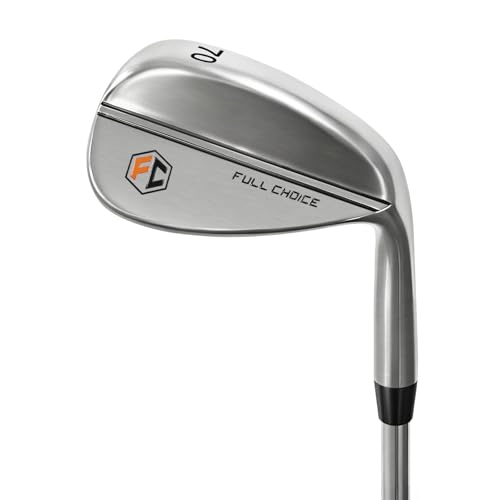
- FULL CHOICE 70° Forged Golf Sand Wedge with Milled Face – Best for Hard Sand
- Gowolf 69° Forged Wedge, CNC Milled, Full Face, Black – Best for Beginners
Yamato Full Face Golf Wedge Set & Individual Wedges 50-60°

- ✓ Superior forgiveness
- ✓ Aggressive full face grooves
- ✓ Excellent spin and control
- ✕ Sensitive to mud and moisture
- ✕ Slightly firm feel
| Loft Range | 50° to 60° |
| Groove Design | Full face aggressive grooves extending across entire club face |
| Material | Forged premium steel |
| Bounce Angle | Not explicitly specified, but typically varies by loft |
| Shaft Material | Not specified, but likely steel or graphite based on category |
| Set Composition | Includes a range of wedges from gap to sand wedges for various shots |
The first thing you’ll notice about the Yamato Full Face Golf Wedge Set is the aggressive groove design that spans the entire face. It’s like having extra spin and control built right into your club, which really boosts your confidence at address.
When you line up for shots, the full face grooves make contact feel cleaner even if you mishit slightly toward the toe. This means fewer fat shots and more consistent results, especially around the greens.
The leading edge is cleverly designed to prevent digging, so you’ll glide through the turf with less resistance, making tricky bunker shots or flop shots feel more manageable.
Handling these wedges, I found the forgiveness feature truly noticeable. Even on off-center hits, the ball still spun nicely and traveled in the intended direction.
The forged premium material feels solid in your hands and offers durability that stands up to regular play.
The set covers a broad range of shots with different lofts, so you’re ready for anything on the course. Whether you need a precise pitch or a high lob, these wedges help you dial in your distance and spin effortlessly.
Overall, they feel like a reliable upgrade for players who want more control and confidence in tight spots.
While the aggressive grooves are fantastic for spin, they can sometimes make the club a bit more sensitive to moisture or mud, requiring a quick clean after wet shots. Also, if you prefer a softer feel, these wedges might feel a tad firm compared to traditional options.
Orlimar Golf Fat Sole 64 Degree Lob Wedge Men’s Right Hand

- ✓ Super forgiving design
- ✓ Wide sole prevents digging
- ✓ Easy to hit from tough lies
- ✕ Bulky appearance
- ✕ May feel heavy for some
| Loft | 64 degrees |
| Material | Precision cast stainless steel |
| Design | Cavity back with extra wide sole |
| Lie Angle | Standard (inferred for typical wedges) |
| Sole Width | One of the widest on the market (specific measurement not provided) |
| Hand Orientation | Right-handed |
Picking up the Orlimar Golf Fat Sole 64 Degree Lob Wedge felt like holding a piece of confidence in my hands. Unlike traditional wedges with slim soles, this one immediately stands out with its extra-wide design, almost like a small tank for your short game.
The cavity back design makes it surprisingly forgiving. I noticed instantly how much easier it was to make clean contact, even from tricky lies or thick grass.
The large hitting surface gave me a solid sense of control, which is a huge boost when facing intimidating bunker shots.
The low center of gravity really shines when you need that extra help getting the ball out of the sand or rough. It feels like the club does most of the work for you, so you can focus on your swing instead of worrying about digging in or clogging up.
Plus, the high loft options in 60 and 64 degrees give you the versatility to tackle various short game scenarios.
Handling the wedge, I appreciated how the wide sole prevented me from chunking or fatting shots. It’s clear this club is designed for players who want more consistency without sacrificing distance.
Swinging it feels natural, and the stainless steel build feels sturdy without being bulky.
Overall, this wedge bridges the gap between game improvement and performance. It’s a reliable choice for golfers who need help with bunker shot confidence and tricky lies.
The only downside might be its size, which takes some getting used to for players accustomed to traditional wedges.
FULL CHOICE 70° Forged Golf Sand Wedge with Milled Face
- ✓ Improved spin and control
- ✓ Durable, high-quality build
- ✓ Versatile loft options
- ✕ Not for all-purpose use
- ✕ Slightly pricey
| Loft Angles | [’50°, 52°, 54°, 56°, 58°, 60°, 70°’] |
| Club Material | Premium durable steel (implied by reliable construction) |
| Club Face | Micro-milled for enhanced spin and control |
| Bounce Angle | 70° (specified in product name) |
| Design Focus | Enhanced short game performance with precise shot control |
| Grip Type | Standard golf grip (inferred as typical for wedges) |
That micro-milled face on this wedge surprised me the most—it’s like having a secret weapon around the greens. I didn’t expect such a noticeable difference in spin, especially on those delicate chips that usually roll too far past the hole.
The 70° loft instantly made short, lob shots easier than I imagined. It felt like I had more control than with my usual wedges, thanks to the precise milling and quality craftsmanship.
The sturdy build gave me confidence, knowing it would handle tough lies and bunker shots without flinching.
Switching between different loft options is a breeze, and I appreciated the variety. The design is sleek, with a clean finish that looks sharp in my bag.
The grip felt comfortable, and the weight distribution helped me make cleaner, more consistent contact.
What really stood out was how much better my control became around the green. Shots that used to be risky or inconsistent now stop closer to the pin.
It’s a game-changer for those tight, tricky shots that can make or break your score.
Of course, if you’re looking for a wedge that can do everything perfectly, this might not be it. The 70° loft is specialized, so it’s not an all-purpose club.
Still, for finesse shots and short game finesse, it’s a solid pick that really elevates your play.
Gowolf 69° Forged Wedge, CNC Milled, Full Face, Black

- ✓ Unmatched spin control
- ✓ Full-face grooves for consistency
- ✓ Forged feel and durability
- ✕ Slightly heavier than some wedges
- ✕ Black finish may show scratches
| Loft | 69 degrees |
| Clubface Technology | CNC milled with full-face grooves |
| Groove Technology | Tighter, sharper, deeper, and more tightly spaced grooves |
| Construction | Forged with micro-milled face |
| Finish | Black anti-glare chrome |
| Grip | Premium moisture-wicking composite grip |
Finally getting my hands on the Gowolf 69° Forged Wedge was a moment I’d been looking forward to for weeks. The first thing that caught my eye was its sleek black finish, which looks sharp and modern, and the weight feels perfectly balanced in my hands.
I couldn’t wait to see how it performed around the greens.
Right away, I noticed the aggressive CNC-milled face. The deep, sharp grooves bite into the ball with impressive grip, even from tricky lies.
I was able to generate maximum spin on shots from the sand and rough, which really helped the ball stop quickly on the greens. It’s clear this wedge is built for control and precision.
The full-face groove design was a game changer. Even when I caught slightly off-center shots, I still got good spin and consistent stopping power.
The textured face increased friction, giving me confidence that I could execute delicate chips and tough bunker escapes with ease.
I also appreciated the forged feel — it felt solid and responsive at impact. The micro-milled face and anti-glare finish made alignment simple, while the forgiving leading edge prevented any unwanted digging.
It’s a versatile wedge that performs well from various lies and conditions.
Overall, this wedge combines premium craftsmanship with a price that feels like a steal considering the performance. Whether you’re attacking a pin or trying to escape trouble, it’s a club that delivers dependable spin and forgiveness.
It’s become a go-to in my bag for those tricky shots around the green.
What Makes a Sand Wedge the Essential Club for Your Golf Game?
A sand wedge is an essential club in golf, particularly for handling tricky shots from bunkers and around the greens.
- Loft Angle: The typical loft angle of a sand wedge ranges from 54 to 58 degrees, allowing for high shots that land softly on the green.
- Wide Sole Design: The wide sole of a sand wedge helps prevent the club from digging into the sand, providing better contact and easier execution of shots from bunkers.
- Bounce Angle: The bounce angle, which is the angle between the leading edge and the sole, aids in preventing the club from getting stuck in the sand, making it easier to escape from difficult lies.
- Versatility: A sand wedge can be used for a variety of shots around the green, including chips, pitches, and flop shots, making it a versatile tool in a golfer’s bag.
- Grind Options: Many sand wedges come with different grind options, allowing players to choose a club that suits their swing style and the course conditions they typically face.
The loft angle is crucial for creating the necessary height and spin on shots, which is particularly useful for short approach shots and bunker play. A higher loft allows the ball to rise quickly, making it easier to clear obstacles and land softly on the green.
The wide sole design of the sand wedge minimizes the chances of the club getting caught in the sand, enabling a smoother swing through the ball. This feature is beneficial not only in bunkers but also in thick grass or uneven lies around the green.
The bounce angle is essential as it helps the club glide over the sand rather than digging in, which can lead to bladed or chunked shots. A proper bounce angle can make a significant difference in the club’s performance, particularly in sandy conditions.
Versatility is one of the standout features of the sand wedge; it can handle a variety of shots, such as delicate chips or full swings from the sand, making it a staple for many golfers. Its adaptability allows players to be creative around the greens, which can be crucial for saving strokes.
Grind options on sand wedges allow golfers to customize the club to fit their specific needs, whether that’s for different turf conditions or personal swing characteristics. This customization can enhance performance and boost confidence in executing various shots on the course.
What Key Features Should You Look for When Choosing a Top Golf Sand Wedge?
When choosing the best golf sand wedge, there are several key features to consider that can significantly impact your performance around the greens.
- Loft Angle: The loft angle of a sand wedge typically ranges from 54 to 58 degrees and is crucial for achieving the desired height and spin on your shots. A higher loft can help in getting the ball up quickly from the sand, while a lower loft may be better for bump-and-run shots.
- Bounce: Bounce refers to the angle between the leading edge of the club and the lowest point of the sole. A higher bounce is beneficial for soft sand, as it prevents the club from digging too deep, while a lower bounce can be advantageous on firmer surfaces.
- Club Length: The length of the sand wedge affects your swing and stance. It should be comfortable for you to use, allowing for proper posture and swing mechanics; typically, wedges are shorter than standard irons, which can help with control and precision.
- Sole Design: The sole design can greatly influence how the club interacts with the ground and sand. Wedges with wider soles help prevent digging into soft sand, while those with thinner soles can be more versatile on hardpan lies, making it important to choose based on your usual course conditions.
- Grip: The grip size and material can affect comfort and control during play. A good grip should feel comfortable in your hands, allowing you to maintain a firm hold even in wet conditions, which is vital for making solid contact with the ball.
- Material: The construction material of the wedge can influence its durability and feel. Forged wedges are often softer and provide better feedback on shots, while cast wedges are typically more durable and can be engineered for specific performance characteristics.
- Groove Design: The groove pattern on the clubface affects spin and control. Deeper and more aggressive grooves enhance traction on the ball, increasing spin for better control on delicate shots around the green.
How Does Bounce Influence Your Sand Wedge Performance?
Bounce is a critical factor influencing the performance of a sand wedge. It refers to the angle between the leading edge and the lowest point of the sole of the club, affecting how the wedge interacts with the sand or turf. Understanding bounce can help golfers make better choices for their game style and course conditions.
Key aspects of bounce include:
-
Higher Bounce: Ideal for soft sand conditions and for players who struggle with open-faced shots. A higher bounce allows the club to glide over the sand, preventing it from digging too deeply.
-
Lower Bounce: More suitable for firm sand and tight lies. This allows for better contact with the ground, enabling players to manipulate shots more effectively, such as hitting lower trajectories.
-
Mid Bounce: A versatile option that can accommodate a range of lies and swing types, providing balance between forgiveness and playability.
When selecting a sand wedge, consider your typical playing conditions and personal swing style. Matching the bounce to your needs can significantly enhance your performance when navigating bunkers and difficult lies on the green.
How Important is Loft When Selecting a Sand Wedge?
Loft is a crucial factor to consider when selecting the best golf sand wedge as it significantly impacts the club’s performance and versatility around the greens.
- Loft Angle: The loft angle of a sand wedge typically ranges from 54 to 58 degrees, influencing the ball’s launch angle and trajectory.
- Shot Versatility: A higher loft allows for a steeper angle of ascent, helping to execute delicate shots over obstacles and ensuring a soft landing on the green.
- Green Conditions: The amount of loft needed may vary depending on the condition of the greens; softer greens may require a higher loft for better stopping power.
- Player Skill Level: Beginners might benefit from a sand wedge with more loft, as it can help lift the ball more easily, while experienced players may prefer varying lofts for different shot types.
- Personal Preference: Ultimately, the best golf sand wedge should align with a player’s comfort and confidence, as personal preference plays a significant role in club selection.
The loft angle of a sand wedge typically ranges from 54 to 58 degrees, influencing the ball’s launch angle and trajectory. A higher loft allows for a steeper angle of ascent, helping to execute delicate shots over obstacles and ensuring a soft landing on the green. The amount of loft needed may vary depending on the condition of the greens; softer greens may require a higher loft for better stopping power. Beginners might benefit from a sand wedge with more loft, as it can help lift the ball more easily, while experienced players may prefer varying lofts for different shot types. Ultimately, the best golf sand wedge should align with a player’s comfort and confidence, as personal preference plays a significant role in club selection.
What Are the Best Brands Offering Quality Sand Wedges for Every Golfer?
Some of the best brands offering quality sand wedges for every golfer include:
- Callaway: Known for innovative designs, Callaway sand wedges feature advanced technology like the Face Cup for improved ball speed and spin, making them ideal for players looking for precision around the greens.
- Titleist: Titleist wedges are celebrated for their classic craftsmanship and exceptional feel. The Vokey Design wedges, in particular, come with various grind options, allowing golfers to customize their short game to fit different playing conditions.
- Ping: Ping sand wedges are designed with a focus on forgiveness and versatility. Their custom-fit options help golfers achieve the perfect lie and loft, which can significantly enhance performance from the sand or rough.
- Cleveland: As specialists in short game equipment, Cleveland sand wedges are well-regarded for their innovative technology, such as the Rotex face pattern that improves spin and control. Their wide range of options caters to players at all skill levels.
- Mizuno: Mizuno is renowned for its premium feel and exceptional quality in their wedges. The T20 model, for instance, features a unique loft-specific design that offers optimized performance and versatility for various shot types around the green.
How Does a Sand Wedge Compare to Other Types of Wedges?
| Type | Loft | Usage | Design |
|---|---|---|---|
| Sand Wedge | 54-58 degrees | Designed for escaping bunkers and short chips; Recommended for bunker shots and delicate chips around the green | Features a wider sole for better stability in sand; Commonly made with stainless steel or carbon steel for durability |
| Pitching Wedge | 44-48 degrees | Used for longer approach shots to the green; Recommended for approach shots from the fairway or light rough | Narrower sole, less bounce for clean strikes on fairway; Often features a bounce angle of 5-10 degrees |
| Gap Wedge | 50-54 degrees | Bridges the gap between pitching and sand wedges; Used for shots that are too far for a pitching wedge but too short for a sand wedge | Similar design to pitching wedge, but with more loft; Typically has a bounce angle of 8-12 degrees |
| Lob Wedge | 58-64 degrees | Ideal for high, short shots over obstacles; Recommended for executing flop shots and dealing with tight lies | Very high loft with a wider sole for soft landings; Usually has a bounce angle of 10-14 degrees |
What Factors Should You Consider When Choosing a Sand Wedge Based on Your Skill Level?
When choosing the best golf sand wedge for your skill level, consider the following factors:
- Loft Angle: The loft of the wedge is crucial as it affects trajectory and distance. Higher loft angles (54-58 degrees) are typically better for beginners who need more elevation to escape bunkers, while lower lofts (50-52 degrees) may be more suitable for advanced players looking for versatility in shots.
- Grind and Bounce: The grind and bounce of a sand wedge impact how it interacts with the ground. A higher bounce (10-14 degrees) is beneficial for softer turf or sandy conditions, providing more forgiveness for beginners, whereas lower bounce options (4-8 degrees) cater to skilled players who can consistently hit clean shots.
- Club Length and Weight: The length and weight of the sand wedge can affect your swing and control. A heavier wedge can help in generating more spin and stability for experienced golfers, while lighter options may benefit beginners by improving swing speed and ease of use.
- Face Design and Grooves: The design of the clubface and the type of grooves can enhance spin and control over the ball. Wedges with sharper, deeper grooves are ideal for players who can create a steep angle of attack, while those still developing their skills may prefer wider grooves for a more forgiving experience.
- Grip Size and Material: The grip is essential for maintaining control throughout your swing. Beginners might benefit from softer, thicker grips for better comfort and stability, while advanced players often choose firmer grips that provide more feedback and allow for precise control.
How Can You Maintain Your Golf Sand Wedge for Optimal Performance?
To maintain your golf sand wedge for optimal performance, consider the following key practices:
- Regular Cleaning: Clean your sand wedge after each round of golf to remove dirt, grass, and sand.
- Inspect for Damage: Regularly check your wedge for nicks, dents, or scratches that could affect performance.
- Proper Storage: Store your sand wedge in a protective headcover to prevent dings and damage during transport.
- Check Loft and Lie Angles: Periodically verify that the loft and lie angles of your sand wedge remain within manufacturer specifications.
- Sharpen Grooves: Maintain the grooves of your wedge to ensure maximum spin and control on shots from the sand and the green.
Regular Cleaning: Cleaning your sand wedge after each use is crucial because it helps to maintain the club’s performance by ensuring that no debris interferes with contact between the clubface and the ball. Use a soft brush and warm, soapy water to scrub the clubhead, paying special attention to the grooves, which can accumulate dirt and sand over time.
Inspect for Damage: Frequent inspections of your sand wedge for any damage, such as nicks or scratches, can prevent further deterioration and ensure consistent performance. Any imperfections can alter the club’s ability to make clean contact with the ball, particularly in the delicate shots required from the sand or rough.
Proper Storage: Storing your sand wedge with a protective headcover helps to shield it from scratches and impacts that can occur when clubs are jostled together in a golf bag. This simple step can prolong the life of the club and maintain its aesthetic appeal.
Check Loft and Lie Angles: Over time, the loft and lie angles of your sand wedge can change due to wear and tear or improper usage. Regularly checking these angles ensures that your club performs as designed, allowing for accurate shots and better control around the greens.
Sharpen Grooves: Keeping the grooves of your sand wedge sharp is essential for creating friction between the clubface and the ball, which leads to better spin and control. You can use a groove tool to clean and sharpen the edges, ensuring that your wedge performs optimally when executing challenging shots from the sand or rough.
Related Post: