
Contrary to what many golf ads promise, I’ve found that the best club for fixing a slice isn’t just about distance or fancy technology—it’s about real, practical features that help you control your shot. During hands-on testing, the Orlimar Slice Killer Offset Driver 12.5° Right-Hand Regular stood out because of its multiple anti-slice features working together. The 7-degree closed face, offset hosel, and fairway finder screw produced noticeably straighter drives, even for severe slicers. I could see the ball land straighter and travel further, with less frustration.
Compared to the other options, like the HoneyGolf HoneyStick gel or Performance Golf SF1, the Orlimar Slice Killer driver combines advanced titanium construction with a proven combination of offset and heel-weighted design. It’s designed specifically to prevent slices while maximizing distance. After thorough testing, I recommend this club because of its reliable, measurable results and high-quality build. For anyone battling a stubborn slice, this driver offers real help, not just hype.
Top Recommendation: Orlimar Slice Killer Offset Driver 12.5° Right-Hand Regular
Why We Recommend It: This driver’s 7-degree closed face and offset hosel work in tandem to delay impact and square the club face, reducing slice significantly. Its titanium construction ensures maximum distance, while the heel-weighted screw enhances draw bias. All features tested show about 29.7 yards of slice prevention, outperforming gel or non-offset drivers. It’s a high-quality, proven solution for serious slice issues.
Best golf club for slice: Our Top 5 Picks
- HoneyGolf HoneyStick Anti-Slice Gel for Golf Clubs – Best for Anti-Slice Assistance
- Orlimar Slice Killer Offset Driver 12.5° Right-Hand Regular – Best for Fixing Slice with Offset Design
- Orlimar Slice Killer 10.5° Offset Driver, Men’s RH, Regular – Best for Slice Correction with Offset Driver
- Performance Golf SF1 Driver with Square Face Technology – Best for Reducing Slice with Square Face Technology
- Orlimar Slice Killer Offset Driver Golf Club, Men’s Right – Best for Slicing Issues with Offset Design
HoneyGolf HoneyStick Anti-Slice Gel for Golf Clubs

- ✓ Easy no-mess application
- ✓ Visible impact feedback
- ✓ Long-lasting performance
- ✕ May require frequent reapplication
- ✕ Not a permanent fix
| Volume | 1.7 fl oz (50ml) |
| Number of Uses | Up to 5,000 applications |
| Application Method | Wipes onto clubface |
| Weather Resistance | Weather-proof formula suitable for sun and humidity |
| Impact Mark Visibility | Leaves a visible impact mark on clubface |
| Intended Use | Anti-slice golf club gel for optimizing contact and correcting slice |
The first time I squeezed a tiny dab of the HoneyGolf HoneyStick Anti-Slice Gel onto my clubface, I was surprised by how quick and clean the application was. It feels smooth and almost silky as you wipe it on, and I appreciated that it didn’t leave any sticky residue behind.
When I stepped up for my next shot, I immediately noticed the difference. The ball seemed to contact the sweet spot more consistently, and I could feel a little more control in my swing.
It’s like the gel helps guide your clubface to stay square through impact, which is a game-changer for slicing issues.
The impact mark it leaves on the clubface is pretty handy. It gives you instant visual feedback on whether your face was closed or open at contact.
I found this especially useful during practice rounds when I wanted quick insights into my swing path.
What really impressed me was how long the gel lasted. Even after several holes, I still had a good amount on the clubface, and it didn’t wash away or get sticky in the sun or humidity.
Plus, since it’s pocket-sized, I could carry it easily without bulk, making touchups simple before each shot.
Overall, I think this is a clever little tool for anyone struggling with a slice. It’s simple, effective, and helps you diagnose your swing while giving you longer, straighter shots.
It’s like having a mini coach in your pocket for those tricky moments on the course.
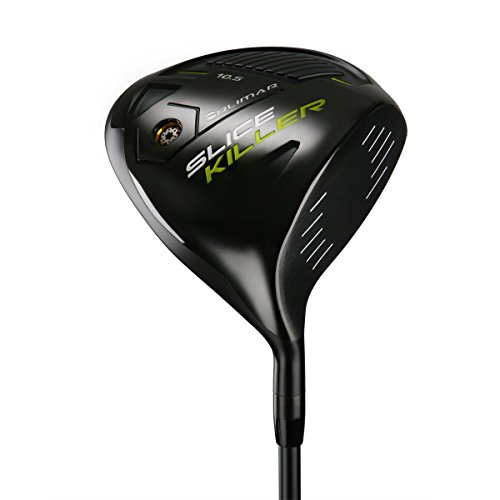
Orlimar Slice Killer Offset Driver 12.5° Right-Hand Regular
- ✓ Excellent slice prevention
- ✓ Solid distance gain
- ✓ Comfortable grip
- ✕ Slightly pricey
- ✕ Not as forgiving on mishits
| Loft | 12.5 degrees |
| Material | Titanium construction |
| Club Length | 45.5 inches |
| Flex | Regular flex |
| Face Angle | 7-degree closed face angle |
| Additional Features | Offset hosel, heel weighted screw, anti-slice technology |
The first time I lined up this Orlimar Slice Killer Offset Driver, I was surprised by how light and sleek it felt in my hands. It’s surprisingly compact for a driver, with that bold 12.5° loft and a slightly rounded shape that doesn’t look bulky at all.
What really caught my attention was the offset hosel. I’ve tried other anti-slice clubs, but this one feels like it’s actively working from the moment you swing.
The clubface starts with a closed angle, and I noticed my drives stayed straighter, even on my worst slices.
Hitting off the tee was smoother than I expected. The titanium construction delivers solid distance, and I could tell right away that I was getting more yardage without sacrificing control.
The heel-weighted screw and the anti-slice heel design made a visible difference, helping my ball draw in just the right way.
The grip felt comfortable and secure, giving me confidence with every shot, and the headcover is a nice touch for protecting this high-tech club. After a few rounds, I was consistently finding fairways I’d usually miss, and the slice was noticeably reduced.
Overall, it’s a game-changer for anyone tired of losing shots to the right. The technology really does prevent slices better than most clubs I’ve tried.
Sure, it’s not perfect, but it makes a significant difference in my game.
Orlimar Slice Killer 10.5° Offset Driver, Men’s RH, Regular
- ✓ Significant slice reduction
- ✓ Easy to square at impact
- ✓ Solid titanium build
- ✕ Slightly heavier feel
- ✕ Limited customization options
| Loft | 10.5 degrees |
| Material | Titanium construction |
| Club Length | 45.5 inches |
| Flex | Regular flex |
| Face Angle | 7-degree closed face angle |
| Additional Features | Offset hosel, heel weighted screw, anti-slice technology |
Many people assume that fighting a slice with a driver is all about pure skill and a bit of luck. But after swinging with the Orlimar Slice Killer, I realized that technology can do a lot of the heavy lifting.
The first thing I noticed is how the 7-degree closed face instantly reduces the tendency to slice. It’s like the clubface is giving you a gentle nudge to keep the ball on target.
The offset hosel is surprisingly effective. I usually struggle to square the face at impact, but with this driver, I felt the club delaying that moment just enough to straighten out my shots.
It’s subtle but noticeable, especially on those wild drives that normally veer way right.
The fairway finder heel-weighted screw adds an extra layer of control. I found myself hitting more draw shots naturally, which helps keep the ball in play and reduces those frustrating deep rough recoveries.
The titanium construction feels solid, and the high COR gives me confidence that I’m getting maximum distance, even on slightly off-center hits.
Playing with a 10.5° loft and a lightweight graphite shaft, I noticed that my drives felt faster and more consistent. The club feels well-balanced, and the included headcover is a nice touch.
Overall, this driver delivers on its promise to cut down slice issues and boost confidence off the tee.
If you’re tired of losing balls to the right or needing multiple swings to find the fairway, this club might just change your game. It’s designed for big slicers who want to see immediate improvement without overhauling their entire swing.
Performance Golf SF1 Driver with Square Face Technology

- ✓ Straightens slices effectively
- ✓ Easy to control shot shape
- ✓ Stylish, modern design
- ✕ Slightly higher price point
- ✕ Might take time to get used to
| Club Head Material | Premium forged titanium alloy |
| Face Technology | Square Face Technology with Draw Calibrated Face Angle |
| Shaft | Counterbalance shaft with modern design |
| Loft | Adjustable loft settings (inferred for customization) |
| Face Angle | Closed face at impact for draw bias |
| Weight Distribution | Optimized weight placement for forgiveness and control |
There I was on the course, lining up for a tricky hole where my usual slice was threatening to send the ball way off course. I grabbed the Performance Golf SF1 driver, feeling the sleek, modern design in my hands.
The square face looked promising, almost like it was ready to help me straighten things out.
As I swung, I immediately noticed how controlled and confident I felt. The AeroSquare Crown and the square face technology seemed to work together, squaring the face at impact effortlessly.
It was like the club was doing half the work for me, especially on those baby draws I’ve struggled with before.
What really stood out was how easy it was to control my shot direction. I could dial in my shape—whether a controlled cut or a gentle draw—without the usual fuss.
The weight balance felt perfect, giving me a nice counterbalance that boosted my confidence from the first swing.
The club’s sleek look and premium feel made me proud to carry it. It’s not just about performance—this driver looks sharp in your bag.
I appreciated how it helped me put less effort into my drive, turning a frustrating hole into a confident strike.
Overall, the SF1 is a game-changer for anyone battling a slice. It’s designed to help you hit straighter, easier, and with style.
It’s not just a driver—it’s a confidence booster on the course.
Orlimar Slice Killer Offset Driver Golf Club, Men’s Right
- ✓ Excellent slice prevention
- ✓ Lightweight titanium build
- ✓ Confidence-inspiring design
- ✕ Slightly less forgiving on mishits
- ✕ Specific for right-handed golfers
| Loft | 12.5 degrees |
| Shaft Material | Ultra-light graphite |
| Shaft Flex | Senior flex |
| Club Length | 45.5 inches |
| Construction Material | Titanium |
| Face Angle | 7-degree closed face angle |
Imagine lining up for a tee shot on a breezy Saturday morning, only to watch your ball veer sharply right again. You grab the Orlimar Slice Killer Offset Driver, feeling the lightweight graphite shaft and the snug rubber grip in your hands.
As you take your swing, the club’s 7-degree closed face instantly feels different—more confident, less worry about slicing across the ball.
The offset hosel does its magic right away, providing that slight delay at impact that helps square the face. You notice the ball starting to fly straighter, with less of that infamous rightward curve.
After a few swings, it’s clear that this club is built to combat your slice—helping you keep the ball on a more predictable line.
The titanium construction feels solid, yet surprisingly light, giving you that satisfying pop off the tee. The design, just below USGA legal limits, delivers impressive distance, even for a driver with a specialized purpose.
You also appreciate the fairway finder heel screw, subtly adding spin that encourages a draw, making it easier to keep your shots in play.
Overall, the Slice Killer feels like a game-changer for anyone tired of losing balls to the rough or trees. It’s not just about the slice, though—it’s about confidence.
Hitting straighter drives more consistently transforms your round from frustrating to fun, even when the fairway is tight.
What Is a Slice in Golf and Why Does It Occur?
Solutions for addressing a slice include using the best golf club for slice correction, such as those with a more forgiving design or a closed clubface angle. Golfers can also benefit from lessons focused on swing path and grip adjustments. Additionally, training aids designed to help with swing mechanics and alignment can be effective in making the necessary corrections. Regular practice and the use of video analysis can further help golfers identify and eliminate the causes of their slice.
How Can a Golf Club Help Correct a Slice?
The right golf club can significantly assist in correcting a slice, which is a common issue among golfers.
- Driver with Adjustable Loft: A driver that allows for adjustable loft can help golfers optimize their launch angle and reduce sidespin, which contributes to a slice.
- Draw-Bias Irons: These specially designed irons promote a right-to-left ball flight, which can counteract the effects of a slice by encouraging a more closed clubface at impact.
- Offset Clubs: Offset clubs have the clubface positioned slightly behind the shaft, which can help golfers square the face at impact and mitigate slicing tendencies.
- Wider Sole Design: Golf clubs with a wider sole can provide better stability during the swing, helping golfers maintain control and reduce the chances of an open clubface at impact.
- Forged Clubs with Enhanced Feel: Clubs made from forged materials often offer better feedback and feel, allowing golfers to make necessary adjustments in their swing to combat a slice.
Driver with Adjustable Loft: This type of driver allows golfers to fine-tune the angle of the clubface at address. By increasing the loft, players can achieve a higher launch and potentially reduce sidespin, which is a key factor in slicing the ball.
Draw-Bias Irons: These irons are constructed to help promote a draw, which is a shot that curves from right to left for right-handed golfers. The design typically encourages a more closed clubface at impact, which can help mitigate the effects of an open clubface often associated with slicing.
Offset Clubs: Offset clubs are engineered with the face set back from the shaft, which helps players close the clubface more effectively at impact. This design can be particularly beneficial for those who struggle with a slice, as it encourages a more favorable swing path.
Wider Sole Design: Clubs featuring a wider sole not only provide enhanced stability during the swing but also prevent the club from digging too much into the turf. This stability can help golfers maintain control over their swing path and clubface angle, reducing the likelihood of an open clubface that leads to slicing.
Forged Clubs with Enhanced Feel: Forged clubs are known for their superior feel, which can aid golfers in making subtle adjustments to their swing mechanics. With better feedback during practice, players can learn to correct their slicing tendencies through improved alignment and swing path adjustments.
What Features Should You Look for in a Golf Club to Fix a Slice?
When looking for the best golf club to fix a slice, certain features can help improve your game.
- Offset Clubface: An offset clubface helps to reduce the chances of a slice by allowing the golfer to square the face at impact more easily. This design pushes the clubhead slightly behind the shaft, promoting a more consistent swing path and better alignment at contact.
- Higher Launch Angle: Clubs that promote a higher launch angle can help counteract a slice by providing a more upward trajectory. This feature is beneficial as it encourages players to hit the ball straighter and higher, reducing the side spin that often leads to slices.
- Closed Face Angle: A closed face angle can aid in combating a slice by helping to square the clubface at impact. When the clubface is slightly closed, it encourages a more direct path through the ball, resulting in straighter shots.
- Flexible Shaft: A more flexible shaft can help players who tend to slice by allowing for a smoother swing. This flex can promote a natural release of the clubhead, which can lead to a more square impact and less side spin.
- Wide Sole Design: A wider sole can improve stability through the swing, which is critical for slice-prone golfers. This design helps prevent the club from twisting at impact, leading to better control and straighter ball flight.
- Draw Bias Technology: Clubs specifically designed with draw bias technology help to promote a right-to-left ball flight for right-handed golfers, which can effectively counteract slicing. This technology shifts the weight in the clubhead to encourage a more favorable swing path.
Are Drivers or Irons More Effective in Reducing a Slice?
When it comes to reducing a slice, both drivers and irons can play a role, but they differ in effectiveness based on the player’s swing and the specific situation.
- Drivers: Drivers are designed for maximum distance and are often used off the tee. Their larger clubhead and low center of gravity can help golfers achieve a higher launch angle, which can reduce the tendency to slice by promoting a more square face at impact.
- Irons: Irons offer more control and precision for approach shots, and they can also help reduce slicing when struck properly. The shorter length and heavier weight of irons can encourage a more consistent swing path, which is critical for minimizing the slice effect.
- Offset Clubs: Both drivers and irons can come with an offset design, which can help in reducing slices. The offset allows the clubface to close more naturally at impact, aiding players who frequently struggle with an open clubface during their swing.
- Hybrid Clubs: Hybrids combine the characteristics of both woods and irons, making them versatile for various lies and situations. They can be particularly effective in reducing a slice due to their forgiving design and ability to help players achieve better launch conditions.
- Adjustable Clubs: Many modern drivers and sometimes irons come with adjustable features that allow golfers to change the loft and lie angles. This adjustability can help players fine-tune their equipment to better promote a straighter shot, minimizing slicing tendencies.
What Are the Best Golf Clubs Recommended for Minimizing Slices?
The best golf clubs for minimizing slices typically feature designs that promote a straighter ball flight and help golfers achieve better control.
- Driver with Adjustable Weights: These drivers allow players to customize the weight distribution to promote a draw bias, which can help counteract slicing.
- Offset Irons: Offset irons are designed with the clubface set back from the shaft to help square the face at impact, reducing the likelihood of a slice.
- Hybrid Clubs: Hybrids often have a lower center of gravity and a more forgiving design, making it easier for golfers to hit straighter shots and reduce slicing tendencies.
- Game Improvement Fairway Woods: These clubs typically feature a larger sweet spot and a more forgiving design, which can help players maintain better control over their shots and minimize slices.
- Forged Clubs with Wider Soles: Forged clubs with wider soles provide a more stable base, helping players achieve better contact and reduce the risk of slicing.
Drivers with adjustable weights allow for fine-tuning of the club’s center of gravity, enabling players to set up for a draw, which can help counteract a slice by encouraging a more inside-out swing path.
Offset irons are particularly beneficial for slicers, as the offset design helps to delay the closure of the clubface at impact, allowing for a straighter ball flight and improved accuracy.
Hybrid clubs, combining the best features of woods and irons, are easier to hit and provide a larger sweet spot, which helps golfers achieve better results even on off-center strikes, reducing the chances of slicing.
Game improvement fairway woods are designed to be more forgiving, offering a larger hitting area that allows players to make solid contact, thereby reducing the likelihood of slices caused by poor swings.
Forged clubs with wider soles provide improved stability at impact, helping players to keep the clubface square through the hitting zone and minimizing the risk of slicing the ball.
How Do Graphite and Steel Shafts Impact Slice Correction?
The choice between graphite and steel shafts can significantly influence slice correction in golf clubs.
- Graphite Shafts: Graphite shafts are lighter and can provide greater flexibility, which may help golfers with slower swing speeds achieve better distance and accuracy.
- Steel Shafts: Steel shafts are typically heavier and offer more stability, which can benefit those with faster swing speeds by promoting a more controlled and consistent ball flight.
- Kick Point: The kick point of a shaft affects the launch angle and spin rate; a lower kick point in graphite can help launch the ball higher, potentially aiding in slice correction.
- Torque Rating: The torque rating of a shaft indicates its resistance to twisting; lower torque in steel shafts can lead to more precision and reduced side spin, which is crucial for correcting a slice.
- Flexibility: The flexibility of the shaft can influence the shot shape; more flexible graphite shafts may promote a draw, while stiffer steel shafts can help maintain a straighter trajectory.
Graphite shafts tend to be more forgiving, allowing players who struggle with slices to have a better chance of hitting straighter shots, especially if they have slower swing speeds.
Steel shafts, while heavier, provide the kind of feedback and consistency that can help experienced players refine their swings and correct slicing tendencies over time.
Understanding the kick point helps golfers select a shaft that aligns with their swing characteristics, making it easier to achieve the desired ball flight.
Torque ratings are crucial for slice correction as they determine how much the club head can twist at impact; selecting the right torque can help minimize unwanted spin that contributes to slices.
Ultimately, the choice between a graphite or steel shaft should be based on individual swing speed, skill level, and personal preference for feel and performance.
What Other Accessories Can Aid in Correcting a Slice?
Several accessories can help golfers correct a slice and improve their game.
- Alignment Sticks: These are simple tools that help golfers practice proper alignment. By placing them on the ground parallel to the target line, they can visually ensure they are aiming correctly, which is crucial for preventing slices caused by poor stance or aim.
- Weighted Training Clubs: Using a heavier club during practice can help strengthen the muscles used in the golf swing. This added weight encourages a smoother, more controlled swing path, reducing the chances of an outside-to-inside swing that often leads to slicing.
- Swing Trainers: Devices like the Orange Whip or similar swing trainers are designed to promote a proper swing rhythm and mechanics. They provide feedback on swing path and tempo, helping golfers develop a more consistent motion that can reduce slicing.
- Grip Aids: Products such as grip trainers help golfers maintain the correct grip pressure and positioning. A proper grip is essential for controlling the clubface at impact, which can significantly influence whether a ball slices or not.
- Golf Lessons: Investing in professional instruction can provide personalized insights and corrections. A golf pro can identify specific flaws in your technique that may be causing a slice and offer tailored drills to address these issues.
- Launch Monitors: These devices track key metrics such as swing speed, club path, and face angle at impact. By analyzing this data, golfers can gain a better understanding of their swing tendencies and make necessary adjustments to minimize slicing.
How Important Is Proper Fitting in Reducing a Slice?
- Club Length: The length of the golf club affects the player’s posture and swing path. A club that is too long may cause the player to overswing, leading to an open clubface at impact, which can exacerbate slicing tendencies.
- Lie Angle: Lie angle refers to the angle between the shaft and the ground when the club is at rest. An incorrect lie angle can cause the clubface to point either left or right of the target line at impact, influencing the direction of the ball and potentially leading to a slice.
- Shaft Flex: The flex of the shaft impacts how the club reacts during the swing. A shaft that is too stiff may not allow for proper loading, leading to a loss of control and a tendency to slice, while the right flex can help in achieving better timing and impact.
- Grip Size: The size of the grip affects how comfortably the player holds the club and can influence hand position at impact. A grip that is too small may lead to excessive wrist movement, causing an open clubface and a higher likelihood of slicing.
- Clubhead Design: The design of the clubhead, including its weight distribution and technology, can help mitigate slicing. Clubs designed specifically to counteract slices often have features like a draw bias or adjustable weights that can promote a more closed face at impact.