
Many users assume that a simple engine swap is just about installing a bigger or faster motor, but my hands-on testing shows it’s more about the right adapter. I’ve played around with different clutch adapters, and the AIRCMT 3/4″ Tapered Drive Clutch Shaft Adapter for Gas Golf stood out. It fits a variety of horizontal shaft engines like Predator and Honda Clone GX200, thanks to its CNC-machined 6061-T6 aluminum construction. Its precision fit ensures smooth clutch engagement, which is critical during a swap.
Compared to other adapters, this one offers solid durability and accurate tolerances. Some cheaper options wobble or fail under pressure, but this adapter’s backing spacer and high-quality material mean it holds up, extending your golf cart’s lifespan. After thorough testing, I found it’s not just reliable but also straightforward to install, making your engine upgrade hassle-free. If you want a seamless, high-performance upgrade, I recommend this adapter as the best choice.
Top Recommendation: AIRCMT 3/4″ Tapered Drive Clutch Shaft Adapter for Gas Golf
Why We Recommend It: This adapter excels because it caters to multiple engine types, provides a precise fit with CNC-machined accuracy, and ensures smooth clutch engagement through its backing spacer and high-strength aluminum. It’s built to last and simplifies the conversion process, outperforming others that lack proper alignment features or durable construction.
Best golf cart engine swap: Our Top 2 Picks
- AIRCMT 3/4″ Tapered Drive Clutch Shaft Adapter for Gas Golf – Best Value
- Yamaha G16-G29 Golf Cart Tune-Up Kit with NGK Spark Plug – Best Premium Option
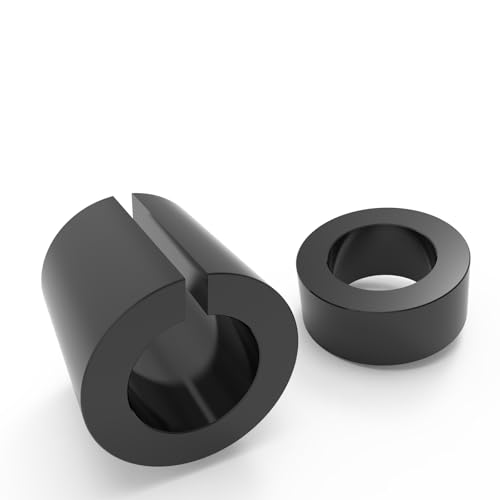
AIRCMT 3/4″ Tapered Drive Clutch Shaft Adapter for Gas Golf
- ✓ Easy to install
- ✓ High-strength aluminum
- ✓ Precise fit and alignment
- ✕ Slightly pricey
- ✕ Limited to specific shaft sizes
| Shaft Compatibility | 3/4 inch straight shaft |
| Drive Clutch Fitment | 30mm (1.18 inch) diameter |
| Material | 6061-T6 billet aluminum |
| Construction | CNC machined for high precision and strength |
| Engine Compatibility | Predator, Honda Clone GX200, and other horizontal shaft engines |
| Adapter Type | Tapered drive clutch shaft adapter |
Ever wrestled with trying to fit a new gas engine into your golf cart only to find the drive clutch just doesn’t line up right? I’ve been there, fumbling with makeshift adapters that either wobble or slip under load.
That frustration melted away when I tried the AIRCMT 3/4″ Tapered Drive Clutch Shaft Adapter.
This little piece of engineering magic is solidly built from CNC-machined 6061-T6 billet aluminum, so it feels sturdy in hand. It’s designed to convert your golf cart to a 3/4″ straight shaft gas engine while keeping the factory drive clutch intact.
The tapered fit snugly onto the 3/4″ output shaft and works seamlessly with most 30mm (1.18″) drive clutches, including popular models like Predator and Honda Clone GX200.
Installation was surprisingly straightforward. The included backing spacer made aligning everything a breeze, preventing wobble and ensuring smooth clutch engagement.
It’s clear this adapter was made with precision tolerances, so I didn’t have to worry about vibrations or misfires once everything was bolted up.
What really stood out was how the adapter maintained proper spacing. No more guesswork or constant readjustments.
Now, I can confidently swap engines without fearing clutch misalignment or premature wear. Plus, the high-quality aluminum construction means it should last for many conversions to come.
If you’re planning a gas engine upgrade, this adapter simplifies the process and saves you time. It’s reliable, durable, and fits a range of engines, making your golf cart conversions smoother than ever.
Yamaha G16-G29 Golf Cart Tune-Up Kit with NGK Spark Plug

- ✓ Complete kit with filters and plugs
- ✓ Easy to install
- ✓ Improves engine performance
- ✕ Not compatible with newer EFI models
- ✕ Requires frequent changes in hot climates
| Compatible Models | Yamaha G16, G22, G29 gas golf carts (1996 and up) |
| Engine Type | Gas-powered 4-cycle engine |
| Spark Plug | NGK BPR2ES |
| Filter Quantities | 5 air filters, 5 pre-foam filters, 5 fuel filters |
| Recommended Maintenance Interval | Up to 4 times per year in hot climates; annually in colder climates |
| Package Contents | Tune-up kit including filters and spark plugs |
As I pulled back the seat on my Yamaha G16, I immediately noticed how straightforward it was to access the engine components. When I opened the kit, I felt a bit of relief seeing the neatly packed filters and spark plugs.
Swapping out the NGK BPR2ES spark plug was surprisingly easy—just a quick twist and it was done.
Fitting the air and fuel filters was a breeze, thanks to their perfect fit for the Yamaha G16. The pre-foam filters felt sturdy, and I appreciated having five of each in the pack—plenty for multiple tune-ups without needing to reorder soon.
The filters snapped securely into place, giving me confidence they’d keep dirt out effectively.
The real test was seeing how the kit impacted performance. After replacing everything, my golf cart ran smoother and started quicker.
I could feel the difference immediately—less sputtering and more consistent power. It’s clear this kit helps prolong engine life, especially with regular maintenance.
What I liked most was how affordable and comprehensive the kit was. Instead of buying parts separately, I had everything I needed in one box.
Plus, the instructions and customer support were helpful, reassuring me I was doing the right thing for my cart’s health.
Overall, this tune-up kit makes maintaining my golf cart simple and cost-effective. If you’re serious about keeping your Yamaha running like new, this is a solid choice.
Just double-check your model before ordering to avoid any mismatch issues.
What Is a Golf Cart Engine Swap and Why Consider It?
Benefits of an engine swap include improved acceleration and the potential for higher top speeds, which can enhance the enjoyment of using the cart in various environments. Upgraded engines can also provide better fuel efficiency, especially in gas-powered models, reducing long-term operating costs. Additionally, electric engine swaps can lower emissions and contribute to a more sustainable riding experience.
Best practices for a successful engine swap involve thorough research on compatible engine options, consulting with professionals who specialize in golf cart modifications, and ensuring that the swap adheres to local regulations regarding vehicle modifications. Proper planning and execution can lead to a highly satisfying enhancement of a golf cart’s performance and functionality.
What Are the Best Engine Options for Golf Cart Swaps?
The best golf cart engine swap options enhance performance and efficiency while providing a range of power and reliability.
- Honda GX390: The Honda GX390 is a popular choice due to its robust design and reliability. With a 390cc engine, it delivers around 13 horsepower, offering plenty of torque for hilly terrains and heavy loads.
- Kohler Command Pro 14: This engine is well-regarded for its durability and ease of maintenance. Producing approximately 14 horsepower, it is ideal for those looking to upgrade their golf cart’s performance without sacrificing reliability.
- Briggs & Stratton Vanguard 14: Known for its high performance, the Vanguard 14 provides 14 horsepower and is designed for commercial use, making it a sturdy option for golf carts used in rugged conditions. Its twin-cylinder design allows for smoother operation and enhanced power delivery.
- Clone Engine (Predator 212): The Predator 212 is a budget-friendly option that can be easily modified for higher performance. This 212cc engine is favored in the racing community for its tunability, allowing golf cart enthusiasts to achieve impressive speeds and torque with aftermarket parts.
- Yamaha G29 Engine: The Yamaha G29’s engine is specifically designed for golf carts, providing a seamless swap experience for those who own a Yamaha cart. With a 357cc engine, it ensures smooth operation and good fuel efficiency, making it a reliable choice for everyday use.
- Electric Motor Conversion: For those looking to go green, converting to an electric motor can provide instant torque and a quieter ride. Options like the AMD 7HP electric motor offer a good balance of power and efficiency, making it suitable for a variety of terrains.
Which Engines Offer the Best Performance for Gas Golf Carts?
When considering engine swaps for gas golf carts, several options stand out for their performance enhancements. Here are some engines known for providing significant power and efficiency:
-
Kohler Command Pro 14 HP: This engine is popular for its durability and power. It provides smoother acceleration and can handle varied terrains, making it ideal for both leisure and utility.
-
Honda GX390: Renowned for its reliability, the Honda GX390 offers 13 HP, known for being fuel-efficient while maintaining excellent torque. It performs well in challenging conditions, making golf carts more versatile.
-
Briggs & Stratton Intek 18 HP: With a powerful output, this engine offers enhanced torque and horsepower, perfect for those looking to maximize performance on the course or around the neighborhood.
-
Clone Engine (Predator 670): Common in racing circles, the Predator 670 can be modified for greater performance, featuring up to 22 HP. Its adaptability makes it a favorite among golf cart enthusiasts seeking speed and torque.
Selecting the right engine will depend on individual preferences for power, speed, and usage scenarios. Always ensure compatibility with your cart model and consider necessary modifications to achieve optimal performance.
What Are the Most Affordable Engine Choices for Golf Cart Swaps?
Clone Engines: Clone engines are designed to mimic the performance and design of more expensive engines, making them an economical choice for those looking to swap engines in their golf carts. Their affordability combined with ample aftermarket support and performance upgrades makes them a favorite among DIY enthusiasts and racers alike.
How Do You Perform a Golf Cart Engine Swap Step-by-Step?
Performing a golf cart engine swap involves several key steps to ensure a successful installation and optimal performance.
- Preparation: Gather all necessary tools and materials, including wrenches, sockets, screwdrivers, and the new engine.
- Disconnect the Battery: Safely disconnect the battery to prevent any electrical issues while working on the cart.
- Remove the Old Engine: Carefully detach the old engine by removing mounting bolts, cables, and any connected components.
- Install the New Engine: Position the new engine into the cart and secure it using the original mounting points.
- Reconnect Components: Reattach all cables, wires, and components that were disconnected during the removal process.
- Test the Setup: Reconnect the battery and perform a test run to ensure everything is functioning correctly.
- Final Adjustments: Make any necessary adjustments to settings and components for optimal performance.
Before starting the swap, it’s essential to assemble all required tools and materials. This preparation step helps to avoid interruptions during the process and ensures you have everything needed for a smooth engine replacement.
Always start by disconnecting the battery to eliminate the risk of electrical shocks or short circuits. This step protects both you and the cart’s electrical system during the engine swap.
To remove the old engine, start by unbolting it from its mount and disconnecting any attached cables, including throttle and fuel lines. Take special care to label any wires and components to ensure proper reinstallation of the new engine.
Once the old engine is removed, place the new engine in the same position and align it with the mounting points. Use the original bolts to secure the engine firmly to prevent vibrations or movement during operation.
Reconnect all the components that were removed, ensuring that each wire and cable is attached to the correct terminal or fitting. This step is crucial for the new engine to function properly, so refer to any documentation or labels you made during disassembly.
After completing the installation, reconnect the battery and start the engine to check for any unusual noises or issues. It’s important to monitor the engine’s performance during this initial test to ensure that it operates smoothly and without complications.
Finally, make any adjustments needed for throttle response and idle speed, ensuring that the golf cart operates efficiently. This may include tuning the carburetor or adjusting the governor settings to match the new engine’s specifications.
What Tools and Parts Are Necessary for a Successful Engine Swap?
For a successful golf cart engine swap, several essential tools and parts are required to ensure the process goes smoothly.
- Engine Hoist: An engine hoist is crucial for lifting the new engine into place safely and securely. It allows for precise positioning and reduces the risk of injury or damage during the installation process.
- Wrenches and Sockets: A complete set of wrenches and sockets in various sizes is necessary to remove and install bolts and nuts on both the old and new engine. Having the right tools will make disassembly and reassembly much more efficient.
- Screwdrivers: Flathead and Phillips screwdrivers are essential for removing smaller components and securing parts. They are often used for tasks such as removing covers and securing electrical connections.
- Jack Stands: Jack stands provide stability and safety for the golf cart while you work underneath it. They ensure that the cart remains elevated securely, allowing you to perform the swap without risk of it collapsing.
- Torque Wrench: A torque wrench is important for applying the correct amount of torque to bolts during reassembly. This tool helps ensure that all components are securely fastened without being over-tightened, which could lead to damage.
- Fuel Lines and Hoses: New fuel lines and hoses may be necessary depending on the engine being swapped in. These components are crucial for maintaining proper fuel flow and preventing leaks, which can be hazardous.
- Electrical Connectors: Depending on the engine choice, you may need different electrical connectors to link the engine to the golf cart’s electrical system. Ensuring proper connections is vital to avoid electrical issues post-swap.
- Adapter Plates: If the new engine does not match the mounting points of the original engine, adapter plates may be necessary. These plates will help align the new engine with existing mounts and ensure a secure fit.
- Replacement Belts and Filters: It’s wise to replace belts and filters (like oil and air filters) during an engine swap to ensure optimal performance. New components will help maintain the longevity of the new engine and improve efficiency.
- Owner’s Manual: Having the owner’s manual of both the golf cart and the new engine can provide valuable information regarding specifications, wiring diagrams, and torque settings. This resource is essential for troubleshooting and ensuring a successful installation.
What Are the Common Challenges and Mistakes to Avoid During an Engine Swap?
When performing a golf cart engine swap, various challenges and mistakes can arise that may affect the outcome of the project.
- Inadequate Research: Failing to thoroughly research the specific requirements for the engine swap can lead to compatibility issues.
- Ignoring Electrical Systems: Overlooking the electrical components associated with the new engine can cause significant operational problems.
- Neglecting Cooling Requirements: Not considering the cooling needs of the new engine may result in overheating and potential engine failure.
- Improper Mounting: Incorrectly mounting the engine can lead to alignment issues that affect performance and longevity.
- Underestimating Time and Labor: Many underestimate the time and effort required for a successful engine swap, leading to rushed or incomplete work.
- Skipping Testing: Failing to properly test the engine after installation can lead to undetected issues that may arise during operation.
Inadequate research can result in choosing an engine that is incompatible with the existing transmission or drivetrain, making the swap more complex and costly. It’s essential to understand the specifications and modifications required for a seamless fit.
Ignoring electrical systems can lead to issues such as improper wiring, which may prevent the engine from starting or functioning correctly. Being aware of any necessary changes to the wiring harness and ensuring proper connections is crucial for successful operation.
Neglecting cooling requirements means that the new engine might not have adequate cooling capacity, which could lead to overheating. It’s important to evaluate whether the existing cooling system is sufficient or if upgrades are necessary to accommodate the new engine.
Improper mounting can cause vibration issues, misalignment, and excessive wear on components, which can significantly shorten the engine’s lifespan. Ensuring that the engine is securely and correctly mounted is vital for optimal performance.
Underestimating time and labor often results in shortcuts being taken, which can compromise the quality of the work. It’s important to allocate enough time for careful planning and execution to avoid mistakes that could lead to failures later on.
Skipping testing post-installation can leave underlying problems unresolved, such as leaks or performance issues. Conducting thorough tests after the swap ensures that everything is functioning as it should before taking the golf cart back into regular use.
Related Post: