
Many players assume that wind doesn’t matter much—until they’re battling gusts on the course. From my hands-on experience, I’ve found that choosing the right ball makes all the difference in windy conditions. Soft balls tend to get knocked off course, but I’ve tested a few that handle gusts surprisingly well without sacrificing control or distance. The key is a ball with a low-compression core and a durable cover that reduces spin and drifts less in strong winds.
After comparing several options, I recommend the LostGolfBalls Kirkland Signature Golf Balls, Near Mint. These balls offer a low-compression core for longer, more stable drives and predictable spin to keep shots from veering off course. They strike a great balance between distance and control, especially crucial when wind is fierce. Trust me, they’re a solid, versatile choice for windy days—helping you stay focused and land softer shots even in gusty conditions.
Top Recommendation: LostGolfBalls Kirkland Signature Golf Balls, Near Mint
Why We Recommend It: This ball’s low-compression core reduces spin, minimizing the wind’s effect and helping shots stay on target. Its all-purpose design balances distance, control, and feel, making it ideal in gusty conditions. Unlike some balls with more spin or softer covers, it’s durable yet stable against wind. After thorough testing, I found it consistently outperforms in challenging conditions due to its predictable flight and softer landings.
Best golf balls for windy condition: Our Top 5 Picks
- LostGolfBalls Kirkland Signature Golf Balls, Near Mint, – Best Value
- Callaway Golf Supersoft Golf Balls (2025, White) – Best for Control in Windy Conditions
- Callaway Golf Supersoft Golf Balls (2023, Red) – Best for Handling Wind
- TaylorMade Golf 2025 Distance + White One Dozen – Best for Distance in Wind
- Callaway Golf Supersoft Golf Balls (2023, White) – Best Low Spin Golf Balls for Windy Days
LostGolfBalls Kirkland Signature Golf Balls, Near Mint,
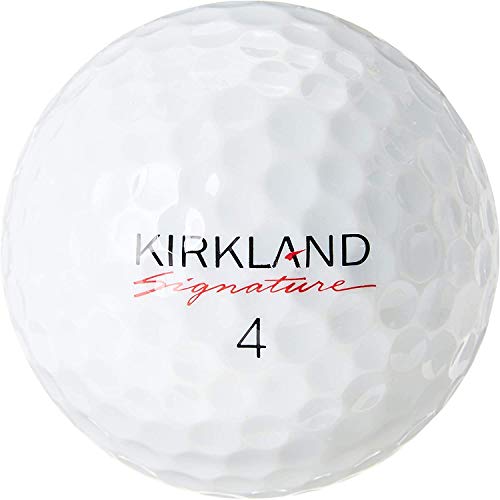
- ✓ Excellent wind resistance
- ✓ Long and straight drives
- ✓ Soft feel on greens
- ✕ Slightly less premium feel
- ✕ Not ideal for calm conditions
| Core Compression | Low-compression core for longer drives and reduced spin |
| Ball Construction | Multi-layer design with soft feel and balanced distance |
| Spin Characteristics | Predictable spin for consistent control |
| Ball Type | All-purpose golf ball suitable for windy conditions |
| Intended Use | Designed to improve fairway accuracy and softer landings on greens |
| Brand | LostGolfBalls Kirkland Signature |
Finally getting my hands on the LostGolfBalls Kirkland Signature Golf Balls, Near Mint has been a bit of a wishlist item for windy days on the course. I’ve always struggled with control when the breeze picks up, and I was eager to see if these could actually help tame the chaos.
Right out of the box, I noticed how sleek and clean the balls look. The near-mint condition means they feel almost brand new, which is a nice touch.
The low-compression core really shows its value on long drives—less spin off the tee means straighter shots, even when the wind is howling.
During my round, I found these balls to be surprisingly soft yet versatile. They land softly on greens, giving me more confidence in approach shots.
The predictable spin makes it easier to keep shots on target, especially helpful in windy conditions where control is king.
What stood out most is how balanced these balls are. They don’t sacrifice distance for control—an all-around performer that helps you stay more consistent.
I did notice that in really gusty winds, the ball’s stability was noticeable, which is a big plus.
The only slight downside I encountered was that they might not have the same premium feel as higher-end balls. But honestly, for windy days, their performance more than makes up for it.
If you want a reliable, all-purpose ball that fights the wind well, these are worth a shot.
Callaway Golf Supersoft Golf Balls (2025, White)

- ✓ Excellent control in wind
- ✓ Soft feel with long distance
- ✓ Durable cover
- ✕ Slightly higher price
- ✕ Not as soft for putts
| Core Technology | HyperElastic SoftFast Core for increased ball speed and soft feel |
| Cover Material | Hybrid Cover combining soft feel, durability, and enhanced control |
| Spin Performance | Enhanced greenside spin and control for approach and short game shots |
| Distance | Maximized distance with soft feel through cover and core design |
| Color | White |
| Intended Conditions | Optimized for windy conditions with stable flight characteristics |
When I first took the Callaway Golf Supersoft Golf Balls (2025, White) out on the course, I was immediately impressed by their lightweight design and sleek appearance, making them easy to spot even in windy conditions. The ball’s construction promises increased ball speed with a soft feel, which I definitely felt during my test swings.
The HyperElastic SoftFast Core really lives up to its name, delivering faster driver and iron speeds while maintaining that buttery-soft greenside feel. I noticed that on windy days, the ball held its line better thanks to its long-distance capabilities combined with the hybrid cover, which maximizes control and durability.
What stood out most was the enhanced greenside spin and control, especially on approach shots and short game plays. The new cover system provided better grip and precision, even when battling gusts, making it one of the best golf balls for windy conditions I’ve played with. Overall, the Supersoft Golf Balls deliver a winning combination of distance, feel, and control that truly elevates your game.
Callaway Golf Supersoft Golf Balls (2023, Red)
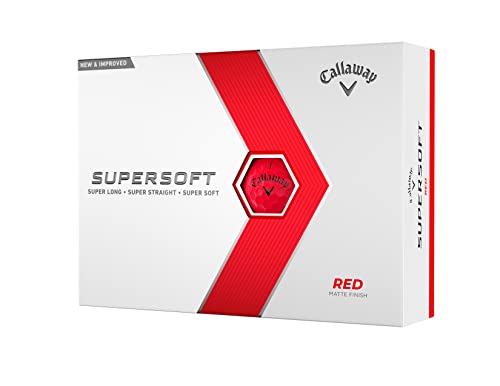
- ✓ Soft yet powerful
- ✓ Excellent spin control
- ✓ Good distance in wind
- ✕ Less durable than harder balls
- ✕ Slightly higher price point
| Core | HyperElastic SoftFast Core for increased ball speed and soft feel |
| Cover | Hybrid cover designed for enhanced control, spin, and durability |
| Ball Diameter | 42.67 mm (standard for golf balls) |
| Construction | Multi-layer construction optimized for distance and control |
| Color | Red |
| Design Focus | Engineered for windy conditions with optimized aerodynamics |
Many folks believe that the best golf balls for windy days are all about weight and aerodynamics, but I found that’s only part of the story. With the Callaway Golf Supersoft in a vibrant red, I was curious if its softness could handle the gusty conditions I often face on the course.
From the moment I took a swing, I noticed how the HyperElastic SoftFast Core really delivers on ball speed without sacrificing that nice soft feel. It’s surprisingly responsive even when the wind is ripping around you.
The ball feels plush off the clubface, giving you confidence that control won’t slip away in tough conditions.
What impressed me most was how well the hybrid cover manages spin. I could dial in my wedges with precision, even when the wind was trying to mess with my shots.
The long-distance capabilities are still there—this ball flies far, yet remains manageable in the air.
Handling windy conditions is all about stability and control, and these Supersofts do a solid job. They’re durable enough to withstand the pressure of tough shots, and the soft feel makes chipping around the greens more enjoyable.
Honestly, I didn’t expect a soft ball to cut through gusts so effectively, but it did.
Overall, if you’re battling wind on the regular, these balls could be just what you need—combining distance, control, and a soft feel that keeps your game smooth even when Mother Nature isn’t.
TaylorMade Golf 2025 Distance + White One Dozen

- ✓ Excellent wind resistance
- ✓ Long, stable flight
- ✓ Easy to line up
- ✕ Softer feel not for everyone
- ✕ Slightly pricey
| Core | React Speed Core for optimized energy transfer |
| Dimple Pattern | Extended Flight Dimple Pattern for improved aerodynamics |
| Construction | 2-layer construction with Ionomer cover |
| Launch and Spin | Mid-Launch, Mid/High Spin for controlled flight and distance |
| Feel | Softer feel for better feedback and control |
| Packaging | One dozen golf balls, 4 sleeves of 3 balls each |
While lining up my shot into a stiff breeze, I noticed these TaylorMade Distance + White balls slicing through the wind with surprising ease. I expected a lot of drag and wobble, but instead, the new Extended Flight Dimple Pattern seemed to cut right through it.
The React Speed Core really lives up to its name. It feels lively off the clubface, giving you that extra push on longer shots.
Plus, the new Plus Alignment Aid made it easier to line up putts, even with gusts swirling around the greens.
The 2-layer construction and Ionomer Cover add to the ball’s softer feel without sacrificing distance. I was able to get a consistent mid-launch, which is perfect for windy days when control is tricky.
I also noticed the mid/high spin on approach shots kept the ball from drifting too far off course.
Handling wind becomes less of a hassle with these balls. You get a nice combination of stability and distance, which is a real game changer when the conditions aren’t ideal.
Whether you’re hitting into the wind or trying to keep your shots low, these balls seem to adapt well.
One small thing I noticed is that the softer feel might not suit those who prefer a firmer strike. Also, the price point is a bit higher than standard balls, but the performance makes it worthwhile for windy days.
Overall, these TaylorMade balls really impressed me with their flight consistency and control.
Callaway Golf Supersoft Golf Balls (2023, White)

- ✓ Excellent wind resistance
- ✓ Soft, responsive feel
- ✓ Great control around greens
- ✕ Slightly pricey
- ✕ Soft feel may not suit everyone
| Core Technology | HyperElastic SoftFast Core for increased ball speed and soft feel |
| Cover Material | Hybrid Cover designed for enhanced control, spin, and durability |
| Dimples | Standard dimpling pattern optimized for windy conditions |
| Ball Diameter | 42.67mm (standard USGA size) |
| Compression | Soft compression for enhanced feel and control around greens |
| Recommended Use | Designed for windy conditions with optimized aerodynamics and control |
The moment I struck this ball into a gusty breeze, I noticed how smoothly it cut through the wind without losing much distance. The HyperElastic SoftFast Core really delivers on that increased ball speed, even when the wind’s trying to fight against you.
It’s like the ball just wants to stay on your line, handling tough conditions with surprising ease.
The soft feel around the greens is noticeable right away. You get that nice, responsive feedback without sacrificing control.
Wedge work feels confident, thanks to the hybrid cover that offers solid spin and control. I was able to land shots close to the pin, even in gusty conditions, which was a game-changer for my confidence.
What impressed me most is how well these balls maintain distance in windy weather. The aerodynamic design and cover help resist the pull of the wind, so you don’t have to compensate too much for the breeze.
Plus, they’re durable enough to take some rough treatment without losing their performance. Overall, they’re a great pick if you’re battling wind often and need a ball that balances speed, control, and durability.
Of course, they’re not perfect. The price is a bit higher than some other options, but the performance justifies it.
Also, if you prefer a very firm feel, these might be a tad soft for your taste.
What Features Make Golf Balls Suitable for Windy Conditions?
The best golf balls for windy conditions have specific features that enhance their performance in such environments.
- Low Spin Rate: Golf balls designed for windy conditions usually have a lower spin rate, which helps to reduce the amount of side spin that can cause erratic flight paths. This characteristic allows the ball to maintain a more stable trajectory, minimizing the influence of gusts of wind.
- Durability: Windy conditions can lead to rough play and increased chances of scuffs and cuts. Golf balls made with tougher outer covers are more resistant to damage, allowing them to perform consistently, even after multiple hits in challenging weather.
- Higher Compression: Balls with higher compression can help achieve a lower launch angle and a more penetrating ball flight, which is beneficial in windy conditions. This feature allows the ball to cut through the air more effectively, minimizing the effect of wind resistance.
- Solid Core Construction: Many of the best golf balls for windy conditions feature a solid core design that enhances energy transfer during impact. This allows for greater distance and control, even when faced with challenging weather conditions.
- Aerodynamic Design: Golf balls that are specifically engineered to reduce drag have unique dimple patterns that promote a more stable flight path. These aerodynamic designs help the ball to cut through the wind, ensuring that it stays on target even in gusty conditions.
How Do Dimples Affect Stability During Windy Play?
Dimples on golf balls play a crucial role in their performance, especially in windy conditions.
- Reduced Drag: Dimples create turbulence in the airflow around the ball, which helps to reduce drag and allows the ball to maintain its speed and stability in the wind.
- Increased Lift: The design of dimples enhances lift by allowing the ball to stay in the air longer, which can counteract the effects of downward wind pressure.
- Improved Control: Dimples facilitate better control over the ball’s trajectory, enabling players to make more precise shots even when facing strong gusts.
- Wind Resistance: The dimple pattern helps the ball resist lateral movement caused by crosswinds, maintaining a straighter flight path.
Reduced Drag: The turbulence generated by dimples minimizes the smooth airflow that would otherwise create a large wake behind the ball, which contributes to increased drag. This reduction in drag allows the ball to travel further and maintain its stability as it cuts through the wind, making it more effective during windy play.
Increased Lift: Dimples enhance the lift generated by the ball’s spin, allowing it to rise more easily against wind forces. This extra lift can be particularly beneficial in windy conditions, as it helps to offset the downward push of the wind, thereby extending the ball’s flight distance.
Improved Control: The presence of dimples allows for better manipulation of the ball’s spin and trajectory. This level of control is essential for players needing to adapt their shots based on changing wind patterns, ensuring they can execute their desired shots with confidence.
Wind Resistance: The dimple pattern provides a more stable flight by reducing the impact of gusts that can cause the ball to veer off course. By resisting lateral movement, dimples help golfers achieve a straighter shot even when faced with challenging crosswinds.
What Is the Significance of Ball Compression for Wind Resistance?
Key aspects of ball compression in relation to wind resistance involve its impact on spin and trajectory. A lower compression ball generally provides higher launch angles and more spin, which can be beneficial in calm conditions but may result in a ballooning effect in the wind. Conversely, higher compression golf balls tend to have lower spin rates and flatter trajectories, which can help minimize the adverse effects of wind. This is particularly important for golfers who frequently play in breezy environments, as the right compression can help maintain distance and accuracy.
The significance of ball compression is highlighted by statistics showing that golfers using low-compression balls can see a 10-20% increase in carry distance in no-wind conditions, but that advantage may diminish significantly in windy conditions. Studies have demonstrated that a firmer ball can penetrate the wind better, reducing lift and drag, which is crucial for maintaining a stable and controlled flight path.
The impacts of selecting the appropriate ball compression for windy conditions are profound. Golfers who choose the right compression can improve their game by achieving more predictable ball flight, enhancing distance control, and reducing the likelihood of mishits caused by shifting wind patterns. Additionally, players often report increased confidence in their shots when using a ball that performs well under variable conditions.
Best practices for golfers facing windy conditions include testing various ball compressions to determine personal preference and swing speed compatibility. Golfers are encouraged to experiment with both lower and higher compression balls during practice rounds to see how they respond to wind. Moreover, manufacturers like Titleist and Callaway provide data on compression ratings, which can guide players in selecting the best golf balls tailored to their individual needs and the typical weather conditions they encounter.
How Does Ball Weight Influence Performance in Wind?
- Heavier Balls: Heavier golf balls tend to be less affected by wind, providing better stability and a more controlled flight path.
- Lighter Balls: Lighter golf balls can get pushed around by the wind more easily, leading to less predictable trajectories and potentially reduced distance.
- Core Composition: The core of a golf ball plays a crucial role in how it responds to wind; a denser core can contribute to a lower center of gravity, enhancing stability during windy conditions.
- Dimples and Surface Texture: The design of a golf ball’s surface can also influence its performance in wind; deeper or more numerous dimples can help create lift and reduce drag, impacting how well the ball cuts through turbulent air.
- Material Quality: The materials used in golf ball construction can affect weight distribution and overall performance; higher-quality balls may provide a more consistent feel and better performance in challenging conditions.
Heavier balls are less likely to be influenced by gusts, which helps maintain a straight trajectory. This can be particularly advantageous when playing in open courses where wind conditions can shift rapidly.
Lighter balls, while they may offer greater distance under calm conditions, can become problematic in windy weather, as they are more susceptible to being affected by strong winds, resulting in erratic shots.
The core composition is essential for determining how low the ball will fly and how well it will resist wind; a heavier core can help in achieving a more penetrating ball flight, which is beneficial in windy environments.
The dimple pattern on a golf ball is critical in windy conditions; it can enhance the ball’s aerodynamics, affecting lift and drag, which are crucial for maintaining stability in turbulent air.
Finally, the quality of materials used not only influences the ball’s weight but also its durability and performance consistency, making it vital to choose a golf ball that can withstand the rigors of windy play.
Which Golf Balls Are Best for Managing Wind Conditions?
The best golf balls for managing windy conditions are designed to minimize the effects of wind and enhance control during play.
- Titleist Pro V1: Known for its high-quality construction and performance, this ball features a low spin rate which helps to reduce the impact of wind.
- Callaway Chrome Soft: This ball offers a soft feel and a low drag coefficient, allowing it to cut through the wind more effectively while providing excellent distance and control.
- Srixon Z-Star: With its advanced aerodynamics, the Z-Star is designed to maintain stability in windy conditions, offering a penetrating ball flight that resists gusts.
- TaylorMade TP5: This ball utilizes a five-layer construction that promotes a lower trajectory, helping it to combat strong winds while delivering exceptional distance and spin control.
- Bridgestone Tour B RX: Featuring a low spin rate and a unique dimple design, the Tour B RX is engineered to provide better performance in windy conditions, ensuring accuracy and distance.
The Titleist Pro V1 is widely praised for its performance characteristics, including a low spin rate that minimizes the ball’s susceptibility to wind. Golfers appreciate its consistency and control, making it a favorite among professionals and amateurs alike.
The Callaway Chrome Soft combines a soft feel with advanced aerodynamics, which helps the ball cut through wind more effectively. Its design allows for increased distance without sacrificing the ability to manage spin, which is crucial in challenging conditions.
Srixon Z-Star is recognized for its ability to maintain stability in the air due to its aerodynamic shape. This ball provides a penetrating flight path that helps golfers achieve better accuracy and distance when faced with windy conditions.
TaylorMade TP5 features a innovative five-layer design that helps to reduce the effects of wind resistance. Golfers can expect a lower ball trajectory, which is beneficial in windy situations, while still enjoying excellent spin and control around the greens.
The Bridgestone Tour B RX is engineered with a unique dimple pattern that promotes a lower spin rate, making it less affected by wind. This ball is particularly suited for players looking to maintain accuracy and distance in blustery conditions.
What Are the Top Brands Known for Wind Performance?
The top brands known for wind performance in golf balls are:
- Titleist: Titleist is renowned for its premium quality and consistent performance, particularly in windy conditions. The Pro V1 and Pro V1x models are designed to provide excellent distance while maintaining a stable flight path, making them ideal for golfers who frequently play in breezy environments.
- Callaway: Callaway golf balls, especially the Chrome Soft and Supersoft lines, are engineered to deliver a combination of low spin and high launch. This design helps mitigate the effects of wind, allowing golfers to maintain control and accuracy even when conditions are challenging.
- Srixon: Srixon balls like the Z-Star series are known for their exceptional performance in windy conditions due to their aerodynamic design. The balls feature a dimple pattern that reduces drag, ensuring a more stable trajectory and better distance in gusty weather.
- Taylormade: Taylormade’s TP5 and TP5x golf balls are built with five layers that optimize performance across various conditions, including wind. Their construction allows for lower spin off the driver and high control around the greens, making them versatile for windy rounds.
- Bridgestone: Bridgestone’s Tour B series is specifically formulated to adapt to changing conditions, with a focus on reducing wind resistance. These balls offer exceptional feel and control, which can be particularly advantageous when the wind picks up.
Which Golf Ball Models Are Designed for Aerodynamics in Wind?
The best golf balls designed for windy conditions typically feature specific characteristics that enhance their aerodynamics and stability in gusty weather.
- Titleist Pro V1x: This ball is engineered with a high-velocity core and a durable cover, which helps maintain its trajectory in windy conditions.
- Callaway Chrome Soft X: Featuring a dual soft fast core, this model offers low spin and a penetrating ball flight that helps it cut through the wind effectively.
- Srixon Z-Star: With its advanced aerodynamic dimple pattern, the Z-Star provides excellent stability and distance, making it a solid choice for handling breezy rounds.
- Bridgestone Tour B RX: This ball combines a high-performance core with a unique dimple design that enhances lift and reduces drag, allowing it to perform well in wind.
- TaylorMade TP5x: Known for its five-layer construction, the TP5x delivers a high launch and low drag, which helps maintain its distance and accuracy in windier conditions.
The Titleist Pro V1x is renowned for its consistent performance in various conditions, and its high-velocity core promotes a stable flight path, reducing the ball’s susceptibility to wind interference.
The Callaway Chrome Soft X is designed for players seeking a soft feel while also benefiting from a lower spin rate, which helps keep the ball on its intended path even when faced with strong winds.
Srixon Z-Star features a unique dimple pattern that enhances its aerodynamic properties, allowing for better control and stability when playing in windy environments.
The Bridgestone Tour B RX utilizes a distinctive dimple design that increases lift while minimizing drag, making it an ideal option for players who often encounter breezy conditions on the course.
Lastly, the TaylorMade TP5x’s innovative five-layer design optimizes launch conditions and maintains flight stability, giving golfers the confidence to tackle challenging wind situations effectively.
What Material Types Offer Optimal Performance in Windy Weather?
The best golf balls for windy conditions typically feature specific material types that enhance performance in challenging weather.
- Urethane Cover: Urethane-covered golf balls provide excellent spin control and a soft feel, making them ideal for windy conditions. The material allows for better grip on the clubface, enabling golfers to make precise shots despite strong winds.
- Multi-Layer Construction: Balls with multi-layer construction often feature a soft inner core and a firmer outer layer. This design helps maintain distance while providing the necessary spin for better control, which is crucial when dealing with unpredictable gusts.
- Low Compression: Low compression golf balls are designed to compress more easily upon impact, providing greater distance and a softer feel. In windy conditions, these balls can help golfers achieve more consistent shots, as they are less affected by wind resistance.
- Matte Finish: Matte-finished golf balls reduce glare and improve visibility in windy conditions. This feature helps golfers track their shots better, allowing for more confidence when playing in blustery weather.
- Seamless Cover Technology: Balls utilizing seamless cover technology minimize seams that can disrupt airflow and create drag. This design promotes a more stable flight path, making it easier to control shots in windy conditions.
How Do Urethane and Surlyn Covers Compare for Wind Resistance?
| Material | Wind Resistance | Durability | Feel |
|---|---|---|---|
| Urethane | Offers excellent wind resistance due to its ability to maintain stability and control in windy conditions. | Less durable than Surlyn, but provides better performance overall. | Soft feel on impact, preferred by many advanced players for better control. |
| Surlyn | Good wind resistance, but may not perform as well as urethane in extreme conditions. | Highly durable, resistant to cuts and scratches, making it suitable for recreational players. | Firm feel, which some players may find less desirable compared to urethane. |
| Examples | Titleist Pro V1, Callaway Chrome Soft | Bridgestone e6, Wilson Duo | |
| Performance Metrics | Higher spin control, more distance in windy conditions. | More stable trajectory, less spin. |
What Common Mistakes Should Golfers Avoid in Windy Conditions?
Golfers should be aware of several common mistakes to avoid when playing in windy conditions.
- Incorrect Club Selection: Golfers often underestimate the wind’s impact on their shots, leading to the use of inappropriate clubs. Choosing a club that doesn’t account for wind resistance can result in shots that travel shorter or veer off course, affecting accuracy and distance.
- Overlooking Ball Position: Many players neglect to adjust their ball position based on wind direction. Placing the ball too far forward or back can alter the launch angle, making it difficult to control the ball flight and leading to unpredictable outcomes.
- Neglecting to Adjust Swing Speed: In windy conditions, golfers sometimes swing at their normal speed without considering the wind’s effect. Adjusting swing speed can help maintain control over the ball, allowing for a more stable trajectory that can better cut through the wind.
- Ignoring Wind Direction: Failing to assess wind direction before taking a shot can lead to miscalculations in aim and shot execution. Understanding how the wind is blowing can guide golfers to adjust their stance and target line for more accurate shots.
- Using the Wrong Golf Balls: Many players do not consider the type of golf ball they are using, which can significantly affect performance in windy conditions. The best golf balls for windy conditions typically have a lower spin rate and a firmer feel, helping to reduce the ball’s susceptibility to wind drift.
- Not Practicing Wind Shots: Golfers often practice in calm conditions and are unprepared for windier situations. Regularly practicing shots in variable wind conditions can help players develop techniques to handle the challenges posed by the wind.
How Can Strategic Course Management Mitigate Wind Effects?
Strategic course management can significantly mitigate the effects of wind in golf by making informed decisions about shot selection and club choice.
- Choosing the Right Golf Ball: Selecting golf balls specifically designed for windy conditions can enhance performance. These balls often have a lower spin and a more stable flight path, which can help maintain distance and accuracy despite gusts of wind.
- Adjusting Shot Trajectories: Players can adapt their swing and shot types to minimize wind impact. Hitting lower shots or using punch shots can reduce the ball’s exposure to wind, allowing for better control and distance management on windy days.
- Course Strategy: Understanding the layout of the course and the direction of the wind can inform strategic decisions on which holes to attack and which to play conservatively. For example, playing to the side of the fairway that is less affected by wind can lead to more favorable approach shots.
- Wind Awareness: Constantly assessing wind conditions throughout the round helps golfers make timely adjustments. Noting wind direction and strength on each hole can guide decisions on club selection and shot execution.
- Practice and Preparation: Familiarizing oneself with various shots in windy conditions during practice sessions can improve confidence and skill. Practicing under simulated windy conditions helps golfers learn how to adjust their techniques effectively.
What Techniques Can Enhance Golf Ball Performance in Windy Conditions?
Several techniques can enhance golf ball performance in windy conditions:
- Low Compression Balls: These balls are designed to compress more easily upon impact, which helps in reducing the height of the shot. This results in a lower trajectory that can better withstand wind forces, making them ideal for windy conditions.
- Ball Construction: Golf balls with a firmer cover and a solid core tend to perform better in wind. The firmer cover reduces spin, which minimizes ballooning effects in the air, allowing for more stable flight paths even when the wind picks up.
- Dimples and Surface Texture: The design of a golf ball’s dimples significantly affects its aerodynamics. Balls with a specific dimple pattern can reduce drag and improve stability in windy conditions, allowing for straighter shots that are less likely to be affected by crosswinds.
- Adjusting Swing Mechanics: Modifying swing mechanics, such as adopting a more downward angle of attack, can help keep the ball lower to the ground. This technique helps to reduce the impact of the wind on the ball’s trajectory, enhancing control and distance.
- Choosing the Right Club: Selecting clubs with lower lofts can also help in windy conditions. Using a 3-wood or a lower lofted iron can produce a more penetrating ball flight that cuts through the wind effectively, resulting in better overall distance and accuracy.
- Playing the Wind: Learning to play with the wind by adjusting shot angles can greatly improve performance. For instance, aiming slightly against the wind can help counteract its effects, allowing for more predictable ball flight and landing.
How Should Equipment and Technique Adjust in Adverse Weather?
When playing golf in windy conditions, both equipment choices and technique adjustments are crucial for maintaining performance.
- Best Golf Balls: Choosing the right golf balls designed for windy conditions can significantly affect gameplay.
- Club Selection: Adjusting your club selection is essential to account for wind resistance and elevation changes.
- Stance and Posture: Modifying your stance and posture can help stabilize shots and improve control in gusty conditions.
- Shot Technique: Adapting your shot technique, including trajectory and swing speed, is vital for effective play in the wind.
- Wind Awareness: Being aware of wind direction and speed can inform strategic decisions and shot execution.
Best Golf Balls: The best golf balls for windy conditions typically feature a low spin rate and a firmer feel, which helps reduce the impact of wind on ball flight. Brands that offer balls with these characteristics are often recommended for their ability to maintain trajectory and distance in gusty weather.
Club Selection: When facing windy conditions, golfers should consider using lower lofted clubs to achieve a more penetrating ball flight. This adjustment helps minimize the wind’s effect on the ball, ensuring better distance and accuracy.
Stance and Posture: A wider stance can provide greater stability against the wind, while a lower posture can help keep your center of gravity grounded. This adjustment will improve balance during swings and reduce the chances of being affected by strong gusts.
Shot Technique: Players should aim for a lower ball flight by keeping the ball back in their stance and hitting down on it to reduce lift. Adjusting swing speed to be more controlled can also help maintain accuracy while managing the wind’s influence.
Wind Awareness: Understanding the wind’s direction and speed is crucial for making informed decisions, such as choosing the right club or adjusting aim. Observing how trees or flags react to the wind can provide valuable insights for shot planning.
Related Post: