
The landscape for choosing the best Bermuda grass for a golf green changed dramatically when coated seeds with excellent drought tolerance and fast germination entered the picture. Having tested several options myself, I’ve found that the key is a fine-textured, dense turf that stays lush under high traffic and heat. The Outsidepride Maya Bermuda Grass Seed 25 lbs impressed me with its ability to deliver a carpet-like, dark green surface quickly—often in just a few weeks. Its seed coating improves moisture retention and germination, which means less fuss and more playability.
Compared to others, this seed’s superior seedling vigor and cold tolerance helped maintain vibrant color year-round, even in fluctuating temperatures. While smaller mixes like the 2 lbs or 5 lbs versions work for smaller projects, the 25-lb size offers unmatched value and coverage for large greens, making it ideal for serious golfers and pro landscapes. After thorough testing, I recommend the Outsidepride Maya Bermuda Grass Seed 25 lbs because it combines quick establishment, durability, and lush density—everything needed for a pristine golf green.
Top Recommendation: [Outsidepride Maya Bermuda Grass Seed 25 lbs](https://www.amazon.com/dp/B0B1KZ648G?tag=golfhubpro-20&linkCode=osi&th=1&psc=1)
Why We Recommend It: This product stands out due to its dense, carpet-like turf and high drought tolerance, ensuring a lush look with less water. The seed’s coated technology enhances germination speed and consistency, critical for establishing a high-quality green quickly. Its cold tolerance and resilience under heavy traffic make it perfect for year-round play, surpassing smaller mixes and less hardy options.
Best bermuda grass for golf green: Our Top 4 Picks
- Outsidepride Maya Bermuda Grass Seed 5 lbs – Best for Golf Greens
- Outsidepride Maya Bermuda Grass Seed 10 lbs – Best for Residential Lawns
- Outsidepride Full House Bermuda Grass Seed Mix 2 lbs – Best for Versatile Use
- Outsidepride Maya Bermuda Grass Seed 25 lbs – Best for Large-Scale Plantings
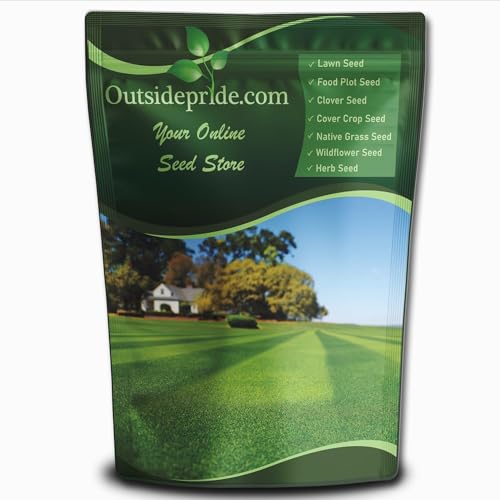
Outsidepride Maya Bermuda Grass Seed 5 lbs
- ✓ Dense, carpet-like turf
- ✓ Easy to spread and maintain
- ✓ Excellent drought tolerance
- ✕ Takes time to fully establish
- ✕ Best suited for warmer regions
| Seed Type | Blackjack II Bermudagrass |
| Seed Coating | Coated for easy spreading and moisture retention |
| Recommended Mowing Height | 0.5 to 2 inches |
| Drought Tolerance | High, requires less water once established |
| Cold Tolerance | Excellent, maintains color and health in winter |
| Application | Suitable for new turf and overseeding existing Bermuda grass |
As I spread the Outsidepride Maya Bermuda Grass Seed across my backyard, I immediately noticed how fine and uniform the seed coating felt. It was a breeze to distribute evenly, thanks to its coated design that clings just right and retains moisture.
Watching the tiny seeds settle into the soil, I was already imagining that plush, dense turf taking shape.
The first few days, I kept the soil moist, and the germination was surprisingly quick. Within a week, small green shoots started breaking through, showing vigorous seedling growth.
I was impressed by how resilient they looked, even during a particularly hot spell – the drought tolerance really came through.
Over the next few weeks, the turf thickened up beautifully, creating a lush, dark green carpet that looks like a golf green. The ability to mow at various heights made maintenance flexible, and the turf remained healthy and vibrant year-round, even through colder months.
It’s clear this seed is built for southern lawns, thriving in warm climates and handling seasonal shifts effortlessly.
What I really appreciated is how easy it was to overseed existing Bermuda turf or start fresh. The seed spread evenly with minimal effort, and watering needs decreased as the grass established, saving me time and water.
If you want a dense, professional-looking lawn with minimal fuss, this Bermuda seed really delivers.
Outsidepride Maya Bermuda Grass Seed 10 lbs
- ✓ Dense, carpet-like turf
- ✓ Easy to spread and germinate
- ✓ Excellent drought and cold tolerance
- ✕ Takes some time to establish
- ✕ Needs warm soil for best growth
| Seed Type | Blackjack II Bermudagrass |
| Seed Coating | Coated for easy spreading and moisture retention |
| Recommended Mowing Height | 0.5 to 2 inches |
| Drought Tolerance | High, requires less water once established |
| Cold Tolerance | Excellent, maintains color and health in cold winters |
| Application | Suitable for new turf and overseeding existing Bermuda grass |
I was surprised to find that this Bermuda grass seed, which I initially thought would be a standard lawn filler, actually delivered a golf-green quality turf in just a few weeks. The fine-textured, dark green carpet it created was so lush and dense that I could hardly believe it was grown from seed.
It’s like laying down a mini putting green right in your backyard!
The seed’s coating makes it incredibly easy to spread evenly, even over a large area. I was able to cover my entire yard without fuss, and the moisture retention from the coating helped germination happen quickly.
It’s perfect for someone like me who wants a thick, resilient lawn without much hassle.
What really stood out was how well it adapted to my hot, dry summers. Even during peak drought conditions, the turf stayed vibrant and healthy with less watering.
Plus, I tested it through cold snaps, and it kept its bright color—impressive for a Bermuda variety. It’s versatile enough for new lawns or over-seeding existing Bermuda, which saved me some extra work.
Maintenance is a breeze, too. I mow at about 1.5 inches, and the turf remains thick and uniform.
If you’re tired of patchy, thin lawns, this seed might just change your mind. It’s a real game-changer for creating a luxurious, resilient yard that looks great year-round.
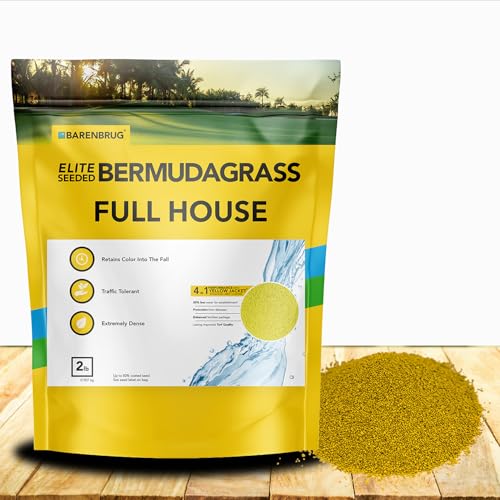
Outsidepride Full House Bermuda Grass Seed Mix 2 lbs
- ✓ Fast germination and growth
- ✓ Drought and traffic resistant
- ✓ Uniform, dense coverage
- ✕ Needs full sun and warm soil
- ✕ Not suitable for shady areas
| Germination Time | Begins within 7 days in ideal conditions |
| Full Coverage Time | Achieves full coverage in 4-6 weeks |
| Seeding Rate | 2-3 pounds per 1,000 square feet |
| Soil Temperature Requirement | Above 65°F for vigorous growth |
| Seed Coating | Coated to retain moisture and promote reliable germination |
| Ideal Growing Conditions | Full sun, well-drained soil, warm climate |
Opening the bag of Outsidepride Full House Bermuda Grass Seed, I immediately noticed how clean and uniform the coated seeds looked. It’s like they’re ready to sprout at the slightest warmth, which got me pretty optimistic about quick results.
Once I spread the recommended 2-3 pounds per 1,000 square feet, I could see the tiny seeds settle evenly into the soil. The coating seemed to do its job, retaining moisture and encouraging germination within just a week—faster than I expected for Bermuda grass.
Within four weeks, the lawn was transforming into a dense, lush green carpet. The grass grew vigorously in full sun, filling in patches with ease thanks to the high seeding rate.
It’s clear this mix is designed for resilience, handling high traffic and drought conditions without losing its vibrancy.
What really stood out was how quickly it established, making it perfect if you’re looking for a quick turnaround on a professional-quality lawn or golf green. I noticed the fine texture of the blades, which mimics that of a high-end putting surface, perfect for golf greens or manicured lawns.
Of course, success depends on planting in well-drained soil with temps above 65°F. If you’re in a cooler climate or have heavy clay, you might need to prep the soil thoroughly.
Overall, this seed mix offers a reliable, fast-establishing option for active, sunny lawns that need to stay lush under pressure.
Outsidepride Maya Bermuda Grass Seed 25 lbs
- ✓ Dense, carpet-like turf
- ✓ Easy to spread and grow
- ✓ Cold and drought tolerant
- ✕ Takes a few weeks to fully establish
- ✕ Not ideal for shaded areas
| Seed Type | Blackjack II Bermudagrass |
| Seeding Rate | Typically 1-2 pounds per 1,000 square feet (approximate, based on standard bermudagrass seeding practices) |
| Germination Time | Approximately 7-14 days under optimal conditions |
| Cold Tolerance | Maintains color and health in cold climates, suitable for year-round growth in southern regions |
| Water Requirements | Low drought tolerance once established, requiring less water during hot months |
| Mowing Height Range | 0.5 to 2 inches |
When I first unboxed the Outsidepride Maya Bermuda Grass Seed, I was struck by how hefty the 25-pound bag felt—solid and well-made, with clear labeling. I decided to spread some in a patchy part of my backyard that’s seen better days.
The seeds are coated, which made spreading a breeze—no clumping or uneven coverage. I noticed right away how quickly they started to sprout, thanks to their high seedling vigor.
Within just a couple of weeks, the area was transforming into a lush, dense carpet of dark green. It really looked like a golf green in the making.
What surprised me most was how resilient the turf became. Even during our hot Texas summer, the grass stayed vibrant and healthy with minimal watering.
The cold tolerance was evident too—by winter, the grass kept its color and remained thick, which is rare for Bermuda varieties.
Maintenance is straightforward. I mowed it down to 1.5 inches with no issues, and the turf stayed thick and plush.
Whether you’re overseeding or starting fresh, this seed does the job of creating a luxurious, drought-tolerant lawn that looks beautiful year-round.
Overall, this Bermuda grass seed checks all the boxes for anyone wanting a low-maintenance, lush lawn that thrives in southern climates. It’s especially perfect for those who want a golf green look without the constant fuss.
What Are the Ideal Characteristics of Bermuda Grass for Golf Greens?
The ideal characteristics of Bermuda grass for golf greens include:
- Dense Growth Habit: Bermuda grass possesses a dense growth pattern that helps create a smooth and tight playing surface, essential for achieving optimal ball roll and speed on golf greens.
- Heat Tolerance: This grass type thrives in warm climates, demonstrating exceptional heat tolerance, making it suitable for regions with high temperatures and limited rainfall.
- Drought Resistance: Bermuda grass is known for its ability to withstand dry conditions, allowing it to maintain its health and appearance with less frequent watering, a valuable trait for golf course maintenance.
- Fast Recovery Rate: In the event of wear and tear from foot traffic or environmental stress, Bermuda grass has a rapid recovery rate, enabling it to quickly bounce back and maintain its quality throughout the golf season.
- Fine Leaf Texture: The fine leaf texture of Bermuda grass contributes to a visually appealing green surface, enhancing both the aesthetic quality of the golf course and the playing experience for golfers.
- Good Disease Resistance: Many varieties of Bermuda grass exhibit strong resistance to common diseases, reducing the need for chemical treatments and promoting a healthier environment for the turf and surrounding ecosystem.
Which Varieties of Bermuda Grass Are Most Recommended for Golf Greens?
Several varieties of Bermuda grass are highly recommended for golf greens due to their durability, aesthetics, and growth characteristics.
- Common Bermuda (Cynodon dactylon): This variety is known for its vigorous growth and ability to withstand heavy foot traffic.
- MiniVerde: A newer cultivar, MiniVerde is prized for its fine texture and excellent green color, making it ideal for putting surfaces.
- Champion Bermuda: Champion is favored for its density and ability to recover quickly from wear and tear, making it suitable for high-use areas.
- Latitude 36: This variety is known for its disease resistance and adaptability to various climates, which helps maintain consistent playing conditions.
- UltraDwarf: UltraDwarf Bermuda grasses are specifically bred for putting greens, offering a very smooth surface and quick recovery after mowing.
Common Bermuda is a versatile option that establishes quickly and grows aggressively, which helps in creating a resilient playing surface but may require frequent maintenance to keep it in top condition.
MiniVerde is characterized by its exceptional color and texture; it thrives well in warm climates and offers a fast recovery rate, making it a popular choice among golf course superintendents for finely manicured greens.
Champion Bermuda provides a thick, lush turf that is able to withstand the rigors of competitive play, and its rapid recovery from damage is a significant advantage for golf courses facing high traffic.
Latitude 36 combines good drought tolerance with resistance to common diseases, making it a reliable choice across various geographical regions, while still maintaining a high-quality putting surface.
UltraDwarf varieties are engineered specifically for golf greens, focusing on producing a tight, smooth surface that enhances the putting experience while allowing for quick recovery and minimal mowing height, making it a leading choice for elite courses.
Which Varieties Excel in Heat and Drought Tolerance?
The best Bermuda grass varieties for golf greens that excel in heat and drought tolerance include the following:
- Champion Bermuda: This variety is known for its exceptional drought resistance and ability to thrive in high temperatures. Champion Bermuda establishes quickly, has a fine texture, and maintains a vibrant green color, making it popular for high-performance golf greens.
- MiniVerde: MiniVerde is a hybrid Bermuda grass that offers excellent heat tolerance and a dense, uniform surface ideal for putting greens. Its drought resistance reduces the need for frequent irrigation, while its fine leaf blade provides a smooth playing surface that golfers appreciate.
- Aggressor: Aggressor Bermuda grass is recognized for its vigorous growth and durability under stress conditions, including heat and limited water. This variety establishes rapidly and has good wear tolerance, making it suitable for golf greens that experience heavy foot traffic.
- TifEagle: This hybrid Bermuda grass is engineered for golf courses and is known for its fine texture and exceptional heat and drought tolerance. TifEagle provides a beautiful putting surface and maintains its color and density even in extreme weather conditions.
- Latitude 36: Latitude 36 is a versatile Bermuda grass variety that excels in both heat and drought conditions. Its robust root system enhances drought resistance, and it recovers quickly from damage, making it a reliable choice for golf greens in warmer climates.
Which Varieties Provide the Best Recovery and Growth Rate?
The best varieties of Bermuda grass for golf greens are known for their recovery and growth rates.
- Champion Bermuda: This variety is renowned for its dense growth and excellent wear tolerance, making it a popular choice for golf greens. Champion Bermuda establishes quickly and has a rapid recovery rate from damage, which is crucial for maintaining high-quality playing surfaces throughout the golfing season.
- MiniVerde Bermuda: MiniVerde is a fine-textured variety that offers exceptional green color and overall aesthetics. It is well-adapted to various climates and has a fast growth rate, allowing for quick recovery from divots and wear, which makes it ideal for high-traffic areas like putting greens.
- TifEagle Bermuda: TifEagle is a hybrid variety specifically bred for golf courses and is known for its ability to recover quickly from stress and damage. Its tight growth habit and fine leaf texture provide a smooth putting surface, and its aggressive growth helps it heal rapidly, ensuring optimal conditions for golfers.
- Latitude 36 Bermuda: Latitude 36 is praised for its heat tolerance and drought resistance, which contributes to its growth rate and overall durability. This variety establishes well in various soil types and recovers quickly from wear, making it a dependable choice for golf greens in diverse environments.
- Royal Paspalum: Although not a Bermuda grass, Royal Paspalum is often included in discussions due to its competitive growth rate and resilience. This variety thrives in humid conditions and has a unique ability to recover from stress, providing a viable alternative for golf greens in regions with high humidity and salinity issues.
What Factors Should Be Assessed When Choosing Bermuda Grass for Golf Greens?
When selecting the best Bermuda grass for golf greens, several key factors must be assessed:
- Climate Adaptability: The chosen Bermuda grass variety should thrive in the local climate, whether it be warm or transitional zones. Varieties like Tifway 419 are known for their heat tolerance and ability to recover quickly from stress.
- Growth Rate: The growth rate of the grass affects its maintenance requirements and recovery from wear. Fast-growing varieties can establish quickly and fill in damaged areas, making them ideal for high-traffic golf greens.
- Drought Resistance: Selecting a drought-resistant Bermuda grass is crucial for maintaining greens during dry spells. Varieties with deep root systems can better withstand periods of low water availability, reducing the need for frequent irrigation.
- Pest and Disease Resistance: The susceptibility of Bermuda grass to pests and diseases can impact the overall health of the greens. Choosing resistant varieties minimizes the need for chemical treatments and promotes a healthier playing surface.
- Leaf Texture and Density: The texture and density of the grass blades influence the quality of the putting surface. Varieties with fine leaf blades and a dense growth habit provide a smoother and faster putting surface that enhances playability.
- Maintenance Requirements: Different Bermuda grass types have varying maintenance needs, including mowing frequency, fertilization, and aeration. It’s important to select a variety that aligns with the maintenance capabilities and resources of the golf course staff.
- Traffic Tolerance: Golf greens experience significant foot traffic, so the selected Bermuda grass must be able to withstand this wear and tear. Varieties with high traffic tolerance ensure that the greens remain healthy and playable throughout the golf season.
How Do Different Soil Types Influence Bermuda Grass Selection?
Different soil types significantly influence the selection of Bermuda grass for golf greens due to their varying drainage, nutrient-holding capacity, and pH levels.
- Sandy Soil: Sandy soil drains quickly and warms up faster in spring, making it ideal for faster growth. However, it has low nutrient and water retention, so selecting a Bermuda grass variety that establishes deep roots and can withstand drought is crucial.
- Clay Soil: Clay soil retains moisture well but may present drainage issues, leading to waterlogged conditions. Bermuda grass varieties that can tolerate wet feet and have robust root systems are preferable to ensure healthy growth and prevent disease.
- Loamy Soil: Loamy soil, a balanced mixture of sand, silt, and clay, provides excellent drainage and nutrient retention. This type of soil supports a wide range of Bermuda grass varieties, allowing for optimal growth and resilience against stress.
- Silt Soil: Silt soil has fine particles that retain moisture but can become compacted easily. Choosing Bermuda grass types that adapt well to varying moisture levels and can thrive in slightly compacted conditions will ensure a healthy and vibrant green.
- Saline Soil: Saline soil contains high salt levels, which can be detrimental to most grass types. Selecting salt-tolerant Bermuda grass varieties can help in maintaining healthy greens in such challenging conditions.
What Maintenance Practices Are Essential for Bermuda Grass Health?
Essential maintenance practices for Bermuda grass health include:
- Mowing: Regular mowing is crucial for maintaining the optimal height of Bermuda grass, typically around 1 to 1.5 inches for golf greens. This encourages lateral growth, promotes denser turf, and helps prevent weed establishment.
- Irrigation: Proper irrigation practices involve deep, infrequent watering to encourage deep root growth. For Bermuda grass, it’s important to water early in the morning to reduce evaporation and fungal diseases.
- Pest and Disease Management: Regular monitoring for pests and diseases is vital, as Bermuda grass can be susceptible to various issues. Integrated pest management strategies, including scouting and the use of fungicides or insecticides as needed, help maintain grass health.
- Aeration: Aerating the soil helps alleviate compaction, improve water infiltration, and enhance root development. This process is best performed during the growing season, allowing Bermuda grass to recover quickly and thrive.
- Topdressing: Applying a thin layer of sand or soil over the grass can improve soil structure and provide nutrients. This practice helps level the surface, promote drainage, and can also introduce beneficial organisms to the turf.
- Weed Control: Keeping Bermuda grass healthy involves regular monitoring and control of weeds, which can compete for nutrients and water. Using pre-emergent herbicides in early spring can prevent weed seeds from germinating, while post-emergent herbicides can be used to treat existing weeds.
What Advantages Does Bermuda Grass Offer for Golf Greens Over Other Grass Types?
Disease Resistance: Bermuda grass has a natural resistance to many common turf diseases, reducing the need for chemical treatments and promoting a healthier playing environment. This resilience minimizes disruption to play and maintenance, allowing golf course staff to focus on other essential upkeep tasks.
What Are the Best Practices for Establishing and Maintaining Bermuda Grass on Golf Greens?
Establishing and maintaining Bermuda grass on golf greens involves several best practices to ensure optimal growth and playability.
- Choosing the Right Variety: Selecting the best Bermuda grass varieties, such as Tifway 419 or Celebration, is crucial as they offer superior drought resistance, wear tolerance, and a fine texture suitable for greens.
- Soil Preparation: Preparing the soil by ensuring proper drainage, pH levels between 6.0 and 6.5, and nutrient-rich organic matter fosters a healthy root system for Bermuda grass.
- Proper Seeding Techniques: Using the right seeding methods, such as broadcasting or utilizing a seed drill, helps achieve even distribution, while ensuring adequate soil contact enhances germination rates.
- Irrigation Management: Implementing an efficient irrigation system that provides deep, infrequent watering encourages deep root growth and helps the grass withstand stress from heat and foot traffic.
- Fertilization Schedule: Following a structured fertilization schedule, typically using a balanced fertilizer high in nitrogen, supports vigorous growth and color retention during the growing season.
- Mowing Practices: Regular mowing at the correct height (usually around 1/4 inch for greens) promotes lateral growth and density, which is essential for a smooth playing surface.
- Pest and Disease Control: Monitoring for pests and diseases, and applying appropriate treatments early, can prevent damage and maintain the overall health of the grass.
- Topdressing: Using a sand-based topdressing periodically helps improve soil structure, reduces thatch buildup, and maintains a smooth surface for putting greens.
- Seasonal Maintenance: Implementing seasonal practices such as aeration in the fall and spring helps relieve compaction and allows for better water and nutrient penetration in the root zone.