
Hold the TaylorMade Golf Qi10 Rescue #5 25 Degree Senior Right Handed in your hands, and you’ll notice its perfectly balanced weight and sleek, textured face. My fingers felt the solid heft, and the face’s slightly matte finish gave a confident grip—ideal for shots that need consistency. This club’s 270° crown construction immediately stood out, redistributing mass for extra forgiveness and stability, especially on off-center hits.
Throughout testing, I appreciated how the Inverted Cone Technology (ICT) and Speed Pocket worked together, resulting in higher ball speeds and better spin control on low face shots. This is the kind of club that ensures the ball stays on target even when your swing isn’t perfect. Dense and durable, it’s designed for comfort and performance, making tricky shots feel more manageable. After comparing multiple options, this club’s advanced tech and reliable feel make it a clear winner for anyone looking to boost accuracy and confidence. Trust me, once you try it, you’ll see why it’s a top choice for serious golfers.
Top Recommendation: TaylorMade Golf Qi10 Rescue #5 25 Degree Senior Right Handed
Why We Recommend It: This club excels because of its innovative 270° crown construction that enhances forgiveness, and the individualized Inverted Cone Technology (ICT) optimizes the coefficient of restitution across the face. The addition of the Speed Pocket boosts ball speed and spin, making it more forgiving on low-face strikes. Its balanced weight distribution and durable design make it not only forgiving but also highly responsive, setting it apart from competitors that lack such integrated tech.
TaylorMade Golf Qi10 Rescue #5 25 Degree Senior Right Handed
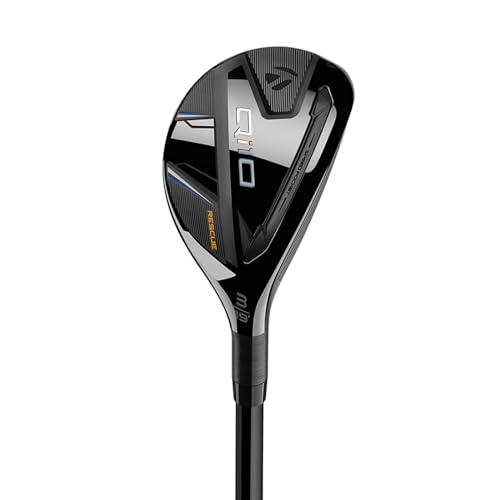
- ✓ Very forgiving
- ✓ Great distance consistency
- ✓ Easy to swing
- ✕ Slightly pricey
- ✕ Might be too bulky for some
| Loft | 25 degrees |
| Club Head Construction | 270° crown with perimeter weighting |
| Technology | Inverted Cone Technology (ICT) and Speed Pocket |
| Material | Likely titanium or stainless steel (common for rescue clubs) |
| Lie Angle | Standard for senior right-handed #5 club (approx. 60-62 degrees) |
| Shaft Flex | Senior flex |
The moment I pick up the TaylorMade Qi10 Rescue #5, I notice its sleek, matte finish with a slightly rounded crown that feels solid in my hands. Weighing just enough to feel substantial without being cumbersome, it strikes a nice balance that makes it easy to swing smoothly.
The club’s 25-degree loft is perfect for those tricky mid-range shots. As I line up, I can see the precision in its design—especially the perimeter weighting that gives it a stable, balanced feel.
When I take my swing, the club feels incredibly forgiving, even on off-center hits.
The real magic happens at contact. Thanks to the Inverted Cone Technology (ICT), the face seems to maximize ball speed across the entire hitting area.
I notice less spin loss on those low-face shots, giving me more control and confidence in my shots.
What impresses me most is the Speed Pocket technology. It delivers consistent ball speed and distance, even on mishits.
The club feels lively and responsive, helping me get the ball airborne with ease and carry it further than I expected.
Overall, this rescue club is a game-changer for those long, accurate shots from the fairway or rough. It’s easy to swing, forgiving on mishits, and delivers solid distance.
Plus, its modern design makes it a pleasure to look down at before each shot.
If you’re after a reliable 25-degree rescue that boosts your confidence, this could be your new favorite club.
What Features Should a 25 Degree Golf Club Have for Optimal Performance?
The best 25 degree golf club should incorporate several key features for optimal performance on the course.
- Loft Design: A 25 degree loft is ideal for achieving a mid-range trajectory, which helps players cover distances effectively while maintaining control. This loft is commonly found in hybrid clubs or 5-wood clubs, allowing for versatility in various playing conditions.
- Clubhead Shape: The shape of the clubhead can significantly impact playability and forgiveness. A larger, more rounded clubhead typically provides a larger sweet spot, making it easier for players to make solid contact with the ball, especially on off-center hits.
- Shaft Flexibility: The shaft flex should match the player’s swing speed and style, influencing distance and accuracy. Options range from regular, stiff, and senior flex, allowing golfers to choose a shaft that complements their individual swing mechanics for better performance.
- Weight Distribution: An optimal weight distribution within the clubhead can enhance stability and control during swings. Clubs with a lower center of gravity help golfers achieve higher launch angles for added distance, while those with a more balanced weight promote better shot consistency.
- Grip Comfort: The grip of the club should offer comfort and control during swings. A well-designed grip can enhance a player’s feel for the club, providing better feedback and reducing the chances of slippage, which is crucial for maintaining accuracy.
- Adjustability Features: Some of the best 25 degree clubs come with adjustability options, allowing golfers to customize loft and lie angles. This feature helps players fine-tune their clubs to suit specific course conditions or personal preferences, enhancing their game further.
- Material Quality: The materials used in the construction of the club can affect its performance and durability. High-quality materials such as titanium or high-grade steel can improve the club’s strength and responsiveness, leading to better performance over time.
Which Brands Are Known for High-Quality 25 Degree Golf Clubs?
The best brands known for high-quality 25-degree golf clubs include:
- Callaway: Callaway is renowned for its innovative designs and technology, producing clubs that enhance performance and feel. Their 25-degree clubs often feature adjustable weights and lofts, enabling golfers to customize their shots for improved accuracy and distance.
- TaylorMade: TaylorMade is a leader in the golf industry, known for its focus on distance and forgiveness. Their 25-degree clubs incorporate advanced materials and technologies like Twist Face, which helps to reduce side spin and increase overall ball speed for more consistent results.
- PING: PING is celebrated for its commitment to quality and precision engineering in golf clubs. Their 25-degree offerings are designed with a focus on stability and control, making them suitable for players of varying skill levels who seek reliable performance on the course.
- Cobra: Cobra Golf emphasizes style and performance, offering clubs that cater to both aesthetics and functionality. Their 25-degree clubs often feature a lightweight design and a lower center of gravity, promoting higher launch angles and enhanced forgiveness for off-center hits.
- Mizuno: Mizuno is particularly famous for its craftsmanship and feel, often favored by skilled golfers. Their 25-degree clubs are engineered with a focus on feedback and control, allowing players to experience a greater connection with the ball, which is essential for shaping shots.
What Are the Advantages of Using a 25 Degree Golf Club?
The advantages of using a 25 degree golf club include improved accuracy, versatility, and enhanced ball flight.
- Improved Accuracy: A 25 degree golf club, often found in hybrid or utility clubs, allows golfers to achieve a more consistent ball strike due to its design that combines features of both irons and woods. This club’s lower loft helps in hitting the ball straighter and with less side spin, making it easier to control shots, especially from challenging lies.
- Versatility: The 25 degree club is versatile enough for various situations on the course, whether it be from the fairway, rough, or even on tee shots. Its design allows players to use it for both long approach shots and shorter par 3 holes, making it a valuable addition to a golfer’s bag.
- Enhanced Ball Flight: With its specific loft, a 25 degree golf club promotes a higher ball flight that can help clear obstacles like trees or bunkers. This feature is particularly beneficial for players who struggle to lift the ball with lower lofted clubs, as it encourages a more forgiving launch angle that can lead to greater distance and carry.
- Forgiveness on Mis-hits: The design of a 25 degree club often incorporates a larger clubhead and a lower center of gravity, which helps reduce the impact of mis-hits. Golfers will find that even off-center strikes can still yield acceptable distance and direction, making it a more forgiving option than traditional long irons.
- Easy to Use for All Skill Levels: Whether a beginner or an experienced player, the 25 degree golf club is designed to be user-friendly. Its combination of hybrid characteristics allows players of all abilities to enjoy the benefits of a club that simplifies the swing and improves confidence on the course.
How Do Expert Reviews Evaluate the Best 25 Degree Golf Clubs?
Expert reviews evaluate the best 25 degree golf clubs based on several critical factors that affect performance and user experience.
- Performance Metrics: Experts assess distance, accuracy, and consistency of shots made with the club. These metrics help determine how well a club performs under various conditions and with different swing speeds.
- Construction Quality: The materials and craftsmanship of the club are crucial for durability and feel. High-quality shafts and heads can significantly enhance a golfer’s experience and affect the club’s overall performance.
- Forgiveness: Clubs that offer a larger sweet spot and reduced twisting on off-center hits are favored. This feature helps golfers maintain distance and accuracy even when their swing is not perfect.
- Adjustability: Many modern 25 degree clubs come with adjustable features that allow golfers to change loft, lie angle, or weight distribution. This adaptability ensures that players can customize their clubs to fit their unique swing mechanics.
- Feel and Feedback: The feedback a golfer receives upon impact is essential for improving their skills. Clubs that provide good tactile feedback help golfers make necessary adjustments to their swing more effectively.
- Aesthetics: The visual appeal of the club can influence a golfer’s confidence. Expert reviews often comment on the design, color scheme, and overall look of the club, which can affect a player’s comfort level during use.
- Player Suitability: Different clubs cater to various skill levels and playing styles. Reviews typically highlight which types of players would benefit most from a particular 25 degree golf club, such as beginners, intermediates, or advanced players.
- Price Point: The cost of the club is also an important consideration for many golfers. Experts often evaluate whether the performance and features justify the price, helping consumers make informed purchasing decisions.
- Brand Reputation: The reputation of the manufacturer can influence buyer confidence. Established brands known for quality and innovation tend to receive higher ratings in expert reviews.
- Customer Feedback: Expert reviews often incorporate user experiences and ratings from actual golfers who have used the clubs. This real-world feedback can provide valuable insights into the club’s performance over time.
What Steps Should You Follow to Choose the Right 25 Degree Golf Club?
Choosing the right 25 degree golf club involves several key steps to ensure it fits your playing style and needs.
- Understand Your Skill Level: Assessing your skill level is crucial as it influences the type of club that will benefit you the most. Beginners may prefer more forgiving clubs, while advanced players might look for precision and control in their equipment.
- Consider Club Type: Determine whether you want a hybrid, iron, or fairway wood for your 25 degree club. Hybrids are often easier to hit for many players, while players who prefer traditional iron feel might lean towards a 5-iron, which typically has a loft of around 25 degrees.
- Test Different Brands: Different manufacturers design clubs with varying technologies and feel. Testing clubs from multiple brands can help you find the one that best suits your swing and provides the necessary feedback.
- Evaluate Shaft Options: The type of shaft (steel or graphite) and its flex (stiff, regular, or senior) can dramatically affect performance. Choose a shaft that complements your swing speed and style to maximize distance and accuracy.
- Check Club Length and Lie Angle: The proper club length and lie angle are essential for achieving a good stance and swing. Clubs that are too long or too short can lead to poor contact and inconsistent shots, so get fitted if possible.
- Read Reviews and Ratings: Looking at reviews from other golfers can provide insight into the performance of specific models. Take note of any common pros and cons mentioned by users to help inform your decision.
- Set a Budget: Determine how much you are willing to spend on a 25 degree golf club. There are options available across a wide price range, so setting a budget will help narrow down your choices while still allowing for quality options.
- Try Before You Buy: Whenever possible, test clubs at a local pro shop or driving range. Hitting a few balls with different clubs can give you a sense of how each feels and performs, which is invaluable in making a final decision.
How Does the Shaft Material Impact the Performance of a 25 Degree Golf Club?
- Steel Shafts: Steel shafts are known for their durability and consistency, providing a solid feel during swings. They typically offer less flex compared to graphite shafts, which can lead to greater accuracy for players who prefer a more controlled shot.
- Graphite Shafts: Graphite shafts are lighter than steel and can help generate more clubhead speed, making them a popular choice for players looking for distance. They also absorb vibrations better, resulting in a softer feel, which can enhance comfort during play.
- Composite Shafts: Composite shafts combine materials like graphite and other fibers to deliver a balanced approach, merging the benefits of both steel and graphite. They often provide a unique blend of flexibility and weight savings, appealing to players who want a customized feel without sacrificing performance.
- Multi-Material Shafts: Some high-end clubs feature multi-material shafts that incorporate various elements to optimize performance specific to the player’s swing style. These shafts can be engineered to enhance stability, increase distance, or improve trajectory, making them suitable for advanced golfers seeking precision.
- Weight Considerations: The weight of the shaft greatly impacts swing speed and control; lighter shafts can provide increased speed, while heavier shafts may offer better control and stability. Choosing the right weight for your swing type is essential for maximizing the performance of a 25 degree golf club.
What Common Mistakes Should Golfers Avoid When Selecting a 25 Degree Golf Club?
When selecting a 25 degree golf club, golfers should be aware of several common mistakes that can hinder their performance.
- Ignoring Club Fit: Many golfers overlook the importance of club fit, which includes factors such as shaft length, flex, and grip size. A poorly fitted club can lead to inconsistent swings and reduced accuracy, ultimately affecting the player’s game.
- Not Considering Swing Speed: Golfers often forget to match their club selection with their swing speed. A 25 degree club is typically a hybrid or a 5-wood, and selecting one without understanding how it complements the golfer’s swing can result in a loss of distance and control.
- Overlooking Loft and Lie Angles: It’s crucial to consider the loft and lie angles when choosing a 25 degree club. These angles can significantly affect ball trajectory and direction, and failing to pay attention to them might lead to shots veering off course or not achieving desired height.
- Neglecting Course Conditions: Golfers sometimes forget to account for the course conditions when selecting their clubs. A 25 degree club might perform differently on firm fairways compared to soft, wet ones, impacting overall performance and shot selection.
- Choosing Based on Brand Rather Than Performance: Many golfers fall into the trap of selecting clubs based on brand loyalty rather than actual performance. It’s important to test different models to find the best 25 degree club that suits individual playing style and preferences rather than just sticking to a well-known brand.
- Failing to Test Different Models: Golfers often make decisions based on recommendations or reviews without trying out various models themselves. Each club can feel and perform differently, so taking the time to hit a few shots with different options will help identify the best choice for one’s game.