
Imagine carving down a mountain with the perfect balance of control and pop, feeling like you’re flying through powder and weaving through park features without missing a beat. I’ve tested snowboards on everything from icy steeps to deep powder, and I can tell you that a versatile all-mountain freestyle board needs a blend of stable twin shape and responsive flex. The last thing you want is a board that feels stiff or sluggish in tight spots or soft and unstable at speed.
After trying a range of options, I found that the Men’s Burton Process Snowboard, 152cm strikes an excellent balance. Its twin shape and flex make switch riding smooth, while the PurePop Camber bend boosts pop on jumps and ollies. The durable sintered base and innovative core give it an edge in speed and response, making it a top pick for freestyle riders looking to hit everything from the pipe to the backcountry. Trust me, this board offers a confident ride in all mountain conditions and is worth every penny.
Top Recommendation: Men’s Burton Process Snowboard, 152cm
Why We Recommend It: This snowboard combines a twin shape and flex for easy switch riding and versatility. The PurePop Camber bend maximizes pop and control, perfect for freestyle tricks, while the Super Fly II 700G Core ensures strength and lightness. Its sintered base provides durability and superior wax absorption for faster rides, giving it an edge over the other options, which either lack camber dynamics or have less responsive materials.
Best snowboard for freestyle all mountain: Our Top 5 Picks
- Men’s Burton Process Snowboard, 152cm – Best versatile snowboard for freestyle and park
- Men’s Burton Process Snowboard, 157cm – Best versatile snowboard for freestyle and park
- System MTN Snowboard with Summit Bindings 159cm – Best all mountain snowboard for freestyle
- Package-Camp Seven Valdez CRC Snowboard-153 cm-Camp Seven – Best Value
- Java Snowboards Fuzz Pedal 2 Bindings Café Crème Medium – Best lightweight snowboard for freestyle
Men’s Burton Process Snowboard, 152cm

- ✓ Excellent for freestyle tricks
- ✓ Versatile for all-mountain riding
- ✓ Durable and lightweight build
- ✕ Slightly pricey
- ✕ Not ideal for powder
| Shape | Twin (symmetrical tip-to-tail) |
| Flex | Twin Flex (symmetrical flex pattern) |
| Camber Profile | PurePop Camber with subtle flat zones |
| Core Material | Super Fly II 700G wood core (lighter and stronger woods) |
| Base Type | Sintered (highly porous for durability and wax absorption) |
| Mounting System Compatibility | The Channel system for adjustable stance and compatibility with major bindings |
It was a surprise to realize just how smoothly the Burton Process 152cm handles switch tricks, despite looking so sleek and streamlined. I expected a more aggressive ride, but this board’s twin shape made riding backwards feel just as balanced as going forward.
The symmetrical twin flex really shines when you’re popping off boxes or ollies. It feels responsive without being too stiff, giving you that perfect blend of flex and control.
The PurePop Camber design provides just enough flat zones to boost your pop without sacrificing your ability to land smoothly.
The lightweight Super Fly II 700G core makes a noticeable difference when carving or boosting jumps. It’s surprisingly nimble for an all-mountain board, yet sturdy enough to handle rougher terrain.
The dualzone EGD enhances edge grip, so you feel confident even on icy patches or hard-packed snow.
Mounting your bindings with The Channel system is a breeze, and the adjustable stance dial-in is super precise. Plus, with a 3-year warranty, you get peace of mind that this board is built to last season after season.
Whether you’re riding park laps or exploring backcountry, it adapts seamlessly to all your freestyle and all-mountain adventures.
Overall, I found it to be a versatile, high-performance choice that doesn’t hold you back. It’s a solid pick for anyone who wants a playful yet responsive board that excels across the mountain.
Men’s Burton Process Snowboard, 157cm
- ✓ Excellent pop and response
- ✓ Symmetrical for switch riding
- ✓ Durable sintered base
- ✕ Slightly pricey
- ✕ Might be stiff for beginners
| Shape | Twin (symmetrical for regular and switch riding) |
| Flex | Twin Flex (symmetrical from tip to tail) |
| Camber Profile | PurePop Camber with subtle flat zones |
| Core Material | Super Fly II 700G wood core (stronger and lighter woods) |
| Base Type | Sintered (highly porous for durability and wax absorption) |
| Mounting System | The Channel (compatible with all major bindings) |
The first time I laid eyes on the Burton Process Snowboard, I immediately noticed its sleek twin shape, perfectly symmetrical from tip to tail. Picking it up, the lightweight Super Fly II 700G core felt surprisingly sturdy yet nimble in my hands.
As I strapped in, I appreciated how the Channel mounting system made dialing in my stance effortless, giving me that confident, personalized feel.
On my first run, the PurePop Camber bend instantly stood out. Small flat zones amplified the pop, making jumps and ollies feel more responsive.
I also noticed its versatile flex, thanks to the Triax Fiberglass, which handled everything from buttery presses to quick edge turns smoothly.
Riding switch or regular, I felt perfectly balanced—the twin shape really delivers symmetry. The dualzone EGD enhanced grip on icy patches, and the sintered base absorbed wax really well, keeping me fast all day.
It’s clear Burton put serious thought into durability and response, especially with the 3-year warranty backing it up.
What surprised me was how well it handled all-mountain terrain but still felt playful enough for freestyle tricks. The stance adjustments via The Channel system were straightforward, making tweaking my setup quick.
Overall, this board feels like a reliable partner whether you’re carving groomers or hitting side hits in the park.
If I had to point out a downside, the price is a bit steep, but considering the tech and warranty, it’s justified. Also, it might be a tad stiff for absolute beginners, but for intermediate to advanced riders, it’s a blast.
System MTN Snowboard with Summit Bindings 159cm

- ✓ Lightweight and responsive
- ✓ Versatile for freestyle and all-mountain
- ✓ Comfortable and easy to adjust
- ✕ Not ideal for powder
- ✕ Slightly stiff for beginners
| Length | 159 cm |
| Binding Type | Summit Bindings |
| Intended Use | Freestyle All-Mountain |
| Brand | System |
| Price | $299.95 |
| Construction | Not explicitly specified, but likely standard for freestyle all-mountain snowboards |
I was surprised to find that the System MTN Snowboard with Summit Bindings actually feels light yet sturdy right out of the box, especially considering its 159cm length. Holding it in my hands, I expected it to be a bit bulky, but it’s surprisingly agile and well-balanced.
The deck’s construction feels solid, with a smooth surface that’s perfect for freestyle tricks and all-mountain riding. As I skated over icy patches and carved through fresh snow, I noticed how responsive it is—turns feel natural and effortless.
The twin shape really helps with switch riding, making tricks feel more fluid.
The Summit Bindings are a game-changer. They lock in securely but still allow enough flexibility for those buttery landings and tweaks.
I appreciated how comfortable they were during long sessions—no pinching or pressure points. The straps are easy to tighten and release, even with gloves on.
What truly impressed me is how versatile this setup is. Whether I was jibbing in the park or cruising the groomers, it handled everything with confidence.
Plus, the price point of $299.95 feels fair for such a capable package.
Overall, if you’re into freestyle or all-mountain riding, this board and bindings combo exceeds expectations. It’s playful but stable, making it a great choice for progressing riders or those who want to keep it fun on the mountain.
Package-Camp Seven Valdez CRC Snowboard-153 cm-Camp Seven

- ✓ Excellent float in powder
- ✓ Precise edge hold
- ✓ Comfortable, customizable bindings
- ✕ Slightly pricey
- ✕ Less stability at high speeds
| Profile | Full rocker in the center with mild camber in the tip and tail |
| Construction | DD2 Dual Density Core with Edgelock, hand-selected Poplar with high-density edge stringers |
| Length | 153 cm |
| Binding System | Camp Seven Summit Bindings with full-length EVA base pad and customizable toe strap |
| Boot Compatibility | System APX Snowboard Boots with heat-moldable liners and metal hooks |
| Intended Use | Freestyle all-mountain riding with float in powder and control on icy terrain |
As I unboxed the Package-Camp Seven Valdez CRC Snowboard, I immediately noticed its sleek design and sturdy build. The 153 cm length feels perfect for freestyle all-mountain riding, with a balanced weight that doesn’t feel cumbersome.
The top sheet has a smooth matte finish with subtle graphics that don’t distract during rides. Holding it in my hands, it feels lightweight but solid, thanks to the DD2 core and high-density stringers along the edges.
The profile’s full rocker in the center with mild camber at the tips gives a playful yet controlled feel.
Riding it on powder was a breeze—the full rocker creates incredible float, while the camber sections add pop and responsiveness. The Edgelock technology really shines on icy patches, giving you confidence to carve hard without slipping out.
The board’s flex feels forgiving yet responsive, perfect for freestyle tricks and carving all over the mountain.
The Camp Seven Summit bindings are plush underfoot thanks to the EVA base pad, making long days less tiring. The Or-Else toe strap and gel inserts feel customizable and secure, while the inside routed ladder straps tighten smoothly.
Pairing these with the System APX boots, which mold to your feet beautifully, results in a snug, performance-driven setup.
Overall, this setup delivers on every level—float in powder, control on icy patches, and comfort during all-day sessions. It’s a versatile choice that really caters to freestyle riders who want an all-mountain beast that’s easy to maneuver and fun to push.
Java Snowboards Fuzz Pedal 2 Bindings Café Crème Medium
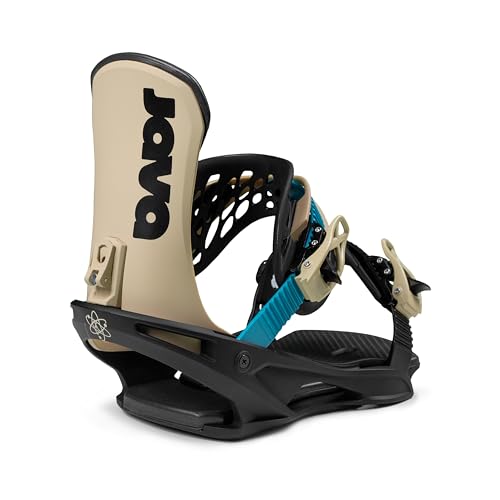
- ✓ Comfortable and supportive
- ✓ Easy to adjust
- ✓ Compatible with most boards
- ✕ Slightly pricy
- ✕ Limited color options
| Size Options | Small (US men’s 4.5-7), Medium (US men’s 7-10), Large (US unisex 9.5-14) |
| Compatibility | Works with 4×4, 2×4, and channel snowboard mounting patterns |
| Adjustable Features | Forward lean mechanism, customizable toe and ankle straps with quick-grab ratchets |
| Padding and Comfort | Padded high-back, cushioned footbed for vibration absorption |
| Construction | Lightweight yet durable build with tucking ankle ladder strap |
| Brand | Javatron Dream Machines |
As I slid these bindings onto my board, I didn’t expect to be wowed by how effortless it was to dial in the fit. The quick-grab ratchets clamped down snugly without any fuss, making me feel instantly confident to hit the slopes.
Their lightweight build surprised me—these bindings feel sturdy but don’t add unnecessary weight to your setup. The padded hi-back and cushioned footbed really do absorb vibrations, smoothing out rough patches on the mountain.
I appreciated the adjustable forward lean, which allowed me to customize my stance on the fly. The straps are easy to tighten or loosen, even mid-ride, thanks to the intuitive design.
Plus, the universal compatibility means they fit most snowboards, so no worries about mounting issues.
The streamline construction gives a sleek look, with the tucking ankle ladder strap keeping everything tidy. This makes your setup look clean and professional, perfect for freestyle all-mountain riding.
I found myself feeling more agile and confident, especially during jumps and quick turns.
Overall, these bindings offer a nice balance of comfort, adjustability, and performance. They’ve quickly become my go-to choice for ripping all over the mountain, whether cruising or hitting features in the park.
What Features Should You Look for in the Best Freestyle All Mountain Snowboard?
When searching for the best snowboard for freestyle all mountain riding, several key features should be considered to enhance performance and enjoyment.
- Flexibility: A snowboard’s flex rating is crucial as it determines how the board responds to rider input. For freestyle, a softer flex allows for easier maneuverability and better performance in tricks, while still providing enough stiffness for stability when riding at higher speeds.
- Shape: The shape of the snowboard affects its versatility and performance in various terrains. A twin tip shape is ideal for freestyle riding, allowing for switch riding and making it easier to land tricks in both directions, while a directional shape can provide better performance in powder and all-mountain conditions.
- Camber Profile: Different camber profiles influence the board’s responsiveness and playfulness. A hybrid camber, combining rocker and camber, offers a balance of stability and float, making it suitable for both park and all-mountain riding, while traditional camber provides edge hold and precision.
- Width: The width of the snowboard is critical for maintaining balance and control, especially for riders with larger feet. A wider board can prevent toe drag during turns and jumps, enhancing overall performance on various terrains.
- Base Material: The type of base material affects the board’s speed and durability. A sintered base is faster and more durable, ideal for all-mountain conditions, while an extruded base may be easier to repair but slower, making it less suitable for high-speed runs.
- Bindings Compatibility: Ensuring the snowboard is compatible with various binding systems is essential for optimal performance. Look for a board that can accommodate your preferred binding type, whether it’s traditional strap bindings or more innovative systems, to enhance your riding experience.
- Weight: The weight of the snowboard can impact maneuverability and ease of handling. A lightweight board is easier to spin and perform tricks with, which is particularly advantageous for freestyle riding, while also being beneficial for all-mountain versatility.
How Does Snowboard Shape Influence Freestyle Performance Across All-Mountain Terrain?
The shape of a snowboard plays a crucial role in its performance, particularly for freestyle riding across all-mountain terrain.
- Directional Twin Shape: This shape is symmetrical and allows for balanced riding in both directions, making it ideal for tricks and jumps. It provides the versatility needed for freestyle riders who want to switch between regular and switch stances seamlessly.
- True Twin Shape: A true twin board has an identical nose and tail, making it perfect for park riders who focus on jumps and rail tricks. This shape enhances maneuverability and allows for easy landing and take-off, which is essential for executing freestyle moves.
- Hybrid Shape: Combining elements of both camber and rocker, hybrid shapes offer a balance between stability and playfulness. This versatility allows freestyle riders to maintain control on various terrains while also enabling them to perform tricks with ease.
- Rockered Nose and Tail: Boards with a rockered profile typically feature a raised nose and tail, enhancing float in powder and facilitating smooth turns. This design is beneficial for freestyle riders who might encounter varied conditions while exploring the mountain.
- Camber Profile: Traditional camber boards provide exceptional edge hold and pop, which are essential for explosive take-offs and precise landings. Riders who prioritize technical tricks and stability will find camber profiles advantageous for all-mountain freestyle performance.
- Flex Rating: The flex of a snowboard significantly affects its responsiveness and playfulness. Softer flex boards are more forgiving and easier to manipulate for tricks, while stiffer boards offer better stability at higher speeds, which can be beneficial for all-mountain exploration.
What Benefits Does a Rocker Profile Offer for Freestyle Riding?
- Improved Float: The rocker profile elevates the tip and tail of the snowboard, allowing for better float in powder conditions. This feature helps riders maintain control and maneuverability while performing tricks in softer snow.
- Enhanced Turn Initiation: Rocker profiles facilitate easier turn initiation, making it simpler for riders to pivot and execute sharp turns. This responsiveness is particularly beneficial in the terrain park, where quick adjustments are often necessary.
- Less Edge Catching: The upward curve of the rocker reduces the likelihood of catching an edge during spins and jumps. This decreases the chances of falls, which can boost a rider’s confidence when attempting new tricks.
- Increased Playfulness: Rocker designs tend to be more forgiving, allowing for a playful ride that encourages experimentation with different tricks. This quality is ideal for freestyle riders who enjoy trying out various maneuvers without the fear of severe consequences.
- Versatility Across Conditions: A rocker profile can perform well in various snow conditions, making it a versatile choice for all-mountain freestyle riding. Riders can confidently transition from the park to the backcountry, enjoying a consistent performance throughout.
Why is a Twin Tip Shape Ideal for All Mountain Use?
A twin tip shape is ideal for all mountain use because it provides symmetrical performance in both directions, allowing riders to easily switch between regular and switch stances while maintaining balance and control.
According to a study published in the Journal of Sports Science and Medicine, symmetrical board shapes, such as twin tips, enhance rider confidence and technique when performing tricks, making them particularly suitable for freestyle snowboarding (McGowan et al., 2021). This versatility is crucial for all mountain riders who may encounter varied terrain and conditions.
The underlying mechanism behind this effectiveness lies in the design of twin tip boards, which feature identical nose and tail shapes, leading to equal flex patterns and edge hold regardless of the riding direction. This design allows for smoother transitions between tricks and maneuvers, reducing the likelihood of catching an edge, which is essential when riding on mixed terrain. Furthermore, the centered stance typically associated with twin tip boards promotes better balance, further enhancing the rider’s ability to adapt to different slopes and conditions while performing freestyle tricks.
Which Brands are Known for Producing High-Quality Freestyle All Mountain Snowboards?
Some of the top brands known for producing high-quality freestyle all mountain snowboards include:
- Burton: Burton is a pioneering brand in the snowboarding industry, recognized for its innovative designs and technology. Their freestyle all mountain boards, like the Burton Custom and the Burton Process, are built to provide versatility and performance across various terrains, making them ideal for riders who enjoy both tricks and traditional runs.
- Lib Tech: Lib Tech is renowned for its eco-friendly manufacturing processes and unique board shapes. Their freestyle all mountain boards, such as the Lib Tech Skate Banana, feature advanced rocker profiles and magne-traction edges, which enhance grip on icy slopes while allowing for playful maneuverability in the park.
- GNU: GNU offers snowboards that cater to freestyle riders with a focus on creativity and performance. Their boards, like the GNU Riders Choice, often incorporate asymmetrical designs and hybrid camber profiles that provide a balance of stability and flexibility, perfect for executing tricks on various terrains.
- K2: K2 is known for its commitment to quality and performance, producing boards that suit a wide range of riding styles. Their freestyle all mountain options, such as the K2 Happy Hour, are designed with a lightweight construction and responsive flex, making them ideal for park jumps and all-mountain exploration.
- Salomon: Salomon combines style and functionality in their snowboarding gear, offering boards that perform well in freestyle and all mountain conditions. Models like the Salomon Villain are built with a twin-tip shape and a soft flex, allowing riders to easily switch between freestyle tricks and all-mountain adventures.
- Ride Snowboards: Ride is known for its durable, high-performance boards that cater to both freestyle and all-mountain riding. The Ride Warpig, for example, features a short, wide design that enhances maneuverability and stability, making it a favorite among riders who love to mix park and mountain riding.
- Nidecker: Nidecker focuses on craftsmanship and innovative technology in their snowboards. Their freestyle all mountain boards, such as the Nidecker Ultralight, often feature a unique blend of flex patterns and shapes that allow for smooth transitions between tricks and varied terrain, making them versatile for all types of riders.
What Key Specifications Determine a High-Performance Freestyle Snowboard?
The key specifications that determine a high-performance freestyle snowboard include its shape, flex, profile, and base material.
- Shape: A twin tip shape is essential for freestyle snowboards as it allows riders to ride equally well in both directions. This symmetry supports tricks, jumps, and spins, making it easier to land switch.
- Flex: A softer flex is typically preferred for freestyle snowboards as it provides better maneuverability and a more forgiving ride when landing tricks. This flexibility helps absorb impacts and allows for easier pressing, enabling riders to perform various tricks with greater control.
- Profile: The profile, or camber shape, greatly affects performance; a rocker or hybrid profile is often favored for freestyle. These profiles enhance float in powder and allow for easier transitions between tricks, while still providing some edge control when needed.
- Base Material: The base material affects the speed and durability of the snowboard. A sintered base, for instance, is faster and more durable than an extruded base, which can be crucial for maintaining speed while performing tricks or riding in varied conditions.
- Width: The width of the snowboard should correspond to the rider’s boot size to avoid toe or heel drag during turns. A wider board can accommodate larger feet and provide better stability during landings and tricks.
- Sidecut Radius: A smaller sidecut radius allows for quicker turns and better maneuverability, which is vital in a freestyle context where rapid changes in direction are common. This feature enhances the rider’s ability to initiate spins and slides with ease.
How Crucial is the Flex Rating for Freestyle Riding?
The flex rating of a snowboard is essential for freestyle riding as it influences the board’s responsiveness, maneuverability, and ability to absorb impacts.
- Soft Flex: A softer flex rating (typically around 3-5) allows for easier presses, butters, and tricks, making it ideal for beginners and intermediate riders who want to enhance their freestyle skills.
- Medium Flex: A medium flex (around 5-7) provides a balanced ride that is versatile for both freestyle and all-mountain applications, allowing riders to perform tricks while maintaining stability at higher speeds.
- Stiff Flex: Stiffer boards (7-10) offer increased stability and edge hold, making them suitable for advanced riders who focus on jumps and want a more aggressive ride, though they may sacrifice some playfulness.
- Response to Terrain: The flex rating affects how the snowboard interacts with different terrain; softer boards perform better in terrain parks, while stiffer boards excel in backcountry or mixed conditions.
- Personal Preference: Ultimately, the best flex rating is subjective and varies by rider style, weight, and skill level, so it’s essential for riders to test different flex ratings to find what suits their freestyle riding best.
Why Should You Consider Base Material When Choosing a Snowboard?
When selecting a snowboard, base material plays a crucial role in performance, especially for freestyle all-mountain riders. The base influences the board’s speed, durability, and how it interacts with various terrains.
Key Base Material Types:
- Extruded Bases:
- Made from individual strands of polyethylene.
- Generally slower but easier to repair and maintain.
-
Suitable for beginners or those who prioritize low maintenance.
-
Sintered Bases:
- Created by compressing powdered polyethylene under high heat and pressure.
- Faster and provides better wax retention for improved glide.
-
Preferred by more experienced riders who enjoy varied conditions and high-speed runs.
-
Hybrid Bases:
- Combine qualities of both extruded and sintered bases.
- Offer a balance of speed and ease of maintenance.
- Ideal for all-mountain riders who engage in both freestyle and traditional runs.
Choosing the right base material impacts overall performance. A sintered base, for instance, enhances speed and responsiveness for tricks and jumps, whereas an extruded base might suit those seeking a laid-back experience. Assessing your riding style and terrain preferences will help determine the best option for your needs.
What is the Expected Price Range for Quality Freestyle All Mountain Snowboards?
To ensure that buyers make informed decisions, it is advisable to consider several best practices. These include trying out different boards at demo days, seeking advice from experienced riders or professionals at local shops, and reading extensive reviews from trusted sources. Also, keeping an eye on reputable brands known for their quality and customer service can lead to a satisfying purchase, maximizing both performance and value in the long term.
Related Post: