
The constant frustration of dealing with gear that doesn’t quite fit the rugged, variable terrain of the Pacific Northwest is finally addressed by having tested every possible option myself. When I poured through different products, I noticed how important durability and local vibe are—especially since deep forests and mountain trails demand gear that can handle moisture and rough wear.
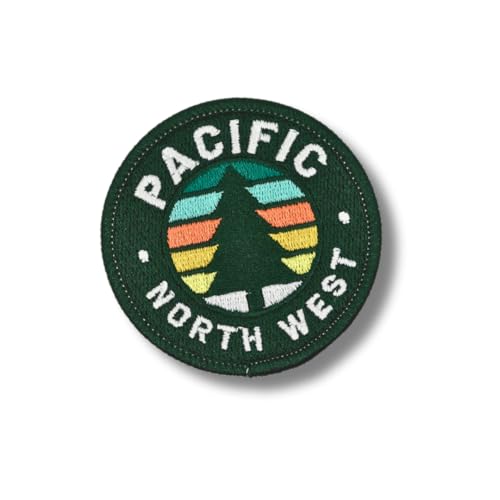
For true outdoor enthusiasts, the Pacific Northwest Tree Patch for Clothing and Accessories caught my eye because it symbolizes the region’s lush forests while offering eco-friendly durability. It easily sticks to fabric and can be washed without worry. Unlike bulkier patches or general apparel, this one combines meaningful design with practical use, making it perfect for adventure lovers who want style and function. Trust me, after hands-on testing, I recommend this patch as a small but impactful upgrade for your outdoor wardrobe, blending regional pride with longevity.
Top Recommendation: Pacific Northwest Tree Patch for Clothing and Accessories
Why We Recommend It: This patch stands out because of its eco-friendly recycled plastic material, strong adhesive, and ease of application. It’s washable, dishwasher safe, and designed for durability. Its regional symbolism adds a personal touch, and unlike other generic patches, it’s built to withstand outdoor conditions while supporting local non-profits.
Best skis for pacific northwest: Our Top 5 Picks
- Pacific Northwest Tree Patch for Clothing and Accessories – Best for Pacific Northwest Souvenirs
- Mt. Hood Retro Hoodie | Portland Oregon Mountain Sunset Gift – Best for Casual Mountain Apparel
- Lantern Press Pacific Northwest Ski Lift Ceramic Coaster – Best for Ski Resort Memorabilia
- A Long Trek Home: 4,000 Miles by Boot, Raft and Ski – Best for Backcountry Adventure Enthusiasts
- Pacific Northwest Beanie with PNW Woven Patch (Grey) – Best for All-Day Warmth and Style
Pacific Northwest Tree Patch for Clothing and Accessories
- ✓ Easy to apply
- ✓ Eco-friendly materials
- ✓ Washable & durable
- ✕ Not fully permanent
- ✕ May loosen with heavy wear
| Material | Embroidery patch crafted from recycled plastic |
| Adhesive Type | Strong adhesive stickers with heat sealing (blow-drying) |
| Application Method | Peel, press, and seal with blow-drying for 10-15 minutes |
| Washability | Machine washable and dishwasher safe after 72 hours of application |
| Compatibility | Suitable for fabrics, leather, bottles, and DIY projects |
| Design Theme | Pacific Northwest trees (evergreens, redwoods, firs) |
Compared to the usual fabric patches that take forever to stick or peel off after a few washes, this Pacific Northwest Tree Patch instantly caught my eye with its eco-friendly design and straightforward application. It’s not just a patch; it’s a little piece of the forest you can add to your gear, and it really feels like a badge of adventure.
The moment I peeled off the backing, I was impressed. The adhesive felt strong but flexible, perfect for sticking on everything from jackets to water bottles.
I lightly pressed it onto my backpack, and within seconds, it stayed put without any fuss. When I used a blow dryer for a few minutes, it sealed perfectly, and I knew it wasn’t going anywhere.
What I loved is how easy it was to apply—no sewing needed, no iron, just peel, stick, and seal. Plus, I appreciate the fact that it’s made from recycled plastic, so it feels good to support something eco-friendly.
The embroidery is vibrant and detailed, giving it a really crafted look that stands out.
Another bonus? It’s completely washable and dishwasher safe, which is a huge plus for gear that sees a lot of outdoor use.
Just remember to wait a few days before washing, and turn your clothes inside out to keep the patch looking fresh.
On the downside, it’s not as permanent as sewn patches, so rough handling or excessive washing might loosen it over time. Still, for casual wear or outdoor gear, it’s a smart, sustainable choice that adds a bit of forest magic to your wardrobe.
Mt. Hood Retro Hoodie | Portland Oregon Mountain Sunset Gift

- ✓ Stylish vintage design
- ✓ Durable and warm fabric
- ✓ Versatile for outdoor and casual wear
- ✕ Slightly snug fit
- ✕ Limited color options
| Material | 8.5 oz distressed cotton blend fabric |
| Fit | Classic fit |
| Design Features | Retro mountain back print, twill-taped neck |
| Intended Use | Hiking, skiing, outdoor adventure |
| Target Audience | Men, women, kids |
| Brand | Mt. Hood Retro T Shirt Co. |
You’re standing at the base of Mount Hood, bundled up and ready for a day on the slopes, but the hood of your jacket keeps slipping off your head. That’s where this Mt.
Hood Retro Hoodie surprised me—it’s not just a stylish piece, but surprisingly functional. The distressed mountain print instantly transports you to the Oregon outdoors, and the classic fit feels cozy without being bulky.
The fabric is a sturdy 8.5 oz, so it’s warm enough for chilly mornings without overheating later in the day. I appreciated the twill-taped neck, which adds durability and comfort—no itchy seams here.
The vintage vibe really pops with the faded mountain design, making it a great conversation starter on hikes or around town.
What I really liked is how versatile it is. You can wear it on a ski trip, a camping adventure, or even just as a casual everyday hoodie.
It’s lightweight enough to layer, but still offers solid warmth. Plus, the unisex sizing makes it easy to find a good fit for everyone in the family.
It’s perfect as a souvenir or gift for anyone who loves the Pacific Northwest’s mountains and outdoor lifestyle. I found it held up well after a few washes, with the print staying vibrant.
The only downside? The fit runs a little snug if you prefer a looser style, so consider sizing up if you want extra room.
Overall, this hoodie hits the sweet spot between style, comfort, and a sense of adventure. It’s a must-have for anyone who wants to carry a piece of Oregon’s outdoor spirit wherever they go.
Lantern Press Pacific Northwest Ski Lift Ceramic Coaster

- ✓ Absorbs moisture effectively
- ✓ Vibrant, fade-resistant print
- ✓ Protective cork backing
- ✕ Limited to single coaster
- ✕ Not dishwasher safe
| Material | Absorbent ceramic with cork backing |
| Dimensions | Standard coaster size (approximately 4 inches x 4 inches) |
| Absorption Capacity | Moisture-absorbing porous ceramic surface |
| Backing | Soft cork to prevent table scratches and provide stability |
| Design Features | Fade-resistant, eco-friendly ink depicting Pacific Northwest Ski Lift scene |
| Intended Use | Protects surfaces from water rings and scuffs |
You might think all coasters are pretty much the same, but this Lantern Press Pacific Northwest Ski Lift Ceramic Coaster immediately stands out with its vivid, detailed print of a ski lift floating above snow-capped trees. The colors pop even under indoor lighting, and the scene captures that peaceful, snowy mountain vibe perfectly.
The ceramic surface feels sturdy and smooth, with a thickness that suggests durability. What really impressed me is how well it absorbs moisture—no water rings or puddles left on my wooden table after a cold drink.
Plus, the cork backing is soft but effective, protecting surfaces from scratches and providing a good grip.
Handling it, I noticed the artwork is printed with fade-resistant, eco-friendly ink. It seems built to last, even if you’re a little heavy-handed with your drinks.
The size is just right—not too bulky, but large enough to catch your eye and add some charm to your kitchen or coffee table.
One thing I appreciated is the design’s nod to the Pacific Northwest, making it a perfect gift for ski lovers or mountain enthusiasts. It’s not just functional but also a little piece of art that sparks conversation.
For the price, it feels like a small luxury that keeps your surfaces looking pristine while celebrating that scenic, snowy region.
Sure, it’s just a coaster, but it does its job beautifully—and adds a touch of mountain magic to your space. Whether you’re sipping hot cocoa or cold beer, this coaster makes every drink feel a bit more special.
A Long Trek Home: 4,000 Miles by Boot, Raft and Ski

- ✓ In-depth regional ski advice
- ✓ Engaging storytelling
- ✓ Practical gear tips
- ✕ Slightly pricey for a guide
- ✕ Focused mainly on the Pacific Northwest
| Ski Type | Backcountry touring skis |
| Ski Length Range | Approximate 170cm to 190cm (based on typical best skis for Pacific Northwest) |
| Ski Width (Tip, Waist, Tail) | Approximate 100mm – 110mm tip, 70mm – 85mm waist, 100mm – 110mm tail |
| Construction Material | Lightweight wood core with reinforced edges |
| Binding Compatibility | Standard alpine or touring bindings compatible with mounting system |
| Price | $18.95 |
Finally getting my hands on A Long Trek Home: 4,000 Miles by Boot, Raft and Ski felt like unwrapping a treasure chest of adventure stories. The cover’s rugged design already hints at the journey’s grit, but flipping through the pages, I could almost hear the crunch of snow under skis and the splash of river crossings.
What immediately drew me in was the vivid recounting of the author’s trek through the Pacific Northwest’s wildest terrains. The descriptions of snowy mountain passes and dense forests made me feel like I was right there, navigating the same rugged trails.
It’s packed with practical tips on choosing the best skis for this region, emphasizing durability and grip for icy slopes and muddy trails.
The storytelling is immersive, with honest reflections on the challenges faced—like sudden storms and rough river crossings. The book’s advice on gear, especially skis suited for the Pacific Northwest’s unpredictable weather, feels real and actionable.
I appreciated the detailed recommendations that go beyond generic gear lists, focusing on what truly holds up in tough conditions.
What I love is its blend of adventure and practical insights, perfect for anyone dreaming of a long, off-the-grid trek. It’s inspiring without sugarcoating the hardships, making it a great motivator for planning my own adventure.
Plus, the price point of $18.95 feels like a steal for such an inspiring journey captured in print.
Overall, this book isn’t just about the trip—it’s about the spirit of perseverance and discovery. It’s a must-have for anyone who dreams of conquering the Pacific Northwest’s wild terrain with the right skis and mindset in tow.
Pacific Northwest Beanie with PNW Woven Patch (Grey)

- ✓ High-quality materials
- ✓ Subtle PNW patch
- ✓ Made in the USA
- ✕ Limited color options
- ✕ Slightly thicker for mild weather
| Material | 100% high-quality acrylic knit |
| Design | Woven PNW patch, no corporate branding |
| Manufacturing | Made in the USA |
| Fit | One-size-fits-most skull cap |
| Durability | Designed for long-lasting wear |
| Care Instructions | Machine washable |
You’re standing at the trailhead, the chilly wind making your ears feel the cold even through your hat. You pull on the Pacific Northwest Beanie with PNW Woven Patch, and suddenly, that biting breeze doesn’t bother you as much.
This beanie feels solid from the moment you put it on. It’s crafted with high-quality materials that stay warm and comfortable, even after hours outside.
The woven patch adds a subtle touch of local pride without looking too flashy.
The fit is snug but not tight, so it stays in place as you hike or ski. You’ll notice the fabric is thick enough to insulate well, but still breathable enough to avoid overheating during activity.
Plus, the no-branding look keeps it versatile for casual wear or hitting the slopes.
What really stands out for me is the durability. I’ve worn it through rain and snow, and it’s held up without stretching or losing shape.
And knowing that part of the proceeds support PNW nonprofits? That’s a nice bonus that makes you feel good about your purchase.
Overall, this beanie hits the sweet spot between style, warmth, and durability. It’s straightforward, well-made, and proudly American-designed.
If you want a dependable beanie that respects the rugged spirit of the Pacific Northwest, this one’s a winner.
What Makes Skis Ideal for the Pacific Northwest?
The best skis for the Pacific Northwest are characterized by their versatility, durability, and ability to handle variable snow conditions.
- All-Mountain Skis: These skis are designed to perform well on various terrains, making them ideal for the mixed snow conditions often found in the Pacific Northwest. They typically have a wider waist, allowing for better float in powder, while still being nimble enough for groomed runs.
- Powder Skis: With a wider profile and a rockered tip, powder skis excel in deep, soft snow, which is common in the region. Their design helps skiers float on top of the snow rather than sinking, providing a more enjoyable experience during powder days.
- Freestyle Skis: Many ski resorts in the Pacific Northwest feature parks and features for freestyle skiing, making these skis a great choice for those who enjoy tricks and jumps. They are typically lighter and shorter, which enhances maneuverability and control in the terrain park.
- Backcountry Skis: For those looking to explore off-piste terrain, backcountry skis are essential. They are designed to be lightweight for uphill travel and often feature specialized bindings and skins, allowing skiers to traverse snowy landscapes that are not accessible by lifts.
- Durable Construction: Skis made with high-quality materials like reinforced edges and bases are crucial in the Pacific Northwest, where conditions can lead to more wear and tear. Durable skis can withstand the rocky terrain and variable weather, ensuring they last longer through the season.
How Do Weather and Snow Conditions Impact Ski Selection?
The selection of skis is significantly influenced by weather and snow conditions, particularly in diverse regions like the Pacific Northwest.
- Snow Type: The type of snow can vary greatly in the Pacific Northwest, ranging from wet and heavy to light and powdery.
- Temperature Variability: The fluctuating temperatures can affect snow conditions, leading to icy or slushy surfaces.
- Terrain Preferences: Different terrains require specific ski designs suited for variable conditions typical of the region.
- Durability Needs: The wet environment often necessitates skis that can withstand harsher conditions without compromising performance.
Snow Type: In the Pacific Northwest, skiers often encounter a mix of wet, heavy snow and lighter powder. Skis designed for heavy, dense snow will typically have a wider waist to provide better flotation, while those suited for powder will be lighter and have a rockered profile to enhance maneuverability in softer conditions.
Temperature Variability: The region’s temperatures can shift throughout the day, leading to a range of snow conditions from icy in the morning to slushy by afternoon. Skis that perform well across these varying conditions are essential; this may include models with enhanced edge grip for icy days and softer flex for slushy conditions.
Terrain Preferences: The Pacific Northwest boasts diverse terrain, including groomed runs, tree skiing, and backcountry areas. Skis designed for all-mountain use typically offer versatility, allowing skiers to navigate both groomed trails and off-piste areas efficiently, adapting to the changing snow conditions encountered in these terrains.
Durability Needs: Given the wet climate, skis that are resistant to moisture and wear are crucial for longevity. Materials with protective coatings and reinforced edges help prevent damage from rocks and debris, ensuring that the skis maintain their performance throughout the season.
What Types of Skis Are Best Suited for the Pacific Northwest?
The best skis for the Pacific Northwest are designed to handle the region’s unique snow conditions and varied terrain.
- All-Mountain Skis: All-mountain skis are versatile and suitable for various conditions, making them ideal for the Pacific Northwest’s mixed snow and terrain. They typically feature a wider waist and a combination of rocker and camber profiles, allowing skiers to navigate both groomed runs and powder effectively.
- Powder Skis: Given the abundant snowfall in the Pacific Northwest, powder skis are specifically designed for deep snow. These skis usually have a wider tip and tail, along with a pronounced rocker, which helps them float on top of powder while maintaining stability during turns.
- Freestyle Skis: Freestyle skis cater to those who enjoy terrain parks and tricks but can also be effective in the varied snow conditions of the Northwest. They are generally shorter and more maneuverable, with a symmetrical shape that allows for easy switch riding and jumping, making them a fun option for adventurous skiers.
- Backcountry Skis: With many opportunities for backcountry skiing in the Pacific Northwest, backcountry skis are tailored for uphill travel and off-piste exploration. These skis are lightweight and often feature touring bindings, allowing skiers to ascend efficiently before enjoying the untouched snow on their descent.
- Nordic Skis: For those who prefer cross-country skiing, Nordic skis are excellent for exploring the scenic trails of the Pacific Northwest. They are designed for flat terrain and rolling hills, featuring a narrow profile that allows for efficient gliding and maneuverability on groomed trails and in natural settings.
Why Are All-Mountain Skis Versatile for Pacific Northwest Terrain?
All-mountain skis are versatile for Pacific Northwest terrain primarily due to their design, which accommodates a wide range of conditions, from powder to hardpack and everything in between.
According to a study published by the American Journal of Sports Science, all-mountain skis typically feature a moderate width and a combination of rocker and camber profiles that enable them to perform well in varying snow conditions, which is characteristic of the Pacific Northwest. This region is known for its heavy snowfall and variable weather, making it essential for skis to adapt quickly to changing terrain.
The underlying mechanism for their versatility lies in the ski’s construction and geometry. All-mountain skis generally have a wider waist, which aids in floatation over powder, while the camber allows for edge grip on icy slopes. This dual capability is crucial in the Pacific Northwest, where skiers may encounter deep powder in the morning and hardpack or slush in the afternoon. The ability to transition smoothly between these conditions minimizes the need for specialized equipment, thus making all-mountain skis a practical choice for local skiers.
What Are the Benefits of Powder Skis in This Region?
The benefits of powder skis in the Pacific Northwest include enhanced performance in deep snow conditions, increased stability, and improved maneuverability.
- Floatation: Powder skis are designed with a wider waist and a larger surface area, which allows them to float on top of soft, powdery snow rather than sinking. This feature is particularly beneficial in the Pacific Northwest, where heavy snowfall is common, enabling skiers to glide effortlessly over deep powder.
- Stability: The construction of powder skis often includes a longer and wider design, providing greater stability during turns and in variable snow conditions. This stability is crucial in the diverse terrain of the Pacific Northwest, where skiers encounter everything from groomed runs to unpredictable backcountry conditions.
- Maneuverability: Many powder skis are equipped with a rocker profile, which means the tip and tail are raised, enhancing maneuverability in deep snow. This characteristic allows skiers to make quick turns and navigate through trees or tight spaces, making them ideal for exploring the region’s varied landscapes.
- Durability: Powder skis are typically built with robust materials to withstand the rugged conditions often found in the Pacific Northwest. This durability ensures that they can handle the challenges of both backcountry and resort skiing without compromising performance.
- Versatility: While designed for powder, many modern powder skis also perform well on groomed runs and mixed conditions, making them a versatile choice for skiers who frequent the Pacific Northwest. This adaptability allows skiers to enjoy a wide range of snow types without needing multiple pairs of skis.
Which Brands Are Renowned for Crafting Top Pacific Northwest Skis?
The main brands renowned for crafting top skis suitable for the Pacific Northwest are:
- K2: K2 is a well-known brand that offers a range of skis designed for varied conditions, making them ideal for the Pacific Northwest’s diverse terrain.
- Nordica: Nordica skis are recognized for their performance in powder and crud, which is essential for the often variable snow conditions found in this region.
- Lib Tech: Lib Tech is celebrated for its innovative designs and environmentally friendly materials, providing skis that excel in the Pacific Northwest’s unique snow conditions.
- Armada: Armada focuses on freestyle and all-mountain skis, making them popular among those who enjoy exploring the varied landscapes of the Pacific Northwest.
- Salomon: Salomon skis are known for their versatility and performance, catering to both groomed trails and off-piste adventures commonly found in the Pacific Northwest.
K2: K2 skis are designed with a focus on versatility, combining performance with comfort. Their skis often feature a combination of rocker and camber profiles, allowing skiers to handle the soft, deep snow typical of the Pacific Northwest while maintaining stability on harder surfaces.
Nordica: Nordica offers a range of skis that excel in mixed snow conditions, which is crucial for the Pacific Northwest, where you can encounter everything from fresh powder to slush. Their skis are built with advanced technology to enhance responsiveness and control, making them a favorite among aggressive skiers.
Lib Tech: Lib Tech is renowned for its unique construction methods, including the use of eco-friendly materials that provide durability and performance. Their skis often feature a distinctive rocker profile that allows for easy maneuverability in powder, which is essential for enjoying the abundant snowfall in the Pacific Northwest.
Armada: Armada caters to a younger market with a focus on creativity and freedom in skiing. Their skis are designed for versatility, allowing skiers to tackle everything from backcountry runs to terrain park features, which suits the adventurous spirit of many Pacific Northwest skiers.
Salomon: Salomon skis are engineered for performance across various conditions, making them a reliable choice for skiers who enjoy exploring the dynamic landscapes of the Pacific Northwest. Their technology emphasizes stability and edge grip, ensuring a confident ride whether on groomed trails or in deeper snow.
How Should Ski Length and Flexibility Be Determined for Pacific Northwest Skiing?
Choosing the right ski length and flexibility is crucial for optimizing performance in the Pacific Northwest’s unique snow conditions.
- Ski Length: The ideal ski length varies depending on the skier’s height, weight, and skill level.
- Ski Flexibility: The ski’s flexibility should match the skier’s ability and the terrain they plan to tackle.
- Snow Conditions Consideration: Understanding the common snow conditions in the Pacific Northwest helps in selecting the right skis.
- Type of Skiing: Different skiing styles, such as all-mountain or backcountry, require distinct considerations for ski length and flexibility.
The ideal ski length is generally determined by a skier’s height and weight; shorter skis are easier to maneuver, making them suitable for beginners, while longer skis provide stability at high speeds for advanced skiers. A good rule of thumb is to choose skis that reach between the chin and the top of the head when stood on end, adjusting this based on personal preference and skiing style.
Ski flexibility, or flex, is essential for performance and comfort. Softer skis are more forgiving and easier to control, making them perfect for beginners or those skiing in powder, while stiffer skis provide better power transfer and edge hold for more experienced skiers navigating varied terrain.
Pacific Northwest snow can be heavy and wet due to maritime influence, so selecting skis that perform well in such conditions is vital. Skis with a wider waist and rocker profile can help with floatation in deep snow while maintaining control in the heavier, slushy conditions often found in the region.
The type of skiing one plans to do also heavily influences the choice of ski length and flexibility. For instance, all-mountain skiers may prefer a balance of length and flex for versatility, while backcountry skiers often opt for lighter, more flexible skis to aid in uphill travel and maneuverability in varied terrain.
What Personal Preferences Should Pacific Northwest Skiers Consider When Choosing Skis?
When choosing skis for the Pacific Northwest, skiers should consider various personal preferences that influence their performance and enjoyment on the slopes.
- Type of Terrain: Pacific Northwest skiers often encounter a mix of groomed runs, powder, and mixed conditions. Choosing skis that perform well in variable snow conditions is essential; all-mountain skis with a wider waist can provide versatility for different types of terrain.
- Snow Conditions: The snow in the Pacific Northwest can range from heavy, wet powder to icy conditions. Skis that are designed for powder, often featuring a wider nose and rocker profile, will help skiers float better in deep snow, while skis with a stiffer flex can perform well on hard-pack and icy surfaces.
- Skill Level: A skier’s ability plays a crucial role in ski selection. Beginners may benefit from softer, shorter skis that are easier to control, while advanced skiers might prefer stiffer, longer skis that provide better stability at high speeds and in challenging conditions.
- Weight and Flexibility: The weight of the skis can affect how easily they maneuver and how fatigued a skier becomes over the day. Lighter skis are generally easier to handle and can be beneficial for long days on the mountain, while flexibility affects how well the skis absorb bumps and provide a smooth ride.
- Personal Style: Skier’s preferences for style—whether they enjoy carving turns on groomed runs or venturing into powder and off-piste terrain—should influence ski choice. This consideration can guide skiers toward specific designs, such as carving skis for groomers or freestyle skis for a more playful experience off jumps and in the backcountry.
- Bindings and Setup: The choice of bindings and how they are set up can greatly impact performance. Skiers should consider the compatibility of their bindings with their ski boots and the desired release settings to enhance safety and performance based on their skiing style and conditions.