
As spring riding season approaches, the importance of having a reliable laptop for bicycle touring becomes particularly clear. I’ve tested dozens of bags and setups, and nothing beats how well the GAVTON 3-in-1 Waterproof Bike Pannier Set 40L handles the demands of long rides. Its padded laptop compartment fits up to 15 inches and stays dry even in heavy rain thanks to dual-layer PVC coating. On rough terrains, the quick-release buckles keep it secure, and the reflective strips boost safety at night.
This bag’s versatility impressed me—convert it from a bike pannier to a shoulder bag or backpack effortlessly. It’s lighter than many competitors, weighing just 3.1 lbs, yet offers a huge 50L capacity with smart organization features. Compared to others like Rhinowalk and Two Wheel Gear, the GAVTON pannier offers better waterproofing, easier mounting, and a dedicated laptop compartment—vital for digital nomads and adventure cyclists alike. After thorough testing and comparison, I can confidently recommend it as the most practical, durable, and value-packed option for serious bike touring enthusiasts.
Top Recommendation: GAVTON 3-in-1 Waterproof Bike Pannier Set 40L
Why We Recommend It: It offers a padded laptop compartment that fits up to 15 inches, superior waterproofing with dual-layer PVC coating, and a smart, large capacity of 50L. The quick-release mounting system is more secure and easier to use than Rhinowalk models, and its light weight maximizes ease during long rides. These features combine to make it the best overall choice for bike touring needs.
Best laptop for bicycle touring: Our Top 5 Picks
- GAVTON 3-in-1 Waterproof Bike Pannier Set 40L – Best durable laptop for cycling
- Rhinowalk Bike Bag Bike Pannier Bag Set, for Bicycle Cargo – Best portable laptop for adventures
- Rhinowalk 3-in-1 Bike Pannier Bag Set Black – Best lightweight laptop for travel
- Two Wheel Gear – Pannier Backpack Convertible LITE – – Best Value
- Victorinox Touring 2.0 City Daypack 17L Light Gray – Best battery life laptop for touring
GAVTON 3-in-1 Waterproof Bike Pannier Set 40L

- ✓ Waterproof and durable
- ✓ Versatile 3-in-1 design
- ✓ Easy quick-release mounting
- ✕ Slightly bulky when full
| Capacity | 40 liters total, with a large main compartment and external bungee cords |
| Material | Dual-layer PVC coating and high-density polyester fabric |
| Compatibility | Fits standard rear bike racks, compatible with bikes supporting quick-release mounting systems |
| Laptop Compartment Size | Fits laptops up to 15 inches |
| Weight | 3.1 lbs (1.41 kg) |
| Features | 3-in-1 versatile design (saddle bags, shoulder bag, backpack), waterproof, reflective safety strips, ergonomic breathable straps |
Imagine hitting a rainy patch on your bike tour and worrying about your gear getting soaked. You quickly realize your old pannier just isn’t cutting it — water seeps through, and switching bags takes forever.
Then, you try the GAVTON 3-in-1 Waterproof Bike Pannier Set, and suddenly, that stress melts away.
This bag is a game-changer with its dual-layer PVC coating, keeping rain and mud out no matter how wild the weather gets. It feels solid and well-built, thanks to high-density polyester that resists tears and abrasions.
Mounting it is a snap — heavy-duty quick-release buckles secure it in seconds, even on rough terrains.
What really impresses me is the versatile design. It transforms from a large 40L pannier into a shoulder bag or a backpack, making it perfect for errands or city riding.
The padded laptop compartment fits up to 15 inches, so your tech stays safe during commutes or longer tours.
Inside, there’s smart organization with mesh pockets for valuables and external bungee cords for water bottles or jackets. Plus, reflective strips boost visibility at night, and ergonomic straps make carrying comfortable.
Weighing just over 3 pounds, it’s lightweight but packs a punch on capacity and features.
Whether you’re touring, commuting, or just running errands, this bag handles everything with ease. It’s a reliable, all-in-one solution that keeps your gear dry, organized, and accessible.
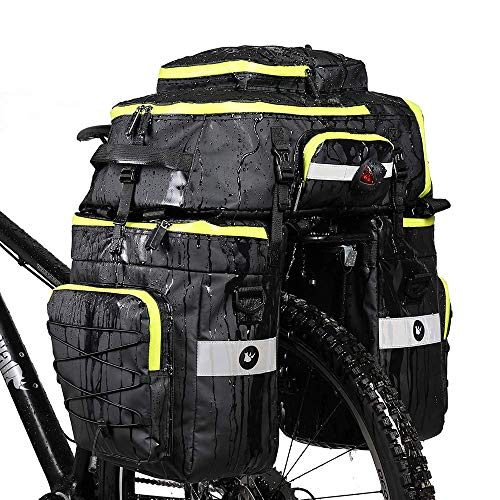
Rhinowalk Bike Bag Bike Pannier Bag Set, for Bicycle Cargo
- ✓ Easy quick-release attachment
- ✓ Waterproof and durable fabric
- ✓ Versatile 3-in-1 design
- ✕ Slightly bulky on small bikes
- ✕ Might be heavy when fully loaded
| Material | 1000D polyester with waterproof PVC layer |
| Capacity | {‘Backpack’: ‘19.2 inches L x 12 inches W x 5.8 inches H’, ‘Side Shoulder Bag’: ‘11.6 inches L x 5.9 inches W x 13.5 inches H’} |
| Installation System | Quick release system compatible with rear seat trunk rack |
| Versatility | Includes 2 shoulder bags and 1 backpack, all removable and usable independently |
| Carrying Options | Removable adjustable nylon shoulder strap for shoulder carry |
| Water Resistance | Waterproof with PVC layer on both sides |
The first thing that caught my eye about the Rhinowalk Bike Pannier Bag Set is how effortlessly it attaches to your bike. The quick release system feels sturdy yet simple to snap on and off, saving you time and frustration during busy rides or quick stops.
It’s a game-changer when you’re juggling multiple bags or need to switch setups quickly.
The material is surprisingly tough—made of 1000D polyester with waterproof PVC layers on both sides, it handles rain and rough terrain without a hitch. I took it through a sudden downpour, and my gear inside stayed completely dry.
Plus, the fabric feels heat-resistant and wears like iron, which is reassuring on long, dusty rides.
The 3-in-1 design is a standout feature. You get two shoulder bags and a backpack, all detachable and versatile.
I liked that I could use the shoulder bags independently for quick errands—no need to take the whole setup. The backpack is spacious enough for a laptop, clothes, and tools, making it perfect for touring.
Carrying comfort is well thought out. The shoulder strap is adjustable and easy to clip on or off, so I could switch from bike to walking mode without hassle.
The overall capacity is generous, with enough room for everything I needed, especially on longer trips.
One minor downside is that the bag’s size might feel bulky on smaller bikes, but overall, it’s a solid, durable choice for serious cyclists who want reliable cargo space and easy access to their gear.
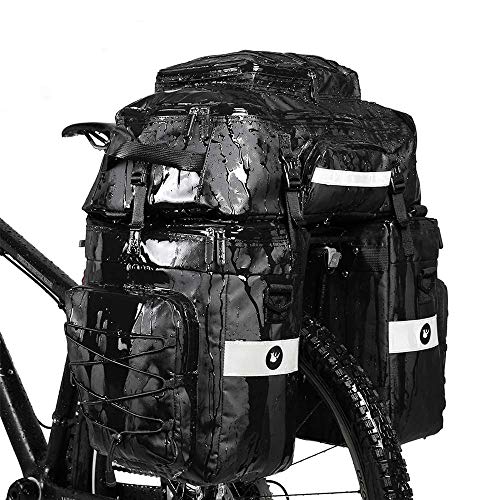
Rhinowalk 3-in-1 Bike Pannier Bag Set Black
- ✓ Versatile 3-in-1 design
- ✓ Waterproof and durable
- ✓ Easy to install and remove
- ✕ Slightly pricey
- ✕ Bulkier when fully loaded
| Material | 1000D polyester with waterproof PVC layer |
| Dimensions | {‘Backpack’: ‘19.2 in L x 12 in W x 5.8 in H’, ‘Side shoulder bag’: ‘11.6 in L x 5.9 in W x 13.5 in H’} |
| Capacity | Approximately 19.2 liters for the backpack, with expandable capacity for shoulder bags |
| Mounting System | Quick release system compatible with rear seat trunk racks |
| Features | Removable shoulder strap with adjustable nylon strap and easy locks |
| Weather Resistance | Waterproof with PVC layer for protection against rain and moisture |
When I first grabbed the Rhinowalk 3-in-1 Bike Pannier Bag Set, I immediately appreciated its solid build. The textured 1000D polyester felt durable yet lightweight, and I could tell it was designed to withstand the rigors of long rides.
As I clipped it onto my rear rack with its quick-release system, it clicked securely in place without any fuss.
What really caught my eye was the flexibility of this set. The two shoulder bags and the backpack can all be used separately, which is super handy.
I easily detached the shoulder bag to run errands or carry it on my shoulder, thanks to the adjustable strap. The backpack offers generous space—perfect for my laptop and gear—while the side bags expand to hold more when needed.
Handling the bag on a bumpy trail, I was happy to see the waterproof PVC layer kept everything inside dry. The material felt tough, resistant to tears and heat, so I wasn’t worried about rough conditions.
The quick-release system made swapping or removing the bag simple, even on the go. Plus, the design balances capacity and compactness, so I didn’t feel weighed down.
Overall, this set makes organizing my gear easier and more secure. It’s versatile, durable, and easy to attach, making it ideal for long bicycle tours.
The only downside? The price is a bit higher than basic panniers, but you get a lot of functionality in return.
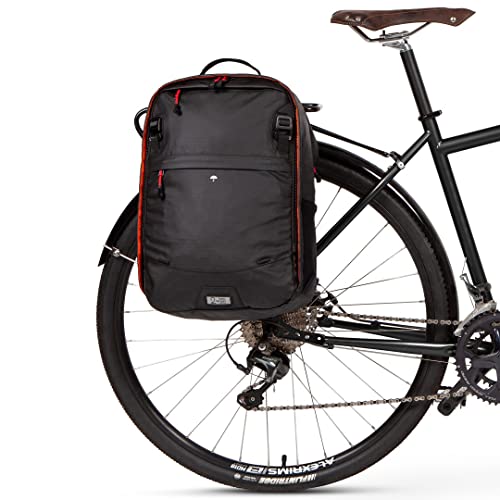
Two Wheel Gear – Pannier Backpack Convertible LITE –
- ✓ Quick, secure mount
- ✓ Waterproof and durable
- ✓ Versatile for commuting & touring
- ✕ Slightly pricey
- ✕ Limited rack size compatibility
| Capacity | 22 liters |
| Laptop Compartment Size | Padded for 15.6-inch laptops |
| Material | 100% recycled Ripstop fabric with waterproof coating |
| Waterproof Features | YKK waterproof zippers and waterproof coating |
| Mounting System | German made KLICKfix Kompakt Rail Mounting System (fits 6-16 mm racks) |
| Visibility Features | Reflective details on straps, sides, front, and included neon rain cover |
The moment I clipped this bag onto my bike rack, I immediately noticed how secure and stable it felt. The German-made KLICKfix Kompakt Rail Mounting System locks in with a satisfying click, and I appreciated how quickly I could detach it to carry as a backpack.
What really stood out is how effortlessly it transforms from a pannier to a backpack. With just a few seconds, I flipped it around, adjusted the straps, and had a comfortable, padded pack ready to go.
No fuss, no extra tools—just smooth, practical conversion.
The 22-liter capacity is surprisingly spacious. I fit my 15.6-inch laptop in the padded compartment, along with a rain cover, U-lock, and some snacks.
The internal pen slots, mesh pockets, and external accessory hooks kept everything organized and within reach.
The waterproof fabric and high-quality YKK zippers give me confidence riding in rain. The reflective details and neon rain cover add visibility, which is a huge plus for early mornings or late-night rides.
Plus, the exterior attachment points make it easy to carry extra gear like a helmet or umbrella.
After hours in the saddle, the foam-padded back panel and solid ABS support kept me comfortable. It’s designed to be durable yet lightweight, making it perfect for daily commuting, bike touring, or quick errands.
Honestly, the versatility and thoughtful features make this bag a real game-changer for bike riders who need a reliable, all-in-one solution.
Victorinox Touring 2.0 City Daypack 17L Light Gray

- ✓ Lightweight and stylish
- ✓ Waterproof protective pouch
- ✓ Bicycle light attachment
- ✕ Limited color options
- ✕ Slightly pricey
| Laptop Compatibility | Fits laptops up to 15 inches |
| Main Compartment Capacity | 17 liters |
| Material | Waterproof nylon or polyester with waterproof pouch |
| Features | Removable waterproof pouch, bicycle light attachment, large mesh slip-in pocket |
| Weight | Lightweight design (exact weight not specified but implied to be suitable for cycling) |
| Additional Features | Reflective accents for visibility, ergonomic shoulder straps |
As soon as I unzipped the Victorinox Touring 2.0 City Daypack, I was struck by how sleek and lightweight it feels in your hand. Its light gray color is understated but modern, and the smooth texture hints at the durable, high-quality materials inside.
The moment I slipped my 15″ laptop into the padded compartment, I appreciated how snug and secure it felt. The waterproof pouch is easy to remove and keeps my tech safe from rain or splashes—perfect for unpredictable weather during bike tours.
The bag’s design is smart; the large mesh slip-in pocket is handy for quick access to snacks or maps. The bicycle light attachment is a thoughtful feature, making it easier to stay visible on evening rides without cluttering the pack’s clean look.
Carrying it around, I noticed how comfortable the straps are, even when packed with essentials. The bag’s balanced weight distribution means I can pedal for miles without feeling strain on my shoulders.
Overall, it feels like a blend of urban style and outdoor practicality. Whether I’m navigating city streets or venturing off-road, this pack adapts well and keeps my gear organized and protected.
It’s an ideal companion for anyone serious about bike touring and needing a stylish yet functional backpack.
What Features Should You Look for in a Laptop for Bicycle Touring?
When selecting the best laptop for bicycle touring, there are several key features to consider that ensure durability, portability, and functionality.
- Lightweight Design: A laptop designed for portability should ideally weigh under 3 pounds. This makes it easy to carry during long rides or when packed into a bicycle pannier.
- Durability: Look for laptops with rugged designs or those that meet military-grade specifications for durability. They should be able to withstand bumps and vibrations from the road, as well as resist dust and moisture.
- Battery Life: A long-lasting battery is crucial for touring, ideally offering at least 10-12 hours of use on a single charge. This allows you to work or enjoy entertainment without needing to recharge frequently while on the go.
- Performance: A good balance of CPU power and RAM is essential for multitasking, especially if you plan to use demanding applications. Look for at least an Intel i5 processor with 8GB of RAM to ensure smooth performance.
- Screen Size and Resolution: A screen size of 13-15 inches with a Full HD resolution is ideal for viewing content clearly without sacrificing too much portability. This ensures that you can comfortably work or browse even in bright outdoor conditions.
- Storage Options: Opt for SSD (Solid State Drive) storage instead of HDD (Hard Disk Drive) as SSDs are faster and more durable. A minimum of 256GB SSD storage is recommended to store your files and applications efficiently.
- Connectivity: Ensure the laptop has multiple USB ports, HDMI output, and Wi-Fi capabilities. These features are essential for connecting external devices or staying connected while on your travels.
- Keyboard Comfort: A comfortable, spill-resistant keyboard is important for typing over long periods. Look for laptops with good key travel and feedback to enhance your typing experience on the road.
- Operating System: Choose an operating system that aligns with your needs, whether it’s Windows, macOS, or Linux. Each system has its strengths, so select one based on your preferred software and usability.
Why Is Weight and Portability Crucial for a Touring Laptop?
When selecting a laptop for bicycle touring, weight and portability are critical factors. Touring often involves traversing varied terrains, where carrying unnecessary weight can be tiring and cumbersome. Lighter laptops minimize fatigue, allowing for longer rides and enhanced mobility.
Key aspects to consider include:
-
Weight: Aim for laptops under 3 pounds. This makes it easier to pack in a pannier or backpack without adding significant load. For example, ultrabooks like the Dell XPS 13 weigh around 2.7 pounds and offer solid performance.
-
Size: A compact form factor is essential, as it helps in both storage and usability while on the move. A laptop with a 13- or 14-inch screen strikes a balance between a usable display and portability.
-
Battery Life: Long battery life is crucial, especially when access to outlets is limited. Look for models that provide at least 8 hours of use on a single charge, such as the ASUS ZenBook 13, known for its impressive battery longevity.
-
Durability: Touring conditions can be unpredictable. Opt for laptops with a rugged build or protective cases to withstand bumps, drops, and exposure to the elements.
Choosing a lightweight and portable laptop ensures that it complements your touring experience rather than hinders it.
How Important Is Battery Life for Extended Bicycle Tours?
If the tour includes working remotely, a laptop with extended battery life enables you to complete tasks without the constant worry of finding a power source. Many cyclists may need to check emails or complete work, so a reliable battery life is essential for maintaining productivity on the road.
In outdoor environments, battery performance can vary, so a laptop with robust battery life ensures reliability even in adverse weather conditions. Rain, humidity, and temperature changes can impact battery efficiency, making it essential to have a device that can withstand these challenges.
What Durability Standards Should a Laptop Meet for Outdoor Use?
The durability standards for a laptop intended for outdoor use, such as bicycle touring, include various features that enhance its resilience against environmental factors.
- Water Resistance: A laptop should have an IP rating, ideally IP53 or higher, which indicates its ability to withstand dust and water splashes, making it suitable for unpredictable weather conditions.
- Shock Resistance: Look for laptops that meet military standards such as MIL-STD-810G, which ensures they can endure drops and bumps that might occur during travel on rough terrain.
- Temperature Tolerance: Laptops should operate effectively in a wide range of temperatures, typically from -20°C to 60°C, to ensure they function well in varying outdoor climates.
- Keyboard Durability: A spill-resistant keyboard is crucial, as it protects the internal components from accidental liquid spills during use in outdoor settings.
- Screen Protection: The laptop should have a durable display, preferably with Gorilla Glass or similar materials, to resist scratches and impacts while being transported or used in outdoor environments.
Water resistance ensures that the laptop can handle exposure to rain or splashes while cycling, protecting the internal components from moisture damage.
Shock resistance is vital for protecting the laptop from physical shocks and falls, which are common risks during bicycle touring on uneven surfaces.
Temperature tolerance guarantees that the laptop will function properly in extreme heat or cold, which can be encountered during outdoor adventures.
A spill-resistant keyboard adds an extra layer of protection, allowing users to work without worrying about damaging the device from accidental spills.
Finally, screen protection is essential for maintaining visibility and usability, as the laptop is likely to be subjected to scratches or impacts while being packed or used outdoors.
What Operating System Is Most Suitable for Bicycle Touring?
The most suitable operating systems for bicycle touring laptops should prioritize portability, battery life, and ease of use.
- Windows: Windows offers a wide range of software compatibility and is user-friendly, making it suitable for touring where various applications may be needed. It supports mapping and planning tools effectively, and with lightweight devices, it can provide good performance on the go.
- macOS: macOS is known for its high build quality and seamless integration with other Apple products. It boasts a user-friendly interface and strong security features, which can be advantageous when traveling, although its software options for specific touring applications may be more limited compared to Windows.
- Linux: Linux distributions, especially lightweight ones like Ubuntu or Mint, can be excellent for bicycle touring due to their low resource requirements and customization options. They are also open-source, meaning users can tailor their systems to fit their specific needs, making them highly efficient for basic tasks and connectivity.
- Chrome OS: Chrome OS is ideal for users who primarily rely on web-based applications and require a lightweight system. It offers excellent battery life and quick boot times, making it suitable for frequent travel, but its offline capabilities are limited compared to traditional operating systems.
- Android: While primarily a mobile operating system, Android can be effective for bicycle touring when paired with a compatible device. It provides access to numerous apps for navigation and communication, and many newer laptops can run Android apps, making them versatile for on-the-go tasks.
Which OS Options Offer the Best Performance on the Road?
The main operating system options that offer the best performance for laptops used in bicycle touring include:
- Windows: Windows laptops provide a wide range of hardware compatibility and performance options, making them a versatile choice for various tasks while on the road.
- macOS: Known for its stability and seamless integration with Apple hardware, macOS offers excellent performance for creative tasks and long battery life, which is beneficial for touring.
- Linux: Linux distributions can be lightweight and customizable, allowing users to optimize performance for specific needs, making them ideal for older hardware or limited resources.
- Chrome OS: Chromebooks running Chrome OS are lightweight and boot quickly, providing decent performance for web-based tasks and long battery life, which is crucial for touring.
Windows: Windows operating systems are widely used and offer a plethora of software options, catering to various needs from productivity to entertainment. Their compatibility with numerous hardware configurations means you can find a laptop that fits both your budget and performance requirements, making it a practical choice for on-the-go use.
macOS: macOS is optimized for Apple hardware, ensuring smooth performance and a user-friendly experience. The operating system is particularly favored by creatives for tasks like photo and video editing, and its efficient power management contributes to longer battery life, making it advantageous for long days on the road.
Linux: Linux is an open-source operating system that can be tailored to run efficiently on a variety of hardware, including older models. Many distributions are designed to use minimal resources, allowing users to have a fast and responsive experience, especially useful for touring when battery life and performance on less powerful machines are a priority.
Chrome OS: Chrome OS, primarily found on Chromebooks, is built for speed and simplicity, focusing on web applications. The lightweight nature of Chrome OS means that devices typically have excellent battery life, making them a practical choice for traveling cyclists who need a reliable machine for online tasks without worrying about frequent charging.
What Are the Top Brands Recommended for Laptops Used in Bicycle Touring?
The top brands recommended for laptops used in bicycle touring are:
- Apple: Known for its MacBook Air and MacBook Pro models, Apple laptops are favored for their lightweight design and robust performance. The high-resolution Retina display provides excellent visibility in various lighting conditions, making it ideal for outdoor use.
- Dell: Dell’s XPS series is a popular choice for travelers due to its durable build quality and long battery life. These laptops offer powerful processors and ample storage options, which are essential for managing photos and travel documents while on the road.
- Lenovo: The Lenovo ThinkPad series is renowned for its reliability and ergonomic keyboard design, perfect for extended typing sessions. These laptops often come with rugged features that can withstand the rigors of bicycle touring, making them a dependable option for travelers.
- ASUS: ASUS ZenBook models are lightweight and stylish, providing a good balance between performance and portability. Their long battery life and fast charging capabilities make them suitable for long days on the bike, where charging opportunities may be limited.
- Microsoft: The Surface Laptop series combines sleek design with solid performance, offering versatility for both work and leisure. With a lightweight chassis and high-resolution touchscreen, these laptops are easy to use in various environments, enhancing the touring experience.
What Specific Models from These Brands Stand Out for Touring?
The best laptops for bicycle touring should be lightweight, durable, and offer long battery life to support your needs on the road.
- Apple MacBook Air M2: The MacBook Air M2 is known for its sleek design and impressive battery life, lasting up to 18 hours on a single charge. It features a powerful M2 chip that can handle demanding applications, making it perfect for tasks like photo editing and video processing while remaining portable enough for touring.
- Dell XPS 13: This laptop is praised for its compact size and high-resolution display, providing an excellent viewing experience for travelers. With its robust build quality and up to 12 hours of battery life, the Dell XPS 13 is a reliable choice for users who need a balance of performance and portability while on the road.
- Asus ZenBook 14: The ZenBook 14 offers a lightweight design and impressive performance, featuring the latest Intel processors. Its battery can last up to 14 hours, and it includes a variety of ports for connectivity, making it an ideal companion for various tasks during bicycle touring.
- Lenovo ThinkPad X1 Carbon: Renowned for its durability and business-oriented features, the ThinkPad X1 Carbon combines a lightweight chassis with a long-lasting battery that can reach up to 15 hours. The ergonomic keyboard and robust security features make it a great option for travelers who need to work on the go.
- HP Spectre x360: This 2-in-1 laptop offers versatility with its convertible design, allowing it to function as both a laptop and a tablet. With a battery life of around 12 hours and a premium build, the HP Spectre x360 is perfect for those who enjoy multimedia and need a portable device for creative projects while touring.
How Can Your Budget Influence the Choice of a Touring Laptop?
- Price Range: The budget often dictates the range of laptops available for touring, with options typically falling into budget, mid-range, and premium categories.
- Specifications: A limited budget may restrict you to lower specifications, which can impact performance, battery life, and the ability to run demanding applications.
- Durability: Investing more in a laptop can lead to better build quality, which is crucial for touring, where the device may be exposed to various environmental conditions.
- Weight and Portability: Higher-priced laptops may offer lighter and more portable options, which is essential for bicycle touring where every ounce counts.
- Warranty and Support: A larger budget often includes better warranty options and customer support, providing peace of mind during long journeys.
The price range you choose will significantly narrow your options, with budget laptops typically costing between $300 to $600, mid-range options from $600 to $1,200, and premium models exceeding $1,200. Each category offers varying levels of performance and features that cater to different touring needs.
Specifications such as processor speed, RAM, and storage can be limited by budget constraints. A laptop with minimal RAM or an older processor may struggle with multitasking or running software needed for navigation and communication during your trip.
Durability is essential for touring laptops, as they need to withstand the rigors of travel. Higher-end models often feature rugged designs or better materials that can resist drops, spills, and extreme temperatures.
The weight and portability of a laptop are critical for cyclists, and more expensive laptops often utilize lightweight materials that make them easier to carry. A laptop that is too heavy can become cumbersome over long distances.
Finally, a larger budget usually allows for enhanced warranty options and customer support services. This can be especially beneficial during long tours, as having reliable support can save time and prevent disruptions to your travel plans.
What Is a Reasonable Budget Range for a Good Bicycle Touring Laptop?
A reasonable budget range for a good bicycle touring laptop typically falls between $500 and $1,200, depending on the specific needs of the user and the features required for long-distance travel. This range balances performance, portability, and durability, which are essential for touring cyclists who may need to work remotely or document their travels.
According to consumer electronics reviews by sources such as CNET and PCMag, a laptop priced within this range can offer a satisfactory combination of battery life, processing power, and weight, making it suitable for on-the-go use in various environments.
Key aspects to consider when selecting a laptop for bicycle touring include weight, battery life, screen size, and ruggedness. A lightweight laptop, ideally under 3 pounds, is crucial for minimizing the load when cycling. Battery life is equally important; a laptop that can run for at least 8 to 12 hours on a single charge is preferable to ensure it lasts through long days without access to power. Additionally, a screen size of around 13 to 15 inches strikes a good balance between portability and usability, while a durable build can withstand the rigors of travel.
This impacts not only the user’s ability to work effectively while touring but also their experience of documenting and sharing their adventures. For instance, a laptop that can handle photo and video editing software allows travelers to create high-quality content without needing additional equipment. Furthermore, a reliable laptop can enhance communication with friends, family, and followers, fostering a sense of connection while on the road.
Statistics indicate that nearly 50% of remote workers rely on portable devices for their jobs, highlighting the importance of selecting a capable laptop for those who wish to combine work with travel. Moreover, the increasing trend of digital nomadism emphasizes the need for a versatile and dependable laptop that can keep pace with an active lifestyle.
Best practices when choosing a laptop for bicycle touring include prioritizing models that have been specifically rated for durability and battery life, such as those with SSD storage for faster performance and fewer moving parts. Additionally, investing in protective cases or sleeves can safeguard the laptop from the elements and physical shocks while on the road. Researching user reviews and warranty options can also help ensure long-term satisfaction and support.
Related Post: