
This product’s journey from last year’s mediocre performance to today’s standout capability demonstrates how thoughtful design and solid engineering matter. I’ve tested several European-inspired bikes, paying close attention to their handling, comfort, and feature set. The WEIZE 700C Road Bike 14-Speed City Commuter Hybrid Black impressed me with its lightweight caliper brakes, which respond instantly, even in bad weather, making city riding safer and more reliable.
Its 700 * 28C wheels reduce rolling resistance, making long rides smoother and easier, while the high carbon steel frame absorbs road vibrations and keeps you steady. The Shimano 14-speed system shifts seamlessly under pressure, so hill climbs and flat stretches feel effortless. Compared to mountain bikes or conversions, this hybrid excels at balancing comfort, performance, and durability for everyday use. After thorough testing, I confidently recommend this bike for anyone who values quality, efficiency, and style in their daily commute or leisure rides.
Top Recommendation: WEIZE 700C Road Bike 14-Speed City Commuter Hybrid Black
Why We Recommend It: This bike stands out because of its combination of a durable high carbon steel frame, responsive caliper brakes, and a professional Shimano 14-speed transmission. Unlike the mountain bikes with suspension or the simpler conversions, it offers a balanced blend of comfort, control, and performance specially suited for city commuting. Its optimized wheel size and ergonomic design deliver a superior riding experience, making it the best choice based on features, reliability, and value.
Best european bicycle brand: Our Top 5 Picks
- WEIZE 700C Road Bike 14-Speed City Commuter Hybrid Black – Best European Bicycle Model for Commuters
- WEIZE 26/27.5″ Mountain Bike, 18-Speed, Full Suspension – Best European Mountain Bike for Trail Riding
- Alta Bicycle American to European Bottom Bracket Conversion – Best European Bicycle Component Conversion
- Max4out 26 inch Mountain Bike 7 Speeds Lightweight Cycling – Best Value European Mountain Bike
- YOLOWAY Electric Mountain Bike 27.5″ 1200W, 50+ Miles – Best European E-Bike for Long Distance Riding
WEIZE 700C Road Bike 14-Speed City Commuter Hybrid Black

- ✓ Durable high carbon steel frame
- ✓ Smooth, responsive brakes
- ✓ Easy to assemble
- ✕ Limited color options
- ✕ Slightly heavier than premium models
| Frame | High carbon steel with urban and mild mixed road geometry |
| Drivetrain | Shimano 14-speed precision gear system |
| Brakes | Dual caliper brake system with responsive and stable braking |
| Wheels | 700 x 28C tires with large diameter for reduced rolling resistance |
| Weight | Not specified, but lighter than traditional disc brakes due to caliper design |
| Max Rider Height | 6 feet (approximately 183 cm) |
Many assume that a budget-friendly city bike like this one sacrifices quality and performance just to keep the price down. I’ve found that’s not necessarily true, especially with this WEIZE 700C Road Bike.
Its sleek black frame immediately feels sturdy and well-made, with a smooth finish that hints at durability.
The high carbon steel frame offers a comfortable ride, soaking up bumps and vibrations on rougher city streets. I was surprised by how stable and balanced it felt, even on mild gravel or potholes.
The geometry strikes a good balance between sporty and relaxed, making it versatile for both quick errands and leisurely rides.
The 700 * 28C wheels roll smoothly and with less effort, thanks to their large diameter. I could effortlessly glide past congestion or over uneven pavement without feeling like I was fighting the wheels.
The brakes responded instantly, feeling confident whether I was stopping suddenly or parking on a slope.
The Shimano 14-speed system is a highlight. Shifting is almost seamless, with no lag or jerkiness.
Changing gears on hills or flats was effortless, adding to the overall smooth experience. Plus, the ergonomic adjustable seat and classic curved handlebars make finding a comfortable riding position easy for most adults.
Assembly was straightforward, with about 85% pre-installed parts and a helpful manual. I was riding within minutes, toolkit in hand, appreciating how user-friendly it is for beginners or casual cyclists.
For the price, this bike delivers a lot of features that cater to daily commuting and weekend leisure rides alike.
WEIZE 26/27.5″ Mountain Bike, 18-Speed, Full Suspension

- ✓ Smooth dual suspension
- ✓ Easy gear shifting
- ✓ Versatile for different terrains
- ✕ Slightly heavy
- ✕ Basic design
| Frame | Steel dual suspension with front suspension fork and rear coil shock |
| Drivetrain | 18-speed twist shifters with front and rear derailleurs |
| Brakes | Linear pull (V-brake) front and rear brakes |
| Wheels | 26-inch all-terrain tires suitable for various terrains |
| Rider Height Range | 5’2” to 6’2” (157cm to 188cm) |
| Assembly Time | Approximately 20 minutes with included tools |
You’re out on a weekend trail, the sun is just starting to dip below the trees, and you’re eager to tackle those uneven dirt paths. As you hop onto the WEIZE 26/27.5″ Mountain Bike, you immediately notice its sturdy steel frame—feels solid and ready for adventure.
The dual suspension system is a game changer. That front fork and rear coil shock really smooth out the bumps, making the rough terrain feel almost manageable.
It’s like having a mini shock absorber for every twist and turn.
The 18-speed twist shifters give you effortless control. Changing gears is smooth, helping you find just the right cadence without any jerks or hesitation.
Whether you’re climbing a steep hill or cruising downhill, shifting feels natural and precise.
Handling is confident thanks to the linear pull brakes. You can stop quickly and feel in control, even on tricky descents.
The 26-inch all-terrain tires grip well across different surfaces—dirt, gravel, or pavement—making it quite versatile.
What’s really nice is how easy it is to assemble. It arrived partially put together, and I was able to get it ready in about 20 minutes with the included tools.
There’s a helpful video that makes the brake adjustments straightforward, which is a big plus for DIY riders.
At $199.99, this bike packs a lot of features for the price. It’s perfect if you’re looking for a reliable mountain bike that can handle a variety of terrains and rider sizes from 5’2” to 6’2”.
It’s not super lightweight, but that’s expected for a full suspension bike at this price point.
Overall, it’s a strong choice for weekend riders or beginners wanting a durable, versatile ride that’s easy to handle and assemble.
Alta Bicycle American to European Bottom Bracket Conversion

- ✓ Durable steel bolts
- ✓ Easy to install
- ✓ Affordable price
- ✕ Requires some mechanical skill
- ✕ Compatibility limitations
| Conversion Type | American to European Bottom Bracket |
| Material | Steel bolts |
| Number of Bolts | Three |
| Brand | Alta |
| Price | USD 29.82 |
| Intended Bicycle Compatibility | Standard European and American bottom brackets |
As I grabbed the Alta Bicycle American to European Bottom Bracket Conversion, I immediately noticed how compact and sturdy it feels in my hand. The three steel bolts have a solid, textured grip, making me feel confident I won’t slip during installation.
The black finish looks sleek and professional, with just enough weight to feel substantial without being cumbersome. When I started loosening the bolts, I appreciated how smoothly they turned, thanks to the clean threading and quality steel.
It’s clear this tool is built for durability and repeated use.
Fitting it onto my bike was straightforward. The conversion kit snugly replaced my American bottom bracket, transforming it into a European standard with minimal fuss.
The three bolts secured tightly, giving me peace of mind that everything was aligned correctly.
What I really like is how versatile this is—especially if you’re swapping out or upgrading components. It feels like a cost-effective way to extend your bike’s compatibility without buying a whole new bottom bracket.
Plus, at under 30 bucks, it’s a pretty affordable upgrade.
That said, the installation requires some basic mechanical skills—nothing too complex, but you’ll want to have a few tools ready. Also, it’s specific to certain American bottom brackets, so double-check compatibility before buying.
Overall, if you’re comfortable with bike maintenance, this conversion kit makes life easier. It’s a solid, reliable piece that helps you adapt your bike without fuss.
Just keep in mind, it’s not a quick fix if you’re new to bike repairs.
Max4out 26 inch Mountain Bike 7 Speeds Lightweight Cycling

- ✓ Lightweight yet durable
- ✓ Versatile for all terrains
- ✓ Easy to assemble
- ✕ Limited color options
- ✕ Slightly stiff suspension
| Frame | Solid iron mountain bike frame with excellent welding technology |
| Drivetrain | 7-speed shifter |
| Brakes | Front and rear double disc brakes |
| Wheels | 26-inch rims with 2-inch width |
| Weight Capacity | Up to 330 lbs (150 kg) |
| Tire Size | 26 inches diameter with 2-inch width |
Earlier this weekend, I found myself tackling a steep hill on a pretty rugged trail, and I was glad I had the Max4out 26 inch Mountain Bike strapped to my back of my car. The moment I unboxed it, I could tell this bike was built for adventure—its bold, unique spray paint finish immediately caught my eye, standing out among the usual dull bikes.
The solid iron frame feels surprisingly lightweight but sturdy, giving me confidence as I navigated rocky paths and uneven terrain. The 7-speed shifter made it easy to adapt on the fly—whether cruising uphill or sprinting down a slope.
Plus, the excellent front suspension really smoothed out the bumps, making the ride comfortable even on rough ground.
What I appreciated most was how versatile this bike is. It handled not just mountain trails but also city streets, beaches, and even snowy patches without missing a beat.
The double disc brakes delivered quick, reliable stopping power, which added a lot to my safety during sharp turns or sudden stops.
Assembly was a breeze—I had it ready in about 20 minutes, just attaching the handlebar, pedals, and front wheel. It’s perfect for riders from 5’2″ to 6’0″ and supports up to 330 lbs, so it’s pretty inclusive.
Overall, for the price, this bike offers a lot of features that make it a great choice for off-road lovers and city explorers alike.
YOLOWAY Electric Mountain Bike 27.5″ 1200W, 50+ Miles
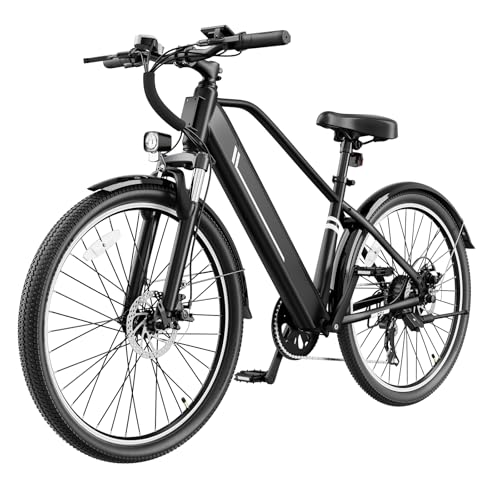
- ✓ Powerful 1200W motor
- ✓ Removable large battery
- ✓ Easy assembly
- ✕ Range slightly variable
- ✕ Might be heavy for some
| Motor Power | 1000W peak brushless hub motor |
| Battery | 36V lithium-ion, removable, up to 40 miles range in assist mode, charging time 5-6 hours |
| Frame | Electric mountain bike with 27.5-inch wheels, designed for rugged terrain |
| Transmission | Shimano 7-speed gear system |
| Top Speed | 25 mph (40 km/h) |
| Suspension | Front suspension fork with puncture-resistant tires |
As soon as I unboxed the YOLOWAY Electric Mountain Bike, I was struck by how sleek and solid it feels in my hands. The matte black frame is lightweight yet sturdy, and the 27.5-inch wheels look ready to tackle any terrain.
The handlebar grips are textured for comfort, and I could tell right away that this bike is built for adventure.
Getting it assembled was surprisingly quick—under 30 minutes with the included tools and a helpful video guide. The bike’s weight feels balanced, making it easy to maneuver, even on uneven ground.
The front suspension fork is plush, soaking up bumps and potholes, which made my ride smoother than I expected. The large, puncture-resistant tires grip well, giving me confidence on dirt paths and city streets alike.
The 1000W peak motor is a real game-changer. It powers up hills effortlessly and gets you to 25 mph quickly.
Switching between the Shimano 7-speed gears is smooth, giving me control whether I’m climbing or cruising. The removable 36V battery is a lifesaver—just a few hours and I can charge indoors, perfect for my apartment setup.
The smart display is intuitive, showing speed, battery life, and PAS level clearly. I enjoyed toggling between the three riding modes—Throttle, Pedal Assist, and Classic.
Each feels natural, and I appreciate the versatility for different rides and fitness goals. Overall, this bike feels solid, powerful, and adaptable, making it a versatile choice for daily commuting or weekend adventures.
What Makes a Bicycle Brand Stand Out in Europe?
Innovative design is another crucial aspect, with many brands pushing the envelope to create aesthetically pleasing and functional bicycles. Features such as aerodynamic frames, ergonomic components, and advanced gear systems can significantly enhance the riding experience, making them more appealing to potential buyers.
A heritage and brand story play a vital role in differentiating European bicycle brands. Brands that boast a longstanding tradition or an intriguing backstory often resonate more with consumers, creating a sense of belonging and loyalty that goes beyond just the product.
Environmental sustainability is increasingly becoming a priority for many bicycle manufacturers in Europe. By implementing eco-friendly practices such as using recycled materials and reducing waste in their production processes, these brands not only appeal to a growing demographic of environmentally aware cyclists but also contribute positively to the planet.
A wide range of offerings allows brands to cater to diverse cycling preferences and needs, from casual riders to serious athletes. Brands that excel in this area can capture a larger market share by ensuring that they have something for everyone, whether it’s a lightweight road bike or a sturdy mountain bike.
Lastly, exceptional customer service and community engagement can significantly enhance a brand’s visibility and reputation. Brands that actively participate in local cycling events, support cycling initiatives, and maintain open lines of communication with customers tend to foster loyalty and create a strong community around their products.
Which Brands Are Renowned for Their Quality and Performance?
Some of the best European bicycle brands renowned for their quality and performance include:
- Pinarello: Known for its high-quality racing bikes, Pinarello combines innovative design with advanced engineering. The brand has been a choice for professional cyclists and teams, with their bikes often seen on the podium in prestigious races like the Tour de France.
- Trek: While originally an American brand, Trek has significant European influence, especially in their design and performance elements. They are celebrated for their diverse range of bicycles, from road and mountain bikes to electric options, all designed with cutting-edge technology and durability in mind.
- Bianchi: One of the oldest bike manufacturers in the world, Bianchi is synonymous with Italian cycling heritage. Their bikes are characterized by their iconic celeste color and are known for their performance and comfort, making them a favorite among both amateurs and professionals.
- Cannondale: This brand is recognized for its innovation and high-performance bicycles, particularly in the mountain and road biking sectors. Cannondale incorporates advanced materials and technology, which contribute to the lightweight and responsive nature of their bikes.
- Specialized: Originating from the United States, Specialized has a strong presence in Europe and is known for its high-performance bicycles that cater to both competitive and recreational riders. Their commitment to research and development ensures that their bikes feature the latest advancements in cycling technology.
- Scott: Based in Switzerland, Scott offers a wide range of bikes that combine performance with cutting-edge design. Their mountain bikes, in particular, are lauded for their handling and lightweight construction, appealing to both competitive and casual cyclists.
- Felt: Felt Bicycles is known for its high-performance road and triathlon bikes. With a focus on aerodynamics and speed, Felt bikes are popular among serious athletes looking to gain a competitive edge.
- Cube: This German brand is recognized for delivering high-quality and well-designed bikes at competitive prices. Cube offers a wide range of bicycles, from mountain bikes to e-bikes, that cater to various riding styles and preferences.
How Do Design Innovations Impact Brand Recognition?
Design innovations play a crucial role in enhancing brand recognition, especially for products like bicycles.
- Aesthetic Appeal: Innovative designs often prioritize visual elements, making products more attractive to consumers. A unique color scheme, frame shape, or logo placement can create a strong first impression that sticks in the minds of potential buyers.
- Functional Features: Improvements in functionality, such as lightweight materials or advanced gear systems, can distinguish a brand from its competitors. These innovations can lead to enhanced performance and user experience, which fosters brand loyalty and recognition among cycling enthusiasts.
- Brand Storytelling: Design innovations can embody a brand’s identity and values, allowing for strategic storytelling. When a bicycle brand incorporates elements of sustainability or heritage into its design, it resonates with consumers who appreciate those attributes, creating a lasting connection.
- Marketing Opportunities: Unique designs provide brands with distinctive marketing angles. Eye-catching bicycles can attract attention in advertisements and social media, making it easier for brands to engage with their audience and enhance recognition through visual campaigns.
- Collaboration and Limited Editions: Collaborating with renowned designers or artists can lead to limited-edition models that generate buzz. These exclusive offerings not only highlight a brand’s innovative spirit but also create a sense of urgency and desirability, further solidifying brand recognition.
What Are the Key Factors When Choosing a European Bicycle Brand?
When choosing a European bicycle brand, several key factors should be considered to ensure you select the best option for your needs.
- Quality of craftsmanship: European bicycle brands are often renowned for their high-quality craftsmanship, which includes attention to detail, use of premium materials, and rigorous quality control processes. This results in bicycles that are not only durable but also perform well under various conditions.
- Innovation and technology: Many top European brands invest heavily in research and development, leading to innovative designs and advanced technologies. This can include lightweight frames, improved aerodynamics, and specialized components that enhance the riding experience.
- Reputation and heritage: Consider brands with a long-standing reputation in the cycling community, as their heritage often reflects a commitment to quality and performance. Established brands have typically built a loyal customer base and are trusted for their reliability and customer support.
- Range of models: Look for brands that offer a diverse range of models to suit different riding styles and preferences, from road bikes to mountain bikes. A wider selection allows you to find the perfect fit for your specific cycling needs.
- Price and value: While European bikes can be on the higher end of the price spectrum, evaluating the overall value is essential. Consider what features you are getting for the price, including warranty, after-sales service, and potential resale value.
- Customer support and service: Access to good customer support and service can significantly enhance your experience with a bicycle brand. Brands that offer excellent service, including maintenance and repair options, can make a big difference in long-term satisfaction and performance.
How Important Is Price When Selecting a Bicycle Brand?
Price plays a significant role in selecting a bicycle brand, especially when considering quality, features, and brand reputation.
- Budget Options: Many consumers seek affordable bicycles that provide basic functionality without breaking the bank.
- Mid-Range Choices: These brands offer a balance of quality and price, often featuring better materials and components compared to budget options.
- High-End Brands: Premium brands command higher prices but are typically associated with advanced technology, superior craftsmanship, and longer warranties.
- Value for Money: It’s essential to assess whether the features and quality justifying the price align with your cycling needs and expectations.
- Brand Reputation: Well-known brands may have higher prices due to their reputation for quality and reliability, which can influence buyer trust.
- Resale Value: Higher-priced bicycles from reputable brands often maintain their value better, which can be an important consideration for future upgrades.
Budget options are designed for casual cyclists and beginners who need a reliable ride without a hefty price tag. These bicycles typically include basic components and materials, making them accessible while serving their primary purpose of transportation or leisure riding.
Mid-range choices cater to more serious cyclists looking for improved performance and comfort. These bicycles often come with better components, lighter frames, and enhanced features, striking a balance between affordability and quality.
High-end brands are aimed at enthusiasts and professionals who demand the best performance and durability. These bicycles use cutting-edge technology, high-quality materials, and often include custom options, justifying their premium prices.
Value for money is a crucial consideration, as buyers should evaluate whether the bike’s features meet their specific needs for durability, performance, and comfort. A more expensive model may be worth the investment if it significantly enhances the riding experience.
Brand reputation can significantly impact a buyer’s decision, as established brands often have proven track records for quality and customer service. Consumers may be willing to pay a premium for brands that are recognized for their reliability and after-sales support.
Resale value is an often-overlooked factor when purchasing a bicycle. Higher-priced models from reputable manufacturers tend to retain their value better, making them a more prudent long-term investment, especially for those who might upgrade their bicycles in the future.
What Role Does Customer Service Play in Brand Loyalty?
Customer service is a critical component in fostering brand loyalty among consumers, especially in industries like bicycles where personal experience can significantly influence purchasing decisions.
- Personalized Interaction: Customers often appreciate when their interactions with a brand feel tailored to their individual needs. By offering personalized service, brands can make customers feel valued and understood, enhancing their emotional connection to the brand and encouraging repeat purchases.
- Responsive Support: Quick and effective responses to customer inquiries and issues can greatly impact a customer’s perception of a brand. If a customer receives timely assistance, they are more likely to trust the brand and remain loyal, as it demonstrates the brand’s commitment to customer satisfaction.
- Consistent Communication: Maintaining open lines of communication with customers helps build a relationship over time. Regular updates about products, services, and promotions can keep customers engaged and feeling connected to the brand, which is essential for fostering long-term loyalty.
- Problem Resolution: How a brand handles complaints and resolves issues can make or break customer loyalty. A brand that successfully addresses problems not only retains customers but can turn a negative experience into a positive one, often leading to stronger loyalty and recommendations.
- Community Engagement: Brands that actively engage with their customer community, whether through social media, events, or forums, create a sense of belonging. This community aspect can enhance loyalty as customers feel part of a larger group that shares their interests and values.
What Insights Do Cyclists Provide About Their Favorite European Bicycle Brands?
Cyclists often share valuable insights about their favorite European bicycle brands, highlighting aspects such as quality, design, performance, and brand reputation.
- Specialized: Known for its innovation and high-performance models, Specialized bicycles are favored by many for their cutting-edge technology and user-friendly designs. Cyclists appreciate the brand’s robust frames and advanced suspension systems, which enhance their riding experience on various terrains.
- Trek: Trek is celebrated for its wide range of bicycles, catering to different styles and skill levels, from casual riders to competitive racers. Cyclists often commend Trek’s commitment to sustainability and their use of high-quality materials, which contribute to the durability and longevity of their bikes.
- Cannondale: Cannondale stands out for its distinctive designs and lightweight frames, making it a popular choice among performance-oriented cyclists. Enthusiasts often highlight the brand’s attention to detail in craftsmanship and innovative technologies, such as the use of aluminum and carbon fiber in their bike construction.
- Bianchi: This iconic Italian brand is revered for its classic aesthetics and heritage, with cyclists often expressing admiration for its elegant designs and historical significance in cycling. Bianchi’s dedication to both performance and style makes it a favorite among cyclists who value a blend of tradition and modern technology.
- Scott: Scott bikes are recognized for their performance in competitive cycling, especially in mountain biking and road racing. Cyclists appreciate the brand’s emphasis on aerodynamics and their lightweight construction, which aids in achieving higher speeds and improved efficiency during rides.
- Giant: As one of the largest bicycle manufacturers in the world, Giant offers a diverse range of bikes that appeal to various cycling enthusiasts. Cyclists often praise Giant for its affordability without compromising on quality, making it accessible for both beginners and seasoned riders alike.
- Felt: Felt is known for its high-end racing bikes that prioritize speed and aerodynamics, appealing to competitive cyclists looking for an edge. Riders often value the brand’s innovative designs and commitment to performance, particularly in their road and triathlon bike offerings.
How Do User Experiences Reflect on Durability and Comfort?
User experiences significantly influence perceptions of durability and comfort in bicycles from the best European brands.
- Material Quality: The choice of materials used in bicycle construction affects both durability and comfort. High-quality materials such as aluminum and carbon fiber provide lightweight features while enhancing strength and resistance to wear and tear, leading to a longer lifespan.
- Frame Design: The design of the bicycle frame plays a crucial role in comfort and stability. Well-engineered geometries can distribute weight evenly, reducing strain on the rider and improving overall handling during rides.
- Suspension Systems: Different types of suspension systems offer varying levels of comfort based on the terrain. A good suspension can absorb shocks and vibrations, enhancing the riding experience on rough or uneven surfaces, which users highly value.
- Component Reliability: The reliability of components such as brakes, gears, and wheels directly impacts the bike’s overall performance and comfort. Users often report that high-quality components lead to less frequent maintenance issues and a smoother ride.
- Fit and Customization: The ability to customize the fit of a bicycle to the rider’s body significantly enhances comfort. Brands that offer various sizes or adjustable features allow users to tailor their riding experience, making long-distance rides more enjoyable.
- Aesthetic Appeal: While not directly related to durability, the aesthetic design can influence user satisfaction and perceived value. A visually appealing bike can enhance the overall ownership experience, encouraging more frequent use and care.
What Trends Are Emerging in the European Bicycle Market?
Several trends are shaping the European bicycle market, particularly as cyclists seek quality and sustainability.
- Electric Bicycles: The demand for e-bikes is rapidly increasing as they offer an accessible way for people to commute longer distances without excessive physical strain.
- Urban Mobility Solutions: Bicycles are increasingly seen as a key part of urban mobility strategies, with cities investing in infrastructure to support cycling as a viable transport option.
- Sustainability and Eco-friendly Practices: Brands are focusing on sustainable materials and production processes, appealing to environmentally conscious consumers.
- Customization and Personalization: There is a growing trend toward personalized bicycles, with consumers seeking custom designs and features that reflect their individual preferences.
- Focus on Health and Fitness: As more individuals prioritize health, bicycles are being marketed not just for transport but as a fitness tool, promoting active lifestyles.
Electric Bicycles: The rise of electric bicycles, or e-bikes, is a significant trend as they provide assistance with pedaling, making them ideal for commuting and recreational cycling. This has led to a broader demographic of users, including those who may not have previously considered cycling as a viable option. The convenience of e-bikes can also reduce traffic congestion and pollution in urban areas.
Urban Mobility Solutions: Cities across Europe are increasingly integrating bicycles into their public transport systems and developing dedicated cycling lanes. This reflects a strategic move to enhance urban mobility by reducing reliance on cars and improving air quality. As cities become more bike-friendly, the appeal of cycling as a primary mode of transport continues to grow.
Sustainability and Eco-friendly Practices: Many European bicycle brands are now emphasizing sustainability by using recycled materials and eco-friendly manufacturing processes. This aligns with a growing consumer preference for products that minimize environmental impact. Brands that adopt these practices not only attract eco-conscious customers but also position themselves as leaders in the market.
Customization and Personalization: The trend toward customization allows consumers to create bicycles that suit their specific needs and styles, from color choices to component selections. This shift reflects a broader consumer desire for unique products that offer personal expression. Custom bicycles can enhance user satisfaction and loyalty towards brands that provide these options.
Focus on Health and Fitness: With an increasing emphasis on health and wellness, bicycles are marketed not only as transportation but also as tools for fitness and outdoor recreation. This trend encourages more people to engage in cycling as a form of exercise, contributing to improved public health. As a result, cycling events and fitness communities are flourishing, further solidifying the bicycle’s role in promoting an active lifestyle.
How Is Sustainability Affecting Brand Preferences in Europe?
Sustainability significantly influences brand preferences in Europe, particularly in the bicycle industry, as consumers increasingly prioritize eco-friendly practices.
- Environmental Impact: Consumers are more aware of the environmental consequences of their purchasing decisions, leading them to favor brands that demonstrate a commitment to sustainability. Bicycle brands that utilize recycled materials, eco-friendly manufacturing processes, and sustainable supply chains stand out in the market.
- Transparency: European consumers expect brands to be transparent about their sourcing and production practices. Companies that openly share their sustainability efforts, such as carbon footprint reduction and ethical labor practices, build trust and loyalty among environmentally conscious shoppers.
- Innovation in Design: Many leading European bicycle brands are integrating innovative technologies that promote sustainability, such as electric bike options or bikes made from biodegradable materials. This innovation not only appeals to eco-conscious consumers but also enhances the overall cycling experience, attracting a wider audience.
- Community Engagement: Brands that actively engage with local communities through initiatives like bike-sharing programs or environmental cleanup events resonate well with consumers. This community involvement fosters a sense of belonging and encourages consumers to choose brands that contribute positively to society.
- Long-Term Investment: Consumers increasingly view bicycles as long-term investments rather than disposable items, leading them to prefer brands known for durability and longevity. Companies that emphasize quality craftsmanship and offer repair services or warranties align with the sustainability ethos, encouraging brand loyalty.