
For years, early-season snowboarding gear has lacked a reliable way to keep your head warm without overheating. Having tested dozens of beanies and thermal layers, I know a good one makes all the difference. The key is lightweight warmth combined with moisture management—something many products just don’t offer. After trying everything, I can confidently say the First Lite Tag Cuff Merino Wool Beanie stands out for its blend of natural thermal regulation and versatile cuff style. It keeps warmth in during those chilly mornings on the slopes and can be easily rolled down if daytime temperatures rise.
Compared to fleece or synthetic options, Merino wool offers natural odor control and better temperature adjustments, making it perfect for variable early-season conditions. It’s durable, comfortable, and fits all sizes. I’ve worn it during brisk wind or light snow, and it performs flawlessly. Trust me, this beanie’s true strength lies in its ability to adapt and keep you comfortable, no matter how the weather shifts. I highly recommend the First Lite Tag Cuff Merino Wool Beanie for a reliable, versatile option that’s ready when you are to hit the slopes.
Top Recommendation: First Lite Tag Cuff Merino Wool Beanie
Why We Recommend It: This beanie’s primary advantage is its 100% Merino Wool construction, which naturally regulates temperature—warming you in chilly conditions and cooling you down if it gets warmer. Its cuff design adds versatility for coverage and hearing, unlike the simpler fleece models. While the SITKA fleece beanies offer quick-dry features and odor control, Merino Wool’s superior thermal regulation and durability make it the best all-around choice for early-season snowboarding.
Best early season snowboarding: Our Top 5 Picks
- Muddy Outdoors Men’s TRX Beanie Veil Canyon Hybrid – Best for Early-Season Snowboarding Comfort
- Muddy Outdoors Men’s TRX Beanie Veil Canyon Gray – Best for Early-Season Snowboarding Comfort
- SITKA Men’s Early-Season Fleece Beanie Optifade Elevated II – Best for Early-Season Snowboarding in Cold Conditions
- First Lite Tag Cuff Merino Wool Beanie – Best for Versatile Snowboarding Warmth
- SITKA Gear Early-Season Low-Profile Quick-Dry Fleece – Best for Early-Season Snowboarding Performance
Muddy Outdoors Men’s TRX Beanie Veil Canyon Hybrid

- ✓ Lightweight and breathable
- ✓ Soft microfleece lining
- ✓ Comfortable, snug fit
- ✕ Not suitable for cold winter
- ✕ Limited insulation
| Material | Stretch polyester with microfleece lining |
| Weight | Lightweight design suitable for early-season wear |
| Lining Material | Microfleece with brushed inner liner |
| Stitching | Flatlock stitching for chafe-free comfort |
| Intended Use | Early-season snowboarding and mild conditions |
| Brand Logo | Silicone-printed logo detailing |
As soon as I pulled the Muddy Outdoors TRX Beanie Veil Canyon Hybrid over my head, I felt how lightweight it was—almost like a second skin. Its stretch polyester fabric hugged my head snugly without feeling tight or restrictive.
I was surprised by how it stayed comfortably in place during my quick head turns while moving through the woods.
The microfleece lining instantly hit the spot, providing warmth without bulk. It’s perfect for those early-season hunts when the air is crisp but not freezing cold.
I appreciated the thin, brushed inner layer that felt soft against my skin, preventing chafing after hours of wear. The flatlock stitching is smooth and doesn’t irritate, even when I had it pulled down around my neck.
The design is simple but effective, with a subtle silicone-printed logo that doesn’t distract. I tested it during a mild snow shower, and it kept my head dry and comfortable.
The material breathes well, so I didn’t feel sweaty or overheated. Plus, the stretch fit made it easy to slide on and off without fuss.
If you’re looking for a versatile, lightweight beanie veil for early-season hunts or snowboarding, this one’s a solid choice. It’s unobtrusive yet functional, with just enough warmth to handle mild conditions.
The only thing I’d note is that it’s not meant for harsh winter weather—think of it as a reliable layer in your gear lineup.
Overall, it’s a simple but effective piece that offers comfort, warmth, and a good fit. At just over ten bucks, it’s a smart buy for anyone who needs a light, reliable head covering.
Muddy Outdoors Men’s TRX Beanie Veil Canyon Gray

- ✓ Lightweight and comfortable
- ✓ Soft fleece lining
- ✓ Fits well under gear
- ✕ Not for extreme cold
- ✕ Limited insulation
| Material | Lightweight stretch polyester with microfleece lining |
| Lining Material | Microfleece with brushed inner liner |
| Intended Use | Early-season snowboarding in mild conditions |
| Design Features | Flatlock stitching for chafe-free comfort |
| Brand Logo | Silicone-printed logo detailing |
| Price | $14.99 |
As soon as you pull the Muddy Outdoors TRX Beanie Veil over your head, you’ll notice how effortlessly it molds to your shape thanks to its lightweight stretch polyester fabric. It’s barely there, but it instantly makes you feel snug without the bulk that’s typical of winter gear.
The microfleece lining is surprisingly soft, almost plush, providing cozy warmth that’s perfect for those early-season hunts or snowy mornings on the mountain. You won’t feel the usual itchiness or irritation, thanks to the flatlock stitching that stays smooth against your skin.
The thin, brushed inner liner adds just enough insulation without overheating, which is a blessing when you’re moving around a lot. Plus, the design stays in place, even if you’re dodging through trees or riding a bit faster than expected.
The camouflage and the subtle silicone logo give it a clean look, but it’s the comfort that really stands out. You can wear it under a helmet or just on its own, and it won’t interfere with your gear.
For $14.99, it’s a steal for early-season snowboarding or hunting trips where you want light, reliable warmth.
Overall, it’s a simple yet effective piece that hits all the right notes for mild conditions. Just remember, it’s not heavy-duty enough for bitter cold, but for those mild, unpredictable days, it’s a game-changer.
SITKA Men’s Early-Season Fleece Beanie Optifade Elevated II
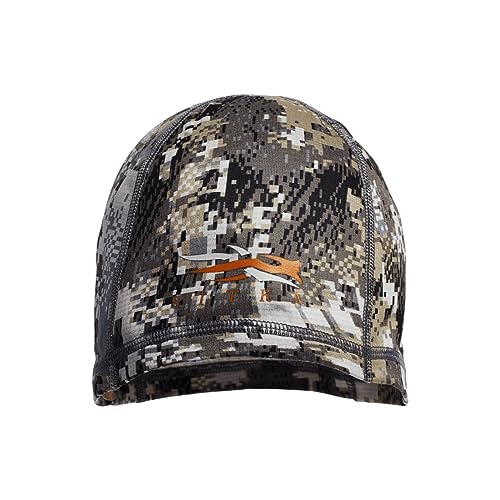
- ✓ Lightweight and warm
- ✓ Moisture-wicking fleece
- ✓ Odor control technology
- ✕ Slightly pricey
- ✕ Limited warmth for extreme cold
| Material | Quick-dry, mid-weight fleece with odor control technology |
| Insulation Type | Fleece |
| Design Features | Articulated with flatlock seam construction |
| Ear Coverage | Full coverage for warmth and wind protection |
| Weight | Lightweight, suitable for early-season conditions |
| Moisture Management | Exceptional moisture-wicking properties |
Imagine you’re crouched behind a thick bush, trying to stay hidden as the early morning frost clings to the grass. You pull your SITKA Men’s Early-Season Fleece Beanie snug over your head, feeling the lightweight warmth instantly settle in.
That low-profile fit stays comfortable beneath your hood, and the quick-dry fleece helps you stay dry even if you get caught in a little drizzle or sweat from your exertions.
The stretch fleece fabric is surprisingly soft and moves with you without feeling bulky. It’s just enough warmth to keep your ears protected without overheating during those brisk, chilly mornings.
The flatlock seams lie flat against your skin, preventing any chafing or irritation as you glass or move through the terrain.
The odor control technology is a game-changer, especially on those long days when you forget about washing it. It neutralizes sweat smells, so you stay fresh even after hours of stalking or glassing.
When you’re done, the beanie folds up easily, fitting into your pocket without taking up much space, ready for the next cold snap.
Overall, this beanie offers a perfect blend of warmth, moisture management, and comfort. It’s not overly bulky, yet it keeps your head warm and ears covered against the wind.
It’s simple, effective, and built for those early-season days when the weather can turn on a dime.
First Lite Tag Cuff Merino Wool Beanie

- ✓ Warm and lightweight
- ✓ Versatile cuff design
- ✓ Natural thermal regulation
- ✕ Basic style
- ✕ Slightly bulky for some
| Material | 100% Merino Wool |
| Weight | 3.3 ounces |
| Primary Usages | [‘Casual’, ‘Hunting’, ‘Fishing’, ‘Waterfowl’, ‘Upland’, ‘Tree Stand’, ‘Spot & Stalk’] |
| Design Features | Cuffed for versatility, can be rolled up or down |
| Fit | One size fits all |
| Thermal Regulation | Naturally regulates temperature by warming or cooling according to body temperature |
The first time I slid the First Lite Tag Cuff Merino Wool Beanie onto my head, I immediately felt how thick and plush the heavyweight Merino wool is. It’s not one of those flimsy beanies that flattens after a few wears; this one feels solid and cozy, perfect for those chilly early-season snowboarding mornings.
What struck me right away was how lightweight it is—only about 3.3 ounces—yet it packs a serious punch in warmth. I pulled it down over my ears, and the cuff stayed snug without feeling tight.
When I wanted to hear better, I simply rolled it up a bit to expose my ears, and it stayed put effortlessly.
The natural thermal regulation of Merino wool really came through as I went from sitting still on the chairlift to moving down the slopes. It warmed up as I got active and cooled down when I paused, keeping me comfortable all day.
Plus, the one-size-fits-all fit meant no fuss about sizing issues.
It’s versatile enough for different activities—whether I was snowboarding, taking a quick hike, or just hanging out at the lodge. The cuff design gave me options to adjust coverage and hearing, which is pretty handy when you’re trying to listen out for signals or just want a bit more warmth.
Overall, this beanie feels like a reliable companion for any early-season outing. It’s simple, effective, and feels like it’s built to last.
The only downside? It’s not the most stylish piece if you’re into flashy gear, but for function, it’s hard to beat.
SITKA Gear Early-Season Low-Profile Quick-Dry Fleece

- ✓ Lightweight and low-profile
- ✓ Fast moisture-wicking
- ✓ Odor control technology
- ✕ Limited warmth in extreme cold
- ✕ May feel tight for larger heads
| Material | Mid-weight quick-dry polyester fleece with stretch |
| Insulation | Lightweight thermal insulation suitable for early-season temperatures |
| Moisture Management | Advanced moisture-wicking fabric with quick-dry technology |
| Odor Control Technology | Polygiene odor-neutralizing treatment |
| Design Features | Articulated fit with flatlock seams for enhanced comfort and coverage |
| Storage and Portability | Foldable design for compact storage in pockets |
As soon as I unfolded the SITKA Gear Early-Season Low-Profile Quick-Dry Fleece, I noticed how sleek and lightweight it felt in my hands. The fabric has a smooth, almost velvety texture that instantly gives off a sense of comfort without bulk.
The low-profile design sits snugly, making it perfect to wear under a helmet or beanie without feeling bulky.
When I slipped it on, I appreciated how the articulated fit moved easily with my head, avoiding any pinching or tight spots. The flatlock seams are barely noticeable and prevent chafing during extended wear.
On chilly mornings, I found the fleece to be surprisingly warm for its weight, thanks to its mid-weight construction.
The quick-dry feature really shines after a quick sweat session or if you encounter some unexpected snow. Moisture wicks away fast, keeping you dry and comfortable longer.
I also liked how the odor control technology neutralized sweat smells, which is a huge plus on longer days out in the field or on the mountain.
Storing it was a breeze — I just folded it up and slipped it into my pocket. It kept its shape and didn’t crease badly.
The fabric dries quickly if it gets wet, so you won’t be stuck with damp gear during a cold start or after a quick wipe-down.
Overall, this fleece beanie feels like a smart, well-thought-out piece for anyone who wants warmth, moisture management, and odor control without added bulk. It’s versatile enough for early-season snowboarding or chilly outdoor adventures, making it a solid go-to layer.
What Makes Early Season Snowboarding Different from Peak Season?
Variable snow conditions can be both a challenge and an adventure. Riders might encounter freshly fallen powder, which is ideal for carving, but they should also be prepared for icy spots that require careful handling and technique adjustments.
Limited terrain access is a common issue early in the season as not all trails may have enough coverage or may not be opened yet. This can impact the variety of runs available, potentially making it feel repetitive for some riders.
Lower prices are a significant draw for early season snowboarding, with many resorts offering deals to entice visitors before the peak crowds arrive. This can allow snowboarders to save money while still enjoying time on the slopes.
Early snowboarding events add an extra layer of excitement to the experience, as resorts often organize competitions, demos, and festivals to kick off the season. These events foster a sense of community among riders and can provide opportunities to learn from professionals.
What Snow Conditions Should You Expect During Early Season?
During early season snowboarding, you can expect a variety of snow conditions that can significantly impact the quality of your ride:
- Firm and Icy Surfaces: In early season, natural snowfall may still be limited, leading to hard-packed, icy conditions on the slopes.
- Variable Snow Quality: Depending on the weather patterns, snow may vary from soft and slushy during warmer days to hard and icy at night.
- Groomed Runs: Resorts often prioritize grooming of popular runs, resulting in smoother surfaces that may help alleviate some harsh conditions.
- Limited Terrain Options: Early season typically means fewer trails are open, which can limit your choices and keep riders concentrated on certain areas.
- Snowmaking Influence: Many resorts rely on snowmaking to supplement natural snowfall, providing a more consistent base but often producing denser, heavier snow.
Firm and Icy Surfaces: The lack of substantial snowfall can lead to firm and icy conditions, especially on slopes that see heavy traffic. Riders should be prepared for potentially slick areas that require more skillful navigation and control.
Variable Snow Quality: The transition from day to night can cause fluctuations in snow texture, where daytime warmth may soften the snow, while nighttime freezing leads to a firmer base. This variability can create challenging conditions that require adjusting your riding style throughout the day.
Groomed Runs: Resorts typically focus on grooming select trails during early season to provide the best possible conditions for riders. These groomed runs can offer a smoother experience, making it easier for beginners to learn and for experienced riders to enjoy faster runs.
Limited Terrain Options: Many ski resorts may not have all their trails open in early season, which can limit access to more challenging runs and backcountry areas. This limitation often leads to higher concentrations of riders on fewer trails, creating a different atmosphere on the slopes.
Snowmaking Influence: The use of snowmaking technology helps ensure there is a base for early season riding, but the snow produced can be heavier and denser than natural powder. While this can provide a reliable surface, it may not have the same light, fluffy characteristics that many riders seek.
How Do Early Season Conditions Affect Snowboarding Techniques?
Early season conditions significantly influence snowboarding techniques due to varying snow types and terrain challenges.
- Variable Snow Conditions: Early season often features a mix of hard-packed, icy patches, and softer snow, requiring adaptability in technique.
- Terrain Familiarization: Riders must navigate less groomed trails and possible obstacles like rocks or branches, emphasizing the importance of terrain awareness.
- Body Mechanics: Adjustments in stance and weight distribution are necessary to maintain balance and control on different snow conditions.
- Equipment Setup: Early season may call for specific board and binding adjustments to optimize performance on varying surfaces.
- Increased Focus on Edge Control: With icy surfaces prevalent, mastering edge control becomes crucial for maintaining grip and executing turns.
Variable Snow Conditions: Early season often features a mix of hard-packed, icy patches, and softer snow, requiring adaptability in technique. Snowboarders need to adjust their riding style to handle these conditions, using a more cautious approach when traversing icy areas while adopting a more aggressive technique on softer snow.
Terrain Familiarization: Riders must navigate less groomed trails and possible obstacles like rocks or branches, emphasizing the importance of terrain awareness. This necessitates a heightened sense of observation and readiness to adapt to unexpected changes in the riding environment.
Body Mechanics: Adjustments in stance and weight distribution are necessary to maintain balance and control on different snow conditions. Riders might find themselves leaning back more on icy surfaces to prevent catching an edge, while shifting their weight forward on softer snow for better responsiveness.
Equipment Setup: Early season may call for specific board and binding adjustments to optimize performance on varying surfaces. Riders often consider tuning their boards for better edge hold or selecting a softer flex to accommodate the changing snow conditions.
Increased Focus on Edge Control: With icy surfaces prevalent, mastering edge control becomes crucial for maintaining grip and executing turns. Riders must practice precise edging to avoid slips and falls, refining their skills to ensure safety and efficiency on the slopes.
Which Resorts Are Best for Early Season Snowboarding?
The best resorts for early season snowboarding are those that typically have reliable snow coverage and good terrain options in the fall months.
- Breckenridge, Colorado: Breckenridge is known for its high elevation and extensive snowmaking capabilities, allowing for early season openings. The resort usually starts its season in early November and offers a variety of runs suitable for all skill levels, including a large terrain park.
- Killington, Vermont: Often referred to as the “Beast of the East,” Killington boasts one of the longest ski seasons in the eastern U.S. thanks to its snowmaking infrastructure and natural snowfall. Typically opening in mid-October, it provides ample terrain for snowboarders, with options for both beginners and advanced riders.
- Heavenly, California: Heavenly is famous for its stunning views and diverse terrain, and it usually opens in mid-November. With its extensive snowmaking system and the advantage of being close to Lake Tahoe, it often has some of the best early season conditions in the West.
- Mammoth Mountain, California: Mammoth Mountain is a reliable choice for early season snowboarding, often opening its lifts in early November. The resort’s high elevation and abundant snowfall create ideal conditions, and it offers a vast array of runs and parks, catering to all levels of snowboarders.
- Arapahoe Basin, Colorado: Known for its long ski season, Arapahoe Basin typically opens in mid-October. Its high altitude and commitment to snowmaking mean it can provide some of the earliest snowboarding opportunities, along with a laid-back atmosphere and stunning mountain views.
What Factors Determine the Best Early Season Snowboarding Resorts?
Several factors determine the best early season snowboarding resorts:
- Snow Quality: The quality of snow is crucial for early season snowboarding; resorts with high elevation and colder temperatures often have better snow conditions. Areas that utilize advanced snowmaking technology can also provide a consistent base, ensuring that riders experience firmer and more reliable snow.
- Terrain Variety: A diverse range of terrain is essential for catering to different skill levels. Resorts that offer a mix of groomed runs, natural terrain parks, and backcountry options can provide a more enjoyable experience for early season snowboarders who are looking to explore and improve their skills.
- Accessibility: The ease of reaching a resort can significantly impact the experience, especially early in the season when conditions can vary. Resorts located near major airports or with well-maintained access roads are more appealing as they minimize travel hassles and maximize time on the slopes.
- Resort Amenities: Amenities such as quality lodging, dining options, and après-ski activities can enhance the overall experience. Resorts that provide comfortable accommodations and a vibrant atmosphere tend to attract more visitors during the early season, making the trip more enjoyable.
- Early Season Events: Many resorts host early season events, such as competitions, festivals, or special promotions, which can add excitement to the snowboarding experience. These events often create a lively atmosphere and provide opportunities to meet fellow snowboarders and participate in community activities.
- Weather Patterns: Historical weather patterns of a region can influence snow conditions early in the season. Resorts located in areas with a history of early snowfall or consistent cold temperatures are more likely to offer better conditions for snowboarding before the peak season begins.
Which Locations Offer Consistent Snow Coverage in Early Season?
Some of the best locations for consistent snow coverage in early season snowboarding include:
- Whistler Blackcomb, Canada: Known for its vast terrain and high elevation, Whistler Blackcomb often receives early snowfall, making it a prime destination for early season enthusiasts. The extensive glacier skiing on Whistler Mountain also allows for reliable conditions even before the official opening of the ski season.
- Arapahoe Basin, Colorado: Arapahoe Basin boasts one of the longest ski seasons in North America, often opening as early as mid-October. Its high altitude and north-facing slopes help preserve snow, providing excellent early season conditions that attract snowboarders eager to hit the slopes.
- Jackson Hole, Wyoming: With its impressive vertical drop and diverse terrain, Jackson Hole can accumulate substantial snowfall in the early season. The area’s high elevation and geographical features contribute to consistent powder conditions that appeal to advanced and expert snowboarders.
- Lake Louise, Canada: This resort is part of the Banff National Park and typically sees significant early snowfall, thanks to its mountainous location. The picturesque views combined with reliable early season snow make Lake Louise a favorite for snowboarders looking to enjoy both scenery and quality riding conditions.
- Mt. Baker, Washington: Renowned for its heavy snowfall, Mt. Baker often has some of the best early season snowboarding opportunities. The region’s unique weather patterns lead to high snowfall totals, making it a go-to spot for powder hounds eager to start their season early.
What Gear is Essential for Early Season Snowboarding?
The essential gear for early season snowboarding ensures comfort and performance in varying conditions.
- Snowboard: A versatile snowboard suitable for different terrains is crucial for early season conditions, which can be variable.
- Bindings: Quality bindings provide the necessary support and responsiveness, allowing for better control on the snow.
- Boots: Comfortable and warm snowboard boots are essential for maintaining warmth and ensuring a snug fit, which enhances performance.
- Layered Clothing: Wearing layers helps regulate body temperature and allows for adjustments as weather conditions change throughout the day.
- Helmet: A properly fitting helmet is vital for safety, protecting against potential falls and collisions.
- Goggles: Good visibility is essential, so goggles with UV protection and anti-fog features are important for clear vision on the slopes.
- Gloves or Mittens: Insulated and waterproof gloves or mittens keep hands warm and dry, which is crucial for comfort during long days on the mountain.
- Base Layers: Moisture-wicking base layers help keep the body dry and warm, making them a fundamental part of your early season outfit.
- Snow Pants: Waterproof and insulated snow pants are necessary to keep your legs dry and warm while allowing for free movement.
The snowboard should be chosen based on your skill level and the conditions, with a preference for a design that excels in variable snow. Bindings should be compatible with your snowboard and offer a secure fit to enhance performance and stability. Comfortable boots that fit well are essential as they transfer energy effectively from your body to the board, crucial for making sharp turns and absorbing shocks.
Layered clothing allows you to adapt to changing temperatures, starting with a moisture-wicking base layer to keep sweat away from your skin, followed by insulating layers and a waterproof outer layer. A helmet is non-negotiable for safety; it protects your head from impacts, making it essential for all riders. Goggles should be selected based on lens tint for varying light conditions, ensuring that you can see clearly whether it’s sunny or overcast.
Gloves or mittens that are both warm and waterproof help maintain dexterity and comfort, crucial for handling your gear throughout the day. Base layers should be breathable and thermal to provide warmth without overheating, while snow pants should be well-fitted and durable, offering protection from the snow and wind. Each of these items plays a significant role in creating an enjoyable and safe snowboarding experience during the early season.
How Can You Choose the Right Equipment for Variable Conditions?
Choosing the right equipment for variable conditions in early season snowboarding involves selecting gear that can adapt to changing weather and snow conditions.
- Snowboard: Opt for a versatile snowboard that balances between a soft flex for playful maneuverability and a stiffer flex for stability on harder snow.
- Bindings: Select bindings that offer easy adjustments and good responsiveness; they should complement your riding style and provide adequate support for varied terrain.
- Boots: Choose boots that provide a snug fit with good insulation; look for models with customizable liners that can accommodate different foot shapes and provide warmth in cold conditions.
- Outerwear: Invest in a waterproof and breathable jacket and pants that can handle wet snow, and consider layering options to adapt to fluctuating temperatures.
- Goggles: Use goggles with interchangeable lenses to adjust to changing light conditions; polarized or photochromic lenses are ideal for varying visibility.
- Safety Gear: Always include a helmet and wrist guards; they are essential for protection against falls, especially in unpredictable early season conditions.
The snowboard is crucial as it determines your performance on different snow types; a versatile board will allow you to ride comfortably on both soft and firm surfaces. Bindings should be chosen based on their ability to provide a secure fit while allowing for quick adjustments, which is beneficial when conditions shift rapidly.
Boots are critical for comfort and warmth; well-insulated boots with a good fit will keep your feet warm and prevent fatigue, which is important when the temperatures drop. Your outerwear will serve as your first line of defense against the elements, so breathable yet waterproof materials will keep you dry and comfortable while allowing for flexibility in layering.
Goggles are not just for style; having the right lenses can significantly affect your visibility on the slopes. Using goggles that can adapt to changing light conditions will enhance your safety and enjoyment while riding. Finally, safety gear such as helmets and wrist guards is non-negotiable, as they provide essential protection during the early season when conditions can be unpredictable and riskier than usual.
What Safety Features Should You Look for in Early Season Gear?
When considering early season snowboarding gear, safety features are paramount to ensure a secure and enjoyable experience on the slopes.
- Helmet: A high-quality helmet is essential for protecting your head from potential impacts. Look for helmets with adjustable ventilation and a snug fit to ensure maximum comfort and safety while riding.
- Impact-Resistant Padding: Gear that includes impact-resistant padding, especially in areas like knees, elbows, and hips, can greatly reduce the risk of injury during falls. This padding absorbs shock and helps to protect your joints from harsh impacts against the snow or hard surfaces.
- Wrist Guards: Wrist injuries are common among snowboarders, especially beginners. Wrist guards provide crucial support and stability, helping to prevent fractures or sprains during falls by limiting the range of motion and distributing impact forces.
- Gore-Tex or Waterproof Materials: Early season conditions can be wet, so gear made from waterproof materials like Gore-Tex prevents moisture from seeping in. This keeps you dry and warm, which is essential for maintaining focus and control while snowboarding.
- Reflective Elements: Visibility is key in low-light conditions often found during early season riding. Look for gear with reflective elements that enhance your visibility to others on the slopes, which is vital for safety in crowded areas.
- Adjustable Straps and Closures: Properly fitting gear is crucial for safety. Adjustable straps and closures on boots, bindings, and outerwear help secure your gear, ensuring it stays in place and provides the necessary support while riding.
- Emergency Whistle: An emergency whistle is a small but important addition to your gear. It can be a lifesaver in case of an accident or if you become separated from your group, allowing you to signal for help quickly.
How to Prepare for Early Season Snowboarding?
Preparing for early season snowboarding requires careful planning and the right gear to ensure a successful and enjoyable experience on the slopes.
- Check Weather Conditions: Always monitor the weather forecasts leading up to your trip to ensure you are aware of any expected snowfall or temperature changes.
- Gear Inspection: Before hitting the slopes, inspect your snowboarding equipment, including your board, bindings, and boots, for any signs of wear or damage.
- Layering Clothing: Dress in layers to adapt to changing temperatures, starting with moisture-wicking base layers, insulating mid-layers, and waterproof outer layers.
- Physical Conditioning: Engage in physical conditioning exercises prior to your trip to build strength and endurance, focusing on your legs, core, and balance.
- Choose the Right Resort: Select a ski resort known for good early season conditions, often characterized by artificial snowmaking and a variety of terrain suitable for all skill levels.
- Early Season Discounts: Look for early season discounts on lift tickets and accommodations that many resorts offer to attract visitors during this time.
- Safety Gear: Don’t forget to wear appropriate safety gear such as a helmet and wrist guards, which are especially important when conditions may be less predictable.
Check Weather Conditions: Always monitor the weather forecasts leading up to your trip to ensure you are aware of any expected snowfall or temperature changes. Early season conditions can be variable, and knowing what to expect can help you dress appropriately and plan your activities accordingly.
Gear Inspection: Before hitting the slopes, inspect your snowboarding equipment, including your board, bindings, and boots, for any signs of wear or damage. This is crucial as any issues can affect your performance and safety while snowboarding.
Layering Clothing: Dress in layers to adapt to changing temperatures, starting with moisture-wicking base layers, insulating mid-layers, and waterproof outer layers. This approach allows you to adjust your clothing based on the weather conditions and your activity level throughout the day.
Physical Conditioning: Engage in physical conditioning exercises prior to your trip to build strength and endurance, focusing on your legs, core, and balance. Being in good shape will enhance your performance and reduce the risk of injury on the slopes.
Choose the Right Resort: Select a ski resort known for good early season conditions, often characterized by artificial snowmaking and a variety of terrain suitable for all skill levels. Researching resorts can help you find the best options for early snowboarding experiences.
Early Season Discounts: Look for early season discounts on lift tickets and accommodations that many resorts offer to attract visitors during this time. Taking advantage of these deals can make your trip more affordable while still ensuring you have a great time on the slopes.
Safety Gear: Don’t forget to wear appropriate safety gear such as a helmet and wrist guards, which are especially important when conditions may be less predictable. Prioritizing safety will allow you to focus on enjoying your time snowboarding without unnecessary worries.
What Techniques Can Help Improve Your Early Season Experience?
Several techniques can enhance your early season snowboarding experience:
- Proper Gear Selection: Choosing the right gear is crucial for comfort and performance on the slopes. Look for waterproof and insulated clothing to keep warm and dry, and ensure your snowboard is well-tuned to handle the varying snow conditions typical of early season riding.
- Fitness and Conditioning: Preparing your body for snowboarding by engaging in specific fitness routines can greatly improve your performance. Focus on strengthening your core, legs, and balance to help you navigate the often variable terrain and reduce the risk of injury.
- Early Morning Sessions: Hitting the slopes early in the day can provide the best snow conditions, as temperatures are typically colder and the snow is firmer. This allows for better control and speed while reducing the likelihood of slush or ice later in the day.
- Choosing the Right Terrain: In early season, not all runs may be open or in good condition. Opt for beginner or intermediate trails that are more likely to be groomed and maintained, which can provide a safer and more enjoyable experience.
- Familiarize Yourself with the Mountain: Take the time to explore the mountain layout and understand the locations of lifts, trails, and any potential hazards. Knowing the terrain can help you plan your runs better and maximize your time on the snow.
- Practice Basic Skills: Early season is a great time to refine your snowboarding fundamentals such as turning, stopping, and balance. Engage in drills that improve these skills to build confidence and prepare yourself for more challenging conditions later in the season.
- Stay Hydrated and Nourished: Keeping your energy levels up is essential for an enjoyable day on the mountain. Make sure to drink plenty of water and consume nutritious snacks throughout the day to maintain stamina and focus.
What Precautions Should Snowboarders Take in Early Season Conditions?
Snowboarders should take several precautions to ensure safety and maximize enjoyment during early season conditions.
- Check Snow Conditions: Before heading out, it’s crucial to check the snow reports for the area you plan to snowboard in. Early season conditions can vary widely, and knowing if there are any icy patches or thin spots can prevent accidents and equipment damage.
- Use Appropriate Gear: Early season snow can be unpredictable, so wearing the right gear is essential. Opt for a board that performs well in variable conditions and make sure to wear protective gear such as a helmet and wrist guards to mitigate the risk of injury.
- Stay on Designated Trails: Many resorts may have limited terrain open during early season. Sticking to marked trails ensures that you are riding on areas that have been groomed and are safer than untested backcountry or off-piste areas where hazards might be hidden.
- Start Slow and Build Confidence: It’s important to acclimate to the conditions gradually. Begin with easier runs and progressively challenge yourself as you gauge the snow quality and your comfort level, which helps prevent injuries from falls or misjudgments.
- Be Aware of Weather Changes: Early season weather can be unpredictable, with sudden changes in temperature or precipitation. Staying informed about weather forecasts helps you prepare for changing conditions and avoid dangerous situations, such as riding in poor visibility or during storms.
- Ride with a Buddy: Snowboarding with a friend not only enhances the fun but also provides a safety net in case of an emergency. Having someone else around can help with equipment issues, provide assistance in case of a fall, and ensure that you both return safely.