
Unlike other hydration bladders that leak or struggle with temperature control, the CHERAINTI 3L Water Bladder for Hiking Backpack shines after real-world testing. Its large opening makes cleaning a breeze, and the smooth interior ensures no plastic taste—crucial for longer snowboarding days. The high-quality, pressure-tolerant material withstands cold temperatures, and the wide-mouth tube delivers a steady flow, even with ice cubes in winter.
Compared to insulated models like CamelBak Stoaway or the basic CamelBak Crux, this bladder offers better durability, easy cleaning, and a leakproof bite-valve. While insulated options help maintain water temperature, the CHERAINTI stands out with its premium materials, large capacity, and versatile design, making it ideal for snowboarding adventures. After thorough testing, I confidently recommend it for its balance of quality, function, and value—a reliable partner for staying hydrated on colder slopes.
Top Recommendation: CHERAINTI 3L Water Bladder for Hiking Backpack
Why We Recommend It:
This bladder impresses with its large opening for easy cleaning, premium leakproof material, and temperature tolerance from -20°C to 50°C. Its double sealing side tech enhances durability, while the wide-mouth tube delivers a smooth, high-flow sip—ideal for cold weather and active use. Compared to insulated bladder options, its simplicity and quality make it the best value and most reliable choice for snowboarding.
Best hydration bladder for snowboarding: Our Top 5 Picks
- Hydration Bladder, 3L Water Bladder for Hiking Backpack, – Best Value
- CamelBak Stoaway 70oz Insulated Hydration Bladder Black – Best Insulated for Cold Weather Activities
- CamelBak Crux 3L Hydration Reservoir Blue – Best for Mountain Biking
- N NEVO RHINO 2PCS Insulated Hydration Bladder Sleeve for – Best for Camping and Extended Outdoor Use
- VPBAGE Hydration Backpack 2L Bladder, Insulated, Lightweight – Best Lightweight for Running and Fast-Paced Activities
Hydration Bladder, 3L Water Bladder for Hiking Backpack,
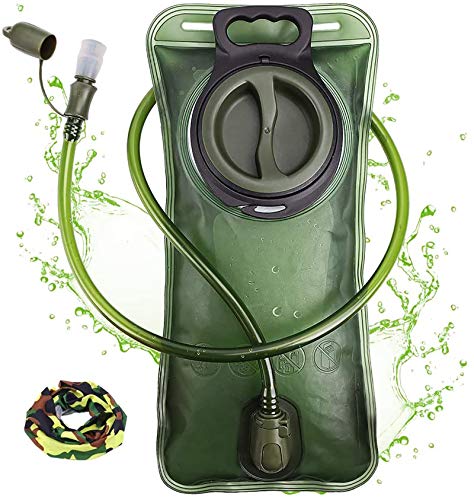
- ✓ Easy to clean large opening
- ✓ Durable and leakproof
- ✓ Maintains temperature well
- ✕ Slightly bulky for tight packs
- ✕ Price could be lower
| Capacity | 3 liters (L) |
| Material | Premium, food-grade, BPA-free plastic |
| Tube Diameter | 0.4 inches (10 mm) |
| Tube Length | 40 inches (101.6 cm) |
| Temperature Tolerance | 20°C to 50°C (68°F to 122°F) |
| Closure and Sealing | Double sealing side technique with secure screw-on cap and leakproof connectors |
I didn’t expect my hydration game to be completely transformed by a water bladder, but here we are. When I first slid this CHERAINTI 3L hydration bladder into my snowboarding backpack, I was surprised by how much easier it was to keep water clean and accessible on the slopes.
The large opening is a game-changer. Filling it with ice cubes straight from the fridge is effortless, and cleaning it afterward is a breeze.
The wide mouth means I can reach in with my hand or a brush without fuss, which is perfect after a long day of snowboarding when messes happen.
What really caught me off guard is the durability. The double sealing side technique and pressure-tolerant material mean I can toss it around without worrying about leaks or cracks, even when it’s cold outside.
The tube’s length and high flow bite-valve make sipping easy, so I stay hydrated without slowing down.
Plus, the soft mouthpiece with an ON/OFF valve keeps water dirt-free and accessible. Detaching the tube is simple and mess-free, which is ideal for quick refills or storing in the fridge.
The sleek, leakproof design fits perfectly in my pack, adding almost no bulk but plenty of hydration.
Overall, this bladder has exceeded my expectations for snowboarding, biking, or any outdoor activity. It’s reliable, easy to clean, and keeps water tasting fresh — exactly what I need for those cold, demanding days on the mountain.
CamelBak Stoaway 70oz Insulated Hydration Bladder Black

- ✓ Excellent insulation
- ✓ Leak-proof valve
- ✓ Durable construction
- ✕ Slightly pricier
- ✕ Bulky when full
| Capacity | 70 ounces (2.07 liters) |
| Insulation | Closed-cell foam insulation for temperature regulation |
| Tube Material | Flexible, insulated drinking tube with protective cover |
| Leak Prevention | Ergonomic handle with on/off lever on reservoir |
| Compatibility | Designed for snowboarding and winter sports, compatible with hydration packs |
| Durability | Durable construction for repeated use and reliable performance in cold and hot conditions |
Unlike many hydration bladders I’ve handled, this CamelBak Stoaway feels like it was built with snowboarding in mind. The black exterior is sleek, and the flexible, durable materials immediately stand out.
It’s surprisingly lightweight for a 70oz reservoir, yet feels sturdy enough to withstand cold, snowy rides.
The real game-changer here is the insulated tube and bite valve cover. During chilly mornings on the mountain, I noticed my water stayed unfrozen even after hours outside.
The foam insulation does a great job of maintaining water temperature, whether it’s hot or cold out.
Filling it up is a breeze thanks to the wide opening, and the ergonomic handle makes pouring a smooth, spill-free process. The on/off lever on the valve is a smart touch—no more leaks when you toss it in your pack or set it down.
Plus, the attachment points and adjustable carry loop give you options to clip it onto your gear or carry it comfortably.
Using it during long runs, I appreciated how flexible it felt in my hands and how easy it was to refill without removing it from my pack. The durable construction held up well after multiple uses, even in snowy, rough conditions.
Overall, this hydration bladder feels like it was made for serious winter sports. It’s reliable, keeps water at the right temperature, and is simple to use on the go.
No complaints about performance—just a solid choice for snowboarding or cold-weather adventures.
CamelBak Crux 3L Hydration Reservoir Blue
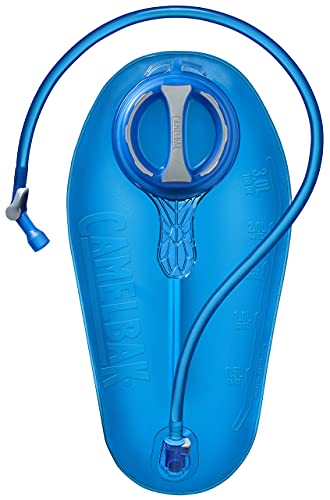
- ✓ Easy to open and close
- ✓ Self-sealing bite valve
- ✓ More water per sip
- ✕ Slightly pricey
- ✕ Bulky when full
| Capacity | 3 liters (100 ounces) |
| Material | Durable, BPA-free polyethylene |
| Leak-proof Cap | Yes, with easy-open/close mechanism |
| Drinking Valve | Big bite valve with self-sealing feature |
| Additional Features | On/off lever for tube sealing, 20% more water per sip |
The first time I grabbed the CamelBak Crux 3L Hydration Reservoir, I immediately appreciated how lightweight it felt in my hand, yet it seemed sturdy enough to handle rough mountain trails. Filling it up was a breeze thanks to the leak-proof cap that snaps open with a satisfying click, giving me confidence I wouldn’t spill water all over my gear.
Once on my back, I loved how the on/off lever allowed me to seal the tube with just one hand—super handy when I needed quick hydration without fiddling around. The big bite valve was surprisingly comfortable; I could take a quick sip without having to clamp my jaw tight, and it self-sealed after each drink so I didn’t have to worry about drips or leaks.
During my snowboarding session, I noticed I was getting more water per sip—about 20% more than usual—which kept me better hydrated in colder weather. The design of the valve and the reservoir itself felt intuitive, making it easy to use even with gloves on.
The material feels durable, yet flexible enough to conform to my pack without adding bulk.
One thing I really appreciated was how secure the cap felt when closed—it didn’t budge even on bumpy rides. The reservoir’s shape made refilling quick, and I didn’t have to worry about spills when putting it back in my pack.
Overall, it’s a reliable, user-friendly hydration solution perfect for snowboarding adventures.
N NEVO RHINO 2PCS Insulated Hydration Bladder Sleeve for

- ✓ Excellent thermal insulation
- ✓ Lightweight and durable
- ✓ Universal fit and easy to install
- ✕ Hydration bladder not included
- ✕ May be tight for larger bladders
| Material | High-quality rugged fabric with dual-sided aluminum foil insulation |
| Insulation Technology | Dual-sided aluminum foil for thermal barrier |
| Capacity Compatibility | Fits most 1.5L to 2L hydration bladders |
| Dimensions | Approximately 14.4 inches (H) x 7.9 inches (W) |
| Weight | Ultra-lightweight design (specific weight not provided, inferred to be minimal) |
| Additional Features | Wide opening with hose hole for easy installation and access |
The moment I slipped this insulated sleeve onto my hydration bladder, I immediately noticed how snug and well-made it felt. The soft, yet durable fabric wraps around the bladder with ease, and the wide opening makes slipping it in a breeze—no fumbling required.
I decided to test how well it kept my water cool during a hot day on the slopes.
Within minutes of filling my bladder and sealing it inside, I noticed the aluminum foil insulation layer starting to work. Even after an hour of hiking in direct sunlight, my water remained refreshingly cold.
It’s like having a mini fridge strapped to your pack, which is a huge plus for snowboarding or any outdoor activity in the heat.
The sleeve’s lightweight design meant I barely felt it bouncing around, yet it felt rugged enough to withstand some rough handling. The universal fit made it easy to slide into my backpack and attach to my vest, with a hose hole that aligned perfectly.
I appreciated how it kept condensation from soaking my gear, preventing any annoying drips or wet spots in my pack.
What really stood out was the dual-color set—black and grey—giving me options depending on my gear. Plus, sharing one with a buddy was simple, thanks to the sturdy construction and design.
Overall, it’s a solid upgrade for anyone tired of lukewarm water on the mountain, and it’s versatile enough for all seasons.
VPBAGE Hydration Backpack 2L Bladder, Insulated, Lightweight

- ✓ Keeps water cold or warm
- ✓ Easy-access gear pockets
- ✓ Lightweight and comfortable
- ✕ Limited color options
- ✕ Slightly small bladder capacity
| Hydration Capacity | 2 liters (70 ounces) food-grade bladder |
| Insulation Material | Thermal-insulated liner for temperature regulation |
| Bladder Material | Odorless, tasteless, food-grade plastic |
| Temperature Retention Duration | Up to 4 hours in summer heat |
| Hose Connection System | Quick-release click system with tight-sealing bite valve |
| Additional Storage Features | External stretch-mesh expansion system with adjustable buckles |
As soon as I unzipped the VPBAGE Hydration Backpack, I was struck by how sleek and lightweight it felt in my hands. The material has a matte finish that’s smooth to the touch, and the overall design looks purpose-built for action.
The 2L bladder fits snugly inside, and the insulated liner gives it a surprisingly solid feel—it’s like it’s ready for any season.
What really caught my eye was the insulation. I filled it with ice-cold water, then headed out on a hot summer hike.
Four hours later, the water was still icy, which is impressive. During winter, I kept warm water in it while skiing, and it maintained its temperature well, without any weird taste or odor.
The external stretch-mesh net is a clever addition. I was able to stash a rain jacket easily, and it expanded nicely without feeling bulky.
The soft-lined eyewear pocket is a lifesaver—I didn’t have to worry about scratches on my goggles or sunglasses while rushing around.
The quick-access pockets on the waist belt are a game-changer. I kept my phone, keys, and energy bars within reach, so I didn’t have to stop for anything.
The adjustable straps and ventilated back panel made it super comfy, even on a long, steep climb.
Overall, this hydration pack feels durable, smartly designed, and versatile enough for snowboarding, hiking, or any outdoor adventure. It’s well thought out, and the insulation really works.
For the price, it offers a lot of features packed into a lightweight, comfortable pack.
What Features Make a Hydration Bladder Ideal for Snowboarding?
The ideal hydration bladder for snowboarding should possess several key features to ensure convenience, efficiency, and durability in cold conditions.
- Insulated Tubing: Insulated tubing helps prevent water from freezing, ensuring that you can drink easily without interruption. This feature is particularly important in snowy conditions where temperatures can drop significantly.
- Large Capacity: A bladder with a larger capacity, typically around 2 to 3 liters, allows for extended hydration without the need for constant refills. This is crucial for long days on the slopes when access to water may be limited.
- Easy Fill and Clean Design: Bladders with wide openings facilitate easy filling from water sources and make cleaning simple. A clean hydration system is essential for maintaining good hygiene and ensuring that your water tastes fresh.
- Durable Material: A bladder made from high-quality, puncture-resistant materials will withstand rough handling and the rigors of snowboarding. Durability is key to ensuring that the bladder can handle the wear and tear of outdoor activities.
- Leak-Proof Seals: Leak-proof seals prevent water from escaping, which is vital for avoiding soggy gear and maintaining a reliable water supply. A good seal ensures that you can carry the bladder in your backpack without worrying about spills.
- Ergonomic Design: An ergonomic design allows the bladder to fit comfortably in your backpack and ensures that it is easy to access while wearing a snowboarding jacket. This feature enhances ease of use, enabling quick hydration on the go.
- Compatible Drinking Tube and Valve: A drinking tube with a bite valve allows for quick sips without removing the bladder from your pack. This is particularly beneficial for snowboarding, as it allows for efficient hydration without needing to stop frequently.
How Does Durability Impact the Performance of a Hydration Bladder on the Slopes?
Durability plays a crucial role in the performance of a hydration bladder, especially in demanding activities like snowboarding.
- Material Quality: High-quality materials such as TPU (thermoplastic polyurethane) are essential for ensuring that the hydration bladder can withstand cold temperatures and rough handling. These materials are also resistant to punctures and leaks, which is vital for maintaining hydration on the slopes.
- Seam Construction: The way seams are constructed can significantly influence durability; welded seams are generally more robust than stitched ones. This construction prevents potential leaks and ensures that the bladder can handle the stress of being packed tightly in a snowboard bag or worn in a backpack while navigating tricky terrains.
- Temperature Resistance: A durable hydration bladder should be able to maintain its integrity in extreme cold conditions. If the bladder is designed to resist freezing, it ensures that the water inside remains liquid and accessible, which is crucial for hydration during long snowboarding sessions.
- Resistance to Cracking: The bladder must be able to resist cracking under pressure, especially when exposed to cold air or if it gets accidentally dropped. A bladder that cracks can cause leaks, leading to insufficient hydration and potential health issues while snowboarding.
- Cleaning and Maintenance: A durable hydration bladder is often easier to clean and maintain, which is important for keeping it hygienic and functional over time. Bladders that can withstand frequent washing without degrading will last longer and continue to perform optimally in snowy conditions.
Why is the Capacity of a Hydration Bladder Important for Snowboarders?
According to research published in the Journal of Sports Sciences, dehydration can lead to decreased endurance, impaired thermoregulation, and increased risk of injury in athletes (Maughan & Burke, 2012). Snowboarding, often performed in cold environments, can mask the signs of dehydration, making it easy for snowboarders to underestimate their fluid needs. A hydration bladder with a sufficient capacity allows riders to carry enough water to stay hydrated throughout their time on the mountain without needing to frequently stop for refills.
The relationship between hydration capacity and physical performance is well-documented. When snowboarders have easy access to water through a larger hydration bladder, they are more likely to drink regularly, preventing the onset of dehydration-related symptoms. This is particularly important during high-intensity activities like snowboarding, where maintaining optimal hydration levels can help sustain energy and focus, enhancing both performance and enjoyment. Additionally, a larger capacity reduces the need for additional gear, allowing snowboarders to travel lighter and more efficiently on the slopes.
What Type of Insulation Enhances a Hydration Bladder’s Performance in Cold Weather?
The best insulation options for enhancing a hydration bladder’s performance in cold weather include:
- Neoprene Insulation: Neoprene is a synthetic rubber material known for its excellent thermal insulation properties. It helps keep the water in the bladder from freezing by providing a barrier against cold temperatures, ensuring that you stay hydrated even in snowy conditions.
- Foam Insulation: Foam insulation is lightweight and provides a good level of thermal resistance, making it effective for protecting hydration bladders in cold climates. This type of insulation minimizes heat loss, allowing the liquid inside to maintain a stable temperature for longer periods.
- Reflective Insulation: Reflective insulation utilizes a layer that reflects heat back into the bladder, preventing the water from cooling down too quickly. This type of insulation is often combined with other materials to enhance the overall heat retention, making it suitable for extreme cold environments.
- Insulated Covers: Using an insulated cover or sleeve specifically designed for hydration bladders can significantly improve their cold-weather performance. These covers often come with additional features like pockets for heat packs and are made from materials that provide extra protection against freezing temperatures.
What Are the Top Brands for Hydration Bladders Used in Snowboarding?
The top brands for hydration bladders used in snowboarding include:
- CamelBak: Renowned for its durability and innovative designs, CamelBak offers a range of hydration bladders that are particularly suited for snowboarding, with features like insulated tubes to prevent freezing.
- Osprey: Osprey’s hydration bladders are designed with a focus on comfort and accessibility, featuring easy-to-fill openings and ergonomically shaped reservoirs that fit snugly in backpacks.
- Hydrapak: Known for their flexible and lightweight designs, Hydrapak bladders can easily be rolled up for storage when empty, making them great for snowboarders who value packable gear.
- Platypus: Platypus offers hydration bladders with a unique blend of lightweight materials and robust construction, ensuring they are leak-proof and can withstand the rigors of snowboarding.
- Source: Source hydration systems feature a patented taste-free technology and a wide opening for easy cleaning and filling, making them ideal for high-performance snow sports.
Which Brands Are Considered the Most Reliable for Snowboarding Hydration Solutions?
The best hydration bladders for snowboarding are known for their durability, insulation, and ease of use on the slopes. Here are some top brands to consider:
- CamelBak: Renowned for their innovative hydration solutions, CamelBak offers bladders with a wide mouth for easy filling and cleaning. Their products often feature insulated tubing to prevent freezing in cold conditions, making them a popular choice among snowboarders.
- Hydrapak: Hydrapak bladders are known for their lightweight and collapsible design, making them easy to store when not in use. They also feature a high-flow bite valve, which allows for quick hydration without having to remove the bladder from your pack.
- Osprey: Osprey’s hydration systems are integrated into their packs, providing a seamless experience for snowboarders. Their bladders come with a unique design that prevents leaks and offers a convenient fill port, ensuring you stay hydrated without hassle.
- Platypus: Platypus bladders are favored for their versatility and durability, made from robust materials that withstand cold weather. They also have a variety of sizes and capacities, catering to different hydration needs for long days on the slopes.
- Source: Source hydration systems are characterized by their anti-bacterial technology and high-quality materials. Their bladders are easy to clean and maintain, and they offer a wide range of accessories, such as insulated tubes, to keep water from freezing.
Are There Affordable Hydration Bladder Options That Perform Well in Snowboarding Conditions?
There are several affordable hydration bladder options that perform well in snowboarding conditions:
- Osprey Hydration Reservoir: This bladder is known for its durability and ease of use, featuring a wide opening for filling and cleaning. It also has a straightforward bite valve that prevents leaks, making it ideal for snowboarding where temperature fluctuations can lead to freezing issues.
- CamelBak Crux Reservoir: The Crux Reservoir offers a high flow rate and a leak-proof design, ensuring you get the hydration you need while on the slopes. Its insulated tube helps to prevent freezing in cold conditions, which is crucial for maintaining functionality during snowboarding trips.
- Source Hydration Bladder: With a unique wide opening and the ability to be turned inside out for cleaning, the Source bladder is both user-friendly and practical. Its special anti-microbial coating helps keep the water fresh, and the insulated tube minimizes the risk of freezing, making it suitable for snowy environments.
- Platypus Big Zip EVO: This bladder features a durable design with a slide-top opening for easy filling and cleaning. The Big Zip EVO includes an integrated shutoff valve, which helps prevent leaks, and its insulated tube technology is beneficial for cold weather activities like snowboarding.
- Geigerrig Hydration Engine: This bladder is unique because it allows for pressurized hydration, enabling the user to squirt water directly into their mouth without sucking. Its rugged design and ability to withstand harsh conditions make it a solid choice for snowboarders, while the pressurization feature reduces the risk of frostbite on the tube during use.
How Can You Maintain Your Hydration Bladder for Optimal Use While Snowboarding?
To maintain your hydration bladder for optimal use while snowboarding, consider the following essential tips:
- Regular Cleaning: It’s vital to clean your hydration bladder after each use to prevent mold and bacteria buildup. Use warm soapy water and a specialized cleaning kit or bottle brush to reach all areas, including the tube and bite valve.
- Drying Properly: After cleaning, ensure your hydration bladder is completely dry before storage to avoid mildew. Hang it upside down in a well-ventilated area, and consider using a drying rack designed for bladders to maintain its shape.
- Inspect for Leaks: Regularly check your hydration bladder for any signs of wear or leaks. Fill it with water and let it sit for a few hours to see if any water seeps out, allowing you to address issues before hitting the slopes.
- Store with Care: When not in use, store your hydration bladder in a cool, dry place away from direct sunlight and sharp objects. This will help maintain its integrity and flexibility over time.
- Use Water Additives Wisely: If you choose to add flavoring or electrolyte powders to your water, be cautious as some can leave residues that are hard to clean. Opt for natural flavoring solutions and ensure you clean your bladder thoroughly after using them.
- Temperature Management: During winter sports, keep in mind that freezing temperatures can affect the water inside your bladder. Insulate your hydration bladder to prevent freezing, which can block the tube and make it unusable.
What Are the Best Practices for Cleaning a Hydration Bladder After Use?
When cleaning a hydration bladder after use, it’s important to follow specific best practices to ensure it remains hygienic and functional.
- Rinse Immediately: After each use, rinse out the bladder with warm water to remove any remaining liquid and prevent bacteria growth.
- Use a Cleaning Solution: Employ a mild soap or a specialized hydration bladder cleaner to thoroughly clean the interior, ensuring that all residues are eliminated.
- Scrub the Tube and Bite Valve: Use a brush designed for hydration bladders to scrub the tubing and bite valve, as these areas can harbor bacteria and mold.
- Air Dry Completely: After washing, allow the bladder and components to air dry completely to prevent moisture from lingering, which can lead to mold development.
- Store Properly: Store the bladder in a cool, dry place, preferably with the opening exposed to air, to maintain its cleanliness and prevent odors.
Rinsing immediately helps to remove any leftover liquids that could foster bacterial growth, making it an essential first step in the cleaning process.
Using a cleaning solution ensures that any stubborn residues are properly addressed; however, it’s crucial to avoid harsh chemicals that can damage the bladder material.
Scrubbing the tube and bite valve is vital as these components are often overlooked but can accumulate bacteria if not cleaned regularly.
Air drying is crucial, as moisture trapped in the bladder can lead to mold and unpleasant odors, making it imperative to ensure that all parts are completely dry before storage.
Finally, proper storage helps maintain the bladder’s condition and ensures it is ready for use next time without any risk of contamination.
How Can You Extend the Life of Your Hydration Bladder in Extreme Conditions?
To extend the life of your hydration bladder in extreme snowboarding conditions, consider the following strategies:
- Use Insulated Tubing: Insulated tubing helps prevent water from freezing in the tube during cold temperatures, ensuring a consistent flow of hydration.
- Regular Cleaning: Keeping your hydration bladder clean prevents mold and bacteria buildup, which can degrade the material over time and affect the taste of your water.
- Avoid Overfilling: Filling the bladder to its maximum capacity can increase pressure on the seams, making it more prone to leaks and damage in extreme conditions.
- Store Properly: When not in use, store your hydration bladder in a cool, dry place and ensure it is completely dry to prevent mildew and material degradation.
- Use a Protective Sleeve: A protective sleeve or cover can shield the bladder from abrasions and punctures caused by sharp equipment or rough terrain.
- Monitor Temperature: Avoid exposing your bladder to extreme heat or cold for extended periods, as this can lead to material breakdown and decreased performance.
Insulated tubing is crucial for snowboarding, as it prevents the water from freezing, allowing for easy sipping even in frigid conditions. Look for tubes that are specifically designed with insulation layers to effectively manage extreme temperatures.
Regular cleaning is essential; using a cleaning solution specifically designed for hydration bladders can help eliminate any residual flavors or contaminants. This practice not only enhances the longevity of the bladder but also ensures that your hydration tastes fresh and clean.
Avoiding overfilling your bladder can significantly decrease the risk of leaks, especially when subjected to the jostling and movement typical in snowboarding. Filling it to about three-quarters full allows for some expansion without putting undue stress on the seams.
Proper storage is important for the longevity of your hydration bladder. Make sure it is completely dry before storing it away to prevent mildew growth, and always keep it in a place that avoids extreme temperature fluctuations.
Using a protective sleeve can greatly reduce the risk of punctures or abrasions that can occur while navigating rugged terrain. This added layer of protection ensures that your bladder remains intact and functional throughout your snowboarding adventures.
Finally, monitoring the temperature of your hydration bladder is essential; prolonged exposure to harsh cold or heat can degrade the material, leading to leaks or brittleness. Always try to keep your bladder insulated within your gear or close to your body heat when possible.
Related Post: