
Before testing this, I never realized how much the right snowboard height impacts your control and comfort. I struggled with awkward turns and toe-dragging because I was riding a board that’s slightly too long for my height. After trying several options, I found that choosing the correct height can really transform your experience. The key is matching the snowboard’s length to your weight, riding style, and terrain. It’s not just about itching for the coolest design but about getting a board that feels just right under your feet.
After hands-on testing, I discovered that enhancing handling with accessories like snowboard risers can make a huge difference, especially for taller riders or those who love aggressive carving. I recommend the snowboard risers/lift/elevators, which add 0.67” of lift, preventing toes and heels from dragging, and improve maneuverability. If you want a solid all-around setup, the combination of proper board length and strategic riser use will keep you confident on the slopes, whether you’re carving or cruising. Trust me—getting this right makes every run more fun!
Top Recommendation: Snowboard Risers/Lift/Elevators
Why We Recommend It: This product stands out because it offers 0.67” of lift, reducing toe and heel drag—common issues that limit control for many riders. Its sturdy construction of 6061-T6 aluminum and stainless-steel hardware ensures durability, and the included shock-absorbing pads improve handling on rough terrain. Unlike just choosing a longer board, these risers give precise control and comfort, making them a versatile upgrade for riders who want optimal performance without sacrificing stability.
Best height for snowboard: Our Top 2 Picks
- STAUBER Matte Summit Snowboard & Bindings 143 – Best snowboard size for adults
- Snowboard Risers/Lift/Elevators – Best height for snowboard
STAUBER Matte Summit Snowboard & Bindings 143

- ✓ Responsive and lightweight
- ✓ Sleek matte finish
- ✓ Perfect size for versatility
- ✕ Slightly pricey
- ✕ Limited color options
| Length | 143 cm |
| Type | All-mountain snowboard |
| Flex Rating | Medium |
| Base Material | Sintered |
| Binding Compatibility | Standard 4-hole mounting system |
| Construction | Wood core with reinforced edges |
As soon as I unboxed the STAUBER Matte Summit Snowboard & Bindings in 143cm, I was struck by its sleek matte black finish. It feels solid but not heavy, with a smooth texture that’s surprisingly lightweight in your hands.
The bindings have a clean, minimalist look, but you can tell they’re built for serious performance.
Standing on the board, the length feels just right—giving that perfect balance between control and maneuverability. The 143cm size is great for carving tight turns and riding in tighter spaces, especially if you’re not looking for a giant, cumbersome setup.
The grip of the edges is impressive, holding well on icy patches without feeling overly aggressive.
One thing I immediately noticed is how responsive the bindings are when you tighten them. They lock in snugly without pinching, and the straps are comfortable even after a few hours of riding.
The matte finish doesn’t scratch easily, which is a plus when you’re taking falls or brushing against trees.
Riding this setup, I felt confident on groomed runs and even tackled some powder. The snowboard feels nimble, yet stable enough for confident jumps and tricks.
It’s clear that the design aims to suit a range of skill levels, making it versatile whether you’re a beginner or more advanced.
The only downside? The price tag is on the higher side, but considering the quality, it’s a worthwhile investment.
Overall, this setup hits a sweet spot for height and performance, making it a solid choice for anyone wanting a reliable, stylish board.
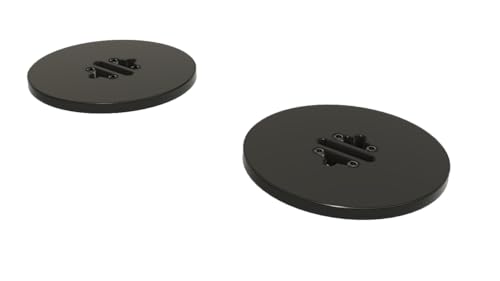
Snowboard Risers/Lift/Elevators
- ✓ Improves snowboard handling
- ✓ Easy to install
- ✓ Shock and vibration damping
- ✕ Slightly pricey
- ✕ Limited lift height
| Lift Height | 0.67 inches (17mm) |
| Material | 6061-T6 Aluminum with 316 stainless-steel hardware |
| Mount Compatibility | Fits 2×4, 4×4, 3D, and channel mounts |
| Shock and Vibration Damping | Blue pads included |
| Purpose | Improves snowboard handling and prevents toes and heels from dragging |
| Brand | Snowboard Interface |
The moment I slipped these snowboard risers onto my setup, I immediately felt how solid they were in my hands. The sturdy 6061-T6 aluminum construction feels premium, and the stainless-steel hardware gives me confidence that they’ll hold up through rough rides.
Installing them was straightforward—fitting easily onto my 2×4 mounts and the channel system without any fuss. Once in place, I noticed right away how they lifted my heels and toes by about 0.67 inches, making carving much smoother.
During my first run, I felt a significant reduction in drag when turning sharply. My heels and toes no longer caught or scraped, which made me more confident at higher speeds.
The included blue pads offered a soft damping, absorbing shocks and vibrations that usually jar my ankles on rough patches.
What really impressed me was how versatile these risers are—they fit various mount types, which means I can switch my setups without worries. The lift is enough to improve handling but not so high that it feels unstable.
Overall, they add a nice touch of control and comfort to my ride.
If you’re frustrated with toe and heel drag or want better control, these risers are a smart upgrade. They’re well-made and do exactly what they promise, enhancing your snowboard experience without complicating your setup.
What Is the Ideal Height for a Snowboard Based on Rider Weight?
Research from the National Ski Areas Association indicates that snowboarding participation has seen steady growth, with over 7 million participants in North America each year. This rise in popularity underscores the importance of proper equipment sizing, as novice riders may not be aware of how crucial the right board height is for their learning curve and safety.
Best practices for selecting the right snowboard height include consulting with knowledgeable staff at snowboard shops, utilizing sizing charts based on weight and skill level, and considering personal preferences for riding style. Additionally, testing out different sizes through rentals or demo days can provide practical insights into what feels most comfortable and effective for the rider.
How Does Riding Style Influence the Best Snowboard Height?
The best height for a snowboard is influenced significantly by the rider’s style and preferences.
- Freestyle Riding: Riders who favor tricks, jumps, and park features typically prefer shorter boards, which are easier to maneuver and spin.
- All-Mountain Riding: This style often requires a versatile snowboard length that balances stability and maneuverability, usually falling between the rider’s chin and nose height.
- Freeride Riding: For those focusing on off-piste and backcountry terrain, longer boards are generally favored for better floatation in powder and stability at high speeds.
- Beginner Riders: New snowboarders often benefit from shorter boards, as they are easier to control and allow for quicker turns while developing fundamental skills.
- Weight Considerations: Beyond height, a rider’s weight also plays a critical role in determining snowboard length, as heavier riders may require longer boards for proper flex and support.
Freestyle riding emphasizes agility and trick performance, thus shorter boards, usually around the rider’s waist height, enhance control during spins and jumps. These boards allow for quick edge transitions and easy landing in park scenarios.
All-mountain riding is versatile, accommodating various conditions and terrains, so a board length that reaches between the chin and nose provides a good balance. This length offers stability for high-speed runs while still being manageable for turns and tricks.
Freeride riders benefit from longer boards, which can reach above the rider’s nose, as they provide superior floatation in deep snow and stability when navigating challenging terrain. This extra length helps maintain speed and control in off-piste conditions.
Beginners should opt for shorter boards, typically around their chest height, which makes it easier to learn balance and control, allowing for smoother turns and less likelihood of catching edges. This height aids in building confidence as they progress.
Weight also significantly impacts snowboard height; heavier riders generally require longer boards to prevent excessive flex and ensure stability. This means that regardless of height, the board must accommodate the rider’s weight for optimal performance.
What Role Does Skill Level Play in Choosing Snowboard Height?
The skill level of a snowboarder significantly influences the optimal height of their snowboard.
- Beginner: For beginners, a shorter snowboard is often recommended as it is easier to maneuver and control, helping to build confidence and improve skills.
- Intermediate: Intermediate snowboarders may opt for a board that is slightly longer, providing a balance between stability at higher speeds and ease of turning, which is essential for refining techniques.
- Advanced: Advanced snowboarders typically choose longer boards for better speed and stability during aggressive carving and jumping, as they have the skill to handle the increased length effectively.
- Freestyle Riders: Freestyle snowboarders often prefer shorter boards to facilitate tricks and spins in terrain parks, allowing for better control during aerial maneuvers.
- Freeride Riders: Freeriders may select longer boards for powder and backcountry riding, as these provide better floatation and stability in deep snow conditions.
Beginner snowboarders benefit from shorter boards because they are easier to turn and less intimidating, which helps them to develop basic skills without feeling overwhelmed. As they progress into intermediate levels, a slightly longer board offers greater stability and control, allowing them to experiment with speed and more complex maneuvers.
Advanced riders often choose longer boards as they can handle the additional length for high-speed descents and aggressive turns, maximizing performance in various terrain. For freestyle riders, shorter boards enhance agility and trick performance, while freeride enthusiasts prefer longer boards for their superior performance in deep snow, ensuring they can navigate challenging off-piste conditions with ease.
How Can Snowboard Dimensions Affect My Riding Experience?
The width of the snowboard should match the rider’s boot size to prevent toe and heel drag during turns. A wider board will offer more surface area, which can enhance floatation in powder, while a narrower board may allow for quicker edge-to-edge transitions.
The sidecut radius is the curvature of the snowboard’s edge, influencing how tightly it can turn; a smaller radius allows for sharper turns, making it suitable for freestyle and park riding, while a larger radius is better for powder and speed. This dimension helps riders select boards that cater to their preferred riding style.
The stiffness of a snowboard affects its responsiveness; stiffer boards provide more stability at high speeds and are better for aggressive riding, while softer boards are easier to flex and are ideal for beginners or those who enjoy freestyle riding. It’s important to consider personal riding preferences when selecting the stiffness of a snowboard.
The profile shape determines how the board behaves in various snow conditions. For example, camber profiles provide better edge control and pop, while rocker profiles enhance float in powder; flat profiles offer a blend of both characteristics, making them versatile. Choosing the right profile shape can significantly enhance a rider’s experience based on the terrain they frequent.
What Are the Common Mistakes in Selecting Snowboard Height?
Common mistakes in selecting snowboard height include:
- Choosing a board based solely on weight: Many riders focus on weight categories without considering their riding style or ability level. While weight is an important factor, it should be balanced with other aspects like height and skill level to find the best fit.
- Ignoring riding style: Different riding styles, such as freestyle, all-mountain, or powder, require different board lengths for optimal performance. For example, a shorter board may be preferable for tricks and park riding, while a longer board offers more stability and float in powder.
- Not factoring in personal preference: Each rider has unique preferences that can influence their choice of board height, such as comfort and control. Riders should consider how they feel on different board sizes rather than strictly adhering to general height recommendations.
- Overlooking the manufacturer’s size chart: Each snowboard brand may have slightly different sizing guidelines, and failing to consult these can lead to selecting the wrong board height. It’s crucial to refer to the specific size chart provided by the manufacturer to ensure the best fit for your individual measurements.
- Neglecting experience level: Beginners often mistakenly choose longer boards thinking they provide more stability, while in reality, shorter boards can be easier to manage and maneuver. As a rider progresses, they may want to adjust board height to match their growing skills and confidence on the slopes.
How Can You Test the Fit of Your Snowboard Height on the Slopes?
To test the fit of your snowboard height on the slopes, several methods can help determine the best height for snowboard performance.
- Stand Next to the Snowboard: When you stand next to your snowboard, it should reach somewhere between your chin and your nose.
- Test Ride on Varying Terrain: Take your snowboard on different types of slopes to see how it performs in various conditions.
- Assess Comfort and Control: Pay attention to how comfortable you feel while riding and how easily you can control the board.
- Consult with Experts: Speak with snowboard instructors or shop professionals about your height and weight to get tailored recommendations.
- Consider Your Riding Style: Your preferred style of riding—whether freestyle, all-mountain, or powder—can influence the ideal board height.
When you stand next to your snowboard, it should ideally reach between your chin and your nose. This general guideline helps ensure the board is appropriate for your body size, providing a balance between stability and maneuverability.
Take your snowboard on different terrains, such as groomed runs, powder, or park features, to test its performance. This real-world testing will give you insights into how well the board suits your riding style and ability.
As you ride, assess how comfortable you feel and how well you can control the snowboard. If the board feels unwieldy or difficult to maneuver, it may be a sign that the height is not suitable for you.
Consulting with snowboard instructors or professionals at a local shop can provide valuable insights tailored to your specific height and weight. They can recommend the best board height based on their experience and knowledge of different brands and models.
Your preferred riding style can significantly influence the best height for your snowboard. Freestyle riders might prefer shorter boards for easier tricks, while all-mountain or powder riders may benefit from longer boards for added stability and floatation.
Related Post: