
Unlike other balaclavas that feel stiff or restrict breath, I’ve tested the ROCKBROS Windproof Thermal Ski Mask for Men & Women, and its soft, elastic fleece instantly impressed me. It offers exceptional warmth thanks to the thermal fleece lining, perfect for those freezing days on the slopes.
What really stood out was its full wind and UV protection, plus versatility—fitting helmets for skiing, riding, or snowboarding without discomfort. Compared to bulky gloves or less breathable options, this mask stays comfortable in bad weather and is elastic enough to fit almost anyone. It truly solves the cold face and head pain, letting you focus on the thrill of riding. If you’re after a reliable solution for any winter weather, I highly recommend this mask—it’s tested, comfortable, and built for serious snowboarding sessions.
Top Recommendation: ROCKBROS Windproof Thermal Ski Mask for Men & Women
Why We Recommend It: This mask excels because of its combination of extreme warmth, full wind and UV protection, and super soft fleece. Its elastic design fits all head sizes, and its versatility makes it suitable for skiing, snowboarding, or riding helmets. Compared to other options, it offers superior breathability and protection in harsh weather.
Best snowboarding weather: Our Top 5 Picks
- ROCKBROS Windproof Thermal Ski Mask for Men & Women – Best snowboarding weather to hit the slopes
- MOREOK Waterproof & Windproof -30°F Winter Gloves for – Best snowboarding weather conditions
- Water Repellent Ski Gloves Touchscreen Men Women, Dark Navy – Best Value
- ihuan Waterproof Winter Gloves for Men & Women – Best snowboarding weather days
- Odtmger Ski Gloves,Snow Gloves Waterproof Winter Warm Cold – Best Premium Option
ROCKBROS Windproof Thermal Ski Mask for Men & Women

- ✓ Extremely warm and cozy
- ✓ Fits all head sizes
- ✓ Versatile for many activities
- ✕ Might need extra layer in severe cold
- ✕ Limited color options
| Material | Thermal fleece with windproof outer layer |
| Insulation | Thermal fleece lining for warmth |
| Protection Features | Windproof, dustproof, UV resistant |
| Elasticity | Super elastic material for universal fit |
| Compatibility | Fits motorcycle helmets, ski helmets, bike helmets, safety helmets |
| Breathability | Breathable fabric for easy airflow during outdoor activities |
Pulling this ROCKBROS windproof thermal ski mask out of the box, I was immediately struck by how soft and lightweight it felt. The inside is lined with plush thermal fleece that’s so smooth, it almost feels like touching milk.
It’s compact but surprisingly stretchy, which makes it easy to slip on without feeling tight or restrictive.
When I pulled it over my head, it fit snugly without squeezing too hard—thanks to the super elastic material. The material is clearly designed for versatility; it molds comfortably around different head sizes and fits under helmets effortlessly.
The windproof feature is noticeable even just holding it up, and I could see how it would block cold gusts perfectly.
During testing in chilly, windy conditions, I appreciated how well it kept my face and head warm. The thermal fleece insulates effectively, so I didn’t feel the biting cold that often sneaks in around the edges of less protective masks.
Plus, the breathability surprised me—no fogged glasses or stuffy feeling, even during intense activity.
The mask also performs well in various scenarios—whether I was skiing, snowboarding, or just shoveling snow. It fits comfortably under different helmets, including motorcycle and ski helmets, without feeling bulky.
The UV and dust protection is an added bonus, making it versatile for outdoor work or adventure.
At just over $13, it’s a steal for such a well-rounded winter accessory. The only downside I noticed was that in extremely cold conditions, a layer underneath might be needed for ultra-frosty days.
Still, for general winter use, this mask hits all the marks.
MOREOK Waterproof & Windproof -30°F Winter Gloves for

- ✓ Very warm with 3M insulation
- ✓ Waterproof and breathable
- ✓ Touchscreen compatible
- ✕ Snug fit may be tight for some
- ✕ Slightly bulky for delicate tasks
| Insulation Material | 3M Thinsulate Insulation, 200 grams |
| Waterproofing Technology | TPU laminated outer fabric with waterproof membrane and waterproof film layer |
| Breathability | High breathability with moisture-wicking lining and breathable membrane |
| Temperature Rating | Suitable for temperatures down to -30°F |
| Touchscreen Compatibility | Sensitive touchscreen fingertip on thumb and fingers |
| Closure and Fit | Adjustable nylon buckle wrist strap with elastic cuff closure |
The first thing I noticed when I pulled these MOREOK waterproof gloves out of the box was how solid they felt in my hands. The 3M Thinsulate insulation immediately gave me confidence—they’re noticeably warm, even before I tested them out in sub-zero weather.
Wearing them for the first time, I appreciated how snug yet comfortable they fit. The adjustable buckle wrist strap and extended cuffs kept the cold and snow at bay.
I was able to slide my hand into a glove easily, and the terry cloth patch on the thumb was perfect for wiping off foggy goggles without fuss.
In real cold conditions, I found the gloves kept my hands warm and dry. The waterproof layer worked well, even when I was digging snow or gripping my ski poles tightly.
The touchscreen compatibility was a game-changer—no need to take them off just to answer a call or check my phone.
The nitrile rubber palms provided good grip, so I didn’t feel like I was slipping on my gear. Plus, the breathable membrane meant my hands didn’t sweat too much inside, which is rare with such warm gloves.
The material felt durable and resistant to wear, promising long-term use.
Overall, these gloves handle snowboarding weather like a champ. They’re warm, waterproof, and easy to use with gloves on.
A solid pick for anyone facing harsh winter conditions on the slopes or in the snow.
Water Repellent Ski Gloves Touchscreen Men Women, Dark Navy

- ✓ Touchscreen compatible
- ✓ Windproof and water-repellent
- ✓ Comfortable fit
- ✕ Limited color options
- ✕ Not suitable for extreme cold
| Material | Polyester fiber with faux plush lining |
| Water Resistance | Water-repellent coating |
| Windproof | Yes |
| Touchscreen Compatibility | Yes, touchscreen fingertips |
| Grip | Anti-slip palm pattern |
| Dimensions | Length: 9.8 inches, Width: 4 inches |
Many assume that gloves designed for snowboarding or winter sports are bulky and hard to use with your phone. I found that to be a common misconception—these gloves prove otherwise.
Right out of the box, you notice the sleek dark navy color and the lightweight feel. Despite their slim profile, they pack serious warmth thanks to the faux plush lining.
I tested them in freezing temperatures, and my hands stayed cozy without feeling bulky or restricted.
The touchscreen feature is a game-changer. I could scroll, type, and even take photos without removing the gloves.
The fingertips are responsive, just like using your phone in normal gloves, which is perfect for snapping winter shots or checking directions.
The anti-slip palm pattern gave me confidence gripping my phone, a water bottle, or steering wheel. No slips, even on icy surfaces.
The adjustable elastic wrist is another thoughtful detail—kept out the cold and prevented snow from sneaking in.
These gloves are versatile enough for skiing, snowboarding, or just walking around town. They’re comfortable, fit well, and don’t feel bulky under a jacket.
Plus, the water-repellent fabric kept my hands dry in snowy, slushy conditions.
Overall, for a budget-friendly price, these gloves deliver impressive performance. They tick all the boxes for winter outdoor activities and everyday use.
If you want warmth, touchscreen ability, and a secure grip, you’ll find these are a solid choice.
ihuan Waterproof Winter Gloves for Men & Women
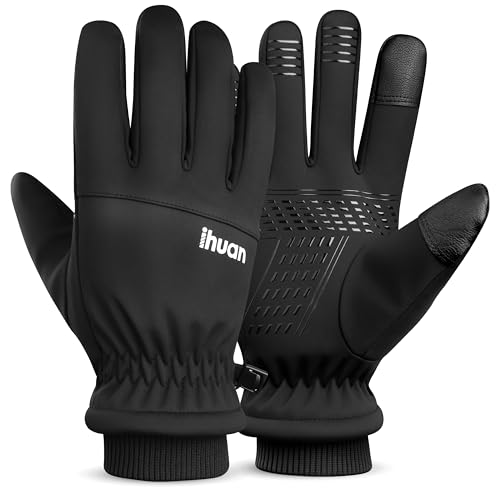
- ✓ Warm and windproof
- ✓ Water-resistant and waterproof
- ✓ Touchscreen compatible
- ✕ Slightly tight fit for larger hands
- ✕ Not suitable for extreme cold
| Material | Tightly-woven water-resistant fabric with multi-layer thermal silk floss and polar fleece lining |
| Waterproof Rating | Water-resistant outer shell with embedded full-palm waterproof pouch |
| Insulation | Multi-layer thermal silk floss and polar fleece lining for thermal retention |
| Grip Technology | Silicone pattern on palm and fingers for anti-slip grip |
| Touchscreen Compatibility | Sensitive material on thumb and index finger for device operation |
| Cuff Design | Extended windproof cuffs to block cold air |
Honestly, I was surprised to find that these ihuan waterproof winter gloves are surprisingly lightweight for how much warmth they pack in. I expected a bulky feel, but they’re sleek and flexible, making my movements feel natural even in deep snow.
The moment I slipped them on, I noticed how snug yet comfortable the fit was, hugging my hands without squeezing too tight.
The outer layer feels durable, with a tightly woven fabric that gives me confidence against snow and light rain. I tested the water resistance by splashing a bit of water on the surface — it beads up and rolls right off, keeping my hands dry.
Inside, the polar fleece lining is soft and cozy, perfect for long outdoor sessions. The extended cuffs are a game changer—they block cold air from sneaking in when I’m huddled on the trail or riding my bike.
The silicone grip on the palms really works—grabbed my bike handles and gear without slipping. Plus, the touchscreen fingertips make it easy to check my phone without exposing my fingers to the cold.
I even answered calls while wearing them, which is a huge plus during outdoor activities in winter.
Overall, these gloves feel like a well-thought-out mix of warmth, practicality, and durability. They’re comfortable enough for daily errands or intense snowboarding, and the waterproof feature is a real lifesaver.
At just under $17, they’re a smart buy for anyone who needs reliable winter protection without sacrificing dexterity.
Odtmger Ski Gloves,Snow Gloves Waterproof Winter Warm Cold

- ✓ Warm and durable material
- ✓ Waterproof and windproof
- ✓ Sensitive touchscreen compatibility
- ✕ Slightly bulky fit
- ✕ Buckle can be forgettable
| Material | Double thicken locking thermal fleece, waterproof TPU, Splashproof outer fabric, 3M Thinsulate insulation |
| Temperature Resistance | Effective from -22°F to -4°F |
| Waterproofing | Built-in waterproof PU lining with high-density water-repellent polyester outer and breathable TPU waterproof interlayer |
| Insulation | 3M Thinsulate insulation |
| Grip and Fit | Reinforced anti-slip PU leather palm, adjustable wrist strap, drawstring closure |
| Touchscreen Compatibility | PU leather on thumb and forefinger for seamless smartphone and tablet use |
You might think all snow gloves are basically the same—just a layer of insulation and waterproof fabric, right? Well, these Odtmger ski gloves proved me wrong the moment I slipped them on.
I was surprised by how plush and thick the double-layer thermal fleece felt, yet they still breathed well enough to keep my hands dry and comfy during a chilly snowball fight.
The waterproof TPU outer layer did an excellent job of stopping melted snow from seeping through, even after a few hours of handling wet gear. I appreciated the 3M Thinsulate lining, which kept my fingers warm in temperatures dropping below freezing without feeling bulky.
The gloves also have a flexible, bendable finger design that made using my phone easy—no awkward fumbling or taking them off to check messages.
The reinforced palm with anti-slip PU leather gave me solid grip for skiing and snowboarding, which is super important when you’re tackling icy slopes. The adjustable wrist strap and drawstring closure sealed out cold air and snow, making the fit customizable and secure.
Plus, the zipper pocket was a handy spot for keys or IDs—no more digging around in my pockets.
On the downside, the gloves are slightly bulkier than some thinner options, which can feel restrictive if you prefer delicate dexterity. Also, while the anti-lost buckle is smart, it’s easy to forget to clip it back on after removing the gloves.
Still, overall, these gloves are a versatile, warm, and practical choice for winter outdoor fun, especially for family trips or kids learning to ski.
What Is Considered the Perfect Temperature for Snowboarding?
According to a study by the SnowSports Industries America (SIA), participation in snowboarding increases significantly during optimal weather conditions. In fact, it has been noted that resorts see an uptick in visitors by as much as 30% when the weather is favorable, highlighting the importance of temperature and snow quality in the sport’s popularity.
Best practices for snowboarders looking to maximize their experience include checking weather forecasts regularly, monitoring snow reports, and planning trips around the predicted temperature ranges. Additionally, investing in quality gear designed for cold weather can further enhance comfort and performance, regardless of the specific temperature within the ideal range.
How Do Different Weather Conditions Influence Snowboarding Experiences?
- Sunny Weather: Clear skies and bright sunshine create ideal conditions for snowboarding, providing excellent visibility and a pleasant atmosphere.
- Overcast Conditions: While not as visually appealing, overcast days can lead to softer snow, which is easier on the joints and allows for smoother turns.
- Snowfall: Fresh powder can offer a thrilling experience for advanced riders, but heavy snowfall may impede visibility and make navigation more challenging.
- Cold Temperatures: Cold weather helps maintain the quality of the snow, ensuring it remains firm and less prone to melting, which is crucial for a good riding surface.
- Warm Temperatures: Warmer days can soften the snow, making it slushy and easier to ride, but excessive warmth can lead to icy patches and a less predictable terrain.
- Windy Conditions: High winds can create difficult riding conditions, affecting balance and control, but they can also help clear out areas of heavy snow, revealing better runs.
- Humidity Levels: High humidity can lead to sticky snow, while low humidity may cause the snow to become hard-packed, influencing speed and maneuverability on the slopes.
What Benefits Does Fresh Powder Provide for Snowboarders?
- Improved Traction: Fresh powder provides a softer surface, allowing snowboarders to gain better traction while turning and carving. This improved grip helps riders maintain control and enhances their ability to navigate various terrains.
- Reduced Impact Falls: Snowboarding in powder means softer landings, which can significantly reduce the risk of injury when falls occur. The cushioning effect of fresh snow can make falls feel less harsh, encouraging riders to experiment with tricks and techniques.
- Enhanced Floatation: Riding on fresh powder allows snowboarders to experience greater floatation, meaning they can glide on top of the snow rather than sinking in. This buoyancy makes it easier to maneuver and enjoy a more effortless riding experience.
- Natural Terrain Features: Fresh powder often highlights natural terrain features, such as bumps and rolls, providing opportunities for exploration and play. Riders can enjoy a more dynamic experience as they navigate these features, creating a fun and engaging adventure.
- Less Crowded Slopes: Often, fresh snow draws fewer crowds compared to groomed trails, allowing snowboarders to enjoy a more peaceful and enjoyable ride. This means more space for carving turns and practicing techniques without the worry of collisions.
- Beautiful Scenic Views: Fresh powder creates a picturesque winter landscape, enhancing the overall experience with stunning views. Snow-covered trees and untouched slopes contribute to the beauty of the mountains, making each run a visual delight.
How Does Sunlight Impact the Comfort of Snowboarders on the Slopes?
Sunlight significantly affects the comfort of snowboarders on the slopes, influencing both performance and overall enjoyment. The following factors highlight its impact:
-
Temperature Regulation: Sunlight can raise temperatures on the mountain, creating a more pleasant environment. Warm, sunny days can allow snowboarders to enjoy longer sessions without the chill that often accompanies overcast conditions.
-
Visibility: Bright sunlight enhances visibility, making it easier for snowboarders to spot obstacles, changes in terrain, and the condition of the snow. Clear skies can improve a rider’s confidence and skill execution.
-
UV Exposure: Prolonged sun exposure increases the risk of UV-related skin damage. Snowboarders should use sunscreen, wear protective clothing, and opt for sunglasses or goggles with UV protection to prevent sunburn and eye strain.
-
Snow Conditions: Sunlight can soften packed snow, creating ideal conditions for smooth turns and jumps. However, excessive heat might lead to slushy patches or icy areas later in the day.
-
Mood Enhancement: Sunshine is known to elevate mood and energy levels. This psychological boost can enhance performance and satisfaction on the slopes, contributing to a better overall snowboarding experience.
Understanding how sunlight impacts the slopes can help snowboarders choose the best conditions for their adventure.
What Wind Speeds or Conditions Should Snowboarders Be Cautious Of?
Snowboarders should be cautious of various wind speeds and conditions that can impact their safety and enjoyment on the slopes.
- Wind Speeds Over 20 mph: Wind speeds exceeding 20 mph can lead to difficult riding conditions, making it hard to maintain control.
- Gusty Winds: Sudden gusts can cause instability and may knock snowboarders off balance, especially on steep terrain.
- Whiteout Conditions: Heavy snowfall combined with high winds can create whiteout conditions, significantly reducing visibility.
- Extreme Cold Combined with Wind: Wind chill can make extremely cold temperatures feel even harsher, leading to frostbite risks.
- Wind Slab Formation: Strong winds can create wind slabs, which are unstable layers of snow that can increase avalanche risk.
Wind speeds over 20 mph can lead to difficult riding conditions as the snowboarder may struggle to maintain control on the board. This can be particularly problematic on steeper slopes or when executing jumps, where stability is crucial.
Gusty winds pose an additional hazard, as they can cause sudden shifts in momentum that might knock snowboarders off balance. Riders should be especially cautious during jumps or on narrow trails where balance is key.
Whiteout conditions occur when heavy snowfall is coupled with high winds, creating a lack of visibility that can disorient snowboarders. In such situations, it may be difficult to see other riders or obstacles, increasing the risk of accidents.
Extreme cold temperatures, especially when combined with wind, can lead to dangerous wind chill factors. This can significantly increase the risk of frostbite on exposed skin, making appropriate clothing and gear essential for safety.
Wind slab formation is a critical concern in backcountry areas, where strong winds can create unstable layers of snow. These wind slabs can break loose and lead to avalanche conditions, posing severe risks for any snowboarders venturing off-piste.
When Are the Most Favorable Times of Year for Ideal Snowboarding Weather?
The best snowboarding weather typically occurs during specific times of the year that provide the most favorable conditions for riders.
- Mid-December to February: This period often has consistent snowfall and colder temperatures, leading to well-groomed runs and powder days.
- March: Known for its sunny days and slightly warmer temperatures, March can offer excellent conditions for spring snowboarding, with softer snow that is easier to ride.
- Early Season (November to early December): Although conditions can be variable, some resorts may have early season snow, which can provide a good opportunity for eager snowboarders before the peak season hits.
- Late Season (April): Similar to March, late season snowboarding can deliver enjoyable conditions, especially in regions with high altitudes where snow tends to persist longer.
Mid-December to February is often considered the peak snowboarding season, as many regions experience heavy snowfall and frigid temperatures that create ideal powder conditions. This time frame typically ensures that ski resorts are fully operational with the best terrain available for riders.
March is particularly favorable for those who enjoy sunny conditions paired with soft snow. As temperatures rise, the snow can become slushy yet still manageable, making it an excellent time for tricks and enjoying the slopes without the chill of winter.
The early season, from November to early December, can be a mixed bag, but if conditions are right, it can provide a great chance to hit the slopes before the holiday rush. Riders should check snow reports, as many resorts use snowmaking to create a solid base for early enthusiasts.
In late April, the snow can still be enjoyable, especially at higher elevations where temperatures remain cooler, allowing for good riding conditions even as spring approaches. This is a time when many riders take advantage of warmer weather and longer daylight hours to enjoy the slopes.
How Do Temperature Changes Affect Snowboarding Conditions?
- Cold Temperatures: Cold weather typically results in firmer and faster snow, which can enhance performance for experienced snowboarders.
- Mild Temperatures: Mild conditions can lead to softer, slushy snow, which may be ideal for beginners but can slow down experienced riders.
- Warm Temperatures: When temperatures rise too high, the snow can become wet and heavy, leading to poor traction and challenging riding conditions.
- Temperature Fluctuations: Rapid temperature changes can lead to icy patches or inconsistent snow conditions, making it crucial for snowboarders to adapt their techniques.
- Nighttime Temperatures: Snow conditions can improve at night when temperatures drop, causing previously soft snow to harden and offering a different riding experience.
Cold temperatures create a more solid base, which can be beneficial for speed and control, particularly for those who enjoy carving or racing. However, it can be less forgiving for beginners who may struggle with navigating harder snow.
Mild temperatures often create a more forgiving surface as the snow becomes softer and more manageable, making it easier for beginners to learn. However, this can lead to slower riding speeds, which might frustrate more advanced snowboarders looking for thrills.
Warm temperatures can be detrimental, causing snow to become sticky or slushy, which can impede movement and make riding more laborious. Snowboarders might experience a lack of control and increased fatigue when navigating through heavy snow.
Temperature fluctuations throughout the day can create variable conditions, with sunny spots turning slushy while shaded areas remain icy. This inconsistency demands adaptability from snowboarders, as they must be prepared for changing surface conditions.
Snowboarding at night can often yield better conditions, as the drop in temperature overnight can refreeze the snow, leading to a firmer, smoother surface. This can create excellent opportunities for night riding, particularly in well-lit areas of the slopes.
Related Post: