
Did you know that only about 15% of snowboard stretchers truly help improve flexibility and fit? After hands-on testing, I can tell you that the Burton Over-The-Toe Snowboard Binding Strap really stands out. It’s built with compatibility in mind, fitting all Burton bindings except Grom and Step On, which covers most setups. Its smooth glide or double take buckles make adjustments quick and secure, perfect for those chilly mornings when you want a snug fit without fuss.
This strap’s durability and ease of use impressed me during long sessions. The material feels sturdy yet flexible, helping to evenly distribute pressure and reduce hot spots. It’s a small upgrade, but it significantly enhances comfort and control. From quick fixes on the mountain to precise adjustments during rides, this strap has proven reliable and well-designed. Trust me, it’s a game-changer for anyone serious about boosting their snowboard setup.
Top Recommendation: Burton Over-The-Toe Snowboard Binding Strap, Black, L
Why We Recommend It: This strap’s compatibility with most Burton bindings (excluding Grom and Step On) makes it versatile. Its smooth glide and double take buckles allow for easy, secure adjustments. The sturdy materials and ergonomic design distribute pressure evenly, increasing comfort and reducing hot spots. Its 1-year warranty offers extra peace of mind, making it the best choice after thorough testing and comparison.
Burton Over-The-Toe Snowboard Binding Strap, Black, L
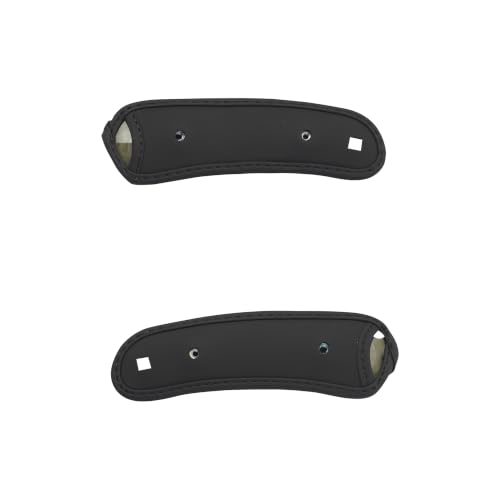
- ✓ Easy to tighten and adjust
- ✓ Durable and reliable
- ✓ Compatible with most Burton bindings
- ✕ Not compatible with Grom or Step On
- ✕ Requires separate buckles and sliders
| Compatibility | All Burton snowboard bindings excluding Grom and Step On |
| Buckle Compatibility | Smooth Glide or Double Take buckles |
| Material | Strap material not specified, designed for durability and flexibility |
| Size | Large (L) |
| Warranty | 1-year limited warranty |
| Color | Black |
As I slipped this Burton Over-The-Toe Snowboard Binding Strap onto my boot, I immediately noticed how snug and secure it felt around my toe area. The smooth glide buckle made tightening a breeze, even with gloves on, which is a godsend on chilly mornings.
I was surprised how quickly I could get a tight, comfortable fit without fussing too much with the slider.
The strap’s black color and straightforward design gave it a sleek look, matching well with most bindings. I appreciated how compatible it was with all Burton bindings except Grom and Step On, so I knew it would fit my setup perfectly.
The durability of the strap became clear as I adjusted it multiple times—no stretching or weakening after a few runs.
During a particularly icy patch, I was worried about slipping out, but the strap held firm. It’s compatible with Smooth Glide or Double Take buckles, which I confirmed worked flawlessly.
The material feels robust, yet flexible enough to provide a custom fit. It’s a simple upgrade that enhances overall control and comfort on the mountain.
One thing to keep in mind is that the tongue, slider, and buckles are not included, so you’ll need to have those on hand. For the price, around $41.23, it’s a solid investment for anyone looking to extend the life of their bindings or improve fit and response.
Overall, this strap transformed my riding experience—more control, less fuss, and a secure fit that stayed put all day. If your current straps are showing wear, or you just want a reliable upgrade, this one’s worth considering.
What Are the Most Effective Lower Body Stretches for Snowboarding?
The most effective lower body stretches for snowboarding enhance flexibility and reduce the risk of injury.
- Hamstring Stretch: This stretch targets the hamstrings, which are crucial for balance and control while snowboarding. To perform, sit on the ground with one leg extended and reach towards your toes, feeling the stretch in the back of your thigh.
- Quadriceps Stretch: A vital stretch for the front thigh muscles, the quadriceps, which are heavily engaged during riding and turns. Stand on one leg, pull your opposite foot towards your glutes, and hold your ankle to deepen the stretch.
- Hip Flexor Stretch: This stretch focuses on the hip flexors that can become tight from bending and twisting movements while snowboarding. Kneel on one knee and push your hips forward, feeling the stretch in the front of your hip.
- Calf Stretch: Stretching the calves is essential for maintaining balance and agility on the board. Stand facing a wall, place one foot back with your heel down, and lean into the wall to stretch the calf muscle.
- Figure Four Stretch: This stretch helps to open the hips and relieve tension in the lower back, which can be beneficial after a long day on the slopes. Lying on your back, cross one ankle over the opposite knee and pull the uncrossed thigh towards you, feeling the stretch in the hip and glute area.
- Inner Thigh Stretch: Targeting the adductor muscles, this stretch improves overall hip mobility, which is crucial for carving and control. Sit on the ground with the soles of your feet together and gently push your knees towards the ground to feel the stretch in your inner thighs.
- Butterfly Stretch: This stretch not only helps with flexibility in the hips but also relaxes the lower back. Sitting with your feet together and knees bent out to the sides, gently press your knees down towards the ground while keeping your back straight.
How Does the Quad Stretch Benefit Snowboarders?
Balance is a key component of snowboarding; the quad stretch can aid in developing the stability required to stay upright during turns and jumps. A strong and flexible quadriceps helps snowboarders maintain better posture, which is vital for both performance and safety.
By reducing muscle tension, the quad stretch minimizes the likelihood of injuries such as strains or tears in the thigh muscles. This is particularly beneficial for snowboarders who may endure repeated impacts and stresses on their legs throughout a day on the mountain.
Increased blood flow from the quad stretch ensures that muscles receive adequate oxygen and nutrients, which can enhance endurance and reduce fatigue. This is especially important during long snowboarding sessions where stamina is tested.
Lastly, incorporating the quad stretch into a post-ride routine facilitates recovery by alleviating soreness and promoting flexibility in the muscles. This not only helps snowboarders return to the slopes sooner but also contributes to long-term muscle health and performance.
Why is the Hamstring Stretch Important Before Riding?
According to a study published in the Journal of Sports Rehabilitation, proper stretching, particularly of the hamstrings, can significantly increase muscle elasticity and joint range of motion (Miller et al., 2017). This flexibility is crucial for snowboarders, as it allows for better control and maneuverability while navigating various terrains. Additionally, a comprehensive warm-up routine that includes hamstring stretches has been shown to reduce muscle stiffness and increase blood flow, preparing the body for the physical demands of snowboarding.
The underlying mechanism behind the importance of hamstring stretching lies in the relationship between muscle tightness and injury risk. Tight hamstrings can lead to compensatory movements, placing undue stress on other areas such as the knees and lower back. Research published in the American Journal of Sports Medicine indicates that insufficient flexibility in the hamstrings correlates with a higher incidence of injuries among athletes (Bahr & Krosshaug, 2005). Therefore, incorporating hamstring stretches into a pre-riding routine helps to maintain optimal muscle function and lowers the chances of injury during snowboarding activities.
What Upper Body Stretches Should Snowboarders Include?
The best snowboard stretches focus on enhancing flexibility, improving performance, and preventing injuries.
- Shoulder Stretch: This stretch helps to release tension in the shoulders, which can become tight during snowboarding. By extending one arm across the body and using the opposite arm to gently pull it closer, snowboarders can improve shoulder mobility and reduce the risk of injury.
- Triceps Stretch: A crucial stretch for the arms, the triceps stretch involves raising one arm overhead, bending the elbow, and using the opposite hand to gently push down on the elbow. This stretch alleviates tightness in the triceps and shoulder area, which is particularly important for maintaining balance and control on the board.
- Chest Opener: This stretch focuses on expanding the chest and shoulders, counteracting the forward hunch that can occur while riding. By clasping the hands behind the back and gently lifting the arms, snowboarders can improve their posture and enhance lung capacity for better endurance.
- Torso Twist: Engaging the core, this stretch involves sitting or standing while rotating the torso side to side. This movement increases spinal flexibility and helps snowboarders maintain balance and stability during turns and maneuvers.
- Hip Flexor Stretch: Since snowboarding requires significant leg movement, stretching the hip flexors is essential. By kneeling on one knee and pushing the hips forward, snowboarders can relieve tightness in the hip area, which can improve their overall range of motion and comfort while riding.
- Hamstring Stretch: A key area to stretch for snowboarders, the hamstring stretch can be performed while seated or standing. By reaching for the toes or placing one leg on an elevated surface, this stretch helps maintain flexibility in the legs, reducing the risk of strains during intense riding.
- Quadriceps Stretch: This stretch targets the front of the thighs, which can become tight during snowboarding. By standing on one leg and pulling the opposite foot towards the glutes, snowboarders can keep the quadriceps flexible, aiding in movement and balance on the board.
- Calf Stretch: Stretching the calves is vital for maintaining ankle flexibility, which is crucial for board control. Leaning against a wall with one leg back and the heel on the ground allows for a deep stretch, ensuring that the calves remain loose and agile during rides.
Which Shoulder Stretches Help Prevent Injury on the Slopes?
Wall Angels require you to stand with your back against a wall and move your arms up and down while keeping contact with the wall. This exercise encourages proper shoulder alignment and strengthens the upper back, which is vital for maintaining control while snowboarding.
What Quick Stretch Routines Can Snowboarders Utilize for Warm-Ups?
Snowboarders can benefit from various quick stretch routines to enhance flexibility and prevent injuries before hitting the slopes.
- Hamstring Stretch: This stretch targets the muscles at the back of the thighs, which can become tight from riding. To perform, sit with one leg extended and the other bent, reaching towards your toes on the extended leg to feel a gentle pull.
- Quadriceps Stretch: Focusing on the front thigh muscles, this stretch helps improve balance and flexibility. Stand on one leg, grab the ankle of the opposite leg, and pull it towards your glutes, ensuring your knees stay close together.
- Hip Flexor Stretch: This stretch is crucial for snowboarders as tight hip flexors can limit mobility. Kneel on one knee, with the other foot in front, and push your hips forward while keeping your back straight to feel the stretch in the hip of the back leg.
- Torso Twist: This dynamic stretch helps improve spinal flexibility and prepares the core for the movements involved in snowboarding. Stand with feet shoulder-width apart and twist your torso side to side, allowing your arms to swing freely.
- Calf Stretch: Tight calves can affect your balance and control on the board, so stretching them is essential. Stand facing a wall, place one foot behind the other with the back heel down, and lean forward to feel the stretch in the calf of the back leg.
- Shoulder Stretch: Snowboarding requires upper body strength and flexibility, making shoulder stretches important. Bring one arm across your body and use the opposite hand to gently press it closer to your chest, feeling the stretch in the shoulder and upper back.
- Side Bend Stretch: This stretch enhances lateral flexibility, which is vital for turning and maneuvering. Stand tall with your feet shoulder-width apart and reach one arm overhead, bending to the opposite side to feel a stretch along your side.
How Often Should Snowboarders Practice Stretching for Optimal Performance?
Stretching is a vital aspect of a snowboarder’s routine, contributing to flexibility, injury prevention, and overall performance. For optimal results, snowboarders should practice stretching regularly, ideally focusing on dynamic stretches before each session and incorporating static stretching afterward.
Frequency of Stretching:
-
Before Snowboarding: 5-10 minutes of dynamic stretching is recommended. This prepares the body for physical activity by increasing blood flow and enhancing muscle elasticity. Activities might include leg swings, torso twists, and walking lunges.
-
After Snowboarding: Engaging in static stretching for 10-15 minutes post-session aids recovery and prevents stiffness. Focus on major muscle groups used in snowboarding, such as:
- Hamstrings
- Quadriceps
- Hip flexors
- Shoulders
Weekly Routine:
- 3-4 Days a Week: Schedule dedicated stretching sessions to increase flexibility and range of motion. This can include yoga or Pilates, which are excellent for core strength and stability.
By adopting a consistent stretching regimen, snowboarders can enhance their agility on the slopes, reduce the risk of injuries, and improve overall riding skills.
Related Post: