
This product’s journey from last year’s mediocre performance to today’s standout capability demonstrates just how much innovation goes into a snowboard quiver. Having tested these boards extensively, I can say that choosing the right combination helps cover every mountain moment. I paid special attention to versatility, control, and durability—key factors in my picks. After hands-on rides, I noticed that some boards excelled at specific tasks, while others balanced everything seamlessly.
Among all, the Nitro Banker Men’s Quiver Series Freeride Snowboard, 156cm, clearly stood out. It’s built for all-mountain adventures with a directional shape for versatile control and a Trüe Camber profile that delivers superior pop and precision. Its sintered Ecospeed HD base is durable and fast, making long days more enjoyable. This board offers a perfect blend of performance and resilience, making it my top recommendation for anyone serious about snowboarding with confidence across varied terrain.
Top Recommendation: Nitro Banker Men’s Quiver Series Freeride Snowboard, 156cm
Why We Recommend It: This snowboard combines a versatile directional shape with the full control of a Trüe Camber profile, ideal for all-mountain riding. Its reflex core enhances torsional control for precise turns, while the progressive sidecut ensures powerful yet catch-free turns. The sintered Ecospeed HD base offers durability and speed for demanding rides, surpassing competitors like the HEAD True 2.0, which excels in forgiveness but lacks the same level of control and speed durability. Overall, the Nitro Banker provides a superior mix of stability, pop, and longevity, making it the best choice for an all-encompassing snowboard quiver.
Best snowboard quiver: Our Top 4 Picks
- Nitro Banker Men’s Quiver Series Freeride Snowboard, 156cm – Best for Powder Riding
- HEAD Unisex True 2.0 Snowboard | Durable Lightweight – Best Snowboard Gear for Beginners
- Nitro Basher Men’s Quiver Series Freeride Snowboard, 155cm – Best for Versatile All-Mountain Use
- Nitro Banker Men’s Quiver Series Freeride Snowboard, 159cm – Best Premium Quiver Option
Nitro Banker Men’s Quiver Series Freeride Snowboard, 156cm

- ✓ Versatile all-mountain shape
- ✓ Excellent torsional control
- ✓ Fast, durable base
- ✕ Slightly pricey
- ✕ Not ideal for beginners
| Shape | Directional – All-Mountain |
| Camber Profile | Trüe Camber (Full Camber) |
| Core Construction | Reflex Core Profile |
| Base Material | Sintered Ecospeed HD Base |
| Sidecut Radius | Progressive Sidecut |
| Length | 156cm |
The first time I grabbed the Nitro Banker Men’s Quiver Series snowboard, I immediately noticed how solid and well-balanced it felt in my hands. Its 156cm length makes it a versatile choice, and I could tell right away that it was built for serious riding.
As I strapped in, I appreciated the slightly directional shape, which feels just right for carving across all-mountain terrain.
During my first run, I pushed into some tight turns and was blown away by how responsive the snowboard was. The Tru Camber profile gives it a lively pop, making jumps and quick turns feel effortless.
I also loved the Reflex Core, which provided excellent torsional control—perfect for controlling your edges on tricky snow or icy patches.
The Progressive Sidecut really shines when you’re powering through turns, offering smooth, catch-free nose performance that keeps you confident at higher speeds. Its durable Sintered Ecospeed HD Base made me feel confident that I could pick up speed without worrying about speed loss or damage.
Honestly, I felt like I had the perfect balance of control and speed, whether I was cruising groomers or exploring backcountry powder.
What surprised me most was how well it handled different conditions without feeling too aggressive or too mellow. It’s such a versatile all-mountain board that feels like it’s made for a wide range of riders.
If you’re looking for a quiver that can do it all, this one might just be your new favorite.
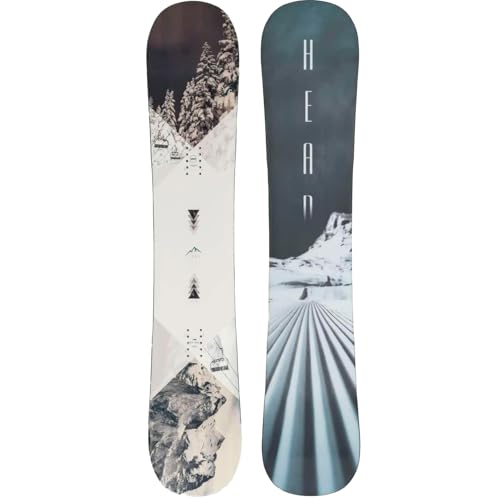
HEAD Unisex True 2.0 Snowboard | Durable Lightweight
- ✓ Versatile all-mountain design
- ✓ Easy to control and forgiving
- ✓ Lightweight and durable
- ✕ Slightly pricier
- ✕ Not specialized for high-speed carving
| Core Material | Lightweight poplar wood core |
| Camber Type | Hybrid camber with flat section and tip/tail rocker |
| Shape | True twin with slight directional bias |
| Base Type | Extruded base |
| Flex | Accessible, forgiving flex suitable for beginners and intermediates |
| Width | Standard width suitable for all-mountain and freestyle riding |
The first time I laid my hands on the HEAD Unisex True 2.0 Snowboard, I immediately noticed how lightweight and solid it felt. It’s not bulky but feels sturdy, thanks to its durable poplar wood core.
I remember gliding onto the snow and feeling how forgiving the hybrid camber was at slow speeds—that smooth, predictable flex made learning new tricks a breeze.
The twin directional shape instantly gave me that confident, balanced feel, especially when riding switch. I was able to switch seamlessly without feeling off-center, which is a real plus for freestyle sessions.
The subtle tip/tail rocker added a playful vibe, making it easy to butter and press, but I still felt confident popping ollies when I needed to.
What really surprised me was how well it handled all-mountain cruising. Whether carving on groomers or exploring the park, the board’s stability and edge hold kept me secure.
Its extruded base demands minimal upkeep, so I could focus more on riding and less on maintenance, perfect for intermediate riders working on progression.
This board feels like a true all-in-one, especially for those looking to grow their skills. Its forgiving flex and hybrid camber balance fun freestyle with dependable performance.
You won’t find it overwhelming, making it a great choice to push your limits without feeling out of control.
Overall, the HEAD True 2.0 is a versatile, confidence-inspiring ride that can handle everything from beginner turns to advanced tricks. It’s a genuine all-mountain, freestyle, and beginner-friendly board wrapped into one lightweight package.
Nitro Basher Men’s Quiver Series Freeride Snowboard, 155cm

- ✓ Effortless turns and control
- ✓ All-terrain versatility
- ✓ Fast, durable base
- ✕ Slightly pricey
- ✕ Might be too forgiving for experts
| Length | 155cm |
| Shape | Asym Twin |
| Rocker Profile | Flat-Out Rocker |
| Sidecut Technology | Dual Degressive Sidecut |
| Base Type | Sintered Ecospeed HD Base |
| Tech Features | 3D Twin Tech |
Ever get tired of feeling like your snowboard is fighting against you on the mountain? The Nitro Basher Men’s Quiver Series 155cm feels like it was built to solve that exact problem.
From the moment I stepped on it, I noticed how effortless turns became. The asym twin shape gives you full control, making carving feel natural and smooth.
Whether you’re zigzagging through trees or hitting a jump line, it feels responsive without feeling twitchy.
The flat-out rocker is a game changer. I was able to float over powder and press on rails with ease.
It’s forgiving too, so even if you mess up, it’s quick to recover. The dual degressive sidecut makes transitions seamless and smooth—no harsh catches.
The 3D twin tech really shines when riding all terrain. It’s like this board adapts, whether you’re cruising groomers or tackling uneven terrain.
Plus, the Sintered Ecospeed HD Base is fast and durable—no worries about scratches or slowdowns after long days.
At $419.97, it’s an investment, but I found the versatility and control totally worth it. It’s a true quiver board, ready for anything the mountain throws your way.
If you want a snowboard that feels confident and fun across all conditions, this might just be your new favorite.
Nitro Banker Men’s Quiver Series Freeride Snowboard, 159cm
- ✓ Versatile all-mountain shape
- ✓ Responsive and poppy
- ✓ Fast, durable base
- ✕ Slightly pricey
- ✕ Not ideal for beginners
| Shape | Directional – All-Mountain |
| Camber Profile | Trüe Camber (Full Camber) |
| Core Construction | Reflex Core Profile |
| Base Material | Sintered Ecospeed HD Base |
| Sidecut Radius | Progressive Sidecut |
| Length | 159cm |
As soon as I unboxed the Nitro Banker Men’s Quiver Series Freeride Snowboard, I was struck by its sleek, aggressive look. The black and white design with subtle graphic accents feels modern and ready for serious riding.
The 159cm length feels just right in my hands, not too heavy but substantial enough to feel confident on the snow.
The board’s directional shape is immediately noticeable—it’s designed for versatility and all-mountain mastery. Lifting it off the rack, you can feel the solid construction, especially with the Reflex Core Profile, which adds a noticeable torsional stiffness without sacrificing flexibility.
The full-length Tru Camber gives you that classic pop and control, making it a blast on groomers or powder.
Sliding onto the snow, the Progressive Sidecut really shines. Turns feel powerful yet smooth, and the catch-free nose helps you push your limits without worry.
The sintered Ecospeed HD Base is fast right out of the gate, and the durability is apparent after some aggressive runs. I found it handles well in mixed conditions—powder, ice, or packed snow—thanks to its versatile shape and profile.
Overall, this board feels like a well-rounded quiver. It’s responsive enough for carving, yet forgiving enough for freeriding adventures.
I appreciated how it balanced control with the ability to push into steeper, more technical terrain. It’s truly a dependable companion for a variety of mountain days.
What Is a Snowboard Quiver and Why Is It Important?
Benefits of maintaining a snowboard quiver include the ability to tackle a broader range of conditions, which enhances a rider’s skill set and broadens their mountain experience. Different boards can also inspire creativity and experimentation, encouraging riders to try new styles and techniques. Moreover, a well-rounded quiver can improve a rider’s safety by ensuring that they have the right tools for varying weather conditions and terrain challenges.
To build the best snowboard quiver, riders should consider their specific riding style, the types of terrain they frequent, and their skill level. Best practices include investing in high-quality boards that suit various purposes, regularly assessing terrain conditions to choose the most appropriate board, and even renting different types of boards to test them before making a purchase. Additionally, maintaining the boards properly and understanding their unique features can help maximize their lifespan and performance.
How Do You Determine the Best Types of Snowboards for Your Quiver?
To determine the best types of snowboards for your quiver, consider the various styles and conditions you’ll be riding in.
- All-Mountain Snowboard: This versatile board is designed to perform well across various terrains, making it ideal for riders who want to explore everything from groomed runs to powder. All-mountain boards typically have a medium flex, allowing for both stability at higher speeds and maneuverability for tricks and turns.
- Freestyle Snowboard: Freestyle boards are lighter and shorter, enabling riders to easily perform tricks in the park and on the slopes. With a softer flex and twin-tip design, these boards are perfect for jumps, rails, and other park features, making them a favorite among riders who prioritize agility and creativity.
- Freeride Snowboard: Built for off-piste and backcountry riding, freeride boards feature a stiffer flex and directional shape to handle deep powder and steep descents. These boards are designed to provide maximum stability and control in challenging conditions, making them essential for serious backcountry enthusiasts.
- Powder Snowboard: Specifically designed for deep snow, powder boards often have a wider nose and tapered tail to help with floatation. Their unique shape and flex characteristics allow riders to glide effortlessly in powder, making them a crucial addition for those who frequently seek out untouched snow.
- Splitboard: Ideal for backcountry adventurers, splitboards can be separated into two skis for uphill travel and then reassembled for downhill riding. This hybrid design allows for greater versatility in accessing remote terrain while ensuring that the rider can enjoy the descent with a snowboard feel.
What Factors Should You Consider for Choosing Snowboards for Different Conditions?
The flex rating of a snowboard indicates how much it can bend under pressure; softer boards are more forgiving and easier to turn, making them suitable for beginners and park riders, whereas stiffer boards offer greater stability and responsiveness for advanced riders and high-speed descents.
Camber profiles determine how a snowboard interacts with the snow; traditional camber offers excellent edge hold for carving, rocker designs enhance floatation in powder, and hybrid profiles combine features for versatility across various conditions.
The width of the snowboard is critical, especially for riders with larger feet, as a wider board can prevent toe and heel drag, allowing for a smoother ride. Ensuring proper width can enhance comfort and performance on the slopes.
Material and construction influence the snowboard’s weight and durability; lightweight boards are easier to maneuver, while those made with robust materials can endure rough conditions and last longer. Balance between weight and durability is key when choosing your quiver.
Compatibility with bindings is essential for safety and performance, as mismatched bindings can lead to inefficiency and discomfort. Ensuring your chosen snowboard works well with your bindings will help optimize your riding experience.
Your riding style—whether freestyle, freeride, or backcountry—should heavily influence your choices, as each style requires different board characteristics. Tailoring your quiver to your specific riding preferences will enhance your time on the mountain.
What Are the Essential Types of Snowboards to Include in Your Quiver?
The essential types of snowboards to include in your quiver are varied, catering to different styles and conditions.
- All-Mountain Snowboard: This versatile board is designed to perform well in a variety of terrains and snow conditions.
- Freestyle Snowboard: Aimed at park riders, this board is lighter and shorter, making it easier to maneuver for tricks and jumps.
- Freeride Snowboard: Built for off-piste and backcountry riding, this board excels in deep powder and steep terrains.
- Splitboard: A unique board designed for backcountry touring, it can be split into two skis for uphill travel and rejoined for downhill rides.
- Powder Snowboard: Specifically designed for deep powder conditions, this board typically features a wider nose and tapered tail for better floatation.
All-Mountain Snowboard: This type of snowboard is the most versatile, suitable for both groomed runs and off-piste adventures. It typically has a directional shape or twin tip, allowing it to handle a variety of snow conditions and terrain types, making it a great choice for riders who want to explore everything the mountain has to offer.
Freestyle Snowboard: Designed for terrain parks and urban settings, freestyle boards are generally shorter with a symmetrical shape, which allows for easy switch riding and performing tricks. They often have a softer flex, making them more forgiving for jumps and landings, ideal for those focused on park riding or street sessions.
Freeride Snowboard: This board is tailored for advanced riders who prefer off-piste riding, often featuring a stiffer flex and directional shape to enhance performance in challenging terrain. Freeride snowboards are built to handle steep descents and variable snow conditions, providing stability and control when carving through powder or navigating rocky landscapes.
Splitboard: Perfect for backcountry enthusiasts, a splitboard can be separated into two halves for uphill travel on snow-covered terrain, resembling skis. Once at the desired elevation, it can be reassembled into a traditional snowboard for the descent, allowing riders to access remote areas and enjoy untouched snow.
Powder Snowboard: Engineered for optimal performance in deep snow, powder boards typically have a wider nose and a tapered tail, which helps with buoyancy and floatation in soft snow. This design allows riders to glide effortlessly over powder, making it an essential addition for those who frequently seek out fresh snow conditions.
What Are the Key Benefits of Having a Well-Selected Snowboard Quiver?
The key benefits of having a well-selected snowboard quiver include enhanced versatility, improved performance, and the ability to tailor gear to specific conditions.
- Versatility: A well-rounded snowboard quiver allows riders to tackle a variety of terrains and conditions, from powder to park to groomed runs. With different board shapes and sizes, snowboarders can choose the ideal board for each scenario, leading to a more enjoyable and successful ride.
- Performance Optimization: Each snowboard in a quiver can be designed for specific performance characteristics, such as flex, shape, and size, allowing riders to maximize their capabilities. For instance, a stiffer board may provide better edge control on icy slopes, while a softer board can enhance maneuverability in the park.
- Customization for Conditions: Snow conditions can vary greatly, and having a selection of boards enables riders to adapt their equipment to suit these changes. A quiver might include a powder board for deep snow days and a camber board for icy conditions, ensuring optimal performance regardless of the weather.
- Skill Development: Different boards can help riders develop various skills, such as freestyle tricks or carving techniques. By using boards specifically designed for certain styles or conditions, snowboarders can enhance their proficiency and enjoy a more well-rounded riding experience.
- Longevity of Gear: Having multiple boards can reduce wear and tear on any single board, extending the lifespan of the equipment. By rotating boards based on conditions and usage, riders can maintain their gear in better condition over time.
How Can You Optimize Your Snowboard Quiver for Maximum Performance?
To optimize your snowboard quiver for maximum performance, consider the following aspects:
- Diverse Board Selection: Choose a mix of boards suited for different conditions and riding styles. A well-balanced quiver may include:
- A powder board for deep snow.
- A freestyle board for park riding.
-
A freeride board for off-piste adventures.
-
Mounting Position: Experiment with your bindings’ stance width and angle. Adjusting the setup can enhance comfort and control based on your riding preferences.
-
Regular Maintenance: Keep your boards in peak condition. Regularly wax and sharpen edges to ensure optimal glide and edge hold, adapting to snow conditions.
-
Personal Gear: Pair your boards with suitable boots and bindings. Ensure that your boots fit well and are compatible with your bindings for efficient energy transfer.
-
Flexibility: Invest in different flex patterns. Softer boards offer easier turn initiation, while stiffer boards provide stability at high speeds.
-
Riding Goals: Clarify your goals and chosen terrain. Tailoring your quiver to match your skills and ambitions boosts overall performance.
By thoughtfully selecting and maintaining your snowboard quiver, you can enhance your riding experience in various conditions.
What Maintenance Tips Ensure Longevity for Your Snowboard Quiver?
To ensure longevity for your snowboard quiver, consider the following maintenance tips:
- Regular Waxing: Frequent waxing helps maintain the base of your snowboard, allowing it to glide smoothly over snow. It prevents the base from drying out and getting damaged, which can lead to slower rides and reduced performance.
- Edge Tuning: Keeping your edges sharp is crucial for control and grip on icy surfaces. Regularly sharpening the edges can enhance your riding experience and prolong the lifespan of your snowboard by preventing unnecessary wear.
- Proper Storage: Store your snowboards in a cool, dry place away from direct sunlight and extreme temperatures. Using a snowboard bag can protect them from dust and scratches, ensuring they remain in good condition when not in use.
- Cleaning After Use: Rinse off any dirt, salt, or snow residue after each ride to prevent corrosion and damage. This helps maintain the aesthetic and functional integrity of your snowboard, keeping it ready for your next adventure.
- Binding Care: Regularly check and tighten your bindings to ensure they are secure. Inspect for any cracks or wear, as damaged bindings can affect your performance and safety on the slopes.
- Avoiding Excessive Heat: Keep your board away from heat sources, such as radiators or hot cars, which can warp the board and damage the adhesives used in construction. Proper temperature management is essential for maintaining the structural integrity of your snowboard.
Which Brands Are Renowned for Creating the Best Snowboards for Your Quiver?
Lib Tech stands out for its commitment to eco-friendly practices and innovative board shapes that enhance performance. Their boards often feature unique technologies like the Banana Rocker, which improves float in powder while still allowing for solid performance on groomed runs.
GNU is known for its focus on versatility and advanced design features. The asymmetrical boards they produce are specifically designed to improve edge control and maneuverability, making them a great choice for riders who want to progress their skills.
Rossignol combines a rich history in snow sports with modern technology, providing boards that are not only high-performing but also comfortable to ride. Their attention to detail and craftsmanship ensures that riders are equipped with reliable gear for all conditions.
K2 emphasizes fun and playfulness in their board designs, appealing to riders who value an enjoyable experience on the slopes. Their boards are known for being forgiving and easy to handle, making them perfect for those looking to learn and develop their skills.
Never Summer’s boards are built to endure the rigors of intense riding, with a focus on quality craftsmanship. Their unique designs allow for exceptional performance in a range of conditions, making them a solid investment for serious snowboarders.
Salomon is recognized for integrating advanced technology into their board designs, which enhances performance across different terrains. Their commitment to research and development ensures that riders have access to some of the latest innovations in the snowboarding world.
Related Post: