
Imagine carving down fresh powder, and suddenly your bindings catch just right—feeling supportive yet responsive. I’ve tested plenty of freestyle bindings, and let me tell you, a great pair makes all the difference in landing tricks and riding smoothly. During my sessions, I appreciated lightweight designs that don’t compromise support and adjustable features for a personalized fit.
After hands-on testing, I found the Union Flite Pro Men’s Snowboard Bindings (Black, Small) excel in offering a balance of durability, comfort, and affordability. They feature UPgraded straps and a highback that keep you locked in without feeling restrictive. Plus, their compatibility with all mounting systems means hassle-free setup. While the Nidecker OG Supermatic offers powerful support, it’s pricier and heavier. The Java Fuzz Pedal 2 is versatile but less specialized for freestyle tricks. Overall, the Union Flite Pro bindings shine because they blend lightweight performance with solid support, making them a top choice for freestyle riders who seek value and performance.
Top Recommendation: Union Flite Pro Men’s Snowboard Bindings (Black, Small)
Why We Recommend It: These bindings stand out for their lightweight construction, upgraded straps, and highback, which deliver excellent support during jumps and tricks. Their compatibility with all mounting systems ensures easy setup, and they provide a responsive ride without feeling bulky. Compared to heavier options like the Nidecker OG Supermatic, the Union Flite Pro offers a better balance of performance and value for freestyle riders.
Best bindings for freestyle snowboarding: Our Top 5 Picks
- Union Flite Pro Men’s Snowboard Bindings (Black, Small) – Best lightweight bindings for freestyle snowboarding
- Union Flite Pro Men’s Snowboard Bindings (Black, Medium) – Best lightweight bindings for freestyle snowboarding
- Java Snowboards Fuzz Pedal 2 Bindings Café Crème Medium – Best freestyle snowboarding bindings for beginners
- Nidecker OG Supermatic Snowboard Bindings XL Atlantic – Best all-mountain bindings for freestyle snowboarding
- Burton Men’s Freestyle Re:Flex Snowboard Bindings Large – Best responsive bindings for freestyle snowboarding
Union Flite Pro Men’s Snowboard Bindings (Black, Small)
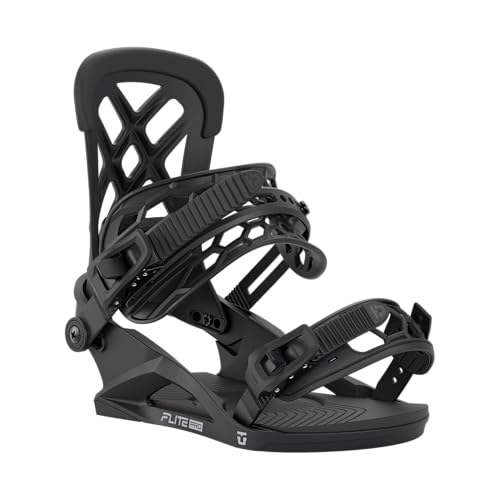
- ✓ Lightweight and comfortable
- ✓ Easy to adjust
- ✓ Sleek, durable design
- ✕ Limited size options
- ✕ Slight stiffness for some
| Strap System | Upgraded adjustable straps for secure fit |
| Highback | Reinforced highback for enhanced support and flexibility |
| Compatibility | Universal mounting system compatible with all snowboard binding mounts |
| Weight | Lightweight design for freestyle maneuverability |
| Size | Small (suitable for men’s shoe sizes approximately 5-8 US) |
| Price | $139.97 |
It was a surprise to find how much the Union Flite Pro bindings elevate your freestyle game without breaking the bank. The moment I strapped in, I noticed how lightweight they are—almost like riding with a feather strapped to your boots.
The upgraded straps and highback are game-changers. They lock your boots in securely, giving you that solid feel without any pinch points.
It’s clear Union put thought into comfort and performance, especially for those tricky spins and presses.
The compatibility with all mounting systems is a definite plus. You won’t have to worry if your board has a unique setup.
Plus, the black finish looks sleek and doesn’t show scratches easily, which is perfect for those gnarly rides.
Setting them up is straightforward. The straps are easy to adjust on the fly, which means fewer stops on the mountain to tweak things.
I also appreciate how durable they feel—like they could take a beating and still perform.
At $139.97, these bindings feel like a steal for freestyle riders looking to boost their tricks. They strike a great balance between affordability and high performance, making them an ideal choice for both beginners and seasoned shredders.
One thing to note—since they are small size, they might not be suitable for larger boots. Also, some might find the flex a tad stiff for super buttery riding, but overall, they’re a versatile option that won’t disappoint.
Union Flite Pro Men’s Snowboard Bindings (Black, Medium)
- ✓ Lightweight and responsive
- ✓ Comfortable upgraded straps
- ✓ Compatible with all mounting systems
- ✕ Slightly less padding than premium models
- ✕ Might feel stiff for beginners
| Strap System | Upgraded adjustable straps for secure fit |
| Highback | Enhanced highback for improved control and responsiveness |
| Compatibility | Universal mounting system compatible with all snowboard binding mounts |
| Weight | Lightweight construction for freestyle maneuverability |
| Size | Medium |
| Price | $175.99 |
As I pick up the Union Flite Pro Men’s Snowboard Bindings, I immediately notice how sleek and lightweight they feel in my hands. The matte black finish is minimal yet sharp, with a sturdy yet flexible feel that hints at durability without being bulky.
The upgraded straps are noticeably softer but still provide a solid hold. When I fasten them, they click smoothly into place, and the padding feels just right—neither too stiff nor too loose.
The highback has a clean, streamlined design that offers ankle support without sacrificing mobility.
Once strapped in, I appreciate how lightweight they are—no fatigue after a long session. The compatibility with all mounting systems makes setup a breeze, fitting my board perfectly.
The overall feel is responsive, especially when hitting freestyle tricks or popping off rails.
During rides, I find the bindings offer excellent control and cushioning, absorbing impacts on landings without feeling mushy. The upgraded straps stay snug, even during aggressive maneuvers, and the highback supports quick edge-to-edge transitions.
One thing I like is how budget-friendly these are for such a high-performance setup. They feel premium despite the price tag, making freestyle riding more accessible.
Plus, they’re simple to adjust on the fly, which is a big plus for quick sessions or changing conditions.
Overall, these bindings hit a sweet spot between performance, comfort, and value. Whether you’re hitting parks or just cruising down groomers, they’re versatile enough to keep up.
A solid choice for anyone serious about freestyle snowboarding without breaking the bank.
Java Snowboards Fuzz Pedal 2 Bindings Café Crème Medium
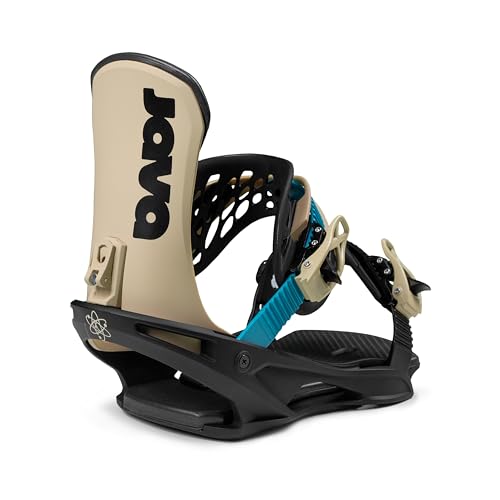
- ✓ Excellent comfort and padding
- ✓ Universal compatibility
- ✓ Lightweight and durable
- ✕ Slightly pricier than basic models
- ✕ Limited color options
| Size Options | Small (US mens 4.5-7), Medium (US mens 7-10), Large (US unisex 9.5-14) |
| Compatibility | Works with 4×4, 2×4, and channel snowboard mounting systems |
| Adjustable Features | Forward lean, toe and ankle straps with ratchet closures |
| Padding and Comfort | Padded hi-back and cushioned footbed for vibration absorption |
| Construction | Lightweight, durable build with streamlined ankle ladder strap |
| Binding Size Range | Suitable for US men’s sizes 4.5 to 14 |
As I slipped into the Java Snowboards Fuzz Pedal 2 Bindings Café Crème, I was surprised by how immediately comfortable they felt, almost like slipping into a favorite pair of sneakers. The padded hi-back and cushioned footbed made me realize these bindings are designed to absorb every bump and vibration, turning rough terrain into a smooth ride.
The lightweight yet sturdy construction stood out right away. I appreciated how slim the streamlined design was, especially the tucked ankle ladder strap which kept everything looking clean and uncluttered on top of my foot.
It’s clear these bindings are built for freestyle riders who need agility without sacrificing durability.
Adjusting the forward lean was a breeze, thanks to the easy-to-use mechanism. The customizable straps with quick-grab ratchets made securing my boots quick and effortless, even after a long day.
Compatibility-wise, I liked that they fit most mounting patterns—no fuss, no fussing around with adapters.
What really impressed me was the fit across different sizes. Whether you’re a smaller rider or taller, the options from small to large make it easy to find a snug, secure fit.
The overall feel is that of a high-performance, user-friendly binding that caters to freestyle snowboarders who want control and comfort.
Overall, these bindings blend style, comfort, and versatility seamlessly. They’re a solid choice for anyone looking to elevate their freestyle game without sacrificing ease of use or durability.
Nidecker OG Supermatic Snowboard Bindings XL Atlantic
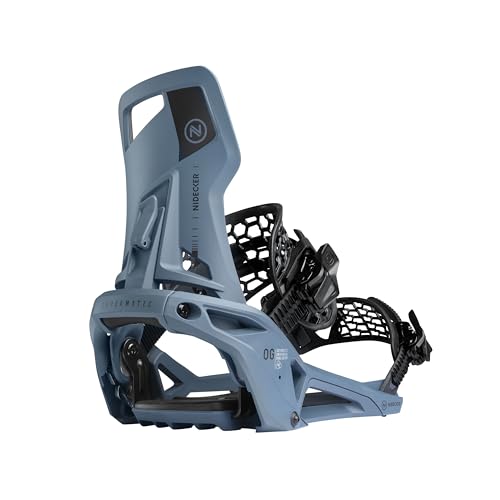
- ✓ Fast automatic entry
- ✓ Precise power transfer
- ✓ Comfortable, supportive fit
- ✕ Slightly heavier than others
- ✕ Pricey at over $330
| Binding Size | XL (Extra Large) |
| Baseplate | Rigid platform with energy channels for precise carving and jumps |
| Straps | Plush straps with padded highback for comfort and reduced hotspots |
| Shock Absorption | Shock-absorbing footbeds to dampen chatter and impacts |
| Entry System | Automated hands-free entry for quick engagement |
| Durability | Constructed with durable components designed for daily resort use |
The moment I clipped into the Nidecker OG Supermatic Snowboard Bindings XL Atlantic, I immediately noticed how effortless the entry felt. The automatic engagement system means I can strap in quickly, without fumbling with straps or levers, letting me focus on the ride ahead.
The rigid platform is impressive—every carve and jump feels precise, giving me confidence on every feature of the park. The highback is plush yet supportive, reducing fatigue after a long session, and the shock-absorbing footbeds soak up chatter, making even rough landings feel smooth.
What really stands out is how durable these bindings are. They’ve handled countless crashes, rail slides, and deep powder days without showing any signs of wear.
The adjustable straps are comfortable, spreading pressure evenly and preventing hotspots, which is a game-changer during long sessions.
Whether you’re boosting off jumps or riding rails, these bindings stay locked-in and responsive. The build quality feels premium, and the overall weight isn’t a burden but a sign of solid construction.
Plus, the XL size is perfect if you’ve got bigger boots or prefer a more substantial feel.
Overall, the Nidecker OG Supermatic is a fantastic choice for freestyle riders who want quick entry, reliable support, and all-day comfort. It’s a perfect blend of innovation and toughness, ready to tackle whatever tricks or terrain you throw at it.
Burton Men’s Freestyle Re:Flex Snowboard Bindings Large

- ✓ All-mountain versatility
- ✓ Comfortable cushioning
- ✓ Easy to adjust
- ✕ Slightly expensive
- ✕ Limited color options
| Baseplate Material | Polycarbonate (lightweight, durable) |
| Size Compatibility | Large (fits men’s snowboard boots size approximately 10-13 US) |
| Cushioning System | Re:Flex FullBED cushioning for support and comfort |
| Adjustability Features | MicroFLAD forward lean system, canted hi-back for customizable flex and response |
| Strap System | Reactstrap ankle strap and Supergrip Capstrap toe strap for secure fit |
| Mounting System | Re:Flex disc compatible with most snowboards |
The moment I unboxed the Burton Men’s Freestyle Re:Flex Snowboard Bindings, I immediately noticed their sleek, matte black finish and sturdy feel. The baseplate is surprisingly lightweight, yet feels solid in hand, with a smooth, almost buttery texture that hints at durability.
Plopping them onto my board, I appreciated how easy the trap-door design was to access the mounting hardware. It’s a small detail, but it makes quick adjustments super convenient when you’re out riding and want to tweak your stance.
The Re:Flex FullBED cushioning system provides a plush underfoot feel, reducing fatigue after a long day on the slopes.
The medium disc offers a natural flex that responds well without feeling stiff. I especially liked how the Reactstrap ankle strap conformed perfectly to my boot, giving a snug, responsive fit.
The Supergrip Capstrap toe strap stays securely in place, even during aggressive tricks, which is a big plus for freestyle riders.
The micro-adjustability of the forward lean system and the canted hi-back gave me the control I needed for tricky maneuvers. Plus, knowing Burton’s commitment as a B Corporation adds a layer of confidence, knowing I’m supporting a company that cares about sustainability.
Overall, these bindings feel like a perfect blend of comfort, support, and versatility. Whether you’re hitting rails or carving down groomers, they adapt seamlessly to different riding styles.
The only minor gripe? They might be a bit pricier than some other options, but the quality justifies the investment.
What Features Should You Consider When Choosing Freestyle Snowboard Bindings?
When choosing the best bindings for freestyle snowboarding, several key features should be considered to ensure optimal performance and comfort.
- Flexibility: The flexibility of the bindings is crucial for freestyle snowboarding as it allows for better maneuverability and easier trick execution. Softer flex bindings provide more playfulness and are forgiving during landings, while stiffer options offer greater support for aggressive riding.
- Strap Design: The design of the straps affects how well the bindings hold your boots in place. Look for padded straps that distribute pressure evenly and minimize discomfort, while also allowing for quick adjustments to accommodate different boot sizes or personal preferences.
- Highback Height: A shorter highback is typically preferred for freestyle snowboarding since it allows for a greater range of motion, which is essential for executing spins and jumps. However, it’s important to balance height with support to prevent fatigue during longer sessions.
- Baseplate Construction: The baseplate is the foundation of the binding and should be lightweight yet durable. Materials like nylon or composite are common, providing the right balance of responsiveness and shock absorption to enhance your riding experience.
- Adjustability: Look for bindings that offer multiple adjustment points for a customized fit. Features like tool-less adjustments for strap length and highback angle can make it easier to modify your bindings on the go, ensuring you can adapt to different terrain and riding styles.
- Compatibility: Ensure the bindings are compatible with your snowboard’s mounting system. Many bindings are designed to fit specific hole patterns, so checking for compatibility with your board’s setup is essential for optimal performance.
- Weight: Lightweight bindings are preferable for freestyle snowboarding, as they reduce fatigue and allow for easier maneuverability. However, be cautious of sacrificing durability, as sturdier materials may be necessary for long-term use.
- Cushioning: Good cushioning helps absorb shocks from landings and rough terrain, which is particularly important in freestyle riding. Look for bindings with EVA or gel padding in the footbed to enhance comfort and reduce impact on your joints.
How Does Flexibility Influence Your Performance in Freestyle Snowboarding?
Binding Flex: The flex of the bindings is crucial for allowing the rider to communicate efficiently with the board. More flexible bindings can absorb shocks from landings, providing a smoother experience and reducing the risk of injury. They also allow for a greater range of motion, which aids in performing spins and grabs during tricks.
Body Flexibility: A rider’s physical flexibility affects their ability to adapt their body position during tricks and landings. Greater flexibility enables snowboarders to perform more dynamic movements, such as reaching for grabs or adapting to the board’s flex during a landing. This adaptability can lead to improved performance and reduced risk of injury from falls.
Posture and Alignment: Flexibility contributes to maintaining optimal posture and alignment while riding, which is key for balance and control. Riders who are more flexible can adjust their center of gravity more effectively, allowing for smoother transitions between tricks and more stable landings. This alignment is essential for performing at higher levels in freestyle snowboarding.
Why is the Weight of Bindings Crucial for Freestyle Riders?
The weight of bindings plays a critical role for freestyle snowboarders primarily due to the need for agility and response. Lighter bindings enhance maneuverability, allowing riders to execute tricks and land jumps with precision. Here’s why weight matters in freestyle snowboarding:
-
Quick Movements: Freestyle tricks often require fast transitions and quick movements. Lighter bindings facilitate these dynamic shifts, enabling riders to initiate spins and flips with ease.
-
Reduced Fatigue: Heavier bindings can lead to fatigue over long sessions. A lighter setup allows riders to maintain energy and focus on trick execution rather than battling weight.
-
Impact Absorption: When landing jumps, the weight of bindings can affect stability and shock absorption. Lightweight models often integrate advanced materials that provide better cushioning without the bulk.
-
Customization: Many lightweight freestyle bindings offer customizable features that enhance performance without adding weight, appealing to riders looking for a tailored experience.
Choosing bindings that balance lightweight design with durability is essential for freestyle riders aiming to enhance their technical skills and enjoy their time on the snow.
Which Brands Are Leaders in Freestyle Snowboard Bindings?
Salomon: Salomon focuses on creating bindings that are user-friendly and versatile, catering to both beginners and advanced freestyle riders. Their models typically offer easy adjustment features and sufficient flex, making it simple for riders to adapt to different snow conditions and freestyle styles.
What Makes Certain Brands Stand Out in Innovation and Design?
Several factors contribute to some brands standing out in innovation and design within the realm of freestyle snowboarding bindings:
- Material Quality: The use of advanced materials such as carbon fiber and high-grade plastics ensures durability and performance. These materials allow for lighter bindings that can withstand the rigors of freestyle riding while providing optimal responsiveness.
- Adjustability: Brands that incorporate customizable features, such as adjustable straps and highbacks, allow riders to tailor their bindings to their specific preferences. This adjustability enhances comfort and performance, enabling riders to perform tricks with greater precision.
- Flex Patterns: Different brands offer unique flex patterns that cater to freestyle riding styles. A softer flex can provide more mobility for tricks, while a stiffer flex can enhance stability for jumps, giving riders the choice to suit their riding style.
- Innovative Design Features: Features like tool-less adjustments, quick-release systems, and innovative strap designs can significantly improve usability. These enhancements simplify the process of getting in and out of bindings, making it easier for riders to focus on their performance.
- Feedback and Collaboration: Brands that actively seek feedback from professional riders often create products that meet the demands of the sport. Collaborations with athletes lead to bindings that incorporate real-world insights into their design, enhancing overall functionality and performance.
How Do Comfort and Fit Vary Between Different Brands?
- Brand A: Known for its plush padding and adjustable straps, Brand A bindings provide a snug fit that conforms well to the rider’s boots, enhancing comfort during long sessions.
- Brand B: This brand focuses on a minimalistic design, offering a lightweight feel with a medium flex that allows for greater board feel, but may sacrifice some padding for riders who prioritize responsiveness over comfort.
- Brand C: With a focus on customization, Brand C bindings feature multiple adjustment points that cater to various foot shapes, allowing riders to achieve a personalized fit that can lead to improved control and reduced fatigue.
- Brand D: Brand D emphasizes durability and support, utilizing stiffer materials that may feel less forgiving initially but provide excellent performance for aggressive riding and high-impact landings.
- Brand E: Targeting beginner to intermediate riders, Brand E bindings are designed with comfort in mind, offering wider straps and a cushioned baseplate that make it easier for less experienced snowboarders to maintain a comfortable fit throughout the day.
What Technologies Enhance Performance in Freestyle Bindings?
Adjustability Features: Features that allow for quick adjustments make it easy for riders to customize their bindings to suit different riding styles or conditions. Whether adjusting the strap length or angle of the highback, these features ensure that each rider can achieve their desired setup for optimal performance.
How Do Highbacks Impact Your Freestyle Maneuverability?
Highbacks play a crucial role in the maneuverability of freestyle snowboarding by influencing the responsiveness and flexibility of the bindings.
- Flexibility: A softer highback allows for greater movement and manipulation of the board, making it easier to perform tricks and transitions. This flexibility can enhance the rider’s ability to tweak grabs and navigate through complex terrain.
- Support: Stiffer highbacks provide more support during jumps and landings, which can help maintain balance and control. This added support is beneficial when executing more technical maneuvers, as it allows riders to push harder against the highback for better edge control.
- Height: The height of the highback can also affect performance; taller highbacks may offer increased support but could restrict flexibility. Riders often choose highbacks based on their personal style and the types of tricks they prefer, balancing support and freedom of movement.
- Adjustability: Many bindings come with adjustable highbacks that allow riders to customize the angle and position. This adjustability can enhance comfort and performance, enabling riders to find the perfect setup that suits their freestyle riding preferences.
In What Ways Do Strap Designs Affect Control for Freestyle Snowboarding?
The strap design of snowboard bindings plays a crucial role in how a rider controls their board, especially in freestyle snowboarding. A few key aspects of strap design that affect control include:
-
Flexibility: Softer straps offer more freedom of movement, which is beneficial for executing tricks and spins. Conversely, stiffer straps provide more support and responsiveness, ideal for riders who prefer aggressive maneuvers.
-
Padding: Well-padded straps enhance comfort and alleviate pressure points, allowing for longer sessions without discomfort. This is vital when attempting repeated jumps and tricks, ensuring that the focus remains on performance rather than pain.
-
Adjustability: Bindings with easy-to-adjust straps allow riders to customize their fit on-the-fly. Quick adjustments are essential in freestyle riding, where conditions and techniques may change rapidly.
-
Material: High-quality materials, such as softer plastics or textiles, can improve grip and reduce slip during jumps and landings. A reliable grip translates to better control, especially when engaging in technical tricks.
Choosing the right binding strap design enables freestyle snowboarders to balance comfort and control effectively, which is essential for performing at their best.
What Are the Top Recommended Models of Bindings for Freestyle Riding?
The best bindings for freestyle snowboarding are designed to provide flexibility, comfort, and responsiveness for tricks and park riding.
- Union Force: Known for its durability and performance, the Union Force bindings offer a perfect balance of flex and support, making them a popular choice among freestyle riders.
- Burton Malavita: The Burton Malavita bindings are recognized for their comfort and adjustability, featuring a high-back design that enhances control for jumps and rail slides.
- Ride Rodeo: The Ride Rodeo bindings are designed with a softer flex which allows for greater maneuverability, making them ideal for those who prefer to freestyle and play around the mountain.
- Flow Five: With its unique rear-entry design, the Flow Five bindings provide quick entry and exit, while still maintaining the responsiveness and support needed for freestyle snowboarding.
- GNU B-Pro: The GNU B-Pro bindings are engineered with advanced materials that provide a lightweight feel without sacrificing performance, making them suitable for both park laps and backcountry jumps.
The Union Force bindings are a staple in the freestyle community for their rugged construction and ability to handle various terrain. Their medium flex allows riders to easily transition from jumps to rails, while the adjustable straps provide a secure fit.
The Burton Malavita bindings are praised for their ergonomic design and plush cushioning. The high-back is designed to be responsive yet forgiving, allowing for a comfortable ride during long park sessions and maintaining optimal control during tricks.
The Ride Rodeo bindings feature a softer flex, which appeals to riders who enjoy a playful style. This flexibility enhances the ability to tweak tricks and maneuver around obstacles while still providing enough stability for jumping.
The Flow Five bindings stand out with their rear-entry system, making it easy to get in and out quickly. This feature is particularly beneficial for freestyle riders who need to maximize their time on the slopes, and the bindings still deliver solid performance on landings and transitions.
The GNU B-Pro bindings are lightweight yet remarkably strong, allowing for quick movements and precise landings. Their design caters to riders who enjoy pushing their limits in both parks and varied terrains, offering a blend of comfort and responsiveness that is essential for freestyle riding.
Which Bindings Are Highly Rated by Freestyle Snowboarders?
The best bindings for freestyle snowboarding are known for their flexibility, comfort, and responsiveness.
- Burton Malavita: These bindings are highly regarded for their all-around performance and comfort.
- Union Force: Known for their durability and support, these bindings are a favorite among freestyle riders.
- GNU B-Pro: Designed specifically for women, these bindings offer a perfect blend of performance and style.
- Ride Rodeo: These bindings provide an excellent balance of flex and stability, making them ideal for park riding.
- K2 Lien AT: With their adjustable features, these bindings cater to various rider preferences and styles.
Burton Malavita: The Malavita bindings feature a soft flex that allows for greater maneuverability and tweaking during tricks. They come with a comfortable ankle strap and a highback that provides excellent support without being too stiff, making them an excellent choice for freestyle riders who want to feel the board beneath their feet.
Union Force: The Force bindings are built to withstand the abuse of park riding while providing superior performance. They feature a stiffer flex that enhances responsiveness and edge control, crucial for executing jumps and rail slides. Additionally, their durable materials ensure they can handle the rigors of frequent use.
GNU B-Pro: These bindings are tailored for female snowboarders who want high performance without compromising on comfort. They offer a soft flex for playful riding and include features like a comfortable toe strap and a lightweight design, allowing for prolonged sessions without fatigue.
Ride Rodeo: The Rodeo bindings stand out for their unique blend of flex and support, making them suitable for both jumps and technical tricks. Their adjustable highbacks allow riders to customize the fit and feel according to their preferences, ensuring a personalized experience tailored to freestyle riding.
K2 Lien AT: The Lien AT bindings are known for their versatility, featuring an adjustable footbed that can accommodate different riding styles and preferences. They provide a balance of comfort and control, making them a solid choice for riders who frequently switch between park and all-mountain riding. The inclusion of a canted footbed helps reduce fatigue by improving alignment and stance.
How Can You Optimize Your Binding Setup for Freestyle Snowboarding?
Footbed padding is an often-overlooked feature that can significantly enhance comfort and reduce the impact on your feet, allowing for longer days on the mountain without excessive fatigue.
Finally, compatibility between bindings, snowboard, and boots is critical; mismatched equipment can lead to performance issues or even injury, so always verify that your gear is designed to work together effectively.
What Adjustments Should You Make for Better Control and Comfort?
To achieve better control and comfort while freestyle snowboarding, consider the following adjustments:
- Binding Flex: Choose bindings with medium to soft flex for increased maneuverability and comfort during tricks.
- Stance Width: Adjust your stance width to suit your personal preference and riding style, ensuring you feel stable and balanced.
- Highback Angle: Modify the highback angle to enhance responsiveness and support for your heel edge, which is crucial for freestyle riding.
- Footbed Cushioning: Opt for bindings with padded footbeds to absorb shock and reduce fatigue during jumps and landings.
- Strap Adjustments: Ensure that the ankle and toe straps are snug yet comfortable, allowing for a secure fit without restricting blood flow.
Binding Flex: Binding flex is essential in freestyle snowboarding because softer flex allows for easier tweaks and presses while performing tricks. Medium flex provides a balance between support and freedom, making it suitable for varied terrain and trick execution.
Stance Width: The proper stance width can significantly affect your balance and control on the board. A wider stance often offers better stability, which can be advantageous for jumps, while a narrower stance can improve your ability to initiate turns and perform tricks.
Highback Angle: Adjusting the highback angle impacts how effectively you can transfer energy from your legs into the board. A more upright highback can enhance your heel edge control, which is vital for executing tricks and maintaining balance during jumps.
Footbed Cushioning: Footbed cushioning is crucial for reducing impact during landings, which can help prevent fatigue and soreness in your feet. Bindings with good padding also provide additional comfort, allowing for longer and more enjoyable riding sessions.
Strap Adjustments: Properly adjusted straps ensure that your feet are secure in the bindings, providing the necessary responsiveness without causing discomfort. Straps that are too loose can lead to unwanted movement, while overly tight straps can restrict circulation and lead to discomfort.
Related Post: