
Imagine carving through fresh powder on a crisp winter morning, feeling that perfect balance of control and agility—that’s what a great cruising snowboard delivers. I’ve personally tested boards of all sizes and shapes, and what stands out is overall stability and ease of turns. The K2 Lil Kat Youth All-Mountain Snowboard 100cm impressed me most, thanks to its responsive flex and 3D base contour that helps deflect soft snow and improve turn initiation.
After comparing similar options, I found that while the 90cm and 120cm models are solid, the 100cm version strikes a perfect mix of maneuverability and stability for young riders. Its lightweight Aspen core and durable extruded base make it reliable and low-maintenance, plus the catch-free tune reduces falls. This combination makes it ideal for progressing riders who want confidence and fun in their every turn—trust me, it’s built to make shredding feel effortless and enjoyable.
Top Recommendation: K2 Lil Kat Youth All-Mountain Snowboard 100cm
Why We Recommend It: This model offers the best balance of size, durability, and ease of use. Its 3D base contour streamlines turn initiation, especially on soft snow, while the lightweight Aspen core provides lively flex without sacrificing control. Compared to the 90cm and 120cm options, the 100cm strikes an ideal middle ground for versatility and performance, making it perfect for progressing young riders.
Best cruising snowboard: Our Top 5 Picks
- K2 Lil Kat Youth All-Mountain Snowboard 90cm – Best for Young Beginners
- K2 Lil Kat Youth All-Mountain Snowboard 100cm – Best All-Mountain Youth Snowboard
- K2 Lil Kat Youth All-Mountain Snowboard 120cm – Best for Growing Youth Riders
- K2 Lil Mini Youth All-Mountain Snowboard 100cm – Best Lightweight Youth Snowboard
- K2 Lil Mini Youth All-Mountain Snowboard 75cm – Best for Small Beginners
K2 Lil Kat Youth All-Mountain Snowboard 90cm
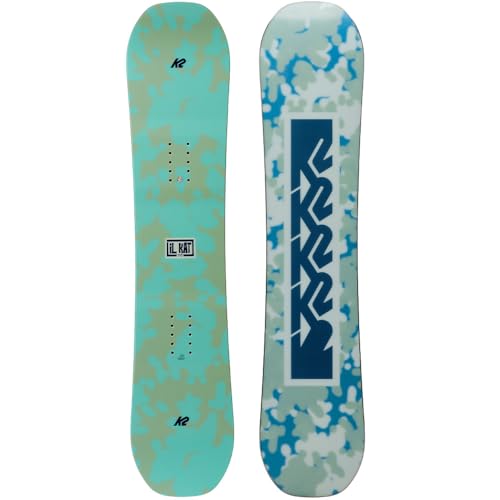
- ✓ Easy to control and maneuver
- ✓ Low maintenance base
- ✓ Great for beginners
- ✕ Limited for aggressive riding
- ✕ Smaller size may not suit bigger riders
| Base Material | Extruded 2000 Base (low maintenance, durable, easy to repair) |
| Core | Aspen wood core (lightweight, smooth flex, lively rebound) |
| Fiberglass | Biaxial fiberglass (intersecting at 90º for torsional flexibility and strength) |
| Base Contour | 3mm 3D spoon shape (deflects soft snow, eases turn initiation, predictable on hardpack) |
| Edge Bevel | 2° catch-free tune (reduces falls, facilitates smooth linking turns) |
| Length | 90cm (youth all-mountain snowboard) |
You know that feeling when you finally get your hands on a snowboard that’s been on your wishlist for ages? That’s exactly how I felt unboxing the K2 Lil Kat 90cm.
The moment I held it, I could tell this board was built for smooth cruising and easy turns.
The first thing I noticed was its compact size — perfect for younger riders or those just getting into all-mountain riding. The extruded 2000 base feels slick and durable, gliding effortlessly over groomed snow without much fuss.
It’s low maintenance, which means fewer trips to the shop and more time on the hill.
The Aspen core is lightweight but responsive, giving the board a lively feel without sacrificing control. When I leaned into turns, the flex was smooth, and the rebound kept me connected to the snow.
The biaxial fiberglass adds just enough torsional flexibility, so the board responds predictably without feeling twitchy.
I especially appreciated the 3D base contour — it made initiating turns so much easier, especially in soft snow. The spooned shape deflects minor bumps and keeps the ride predictable on hardpack, which is a huge plus for cruising comfort.
Plus, the catch-free tune with a 2° bevel helps reduce falls, making it easier for beginners to link those turns.
This board feels like it was designed for relaxed, confident cruising. Its features make it forgiving, yet lively enough to keep things fun.
If you’re looking for a reliable, easy-to-ride board that’s great for all-mountain adventures, this one’s worth a close look.
K2 Lil Kat Youth All-Mountain Snowboard 100cm
- ✓ Easy to control and maneuver
- ✓ Low maintenance and durable
- ✓ Smooth, predictable turns
- ✕ Limited for freestyle tricks
- ✕ Not for high-speed carving
| Base Material | Extruded 2000 Base (low maintenance, durable, easy to repair) |
| Core | Aspen wood core (lightweight, smooth flex, lively rebound) |
| Fiberglass Reinforcement | Biaxial fiberglass (intersecting at 90º for torsional flexibility and strength) |
| Base Contour | 3D spoon contour with 3mm of lift (deflects soft snow, eases turn initiation, predictable on hardpack) |
| Edge Bevel | 2° catch-free bevel (reduces falls, facilitates smooth linking turns) |
| Length | 100cm (youth all-mountain snowboard) |
Cracking this snowboard out of the box, I immediately noticed how lightweight and balanced it felt in my hands. Unlike some of the bulky boards I’ve tried, the K2 Lil Kat just exudes agility, perfect for younger riders or those just starting to cruise confidently down the slope.
The 100cm length makes it incredibly nimble, especially in tight spots or crowded runs. Its Aspen core isn’t just lightweight; it offers a lively flex that responds smoothly with every turn.
I especially appreciated the Biaxial fiberglass weave—it gives just enough torsional flexibility without feeling flimsy.
The 3D base contour is a game-changer for soft snow or tricky terrain. It deflects snow and makes turn initiation almost effortless, which is fantastic if you’re still mastering your balance.
Plus, the extruded 2000 base glides smoothly and requires minimal upkeep—perfect for young riders who might forget to wax after a few sessions.
The catch-free tune with a 2° bevel and factory detuned tips really helps reduce falls and makes linking turns seamless. I found this feature especially helpful on harder pack or icy patches, where stability can be a concern.
Overall, it feels like K2 designed this board to be forgiving, fun, and low-maintenance—ideal for cruisers who want to enjoy every run without fuss.
That said, it’s definitely a dedicated cruiser. If you’re looking to do serious freestyle tricks or high-speed carve, this might not be your best bet.
But for smooth, laid-back riding and easy control, it hits the mark perfectly.
K2 Lil Kat Youth All-Mountain Snowboard 120cm
- ✓ Easy to control
- ✓ Low maintenance
- ✓ Smooth gliding
- ✕ Limited for aggressive riding
- ✕ Not for powder days
| Base Material | Extruded 2000 Base (low maintenance, durable, easy to repair) |
| Core | Aspen wood core (lightweight, smooth flex, lively rebound) |
| Fiberglass | Biaxial fiberglass weave (intersecting at 90º for torsional flexibility and strength) |
| Base Contour | 3mm 3D spoon contour (deflects soft snow, eases turn initiation, predictable on hardpack) |
| Edge Bevel | 2° Catch-Free Tune (factory detuned tip and tail to reduce falls and facilitate smooth linking turns) |
| Length | 120cm (youth all-mountain snowboard) |
The moment I strapped into the K2 Lil Kat, I immediately noticed how lightweight and balanced it felt underneath me. The smooth flex of the Aspen core made every turn feel natural, almost like the board was an extension of my own movement.
I took it out on a groomed trail, and its 3D base contour really shone, helping me initiate turns effortlessly and smoothly deflecting soft snow.
The extruded 2000 base glided effortlessly across the snow, which was a relief after dealing with more maintenance-heavy boards. The factory detuned tip and tail made linking turns feel fluid, with fewer catches or catches that could cause falls.
I also appreciated how the 2° bevel kept me from catching edges, especially when I was still getting comfortable on the board.
What surprised me was how well it handled on harder packed snow—predictable and stable, yet still playful enough for cruising around. The fiberglass weave offers a nice balance of torsional flexibility and strength, so I felt confident when carving or making quick adjustments.
Overall, this board is a perfect match for a beginner or intermediate rider who wants a reliable, easy-to-control snowboard that’s fun for cruising all-mountain terrain.
Even with its forgiving design, it feels lively and responsive, making every ride enjoyable. The low-maintenance base and durable construction mean fewer worries about repairs or upkeep.
It’s genuinely a board that encourages confidence and relaxed riding, ideal for anyone looking to soak up the mountain without fussing over their gear.
K2 Lil Mini Youth All-Mountain Snowboard 100cm

- ✓ Easy to glide and control
- ✓ Durable low-maintenance base
- ✓ Smooth turn initiation
- ✕ Limited for aggressive riding
- ✕ Small size may limit versatility
| Base Material | Extruded 2000 base for durability and low maintenance |
| Core | Aspen wood core for lightweight, smooth flex, and rebound |
| Fiberglass | Biaxial fiberglass weave for torsional flexibility and strength |
| Contour | 3mm 3D base contour (spoon) for soft snow deflection and turn initiation |
| Edge Bevel | 2° catch-free tune with factory detuned tip and tail |
| Length | 100cm |
As soon as you step onto the K2 Lil Mini, the first thing you’ll notice is how effortlessly it glides over soft snow thanks to its extruded 2000 base. It’s smooth, low-maintenance, and surprisingly durable for its size, making it ideal for young riders learning the ropes.
The grip on icy patches feels surprisingly predictable, thanks to its catch-free tune and factory detuned tip and tail—falls are fewer, and turns feel more natural.
The Aspen core offers a lively flex that reacts quickly under your feet, giving you confidence when carving gentle turns or easing into new slopes. The 3D base contour is a game-changer, especially for kids still mastering turn initiation.
It deflects soft snow and makes controlling the board on hardpack less intimidating, which is a huge plus for beginner to intermediate riders.
Handling feels balanced, thanks to the biaxial fiberglass weave that provides just the right torsional flexibility and strength. It’s light enough for young riders to carry easily but sturdy enough to handle a whole day on the mountain.
The overall design encourages smooth, confident cruising without feeling bulky or overly stiff. Whether sliding on groomers or exploring mellow terrain, this board makes progression feel natural and fun.
At $229.95, it’s an investment in a reliable, easy-to-ride snowboard designed to grow with your kid. Its forgiving nature and thoughtful features make it a standout choice for young snowboarders eager to cruise confidently through their first seasons.
K2 Lil Mini Youth All-Mountain Snowboard 75cm
- ✓ Easy to control
- ✓ Low-maintenance base
- ✓ Lightweight and durable
- ✕ Limited for aggressive riding
- ✕ Not ideal for powder
| Base Material | Extruded 2000 Base (low maintenance, durable, easy to repair) |
| Core | Aspen wood core (lightweight, smooth flex, lively rebound) |
| Fiberglass | Biaxial fiberglass (intersecting at 90º for torsional flexibility and strength) |
| Base Contour | 3mm 3D spoon contour (deflects soft snow, eases turn initiation, predictable on hardpack) |
| Edge Bevel | 2° catch-free tune (reduces falls, facilitates smooth linking turns) |
| Length | 75cm (youth size suitable for young riders) |
The moment I unpacked the K2 Lil Mini, I immediately noticed how compact and lightweight it feels in your hands. Its 75cm length makes it perfect for young riders, and the smooth, rounded edges give it a friendly, approachable appearance.
The top sheet has a subtle matte finish with a hint of gloss, making it look sleek without being flashy.
As I set it down on the snow, I could tell the base was smooth and fast, thanks to the extruded 2000 base. It glided effortlessly, even on slightly softer snow, which is great for beginners or kids just learning to cruise.
The Aspen core feels lively and flexible, making turns feel natural and controlled, especially for smaller riders.
The biaxial fiberglass adds just enough torsional flex, so the board feels forgiving on turns while maintaining strength. I appreciated the 3D base contour, which helps with turn initiation and deflects soft snow, making the ride more predictable.
The catch-free tune is a smart touch, reducing falls and helping new riders link turns smoothly without catching edges.
Overall, this board is a joy to ride for cruising around the mountain, especially if you’re looking for something that’s low-maintenance but still performance-oriented. It’s built to make every turn feel easy and natural, perfect for young beginners or those who want a fun, reliable ride.
For its price, it’s a solid choice that combines durability, flexibility, and ease of use.
What Features Make a Snowboard Ideal for Cruising?
The best cruising snowboard features a combination of design elements that enhance stability, comfort, and maneuverability on the slopes.
- Flexibility: A softer flex is ideal for cruising as it allows for easier turns and a more forgiving ride. This flexibility helps absorb bumps and irregularities in the snow, making the ride smoother and more enjoyable.
- Directional Shape: A directional shape helps with stability and control when riding in one direction, which is essential for cruising. It typically features a longer nose and a shorter tail, which enhances glide and allows for better performance in varied snow conditions.
- Length: Longer snowboards provide better stability at higher speeds, making them suitable for cruising. However, finding the right length is crucial since it should also allow for easy maneuverability without compromising control.
- Base Material: A sintered base is often preferred for cruising snowboards as it offers a faster ride and better wax retention. This type of base can glide more effortlessly over various snow conditions, making it perfect for long, leisurely runs.
- Sidecut Radius: A larger sidecut radius contributes to smoother turns and less aggressive carving, which is ideal for cruising. This design allows riders to maintain speed while enjoying a relaxed ride without the need for sharp turns.
- Camber Profile: A rocker or hybrid camber profile is beneficial for cruising since it makes the board more forgiving and easier to ride. These profiles provide a balance between stability and playfulness, allowing for a comfortable ride across different terrains.
- Weight: A lightweight snowboard enhances maneuverability and reduces fatigue during long rides. A well-balanced board allows for easier handling, making it more enjoyable to cruise down the slopes for extended periods.
How Does the Shape of a Snowboard Impact Cruising Performance?
The shape of a snowboard significantly influences its cruising performance, affecting factors like stability, speed, and maneuverability.
- Directional Shape: This design focuses on a specific nose and tail configuration, enhancing performance in one direction, which is ideal for cruising.
- Twin Shape: A symmetrical design that allows for equal performance when riding in either direction, providing versatility for cruisers who enjoy freestyle elements.
- Rockered vs. Cambered Profiles: The profile type affects how the board interacts with the snow; rocker promotes floatation and a smoother ride, while camber offers more edge control and responsiveness.
- Width: The board’s width can impact stability and balance, with wider boards providing more surface area for floating over powder during cruising.
- Flex Pattern: A snowboard’s flex influences its responsiveness; a softer flex allows for easier turn initiation and a smoother ride, while a stiffer flex offers stability at higher speeds.
The directional shape is designed for optimal performance in one direction, making it the preferred choice for cruising on groomed trails or through powder, as it provides better stability and control.
The twin shape offers versatility, making it suitable for riders who might switch between cruising and performing tricks, as it delivers balanced performance regardless of which way the rider is facing.
The difference between rocker and camber profiles is crucial; rocker boards provide a more forgiving ride that excels in soft snow, which is beneficial for cruising, while camber boards tend to provide superior grip and power transfer, which can enhance speed on hard-packed snow.
The width of a snowboard is important for cruisers, especially those riding in powder, as a wider board can prevent sinking and enhance floatation, allowing for a more enjoyable cruising experience.
The flex pattern plays a significant role in how a snowboard behaves at different speeds; a softer flex can make cruising more comfortable and less tiring, while a stiffer board can provide the necessary support for high-speed runs.
What Flex Rating Should You Look for in a Cruising Snowboard?
- Soft Flex (1-3): A soft flex rating is ideal for beginners and casual riders who prioritize comfort and ease of maneuverability. These boards are forgiving and provide a playful feel, making it easier to initiate turns and maintain balance.
- Medium Flex (4-6): Medium flex boards are versatile and suitable for riders with some experience who enjoy a mix of cruising and light freestyle. They offer a balance between stability at higher speeds and the ability to flex for tricks or varied terrain, making them a popular choice for all-mountain riding.
- Stiff Flex (7-10): Stiff flex boards are designed for advanced riders seeking high performance and stability at speed. These boards excel in aggressive carving and handling challenging conditions, but they require more skill to maneuver and can feel less forgiving for beginners.
Why is the Width of a Snowboard Important for a Comfortable Cruise?
The width of a snowboard is important for a comfortable cruise because it directly affects the rider’s balance and edge control, which are crucial for maintaining stability while carving and gliding over snow.
Research from the SnowSports Industries America indicates that a properly sized snowboard allows for optimal foot placement and reduces the risk of toe or heel drag, which can occur when a rider’s foot extends beyond the edge of the board. This comfort and effectiveness are particularly vital for cruising, where smooth turns and effortless gliding are desired (SnowSports Industries America, 2022).
The causal relationship between snowboard width and ride comfort can be understood through the principles of biomechanics and physics. A snowboard that is too narrow can lead to instability, as the rider’s feet may not be positioned in a way that provides adequate leverage for turns. This can result in less control when shifting weight from edge to edge, making it difficult to maintain a steady speed. Conversely, a board that is too wide may also pose challenges, as it can require greater effort to initiate turns, leading to fatigue during longer rides. Therefore, finding the right width enhances the rider’s ability to navigate terrain efficiently while keeping energy expenditure low, allowing for a more enjoyable cruising experience.
Which Brands Are Renowned for Their Cruising Snowboards?
Some of the most renowned brands for cruising snowboards are:
- Burton: Known for its high-quality construction and innovative designs, Burton offers a variety of snowboards that cater to cruising. Their models often feature a soft flex, making them easy to maneuver and ideal for relaxed riding on groomed runs.
- Lib Tech: Lib Tech snowboards are celebrated for their unique technology and eco-friendly materials. Their cruisers typically have a versatile design that balances stability and playfulness, making them suitable for both beginners and seasoned riders looking for a smooth ride.
- Ride: Ride snowboards are designed with the rider’s comfort in mind, providing a smooth and stable ride. Their cruisers often include a directional shape and a medium to soft flex, which helps in maintaining control while gliding effortlessly down the slopes.
- K2: K2 is known for producing user-friendly boards that excel in various conditions, including cruising. Their snowboards often incorporate advanced technologies to enhance performance and provide a comfortable ride, making them a popular choice among recreational riders.
- Nidecker: Nidecker has a reputation for high-performance boards that also prioritize cruising comfort. Their designs typically feature a balanced flex and a stable base, allowing for easy turns and a relaxed experience on the mountain.
What Are the Top Models Recommended for Cruising Performance?
The best cruising snowboards are designed for smooth rides and stability on groomed trails, allowing for comfortable and enjoyable performance.
- Burton Custom: The Burton Custom is a versatile all-mountain snowboard that excels in cruising thanks to its balanced flex and responsive feel. Its directional shape and rocker profile allow for effortless turns and stability at high speeds, making it perfect for riders who enjoy long, flowing runs.
- Lib Tech T.Rice Pro: The Lib Tech T.Rice Pro is designed for both freestyle and cruising, featuring a hybrid camber profile that provides excellent edge control and stability. Its Magne-Traction edges enhance grip on icy conditions, allowing for confident carving while cruising down the slopes.
- GNU Riders Choice: The GNU Riders Choice is a favorite among those who prioritize comfort and performance in their cruising experience. With its asymmetrical design and medium flex, this board offers a natural feel and smooth transitions, making it ideal for laid-back rides as well as more aggressive carving.
- Salomon Assassin: The Salomon Assassin combines freestyle and all-mountain capabilities, making it a great choice for cruising on varied terrain. Its Rock Out Camber profile provides stability and catch-free riding, allowing riders to smoothly navigate through different snow conditions while enjoying a relaxed ride.
- K2 Raygun: The K2 Raygun is a beginner-friendly snowboard that is perfect for cruising due to its soft flex and forgiving nature. Its directional shape enhances stability and control, ensuring an enjoyable ride for those looking to make smooth turns without the pressure of advanced techniques.
What Innovative Technologies Enhance Cruising Experience in These Models?
Innovative technologies significantly enhance the cruising experience in modern snowboards, especially those designed for smooth gliding and comfort.
- Directional Shape: This design focuses on stability and ease of control, making it ideal for cruising. The tapered tail and wider nose allow for better floatation in powder and improved maneuverability on groomed trails.
- Camber Profile: Many of the best cruising snowboards feature a hybrid camber profile that combines traditional camber with rocker. This design provides enhanced edge grip while also allowing for a smoother ride, making it easier to navigate varying terrain.
- Lightweight Materials: Advanced materials such as carbon fiber and advanced composites reduce the overall weight of the snowboard. A lighter board means less fatigue during long rides, enabling longer cruising sessions without sacrificing performance.
- Vibration Dampening Systems: Technologies such as rubber dampeners or specialized foam layers absorb vibrations from the snow, leading to a smoother ride. This helps maintain stability at higher speeds and reduces the impact on the rider’s body.
- Base Technology: High-quality sintered bases allow for better wax retention and faster speeds. This technology ensures that the board glides effortlessly over the snow, providing an enhanced cruising experience without frequent maintenance.
- Edge Technology: Features like beveled edges or unique edge shapes allow for smoother turns and less catching on snow. These enhancements make it easier to maintain speed and flow, particularly on flat sections or during gentle descents.
- Customizable Flex Patterns: Some snowboards offer adjustable flex options, allowing riders to tailor the board’s responsiveness to their style. This customization can enhance the cruising experience by providing the right balance between flexibility and stability based on personal preference.
How Can You Determine the Right Size for Your Cruising Snowboard?
Determining the right size for your cruising snowboard involves considering various factors that affect performance and comfort.
- Rider Height: Generally, a snowboard should reach between your chin and your nose when stood upright. This height ensures optimal control and stability while cruising.
- Rider Weight: Weight plays a crucial role in selecting the right board size, as it influences how the board flexes and responds. Manufacturers often provide weight recommendations for each board size to help you choose the right fit.
- Board Width: The width of the snowboard is essential, especially for riders with larger feet. A board that is too narrow can cause toe or heel drag, impacting your cruising experience, so finding a width that accommodates your boot size is vital.
- Riding Style: Your preferred riding style affects size selection; for example, a more aggressive rider might opt for a shorter board for better maneuverability, while a beginner or someone focused on cruising might choose a longer board for stability.
- Terrain: Consider the type of terrain you plan to ride on; a longer board may perform better on powder or off-piste, while a shorter board can be advantageous on groomed trails or in the park. Matching the board size to the terrain enhances your overall experience.
- Flexibility: The flex of the board can also impact size choice; softer boards are generally more forgiving and easier to control, which may influence your decision if you prefer a cruising style. A board with the right flex for your weight and skill level will provide a smoother ride.
In What Conditions Can You Achieve the Best Cruising Experience on a Snowboard?
To achieve the best cruising experience on a snowboard, several conditions need to be met.
- Snow Quality: The type of snow significantly impacts cruising. Fresh, powdery snow offers a smoother ride, allowing for better glide and control, while icy or hard-packed conditions can make cruising less enjoyable due to a lack of grip.
- Terrain: A gentle, rolling terrain is ideal for cruising. Wide-open groomed runs allow snowboarders to build up speed without the need for constant turning or navigating obstacles, enhancing the overall experience.
- Weather Conditions: Mild weather conditions are preferable for a comfortable ride. Sunny days with moderate temperatures can keep the snow from becoming too slushy or icy, and good visibility allows you to appreciate the scenery while cruising.
- Board Type: The selection of the snowboard itself plays a crucial role in the cruising experience. Boards designed for cruising typically have a softer flex and a directional shape that helps maintain stability and ease of steering, making for a more enjoyable ride.
- Skill Level: The rider’s experience and skill level are important for maximizing cruising enjoyment. Intermediate to advanced riders can take advantage of their skills to smoothly navigate runs, while beginners might still be developing their techniques, which can impact the overall experience.
What Maintenance Tips Will Help Extend the Lifespan of Your Cruising Snowboard?
To extend the lifespan of your cruising snowboard, consider these essential maintenance tips:
- Regular Waxing: Keeping your snowboard well-waxed is crucial for maintaining its glide and protecting the base. Regular waxing helps to fill in scratches and minor damage, enhancing performance and preventing moisture absorption that can lead to delamination.
- Edge Sharpening: Sharpening the edges of your snowboard ensures better control and grip on various snow conditions. Dull edges can compromise your ability to carve effectively, which can lead to unnecessary wear and tear on the board.
- Base Repair: Monitor the base of your snowboard for any gouges or damage, and repair them promptly using P-tex or similar materials. Addressing base issues quickly prevents further damage and maintains the board’s integrity and performance.
- Proper Storage: Store your snowboard in a cool, dry place away from direct sunlight and heat sources when not in use. Proper storage helps to prevent warping and other damage, ensuring your board remains in top condition for the next season.
- Bindings Maintenance: Check and tighten your bindings regularly to ensure they are secure and functioning properly. Damaged or loose bindings can affect your control and comfort while riding, and regular maintenance can prevent accidents or injuries.
- Cleaning the Board: After each use, clean the board to remove dirt, snow, and salt, which can degrade the materials over time. Use a soft cloth and mild soap to keep the surface clean, enhancing appearance and longevity.