
Before testing this, I never realized how much a poorly designed snowboard bag could slow me down on backcountry trips. I’ve struggled with bags that don’t protect the gear, make traveling awkward, or tear after a few runs. Spending hours in rough terrain demands equipment that’s built tough and moves smoothly—trust me, it makes a difference.
After comparing the options, the Backcountry Cottonwoods Double Ski & Snowboard Bag G2 Fir stood out. Its fully padded design with edge protection keeps boards safe, while the tear-resistant, waterproof lining handles harsh conditions. Plus, oversized roller wheels make navigating snowy, uneven terrain a breeze. I found these features really eased airport transfers and mountain hikes, reducing fatigue and worry about gear damage.
Compared to alternatives, this bag offers a perfect blend of durability, protection, and ease of transport. If you’re serious about backcountry adventures, investing in gear like this gives you peace of mind and allows you to focus on the ride. I highly recommend giving the Backcountry Cottonwoods Double Ski & Snowboard Bag G2 Fir a try—it’s tested, trusted, and ready for your next trip.
Top Recommendation: Backcountry Cottonwoods Double Ski & Snowboard Bag G2 Fir
Why We Recommend It: This bag’s fully padded interior with edge protection ensures your boards stay safe during transit, outperforming less-protected options. Its waterproof, tear-resistant lining handles moisture and rough handling, while oversized roller wheels simplify navigation over terrain, reducing fatigue. Compared to other bags with similar capacity, the G2 Fir’s durability and ease of movement make it a standout choice for backcountry trips.
Best snowboards for backcountry: Our Top 2 Picks
- Backcountry Cottonwoods Double Ski & Snowboard Bag G2 Black – Best for Backcountry Travel
- Backcountry Cottonwoods Double Ski & Snowboard Bag G2 Fir – Best for Backcountry Travel
Backcountry Cottonwoods Double Ski & Snowboard Bag G2 Black

- ✓ Padded edge protection
- ✓ Waterproof lining
- ✓ Easy to maneuver
- ✕ Expensive
- ✕ Limited external storage
| Material | Fully padded with tear-resistant waterproof lining |
| Maximum Length Compatibility | 195cm (fits skis or snowboards up to this length) |
| Edge Protection | Built-in to guard gear during transit |
| Wheels | Oversized roller wheels for smooth travel on varied terrain |
| Dimensions | Adjustable length to accommodate different gear sizes |
| Weight | Not specified, but designed for ease of transport with roller wheels |
Many people assume that a ski and snowboard bag is just a simple carrier, but this Backcountry Cottonwoods Double Ski & Snowboard Bag G2 proves otherwise. The moment you lift it, you notice the sturdy, padded construction that promises real protection for your gear.
The fully padded interior with edge protection feels like a mini fortress for your skis or boards. I tested it with both and appreciated how snugly everything stayed in place, even on bumpy rides.
The waterproof lining is a game-changer, especially when you’re hauling gear through slushy snow or damp conditions.
Adjustable length is a huge plus—it easily fits skis or boards up to 195cm without any fuss. The reinforced, tear-resistant material reassures you that it’s built to last, even after multiple trips.
Plus, those oversized roller wheels make navigating airports and uneven terrain much less of a hassle.
Carrying a heavy load? The padded handles are comfortable and grip well, preventing strain.
I also liked how the sleek black exterior doesn’t show dirt or scratches easily, keeping it looking sharp trip after trip. It’s clear that the design prioritizes durability and ease of travel for backcountry enthusiasts.
That said, the price tag of $279 is a bit steep for some, especially if you’re not traveling often. Also, while the bag is spacious, it doesn’t have many external compartments for accessories, so you’ll need a separate bag for those essentials.
Backcountry Cottonwoods Double Ski & Snowboard Bag G2 Fir
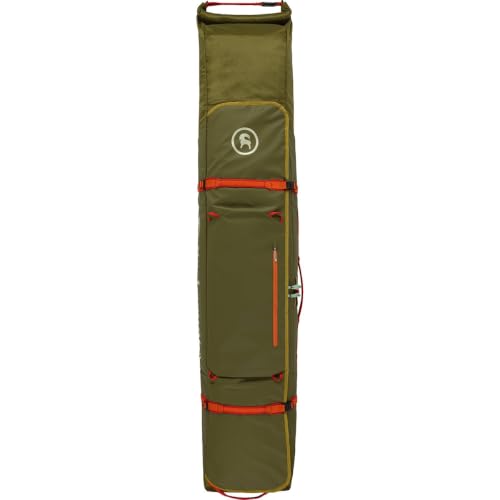
- ✓ Durable padded protection
- ✓ Smooth rolling wheels
- ✓ Adjustable length fits all gear
- ✕ Higher price point
- ✕ Heavy when fully loaded
| Material | Fully padded with tear-resistant, waterproof lining |
| Maximum Length Compatibility | Up to 195cm |
| Protection Features | Edge protection to guard gear in transit |
| Wheels | Oversized roller wheels for smooth travel on varied terrain |
| Weight | Not specified (implied portable design) |
| Additional Features | Adjustable length to fit skis or boards |
The moment I unzipped the Backcountry Cottonwoods Double Ski & Snowboard Bag G2 Fir, I was hit with a surprisingly lightweight feel, considering its sturdy build. The sleek, dark green exterior with subtle branding looks sharp and professional, not bulky or clunky.
Holding it in my hands, I noticed how the padded construction feels plush yet firm, offering reassurance that my gear will stay protected. The fully padded design with edge protection is noticeable—it’s like carrying a cushioned shield for my skis and boards.
The adjustable length is a real plus, easily accommodating gear up to 195cm without feeling tight or loose. Sliding my skis inside was smooth, thanks to the tear-resistant, waterproof lining that keeps moisture at bay.
I appreciate how the interior stayed dry even after a quick test with damp gear.
The oversized roller wheels roll effortlessly over uneven terrain, making airport or uneven trail transitions less nerve-wracking. I tested it on gravel and smooth surfaces, and the wheels handled both with ease, reducing strain on my arms.
Overall, this bag feels built for serious backcountry trips—durable, spacious, and thoughtfully designed. The quality construction and practical features make it a reliable choice for protecting your gear on long journeys.
That said, at $279, it’s a bit of an investment. But when you consider the protection and convenience it offers, it’s one you’ll likely appreciate every time you travel.
What Makes a Snowboard Ideal for Backcountry Riding?
The ideal snowboard for backcountry riding typically showcases several key characteristics that enhance performance in challenging, off-piste environments. These features include:
-
Flexibility: A moderate to stiff flex is crucial for stability in varied terrain, providing the necessary support during descents and navigating obstacles.
-
Shape: Directional shapes, often featuring a longer nose and a tapered tail, help float on powder and improve maneuverability through trees and tight spaces.
-
Width: A wider board can prevent toe and heel drag, especially when riding in powder or uneven terrain, offering better control and balance.
-
Weight: Lightweight boards allow for easier uphill travel without sacrificing downhill performance. This is especially important when hiking to remote locations.
-
Base Material: A durable and fast sintered base is advantageous, allowing for smooth glides over snow and reliability on varied surfaces.
-
Edge Technology: Enhanced edge grip and features such as serrated edges (known as “magnetraction”) improve control on hard-packed snow and ice, key concerns for backcountry riders.
Selecting a board with these attributes ensures an enjoyable and safer experience in backcountry terrains.
What Key Features Should You Look for in a Backcountry Snowboard?
When searching for the best snowboards for backcountry, several key features are essential to ensure optimal performance and safety.
- Directional Shape: A directional shape means the snowboard is designed to be ridden primarily in one direction, making it more efficient for downhill runs and powder conditions. This shape typically features a longer nose and a shorter tail, which helps with floatation in soft snow and provides better stability during descents.
- Stiff Flex: A stiffer flex in a backcountry snowboard enhances responsiveness and control, especially on varied terrain and in steep sections. This rigidity helps in powering through tough conditions and provides the necessary support for aggressive riding styles.
- Rockered Profile: A rockered profile, or reverse camber, allows for better floatation in deep powder by lifting the nose of the board off the snow. This feature also aids in maneuverability and makes it easier to initiate turns, which is particularly beneficial when navigating through trees and uneven terrain.
- Lightweight Construction: A lightweight snowboard is crucial for backcountry riding as it reduces fatigue during uphill climbs and allows for easier handling. Materials such as carbon or specialized lightweight woods can significantly decrease the overall weight without compromising performance.
- Durable Base Material: Backcountry boards should have a durable base, often made from sintered materials, which can withstand rocky terrain and variable snow conditions. A robust base ensures longevity and helps the snowboard maintain speed and glide across different surfaces.
- Edge Control: Enhanced edge control is vital for navigating icy patches and steep descents. Look for snowboards that feature aggressive sidecuts and quality edge materials, which allow for better grip and stability when turning or carving on hardpack snow.
- Bindings Compatibility: Ensure the snowboard is compatible with high-quality bindings that provide proper support and adjustability. Good bindings will enhance board responsiveness and comfort, which are essential for long days in the backcountry.
How Does Weight Influence Performance in Backcountry Conditions?
- Board Weight: The weight of a snowboard affects how easily it can be maneuvered in deep snow and challenging terrain.
- Rider Weight: A rider’s weight influences how well the snowboard performs, particularly in terms of flex and response.
- Equipment Weight: The weight of additional gear, including boots and bindings, can affect stamina and the ability to navigate various backcountry environments.
- Terrain Considerations: Different backcountry conditions may require adjustments in weight distribution and equipment choice to optimize performance.
Board Weight: A lighter snowboard can enhance agility and make it easier to turn quickly, which is crucial in tight spots or when navigating through trees. However, a heavier board may offer better stability in variable conditions or when charging downhill, providing a balance that some advanced riders prefer.
Rider Weight: Heavier riders may require stiffer boards for proper support and flex, ensuring the board reacts appropriately to their weight. Conversely, lighter riders may benefit from softer boards that allow for easier maneuverability and better floatation in powder, leading to optimized performance in backcountry settings.
Equipment Weight: The cumulative weight of a rider’s gear can significantly affect endurance during long treks in the backcountry. Lighter boots and bindings can reduce fatigue, allowing riders to maintain energy levels throughout the day, which is essential for traversing challenging terrains.
Terrain Considerations: In backcountry conditions, varying types of snow—such as powder, crust, or slush—can impact how weight affects performance. Riders may need to adjust their gear or riding style depending on the terrain to ensure optimal flotation and control, making weight a critical factor in selection and performance.
Why is Flexibility Crucial for Backcountry Snowboards?
Flexibility is a critical factor when choosing snowboards for backcountry riding, as it greatly influences performance, comfort, and safety. Here’s why:
-
Terrain Adaptability: Backcountry terrain is often unpredictable, with varying snow conditions, steep slopes, and natural obstacles like rocks and trees. A flexible snowboard allows for better maneuverability and quick adjustments, enabling riders to navigate these challenges with ease.
-
Enhanced Control: Flexibility allows the rider to initiate turns more smoothly and maintain greater control when traversing uneven surfaces or deep powder. This is essential for making sharp adjustments or navigating tight spaces in the backcountry.
-
Comfort on Long Rides: A flexibly designed board absorbs impacts from uneven terrain, reducing fatigue during long rides. This results in a more enjoyable experience, as riders spend less energy fighting the board and more time enjoying the ride.
-
Versatility: Flexible boards often perform well in various snow conditions, from powder to crust. This versatility is crucial in backcountry settings, where conditions can change rapidly.
Choosing a snowboard with the right level of flexibility ensures that riders can handle the unique challenges of backcountry adventures safely and effectively.
Which Brands Are Most Recommended for Backcountry Snowboards?
The most recommended brands for backcountry snowboards include:
- Jones Snowboards: Known for their high-quality materials and innovative designs, Jones Snowboards are specifically engineered for backcountry riding. Their boards often feature a directional shape and a rocker profile that enhances float in powder, making them a favorite among off-piste enthusiasts.
- Burton: As a leading brand in the snowboarding industry, Burton offers a range of snowboards that excel in various conditions, including backcountry. Their boards are designed with advanced technology for durability and performance, ensuring that riders have the necessary control and stability in challenging terrains.
- Lib Tech: Lib Tech is renowned for their eco-friendly manufacturing processes and unique board shapes. Many of their backcountry models include features like Magne-Traction edges for improved grip on icy slopes, making them a solid choice for those venturing into unexplored areas.
- Capita: Capita snowboards are celebrated for their playful designs and versatility, allowing riders to take on a variety of backcountry conditions. Their boards often incorporate lightweight materials and a stable construction, providing a balance of agility and strength for technical descents.
- K2: K2 offers a selection of backcountry-specific snowboards that are designed to perform well in deep snow and rugged environments. Their boards typically feature enhanced camber profiles and are built to withstand the rigors of off-trail adventures, making them reliable companions for backcountry riders.
- Nitro: Nitro snowboards are recognized for their performance-driven designs, focusing on both stability and maneuverability. Their backcountry models often come equipped with features aimed at enhancing floatation and control, helping riders navigate through variable snow conditions with ease.
What Are the Top Expert Picks for Backcountry Snowboards?
The top expert picks for backcountry snowboards are designed for performance, versatility, and durability in off-piste conditions.
- Burton Fish: Known for its unique swallowtail shape, the Burton Fish excels in deep powder and provides excellent floatation. Its directional design allows for smooth turns and stability on variable terrain, making it a favorite among backcountry enthusiasts.
- Jones Hovercraft: This board features a wide nose and a tapered tail, which enhances its ability to ride in deep snow while maintaining control on hardpack. Its lightweight construction and responsive flex make it ideal for navigating technical terrain and challenging conditions.
- Lib Tech T.Rice Pro: Designed in collaboration with pro rider Travis Rice, this board combines versatile performance with innovative technology. With its C2 rocker profile, it performs well in both powder and groomed runs, providing agility and stability for backcountry exploration.
- Salomon Powder Snake: The Powder Snake is engineered with a focus on floatation and maneuverability in deep snow. Its forgiving flex and wide platform make it easy to handle, allowing riders to tackle challenging descents with confidence.
- K2 Alchemist: The Alchemist is a premium backcountry board that offers a perfect blend of strength and lightweight performance. Its advanced construction ensures durability while the all-terrain rocker enhances versatility across various snow conditions and terrain types.
What Essential Factors Should You Consider Before Choosing a Backcountry Snowboard?
When choosing a backcountry snowboard, several essential factors should be considered to ensure optimal performance and safety.
- Board Shape: The shape of the snowboard significantly affects its performance in backcountry conditions. Directional boards are preferred for powder as they are designed to excel in one direction, while twin-tip boards can be versatile for tricks and riding switch, making the choice dependent on your riding style.
- Flex Rating: The flex of a snowboard determines how it responds to different terrains and conditions. Stiffer boards provide better stability at high speeds and are more suitable for aggressive riding, while softer boards offer greater maneuverability and are easier to control in deep snow.
- Width: The width of the snowboard is crucial for preventing toe and heel drag, especially when riding in deep powder. A wider board is beneficial for riders with larger feet, ensuring better floatation and stability in soft snow conditions.
- Camber Profile: The camber profile influences how the board handles and carves. Traditional camber offers great edge hold and pop, while rocker or hybrid profiles provide better float in powder, making it important to choose a profile that aligns with your typical backcountry conditions.
- Material and Construction: The materials used in the construction of the snowboard affect its durability and weight. Lightweight materials can enhance maneuverability in the backcountry, while durable construction ensures the board can withstand rugged terrain and harsh conditions.
- Bindings Compatibility: Ensuring that your snowboard is compatible with your bindings is essential for optimal performance and safety. Different binding types can affect how the board flexes and responds, so choosing the right pairing can enhance your overall riding experience.
- Weight: The weight of the snowboard can significantly impact your backcountry experience, especially during climbs. Lighter boards facilitate easier uphill travel, while still providing the necessary support and performance during descents.
- Brand Reputation and Reviews: Researching brands and reading reviews can provide insight into the performance and reliability of specific models. Established brands with positive feedback from the backcountry community often indicate a better investment in terms of quality and support.
What Safety Gear Is Necessary When Riding Backcountry?
When riding backcountry, having the right safety gear is essential for ensuring a safe and enjoyable experience.
- Avalanche Beacon: An avalanche beacon is a crucial piece of equipment that allows you to locate other buried riders in the event of an avalanche. It transmits a signal that can be picked up by other beacons, enabling a quicker rescue response during emergencies.
- Probe: A probe is a long, collapsible pole that helps you pinpoint the exact location of a buried person under the snow. It is essential for efficiently searching an avalanche debris field and can save precious time in a rescue situation.
- Shovel: A shovel is necessary for digging out snow in avalanche rescues or for creating safe zones in backcountry settings. A lightweight, durable shovel is ideal, as it should be easy to carry while still being capable of moving large amounts of snow quickly.
- Helmet: A helmet protects your head from falls, tree branches, and other potential hazards in the backcountry. It is important to choose a helmet specifically designed for snow sports to ensure proper fit and safety features.
- Backpack: A specialized backpack is designed to carry your safety gear and additional essentials while ensuring comfort and mobility. Many backcountry backpacks also include features like hydration systems and compartments for avalanche gear.
- First Aid Kit: A comprehensive first aid kit is important for addressing minor injuries and emergencies that can occur in remote areas. It should include items like bandages, antiseptics, and other medical supplies tailored for outdoor injuries.
- Clothing Layers: Dressing in layers allows you to regulate your body temperature and stay dry while riding in variable weather conditions. This typically includes moisture-wicking base layers, insulating mid-layers, and waterproof outer layers to protect against snow and wind.
- Navigation Tools: GPS devices or maps and compasses are essential for navigating backcountry terrain safely. Familiarizing yourself with the area and having reliable navigation tools can help avoid dangerous situations and get you back to safety.