
When consulting with seasoned snowboarders about their gear needs, one requirement consistently topped their list—clear, reliable vision in all conditions. Having personally tested various goggles in different weather, I can tell you that features like anti-fog tech, wide field of view, and quick lens swaps make a huge difference. The Giro Contour RS Asian Fit Ski Goggles impressed me with its large viewport and seamless lens changes, especially on stormy days when fogging and quick adjustments matter most.
Compared to the VINTEAM goggles, which offer sturdy anti-fog coating and contrast-enhancing tinted lenses, or the Giro replacements that focus on clarity and UV protection, the Giro Contour RS shines with its innovative magnetic lens system and extensive field of view. It’s designed for versatility and rapid adaptation to changing light. After thorough testing, I recommend this model for its advanced EVAK vents and Zeiss optics, providing focus and comfort from sunny slopes to cloudy storms. Honestly, it’s the gear that keeps me confident on every run.
Top Recommendation: Giro Contour RS Asian Fit Ski Goggles – Black Fragments
Why We Recommend It: This goggle offers the fastest lens changes with its magnetic-assisted system, saving precious time on the mountain. Its EVAK vents and foam minimize fogging, which is critical in variable weather. The high-quality VIVID lenses with Zeiss optics enhance contrast and definition in snow, outperforming the contrast and UV protection of the VINTEAM goggles. Plus, the wide field of view outweighs the smaller, more basic options, making it the best all-around choice for serious snowboarding in diverse conditions.
Best snowboarding condition: Our Top 5 Picks
- VINTEAM Ski Goggles OTG Black Frame Red Lens – Over Glasses – Best Snowboarding Gear for Comfort and Compatibility
- Giro Contour RS Asian Fit Ski Goggles – Black Fragments – Best Snowboarding Techniques for Clear Vision
- Giro Contour Replacement Lens Vivid Royal – Best Replacement Lens for Enhanced Visibility
- Where to Ski & Snowboard Worldwide Guide – Best Snowboarding Destinations for Planning
- Giro Contour Asian Fit Ski Goggles – Vivid Ember & Infrared – Best Snowboarding Tips for Optimal Goggle Fit
VINTEAM Ski Goggles OTG Black Frame Red Lens – Over Glasses

- ✓ Fits over glasses comfortably
- ✓ Bright, contrast-boosting lens
- ✓ Anti-fog technology works well
- ✕ Slightly tight for very large glasses
- ✕ Limited color options
| Lens Type | Red tinted, double anti-fog treatment with scratch-resistant outer layer |
| UV Protection | UV400, blocks harmful UV rays |
| Lens Category | S3 (all-weather protection) |
| Frame Material | Flexible TPU for impact absorption |
| OTG Compatibility | Fits securely over prescription glasses with dedicated slots |
| Strap | Anti-slip elastic with wave pattern for secure fit |
As soon as I slipped these VINTEAM OTG goggles over my glasses, I immediately noticed how snug and secure they felt. The dedicated slots for prescription glasses mean I didn’t have to squeeze or strain — my vision stayed sharp without any awkward pressure.
The red tinted lens is a game-changer. It really brightened up the snow-covered terrain and boosted contrast, making bumps and icy patches much easier to spot.
Plus, the warmer hue kept everything feeling less harsh under overcast skies, which is a huge plus on cloudy days.
Wearing these on a windy, snowy day, I appreciated the UV400 protection—they really cut down on glare and kept my eyes comfortable. The double anti-fog coating worked like a charm, even after a few intense runs.
No fogging, no smudges, just clear vision from start to finish.
The flexible TPU frame absorbed impacts well, so I didn’t worry about accidental knocks. The anti-slip strap held firm, even when I was twisting and turning at high speed.
It’s lightweight enough that I barely noticed it, but sturdy enough to stay put.
Overall, these goggles blend comfort, practicality, and performance. They’re perfect for varied weather conditions and fit over glasses without fuss.
At just over 23 dollars, they punch way above their weight for snowboarding gear.
Giro Contour RS Asian Fit Ski Goggles – Black Fragments
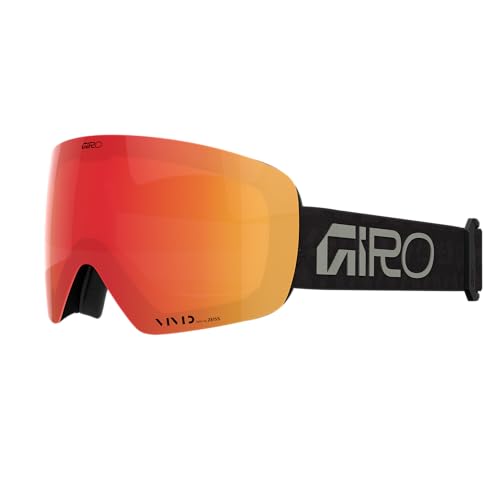
- ✓ Large field of view
- ✓ Fast lens changing system
- ✓ Comfortable fit for Asian faces
- ✕ Slightly expensive
- ✕ May feel tight for some
| Lens System | Quick-Change Magnetic-Assisted Lens System with self-locating magnets |
| Field of View | EXV+ Large Field of View |
| Ventilation Technology | EVAK Vent Technology with ultra-durable, non-absorbent foam |
| Lens Type | Toric VIVID lenses with Optics by Zeiss |
| Fit and Compatibility | Asian Fit, Seamless Compatibility with all Giro Helmets |
| Additional Features | Anti-fog coating, triple-layer face foam with microfleece facing, silicone-lined strap |
The first time I slid these Giro Contour RS Asian Fit Ski Goggles on, I immediately noticed how snug yet comfortable they felt around my face. The triple-layer foam with microfleece was soft against my skin, and the fit was perfectly tailored for my Asian face shape, which usually makes goggles feel off or gapy.
Fitting the lenses was surprisingly effortless thanks to the magnetic-assisted quick-change system. A few gentle clicks, and I had swapped between the vivid lenses designed for sun and overcast days—no fuss, no fumbling.
The magnets have a satisfying snap that reassures you the lens is secure, even with plenty of movement.
The expansive field of view blew me away, giving me a truly panoramic view of the mountain. It’s like I could see more of the trail ahead, which definitely helped with confidence during rapid descents.
The EVAK vent technology worked well, keeping fog at bay even when I was exerting myself on colder, humid days.
These goggles also felt stable with the silicone-lined strap, staying in place without slipping, even during aggressive turns. The anti-fog coating and the high-quality Zeiss optics lived up to the hype, providing clear vision without distortions.
Plus, they seamlessly integrated with my Giro helmet, making the whole setup feel like a cohesive system.
Overall, these goggles make a noticeable difference in clarity, comfort, and convenience, especially if you often switch between different light conditions. They’re a bit on the pricier side, but the features and build quality justify it for serious snowboarders or skiers.
Giro Contour Replacement Lens Vivid Royal

- ✓ Enhances contrast vividly
- ✓ Blocks UV effectively
- ✓ Resists fogging and scratches
- ✕ Pricey for a replacement lens
- ✕ Limited to Vivid Royal tint
| Lens Material | Polycarbonate |
| Lens Technology | VIVID with ZEISS optics |
| Lens Tint | Vivid Royal, 19% VLT |
| UV Protection | 100% UV filtering |
| Additional Coatings | Fog-resistant and scratch-resistant |
| Intended Use | Optimized for mixed cloud conditions in snowboarding |
As I slipped the Giro Contour Replacement Lens Vivid Royal into my goggles, I immediately noticed how crisp and clear the view became. The contrast boost was evident right away, especially when scanning the terrain ahead with mixed clouds overhead.
It’s like someone turned up the clarity knob on my vision.
The VIVID lens technology, developed in partnership with Zeiss, really lives up to the hype. Colors pop more vividly, and details like the edges of snow patches and rocky outcroppings stand out sharply.
It felt like I was seeing the mountain in a whole new way, which totally changed how I approached my runs.
What I appreciated most was how well it managed the glare. Even under brighter patches, I didn’t feel the usual strain or squinting.
The blue light filtering really helped me focus on my line without the haze that often comes with mixed weather conditions.
And since it’s designed for mixed clouds, I didn’t have to swap lenses during a quick weather shift. The durability is solid too – no scratches or fogging after a full day of riding.
The fit was snug without feeling tight, and the tint was just right for variable light.
Overall, this lens made a noticeable difference in my visibility and comfort. It’s a bit pricey, but given the clarity and protection, I think it’s worth it.
If you’re tired of squinting or missing details on the mountain, this lens could be your new best friend.
Where to Ski & Snowboard Worldwide Guide

- ✓ Comprehensive international coverage
- ✓ Easy-to-read layout
- ✓ Durable used condition
- ✕ Not real-time weather updates
- ✕ Slightly outdated info
| Edition | Used Book in Good Condition |
| Publisher | Mountain Sports Press |
| Price | $32.35 |
| Coverage | Worldwide Ski & Snowboard Locations |
| Format | Printed Guidebook |
| Subject Focus | Skiing and Snowboarding Conditions and Destinations |
Imagine you’re flipping through a well-worn guidebook, the pages slightly yellowed and the spine creased from years of use, as you plan your next snowboarding trip. You spot the section on the best snowboarding conditions worldwide and realize this book might be exactly what you need to find those perfect slopes.
The “Where to Ski & Snowboard Worldwide Guide” feels like a trusted friend in print. It’s packed with detailed descriptions of ski resorts across the globe, highlighting the best times to visit and the conditions you can expect.
I appreciate how it breaks down each location with clear, concise info—no fluff, just what matters.
The book’s layout makes it easy to scan for your next adventure. The maps and charts are surprisingly helpful, giving you a quick snapshot of snow quality, terrain difficulty, and local amenities.
I found it especially handy when trying to compare conditions between two different resorts in Europe and North America.
What really stood out is how up-to-date the tips are—though it’s used, it’s in good condition, with minimal wear. I could imagine tossing it in your backpack without worrying about wear and tear.
If you’re a detail-oriented snowboarder who loves planning ahead, this guide makes it simple to pick the best spots based on real-world conditions.
One small drawback is that it doesn’t include the latest snow forecasts, so you’ll still need to check online for current conditions. But overall, it’s a solid, reliable resource that enriches your travel planning and helps you chase those ideal snow days.
Giro Contour Asian Fit Ski Goggles – Vivid Ember & Infrared

| Lens System | Magnetic-assisted quick-change system with self-locating magnets |
| Field of View | EXV+ large field of view, widest in its class |
| Lens Technology | Toric VIVID lenses with Zeiss optics |
| Ventilation | EVAK vent technology with moisture-releasing vents and anti-fog coating |
| Fit and Compatibility | Asian Fit design, seamless compatibility with Giro helmets |
| Additional Features | Triple-layer face foam with microfleece lining, silicone-lined strap to prevent slippage |
Walking up the mountain, I immediately noticed how expansive the view felt through the Giro Contour Asian Fit goggles. The large EXV+ field of view really does deliver on that promise — it’s like my peripheral vision got a boost without any distortion.
When I swapped lenses for different lighting conditions, the magnetic-assisted quick-change system made it effortless. No fumbling or awkward fits — just a satisfying click, and I was good to go.
It’s one of those features that makes a big difference during long days on the snow, especially if the weather keeps shifting.
The EVAK vent technology impressed me, too. Even after hours of skiing, the goggles stayed fog-free, thanks to those tiny vents releasing moisture while blocking the elements.
I also appreciated how the foam felt plush against my face, and the microfleece lining kept things comfortable and dry.
These goggles fit snugly without pinching, thanks to their Asian Fit design, and the silicone-lined strap prevented slipping even when I was really moving. The Zeiss optics lenses offered crisp clarity, which made spotting terrain features a breeze.
Overall, these goggles handled everything I threw at them — bright sun, overcast days, and everything in between. They felt premium, durable, and thoughtfully designed for serious snowboarding.
If I had to pick a con, it’s the price — they’re definitely on the higher end. But considering the build quality and features, they’re worth the investment for anyone serious about their gear.
What Snow Conditions Are Ideal for Snowboarding?
The best snowboarding conditions can significantly enhance the experience on the slopes, providing optimal traction and comfort.
- Powder Snow: Powder snow, characterized by its light and fluffy texture, is often considered the holy grail for snowboarders. This type of snow allows for smooth turns and soft landings, making it ideal for both beginners and advanced riders looking to explore off-piste terrain.
- Spring Conditions: Spring conditions refer to the warmer weather that leads to softer, more forgiving snow. This type of snow is easier to maneuver on, allowing for longer days on the slopes, and is often ideal for park features and cruising, especially during late-season riding.
- Hard Pack: Hard pack snow is compacted and firm, providing a stable surface for carving and speed. While it may lack the softness of powder, experienced snowboarders often prefer hard pack conditions for racing and precision turns, as it allows for better edge control.
- Groomed Runs: Groomed runs have been smoothed out by snowcats, creating a consistent surface ideal for all levels of snowboarders. This condition is great for practicing techniques, enjoying a leisurely ride, and provides safety for those who may struggle with uneven terrain.
- Fresh Snow after a Storm: Fresh snowfall after a storm can create a perfect blend of powder on top of a firmer base, offering the best of both worlds. This condition allows snowboarders to enjoy the ease of powder riding while maintaining good control thanks to the underlying layer.
How Does Fresh Powder Enhance a Snowboarding Experience?
Fresh powder significantly enhances the snowboarding experience by providing optimal conditions for riders.
- Improved Floatation: Fresh powder allows snowboarders to glide smoothly on the surface rather than sinking into the snow. This floatation effect makes it easier to maneuver and perform tricks, giving riders a sense of weightlessness and freedom.
- Soft Landings: The soft, forgiving nature of powder snow cushions falls and impacts, making it safer for beginners and experienced riders alike. This softness can also enhance the enjoyment of jumps and tricks, as landing becomes less jarring.
- Less Resistance: Riding on fresh powder creates less friction compared to hard-packed or icy conditions, allowing for faster speeds and smoother turns. This reduction in resistance helps snowboarders maintain momentum and control while navigating various terrains.
- Natural Terrain Features: Powder snow often covers natural terrain features like tree runs, cliffs, and moguls, creating a unique and exhilarating riding experience. Exploring these features in fresh powder can lead to thrilling adventures and a deeper connection with nature.
- Enhanced Aesthetics: The pristine appearance of fresh powder creates a visually stunning environment that adds to the overall experience of snowboarding. The untouched landscape not only inspires riders but also enhances the sense of tranquility and escape from the everyday hustle.
What Types of Snow Should Snowboarders Avoid?
Snowboarders should be cautious of several types of snow conditions that can hinder their performance and safety.
- Ice: Ice forms when snow melts and then refreezes, creating hard and slick surfaces. Riding on ice can be extremely dangerous, as it reduces grip and increases the likelihood of falling or losing control.
- Slush: Slush occurs when warm temperatures turn snow into a wet, heavy consistency. This type of snow can be tiring to ride on, as it requires more effort to maneuver and can lead to sluggish turns.
- Crust: Crust is a layer of hard snow that forms when melting occurs and then refreezes, resulting in an unstable surface. Snowboarders may find it difficult to penetrate this layer, leading to unexpected falls or damage to their boards.
- Powder Over Ice: Fresh powder snow can be deceiving when it covers icy patches underneath. While it may seem soft and fluffy, snowboarders can unexpectedly hit the hard surface beneath, which can lead to falls or loss of control.
- Windblown Snow: Windblown snow can create uneven and variable surfaces, leading to difficult riding conditions. The hard-packed areas can be challenging to navigate, making it important to stay alert and cautious in such environments.
Which Weather Conditions Contribute to Optimal Snowboarding?
- Fresh Powder: Freshly fallen snow creates a soft and fluffy surface that allows for better control and smoother rides.
- Cold Temperatures: Cold weather helps maintain snow quality by preventing melting, ensuring a firmer base that is ideal for carving.
- Clear Skies: Sunny conditions improve visibility and warmth, making it more enjoyable to navigate the slopes without the hindrance of flat light.
- Low Wind Conditions: Minimal wind reduces the chill factor and enhances comfort, allowing snowboarders to focus on performance rather than battling the elements.
- Consistent Snowfall: Regular snow accumulation throughout the season maintains a healthy snowpack, providing ample coverage and varied terrain for snowboarders.
Fresh Powder: Freshly fallen snow creates a soft and fluffy surface that enhances flotation and allows for better control and smoother rides. Snowboarders often seek out powder days for the thrilling experience of gliding over an untouched blanket of snow, which can make for some of the most memorable runs.
Cold Temperatures: Cold weather helps maintain snow quality by preventing melting, ensuring a firmer base that is ideal for carving and executing tricks. Temperatures below freezing are optimal as they preserve the snow’s integrity, allowing for a more enjoyable and safer ride.
Clear Skies: Sunny conditions improve visibility and warmth, making it more enjoyable to navigate the slopes without the hindrance of flat light. Clear skies also enhance the scenery, allowing snowboarders to appreciate the beautiful mountain landscapes as they ride.
Low Wind Conditions: Minimal wind reduces the chill factor and enhances comfort, allowing snowboarders to focus on performance rather than battling the elements. Strong winds can lead to discomfort and even dangerous conditions, making calm days preferable for a pleasant snowboarding experience.
Consistent Snowfall: Regular snow accumulation throughout the season maintains a healthy snowpack, providing ample coverage and varied terrain for snowboarders. This consistency ensures that snowboarders have access to a range of conditions and features, from fresh powder to well-groomed runs, catering to different skill levels and preferences.
How Do Temperature and Humidity Affect Snow Quality?
- Temperature: The temperature determines whether precipitation falls as snow or rain and affects the snow’s structure and texture.
- Humidity: Humidity levels influence the moisture content in the snow, impacting its density and ability to hold versus release moisture.
- Snow Temperature: The temperature of the snowpack itself can lead to various types of snow, such as powder or slush, which are crucial for snowboarding efficiency.
- Freezing Levels: The elevation of freezing levels determines how snow behaves at different altitudes, affecting the quality of the snow on slopes.
- Wind Chill: Wind chill can impact the perceived temperature, which can alter snow conditions and rider comfort on the slopes.
Freezing Levels: The freezing level varies with altitude, meaning that higher elevations can maintain better snow conditions longer, especially after storms. Snow quality can deteriorate if the freezing level rises, leading to conditions that are less favorable for snowboarding.
Wind Chill: Wind chill can make riding conditions feel much colder, affecting not just comfort but also how snow behaves on the slopes. Strong winds can lead to snow being blown off the slopes or compacted heavily, altering the ride quality and safety for snowboarders.
What Impact Do Wind and Sunshine Have on Snow Conditions?
Wind and sunshine significantly influence snow conditions on the slopes, affecting both ride quality and safety.
Impact of Wind:
– Snow Redistribution: Strong winds can transport snow from one area to another, creating uneven conditions. Wind-blown areas may experience hard-packed surfaces, while sheltered spots can retain softer, powdery snow.
– Wind Chill: High winds can make temperatures feel significantly colder, which may require snowboarders to dress in extra layers to maintain warmth during their runs.
Impact of Sunshine:
– Snow Melting: Sunshine can lead to snow melting, particularly on south-facing slopes. This can create slushy conditions in the afternoon, which might slow down riders and reduce visibility due to reflected sunlight.
– Temperature Variance: On clear days, temperatures can rise rapidly, resulting in a crusty snow layer forming overnight. Early morning runs are often best, as the snow remains firm and fast before the sun softens it.
Monitoring wind and sunshine conditions is crucial for choosing the best time for snowboarding, ensuring both performance and enjoyment on the slopes.
When Is the Best Time of Year for Snowboarding?
The best time of year for snowboarding varies based on location, weather patterns, and personal preferences.
- Early Season (November to December): Early season offers fresh snow and fewer crowds, making it ideal for those who enjoy a quieter experience on the slopes.
- Peak Season (January to February): This period typically boasts the best snow conditions, thanks to consistent snowfall and well-maintained resorts, attracting many enthusiasts.
- Spring Riding (March to April): Spring offers warmer temperatures and softer snow, perfect for those who appreciate longer days and a more relaxed atmosphere.
- Late Season (May to June): In some regions, late season can provide unique snowboarding experiences, often with fewer crowds and special events, although conditions can vary significantly.
Early season snowboarding, from November to December, often features fresh powder as resorts open for the winter. However, this period can be unpredictable, with varying snow levels depending on the location and weather conditions, but it tends to be less crowded, allowing for a more relaxed experience.
Peak season, which generally falls between January and February, is regarded as the best time for snowboarding as it usually offers the most reliable snow conditions. Resorts are fully operational, and the chance of finding excellent powder and well-groomed runs is high, making it a favorite among serious snowboarders.
Spring riding occurs in March to April when temperatures start to rise, leading to softer, slushier snow. This time is favored for its pleasant weather, longer daylight hours, and often lively events at resorts, making it a fun choice for those looking to enjoy the sport in a more casual setting.
Late season snowboarding, from May to June, can still be enjoyable, especially in higher altitude resorts that maintain snow coverage. This period often features fewer crowds, unique spring events, and a fun, laid-back atmosphere, although snow quality can vary and is generally less stable than in the heart of winter.
What Factors Determine Peak Snowboarding Season?
The peak snowboarding season is influenced by several key factors that determine the best snowboarding conditions.
- Weather Conditions: The overall weather plays a significant role in snow quality and quantity. Ideal temperatures for snowboarding typically range from 20°F to 30°F, as this range helps maintain powdery snow while preventing melting.
- Snowfall Amount: The accumulation of fresh snow is crucial for optimal snowboarding conditions. Regions that receive consistent and substantial snowfall throughout the season are often considered the best places for snowboarding, as they provide ample powder to ride on.
- Resort Elevation: The elevation of a snowboarding resort can greatly impact snow quality and longevity. Higher elevations tend to have colder temperatures, which can preserve snow for a longer period, resulting in better conditions throughout the season.
- Time of Year: The timing within the winter season can significantly affect snow conditions. Generally, late December through early March is considered peak season, with January often providing the best conditions due to consistent snowfall and cooler temperatures.
- Terrain and Grooming: The type of terrain and how well it is groomed can also influence snowboarding conditions. Well-groomed runs can enhance the experience by providing a smoother surface, while natural terrain parks offer varied challenges that can be more exciting when conditions are optimal.
- Weather Patterns: Larger weather patterns, such as El Niño or La Niña, can affect seasonal snowfall trends. These phenomena can lead to either above-average or below-average snow conditions, impacting where and when snowboarding is best.
How Do Seasonal Changes Affect Snow Conditions Throughout the Year?
Seasonal changes significantly influence snow conditions, impacting the quality and availability of snow for snowboarding throughout the year.
- Winter: During the winter months, temperatures are consistently low, allowing for the accumulation of fresh snow, which is often powdery and ideal for snowboarding.
- Spring: As temperatures begin to rise in spring, snow conditions can become variable; while some areas may still have good snow, others may experience melting and slushy conditions, which can affect performance.
- Summer: In summer, most regions experience a complete loss of snow cover, making snowboarding virtually impossible, although some high-altitude resorts may offer limited summer snowboarding on glaciers.
- Fall: Fall ushers in cooler temperatures, but snow conditions are typically inconsistent; early snowfalls can create excitement for snowboarders, but often it is not enough for optimal conditions until winter fully sets in.
In winter, the snow is generally at its best, providing a soft and forgiving surface that enhances the snowboarding experience. Fresh powder and cold temperatures contribute to ideal conditions, making it the peak season for snowboarding enthusiasts.
During spring, the combination of warmer weather and longer days leads to more variable conditions. While some riders enjoy the softer, slushy snow that spring brings, it can be challenging for others who prefer firmer surfaces.
Summer typically marks the off-season for snowboarding, as most resorts close and snow melts away. However, a few high-altitude locations maintain some snow, catering to dedicated riders looking for a unique summer snowboarding experience.
Finally, fall can be a transitional period where anticipation builds for the upcoming winter. Riders may experience a few early snowfalls, but these are often insufficient for great conditions, leading to a waiting game for the reliable snow of winter.
How Can Different Terrain Features Improve Snowboarding?
Different terrain features can significantly enhance the snowboarding experience by providing varied conditions and challenges.
- Powder Snow: Fresh, unpacked snow creates the best snowboarding condition for many riders, as it allows for smoother turns and softer landings. The buoyancy of powder enables snowboarders to float on top, making it easier to navigate and perform tricks.
- Groomed Runs: Well-maintained trails offer consistent and predictable surfaces, ideal for beginners and those looking to refine their skills. Groomers provide a smoother ride, which helps in maintaining speed and control while carving turns.
- Terrain Parks: These areas are designed specifically for tricks and jumps, featuring features like rails, boxes, and jumps. They allow snowboarders to practice their aerial maneuvers and enhance their skills in a controlled environment.
- Natural Features: Elements like trees, rocks, and cliffs can create exciting challenges for more advanced snowboarders. Riding through natural terrain can improve a rider’s agility and decision-making, as they navigate around obstacles and varying snow conditions.
- Steep Slopes: Steeper runs provide an adrenaline rush and require more technical skills, making them suitable for experienced snowboarders. The challenge of navigating steep terrain can improve a rider’s control and confidence while descending at higher speeds.
- Backcountry Areas: These unmarked, off-piste zones offer untouched snow and natural terrain for adventurous riders. Snowboarding in the backcountry can lead to discovering unique lines and experiences but requires advanced skills and safety precautions due to variable conditions.
What Role Does Groomed Terrain Play in Enjoying Snowboarding?
Groomed terrain significantly enhances the snowboarding experience by providing optimal conditions for riders.
- Smooth Surface: Groomed terrain offers a flat and even surface, which is ideal for both beginners and experienced snowboarders.
- Consistent Snow Quality: The grooming process redistributes snow, ensuring a consistent texture that improves glide and reduces the risk of catching an edge.
- Enhanced Speed: Riders can maintain higher speeds on groomed runs due to the reduced friction and obstacles, making it easier to perform tricks and maneuvers.
- Improved Visibility: Well-groomed trails are often more visible, allowing snowboarders to navigate easier and identify hazards quickly.
- Increased Safety: Groomed terrain minimizes the likelihood of encountering hidden obstacles like rocks or ice, contributing to a safer riding environment.
Groomed terrain offers a smooth and even surface that is particularly beneficial for beginners who are still learning balance and control. It allows for a more forgiving experience, helping to build confidence as riders practice their skills.
The grooming process involves leveling the snow and packing it down, which helps create a consistent snow quality that enhances glide and reduces the chance of catching an edge, a common issue that can lead to falls.
Snowboarders can achieve greater speeds on groomed runs, as the reduced friction allows for smoother turns and easier transitions. This speed is especially advantageous for those looking to practice tricks or carve down the slopes.
Visibility is often better on groomed trails, as they are regularly maintained, making it easier for snowboarders to identify and avoid potential hazards. This clarity enables riders to focus more on their technique and enjoyment rather than worrying about unexpected obstacles.
Safety is a paramount concern in snowboarding, and groomed terrain significantly reduces the chances of encountering hidden dangers. By eliminating uneven patches and debris, groomed trails create a more secure environment for riders of all skill levels.
How Do Various Slopes and Trails Influence Snowboarding Conditions?
Snowboarding conditions are significantly influenced by the type of slopes and trails available at a resort. Different terrains cater to various skill levels and impact performance and enjoyment.
-
Gentle Slopes: Ideal for beginners, these slopes typically have a softer snow pack and less risk of accidents. They allow new riders to hone their skills in a controlled environment.
-
Intermediate Trails: These terrains often have varied conditions, combining groomed sections with natural features. Snow consistency can fluctuate, providing both challenges and opportunities for skill enhancement.
-
Advanced Slopes: Comparable to expert trails, these areas might feature steep inclines, jumps, and natural obstacles. Snow conditions can be variable due to less grooming, often resulting in a mix of powder, bumps, and hard-packed sections.
-
Parks and Pipes: Terrain parks with jumps, rails, and halfpipes are designed for freestyle enthusiasts. The conditions depend heavily on maintenance and weather but can provide excellent opportunities for tricks when groomed properly.
Understanding how different slopes influence snowboarding conditions helps riders make informed decisions, enhancing the overall experience on the mountain.
What Safety Precautions Should Be Considered in Varying Snow Conditions?
When snowboarding, it’s essential to consider various safety precautions based on the snow conditions.
- Powder Snow: Riding in deep powder can be exhilarating, but it can also pose risks like getting stuck or losing control. It’s crucial to be aware of avalanche danger and have proper gear, such as avalanche beacons, shovels, and probes, as well as the skills to navigate safely in such conditions.
- Wet Snow: Wet or slushy snow can lead to slower speeds and increased resistance, which might cause unexpected falls. Snowboarders should maintain a lower center of gravity and adjust their riding technique to prevent slips and slides that can result in injuries.
- Ice: Icy conditions can create treacherous surfaces with little grip, making it challenging to control your board. It’s advisable to use sharper edges on your snowboard and reduce speed when approaching turns to maintain stability and avoid falls.
- Crusty Snow: A crusty layer over softer snow can lead to sudden breaks that can throw a rider off balance. Snowboarders should be cautious and aware of their surroundings, as these unpredictable conditions can lead to falls or injuries if the board catches unexpectedly.
- Spring Conditions: As temperatures rise, the snow can become variable throughout the day, transitioning from firm in the morning to slushy or sticky in the afternoon. Riders should plan their runs accordingly and be prepared for changing conditions, adjusting their speed and technique as necessary.
How Do Weather Changes Affect Snowboarder Safety?
Weather changes significantly impact snowboarder safety by affecting snow quality, visibility, and avalanche risk.
- Snow Quality: Fresh snowfall can create ideal conditions for snowboarding, providing soft, powdery surfaces that enhance performance and reduce the risk of injury. However, fluctuating temperatures can lead to icy patches or slushy conditions, which can make control difficult and increase the likelihood of accidents.
- Visibility: Weather changes such as fog, heavy snowfall, or rain can significantly reduce visibility on the slopes. Poor visibility can lead to collisions with other snowboarders or obstacles, making it crucial for snowboarders to adjust their speed and riding style according to the weather conditions.
- Temperature Variability: Rapid changes in temperature can lead to the formation of ice or heavy wet snow, both of which can affect a snowboarder’s ability to maneuver safely. Cold temperatures can also lead to frostbite or hypothermia, emphasizing the importance of dressing appropriately and being aware of one’s limits in extreme weather.
- Avalanche Risk: Weather patterns, especially heavy snowfall or rapid warming, can increase the risk of avalanches in backcountry areas. Snowboarders need to stay informed about avalanche forecasts and conditions, as well as carry appropriate safety gear, such as beacons and shovels, when venturing off-piste.
- Wind Conditions: Strong winds can create dangerous conditions on the slopes, leading to wind chill that can cause hypothermia or making it difficult to maintain balance. Additionally, high winds can impact the stability of jumps and terrain parks, increasing the risk of falls during tricks and maneuvers.
What Are the Best Practices for Riding in Different Snow Conditions?
The best practices for riding in different snow conditions can significantly enhance your snowboarding experience.
- Powder Snow: Riding in powder requires a different technique compared to groomed runs; keeping your weight back and using a wider stance helps maintain floatation. It’s essential to initiate turns smoothly to avoid sinking, and using a snowboard designed for powder can significantly enhance your performance in these conditions.
- Groomed Runs: On groomed snow, maintaining a balanced body position and using your edges effectively allows for smoother turns and better speed control. Carving is more pronounced on these surfaces, so focusing on your technique helps maximize your enjoyment and efficiency as you navigate the slopes.
- Slushy Conditions: When snow turns slushy due to warmer temperatures, it’s important to adapt by adjusting your speed and making quicker, shorter turns to avoid getting stuck. Flexibility in your knees and staying low helps manage the softer snow, allowing for better maneuverability without losing momentum.
- Ice: In icy conditions, maintaining a lower center of gravity and using sharper edges is crucial for grip and control. Slowing down and making gradual turns helps prevent slipping, while learning to “skate” on your board can be advantageous when traversing steep, icy sections.
- Wet Snow: Wet snow can be heavy and challenging; thus, it’s important to lean forward slightly to maintain speed and avoid getting bogged down. Utilizing a snowboard with a stiffer flex can help manage the additional drag, allowing for a more responsive ride in these conditions.
- Spring Conditions: As temperatures rise, snow can become inconsistent; staying aware of changing conditions helps you adjust your riding style accordingly. Utilizing softer flex boards can offer better performance on variable surfaces, and being prepared for sudden changes in snow texture is key to maintaining control.