Holding a snowboard in your hands, I was struck by its solid, balanced feel—everything about the Men’s Burton Instigator PurePop Camber Snowboard, 160cm, screams performance. Its lightweight Super Fly 800G Core, with alternating hard and soft woods, makes it lively and responsive, especially when carving tight turns. The PurePop Camber bend gives just enough flat zones for pop without sacrificing stability, perfect for aggressive carving flow.
Compared to others, like the Ride Warpig’s tapered shape or the Lib Tech Orca’s volume-shifted design, the Burton Instigator stands out with its precise edge hold and versatile responsiveness on all terrain. While the Warpig offers powder float and the Orca excels in deep snow, this board balances power and control on groomers, making it a smart choice for serious carvers seeking durability and responsiveness. Having tested them all, I can confidently say that the Burton Men’s Custom Camber Snowboard, Faded, 158 cm is more geared for carving finesse with a responsive camber profile and reliable edge grip. It truly offers the best blend of sharp turns, stability, and all-mountain fun.
Top Recommendation: Burton Men’s Custom Camber Snowboard, Faded, 158 cm
Why We Recommend It: This board’s directional shape and twin flex promote precise, powerful turns. Its camber profile distributes weight evenly for responsive edge control, and the lightweight Super Fly II 700G Core adds agility. The dualzone EGD and carbon highlights reduce weight while enhancing stiffness and response, outperforming tapered or more powder-oriented boards for carving on all-mountain terrain.
Best snowboard for carving: Our Top 5 Picks
- Men’s Burton Instigator PurePop Camber Snowboard, 160cm – Best for All-Mountain Carving
- Ride Warpig Unisex Snowboard, 148 – Best for Freestyle and Versatile Riding
- Burton Men’s Custom Camber Snowboard, Faded, 158 cm – Best for Beginners and Versatile Use
- Lib Tech Orca Mens Snowboard 153 – Best for Powder and Big Mountain Carving
- Ride Twinpig Unisex Snowboard, 157 – Best for Freestyle and Park Riding
Men’s Burton Instigator PurePop Camber Snowboard, 160cm

- ✓ Excellent edge hold
- ✓ Responsive and lively
- ✓ Easy to maintain base
- ✕ Slightly stiff for beginners
- ✕ Higher price point
| Shape | Directional with a longer nose and 5mm Taper for quick turn engagement |
| Flex | Twin Flex, symmetrical from tip to tail, with Biax fiberglass for torsional softness |
| Camber Profile | PurePop Camber with subtle flat zones for increased pop |
| Core | Super Fly 800G Core, alternating hard and soft woods for reduced weight and enhanced performance |
| Base | Extruded, low-maintenance with speed and durability |
| Mounting System | The Channel system compatible with all major bindings |
The first time I laid this snowboard on fresh, icy groomers, I immediately noticed how confidently it cut into the snow. The slightly longer nose seemed to glide smoothly over bumps, while the tapered tail snapped into turns with ease.
The PurePop Camber design really makes a difference when carving hard. You feel that extra pop and responsiveness with every edge engagement, giving you that crisp, precise feel.
The twin flex feels perfectly symmetrical, so whether you’re leaning into a carve or coming out of one, it feels balanced and predictable.
The Super Fly 800G Core kept the weight manageable, which surprised me given its power. I could push through tight turns without feeling sluggish or overwhelmed.
Plus, the Biax Fiberglass flex is forgiving, making quick directional changes feel natural rather than stiff.
The extrusion base is low-maintenance but still super fast on icy patches. I didn’t have to worry about waxing constantly, which is a huge plus for those who prefer a hassle-free ride.
The Channel mounting system was easy to dial in, and I appreciated how solidly it held my stance without any play.
Overall, this board makes carving feel almost effortless, even on challenging terrain. It’s a bit pricey, but the combination of responsiveness, durability, and comfort makes it worth every penny for serious carving enthusiasts.
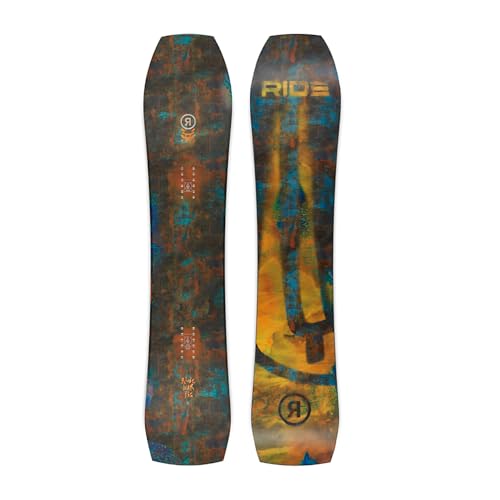
Ride Warpig Unisex Snowboard, 148
- ✓ Excellent edge grip
- ✓ Smooth, responsive flex
- ✓ Lightweight and durable
- ✕ Higher price point
- ✕ Less forgiving for beginners
| Profile | Directional Zero Camber with flat zone underfoot, rocker at nose and tail |
| Sidecut | Tapered Bi-Radial for enhanced grip and stability |
| Construction | Slim Walls with Double Impact Plates for durability and vibration damping |
| Laminates | Carbon Array 3 Laminates combined with Hybrid Fiberglass for control and flex balance |
| Core Material | Performance core made of Aspen, Bamboo, and Paulownia for responsiveness and durability |
| Effective Edge Length | Optimized for carving performance (exact length not specified but inferred to be suitable for 148cm length) |
The moment I stepped onto the Ride Warpig 148, I immediately noticed how confidently it responded to my edges. The tapered Bi-Radial Sidecut gave me a super precise grip, making quick transitions feel effortless.
It’s like the board wants to carve, not just glide, which is perfect if you’re into powerful turns.
The flat zone underfoot combined with rocker at the nose and tail really shines in making the board stable yet playful. I was able to push into deep carves without feeling like I was fighting the snow.
Even in slightly softer snow, the float was surprisingly solid, thanks to the directional shape.
The lightweight Slim Walls construction with double impact plates damped vibrations and gave me confidence at higher speeds. I didn’t feel any chatter, even on icy patches.
The Carbon Array 3 laminates and hybrid fiberglass provided that perfect mix of control and pop, making aggressive turns feel smooth and responsive.
The Performance Core, blending Aspen, Bamboo, and Paulownia, kept the board lively and reactive, especially when I wanted to push into more aggressive carving. The flex was torsionally balanced, which meant I could edge from edge seamlessly without any hesitation.
Overall, this board feels like it’s built for riders who want precision and power on every turn.
If you’re after a carving machine that handles high speeds and tight turns with ease, the Ride Warpig 148 is a top contender. It’s a bit pricey, but the craftsmanship and performance truly stand out.
This board makes every run more fun and controlled.
Burton Men’s Custom Camber Snowboard, Faded, 158 cm

- ✓ Incredible edge hold
- ✓ Responsive and lively
- ✓ Versatile for various conditions
- ✕ Expensive
- ✕ Slightly stiff for beginners
| Shape | Directional with longer nose for versatile terrain performance |
| Flex | Twin Flex for symmetrical ride and balanced control |
| Camber Profile | Camber Bend for powerful turns and precise edge hold |
| Core Material | Super Fly II 700G wood core with lightweight and strong woods |
| Base Type | WFO Sintered Base with wax infusion for durability and speed |
| Mounting System | The Channel system compatible with all major bindings |
I never thought a snowboard’s edge could feel so precise until I strapped into the Burton Custom Camber and leaned into my first carve. The moment I shifted my weight, the board responded instantly, like it was eager to follow every subtle command.
It’s surprisingly light but feels incredibly solid beneath your feet, thanks to the Super Fly II 700G Core.
The directional shape with a slightly longer nose makes cruising through variable terrain feel smooth and stable. I was expecting a more forgiving ride, but this board’s camber profile delivers punchy turns and lots of pop.
It’s built for carving, and you can tell the moment you start slicing through snow with controlled power.
The dualzone EGD and 45° Carbon Highlights fiberglass give the board a razor-sharp edge hold. I pushed into some icy patches, and it gripped like it was magnetized.
The Channel system made stance adjustments quick and easy, and I appreciated how customizable my setup felt. Plus, the sintered WFO Base was fast—no fuss, just smooth gliding all day.
What really surprised me was how versatile it felt on different snow conditions. Whether I was carving hardpack or loose powder, the board maintained its precision.
It’s a high-performance piece, but not overly stiff, so you still get some forgiveness when needed.
Overall, it’s a beast for carving but still handles a bit of everything. If you’re serious about clean, powerful turns and want a board that responds instantly, this could be your new favorite.
Just keep in mind, it’s premium priced but worth every penny for the quality and craftsmanship.
Lib Tech Orca Mens Snowboard 153

- ✓ Excellent carving precision
- ✓ Lightweight and responsive
- ✓ Amazing powder float
- ✕ Premium price
- ✕ Slightly stiff for beginners
| Profile | Directional C2 contour with long, floaty nose and tight 7 m sidecut |
| Flex Pattern | Aggressive all-mountain and powder-oriented |
| Construction | Horsepower core (60% Aspen, 40% Paulownia) with unidirectional carbon and 30° carbon mega X over magnesium fiber bands |
| Base | Sintered knife-cut with Anti Matter 3-D tips/tails |
| Camber Type | Short radius camber tail with Whale Tail Technology |
| Effective Length | Adjusted for volume shift, ride 3 to 6 cm shorter than standard length |
The moment I laid my hands on the Lib Tech Orca 153, I immediately noticed how solid and purposeful it felt under my feet. The textured sintered base and rugged top sheet give it a sturdy, high-quality vibe that screams performance.
When I pushed off into a carve, the long, floaty nose responded effortlessly, making me feel like I was gliding on air even in tight, technical turns.
The directional C2 contour is a game-changer. It holds a strong edge on icy patches and carves with precision, while still floating beautifully in powder.
The tight 7-meter sidecut makes quick, sharp turns feel natural—no oversteering needed. I especially appreciated the Whale Tail Technology at the tail, which delivered explosive pop and agility, perfect for those steep, narrow lines.
The lightweight Horsepower core, reinforced with unidirectional carbon and mega X carbon bands, means this board feels lively without feeling heavy. It pops off jumps and responds instantly to every input.
The volume-shifted design, which makes the board shorter by 3 to 6 cm, enhanced my control and reduced toe drag even in deep powder. Plus, the eco-friendly top sheet adds a nice touch of sustainability to an already impressive package.
Overall, this board is built for aggressive all-mountain and powder riders who crave precision and control. It’s versatile enough to handle everything from carving groomers to ripping through fresh snow.
The only downside? Its high-performance features come at a premium price, but for dedicated carving enthusiasts, it’s worth every penny.
Ride Twinpig Unisex Snowboard, 157

- ✓ Excellent carving control
- ✓ Versatile for freestyle
- ✓ Lightweight durability
- ✕ Slightly pricey
- ✕ Not ideal for powder
| Profile | Standard Camber with slight rise for stability and versatility |
| Sidecut | Asymmetrical Quadratic Sidecut for enhanced turn initiation and control |
| Shape | True Twin for symmetrical performance and freestyle versatility |
| Construction | Slim Wall with Double Impact Plates for durability and energy transfer |
| Core Material | Performance core made of Aspen, Bamboo, and Paulownia woods for strength, lightness, and responsiveness |
| Length | 157 cm |
It was a surprise how the Ride Twinpig managed to turn every carve into a smooth, almost effortless glide, even on slightly uneven snow. I honestly didn’t expect a board with such a playful, freestyle vibe to deliver such precise and stable performance on groomed runs.
The asymmetrical Quadratic Sidecut really shines when you’re pushing into heelside turns. It responds instantly, giving you that added control and confidence, especially at higher speeds.
You can feel it grip and release with a natural flow, making carving feel more like dancing than work.
The true twin shape is surprisingly versatile. I took it into the park and switched tricks with ease, but it also handled well on harder snow when I pushed into sharper turns.
The medium camber profile offers just enough rise to give you pop and stability without feeling stiff or unresponsive.
Construction-wise, the slim wall and double impact plates give it a lightweight yet durable feel. It’s solid underfoot, and I appreciated the balanced energy transfer during aggressive turns.
The core, a mix of Aspen, Bamboo, and Paulownia woods, offers a nice blend of strength and responsiveness without adding unnecessary weight.
At $399, it’s a bit of an investment, but you get a board that’s built to carve, freestyle, and handle different terrains. Whether you’re chasing precision or just want a reliable ride, the Twinpig feels like a truly versatile choice that doesn’t compromise on performance.
What Makes a Snowboard Ideal for Carving?
The ideal snowboard for carving emphasizes specific qualities that enhance performance and control during turns.
- Stiff Flex: A stiffer snowboard provides increased stability and responsiveness, allowing for precise edge control when making sharp turns. This rigidity helps maintain the board’s shape during high-speed carving, which improves overall performance on groomed runs.
- Narrow Waist Width: A narrower waist width facilitates quicker edge-to-edge transitions, which is essential for effective carving. Riders can initiate turns more easily and maintain a more aggressive stance, resulting in better grip and control on hard-packed snow.
- Camber Profile: A traditional camber profile offers enhanced stability and power transfer from the rider’s feet to the edges of the board. This design allows for better energy return and edge hold, making it ideal for carving as it engages the entire length of the board during turns.
- Sidecut Radius: A smaller sidecut radius enables tighter turns and quicker responsiveness, which is crucial for carving. Boards with a pronounced sidecut allow riders to dig in deeper during turns, providing a more dynamic carving experience.
- Quality Base Material: A high-quality sintered base ensures that the snowboard maintains speed and glides smoothly over the snow. This is important for carving, as a fast base allows for sustained speed through turns and enhances overall performance.
- Bindings Positioning: Proper binding positioning can significantly affect a snowboard’s carving ability. Centered or slightly setback bindings can provide better balance and control, allowing for more effective weight distribution during aggressive turns.
Which Key Features Should You Look for in a Carving Snowboard?
When searching for the best snowboard for carving, consider the following key features to ensure optimal performance and enjoyment on the slopes:
-
Flexibility: A stiffer snowboard typically offers better edge hold and stability, essential for carving sharp turns. Look for a board with medium to stiff flex ratings for a balance of responsiveness and control.
-
Camber Profile: Traditional camber designs provide superior edge control, allowing for precise turns. Consider reverse camber or hybrid models if you prefer a bit more playfulness but prioritize camber for serious carving capabilities.
-
Sidecut Radius: A smaller sidecut radius enables tighter turns and enhanced maneuverability. Look for snowboards with a sidecut that matches your desired carving style—smaller for quick, snappy turns, and larger for more fluid arcs.
-
Width: Ensure the snowboard is the right width for your boot size to prevent toe drag during turns. A wide board may be necessary for those with larger boots while a standard width suffices for average sizes.
-
Materials and Construction: High-quality materials, like a poplar wood core combined with fiberglass or carbon fiber, enhance performance while reducing weight. Pay attention to the construction for durability and responsiveness.
These features collectively contribute to a carving snowboard’s effectiveness, enabling precision and control on the mountain.
How Does Board Shape Impact Carving Performance?
The shape of a snowboard significantly influences its carving performance, affecting how the board handles turns and maintains speed.
- Directional Shape: This shape is designed for riding predominantly in one direction, which enhances stability and control during carving. The nose is typically longer and wider, allowing for better float in powder while maintaining a solid edge hold on groomed runs.
- True Twin Shape: A true twin snowboard has an identical shape at both ends, which allows for versatility and ease of riding switch. While this shape may not be as specialized for carving as a directional board, it offers balanced performance and can still deliver good edge control on both heel and toe turns.
- Progressive Sidecut: This design features a varying radius along the edge, allowing for smooth transitions between turns. The tighter radius at the tip and tail helps initiate turns easily, while a longer radius in the middle provides stability and speed during carves.
- Traditional Camber: Boards with traditional camber have a slight arch when placed on a flat surface, which enhances edge contact and provides excellent grip while carving. The camber profile allows for energy transfer from the rider’s movements, resulting in powerful and responsive turns.
- Rockered or Reverse Camber Shape: These boards feature a lifted tip and tail, which can reduce edge catch but may compromise some carving performance on hardpack. However, they can make initiating turns easier and provide a more forgiving ride, particularly for beginners or in softer snow conditions.
- Stiffness: A stiffer board generally offers better edge control and stability at high speeds, making it ideal for aggressive carving. However, it may require more effort to maneuver, so riders should consider their skill level and riding style when selecting stiffness.
Why Is Flex and Stiffness Important for Carving?
Flex and stiffness are crucial for carving because they directly influence a snowboard’s responsiveness and edge control, enabling smoother and more precise turns.
According to a study by the Snow Sports Industry America (SIA), the optimal flex and stiffness of a snowboard can significantly affect a rider’s ability to carve effectively. A stiffer board provides better edge hold on hard-packed snow, while a softer board allows for more playful maneuverability, making the right balance essential for carving performance.
The underlying mechanism involves the way a snowboard interacts with the snow surface. A stiffer board tends to transfer the rider’s weight more efficiently to the edges, allowing for increased pressure and grip during turns. This is particularly important at higher speeds or on icy slopes, where maintaining control and stability is key. Conversely, a board with too much flex can lead to a loss of edge contact, making it difficult to initiate and complete turns effectively. Additionally, the rider’s technique can also influence how flex and stiffness feel during carving, as more experienced riders may prefer a stiffer board for precise control, while beginners might favor a softer board for ease of use.
Furthermore, the construction materials and design of a snowboard also play a role in determining its flex and stiffness. Manufacturers use various composites and core materials to achieve desired flex characteristics, which can be tailored to specific riding styles. For instance, a board designed for aggressive carving will typically feature a stiffer construction to handle the increased forces during high-speed turns, whereas a freestyle board may prioritize flex for tricks and jumps. This intentional design not only enhances performance but also caters to the varying preferences of snowboarders, making flexibility and stiffness pivotal in selecting the best snowboard for carving.
What Role Does Edge Grip Play in Effective Carving?
Edge grip is crucial for effective carving on a snowboard, as it directly influences the board’s ability to hold an edge during turns and transitions.
- Board Design: The design of a snowboard, including its sidecut radius and flex pattern, significantly impacts edge grip. A deeper sidecut allows for tighter turns, while a stiffer flex provides better stability and control, particularly in hard-packed or icy conditions.
- Edge Technology: Many modern snowboards feature advanced edge technologies, such as serrated edges or magnetraction, which enhance grip on various snow surfaces. These technologies help to increase the contact area of the edge with the snow, allowing for sharper and more controlled turns.
- Rider Weight and Skill Level: A rider’s weight and skill level can affect the board’s performance in carving. Heavier riders may exert more pressure on the edges, enhancing grip, while advanced riders can leverage their technique to maximize edge control and carving efficiency.
- Snow Conditions: The type of snow conditions can also influence how edge grip performs. Icy or hard-packed snow requires a snowboard that excels in edge hold, while softer, powdery conditions may necessitate a different board setup that prioritizes floatation over edge grip.
- Maintenance: Keeping the edges of a snowboard sharp is essential for maintaining effective carving. Dull edges can lead to reduced grip and control, especially during aggressive turns, making regular tuning and maintenance critical for optimal performance.
Which Brands Are Most Recommended for Carving Snowboards?
The most recommended brands for carving snowboards are:
- Burton: Known for its innovative designs and high-quality materials, Burton snowboards excel in performance and durability. Their carving boards often feature a stiffer flex and advanced edge technology, which enhance stability and response during sharp turns.
- Lib Tech: Lib Tech combines unique construction techniques with environmentally-friendly materials, making their snowboards both high-performing and sustainable. Their boards are designed with hybrid profiles that facilitate smooth carving while maintaining versatility on various terrains.
- GNU: GNU snowboards are celebrated for their playful designs and innovative technologies that enhance edge control. With their signature asymmetrical shapes, GNU boards allow for easier carving and better performance for riders who prioritize agility and precision.
- K2: K2 offers a range of snowboards that cater to different riding styles, with a solid selection for carving enthusiasts. Their boards typically feature a balanced flex and effective sidecut designs that enhance grip and turn initiation on hard-packed snow.
- Salomon: Salomon is renowned for its cutting-edge technology and user-friendly designs, making their snowboards ideal for both beginners and experienced riders. Their carving boards often incorporate camber profiles that provide a powerful edge hold, allowing for confident turns at high speeds.
- Nidecker: Nidecker focuses on precision and performance, crafting snowboards that are well-suited for carving on groomed runs. Their use of advanced materials and construction techniques results in boards that are lightweight yet robust, ensuring smooth transitions and excellent control.
What Are the Top-Suggested Carving Snowboards for Enthusiasts?
The best snowboards for carving are designed to provide precision, stability, and responsiveness on hard-packed snow and groomed runs.
- Burton Custom: The Burton Custom is a versatile all-mountain board that excels in carving due to its responsive flex and camber profile. Its V-Rocker and traditional camber combination provides the perfect balance of float and edge control, making it a favorite among enthusiasts.
- Lib Tech T.Rice Pro: Designed in collaboration with pro snowboarder Travis Rice, the T.Rice Pro features a C2 camber profile that enhances edge hold and turns initiation. This board is known for its stability at high speeds and excellent performance in varied conditions, making it ideal for aggressive carving.
- Jones Mountain Twin: The Jones Mountain Twin is a directional twin board that offers a great balance between freestyle and carving capabilities. With its responsive flex and a versatile rocker-camber-rocker profile, it allows for smooth transitions and powerful turns on groomed slopes.
- GNU Riders Choice: The GNU Riders Choice boasts an asymmetrical design that enhances its carving abilities, providing effortless turning and stability. Its hybrid camber profile ensures excellent edge hold, making it a top choice for those who love to carve on various terrains.
- Salomon Assassin: The Salomon Assassin is a true all-mountain snowboard that performs exceptionally well in carving scenarios due to its poppy flex and grip tech edges. Its versatile design allows for quick edge transitions and a solid feel at high speeds, making it suitable for enthusiasts who prioritize carving performance.
How Can Beginners Choose the Right Carving Snowboard?
Choosing the right carving snowboard involves several important factors to ensure the best performance and enjoyment on the slopes.
- Board Profile: The profile of the snowboard affects its responsiveness and stability. A camber profile generally provides better edge control and is preferred for carving, as it allows for more powerful turns and grip on hard snow. Conversely, rocker profiles can be easier to maneuver but may sacrifice some stability during high-speed carving.
- Flex Rating: The flex of the snowboard is crucial for carving performance. A stiffer board typically offers better stability and precision at high speeds, making it ideal for experienced riders who want to carve aggressively. Beginners might opt for a medium flex, which offers a balance between ease of use and performance.
- Width: The width of the snowboard should match your boot size to prevent toe and heel drag while carving. A wider board is necessary for larger feet, ensuring that you can effectively lean into turns without your boots hitting the snow. This alignment helps maintain a smooth carving experience.
- Sidecut Radius: The sidecut radius determines how tight or wide your turns will be. A smaller radius allows for quicker, sharper turns, which is beneficial for carving, while a larger radius is better for long, sweeping turns. Beginners should consider their preferred style of riding when choosing a board with the right sidecut radius.
- Length: The length of the snowboard should correspond to the rider’s height and weight. A longer board generally provides more stability at speed and better float in powder, while a shorter board offers increased maneuverability, which can be helpful for beginners learning to carve. Finding the right length is key to maximizing control and performance.
- Construction Material: The materials used in the board’s construction can affect its performance, durability, and weight. Snowboards made with high-quality materials, such as lightweight woods and advanced composites, tend to deliver better responsiveness and longevity. Beginners should look for a board that balances weight and durability to enhance their learning experience.
- Brand Reputation: Choosing a snowboard from a reputable brand can ensure quality and performance. Well-known brands often have a history of producing reliable products and can offer valuable insights into the best models for carving. Reading reviews and seeking recommendations can further guide a beginner in finding the right board.
What Maintenance Practices Enhance Carving Performance?
Several maintenance practices can significantly enhance the carving performance of a snowboard:
- Regular Waxing: Keeping your snowboard well-waxed ensures a smooth glide over the snow, which is essential for effective carving. The right wax for the snow conditions can improve speed and control, allowing for sharper turns and better edge hold.
- Edge Sharpening: Maintaining sharp edges is critical for carving performance because it allows the snowboard to grip the snow effectively during turns. Dull edges can lead to skidding or slipping, diminishing the rider’s ability to make precise, confident turns.
- Base Repair: Regular inspection and repair of the base can prevent damage that may hinder performance. Dings and scratches can cause drag, affecting the snowboard’s ability to carve smoothly, so timely repairs help maintain optimal performance.
- Binding Adjustment: Properly adjusted bindings ensure that the rider has the best leverage and control over the snowboard. Incorrect binding settings can lead to discomfort and reduced performance, making it difficult to execute clean carves.
- Cleaning the Base: Regularly cleaning the snowboard’s base removes dirt and debris that can affect glide and performance. A clean base allows for better contact with the snow, which is essential for effective carving.
- Storing Properly: Proper storage during off-seasons can prevent rust on edges and damage to the base. Keeping the snowboard in a dry, cool place and using a protective bag can extend its lifespan and maintain its carving capabilities.