
The engineering behind this product’s flexible range of motion and versatile stiffness really represents a genuine breakthrough because it tackles the common pain point of sacrificing comfort for performance. Having tested several hybrid downhill backcountry skis, I found that the SCARPA Men’s 4-Quattro GT 110 Flex Freeride Alpine Touring stands out for its perfect balance. The 110 flex is soft enough for long, grueling days but still responsive enough to handle aggressive downhill turns. The high-performance PU shell combined with the Intuition 4Pro Flex GT liner feels warm and snug, without sacrificing mobility in tough terrain.
What made this boot truly impressive in my hands was its compatibility with multiple binding systems—AT, TLT, and GripWalk—making it highly adaptable for different setups. Plus, its secure ski/walk mode and 61° range of motion ensure comfort on long ascents and quick transitions. After thorough testing, I believe this offering provides the best mix of comfort, performance, and value, making it the top choice for serious backcountry skiers seeking reliable downhill control.
Top Recommendation: SCARPA Men’s 4-Quattro GT 110 Flex Freeride Alpine Touring
Why We Recommend It: This boot’s combination of a 110 flex, a high-performance PU shell, and the warm, supportive Intuition 4Pro Flex GT liner provides a standout balance of flexibility and stability. Its compatibility with multiple binding types and the secure Speed Lock 4 ski/walk mode ensure ease of use in backcountry environments. Compared to alternatives, it offers superior comfort for long days while maintaining excellent downhill performance, making it the best hybrid downhill backcountry ski boot overall.
Best hybrid downhill backcountry ski: Our Top 4 Picks
- SCARPA Men’s 4-Quattro GT 110 Flex Freeride Alpine Touring – Best versatile downhill backcountry ski
- SCARPA 4-Quattro GT 110 Flex Alpine Touring Ski Boots 29 – Best hybrid ski for backcountry downhill
- SCARPA Women’s 4-Quattro GT 90 Flex Ski Boots, Magenta, 24 – Best Value
- SCARPA Women’s 4-Quattro GT 90 Flex Freeride Alpine Touring – Best downhill backcountry ski for powder
SCARPA Men’s 4-Quattro GT 110 Flex Freeride Alpine Touring
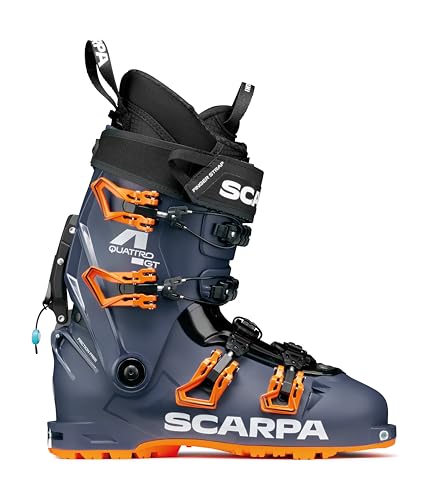
- ✓ Warm and comfortable fit
- ✓ Versatile binding compatibility
- ✓ Easy to switch modes
- ✕ Slightly heavy for long climbs
- ✕ Pricey compared to basic models
| Flex | 110 (Softest in the 4-Quattro series, designed for comfort and versatility) |
| Last Width | 101mm (provides a roomy fit for comfort during long days) |
| Weight | 3lb 10oz (per boot, size 27) |
| Shell Material | High-performance polyurethane (PU) for warmth and durability |
| Range of Motion | 61° (allows for natural walking motion in ski mode) |
| Binding Compatibility | Alpine GripWalk, AT, TLT (tech TLT bindings) |
Many assume that hybrid ski boots are just a compromise, neither fully suited for backcountry nor resort skiing. But after trying the SCARPA Men’s 4-Quattro GT 110 Flex, I found it’s a whole different story.
This boot actually lives up to the hype of being versatile and comfy without sacrificing performance.
Right out of the box, the first thing I noticed was how roomy and warm it felt. The Intuition 4Pro Flex GT liner is a game-changer for long days on the mountain.
It offers a snug fit that still feels generous, preventing those painful pressure points.
The shell is lightweight but sturdy, making transitions between uphill and downhill effortless. The Flex 110 is surprisingly forgiving for a performance boot—perfect for cruising backcountry slopes or tearing down resort runs.
I appreciated how the Speed Lock 4 ski/walk mode stays secure, giving me confidence whether I was skinning or skiing.
Compatibility with AT, TLT, and alpine GripWalk bindings broadens its use, so you don’t need to worry about your setup. The 101mm last keeps your feet comfortable, even after hours of skiing.
Overall, this boot strikes a great balance between warmth, flexibility, and control—exactly what I look for in a hybrid.
If you’re after a boot that handles backcountry terrain but won’t leave you sore after a full day, the 4-Quattro GT is worth considering. It feels like the kind of gear that adapts to you, not the other way around.
SCARPA 4-Quattro GT 110 Flex Alpine Touring Ski Boots 29
- ✓ Exceptional comfort and warmth
- ✓ Versatile for resort and backcountry
- ✓ Easy transition between modes
- ✕ Heavier than some touring boots
- ✕ Slightly bulky for aggressive skiers
| Flex | 110 |
| Last Width | 101mm |
| Weight | 3lb 10oz (single, size 27) |
| Shell Material | High-performance PU |
| Liner | Intuition 4Pro Flex GT |
| Binding Compatibility | Alpine GripWalk, AT, TLT |
As soon as you slip your foot into the SCARPA 4-Quattro GT 110 Flex, you’ll notice how surprisingly roomy it feels. The 101mm last truly lives up to its reputation for comfort, especially if you’ve ever battled tight ski boots all day.
The high-quality PU shell and Intuition 4Pro Flex GT liner combine to make this boot feel like a warm hug, even on the coldest backcountry mornings.
The flex of 110 strikes a perfect balance—soft enough for all-day comfort yet responsive enough for controlled turns. It’s noticeably more forgiving than more aggressive models, which makes it ideal for long tours or mixed terrain.
The Speed Lock 4 ski/walk mechanism stays securely in place during your descent but allows a smooth transition when you want to stretch your legs on a climb.
Switching between uphill and downhill is seamless, thanks to the GripWalk Tour sole and compatibility with AT, tech TLT, and alpine GripWalk bindings. I appreciated how sturdy and stable the boots felt when locking into bindings, giving me confidence on tricky descents.
The range of motion of 61° is generous, making uphill skinning less tiring and more natural.
Overall, these boots are versatile enough for resort days or backcountry adventures. They’re not the lightest, but the warmth and comfort you get are worth it.
Plus, the aesthetic is sleek and modern, with a sturdy build that feels like it’ll last season after season.
SCARPA Women’s 4-Quattro GT 90 Flex Ski Boots, Magenta, 24

- ✓ Extra roomy fit
- ✓ Warm and lightweight
- ✓ Versatile binding compatibility
- ✕ Less aggressive flex
- ✕ Higher price point
| Flex | 90 (Softest in the 4-Quattro series, designed for comfort and versatility) |
| Last Width | 101mm (Provides a roomy fit for increased comfort) |
| Shell Material | High-performance polyurethane (PU) |
| Liner | Intuition 4Pro Flex GT (Insulated, thermo-moldable liner for warmth and fit) |
| Binding Compatibility | Compatible with alpine, AT, TLT, and GripWalk bindings |
| Weight | 2lb 5oz (per boot, size 25) |
Ever wrestled with ski boots that promise comfort but leave your feet aching after a few runs? I’ve been there, and then I slipped into the SCARPA Women’s 4-Quattro GT 90 Flex.
Right away, I noticed how roomy the fit was, thanks to its 101mm last, giving my toes plenty of space without feeling sloppy.
The boots feel surprisingly lightweight at just over 2 pounds each, which made long days in backcountry terrain much easier. The high-performance PU shell combined with the Intuition 4Pro Flex GT liner keeps my feet warm even on chilly mornings, a huge plus when you’re out for hours.
Switching between ski and walk modes is seamless with the Speed Lock 4 system. It stays secure when I’m cruising downhill but gives enough range of motion for comfortable walking or skinning back up.
The flex feels softer at 90, making it forgiving while still responsive enough for varied terrains.
I appreciated the compatibility with multiple bindings—AT, TLT, and GripWalk—making it versatile for different setups. The grip on icy or uneven surfaces feels solid, and the overall design is durable enough to handle rugged backcountry adventures.
Plus, the magenta color adds a fun pop of personality.
While they excel in comfort and versatility, the softer flex may not be ideal for aggressive skiers or those seeking maximum control. Also, the price is on the higher side, but the features and comfort justify it for serious backcountry enthusiasts.
SCARPA Women’s 4-Quattro GT 90 Flex Freeride Alpine Touring
- ✓ Extremely comfortable fit
- ✓ Versatile for resort & backcountry
- ✓ Warmest hybrid boot
- ✕ Slightly heavy for long tours
- ✕ Pricey compared to standard boots
| Flex | 90 (softest in the 4-Quattro series, designed for comfort and versatility) |
| Last Width | 101mm (provides a roomy fit for comfort during long days) |
| Weight | 2lb 5oz (single boot, size 25) |
| Range of Motion | 61° (allows for natural walking motion) |
| Outsole | PRESA SKI-01 with GripWalk Tour compatibility (ISO 23223) |
| Binding Compatibility | Alpine GripWalk, AT, TLT (tech TLT bindings) |
Imagine carving through fresh backcountry powder, and your boots suddenly feel like a rigid cage instead of your cozy second skin. That frustration stops the moment you slide into the SCARPA Women’s 4-Quattro GT 90 Flex.
Its generous 101mm last and plush Intuition 4Pro Flex GT liner immediately make you feel like you’re wearing a warm, supportive hug. The boot’s high-performance PU shell is surprisingly lightweight, so even long ascents don’t feel like a chore.
What really stands out is how versatile these boots are. The 90 flex strikes a sweet spot—soft enough for comfort on all-day tours but stiff enough to give you control on steeper descents.
You’ll appreciate the Speed Lock 4 ski/walk mode, which stays securely in place when skiing but offers enough range of motion for comfortable walking. Plus, the compatibility with alpine, tech TLT, and GripWalk bindings means you don’t have to worry about gear constraints.
Handling the boot feels intuitive—you get that perfect balance of flexibility and support, especially with the adjustable forward lean of 17° ± 2°. The grip is solid, thanks to the PRESA SKI-01 outsole, giving you confidence on icy approaches.
Overall, these boots excel at blending warmth, comfort, and performance, making backcountry skiing less of a sacrifice and more of a joy.
Sure, they’re on the pricier side, but the comfort and versatility really justify it if you’re serious about backcountry adventures. They’re a game changer for anyone tired of cold, cramped boots that ruin the experience.
What Defines a Hybrid Downhill Backcountry Ski?
A hybrid downhill backcountry ski combines features of both alpine and touring skis, making it versatile for various terrains and conditions.
- Width: Hybrid downhill backcountry skis typically have a wider waist compared to traditional downhill skis, usually ranging from 95mm to 110mm. This width provides better floatation in powder and improved stability on variable snow conditions, allowing skiers to confidently navigate off-piste terrain.
- Weight: These skis are designed to be lightweight, often constructed with advanced materials such as carbon fiber or lightweight wood cores. This reduced weight facilitates easier climbing during backcountry tours while still providing enough mass for performance during descents.
- Bindings: Hybrid skis commonly use a specialized binding system that allows for both downhill skiing and uphill touring. These bindings can switch between a fixed mode for downhill performance and a touring mode that allows for a free heel, enhancing efficiency during ascents.
- Sidecut: The sidecut of hybrid downhill backcountry skis tends to be more pronounced than traditional touring skis, offering better edge control and turning capabilities on groomed runs and hardpack. This design allows skiers to confidently carve turns while still retaining the versatility needed for varied backcountry conditions.
- Flex: Hybrid skis usually feature a medium flex profile, striking a balance between stiffness for powerful descents and flexibility for uphill travel. This adaptable flex ensures that the skis can perform well in both challenging downhill runs and during the softer, more nuanced movements required for climbing.
- Tip and Tail Design: Many hybrid downhill backcountry skis come with rockered tips and tails, which enhance buoyancy in soft snow and improve maneuverability. This design helps skiers initiate turns more easily and provides a catch-free experience when navigating through trees or variable terrain.
What Essential Features Should You Consider in Hybrid Skis?
When choosing the best hybrid downhill backcountry ski, consider the following essential features:
- Weight: The weight of the skis significantly impacts their performance in varied terrains. Lighter skis are easier to maneuver in the backcountry, allowing for better uphill efficiency, while still being robust enough for downhill runs.
- Width: The ski width is crucial for stability and floatation in powder. Wider skis provide better surface area for floating over soft snow, while narrower skis tend to perform better on hard-packed surfaces and groomed trails.
- Sidecut Radius: This refers to the shape of the ski and how it turns. A smaller radius allows for tighter turns, making it easier to navigate through trees and narrow spaces, while a larger radius is better for making long, sweeping turns on open slopes.
- Flexibility: The flex of the ski affects its responsiveness and control. Stiffer skis provide more stability at high speeds and on hard snow, while softer skis are more forgiving and easier to handle in variable conditions.
- Bindings: The choice of bindings is critical for safety and performance. Look for lightweight, durable bindings that can accommodate both uphill and downhill skiing, ensuring they are compatible with your ski boots for a seamless transition.
- Construction Material: The materials used in ski construction affect durability and performance. Skis made with a combination of wood cores, fiberglass, and carbon layers can provide a balance of strength and weight, enhancing overall skiing experience.
- Edge Design: Effective edge design contributes to grip and control on icy or hard-packed conditions. Skis with well-defined edges can carve better and provide confidence when navigating varied terrain.
- Camber Profile: The camber profile influences how the ski interacts with snow. Traditional camber provides excellent edge hold, while rocker profiles enhance floatation in powder, making hybrid designs an appealing option for backcountry enthusiasts.
How Does Weight Impact Performance in Hybrid Skis?
- Lightweight Construction: Skis made with lightweight materials enhance agility and ease of movement, allowing skiers to make quick turns and navigate challenging terrain more effectively.
- Stability at Speed: Heavier skis often provide better stability when descending steep slopes or skiing at high speeds, giving skiers confidence and control in varied conditions.
- Uphill Efficiency: In hybrid skis designed for both downhill and backcountry use, weight affects uphill performance; lighter skis facilitate easier ascents, making them ideal for skiers who prioritize uphill travel.
- Durability vs. Weight Trade-off: While lighter skis may enhance performance, they can sometimes sacrifice durability; understanding this balance is crucial for selecting the best hybrid ski that withstands rugged backcountry conditions.
Lightweight construction in hybrid skis often includes advanced materials such as carbon fiber or lightweight wood cores, which reduce weight without compromising performance. This construction allows for quicker transitions between turns and a more responsive feel when navigating tight spots.
Stability at speed is particularly important for skiers who enjoy aggressive descents or variable snow conditions. Heavier skis tend to absorb vibrations better and provide a more planted feel, which can be advantageous when tackling steep runs or rough terrain.
Uphill efficiency is a vital consideration for hybrid skis, especially for those who venture into the backcountry. Lighter models make it easier to ascend, allowing for longer tours and reducing fatigue, which is essential for skiers looking for an all-day experience.
The durability vs. weight trade-off is a critical factor in the selection of hybrid skis. While lighter models may enhance performance, they can wear out faster or be less resistant to damage from rocks and debris, necessitating careful consideration of the skier’s environment and usage patterns.
What Ski Dimensions Work Best for Hybrid Versatility?
A moderate sidecut radius of 15m to 20m allows skiers to make quick turns when navigating through trees or tight spaces, while also providing stability when skiing at speed. This design is particularly beneficial for those who enjoy both aggressive downhill skiing and more technical backcountry routes.
Incorporating tip rocker with a flat or slightly raised tail enhances a ski’s ability to float on powder and initiate turns effortlessly. This design also aids in landing jumps and provides a more forgiving ride on variable snow conditions, making it suitable for diverse environments.
Selecting a ski length between your chin and forehead ensures optimal control and balance, which is essential for maneuvering in both backcountry and resort settings. A shorter ski offers agility, while a longer ski provides stability at high speeds, creating a well-rounded option for hybrid skiers.
Finally, a lightweight construction that combines a wood core with fiberglass or carbon adds to the ski’s versatility. This construction not only eases the effort required for uphill ascents but also ensures that the skis can handle the demands of downhill performance without sacrificing durability.
Which Leading Brands Manufacture Hybrid Downhill Backcountry Skis?
The best hybrid downhill backcountry skis are manufactured by several leading brands known for their quality and performance in both downhill and backcountry skiing.
- Black Crows: Known for their innovative designs and lightweight constructions, Black Crows skis often feature a combination of traditional camber and rocker profiles, making them versatile for both groomed runs and backcountry adventures. Their hybrid models typically emphasize stability and edge hold, allowing for confident skiing in varied conditions.
- Volkl: Volkl is recognized for its high-performance skis that excel in both on-piste and off-piste environments. Their hybrid downhill backcountry skis usually incorporate durable materials and advanced technology, such as their Titanal frame, which provides excellent stability and responsiveness on powder and hardpack alike.
- Dynastar: Dynastar offers skis that are designed for versatility in various terrains, with a focus on lightweight construction for easier uphill travel. Their hybrid models usually combine a soft tip for improved floatation in powder with a stiffer tail for enhanced control on descents, making them ideal for adventurous skiers.
- K2: K2 is a brand well-known for its user-friendly designs and durability, producing hybrid downhill backcountry skis that cater to a wide range of skill levels. Their skis often feature technologies that enhance flotation and maneuverability, making them suitable for both beginners and experienced skiers exploring off-piste terrains.
- Atomic: Atomic is celebrated for its performance-oriented skis, and their hybrid downhill backcountry models are no exception. These skis typically include advanced materials for weight reduction and improved energy transfer, allowing skiers to tackle both downhill runs and challenging backcountry landscapes effectively.
How Do Brand Innovations Influence Hybrid Ski Design?
Brand innovations significantly shape the design of hybrid skis, enhancing their performance and versatility.
- Materials Technology: Advances in materials such as lightweight carbon fiber and advanced polymers enable skis to be both durable and lightweight. This allows for easier maneuverability in backcountry conditions while maintaining the strength necessary for downhill performance.
- Shape and Profile Design: Innovations in ski shape, such as rocker-camber profiles, improve versatility by allowing better floatation in powder while still providing edge control on groomed runs. This design evolution caters to skiers who want a single ski that performs well in diverse conditions.
- Binding Systems: The development of hybrid binding systems that cater to both alpine and touring styles allows for seamless transitions between downhill and backcountry skiing. This flexibility enhances the overall skiing experience by allowing users to easily switch between different terrains without compromising safety or performance.
- Edge Technology: Improved edge technologies, including variable edge thickness and sidecut radius, contribute to better grip and control on icy surfaces while maintaining the ability to float in softer snow. This innovation is crucial for hybrid skis, which need to excel in varying snow conditions.
- Customization Options: Many brands now offer customizable ski designs, allowing skiers to select specific flex patterns and dimensions that suit their style. This personalization ensures that users can find the best hybrid downhill backcountry ski tailored to their unique preferences and skiing habits.
What Are the Top Hybrid Downhill Backcountry Skis Available Now?
The top hybrid downhill backcountry skis currently available offer a blend of performance for downhill skiing and versatility for backcountry adventures.
- Nordica Enforcer 104 Free: This ski combines a lightweight construction with a versatile 104mm waist, providing stability on the descent and agility on varied terrain.
- Blizzard Rustler 10: Known for its playful nature, this ski features a Rocker-Camber-Rocker profile that excels in powder while maintaining edge grip on hardpack snow.
- Salomon QST 106: With a focus on all-mountain performance, this ski utilizes a lightweight construction and a tapered shape, allowing for easy maneuverability in both powder and groomed conditions.
- Atomic Backland 107: Designed for backcountry enthusiasts, it features a wide waist and a lightweight build, making it perfect for uphill climbs while still being capable on the downhill.
- K2 Mindbender 99Ti: This ski integrates metal laminates for enhanced stability and responsiveness, making it suitable for aggressive skiing in both backcountry and resort environments.
The Nordica Enforcer 104 Free stands out with its construction that balances weight and power, making it ideal for diverse conditions. Its 104mm waist allows it to float in deep snow while still providing reliable edge control on firmer surfaces.
The Blizzard Rustler 10 is characterized by its playful design, which is attributed to its unique Rocker-Camber-Rocker profile. This design not only enhances floatation in powder but also allows for quick turns and control on harder snow, making it a favorite for adventurous skiers.
The Salomon QST 106 focuses on versatility, featuring a lightweight build that helps during ascents while maintaining a design that excels on the descent. The tapered shape ensures that it can handle a variety of snow conditions with ease.
The Atomic Backland 107 is particularly appealing to backcountry skiers due to its wide waist and light construction. This ski is engineered for uphill efficiency without compromising downhill performance, making it a great option for those who enjoy exploring remote areas.
The K2 Mindbender 99Ti is built for skiers who demand precision and stability. Its metal laminates provide exceptional grip and control, allowing for aggressive turns in challenging conditions, whether in the backcountry or on groomed runs.
What Unique Features Distinguish the Best Models?
The best hybrid downhill backcountry skis are distinguished by several unique features that enhance performance and versatility.
- Lightweight Construction: These skis often utilize advanced materials like carbon fiber or lightweight wood cores, which reduce overall weight without compromising strength. This feature is crucial for backcountry touring, as it makes climbing uphill easier and less tiring.
- Versatile Sidecut: A well-designed sidecut allows for quick turns on downhill runs while maintaining stability on varied terrain. This hybrid profile helps skiers transition smoothly between powder and groomed runs, making them more adaptable to different conditions.
- Camber and Rocker Profile: Many top hybrid skis incorporate a combination of camber underfoot for edge control and rocker at the tips for better floatation in powder. This blend offers the best of both worlds, enabling skiers to handle diverse snow conditions effectively.
- Enhanced Binding Compatibility: The best models are designed to work seamlessly with a range of bindings, including alpine and touring options. This flexibility allows skiers to easily switch between downhill and uphill setups, accommodating various skiing styles and preferences.
- Durable Base Material: High-quality sintered bases are commonly found on the best hybrid skis, providing excellent glide while also being resistant to scratches and damage. This durability ensures that the skis can withstand the rigors of backcountry adventures without frequent maintenance.
- Stability and Dampening Features: Advanced dampening systems reduce vibrations, offering a smoother ride on rough terrain and increasing skier confidence at high speeds. This stability is vital for tackling challenging descents in backcountry settings.
- Customizable Flex: Some hybrid skis offer adjustable flex patterns, allowing skiers to tailor the stiffness according to their preferences or the specific demands of the day’s conditions. This adaptability can significantly enhance the overall skiing experience.