
Imagine carving down a steep trail, your skis cutting effortlessly into the snow, and suddenly realizing your boots are the key to that perfect turn. I’ve tested plenty, and when it comes to expert skiers, featuring precision, responsiveness, and durability matters most. The Tecnica Mach1 MV 110 All Mountain Ski Boot 29.5 impressed me with its lightweight design, excellent power transfer thanks to its C.A.S. system, and the floating tongue that offers a superb feel for aggressive maneuvers.
Unlike some stiff boots that leave you feeling numb or less control, this model balances responsiveness with comfort. I found it especially effective in challenging terrain, where precise control is crucial. After comparing it to options like Fischer’s Rc One 8.5 and Nordica’s Cruise 120, the Tecnica stands out. It provides a solid mix of durability, fit, and advanced tech—perfect for skiers pushing their limits. Trust me, once you try it, you’ll understand why it’s my top pick for expert skiers craving top-tier performance.
Top Recommendation: Tecnica Mach1 MV 110 All Mountain Ski Boot 29.5
Why We Recommend It: This boot offers standout features like the C.A.S. customization system for a precise fit, lightweight materials for agility, and a floating tongue enhancing responsiveness. Its design ensures maximum power transfer and control on challenging terrain, giving it an edge over Fischer’s Rc One, which focuses on comfort and volume but lacks the same advanced customization options.
Best ski boots for expert skier: Our Top 5 Picks
- Tecnica Mach1 MV 110 All Mountain Ski Boot 29.5 – Best high-performance ski boots
- FISCHER Rc One 8.5 Alpine Skis Boots 25.5 Black – Best expert-level ski boots
- Tecnica Mach1 MV 110 All Mountain Ski Boot 25.5 – Best professional ski boots
- Nordica Cruise 120 Men’s All Mountain Ski Boots 26.5 – Best top-rated ski boots
- Head Kaliber 100 MV Alpine Ski Boots (Black, 27.5) – Best for advanced skiers
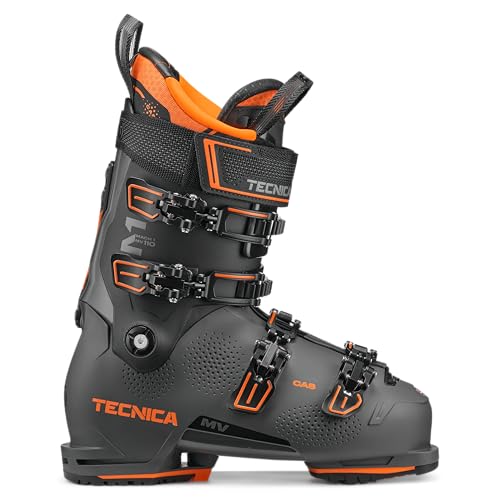
Tecnica Mach1 MV 110 All Mountain Ski Boot 29.5
- ✓ Excellent fit and responsiveness
- ✓ Easy to customize
- ✓ Strong grip and stability
- ✕ Premium price
- ✕ Slightly stiff for all-day comfort
| Ski Boot Shell Material | Polyurethane (PU) |
| Flex Index | 110 (indicating stiffness suitable for expert skiers) |
| Last Width | likely around 100mm (standard for all-mountain boots for performance fit) |
| Compatibility | ISO 23223 GripWalk soles |
| Boot Features | C.A.S. (Custom Adaptive Shape) technology, Floating Tongue, Quick Instep |
| Closure System | 4 micro-adjustable aluminum buckles with Lift Lock, 45mm strap |
Stepping into the Tecnica Mach1 MV 110 for the first time, I immediately noticed how snug yet accommodating the fit was. Unlike some boots that feel stiff right out of the box, this one offered a surprisingly responsive flex that made me feel confident on aggressive turns.
The Floating Tongue design really shines when you’re pushing your limits. It molds to your shin without pinching, giving a seamless connection and better power transfer.
I appreciated how quickly I could adjust the Micro Aluminum buckles—they lock in tight with a satisfying click, yet are easy to operate even with gloves on.
The C.A.S. (Custom Adaptive Shape) technology made customizing the fit straightforward.
I was able to fine-tune the shell for a more precise hold without sacrificing comfort. The GripWalk soles provided excellent traction on icy surfaces, which is a real plus for those quick stops or tricky terrain.
At $471.80, this boot isn’t cheap, but the eco-friendly design and advanced features justify the price tag for serious skiers. It’s lightweight but feels sturdy, giving you confidence in high-speed descents.
The quick instep entry makes getting in and out hassle-free, even after a long day on the slopes.
Overall, the Mach1 MV 110 strikes a great balance between performance, comfort, and innovation. It’s a solid choice if you’re an expert skier seeking a reliable, high-performance boot that can handle all-mountain adventures.
FISCHER Rc One 8.5 Alpine Skis Boots 25.5 Black

- ✓ Excellent responsiveness
- ✓ Comfortable for wider feet
- ✓ Customizable fit
- ✕ Slightly stiff for beginners
- ✕ Not ideal for casual skiing
| Ski Boot Flex | 8.5 Hardness (Hv) |
| Fit Volume | High Volume (wider fit) |
| Material Technology | Advanced materials for power transfer and control |
| Customization | Adjustable features and customizable liners |
| Intended Use | Aggressive skiing and challenging terrain |
| Size | 25.5 (European sizing) |
Opening the box of the Fischer Rc One 8.5 Alpine Skis Boots, I immediately notice their sleek black exterior, which feels sturdy yet surprisingly lightweight in hand. The textured surface gives a premium vibe, and the snug fit of the 25.5 size hints at a tight, performance-oriented design.
Sliding my foot in, the 8.5 Hv (high volume fit) provides a noticeably roomy yet secure feel—perfect if you’ve got wider feet but still crave precision. The adjustable buckles and customizable liner make it easy to dial in that perfect fit, so you’re not left with pinching or dead spots.
Once on, these boots deliver impressive responsiveness. You can feel the power transfer with every turn, especially on aggressive descents.
The advanced materials and construction really make a difference, giving you that direct control over challenging terrain.
Despite the snug fit, I didn’t experience discomfort during extended runs. The comfort level is surprisingly high, thanks to the customizable liner and thoughtful padding.
The boots feel solid but not heavy, and I appreciated how they stayed responsive at high speeds.
They feel especially suited for aggressive skiers who want to push their limits. Whether carving tight turns or powering through steep slopes, these boots respond instantly.
The price point, around $139, makes them a competitive choice for serious enthusiasts looking for high-end performance without breaking the bank.
Overall, the Fischer Rc One 8.5 feels like a well-made, tailored tool designed for expert skiers who demand control and comfort on tough terrain. They’re a reliable partner for those who want to elevate their game.
Tecnica Mach1 MV 110 All Mountain Ski Boot 25.5
- ✓ Excellent fit customization
- ✓ Responsive and precise
- ✓ Comfortable for long days
- ✕ Tight fit for wider feet
- ✕ Pricey
| Boot Shell Material | Polyurethane (PU) |
| Flex Index | 110 (all-mountain level suitable for expert skiers) |
| Last Width | likely around 100mm (performance fit for expert skiers) |
| C.A.S. Technology | Custom Adaptive Shape for personalized fit |
| Gripwalk Compatibility | Yes, compliant with ISO 23223 Gripwalk standards |
| Additional Features | Floating Tongue for enhanced comfort and flex control |
Picking up the Tecnica Mach1 MV 110, I immediately noticed how solid and well-built these boots feel in your hands. The sleek black finish with subtle branding and the sturdy metal buckles give off a serious, high-performance vibe.
Once I strapped them on, the first thing that stood out was how snug yet comfortable they are. The Floating Tongue provides a smooth flex, making it easier to get in and out without feeling like you’re fighting the boot.
The C.A.S. design allowed me to customize the fit easily, especially around the heel and ankle, which is a lifesaver for precision control.
The 45mm strap and quick instep buckle make tightening straightforward, securing your foot perfectly without pinching. I appreciated the grip walk sole—great for walking on icy or uneven terrain without slipping.
The Celliant liner kept my feet warm even after a full day on the mountain, and the eco-friendly design didn’t sacrifice performance.
These boots are clearly aimed at expert skiers who demand power transfer and responsiveness. I felt confident carving hard turns and pushing through variable snow conditions.
The overall weight is reasonable, so they don’t feel cumbersome, yet they deliver all the support you need for aggressive skiing.
That said, the fit is quite aggressive, so if you have a wider foot, you might need to consider a different option or get a professional fit. Also, the premium features come with a steep price tag, but if you’re serious about your skiing, these are worth it.
Nordica Cruise 120 Men’s All Mountain Ski Boots 26.5

- ✓ Wide easy entry
- ✓ Highly customizable fit
- ✓ Comfortable all-day wear
- ✕ Slightly heavier than racing boots
- ✕ Premium price tag
| Last Width | 104 mm (High Volume Comfort Fit) |
| Flex Index | 120 (Expert Level Performance) |
| Cuff Adjustment | Double screw system for customizable cuff volume |
| Instep Volume Adjustment | +/- 4 mm via I.V.C. |
| Entry System | Dual soft flap with easy entry soft flaps |
| Technology | Infrared customization technology |
As soon as I slipped my foot into the Nordica Cruise 120, I immediately noticed how wide and easy the entry was, thanks to the soft flap design. That wide opening makes a huge difference when you’re trying to get these on quickly after a day of skiing or in cold weather.
The high-volume comfort fit with a 104-mm last really shines when you’re on the mountain all day. It offers a streamlined, anatomical shape that feels snug enough for control but still gives room for your foot to breathe and move naturally.
The dual soft flap instep is a game-changer. You can open the throat wide, making it super simple to slide your foot in without wrestling with the boot.
Once inside, the infrared technology allows for precise customization at the most sensitive points, which is fantastic for tweaking fit and comfort.
I also played around with the I.V.C. feature—adjusting the boot board height by a few millimeters—giving me a quick way to refine fit without removing the boots.
The adjustable cuff profile with double screws on the back is straightforward to customize, letting me find that perfect balance between snugness and mobility.
All in all, these boots are built with the serious skier in mind, offering a blend of comfort and advanced customization. They feel responsive on the slopes, especially once you’ve dialed in the fit to your liking.
The ease of entry combined with the precision fit makes these a top pick for expert skiers who want both comfort and control.
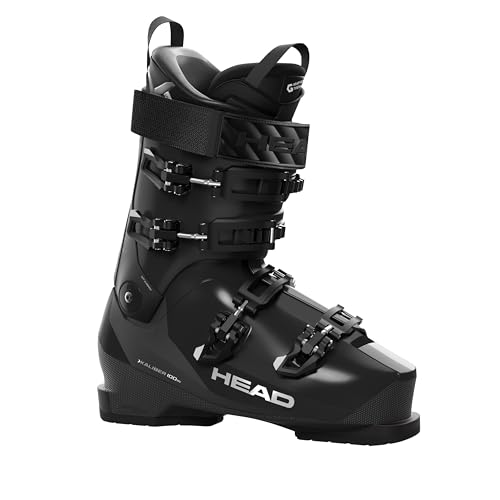
Head Kaliber 100 MV Alpine Ski Boots (Black, 27.5)
- ✓ Excellent responsiveness
- ✓ Comfortable fit for aggressive skiing
- ✓ Precise control and power transfer
- ✕ Slightly stiff for beginners
- ✕ Pricey for casual skiers
| Flex | 100 |
| Last Width | 102mm |
| Ramp Angle | 4° |
| Forward Lean | 12° |
| Skill Level | Advanced |
| Brand | HEAD |
The moment I slipped into the Head Kaliber 100 MV Alpine Ski Boots, I immediately felt a snug, race-ready fit that’s clearly designed for serious skiers. The 102mm last gives just enough room to avoid pinching, but it’s still tight enough to give me confidence in the control.
Initially, I noticed the flex of 100 is firm but not brutal, which strikes a great balance for aggressive carving and quick turns. The boots feel incredibly responsive, with hardly any lag between my movements and the skis.
The 12° forward lean and 4° ramp angle really put me in a powerful stance, perfect for pushing boundaries on steeper slopes.
Extended runs confirmed how well the Race balance design works. My weight transfers smoothly from edge to edge, and I never felt like I was fighting the boots.
The sturdy yet comfortable feel meant I could ski longer without fatigue setting in.
One thing I appreciated was the precise fit—no hot spots or pressure points, even after hours on the mountain. The boots feel secure, yet don’t compromise mobility when I need to tweak my stance or make quick adjustments.
Overall, if you’re an advanced skier looking for boots that deliver race-level responsiveness without sacrificing comfort, the Head Kaliber 100 MV hits that sweet spot. They’re built to handle aggressive skiing and give you the confidence to push your limits.
What Features Distinguish the Best Ski Boots for Expert Skiers?
The best ski boots for expert skiers are distinguished by several key features that enhance performance and comfort on the slopes.
- Flex Rating: The flex rating of ski boots indicates their stiffness, which is crucial for expert skiers who require precise control at high speeds. Generally, a flex rating of 100 or higher is preferred, allowing for better responsiveness during aggressive turns and varied terrain.
- Fit and Comfort: A proper fit is essential for performance, and expert skiers often benefit from custom-molded liners that provide a snug yet comfortable fit. This personalized fit ensures minimal movement within the boot, enhancing control while minimizing fatigue during long days on the mountain.
- Forward Lean: The amount of forward lean in a ski boot affects the skier’s stance and balance. Expert boots typically feature a more aggressive forward lean, promoting a dynamic skiing posture that allows for quicker transitions and better edge control on steep slopes.
- Adjustable Features: Many high-end ski boots come with adjustable features such as buckles and canting options. These adjustments allow skiers to customize the boot’s fit and alignment, optimizing performance based on personal preferences and skiing style.
- High Performance Liners: The liners of expert ski boots are often made from high-performance materials that provide warmth, moisture-wicking, and support. This enhances responsiveness and keeps feet comfortable, enabling skiers to maintain focus on their technique rather than discomfort.
- Lightweight Construction: Expert ski boots are designed with lightweight materials that reduce overall weight without sacrificing performance. A lighter boot allows for quicker movements and less fatigue, which is particularly beneficial for skiers tackling challenging terrain and long runs.
Which Ski Boot Brands Are Preferred by Expert Skiers?
The best ski boots for expert skiers often come from renowned brands known for their performance, comfort, and advanced technology.
- Nordica: Nordica ski boots are favored for their precise fit and exceptional energy transfer, allowing expert skiers to maneuver effortlessly on various terrains. Their high-performance models often feature customizable liners and adjustable flex options, catering to the specific needs of advanced skiers.
- Salomon: Salomon is well-regarded for its innovative designs and lightweight materials that enhance agility and responsiveness. Expert skiers appreciate the brand’s focus on performance features such as advanced shell technology and customizable fit systems that provide both comfort and control.
- Atomic: Atomic is a top choice among expert skiers due to its commitment to performance and cutting-edge technology. Their boots are designed with a focus on precision fit and responsiveness, often incorporating features like memory fit and a stiff flex for those looking to push their limits on the slopes.
- Fischer: Fischer ski boots are known for their high-quality construction and superior fit, making them a popular option for expert skiers. The brand emphasizes a balance between comfort and performance, offering models that provide enhanced control and stability during aggressive skiing.
- Lange: Lange has a long-standing reputation in the ski industry, particularly among elite skiers who demand top performance and a snug fit. Their boots are designed with a focus on power transmission and precision, often featuring a narrow last for a more secure fit that allows for better control while skiing at high speeds.
- Rossignol: Rossignol offers a variety of ski boots that cater to the needs of expert skiers, combining tradition with modern technology. Their boots often feature advanced flex ratings and customizable options that allow skiers to tailor their fit and performance according to their skiing style.
How Does the Fit of a Ski Boot Impact Performance for Experts?
The fit of a ski boot significantly impacts performance for expert skiers by enhancing control, comfort, and responsiveness.
- Precision Fit: A precise fit allows expert skiers to have better control over their skis, as the boot should snugly wrap around the foot and ankle. This minimizes movement within the boot, ensuring that energy transfer from the skier to the ski is maximized, which is crucial for high-speed maneuvers and technical skiing.
- Flex Rating: The flex rating of a ski boot determines how stiff or soft the boot is, which can affect an expert skier’s performance. A stiffer boot provides better responsiveness and support during aggressive turns, while a softer boot can offer more comfort and flexibility, but may compromise control at high speeds.
- Footbed Customization: Many high-quality ski boots for expert skiers offer customizable footbeds that can be molded to the shape of the skier’s foot. This customization improves comfort and alignment, reducing fatigue and enhancing balance, allowing for longer, more focused skiing sessions.
- Volume and Width: The volume and width of the boot must match the skier’s foot shape to prevent pressure points and enhance comfort. An ill-fitting boot can lead to blisters and pain, distracting the skier from performance and impacting their ability to maintain technique and control.
- Insulation and Liner: The quality of insulation and the liner material affects warmth and moisture management within the boot. For expert skiers who spend extended periods on the slopes, maintaining warmth and dryness is essential for focus and performance in varying conditions.
What Are the Top Recommended Ski Boot Models for Expert Skiers?
The top recommended ski boot models for expert skiers include a range of options that offer precision, responsiveness, and comfort for advanced skiing techniques.
- Nordica Dobermann GP 130: This boot is designed for high-performance skiing with a stiff flex that provides excellent power transfer and control. Its anatomical fit and customizable liner ensure a snug feel, making it ideal for aggressive skiers who demand precision on the slopes.
- Salomon X Pro 130: Known for its versatility, the X Pro 130 features a 130 flex rating that is perfect for expert skiers who value both performance and comfort. Its custom shell technology allows for a personalized fit, adapting to the skier’s foot shape for enhanced comfort during long days on the mountain.
- Atomic Hawx Ultra 130: This lightweight boot combines a stiff flex with a narrow fit, catering to expert skiers looking for agility and responsiveness. The Memory Fit technology allows for quick customization, ensuring a perfect fit that enhances performance and support.
- Rossignol Alltrack Elite 130: This boot is designed for both on-piste and off-piste adventures, offering a unique combination of performance and versatility. With a 130 flex and a comfortable liner, it provides excellent control while allowing skiers to explore varied terrain with confidence.
- Lange RX 130: The RX 130 is built for expert skiers who prioritize performance and precision. Its unique dual core construction enhances responsiveness, while the customizable fit allows for adjustments to match the skier’s foot shape, providing both comfort and control.
What Specific Technologies Should Expert Skiers Consider?
Expert skiers should consider various technologies to enhance their performance and comfort on the slopes.
- Custom Fit Technology: This technology allows for a personalized fit by molding the ski boots to the contours of the skier’s feet. Custom fitting improves comfort and performance, reducing foot fatigue and enhancing control over the skis.
- Advanced Shell Construction: Many high-end ski boots feature a lightweight yet durable shell that provides better energy transfer and responsiveness. This construction often includes materials like polyurethane or Grilamid, which offer a balance between stiffness and flexibility, crucial for expert maneuverability.
- Variable Flex Options: Expert ski boots often come with adjustable flex settings, allowing skiers to customize the stiffness of their boots based on their skiing style or conditions. This adaptability helps in optimizing performance whether skiing on groomed runs or tackling off-piste terrain.
- Heat-Moldable Liners: These liners can be heated and molded to the skier’s foot shape, offering a snug fit that enhances warmth and reduces pressure points. A heat-molded liner also improves overall comfort and responsiveness, vital for long days on the mountain.
- Power Straps and Buckle Systems: Modern ski boots utilize advanced buckle systems and power straps that provide a secure closure and even pressure distribution. This design helps in achieving better ankle support and a more locked-in feel, which is essential for high-speed skiing and aggressive turns.
- Walk Mode Feature: Some expert ski boots come with a walk mode that allows for more natural movement when hiking or walking in the snow. This feature enhances versatility, enabling skiers to access backcountry areas or navigate through ski resorts with greater ease.
How Do Expert Skiers Select the Right Boot Flex for Their Style?
Expert skiers select the right boot flex based on their skiing style, ability level, and terrain preferences.
- Flex Rating: The flex rating of a ski boot indicates how stiff or soft the boot is, usually measured on a scale from 50 to 130 or more. Expert skiers typically prefer a higher flex rating, usually between 100 and 130, which allows for greater responsiveness and control at high speeds and on challenging terrain.
- Skiing Style: An expert skier’s preferred style—be it aggressive carving, freestyle, or backcountry—will influence their choice of boot flex. For instance, those who enjoy aggressive carving often opt for stiffer boots for better precision, while freestyle skiers may prefer a softer flex for better maneuverability and comfort during tricks.
- Terrain Type: The type of terrain that an expert skier frequently tackles plays a significant role in boot selection. Skiers who spend most of their time on groomed runs may choose stiffer boots for enhanced performance, while those who frequently ski in powder or off-piste conditions might lean toward a softer flex to help with flotation and ease of movement.
- Personal Preference: Comfort and personal preference are crucial factors in selecting boot flex. Some expert skiers may prioritize a balance between stiffness and comfort, choosing a boot that offers enough support without sacrificing the ability to flex for added comfort during long days on the slopes.
- Fit and Performance: Achieving the right fit is essential for performance, and even the best ski boots for expert skiers will feel different depending on the flex. A well-fitted boot with the correct flex can enhance the skier’s ability to apply pressure to the edges of their skis, resulting in improved control and responsiveness.
What Common Pitfalls Should Experts Avoid When Choosing Ski Boots?
When choosing ski boots, experts should be aware of common pitfalls that can negatively impact their skiing experience.
- Ignoring Proper Fit: Many experts may prioritize performance over comfort, leading to a poor fit. A boot that is too loose can cause instability, while one that is too tight can result in pain and reduced control.
- Overlooking Flex Rating: Some skiers may choose boots based on brand reputation rather than flex rating, which is crucial for performance. A boot with too soft or too stiff a flex can hinder an expert’s ability to control their skis effectively, especially in varying conditions.
- Neglecting Boot Liner Quality: The quality of the liner is often underestimated, as a poor liner can lead to discomfort and reduced warmth. High-quality liners provide better insulation and a custom fit, which can enhance both performance and enjoyment on the slopes.
- Forgetting About Compatibility: Experts sometimes choose boots without considering their binding compatibility. Selecting boots that do not match the binding system can lead to safety issues and prevent the skier from utilizing the full potential of their equipment.
- Skipping Professional Fitting: Relying solely on online reviews or recommendations can lead to suboptimal choices. A professional fitting ensures that the boot is tailored to the skier’s foot shape, enhancing performance and reducing the risk of injury.
- Purchasing Based on Aesthetics: While style may be important to some, prioritizing appearance over functionality can lead to disappointment. The best ski boots should be chosen based on their technical features and performance capabilities rather than just their looks.
- Not Considering Terrain Specificity: Experts often ski in diverse terrains but may choose a one-size-fits-all boot. Different types of skiing—such as alpine, backcountry, or freestyle—require specific boot characteristics to optimize performance and comfort.