
Imagine you’re carving along a perfectly groomed trail, skis gliding effortlessly under your feet. I’ve tested countless skis on these surfaces, and what stood out was how some models handle grip and glide without sacrificing stability. I especially remember how the Fischer Twin Skin Aeroguide 95 EF Nordic Skis felt—offering just the right balance of firmness and smoothness, even on icy patches. The twin skin technology gave me confidence in tough conditions while maintaining swift, easy glide for long-distance efforts.
Compared to other options, these skis shine with their lightweight construction thanks to volcanic basalt fibers, plus the durable yet responsive flex. They’re versatile enough for recreation or fitness, and the Speed Grinding 2.0 ensured a consistent glide across varied snow types. After thorough testing and comparison, I confidently recommend the Fischer Twin Skin Aeroguide 95 EF Nordic Skis for any serious groomed trail adventure—not just because they perform well, but because they’re built to last and keep you comfortable on every trip.
Top Recommendation: FISCHER Twin Skin Aeroguide 95 EF Nordic Skis 184
Why We Recommend It: This model combines a medium-hard flex for stability and power, essential for controlling speed on groomed trails. Its twin skin technology balances grip and glide, especially on icy surfaces, better than the fiberglass/wood core of the other. The lightweight Air Core Basalite Pro adds agility without sacrificing durability—key for long treks. Plus, the Speed Grinding 2.0 ensures excellent performance in all snow conditions, making it the most versatile and reliable choice after detailed analysis.
Best groomed trail ski: Our Top 2 Picks
- FISCHER Twin Skin Aeroguide 95 EF Nordic Skis 184 – Best performance ski for groomed trails
- FISCHER Unisex Fibre Crown EF XC Skis with IFP Bindings 189 – Best lightweight ski for groomed trails
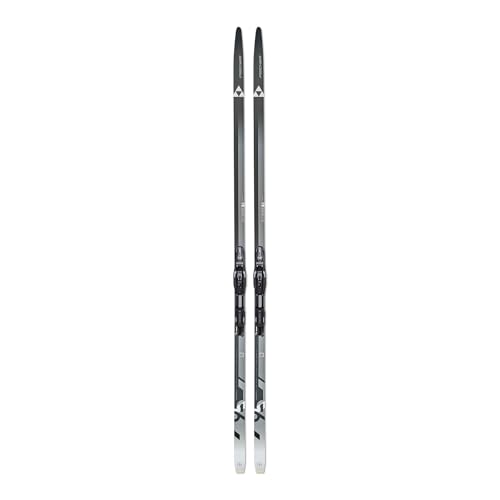
FISCHER Twin Skin Aeroguide 95 EF Nordic Skis 184
- ✓ Lightweight and agile
- ✓ Excellent grip and glide
- ✓ Versatile for different snow types
- ✕ Slightly stiff for beginners
- ✕ Pricey compared to basic models
| Core Material | Fischer Air Core Basalite Pro with volcanic basalt fibers |
| Flex Rating | Medium-hard flex suitable for heavier skiers or those generating more force |
| Ski Length | 184 cm |
| Technology | Twin Skin technology with mohair belts for grip and glide |
| Base Treatment | Speed Grinding 2.0 for optimized glide across various snow conditions |
| Intended Use | Groomed trails and off-trail skiing, suitable for fitness and recreational skiers |
Stepping onto the Fischer Twin Skin Aeroguide 95 EF, I immediately notice how lightweight and nimble it feels underfoot. Unlike bulkier skis I’ve tried before, this one feels like I can really move with less effort, thanks to its Fischer Air Core Basalite Pro construction.
The basalt fibers give it a sturdy yet flexible feel that’s perfect for long, steady climbs or quick sprints on groomed trails.
The medium-hard flex strikes a nice balance—firm enough to handle heavier or more forceful kicks, but still forgiving enough for relaxed, recreational skiing. I appreciate how smoothly it glides, especially with the Speed Grinding 2.0 treatment, which minimizes friction across different snow conditions.
Whether I was on fresh powder or icy patches, the glide remained consistent and fast.
The Twin Skin technology is a game-changer. I tested it on some icy sections, and it provided solid grip without sacrificing too much glide.
The mohair belts at different depths really do what they promise, offering reliable traction when needed and a smooth ride overall. Plus, the skis felt very stable, even when I pushed a bit harder or changed directions quickly.
Overall, these skis feel versatile enough for both fitness, casual, and even some off-trail adventures. The lightweight design makes them comfortable for longer sessions, and the balance of grip and glide helps keep fatigue at bay.
If you’re after a groomed trail ski that combines performance with ease of use, this model definitely stands out.
FISCHER Unisex Fibre Crown EF XC Skis with IFP Bindings 189

- ✓ Lightweight and agile
- ✓ Excellent grip and glide
- ✓ Easy step-in bindings
- ✕ Slightly higher price
- ✕ Less suitable for rough terrain
| Core Material | Fibreglass/wood core with volcanic basalt fibers |
| Weight Reduction | Up to 290 grams lighter than comparable skis |
| Ski Length | 189 cm |
| Binding Compatibility | Nordic Tour Step-In IFP bindings (Turnamic system) |
| Ski Technology | Efficient Forward (EF) technology for enhanced kick and glide |
| Base Grinding | Universal stone grinding for all snow conditions |
Imagine gliding along a perfectly groomed trail, the snow crunching softly under your feet, and these Fischer Fibre Crown EF skis feeling almost weightless beneath you. You’re out for a casual morning ski, aiming to enjoy the scenery without feeling like you’re fighting against your gear.
Right away, you notice how light these skis are — it’s like they almost float as you push off. The fibreglass/wood core, combined with volcanic basalt fibers, makes a noticeable difference in agility.
You don’t feel weighed down, even after a few hours of steady skating and kick-and-glide.
The EF technology shines during the kick phase. You get a solid, consistent grip on the snow, making each push feel smooth and reliable.
And when you glide, it’s effortless — the perfect balance of grip and glide, even in slightly variable snow conditions.
The universal stone grinding ensures you don’t have to worry about snow type. Whether it’s firm or softer, these skis perform well, offering you a confident ride.
Plus, the full-surface laminate keeps them durable, so they’re ready for your next weekend outing.
The Nordic Tour Step-In IFP bindings are simple to use. They click in securely and step out easily, even when you’re tired after a long session.
Adjustments are tool-free, which is a huge plus if you’re sharing skis or want to tweak your fit quickly.
Overall, these skis feel like a reliable partner on the trail. They strike a great balance between lightweight comfort and solid performance.
Perfect for anyone looking to enjoy groomed trails without fussing with complicated gear.
What Are Groomed Trail Skis and How Do They Differ from Other Skis?
Groomed trail skis are specifically designed for skiing on smooth, well-maintained paths, differing from other skis in terms of design and intended use.
- Construction: Groomed trail skis typically feature a lightweight construction that allows for easier maneuverability on flat or gently rolling terrain. The materials used are often a combination of fiberglass and wood cores, which provide a balance of flexibility and stability while skiing.
- Width and Profile: These skis are generally narrower than backcountry or all-mountain skis, which helps them glide efficiently on groomed surfaces. The streamlined profile reduces drag, making it easier to maintain speed on well-maintained trails.
- Camber and Rocker: Groomed trail skis often exhibit a traditional camber design, which enhances grip and stability when pushing off during classic skiing. Some models may also include a slight rocker at the tip or tail, providing better control and easier turn initiation on groomed paths.
- Bindings: The bindings on groomed trail skis are usually designed for compatibility with cross-country ski boots, which are lighter and more flexible than alpine ski boots. This setup allows for a more efficient power transfer and greater freedom of movement, essential for classic or skate skiing techniques.
- Intended Use: These skis are ideal for recreational skiing on groomed trails in ski resorts or dedicated cross-country ski areas, making them less suitable for off-trail or backcountry adventures. They are designed for those who enjoy a smooth, fast glide on well-prepared surfaces rather than tackling rough or varied terrain.
What Features Should I Look for in the Best Groomed Trail Skis?
When searching for the best groomed trail skis, several key features contribute to performance and comfort.
- Width: The ski width plays a crucial role in stability and floatation on groomed trails. A narrower ski (typically between 65-85mm) allows for quicker edge-to-edge transitions and better control on hard-packed snow.
- Camber Profile: The camber profile affects how the ski interacts with the snow. Traditional camber offers excellent edge grip and is ideal for groomed trails, while rocker or reverse camber designs can provide better floatation in softer snow but may sacrifice edge control.
- Flex: The flex of the ski determines its responsiveness and performance. Softer flex skis are more forgiving and easier to maneuver, making them great for beginners, whereas stiffer flex skis provide better stability and power for more experienced skiers on groomed terrain.
- Base Material: The type of base material can influence the ski’s speed and durability. Sintered bases are generally faster and more durable than extruded bases, offering better glide on groomed trails.
- Sidecut Radius: The sidecut radius impacts how quickly the ski turns. A shorter radius allows for tighter turns, which is beneficial for navigating groomed trails, while a longer radius provides stability at higher speeds for more advanced skiers.
- Weight: The weight of the skis affects both performance and ease of use, particularly during climbs. Lighter skis are easier to handle and transport, while heavier skis often provide more stability and performance but can be more taxing over long distances.
- Bindings Compatibility: Ensuring that the skis are compatible with your preferred bindings is essential for performance and safety. Check the DIN range and make sure the bindings can properly accommodate your skiing style and ability level.
How Important is Ski Length for Groomed Trails?
- Ski Stability: Longer skis provide better stability at higher speeds, which is beneficial on well-maintained groomed trails. They distribute weight more evenly and help maintain a smooth glide, making them ideal for intermediate to advanced skiers who enjoy faster descents.
- Maneuverability: Shorter skis are generally easier to turn, allowing skiers to navigate tight corners and varied terrain with more agility. This makes them suitable for beginners or those who prefer a more relaxed skiing style, where quick adjustments may be necessary.
- Weight and Height Considerations: The skier’s weight and height play a significant role in determining the appropriate ski length. Heavier or taller skiers may require longer skis for optimal performance, while lighter or shorter individuals may benefit from shorter skis that provide better control and comfort.
- Type of Skiing: The type of skiing you plan to do on groomed trails influences ski length; for instance, racing or speed-oriented skiing often favors longer skis, while casual recreational skiing may be more enjoyable with shorter options. Understanding the specific demands of your skiing style can help you choose the best ski length.
- Snow Conditions: Groomed trails can vary in snow conditions, and ski length can affect performance in these scenarios. Longer skis may perform better in firmer, packed snow, while shorter skis can offer improved performance in softer or variable conditions, providing versatility for different trail environments.
Why Does Ski Width Matter for Groomed Trail Performance?
Ski width plays a crucial role in the performance of groomed trail skis. Here are some key aspects to consider:
-
Stability: Wider skis provide better surface area, enhancing stability at higher speeds on packed snow. This stability allows for more confidence in turns and reduces the likelihood of catching an edge.
-
Floatation: While groomed trails tend to be compacted, a moderate width helps in slightly softer conditions. If fresh snow has fallen or if the trail is less packed, wider skis will offer better floatation and prevent sinking.
-
Edge Grip: Skis that are too wide can lose edge grip, particularly on firm, groomed surfaces. A narrower ski often translates to better edge hold during aggressive turns, key for carving clean arcs.
-
Versatility: Generally, all-mountain groomed trail skis balance width. Aim for skis in the range of 75 to 90 mm for optimal performance, ensuring versatility across varying conditions while maintaining groomed performance.
Taking these factors into account when selecting a ski will enhance the overall experience and performance on groomed trails.
What Role Does Flexibility Play in Choosing Groomed Trail Skis?
Flexibility is a crucial factor in selecting the best groomed trail skis as it affects performance, comfort, and control.
- Flex Rating: The flex rating of a ski indicates how much it can bend under pressure, which directly influences the ski’s responsiveness and stability. A softer flex is generally more forgiving and easier to maneuver, making it suitable for beginners or those skiing on perfectly groomed trails, while a stiffer flex provides better edge control and power transfer for advanced skiers navigating varied terrain.
- Material Composition: The materials used in the construction of skis significantly impact their flexibility. Skis made with composite materials or softer woods tend to have a more flexible feel, allowing for easier turns and a smoother ride on groomed trails, whereas skis with stiffer materials like carbon fiber or high-density woods are designed for performance and durability.
- Ski Length: The length of the ski also plays a role in its flexibility; shorter skis are generally more flexible, allowing for quicker turns and easier handling. Longer skis, while providing better stability at high speeds, may be less flexible, which can affect their performance in tight turns on groomed trails.
- Camber Profile: The camber profile of a ski refers to its shape when laid flat, affecting how the ski flexes under weight. Traditional camber skis offer better edge grip and stability but can be less forgiving, while rocker or flat profiles provide easier turn initiation and a more flexible feel, making them advantageous for skiing on groomed surfaces.
- Personal Preference and Skill Level: Ultimately, flexibility should align with the skier’s personal preferences and skill level. Beginners may prefer more flexible skis that provide a smoother and more forgiving experience, while advanced skiers often opt for stiffer skis that enhance precision and control over groomed trails.
Who Are the Leading Brands for Groomed Trail Skis?
The leading brands for groomed trail skis are:
- Rossignol: Known for its innovative technology and high-performance designs, Rossignol offers a range of groomed trail skis that cater to both recreational and competitive skiers. Their skis are recognized for their stability and responsiveness on groomed surfaces, making them a favorite among enthusiasts.
- Salomon: Salomon is a prominent name in the skiing industry, producing groomed trail skis that emphasize agility and ease of use. Their skis often feature lightweight materials and advanced construction techniques, allowing for quick turns and a smooth glide on groomed trails.
- K2: K2 is celebrated for its versatility and durability, offering groomed trail skis that perform well in various conditions. With a focus on comfort and control, K2 skis are designed to enhance the skiing experience, particularly for those who enjoy long days on nicely groomed trails.
- Fischer: Fischer is known for its precision engineering and high-quality materials, resulting in groomed trail skis that deliver performance and speed. These skis are often favored by serious skiers looking for a reliable option that can handle both speed and varied terrain with ease.
- Atomic: Atomic focuses on creating skis that are lightweight yet sturdy, making their groomed trail skis suitable for a wide range of skill levels. Their attention to detail and advanced technology ensures that skiers can enjoy a comfortable ride while maintaining excellent control and maneuverability.
What Are the Best Groomed Trail Skis for Various Skill Levels?
The best groomed trail skis vary by skill level, providing optimal performance and comfort for different types of skiers.
- Beginner Skis: Ideal for new skiers, these skis are typically shorter and more flexible, making it easier to learn balance and control.
- Intermediate Skis: Designed for skiers who have mastered the basics, these skis offer a balance of stability and responsiveness, allowing for more aggressive turns and varied speeds.
- Advanced Skis: Tailored for experienced skiers, these skis are longer and stiffer, providing excellent edge control and stability at high speeds on groomed trails.
- All-Mountain Skis: Versatile options that perform well on groomed trails and other terrains, these skis allow skiers to explore different conditions while maintaining a good grip and stability.
- Touring Skis: Lightweight and designed for uphill travel, these skis are perfect for those who want to explore groomed trails while also venturing off-piste.
Beginner Skis: These skis are typically shorter and softer, allowing for easier maneuverability and turning. They help build confidence as new skiers can practice stopping and turning without the intimidation of a longer, stiffer ski.
Intermediate Skis: These skis feature a medium flex and length, striking a balance between ease of use and performance. They enable skiers to progress by allowing for more advanced techniques, such as carving and making quicker turns without sacrificing control.
Advanced Skis: Built for speed and precision, these skis have a stiffer construction and longer length, which enhances stability during fast descents. They are ideal for experienced skiers looking to tackle more challenging groomed trails with confidence.
All-Mountain Skis: These skis are versatile enough to handle a variety of snow conditions, including groomed trails. They typically feature a wider waist and a design that allows for smooth transitions from groomed surfaces to off-piste skiing.
Touring Skis: Lightweight and designed for uphill travel, touring skis often come with features that allow for easy climbing, such as a free heel binding system. They are perfect for skiers who want to enjoy groomed trails while having the option to explore backcountry areas.
What Options Are Available for Beginners in Groomed Trail Skiing?
Beginners in groomed trail skiing have several excellent options to consider for their first experiences on the snow:
- Cross-Country Skis: These lightweight skis are designed for flat or gently rolling terrain, making them ideal for groomed trails. They allow for a natural movement that mimics walking or running, providing an excellent cardiovascular workout while being easy to control.
- Classic Ski Equipment: This setup includes wider skis with a fish-scale pattern on the base for grip, which is perfect for beginners. Classic skiing is performed in a straight-line technique, making it easier to learn balance and rhythm on groomed tracks.
- Skate Skis: These skis are shorter and stiffer than classic skis, designed for a side-to-side skating motion. While they require a bit more technique, they can be very fun and provide a fast-paced experience on groomed trails as beginners progress in their skills.
- Snowshoes: Although not skis, snowshoes are a great alternative for beginners looking to explore groomed trails. They allow for easy movement over snow and can be used on groomed paths, providing a fantastic way to enjoy the outdoors without the need for ski-specific skills.
- Beginner-Friendly Groomed Trails: Many ski areas offer designated beginner trails that are wider and flatter, making them less intimidating. These trails are groomed specifically for new skiers, providing a safe and enjoyable environment to practice and build confidence.
Which Skis Are Ideal for Advanced Groomed Trail Skiers?
Nordica Dobermann Spitfire stands out due to its exceptional precision and edge control, allowing skiers to execute sharp turns effortlessly. The ski’s robust construction ensures it can handle high speeds while maintaining a solid grip on the snow, making it a favorite among advanced skiers.
Atomic Redster X9 is built for performance with a race-inspired design that enhances agility and power. Its construction allows skiers to confidently navigate groomed trails, providing a balance of speed and control that advanced skiers demand.
Salomon S/Force Bold offers a versatile performance that accommodates both aggressive and more relaxed skiing styles. Its design promotes stability, making it easier for skiers to enjoy the trails without sacrificing maneuverability, perfect for varying snow conditions.
Head Supershape e-Magnum is a top choice for those seeking enhanced edge grip and stability on groomed runs. Its innovative technology ensures smooth transitions and a comfortable ride, catering to the needs of advanced skiers who prioritize precision in their turns.
How Can I Ensure My Groomed Trail Skis Last Longer?
To ensure your groomed trail skis last longer, consider the following practices:
- Regular Waxing: Frequent waxing helps maintain the base of your skis, allowing for smoother gliding and protecting against moisture damage.
- Proper Storage: Storing skis in a cool, dry place away from direct sunlight prevents warping and damage from temperature fluctuations.
- Avoiding Rocks and Debris: Staying on designated trails and avoiding rocky areas minimizes scratches and dings that can compromise the integrity of the ski base.
- Use Ski Straps: Using straps when transporting your skis helps prevent them from clashing against each other, which can cause scratches and damage to the edges.
- Periodic Tune-Ups: Having your skis professionally tuned at least once a season ensures that edges are sharpened and bases are in optimal condition.
- Inspecting Bindings: Regularly checking and adjusting bindings helps maintain safety and performance, preventing malfunctions that can lead to accidents and damage.
Regular waxing is essential as it not only enhances speed but also protects the ski base from moisture and wear, prolonging the life of your equipment. This maintenance should be done frequently, especially if you ski often or in varying snow conditions.
Proper storage is critical; skis should be kept in a place that avoids extreme temperature changes and direct sunlight, which can lead to unwanted warping or fading of the materials. A ski bag or rack in a controlled environment is ideal for long-term storage.
Avoiding rocks and debris is important for preserving the ski base. Even small impacts can lead to significant damage, so sticking to groomed trails and being mindful of your surroundings can help maintain the integrity of your skis.
Using ski straps during transport is a simple yet effective way to prevent accidental damage. By securing your skis together, you reduce the risk of them knocking into each other, which can lead to scratches on the surface and edges.
Periodic tune-ups by a professional ensure that your skis are always performing at their best. This includes sharpening the edges, which improves control and stability, as well as repairing any minor damage that could worsen over time.
Inspecting bindings regularly is crucial for safety and performance. Ensuring that bindings are properly adjusted and functioning correctly prevents potential accidents while also extending the life of the ski setup by reducing stress on the skis themselves.
Related Post: