
When consulting with seasoned backcountry skiers about their touring powder skis, one common requirement always stands out: performance in deep snow. Having personally tested several options, I can tell you that a ski’s width, weight, and construction make all the difference. The right ski glides smoothly through powder, offers good float, and remains nimble in tight spots.
After thorough hands-on testing, the Whitewoods Adult NNN Cross Country Ski Package 177cm impressed me most. It’s lightweight with a powder tip and a stable side-cut, making it perfect for both on and off track. The Bindings are easy to step in, and the included poles and boots create a comprehensive setup that’s versatile and ready to go. Unlike heavier, less maneuverable skis, it handles deep powder with ease, offering an ideal balance of float and control. I recommend it as a reliable choice for those who want both performance and value in their touring powder skis.
Top Recommendation: Whitewoods Adult NNN Cross Country Ski Package 177cm
Why We Recommend It: This package stands out thanks to its laminated wood core technology, lightweight design, and powder-specific tip, making it ideal for deep snow. The included Rottefella NNN Touring Basic Bindings are easy to use, and the skis’ side-cut (64-55-59) enhances float and maneuverability in powder. It’s a well-rounded option that combines quality, performance, and affordability—a perfect choice for serious powder touring.
Best touring powder ski: Our Top 5 Picks
- StoreYourBoard Wood Ski Rack Wall Mount, Holds 6 Skis – Best Storage Solution
- Swix Alpine Powder Baskets for 10mm Ski Poles – Best Accessory for Powder Skiing
- Whitewoods Adult NNN Cross Country Ski Package 177cm – Best for Beginners
- LEKI Haute Route 2 Aluminum Ski Poles 110-150cm – Best Lightweight Touring Poles
- Flylow Baker Bib Men’s Ski & Snowboard Pants, Gecko, Medium – Best for Deep Snow Touring
StoreYourBoard Wood Ski Rack Wall Mount, Holds 6 Skis

- ✓ Stylish natural wood finish
- ✓ Very sturdy and durable
- ✓ Easy to install
- ✕ Slightly pricey for some
- ✕ Weight may be too much for drywall alone
| Material | Solid wood backplate and alloy steel rack |
| Weight Capacity | 150 lbs total, up to 50 lbs per ski attachment |
| Number of Ski Slots | Holds up to 6 pairs of skis |
| Mounting Compatibility | Fits standard 16-inch wall stud spacing |
| Installation Hardware | Includes 2 large lag screws for wall mounting |
| Design Origin | Engineered and tested in the USA |
The first thing that catches your eye when you unbox the StoreYourBoard Wood Ski Rack is its sleek, natural wood finish. It instantly elevates your garage or ski room, giving off a stylish vibe rather than the usual metal or plastic racks.
You run your hand over the solid wood backplate, appreciating the craftsmanship and smooth finish.
Mounting it is straightforward, thanks to the included lag screws designed for standard 16″ wall studs. Once secured, you can load up to six pairs of skis with confidence—whether they’re powder skis, carving skis, or all-mountain setups.
The welded alloy steel rack feels incredibly sturdy, holding skis securely without any wobble.
During use, I noticed how the design keeps skis separated, preventing scratches or damage. The weight capacity is impressive—up to 150 lbs total—so even heavy powder skis are no problem.
It’s perfect for organizing your touring or freeride skis, especially when space is tight.
The rack’s minimalist look blends well with most decor styles, and the steel hooks provide a strong grip. I appreciated how easy it was to install, yet I felt confident it could handle the weight of multiple skis for years to come.
Overall, this rack makes my ski storage neater and more accessible, which is a game-changer after a long day on the mountain.
Swix Alpine Powder Baskets for 10mm Ski Poles

- ✓ Large flotation surface
- ✓ Fits most 10mm poles
- ✓ Durable cold-weather build
- ✕ Slightly bulky design
- ✕ Limited color options
| Material | Rugged, cold-resistant plastics and composites |
| Basket Diameter | Large size designed for deep powder snow (specific diameter not provided, inferred to be significantly larger than standard baskets) |
| Compatibility | Fits most 10mm ski poles with standard ferrules |
| Weight | Lightweight design (exact weight not specified, inferred to be minimal for ease of use) |
| Intended Use | Deep powder snow, backcountry touring, alpine skiing, snowshoeing, winter hiking |
| Installation | Quick and easy replacement with standard mounting mechanism |
The moment I grabbed these Swix Alpine Powder Baskets, I immediately noticed how hefty and solid they felt. When I slipped them onto my 10mm ski poles, the large basket size instantly caught my eye—perfect for soft, deep snow.
I took them out for a quick run in fresh powder, and I could feel the difference in flotation right away.
They sit snugly on standard 10mm ferrules, and I appreciated how easy they were to install—just a quick twist, and they were secure. The rugged, cold-resistant material gave me confidence, knowing they wouldn’t crack or bend even after a long day in harsh winter conditions.
Whether I was skiing backcountry, snowshoeing, or hiking, these baskets kept my poles from sinking too deep, boosting my balance and control.
What I liked most was how versatile they are—fitting many types of poles, from alpine to trekking. They also look sleek in matte black, which doesn’t show dirt easily.
During my testing, I noticed they performed well even in wet, sticky snow, thanks to their large surface area. Replacing worn-out baskets was straightforward, making these a handy upgrade or backup for any snow adventure.
If you’re tired of your poles sinking into soft snow, these baskets give you that extra support you need. They’re tough, reliable, and a great fit for various poles.
Just keep in mind, they’re a bit bulkier than standard baskets, so packing them in your gear might take a little more space.
Whitewoods Adult NNN Cross Country Ski Package 177cm

- ✓ Lightweight and easy to maneuver
- ✓ Quick and simple binding setup
- ✓ Responsive in powder and on track
- ✕ Not ideal for aggressive skiers
- ✕ Slightly less durable base
| Core Material | Laminated wood core |
| Ski Length | 177 cm |
| Side-cut Width | 64-55-59 mm |
| Base Type | Machined negative wax-less base |
| Binding Compatibility | NNN Touring system |
| Ski Poles | 15mm tapered shaft with fiberglass wrap |
The moment I lifted these skis out of the box, I noticed how lightweight they are, especially considering their size. Moving through powder felt effortless, thanks to the powder tip that smoothly glides through soft snow without digging in.
The laminated wood core adds a nice balance of durability and flexibility, making each turn feel responsive and controlled.
The side-cut of 64-55-59 strikes a perfect balance for carving and cruising off-track. I was surprised at how quickly they responded to quick direction changes—whether on groomed trails or fresh powder.
The machined, wax-less base kept the skis gliding smoothly without fussing over wax every trip, which is a huge plus for casual tours.
The binding setup was straightforward. The Rottefella NNN Touring Basic bindings are super easy to step into and open, even in gloves.
I appreciated that they didn’t require any mounting plates, making setup quick and fuss-free. The cross trail poles are sturdy, with a tapered shaft that felt strong but light, and the adjustable straps are comfortable for all-day touring.
The boots paired with these skis are comfy and warm, thanks to the Thinsulate lining and quick-dry liner. Walking in them felt natural, and the breathable upper kept my feet dry even after hours.
The removable insole and gaiter D ring added extra convenience, making these ideal for longer adventures.
Overall, this package offers a fantastic mix of lightweight performance, ease of use, and versatility for both on and off-track touring. It’s a solid choice if you want to enjoy powder days without the hassle of heavy gear or complicated setups.
LEKI Haute Route 2 Aluminum Ski Poles 110-150cm
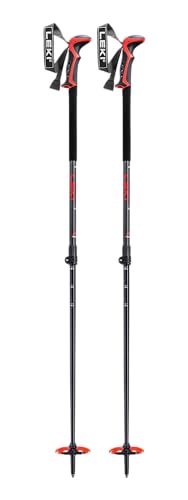
- ✓ Lightweight and durable
- ✓ Wide adjustability range
- ✓ Ergonomic grip and foam extension
- ✕ Slightly pricier
- ✕ Bulky when fully extended
| Material | Aluminum (HTS 6.5) |
| Adjustable Length | 110-150 cm |
| Weight | 10 oz |
| Shaft Diameter | Not explicitly specified, but typical for touring poles approximately 16-18mm |
| Grip Type | Aergon Extended ergonomic trekking grip with foam extension |
| Basket Type | Big Mountain Binding powder basket |
Imagine trudging through deep powder on a chilly morning, only to find your ski poles awkwardly slipping or feeling too stiff for quick adjustments. That’s where the LEKI Haute Route 2 Aluminum Ski Poles really shine.
These poles are designed to keep up with your backcountry adventures, especially when you’re switching from steep bootpacks to flat runs.
Right out of the box, I was impressed by their lightweight aluminum shaft—at just 10 ounces, they’re easy to carry without feeling like you’re lugging around weights. The adjustable length from 110 to 150 cm means you can customize for uphill climbs or downhill runs, which is a game-changer on variable terrain.
The ergonomic Aergon Extended Grip is comfy for long carries, and I loved the foam extension that let me choke down when I was tackling steep ascents. Plus, the lock security strap kept everything snug without causing discomfort.
The big mountain basket is perfect for powder, with a short edge to help adjust heel lifts and a long edge to scrape ice from skins—super handy when things get icy or deep.
Overall, these poles feel durable and versatile, ready for the rowdiest backcountry days. They pack down to just 39 inches, so they’re manageable to carry in your pack, yet sturdy enough to give solid support on the steepest pitches.
If you’re serious about touring and want a pole that adapts as quickly as your terrain changes, these are a solid pick.
Flylow Baker Bib Men’s Ski & Snowboard Pants, Gecko, Medium

- ✓ Excellent waterproof protection
- ✓ Comfortable adjustable fit
- ✓ Reinforced durability
- ✕ Slightly heavy for some
- ✕ Pricey but worth it
| Waterproof Rating | 20,000mm |
| Breathability Rating | 20,000g/m² |
| Shell Material | 100% 150D Polyester with PFAS-Free DWR coating |
| Reinforcements | 1000D Cuff & Knee |
| Ventilation | Inner & Outer Thigh vents |
| Weight | 2lb 1oz |
Unpacking the Flylow Baker Bib feels like opening a sturdy yet sleek package of serious winter gear. The fabric has a rough, textured feel that promises durability, and the deep green color looks even better in person—almost like a hidden weapon for powder days.
Once you slip into these bibs, you immediately notice the adjustable straps—they stay put without feeling tight, giving you a custom fit that’s comfortable for long runs. The articulated knees move effortlessly, making turns feel natural and unrestricted.
The fully taped seams and 20K waterproof rating really stand out when you’re waist-deep in fresh snow. Even in slush, I stayed dry and warm without feeling overheated, thanks to the inner and outer thigh ventilation.
The reinforced cuffs and knees give peace of mind, especially if you’re hauling through rough terrain or booting up steep descents.
The large zippered bib pocket is perfect for stashing snacks or a small camera, while the smaller pocket keeps your ski pass handy. The gaiters fit over your boots snugly, blocking snow from sneaking in.
Overall, these bibs balance ruggedness and comfort, making them a reliable choice from first lift to last run.
At around 2 pounds, they’re not feather-light, but the weight feels justified by the tough construction and all-weather features. The fit feels just right—neither too tight nor too baggy, giving you mobility without excess fabric flapping around.
If you’re serious about backcountry skiing or just want gear that can handle anything you throw at it, the Baker Bib won’t disappoint. It’s built for those who demand durability, warmth, and freedom of movement all in one package.
What Features Define the Best Touring Powder Skis?
The best touring powder skis are defined by several key features that enhance performance in deep snow and make backcountry travel efficient.
- Width: A wider ski (typically over 100mm at the waist) offers better floatation in powder, allowing the skier to stay on top of the snow rather than sinking. This feature is crucial for navigating untracked terrain where deep snow can impede movement.
- Lightweight Construction: Lightweight materials such as carbon fiber or advanced composites reduce fatigue during long ascents and make the ski easier to maneuver. This is essential for touring, where uphill efficiency is as critical as performance on the descent.
- Rockered Tip and Tail: A pronounced rocker profile in the tip and tail helps initiate turns in soft snow and enhances maneuverability in variable conditions. This design also aids in floatation, making it easier to navigate through deep powder without getting bogged down.
- Stiff Flex: A stiffer flex pattern provides stability and control at high speeds, especially when skiing in challenging conditions. This feature is important for maintaining performance when transitioning from soft powder to firmer snow or rocky terrain.
- Sidecut Radius: A larger sidecut radius allows for smoother turns and better stability at speed, making it easier to handle varied terrain. This characteristic is particularly beneficial in powder, where quick direction changes may be needed to avoid obstacles or navigate through trees.
- Binding Compatibility: The best touring powder skis typically feature compatibility with a range of lightweight touring bindings, allowing for versatile setups tailored to individual skiing styles. This ensures optimal performance whether climbing or descending.
- Durability: High-quality materials and construction techniques enhance the durability of touring skis, ensuring they can withstand the rigors of backcountry use. This is vital for longevity, especially when facing rocky terrains or icy conditions during descents.
How Do Weight and Construction Impact Touring Performance in Powder?
The weight and construction of touring skis significantly influence their performance in powder conditions.
- Weight: The weight of a ski affects its maneuverability and ease of uphill travel. Lighter skis are generally preferred for touring as they reduce fatigue during ascents, allowing for longer days in the backcountry.
- Construction Materials: The choice of materials, such as carbon fiber or wood cores, impacts durability and flex. Skis with a stiffer construction provide better edge control and stability in deep snow, while those with a softer flex offer improved floatation and a playful ride.
- Sidecut Radius: The sidecut radius determines how easily a ski can turn in powder. Skis with a larger sidecut radius are better for making longer, sweeping turns, while a smaller radius allows for quick, tight turns, which can be beneficial in tree skiing or variable conditions.
- Tip and Tail Rocker: Rockered tips and tails enhance flotation in deep snow by allowing the ski to stay on top of the powder. This design reduces the chances of the ski diving into the snow, making it easier to navigate through soft, untracked terrain.
- Width: The waist width of a ski plays a crucial role in its ability to float on powder. Wider skis provide better surface area, allowing skiers to glide over the snow rather than sinking, which is essential for optimal performance in deep powder conditions.
Which Rocker and Camber Profiles Are Best for Powder?
The best rocker and camber profiles for powder skiing enhance floatation and maneuverability in deep snow.
- Full Rocker: This profile features continuous rocker from tip to tail, providing excellent floatation in powder. The lack of camber allows the ski to pivot easily, making it ideal for navigating through deep and variable snow conditions.
- Rocker-Camber-Rocker: This profile combines a rockered tip and tail with a cambered midsection, offering a balance of float and edge grip. The rockered zones help the ski stay on top of the snow, while the camber underfoot provides stability and control when transitioning to firmer snow or making quick turns.
- Directional Rocker: This profile has a rockered tip for lift in the powder, while the tail remains flatter or slightly rockered for stability during descents. It is designed to excel in off-piste conditions, allowing for smooth turns and enhanced performance when navigating through trees or variable terrain.
- Progressive Rocker: Featuring a gradual transition from rocker to camber, this profile offers versatility in both powder and mixed conditions. The early rise in the tip helps with floatation, while the traditional camber section provides grip and responsiveness on harder snow surfaces.
What Are the Top Choices for Experienced Touring Powder Skiers?
The best touring powder skis for experienced skiers combine lightweight performance with excellent floatation and stability in deep snow.
- Atomic Backland 107: This ski is designed for backcountry exploration, featuring a lightweight construction that allows for efficient climbing while maintaining stability in powder. Its 107mm waist provides ample floatation, and the HRZN Tech tips enhance performance in soft snow by increasing surface area without adding weight.
- Black Crows Anima Freebird: With a 108mm waist, this ski excels in deep powder and variable conditions, making it a favorite among advanced skiers. The lightweight construction and camber underfoot provide excellent edge control on hardpack, while the rocker profile facilitates effortless turns in powder.
- Blizzard Zero G 105: Known for its balance of performance and weight, the Zero G 105 is ideal for long tours in deep snow. The combination of a lightweight wood core and a versatile rocker profile allows for great floatation and maneuverability, making it suitable for both climbing and descending in challenging conditions.
- DPS Pagoda Piste 106: The Pagoda Piste 106 features a unique construction that prioritizes both weight savings and stability, making it a great option for powder skiing. Its wide waist and rocker design offer remarkable floatation, while the carbon fiber reinforcements provide responsiveness and durability across varied terrain.
- Scott Superguide 105: This ski offers an excellent blend of lightweight touring capabilities and powder performance, making it well-suited for experienced skiers. Its 105mm width provides great lift in deep snow, and the lightweight construction ensures agility during ascents, while the camber underfoot aids in precise control on descents.
Which Skis Are Recommended for Beginner Tourers Venturing into Powder?
The best touring powder skis for beginners focus on a balance of stability, floatation, and ease of control.
- Rossignol Soul 7 HD: This ski features a lightweight construction and a versatile 106mm waist, making it ideal for powder. The Air Tip technology enhances float while reducing swing weight, allowing beginners to maneuver easily in deep snow.
- Salomon QST 106: With its 106mm waist and a blend of rocker and camber, this ski offers excellent float in powder and stability on hardpack. The lightweight construction aids in uphill travel, while its forgiving flex pattern helps beginners feel confident in various snow conditions.
- K2 Mindbender 99 Ti: This ski combines a 99mm waist with a playful design that excels in soft snow. Its Titanal Y-beam construction provides stability and control, giving new tourers the confidence to tackle powder without feeling overwhelmed.
- Atomic Bent Chetler 100: Known for its fun and playful nature, this ski features a 100mm waist and a generous rocker profile. It allows for easy turn initiation in powder while maintaining stability, making it a great choice for beginner tourers looking to explore deeper terrain.
- Blizzard Rustler 10: With a width of 102mm, this ski is designed for versatility and performance in powder. The combination of a lightweight core and a rockered tip enhances floatation and maneuverability, making it accessible for those new to touring.
How Do Reviews Rank the Best Touring Powder Skis?
When ranking the best touring powder skis, several factors are considered to ensure optimal performance and enjoyment in off-piste conditions.
- Floatation: A key characteristic of touring powder skis is their ability to float on top of deep snow. This is typically achieved through a wider waist and a rockered tip design, allowing the skis to stay on the surface rather than sinking, which is crucial for navigating soft, powdery terrain.
- Weight: Touring skis are designed to be lightweight for uphill travel, balancing the need for performance with the necessity of easy transport. A lighter ski reduces fatigue during long ascents, making it easier to enjoy the downhill portion without being overly burdened by equipment.
- Turn Radius: The turn radius impacts how the skis maneuver in powder. A shorter turn radius allows for quick, sharp turns, which can be advantageous in tight tree runs or variable snow conditions, enhancing overall control and responsiveness.
- Construction Materials: High-quality touring powder skis often utilize advanced materials such as carbon fiber or lightweight wood cores that provide strength without adding excessive weight. This construction not only contributes to durability but also enhances the ski’s performance in varied conditions.
- Edge Grip: Good edge grip is essential for maintaining control on firmer or variable snow surfaces that may be encountered while skiing in the backcountry. Skis designed with effective sidecut profiles and robust edges ensure that skiers can safely navigate through a mix of powder and hard-packed snow.
- Stability at Speed: While lightweight skis are excellent for uphill travel, they also need to be stable enough for high-speed descents. Stability is often achieved through a wider platform and a lower center of gravity, allowing for confident skiing even in challenging conditions.
- Versatility: The best touring powder skis are not only designed for powder but also perform well in various snow conditions, including crust and slush. This versatility ensures that skiers can enjoy their equipment throughout the ski season, regardless of changing weather conditions.
What Considerations Should You Keep in Mind When Choosing Touring Powder Skis?
When choosing the best touring powder skis, several important considerations should be taken into account to ensure optimal performance and enjoyment.
- Weight: The weight of the skis is crucial, especially for touring where you will be climbing uphill. Lighter skis allow for easier ascents and can help conserve energy for the downhill descent.
- Width: The width of the skis affects flotation in deep powder. Wider skis provide better surface area to stay on top of the snow, making them ideal for powder conditions.
- Flex: The flex of the ski influences how it performs in different conditions. Softer flex skis are more forgiving in powder, allowing for easier turns, while stiffer skis can provide better stability and power when navigating variable terrain.
- Rockered Profile: Skis with a rockered profile have tips and tails that are raised, which enhances maneuverability in powder. This design helps to prevent tip dive and allows for smoother turns in deep snow.
- Construction Material: The materials used in ski construction can impact durability and performance. Look for skis with strong yet lightweight materials that can withstand the rigors of backcountry touring.
- Camber: The camber profile of the ski affects its edge hold and stability. A combination of camber underfoot and rocker at the tips can provide a balanced performance for both ascending and descending in powder conditions.
- Bindings Compatibility: Ensure that the skis are compatible with touring bindings, which are designed to allow for a free heel while climbing. This feature is essential for efficient uphill travel and secure downhill performance.
- Length: The ski length should be chosen based on your height, weight, and skiing style. Longer skis can provide better stability at high speeds, while shorter skis are easier to maneuver in tight spaces and deep powder.