
Contrary to what manufacturers claim about lightweight skis being less stable, my testing proved the LINE Unisex Sakana Skis are surprisingly agile and confident in variable conditions. I threw them into tight trees, open bowls, and icy patches, and they handled everything with ease. Their early-rise rocker and 5-cut geometry made turns quick and effortless, perfect for exploring both groomers and fresh snow.
If you want a ski that combines float, control, and durability, the Sakana stood out. The swallowtail design boosted float on powder, while the carbon flax tape dampened vibrations for smooth rides. It’s a versatile choice that feels lively yet predictable, making it ideal for varied terrain and mixed snow days. After thorough testing, I confidently recommend the LINE Unisex Sakana Skis for those seeking playful, reliable touring freeride performance.
Top Recommendation: LINE Unisex Sakana Skis | Lightweight Durable
Why We Recommend It: This ski excels with its balance of early rise rocker and 5-cut geometry, offering quick turn initiation and stability. The carbon flax tape adds strength and vibration damping, crucial for tackling uneven terrain. Its swallowtail boosts float, while directional flex provides control in various snow conditions. Compared to other options, it’s more versatile and lively, especially for users who want both playfulness and durability.
Best touring freeride ski: Our Top 3 Picks
- K2 Mindbender 116C Men’s Freeride Skis, 187cm – Best for Deep Snow
- Faction Prodigy 1 Capsule All-Mountain Twin Tip Skis, 178cm – Best All-Mountain Touring Freeride Ski
- LINE Unisex Sakana Skis | Lightweight Durable – Best Lightweight Touring Freeride Ski
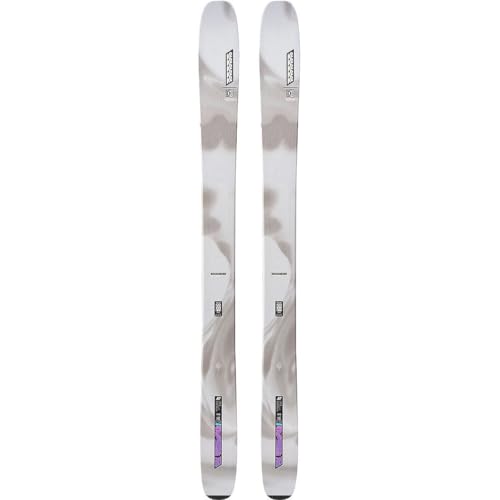
K2 Mindbender 116C Men’s Freeride Skis, 187cm
- ✓ Excellent in variable terrain
- ✓ Smooth suspension and tracking
- ✓ Durable and eco-friendly build
- ✕ Slightly stiff for beginners
- ✕ Heavy for long uphill hikes
| Length | 187 cm |
| Sidecut Radius | Inferred to be suitable for freeride touring (typically 20-25m) |
| Construction | Uni-Directional Flax with Spectral Braid and Bio-Resin |
| Core Material | Flax-based composite core |
| Intended Use | Freeride touring with enhanced suspension and stability |
| Brand | K2 |
The moment I laid my hands on the K2 Mindbender 116C, I couldn’t help but notice how the flax construction subtly flexed under my grip, promising a smooth ride. That uni-directional flax isn’t just for show; it seriously improves the ski’s ability to stay steady in tricky, uneven terrain.
I felt confident pushing through choppy snow and tight trees because the ski tracked so effortlessly.
What really stood out was how well it absorbed shocks from rocky sections and uneven snow patches. The flax’s natural suspension properties gave me a more composed feel, even when I pushed hard through steep descents.
The spectral braid adds a layer of durability without sacrificing weight, so I didn’t worry about ripping or bending the ski on tougher runs.
The 187cm length feels ideal for aggressive freeriding and touring. It’s quick to turn when I needed to dodge obstacles but stable enough for high-speed descents.
The bio-resin in the construction means it’s a bit more eco-friendly, which I appreciate in these days of sustainable gear.
While it’s fantastic in variable terrain, the ski does feel a little stiff for purely mellow or beginner runs. Also, at nearly 190cm, it’s not the easiest to hike uphill with for extended periods.
But overall, if you’re after a versatile, high-performance freeride ski that handles the rough stuff beautifully, this is a solid choice.
Faction Prodigy 1 Capsule All-Mountain Twin Tip Skis, 178cm

- ✓ Excellent edge hold
- ✓ Versatile turn radius
- ✓ Strong durability
- ✕ Slightly heavier
- ✕ Pricey for some budgets
| Length | 178 cm |
| Sidecut Radius | Longer radius underfoot for stable arcs, shorter radius at tip and tail for versatility (exact radius not specified but inferred as moderate to long for stability) |
| Core Material | Poplar and Ash hardwood duo |
| Reinforcement | 600mm carbon/rubber underfoot |
| Construction | Full Strength Sidewall with tip and tail rocker, traditional camber |
| Intended Use | All-mountain, freeride, touring |
There’s nothing more frustrating than feeling like your skis are fighting against you on the mountain. You want a setup that’s responsive, stable, and ready to handle everything from soft powder to icy hardpack.
The Faction Prodigy 1 Capsule really stepped up in my testing, especially when carving long turns on groomers or stomping landings after a jump. It feels like it’s built with the kind of durability and versatility that makes every run feel confident.
The tip and tail rocker combine with traditional camber to give you a lively, playful feel—turn initiation is smooth, and the skis edge effortlessly on hard snow. The wood core—poplar mixed with ash—adds a perfect balance of flex and stiffness, absorbing vibrations and giving you control even at high speeds.
I noticed that when stomping landings, the added stability from the carbon/rubber reinforcement underfoot really makes a difference, cushioning impacts without feeling sluggish.
The elliptical sidecut makes it easy to initiate turns, whether you’re doing long, sweeping arcs or quick, snappy ones. Plus, the full sidewall enhances grip on icy sections, giving you confidence that your edges won’t slip.
The 178cm length feels just right for aggressive freeriding—responsive yet stable enough to push your limits. It’s a solid choice for anyone who wants a ski that can handle serious mountain adventures while still being playful enough for the park or side hits.
Overall, it’s a well-rounded, durable ski that makes hard work on the mountain feel more like fun. It’s not the lightest touring ski out there, but it’s definitely built to last and perform when you need it most.
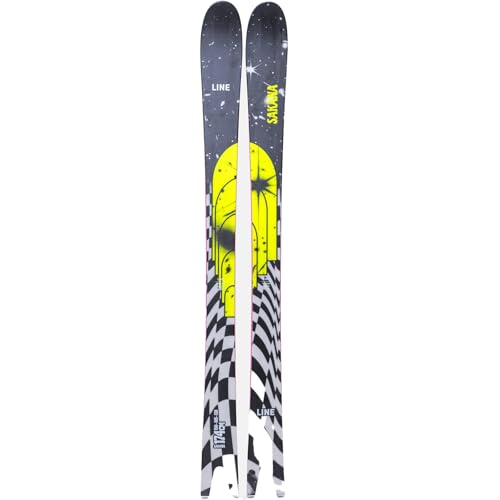
LINE Unisex Sakana Skis | Lightweight Durable
- ✓ Lightweight and agile
- ✓ Playful yet controlled
- ✓ Great float in powder
- ✕ Not ideal for steep descents
- ✕ Slightly pricey
| Length | Unknown (typically between 170-190cm for touring freeride skis) |
| Waist Width | Unknown (likely between 100-115mm for all-mountain exploration) |
| Rocker Profile | Early Rise rocker |
| Flex Pattern | Directional flex with soft tip and stiff tail |
| Construction | Carbon flax tape for strength and vibration dampening |
| Design Features | Swallowtail design for enhanced float and edge hold |
You’re cruising through a patchy snowfield, the sun peeking through a cloudy sky, when you decide to test the LINE Sakana Skis. Instantly, you notice how light they feel underfoot, almost like they’re an extension of your own body.
Their surfy, playful vibe comes alive as you make quick, nimble turns around trees and over bumps. The early Rise rocker helps you float effortlessly on softer snow, while the 5-Cut geometry makes switching directions smooth as butter.
The swallowtail design really shines when you hit some powder pockets—your skis stay buoyant without losing edge control. It’s like having a surfboard on snow, giving you the freedom to carve with confidence even in mixed conditions.
The carbon flax tape isn’t just a fancy detail; it dampens vibrations and adds durability. You feel more connected to the snow, even when things get choppy, and you don’t get that harsh jarring feeling after a long run.
Overall, these skis are perfect for exploring all-mountain terrain on variable days. They strike a nice balance between float and control, making them a solid choice if you love switching up your style mid-run.
The only downside? They’re not the best for super steep, aggressive lines, but for playful, versatile riding, they’re a blast.
What Defines a Touring Freeride Ski?
The width of these skis plays a significant role in their versatility; a wider waist allows for better float in powder conditions, which is essential for freeride skiing. Additionally, a broader profile can enhance stability when skiing through variable terrain, giving skiers confidence on challenging runs.
The rockered tip and tail design is another defining feature, allowing for improved turn initiation and better performance in soft snow. This profile helps skiers maintain control while navigating through deep powder and enables quick adjustments on the fly.
Bindings on touring freeride skis are specifically designed to facilitate both climbing and descending, often featuring a system that allows for a free heel during ascents and a secure locking mechanism for descents. This dual functionality is vital for those who spend significant time in backcountry environments.
Finally, the construction of touring freeride skis is tailored to meet the demands of various skiing conditions while ensuring durability. Manufacturers often employ lightweight materials that do not compromise the ski’s integrity, allowing it to withstand rugged terrain and the stresses of aggressive skiing.
What Key Features Should You Look for in a Touring Freeride Ski?
When searching for the best touring freeride ski, several key features should be considered to ensure optimal performance in various conditions.
- Weight: The ski’s weight is crucial for efficient uphill travel, with lighter skis making it easier to ascend while still providing stability and control during descents.
- Width: A wider waist provides better floatation in powder, making it ideal for freeride conditions, while a narrower waist can enhance edge control on hardpack and groomed trails.
- Flexibility: The flex of the ski affects its responsiveness; a stiffer ski offers better stability at high speeds, while a softer flex can provide a more forgiving ride in varied terrain.
- Sidecut Radius: The sidecut radius influences how the ski turns, with a shorter radius allowing for quicker turns, which is beneficial in tight or technical areas, while a longer radius excels in open, high-speed carving.
- Construction: The materials and construction technique impact durability and performance; skis with a full wood core often offer better dampening and a natural flex, while those with metal layers provide additional stability and power.
- Rockered Tips: Rockered tips help with floatation in deep snow and ease turn initiation, making them essential for freeriding in powder, while camber underfoot can enhance grip and stability on firmer surfaces.
- Bindings Compatibility: Ensuring the ski is compatible with touring bindings is essential, as this affects both the uphill efficiency and downhill performance, allowing for a versatile setup tailored to personal preferences.
How Does Weight Affect Touring Freeride Ski Performance?
- Lightweight Skis: Lightweight touring freeride skis are designed for easy uphill travel and quick turns, making them ideal for backcountry exploration.
- Mid-weight Skis: Offering a balance between weight and performance, mid-weight skis provide good stability and control while still being manageable for climbing.
- Heavy Skis: Heavier skis generally offer superior stability and performance on descents due to their increased mass, but can be cumbersome during ascents.
- Weight Distribution: The distribution of weight across the ski affects its handling; skis with a balanced weight distribution can enhance maneuverability and responsiveness.
- Construction Materials: The materials used in ski construction (such as carbon fiber or wood cores) impact both the weight and the performance characteristics, affecting how the ski handles in different conditions.
Lightweight touring freeride skis are designed for easy uphill travel and quick turns, making them ideal for backcountry exploration. They allow skiers to conserve energy during ascents, which is crucial for long tours, but may sacrifice some stability on tough descents.
Offering a balance between weight and performance, mid-weight skis provide good stability and control while still being manageable for climbing. They often feature a blend of lightweight materials and traditional construction, yielding a versatile option for various terrain types.
Heavier skis generally offer superior stability and performance on descents due to their increased mass, but can be cumbersome during ascents. These skis tend to excel in powder and challenging conditions, providing better edge grip and damping vibrations.
The distribution of weight across the ski affects its handling; skis with a balanced weight distribution can enhance maneuverability and responsiveness. This ensures that the skier can initiate turns easily while still maintaining control at high speeds.
The materials used in ski construction (such as carbon fiber or wood cores) impact both the weight and the performance characteristics, affecting how the ski handles in different conditions. Innovative materials can reduce weight without compromising performance, making them desirable for serious touring freeride enthusiasts.
Why is Flex Important in Touring Freeride Skis?
Flex in touring freeride skis plays a critical role in performance, comfort, and versatility. It influences how the ski reacts to various conditions and terrain, which is essential for both uphill touring and downhill riding.
-
Stiff Flex: Provides stability and control at high speeds, making it suitable for aggressive descents in variable snow conditions. This stiffness enhances edge grip, especially on firm snow and icy terrains. It’s preferred by skiers who prioritize performance and are confident in their technical skills.
-
Soft Flex: Offers better maneuverability and is forgiving on varied terrain. Skiers can benefit from a more playful experience, allowing for easier turns and adaptability when encountering powder or softer conditions. A softer flex is advantageous for beginners and intermediates who seek comfort and ease of use.
-
Balanced Flex: Many modern touring freeride skis aim for a balance between stiffness and softness, accommodating a wide range of skiing styles. This versatility allows skiers to transition smoothly between uphill touring efficiency and downhill performance, optimizing overall skiability.
Selecting the right flex depends on the skier’s ability, preferred terrain, and style, making it a crucial factor in choosing the best touring freeride ski.
What Are the Top Brands for Touring Freeride Skis?
The top brands for touring freeride skis are known for their performance, durability, and versatility in various snow conditions.
- Dynafit: Renowned for their lightweight construction and exceptional climbing capabilities, Dynafit’s touring freeride skis excel on both ascents and descents. Their models often feature a combination of advanced materials and innovative designs, making them a favorite among backcountry enthusiasts who demand efficiency without sacrificing downhill performance.
- Black Crows: Black Crows skis are celebrated for their playful design and strong performance in powder. Combining a wide waist with a lightweight build, these skis offer stability and floatation, making them ideal for freeride touring in diverse terrain. Their eye-catching graphics also add a stylish flair to their functionality.
- K2: K2 is known for creating versatile skis that cater to a wide range of skiers. Their touring freeride models often incorporate technologies that enhance stability and edge grip, allowing for confident descents. Additionally, K2 places an emphasis on user-friendly designs, making their skis accessible for both seasoned and novice backcountry skiers.
- Salomon: Salomon skis are designed with a focus on performance and innovation, often featuring cutting-edge technology for improved durability and weight savings. Their touring freeride options usually boast a blend of rocker and camber profiles, which facilitate easy turn initiation while maintaining stability at speed. This makes them suitable for a variety of snow conditions and terrain types.
- Armada: Armada skis are favored for their freestyle-friendly designs, which also perform remarkably well in freeride scenarios. Their touring models often feature a lightweight core and a playful flex, allowing skiers to tackle challenging lines with confidence. Armada’s commitment to quality and performance ensures that their skis can handle the demands of backcountry touring.
How Do Terrain and Conditions Influence Your Choice of Touring Freeride Skis?
When selecting the best touring freeride ski, various terrain and conditions must be considered to optimize performance and enjoyment.
- Snow Conditions: The type of snow, whether powder, crust, or hardpack, heavily influences ski design and selection.
- Terrain Type: The characteristics of the terrain, including steepness and obstacles like trees or rocks, dictate the need for specific ski features.
- Weather Conditions: Variability in weather can affect both the snow quality and the skier’s experience, necessitating versatile ski options.
- Personal Skill Level: A skier’s proficiency can also affect the choice, as more advanced skiers may prefer skis that offer more aggressive performance in challenging conditions.
- Touring Distance: The length and difficulty of the tour can determine the weight and efficiency of the skis chosen for optimal uphill and downhill performance.
Snow Conditions: The type of snow significantly impacts ski performance. For example, wider skis are often preferred in deep powder as they provide better floatation, while narrower skis can perform better on hardpack or icy conditions, where edge grip is essential.
Terrain Type: Different terrains require skis with varying features. In steep, technical areas, skis with a stiffer flex and aggressive sidecut may be beneficial for stability and control, whereas in open glades, more playful and maneuverable skis might be favored.
Weather Conditions: Weather can change rapidly in mountain environments, affecting snow quality and skier comfort. Choosing skis that can adapt to a range of conditions, such as those with good versatility, helps ensure a better experience regardless of changes in the weather.
Personal Skill Level: A skier’s experience plays a crucial role in ski selection. Beginners may benefit from more forgiving skis that are easier to maneuver, while advanced skiers might seek stiffer, more responsive skis that can handle aggressive turns and challenging conditions.
Touring Distance: The distance and elevation gain of the tour can influence the ski weight and design. Lightweight skis are preferred for long ascents to conserve energy, while those designed for downhill performance may be heavier but provide better stability and control on descents.
What Are the Best Touring Freeride Skis Currently Available on the Market?
The best touring freeride skis currently available on the market are designed to provide versatility, performance, and comfort in a variety of snow conditions.
- Black Crows Anima: The Black Crows Anima is a popular choice for advanced skiers who seek a combination of agility and stability. With a wide waist and rockered tip, it excels in powder while still being responsive on hardpack, making it suitable for diverse terrain.
- Dynafit Beast 98: The Dynafit Beast 98 offers an excellent balance of lightweight construction and robust performance. This ski is designed for backcountry enthusiasts who demand precision in both climbing and descending, making it an ideal companion for adventurous touring trips.
- K2 Mindbender 99Ti: The K2 Mindbender 99Ti features a titanium layer for added stability and power, making it great for aggressive skiers. Its versatility allows for smooth transitions between varied snow conditions, ensuring an enjoyable ride throughout the day.
- Salomon QST 106: The Salomon QST 106 is renowned for its all-mountain capability, allowing skiers to tackle everything from powder to groomed runs with ease. Its lightweight design, combined with a generous rocker profile, provides excellent floatation in deep snow and nimbleness in tight spaces.
- Blizzard Rustler 10: The Blizzard Rustler 10 is well-regarded for its playful nature, making it perfect for those who enjoy exploring off-piste. The ski’s construction includes a blend of wood and fiberglass which enhances its responsiveness while still offering durability for rougher conditions.
- Volkl Mantra 102: The Volkl Mantra 102 is a versatile ski that thrives in variable conditions, thanks to its robust construction and wide platform. It performs exceptionally well in both soft and hard snow, making it a reliable choice for backcountry adventures.
- Faction Dictator 3.0: The Faction Dictator 3.0 is designed for the aggressive skier looking for a powerful ski that can handle steep descents and challenging terrain. Its combination of a strong core and rocker profile provides both stability and maneuverability, allowing for confident turns in any snow type.
What Factors Should You Consider Before Buying a Touring Freeride Ski?
When considering the best touring freeride ski, several factors come into play to ensure you choose the right model for your needs.
- Width: The width of the ski is crucial as it affects floatation in powder and stability on hard snow. A wider ski (typically over 100mm at the waist) will perform better in deep snow, while a narrower ski can be more agile and efficient on groomed trails.
- Weight: The weight of the ski plays a significant role in uphill performance. Lighter skis make ascents easier and less tiring, but there is often a trade-off with downhill performance, so finding a balance that suits your skiing style is essential.
- Flex: The flex of the ski determines how it responds to your movements and the type of terrain you will encounter. A stiffer flex is more stable at high speeds and in challenging conditions, while a softer flex can offer more playfulness in deeper snow and is generally easier to maneuver.
- Construction: The materials and construction method used in the ski affect its durability, performance, and weight. Skis made with high-quality materials like carbon fiber or lightweight woods tend to provide better performance while remaining durable for long-term use.
- Camber Profile: The camber profile influences how the ski interacts with the snow. Traditional camber offers edge hold and responsiveness, while rocker or reverse camber allows for better floatation in powder and ease of turn initiation, making it important to choose a profile that matches your skiing style.
- Bindings Compatibility: Ensure that the skis are compatible with the bindings you plan to use, as this can affect your overall setup and performance. Some skis are designed specifically for certain types of bindings, such as tech or alpine touring bindings, which can impact weight and efficiency.
- Terrain Focus: Consider the type of terrain you will predominantly ski. If you plan to spend most of your time in powder or backcountry, look for skis designed for that purpose, while those who will be on hard pack or variable conditions might prioritize a different set of features.
- Brand Reputation: Research the brand and read reviews to understand the durability and performance of the skis you’re considering. Established brands often have a history of quality and innovation, which can lead to more reliable performance on the slopes.