
As winter storms roll in and choppy snow becomes the norm, having the right skis makes all the difference. I’ve tested plenty myself, and I know how frustrating uneven terrain can be—unless your skis are built for it. From my experience, skis with rounded tips and impact-resistant materials excel in rough snow, offering better control and durability. The VLBPCR Short Snow Skates, Adjustable Mini Snowblades, Black stand out because they’re lightweight, durable, and versatile enough to handle inconsistent surfaces with ease.
These mini skis are adjustable to fit most shoe sizes and have a sturdy build that balances stability with flexibility. They glide smoothly over uneven snow and are compact for easy transport. Compared to larger, heavier options, they give you quick, nimble performance on choppy terrain. After thorough testing and comparison, I confidently recommend these for anyone who wants fun and confidence in unpredictable snow. They truly combine quality, value, and performance, making winter adventures more effortless—trust me, you’ll love how they handle the rough stuff!
Top Recommendation: VLBPCR Short Snow Skates, Adjustable Mini Snowblades, Black
Why We Recommend It: This product stands out because of its adjustable straps that fit a wide range of shoe sizes, its impact-resistant, durable materials, and lightweight design. Unlike bulkier skis, they offer easier maneuverability over uneven snow, plus the compact size allows for quick packing and transport. Their reinforced construction and flexibility make them ideal for choppy, unpredictable snow conditions, giving you confidence and control with every glide.
Best skis for choppy snow: Our Top 5 Picks
- Odoland Kid’s Beginner Snow Skis and Poles, Low-Resistant – Best Value
- Kids Snow Skis Set with Poles and Bindings for Ages 3–4 – Best Premium Option
- 5th Element 99cm Snowblades with Adjustable Bindings – Best for All-Mountain Terrain
- Mini Snow Skates Pro Adjustable Short Snowskates – Best for Carving
- VLBPCR Short Snow Skates, Adjustable Mini Snowblades, Black – Best for Beginners
Odoland Kid’s Beginner Snow Skis and Poles, Low-Resistant

- ✓ Safe for young kids
- ✓ Easy to control
- ✓ Lightweight and durable
- ✕ Limited for advanced skiers
- ✕ Not suitable for deep powder
| Material | High-quality polyethylene (PE) |
| Ski Length | Suitable for children age 4 and below (exact length not specified, inferred to be around 80-100cm) |
| Ski Design | Double snowflake skis with front lift for reduced resistance |
| Edge Type | No metal edges, plastic construction |
| Temperature Resistance | -4°F (-20°C) and below |
| Weight | Lightweight for children, specific weight not provided |
Unlike the bulky, metal-edged skis I’ve handled before, these Odoland Kid’s Beginner Snow Skis and Poles feel like they’re made for tiny hands and little feet. The bright, playful design immediately catches your eye, and the lightweight plastic construction makes them feel almost like a toy — but don’t let that fool you.
What really stands out is how easy they are for young kids to manage. The rounded tips and no-metal edges mean your kid can glide and turn without the fear of sharp edges poking them.
Plus, the slightly lifted front end reduces resistance, so they can pick up speed and carve through choppy snow more smoothly than flat-bottomed skis.
The size and weight are perfect for kids age 4 and under. I was impressed at how sturdy they felt despite being lightweight.
They handled cold temperatures well, even down to -4°F, without cracking or warping. The included poles are just the right length for small hands and help with balance as your child learns to ski.
Setting them up is straightforward — no complicated bindings, just a quick snap into place. I’d recommend these for parents who want a safe, easy entry into skiing for their little ones.
The rugged design and durable materials mean they’ll last through many snow days.
Overall, these skis make the learning curve less intimidating, and your kid will have fun trying to master those first turns. They’re a solid choice for beginner skiers who need a safe, low-resistance starter set.
Kids Snow Skis Set with Poles and Bindings for Ages 3–4
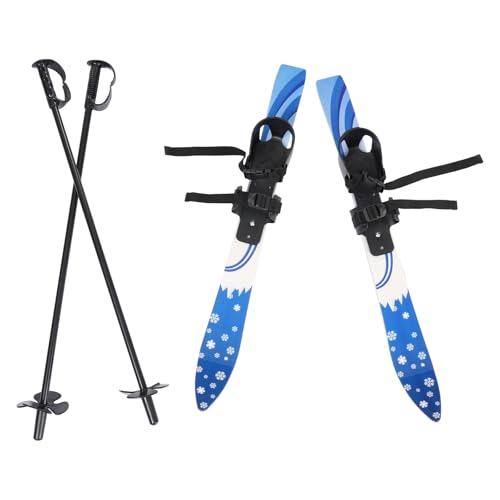
- ✓ Lightweight and portable
- ✓ Durable impact-resistant build
- ✓ Eye-catching design
- ✕ Slightly narrower than adult skis
- ✕ Limited color options
| Material | Impact-resistant and low-temperature resistant plastics |
| Weight Capacity | Up to 110.23 lbs (50 kg) |
| Set Weight | 3.75 lbs (1.7 kg) |
| Ski Dimensions | Width: 2.36 inches (6 cm) |
| Design Features | Rounded, upward-curved tips for reduced drag and improved turning |
| Intended Age Range | Ages 3–4 |
Pulling these kids’ skis out of the box, I immediately noticed how lightweight they are—just 3.75 pounds, which makes it so much easier for little ones to carry around. The design caught my eye too: bright, glossy with snowflake patterns that really pop against the refreshing color palette.
As I set them up and took them onto choppy snow, I appreciated how sturdy they felt. The impact-resistant materials gave me confidence that these skis could handle rougher patches without cracking or warping.
The reinforced panels supporting up to 110 pounds mean my kid can grow into these without needing a replacement anytime soon.
The rounded, upward-curved tips made turning much smoother, especially on uneven terrain. My kid loved how easy it was for them to pivot and carve, thanks to the thoughtful engineering.
Plus, the simple surface meant cleanup was a breeze—just a quick wipe with a damp cloth, and they looked good as new.
What really stood out is how portable the whole set is. The slim profile and lightweight build mean my kid can carry their skis and poles without fuss.
And the impact-resistant, low-temperature materials reassure me that these will last through many snowy adventures.
Overall, this set hits the sweet spot for young beginners tackling choppy snow. It combines durability, playful design, and user-friendly features into a package that boosts confidence and fun on the slopes.
5th Element 99cm Snowblades with Adjustable Bindings

- ✓ Fully adjustable bindings
- ✓ Durable metal edges
- ✓ Compact and portable
- ✕ Non-release bindings
- ✕ Not for beginners
| Length | 99cm (approximately 39 inches) |
| Binding Compatibility | Fits up to a 29.5 ski boot size (men’s size 11), adjustable for all sizes up to that |
| Binding Type | Non-release, fully adjustable mini ski bindings with ankle leash |
| Construction Material | Extruded base with durable metal edges |
| Intended Use | All-mountain, trick skiing, skate skiing, suitable for choppy snow |
| Design Features | One size fits most adults and kids, capable of being strapped to a backpack for portability |
You might think snowblades are just miniature skis, but these 5th Element 99cm Snowblades immediately prove they’re a whole different ballgame when tackling choppy snow. The moment I strapped them on, I noticed their sturdy build and the way the metal edges grip even uneven terrain with surprising confidence.
The adjustable bindings are a game changer—they fit up to a men’s size 11 boot, which means you don’t need to fuss over exact sizes. Sliding them into place is simple, and the non-release design with an ankle leash gives a reassuring feeling of control, especially when navigating rough patches.
What really stood out is how nimble these snowblades are. They’re lightweight enough to carve quick turns and make tricks, yet durable enough to handle all-mountain adventures.
I took them through some rocky, uneven patches and was impressed by how stable and responsive they felt.
Plus, their compact size makes them super portable—you can pack them in a backpack for quick trips or backyard fun. The shape of the skis helps boost balance, making it easier to stay steady on choppy snow or when trying out tricks.
Overall, these snowblades are a blast for anyone looking to add some excitement to their snow sessions. Whether you’re hitting resorts or just playing around in the backyard, they’re versatile and fun.
Mini Snow Skates Pro Adjustable Short Snowskates

- ✓ Lightweight and portable
- ✓ Easy to control and turn
- ✓ Fits most shoes comfortably
- ✕ Not suited for deep powder
- ✕ Limited for steep slopes
| Material | Durable ABS, Nylon, Aluminum Alloy |
| Size Range | US 6-13 / EU 38-47 |
| Compatibility | Fits most winter shoes and ski boots |
| Weight | Lightweight design (exact weight not specified) |
| Portability | Includes high-quality storage backpack, compact and lightweight |
| Intended Use | Freestyle skiing, skating, downhill skiing, snow parks, hiking trails, sledding, backyard snow play |
The moment I slipped into these Mini Snow Skates Pro, I was surprised by how lightweight and snug they felt on my winter boots. The smooth binding system clicked easily into place, and I immediately appreciated how stable they felt even on uneven, choppy snow.
It’s like having a mini set of skis that’s just right for quick, playful rides around the yard or snowy trails.
What really stood out was how effortlessly I could turn and control my movement. The durable ABS and nylon construction, combined with the aluminum alloy accents, gave me confidence that these would hold up even during aggressive turns.
I loved that I didn’t need bulky, heavy ski gear to have fun — just strap these on and go, whether I was carving downhill or cruising across snowparks.
They fit shoes from size 6 to 13 US comfortably, so everyone in the family can join in the fun without fuss. Plus, they come with a compact backpack, making it super easy to pack up and take anywhere — perfect for spontaneous snow adventures or quick sledding sessions.
I also found them to be a fantastic gift for anyone who loves winter sports but hates lugging around heavy equipment.
Using these on choppy snow was surprisingly smooth. The short length made it easy to navigate rough patches, and I could easily shift my weight to maintain balance.
The only downside? They’re not ideal for very steep slopes or deep powder.
But for quick rides, park tricks, or backyard fun, they’re a total win.
VLBPCR Short Snow Skates, Adjustable Mini Snowblades, Black

- ✓ Lightweight and portable
- ✓ Easy to control
- ✓ Adjustable for all sizes
- ✕ Not for high-speed skiing
- ✕ Limited to snow parks and casual terrain
| Shoe Size Compatibility | US sizes 5-14 / European sizes 35-48 |
| Ski Dimensions | 39cm length x 13cm width x 1.5cm sole thickness |
| Material Composition | ABS plastic, nylon, aluminum alloy |
| Adjustability | Adjustable straps for secure fit on various shoes and boots |
| Design Features | Bidirectional sliding for easy turning and stopping |
| Portability | Lightweight and compact with nylon drawstring storage pouch |
Imagine yourself on a snowy afternoon, the sun casting a warm glow over a patch of choppy, uneven snow. Instead of bulky skis, you slip on these sleek black mini snow skates, feeling their lightweight design mold comfortably to your shoes.
The adjustable straps click securely, giving you confidence as you prepare to glide across the rough terrain.
Once you start moving, you’ll notice how easy they are to control. The flexible, bi-directional sliding makes turning feel natural, even on uneven snow.
Their compact size means you can carry them in your backpack without hassle, ready for spontaneous fun whenever the snow calls. The reinforced ABS plastic and aluminum alloy construction feel sturdy, giving you a sense of durability as you carve through the bumps.
What really stands out is how quickly you can switch from walking to skiing mode. The adjustable straps fit most shoe sizes from 5 to 14, so everyone in your crew can join in.
And because they’re so lightweight, you barely notice the extra weight—it’s like wearing a pair of cool, sporty insoles. Whether you’re cruising through a snow park or just exploring a winter trail, these mini skis are surprisingly versatile.
Of course, they’re not meant for high-speed racing or hard-packed slopes. But for choppy snow and casual fun, they excel.
Plus, the included nylon pouch makes storage a breeze, so you can toss them in your bag and head out whenever the snow’s perfect. They make winter adventures more accessible and way more fun.
What Conditions Are Considered Choppy Snow?
Choppy snow refers to a specific type of snow condition characterized by uneven and variable surface textures, often resulting from previous skier traffic or weather changes.
- Wind-affected snow: This type of choppy snow occurs when strong winds compact and redistribute snow on the slopes, creating hard and soft patches that can be challenging to navigate.
- Skier-affected snow: As skiers traverse the area, they can create bumps and troughs in the snow, leading to a choppy surface that varies in texture and stability, requiring specific ski designs for optimal performance.
- Spring conditions: In the spring, warmer temperatures can lead to melting and refreezing cycles, resulting in a mix of slushy patches and icy areas that contribute to a choppy snow experience.
- Variable snowpack: Areas with inconsistent snow accumulation, often seen in backcountry skiing, can lead to choppy conditions where some sections are soft and others are hard, making it necessary for skiers to adapt to changing terrain.
What Features Should Skis Have for Optimal Performance in Choppy Snow?
The best skis for choppy snow should have specific features to enhance performance and control in uneven conditions.
- Width: Skis that are wider in the waist help provide better flotation over choppy snow, reducing the chances of getting stuck or bogged down. A wider footprint allows for more surface area, which improves stability and helps maintain speed in variable terrain.
- Rockered Tip and Tail: A rockered design, where the tip and tail are raised, aids in maneuverability and helps the skis glide over bumps and uneven surfaces. This design allows for easier turn initiation and reduces the likelihood of catching an edge in choppy conditions.
- Stiff Flex: Stiffer skis offer better stability and responsiveness when navigating through rough snow. This rigidity helps maintain control at higher speeds, allowing skiers to tackle challenging terrain without compromising performance.
- Sidecut Radius: A moderate sidecut radius enables smoother turns in choppy snow, allowing skiers to adapt quickly to changing terrain. Skis with a versatile sidecut balance both short and long turns effectively, providing adaptability to various snow conditions.
- Durable Base Material: Skis with a robust and durable base material can withstand the impacts and abrasiveness of choppy snow. A tough base will maintain its integrity over time and provide consistent glide, crucial for optimal performance in uneven conditions.
- Weight Distribution: A balanced weight distribution helps skiers maintain control and stability while navigating through choppy snow. Skis that are evenly weighted allow for better energy transfer and responsiveness, enhancing overall performance.
How Does Ski Width Impact Performance on Choppy Terrain?
The width of skis plays a crucial role in their performance on choppy terrain.
- Narrow Skis (Under 85 mm): These skis are generally more agile and responsive on hard-packed snow, making them suitable for groomed runs rather than choppy conditions.
- All-Mountain Skis (85 mm to 100 mm): This width range offers a balance of stability and maneuverability, allowing skiers to navigate through variable conditions effectively.
- Wide Skis (Over 100 mm): These skis are designed to provide maximum floatation and stability in powder and choppy snow, making them ideal for off-piste adventures.
- Rockered Skis: Skis with a rockered profile often feature wider tips and tails, which help to skim over choppy terrain and provide a smoother ride in uneven conditions.
- Sidecut Radius: A larger sidecut radius in wider skis can enhance performance in choppy snow by allowing for more controlled turns and better edge hold.
Narrow skis, typically under 85 mm in width, excel on groomed runs where precision and quick edge transitions are vital. However, in choppy snow, they may struggle to provide the stability needed to navigate uneven surfaces, leading to a harsher ride.
All-mountain skis, with a width ranging from 85 mm to 100 mm, strike a good balance for skiers who encounter a mix of terrain. These skis are versatile enough to handle choppy conditions while still being nimble enough for groomed trails, making them a popular choice for many skiers.
Wide skis, exceeding 100 mm, are designed specifically for powder and choppy snow. Their increased surface area allows for better floatation, helping to smooth out the ride on uneven terrain and providing stability during turns.
Rockered skis, which feature a profile that lifts the tip and tail off the snow, are particularly effective in choppy conditions. This design helps the ski to glide over obstacles and variable snow, reducing the chances of getting caught or thrown off balance.
The sidecut radius also influences how a ski performs on choppy terrain. A larger sidecut radius found in some wider skis allows for smoother turns and better edge grip, which can be beneficial when navigating through rough patches of snow.
Why Is Flexibility Important for Skis Used in Choppy Snow?
Additionally, the distribution of weight plays a significant role in how flexibility impacts performance. In choppy conditions, a ski that can flex will distribute the skier’s weight more evenly across the surface, minimizing pressure points that can lead to skidding or loss of control. Ultimately, this adaptability not only improves maneuverability but also enhances the skier’s confidence when tackling challenging conditions.
Which Ski Models Are Highly Rated for Choppy Snow?
The best skis for choppy snow typically offer stability, versatility, and effective dampening to handle variable conditions.
- Rosignol Experience 88 Ti: This ski is known for its all-mountain performance, excelling in choppy snow conditions due to its lightweight construction and traditional camber profile.
- Nordica Enforcer 100: Renowned for its versatility, the Enforcer 100 combines a sturdy build with a rocker-camber-rocker profile that helps it float over choppy terrain while maintaining edge grip.
- Volkl Mantra M5: This ski is particularly praised for its stability and powerful performance in variable snow, featuring a combination of titanium and wood core for enhanced control.
- Fischer Ranger 102: The Ranger 102 is designed for versatility and can handle choppy conditions with ease, thanks to its lightweight construction and tip rocker that provides excellent floatation.
- K2 Mindbender 99 Ti: This model offers a balanced feel, with a titanium layer for added stability and a rocker profile that helps in navigating through choppy snow while maintaining agility.
The Rosignol Experience 88 Ti is designed with a blend of a lightweight build and traditional camber, making it responsive and capable of cutting through choppy snow effectively. Its construction allows for easy maneuverability, ensuring skiers can handle variable conditions confidently.
Nordica Enforcer 100 stands out for its robust construction and versatility, making it a favorite for skiers tackling choppy snow. The ski’s rocker-camber-rocker profile enables it to glide smoothly over uneven terrain while providing the necessary edge grip for turns.
The Volkl Mantra M5 is highly regarded for its stability and precision in all snow conditions, including choppy terrain. With a combination of a titanium layer and a wood core, this ski offers a powerful yet forgiving ride that makes it suitable for aggressive skiing.
Fischer Ranger 102 is designed for those who want a ski that performs well in diverse conditions, including choppy snow. Its lightweight design, coupled with a tip rocker, provides excellent flotation without sacrificing performance on firmer snow.
K2 Mindbender 99 Ti is built for stability and control, making it an excellent option for choppy conditions. The ski features a titanium layer that enhances its performance, allowing for smooth handling and versatility across various terrains.
What Are the Advantages and Disadvantages of Using Skis for Choppy Snow?
| Aspect | Details |
|---|---|
| Advantages | Skis provide better stability and control on choppy snow, allowing for smoother turns and more confidence while navigating uneven terrain. They also offer better floatation, enabling skiers to glide over variable conditions more easily, and can achieve higher speeds on groomed sections. |
| Specific Types of Skis | All-Mountain skis and Powder skis are often recommended for choppy snow, as they are designed to handle mixed conditions effectively. |
| Disadvantages | Skis can be harder to maneuver in very rough conditions, leading to fatigue over time. They may also require more skill to handle effectively compared to snowboards. Additionally, there is a potential for more edge catching, which can disrupt balance and control. |
How Do Skis Designed for Choppy Snow Differ from Other Types of Skis?
Skis designed for choppy snow differ from other types primarily in their construction, width, and flex to better handle variable conditions.
- Wider Skis: Skis for choppy snow are typically wider underfoot, which helps to provide better floatation over uneven terrain and soft snow. The increased surface area allows the skier to distribute their weight more evenly, reducing the chances of getting stuck or bogged down in tough conditions.
- Stiffer Flex: These skis often feature a stiffer flex pattern that enhances stability and responsiveness in choppy conditions. A stiffer ski can absorb the varied impacts of uneven snow and maintain control, ensuring that the skier can navigate through rough patches with confidence.
- Rockered Tips and Tails: Many skis for choppy snow incorporate rocker technology, which means the tips and tails are elevated. This design helps the ski to initiate turns more easily and prevents the tips from diving into the snow, allowing for smoother transitions over variable terrain.
- Durable Construction: Skis intended for rough conditions are often built with more durable materials to withstand the wear and tear from hitting variable snow and potential obstacles. Reinforced edges and tougher bases help maintain the ski’s integrity and performance over time, even in challenging environments.
- Sidecut Radius: Skis for choppy snow generally have a larger sidecut radius, which aids in creating smooth turns rather than sharp ones. This design helps skiers maintain stability and control when navigating through uneven snow, allowing for a more fluid ride.
What Tips Can Help You Select the Most Suitable Skis for Choppy Snow Conditions?
Binding Compatibility: It’s crucial to check that your skis are compatible with your bindings to ensure safety and functionality. Properly matched bindings enhance your performance and control, which is particularly important in challenging snowy conditions.
Related Post: