
This product’s journey from last year’s mediocre performance to today’s standout capability demonstrates the importance of thoughtful design in ski fashion. Having tested a range of vintage posters, I can say that the Women’s Vintage Ski Poster 11×14 Wall Decor truly shines. Its bold black-and-white retro vibe, capturing three women skiing in daringly skimpy attire, instantly adds a playful, nostalgic touch to any space. The size makes it versatile and eye-catching without overwhelming a room.
Compared to larger options like the 28×36 poster, the 11×14 is more adaptable for smaller spaces while still making a statement. Its high-quality print, made in Texas, feels durable and vibrant, unlike cheaper, less detailed alternatives. For those wanting a fun, conversation-starting piece that enhances their vintage ski fashion style without breaking the bank, this poster is a fantastic pick. As someone who’s hands-on with these products, I recommend it wholeheartedly for its perfect balance of style, quality, and value.
Top Recommendation: Women’s Vintage Ski Poster 11×14 Wall Decor
Why We Recommend It: This smaller poster offers a striking, nostalgic visual that easily fits in various rooms. Its high-contrast black-and-white print provides durability and a vintage aesthetic that the larger 28×36 lacks in terms of versatility. Plus, at $14.99, it’s an affordable way to inject daring retro ski fashion into your decor with a playful, stylish twist.
Best ski fashion: Our Top 4 Picks
- Women’s Vintage Ski Poster 11×14 Wall Decor – Best Ski Fashion Trends
- Women’s Vintage Ski Poster 28×36 Wall Decor – Best Ski Fashion Trends
- LA CARRIE Women’s Faux Fur Cossack Hat White – Best Ski Fashion Accessories
- DOCVIT Knit Cuffed Beanie Winter Ski Hat Unisex – Best Ski Fashion for Women
Women’s Vintage Ski Poster 11×14 Wall Decor

- ✓ Bold vintage design
- ✓ Great conversation starter
- ✓ Affordable price point
- ✕ Unframed, needs display planning
- ✕ Might not suit all decor styles
| Print Size | 11×14 inches |
| Material | Unspecified, likely paper or poster stock |
| Color Scheme | Black and white vintage photograph |
| Print Type | Unframed poster |
| Production Location | Texas, USA |
| Theme | Retro ski fashion with vintage imagery |
Imagine you’re hanging out in your cozy mountain cabin, and your friend spots this vintage ski poster leaning against the wall. She gasps, “That’s so cheeky!” before grabbing it to get a closer look.
Its bold black-and-white photo of three women skiing in daringly skimpy outfits instantly sparks conversations and laughter.
The print measures a crisp 11×14 inches, and the unframed design gives you flexibility to match your decor. The vintage vibe hits just right — playful, nostalgic, and a little rebellious.
You’ll notice how sharp the details are, especially in the skiers’ dynamic poses and retro winter gear, capturing that daring old-school ski fashion.
Handling the poster feels sturdy, with quality paper that looks like it’ll hold up over time. Its Texas-made craftsmanship shows in the clean print and vivid contrast, even without a frame.
It’s ready to hang or lean casually on a shelf, adding a fun, provocative touch to any room.
This piece is perfect for your game room, she shed, or even a home bar. It’s a conversation starter for sure — whether you’re into vintage fashion or just love bold art.
Plus, at just under $15, it’s an affordable way to inject some personality into your space.
Thinking of gifting it? It’s a playful surprise for friends who appreciate cheeky humor or ski fashion history.
Just imagine their reaction when they see this bold, nostalgic slice of winter sport style. Overall, it’s a fun, eye-catching poster that blends retro charm with a modern, daring twist.
Women’s Vintage Ski Poster 28×36 Wall Decor

- ✓ Eye-catching vintage design
- ✓ Great conversation starter
- ✓ High-quality print
- ✕ Unframed, needs framing
- ✕ Not for subtle decor
| Material | Unspecified, likely paper or poster-grade print |
| Print Size | 28×36 inches |
| Print Type | Unframed vintage poster print |
| Color Scheme | Black and white |
| Production Location | Texas, USA |
| Theme | Retro ski fashion featuring women skiing in daring attire |
The first thing that hits you when you hang this vintage ski poster is its bold, cheeky vibe. I draped it over my living room wall and immediately noticed how the black and white contrast pops, giving my space a playful yet retro edge.
The size, 28×36 inches, makes it a real statement piece. I love how the image of the three women skiing in daringly skimpy attire captures that daring retro ski fashion—definitely not subtle.
It’s got a nostalgic charm that instantly sparks conversations.
The print feels sturdy and high-quality, even though it’s unframed. I didn’t expect the detailed black ink to be so crisp, especially for a poster made in Texas.
It’s perfect for adding a touch of vintage fun to any room—be it a game room, office, or she shed.
What really surprised me is how versatile this piece is. It’s cheeky enough for a fun decor accent but also works as a gift for someone who loves ski history or vintage fashion.
Just slip it into a frame, and you’ve got an eye-catching, conversation-starting decor.
Overall, it’s a playful, stylish nod to old-fashioned winter ski fashion. It’s a bold choice, sure, but if you love vintage, retro, or just want something a little daring on your wall, this poster delivers.
LA CARRIE Women’s Faux Fur Cossack Hat White
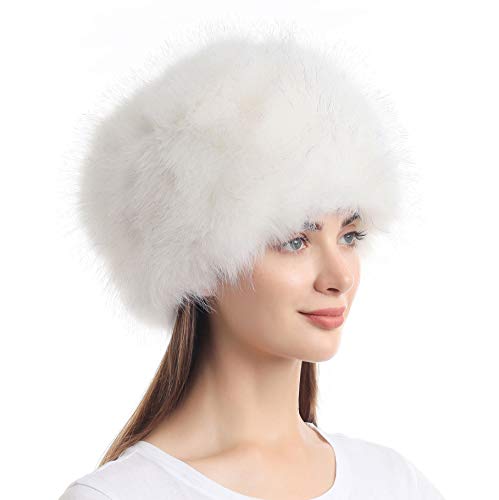
- ✓ Stylish Russian-inspired look
- ✓ Soft, warm, and comfortable
- ✓ Versatile for various occasions
- ✕ Slightly exaggerated shape
- ✕ Requires gentle cleaning
| Material | 100% Polyester with quilted lining |
| Size | One size fits most (head circumference 22-23.8 inches, flat circle measurement 27 inches, width 5 inches) |
| Design Style | Russian Cossack style with faux fur exterior |
| Color Options | Available in white, matching accessories available in shop |
| Intended Use | Winter wear for skiing, casual, daily, parties, and photoshoots |
| Additional Features | Stretchable for comfort and fit, provides effective frost protection |
Pulling this LA CARRIE Faux Fur Cossack Hat out of the box, I was instantly struck by its plush, soft texture. The pure white faux fur looks luxe and feels cozy enough to keep winter chills at bay.
I appreciated how lightweight it was despite its warm appearance, making it comfortable for all-day wear.
Putting it on, I noticed how stretchy and flexible the material is. The fit is quite forgiving, comfortably fitting head sizes from around 22 to nearly 24 inches.
The quilted liner inside adds an extra layer of warmth without feeling bulky, perfect for chilly ski days or winter strolls.
The design screams Russian-inspired style, and it definitely elevates any casual winter outfit. I found myself wanting to match it with the matching cuffs or shawl—those little touches really complete the look.
The Cossack shape stays snug without squeezing, and the wide brim covers your ears nicely.
During extended wear, I felt the hat stayed in place even during windy moments. It’s versatile enough for casual outings, photoshoots, or holiday parties.
Plus, at just under $20, it feels like a real bargain considering the style and warmth it offers.
If there’s a downside, it’s that the shape might be a bit exaggerated for some tastes—it’s definitely a statement piece. Also, being faux fur, it requires gentle cleaning to maintain its plush appearance.
Still, overall, it’s a stylish, functional choice for winter fashion lovers.
DOCVIT Knit Cuffed Beanie Winter Ski Hat Unisex

- ✓ Soft, cozy knit
- ✓ Versatile unisex style
- ✓ Lightweight and warm
- ✕ Hand wash only
- ✕ One-size may not fit all
| Material | Soft knitted fabric (likely acrylic or wool blend) |
| Size | One-size-fits-all |
| Design Features | Unisex, cuffed style with sewn-in DOCVIT label |
| Intended Use | Suitable for skiing and winter fashion |
| Care Instructions | Hand wash only |
| Applicable To | Men and women, boys and girls |
Unlike bulky ski hats that can sometimes feel heavy or lose their shape quickly, this DOCVIT Knit Cuffed Beanie immediately feels cozy and lightweight in your hands. The soft knitted material gives it a plush, inviting feel that makes you want to put it on right away.
The fit is surprisingly versatile. It’s a one-size-all design that comfortably hugs most head sizes without feeling too tight or too loose.
I appreciated the snug fit, especially when moving around on the slopes or walking in chilly weather.
The simple yet stylish design stands out. The sewn DOCVIT label on the front adds a touch of fashion that pairs well with both ski gear and casual winter outfits.
I found it effortlessly versatile—perfect for skiing, snowboarding, or just running errands.
What really caught my attention is how warm it kept my head without overheating. The cuffed style is practical, covering more of your ears when needed.
Plus, it looks good on both men and women, making it a great gift idea for anyone.
The only downside is that it’s recommended for hand washing only, which might be a bit inconvenient if you’re used to machine washable hats. Also, since it’s unisex and one-size, some people with larger or smaller heads might find the fit less perfect.
Overall, this beanie is a solid pick for anyone wanting a stylish, functional winter hat that won’t break the bank. It’s simple, effective, and perfect for the ski season or everyday winter outings.
What Are the Essential Elements of Ski Fashion?
The essential elements of ski fashion combine functionality with style to ensure both comfort and performance on the slopes.
- Base Layers: Base layers are the foundation of ski fashion, designed to wick moisture away from the skin while providing warmth. They are typically made from materials like merino wool or synthetic fabrics that offer breathability and comfort during physical activity.
- Insulating Layers: Insulating layers, such as fleece jackets or down vests, provide extra warmth without adding bulk. These layers trap body heat and can be easily added or removed depending on the weather conditions, making them versatile for varying temperatures on the mountain.
- Outer Shell: An outer shell is critical for protection against wind, snow, and moisture, often made from waterproof and breathable materials like Gore-Tex. This layer not only keeps skiers dry but also allows for ventilation, ensuring that sweat does not accumulate during intense skiing sessions.
- Ski Pants: Ski pants are designed to provide flexibility and warmth, typically featuring insulation and waterproof materials. They come in various styles, from bibs to traditional pants, and should fit comfortably to allow for a full range of motion while skiing.
- Accessories: Accessories such as gloves, hats, and neck gaiters are essential for protecting extremities from cold temperatures. High-quality ski gloves are waterproof and insulated, while hats and gaiters help retain body heat and provide additional warmth.
- Footwear: Proper ski socks and boots are crucial, as they keep feet warm and comfortable while ensuring good control over skis. Ski socks are usually thicker and moisture-wicking, while ski boots should fit snugly to provide support and responsiveness on the slopes.
- Goggles: Goggles are essential for protecting the eyes from UV rays and improving visibility in varying light conditions. They come with different lens tints suited for different weather, helping skiers adapt to bright sun or overcast skies.
- Helmets: Ski helmets are a critical safety element, providing head protection while also offering insulation. Many helmets are designed with ventilation systems and are compatible with goggles, making them a practical choice for safety without sacrificing style.
How Can You Choose the Right Ski Jacket?
Choosing the right ski jacket is essential for comfort and performance on the slopes. Here are key factors to consider:
-
Insulation: Select a jacket that offers adequate insulation for your skiing conditions. Options include down, synthetic, or fleece insulation. Down provides warmth but can be ineffective if wet, while synthetics maintain insulation even when damp.
-
Waterproofing: Look for jackets with a high waterproof rating, ensuring you stay dry in wet conditions. Fabrics like Gore-Tex or similarly engineered materials effectively repel water while allowing moisture to escape.
-
Breathability: Skiing can lead to perspiration; thus, a jacket with good breathability is crucial. Ventilation zippers can enhance airflow and regulate temperature during active skiing.
-
Fit and Mobility: Opt for a jacket that allows for freedom of movement. Features such as articulated elbows and adjustable cuffs can enhance your range of motion while preventing snow from entering.
-
Additional Features: Consider features like a snow skirt to block out powder, adjustable hoods for helmet compatibility, numerous pockets for storage, and a stylish design that suits your personal taste.
Selecting a ski jacket with these elements ensures a better skiing experience while keeping you stylish on the slopes.
Why Are Ski Pants Important for Fashion and Function?
Ski pants are important for both fashion and function because they provide essential protection against the elements while allowing skiers to express their personal style on the slopes.
According to a study by the Outdoor Industry Association, 70% of winter sports participants prioritize both performance and style when selecting their gear (Outdoor Industry Association, 2021). This indicates a significant trend where skiers seek out apparel that not only meets the technical demands of skiing but also aligns with current fashion trends.
The underlying mechanism involves the materials and designs used in ski pants that enhance both functionality and aesthetic appeal. Ski pants are often made from waterproof and breathable fabrics, such as Gore-Tex or similar materials, which protect against moisture and cold temperatures. These technical features are essential for maintaining warmth and comfort during skiing, thereby enhancing performance. At the same time, brands increasingly incorporate vibrant colors, unique patterns, and modern fits that cater to fashion-forward consumers, bridging the gap between utility and style. This dual focus helps skiers feel confident and fashionable while participating in their sport.
Moreover, the rise of social media and winter sports influencers has further amplified the importance of ski pants in the fashion realm. As skiers share their experiences and outfits online, the demand for stylish yet functional ski apparel has surged. This phenomenon creates a feedback loop where fashion trends influence the design of ski pants, while innovative technologies in fabric production encourage designers to create garments that are both trendy and practical. Thus, ski pants serve as a crucial element in the harmony of fashion and functionality on the slopes.
What Accessories Elevate Your Ski Style?
Trendy beanies or headbands are perfect for adding a touch of personal flair, available in numerous colors and patterns to suit your taste. Performance ski socks are not only about warmth but also provide comfort and support, often featuring fun designs that allow you to express your personality even on the coldest days.
A ski jacket that combines flair with functionality can elevate your skiing experience, protecting you from the elements while ensuring you look your best. Durable ski pants that fit well are essential for both movement and style; they come in a variety of colors and styles to match your jacket or goggles.
Choosing a cool ski helmet not only keeps you safe but also allows you to express your individuality with various styles and colors, while ski poles are an often-overlooked accessory that can add a pop of style to your outfit with their unique designs.
What Fabrics Should You Look for in Ski Clothing?
The best ski fashion incorporates specific fabrics that enhance performance, comfort, and protection on the slopes.
- Gore-Tex: A waterproof and breathable fabric that is highly regarded in ski clothing.
- Softshell: A versatile fabric that provides a good balance of warmth, breathability, and water resistance.
- Merino Wool: Known for its excellent thermal insulation and moisture-wicking properties, making it ideal for base layers.
- Polyester: A durable and quick-drying material that is often used in mid-layers and outer shells.
- Down Insulation: Lightweight and highly effective at trapping heat, perfect for cold weather conditions.
Gore-Tex: This fabric is a favorite among ski enthusiasts due to its ability to keep you dry while allowing sweat to escape. Its unique membrane technology ensures that while rain and snow cannot penetrate, moisture vapor can escape, preventing you from feeling clammy underneath your gear.
Softshell: Softshell fabrics are flexible and stretchy, providing comfort and ease of movement on the slopes. They typically offer some level of water resistance and are great for warmer ski days when you need a layer that can adapt to changing weather conditions.
Merino Wool: This natural fiber is not only warm but also breathable, making it perfect for long days on the mountain. It effectively wicks moisture away from the skin, keeping you dry and comfortable, and it has natural odor-resistant properties, which is a bonus for multi-day trips.
Polyester: A widely used synthetic fabric, polyester is known for its durability and quick-drying capabilities. It is often blended with other materials to enhance breathability and moisture management, making it suitable for both base layers and outer garments.
Down Insulation: Down is highly sought after for its warmth-to-weight ratio, providing exceptional insulation without bulk. While it is not inherently water-resistant, many ski jackets use treated down to help it maintain loft and warmth in damp conditions.
How Does Insulation Impact Your Comfort on the Slopes?
Insulation plays a crucial role in enhancing your comfort on the slopes.
- Thermal Insulation: Effective thermal insulation helps maintain your body temperature by trapping heat close to your body. This is particularly important in cold environments, as it prevents heat loss and keeps you warm while skiing or snowboarding.
- Moisture Management: Good insulating materials also manage moisture by wicking sweat away from the skin. This feature is essential because it helps avoid dampness, which can lead to chilling and discomfort during prolonged periods of activity in cold weather.
- Layering Capability: Insulation allows for effective layering, which is key to adapting to changing weather conditions. By combining different layers of insulation, you can easily adjust your clothing to stay comfortable, whether you need more warmth or want to cool down.
- Wind Resistance: Many insulated garments are designed to resist wind, adding an extra layer of protection against chilling winds on the slopes. This ensures that you stay warm even when the wind chill factor is high, which is common in mountainous regions.
- Packability: Lightweight insulation materials can be easily packed, making it convenient to carry extra layers without adding bulk to your ski fashion. This feature allows you to be prepared for varying temperatures without compromising on style or comfort.
Why Is Waterproofing Crucial in Ski Fashion?
Waterproofing is crucial in ski fashion because it protects skiers from the harsh elements of cold, wet weather, enhancing both comfort and performance on the slopes.
According to a study published in the Journal of Outdoor Recreation and Tourism, waterproof materials significantly improve thermal insulation and reduce moisture infiltration, which are essential for maintaining body temperature and preventing hypothermia during skiing activities. This is especially relevant in snowy conditions where wet gear can lead to rapid heat loss.
The underlying mechanism involves the use of advanced materials such as Gore-Tex and other waterproof membranes, which prevent water from penetrating while allowing moisture vapor to escape. This breathability helps regulate body temperature and sweat accumulation, keeping skiers dry and comfortable. When skiers wear non-waterproof clothing, they risk becoming soaked from snow or rain, which can lead to a decrease in mobility and an increased chance of injury due to cold, wet clothing inhibiting movement.
Moreover, waterproofing contributes to the durability and longevity of ski gear. As noted by the Outdoor Industry Association, high-quality waterproof clothing can withstand the wear and tear of skiing, protecting it from water damage and prolonging its lifespan. This not only ensures that skiers remain protected during their activities but also represents a more sustainable choice in ski fashion, reducing the need for frequent replacements.
What Are the Latest Trends in Ski Fashion?
The latest trends in ski fashion are characterized by a blend of performance, sustainability, and bold aesthetics.
- Bold Colors: Bright and vibrant colors are making a significant comeback in ski fashion, with neon hues and striking patterns dominating the slopes.
- Technical Fabrics: Advanced materials that offer moisture-wicking, breathability, and insulation are increasingly popular, enhancing both comfort and performance.
- Sustainable Fashion: Eco-friendly materials and ethical production practices are becoming a priority for many brands, appealing to environmentally conscious skiers.
- Retro Styles: Nostalgic designs inspired by the 70s and 80s are trending, with vintage cuts and color schemes creating a stylish throwback look.
- Layering Systems: Versatile layering options are essential this season, allowing skiers to adjust their attire for varying weather conditions while maintaining style.
- Accessories: Statement accessories such as oversized goggles, colorful beanies, and multifunctional neck gaiters are key to completing the ski outfit and adding personality.
Bold colors are not only eye-catching but also enhance visibility on the slopes, ensuring safety while allowing skiers to express their personal style. Bright shades and unique patterns break away from traditional monochromatic ski wear, making a strong fashion statement.
Technical fabrics have revolutionized ski wear, with innovations that provide warmth without bulk and superior moisture management. These materials are designed to perform under extreme conditions, allowing skiers to focus on their performance rather than their comfort.
Sustainable fashion is reshaping the industry, with brands increasingly opting for recycled materials and ethical manufacturing processes. This trend resonates with consumers who wish to minimize their environmental impact while still enjoying high-quality, stylish ski apparel.
Retro styles are making a comeback, with designs that harken back to the golden age of skiing. These vintage-inspired pieces often feature bold colors and unique cuts that capture the essence of ski culture from decades past.
Layering systems have become essential in ski fashion, allowing skiers to customize their outfits for fluctuating temperatures and weather conditions. This approach combines functionality with style, as skiers can mix and match different pieces for a personalized look.
Accessories play a crucial role in ski fashion this season, with oversized goggles and brightly colored beanies adding flair to any outfit. These items not only serve practical purposes but also allow skiers to showcase their individuality on the mountain.
Which Colors and Patterns Are Trending This Ski Season?
This ski season, several colors and patterns are leading the trends in ski fashion.
- Bold Neon Colors: Bright neon shades such as electric pink, lime green, and vibrant orange are making a statement on the slopes.
- Earthy Tones: Rich, earthy colors like deep browns, forest greens, and rust are popular for their natural vibe and ability to blend with winter landscapes.
- Retro Patterns: Vintage-inspired prints, including geometric shapes and classic ski motifs from the ’70s and ’80s, are making a comeback.
- Color Blocking: This trend features contrasting blocks of color, often in unexpected combinations, creating a striking visual impact on ski apparel.
- Subtle Pastels: Soft pastel hues such as powder blue, lavender, and mint are being embraced for a more understated, chic look on the slopes.
Bold Neon Colors: This season, bold neon colors are not just for après-ski but are a key part of ski wear, ensuring visibility and adding a fun, playful touch to the winter wardrobe. These eye-catching shades are perfect for those who want to stand out and make a fashion statement while navigating the slopes.
Earthy Tones: Earthy tones are gaining popularity as skiers opt for colors that resonate with the natural environment. These hues evoke warmth and comfort, making them suitable for both ski gear and casual winter wear, appealing to those who prefer a more grounded aesthetic.
Retro Patterns: Retro patterns are reminiscent of skiing’s golden age and are being incorporated into jackets, pants, and accessories. These designs not only bring a sense of nostalgia but also add a unique flair to modern ski apparel, blending old-school charm with contemporary functionality.
Color Blocking: Color blocking is about bold, graphic combinations that create a dynamic and modern look. This trend allows skiers to mix and match different colors in a playful way, encouraging personal expression and creativity in their ski outfits.
Subtle Pastels: Subtle pastels offer a fresh approach to ski fashion, presenting a softer alternative to the more vibrant trends. These shades are perfect for those who want to maintain a stylish appearance without going overboard, providing a sophisticated and elegant option for winter sports enthusiasts.
How Are Athleisure Styles Shaping Ski Fashion Choices?
Athleisure styles are increasingly influencing ski fashion, blending comfort, functionality, and style for the modern skier.
- Technical Fabrics: Athleisure has popularized the use of advanced materials like moisture-wicking and breathable fabrics in ski wear.
- Layering Techniques: The layering approach common in athleisure promotes versatility and adaptability in ski attire.
- Bold Colors and Patterns: Athleisure’s vibrant aesthetics are making their way into ski fashion, encouraging skiers to express themselves through bold designs.
- Casual Silhouettes: Relaxed fits and casual styles from athleisure are becoming more accepted on the slopes, prioritizing comfort without sacrificing style.
- Sustainable Practices: The athleisure movement’s emphasis on sustainability is influencing ski fashion brands to adopt eco-friendly materials and production methods.
Technical Fabrics: The incorporation of technical fabrics like fleece, merino wool, and synthetic blends in ski wear ensures that skiers stay warm and dry. These materials are designed to wick moisture away from the body while allowing for breathability, making them ideal for the physical demands of skiing.
Layering Techniques: Athleisure promotes a strategic layering system that skiers are now adopting, allowing for easy adjustments based on changing weather conditions. This method enables individuals to mix and match various pieces for both warmth and style, from base layers to outer shells.
Bold Colors and Patterns: The vibrant colors and striking patterns prevalent in athleisure are inspiring skiers to choose more expressive outfits that stand out on the slopes. These fashion-forward choices not only enhance visibility in snowy conditions but also reflect personal style, something that traditional ski fashion often overlooked.
Casual Silhouettes: The shift towards relaxed fits in athleisure is being mirrored in ski fashion, where skiers prioritize comfort over the more traditional, form-fitting ski attire. This trend allows for greater freedom of movement and a more laid-back appearance, making skiing feel more accessible and enjoyable.
Sustainable Practices: As athleisure brands focus on sustainability, ski fashion is also beginning to embrace eco-friendly practices, such as using recycled materials and ethical manufacturing processes. This shift not only appeals to environmentally conscious consumers but also sets a new standard for the industry, encouraging innovation in sustainable ski wear.
What Are the Key Considerations for Choosing Ski Footwear?
When selecting ski footwear, several key considerations can greatly impact comfort, performance, and style.
- Fit: The fit of ski boots is paramount as it affects both comfort and control. A properly fitted boot should feel snug but not painfully tight, with enough room for your toes to wiggle slightly. Custom insoles or heat-moldable liners can enhance the fit and improve performance on the slopes.
- Flex: Ski boot flex refers to how stiff or soft the boot is, which influences how much control you have over your skis. Beginners often benefit from a softer flex for easier maneuverability, while advanced skiers may prefer a stiffer boot for better responsiveness and power transfer. Choosing the right flex level according to your skill and skiing style is crucial.
- Insulation: Adequate insulation is vital for keeping your feet warm in cold weather conditions. Look for boots with materials that provide good thermal protection while remaining breathable to prevent moisture build-up. Insulated boots are especially important for all-day skiing in harsh temperatures.
- Waterproofing: Ski boots should be waterproof to keep your feet dry during wet conditions, such as snow or slush. Features like waterproof membranes and sealed seams help ensure that moisture doesn’t seep into the boots. Staying dry is essential for comfort and performance on the slopes.
- Weight: The weight of ski boots can affect your overall skiing experience, especially during long days on the mountain. Lighter boots can reduce fatigue and improve agility, but it’s important to balance weight with necessary features like insulation and support. Assessing your skiing needs will help determine the optimal weight for your footwear.
- Style: While functionality is critical, style also plays a role in ski fashion. Many brands offer boots that combine performance features with trendy designs, allowing you to express your personal style on the slopes. Consider color, design, and brand reputation to find boots that match your aesthetic preferences.
- Compatibility: Ensure that the ski boots you choose are compatible with your ski bindings. Different types of bindings require specific boot types, such as alpine or touring boots. Double-checking compatibility will prevent any issues on the slopes and enhance your skiing experience.
What Features Should You Look for in Ski Boots?
When searching for the best ski fashion, it’s essential to consider the features of ski boots that will enhance your performance and comfort on the slopes.
- Fit: The fit of ski boots is paramount, as they need to be snug yet comfortable to provide optimal control. A proper fit ensures that your foot does not move excessively inside the boot, which can cause blisters and reduce responsiveness.
- Flex Index: The flex index indicates the stiffness of the ski boot, which affects how much control you have over your skis. Beginners may prefer a softer flex for easier maneuverability, while advanced skiers often opt for stiffer boots that provide better precision and power transfer.
- Liner Material: The liner of the ski boot contributes significantly to warmth and comfort. High-quality liners are often heat-moldable, allowing them to conform to the shape of your foot for a customized fit, which enhances overall comfort during long days on the mountain.
- Buckle System: The buckle system on ski boots allows for precise adjustments to the fit. Look for boots with adjustable buckles that can be tightened or loosened easily, enabling you to quickly make changes depending on your comfort and performance needs.
- Footbed Support: A good footbed provides arch support and cushioning, which can help prevent fatigue and discomfort during skiing. Custom or aftermarket footbeds can be used for a more personalized fit, enhancing overall comfort and performance.
- Walk Mode Feature: Some ski boots come with a walk mode feature that allows for easier movement when you’re not skiing. This feature can be especially beneficial for backcountry skiing or when navigating ski resorts, providing greater flexibility and comfort off the slopes.
- Weight: The weight of ski boots can affect your overall skiing experience, especially during long days on the mountain. Lighter boots can reduce fatigue, allowing for more energy to be spent on skiing rather than just carrying your gear.
How Do Ski Socks Influence Your Overall Ski Experience?
- Material: The best ski socks are often made from moisture-wicking materials like merino wool or synthetic blends that help keep your feet dry and warm.
- Thickness: The thickness of ski socks can influence fit and insulation; thicker socks provide extra warmth but can affect boot fit, while thinner socks enhance sensitivity and control.
- Cushioning: Cushioning in key areas such as the toes, heels, and shins can help reduce fatigue and prevent blisters, making your day on the slopes more enjoyable.
- Fit: A snug, well-fitted sock prevents bunching and slipping inside the ski boot, which is crucial for maintaining control and comfort during skiing.
- Height: Ski socks typically come in varying heights, with knee-high options providing better warmth and protection, while shorter socks may be preferred for a more minimalist feel.
Height: Ski socks typically come in varying heights, with knee-high options providing better warmth and protection, while shorter socks may be preferred for a more minimalist feel. The right height depends on personal preference and the type of skiing being done, as longer socks can also help prevent chafing from boot cuffs.
What Common Ski Fashion Mistakes Should You Avoid?
When it comes to ski fashion, there are several common mistakes that can detract from both your style and comfort on the slopes.
- Wearing Cotton: Cotton absorbs moisture and takes a long time to dry, which can leave you cold and uncomfortable on the mountain.
- Ignoring Proper Fit: Wearing clothing that is either too tight or too loose can restrict movement or lead to chafing, making your skiing experience less enjoyable.
- Forgetting Layers: Skiing in a single heavy layer can lead to overheating or freezing; layering allows for better temperature control and adaptability to changing weather conditions.
- Choosing Style Over Function: Opting for stylish but impractical gear can hinder performance; prioritize functional features like waterproofing, breathability, and insulation in your ski wear.
- Neglecting Accessories: Failing to wear essential accessories such as gloves, goggles, and helmets can compromise safety and comfort while skiing.
- Overlooking Footwear: Wearing regular winter boots instead of proper ski boots can lead to poor performance and discomfort on the slopes.
Wearing cotton can lead to a miserable day on the slopes, as it holds onto moisture and can make you feel cold and damp. Instead, opt for synthetic or wool materials that wick away sweat and dry quickly.
Ignoring proper fit can lead to discomfort and restrict your skiing ability. It’s important to choose ski clothing that allows for a full range of motion while also providing enough insulation without being overly baggy.
Forgetting layers can be a significant mistake, as temperatures can fluctuate dramatically when skiing. A good layering system allows you to add or remove clothing as needed to stay comfortable throughout the day.
Choosing style over function can result in wearing gear that looks good but doesn’t perform well. Always prioritize features that enhance your skiing experience, such as waterproof fabrics and good insulation, over purely aesthetic choices.
Neglecting accessories can severely impact your skiing experience, as gloves and goggles are essential for comfort and visibility. A well-fitting helmet is also crucial for safety, making it important not to overlook these items.
Overlooking footwear can lead to a lack of support and comfort when skiing. Ski boots are designed specifically to provide the ankle support and control needed for skiing, unlike regular winter boots that can hinder performance.
How Important Is Layering in Ski Fashion?
Layering is crucial in ski fashion as it enhances comfort, warmth, and adaptability to changing weather conditions.
- Base Layer: The base layer is the first line of defense against cold, as it sits directly against the skin. It is designed to wick moisture away from the body, helping to keep you dry and warm during physical activity on the slopes.
- Mid Layer: The mid layer provides insulation and retains body heat, typically made from materials like fleece or down. It acts as a thermal barrier, ensuring that you stay warm without overheating, which is essential during varying levels of exertion while skiing.
- Outer Layer: The outer layer serves as a protective shell against wind, snow, and rain. Made from waterproof and breathable materials, it shields you from the elements while allowing moisture from sweat to escape, keeping you comfortable and dry.
- Accessories: Accessories such as hats, gloves, and neck gaiters are vital to complete the layering system. They provide additional warmth and protection for extremities, which are often most susceptible to cold, ensuring a more enjoyable skiing experience.
- Adjustability: Layering allows skiers to adjust their clothing based on the weather and activity level. This flexibility means you can add or remove layers to maintain optimal body temperature, preventing overheating during intense runs or chills when resting.
Why Is Proper Fit Essential for Your Ski Gear?
Proper fit is essential for ski gear because it significantly impacts both performance and safety on the slopes. When ski gear fits correctly, it allows for better control, comfort, and warmth, which are crucial for an enjoyable skiing experience.
According to the American Association of Snowboard Instructors (AASI), proper fitting gear enhances a skier’s ability to maintain balance and control their movements, which is critical for both novice and experienced skiers. A study published in the Journal of Sports Sciences further emphasizes that correctly fitted boots, in particular, can improve a skier’s technique and reduce the risk of injury.
The underlying mechanism behind the importance of fit lies in the relationship between movement and gear responsiveness. When ski boots are too loose or too tight, they can hinder a skier’s ability to transfer energy effectively from their body to the skis. Loose-fitting gear can lead to excessive movement and instability, while overly tight gear can cause discomfort and restrict blood flow, ultimately affecting performance. Additionally, properly fitted gear can provide better insulation and moisture management, keeping skiers warm and dry, which is vital for prolonged activity in cold conditions.
Which Brands Offer the Best Ski Fashion?
Several brands are renowned for their exceptional ski fashion offerings:
- Patagonia: Known for its commitment to sustainability, Patagonia offers high-quality ski wear that combines functionality with style. Their products often feature technical fabrics that provide warmth and breathability while ensuring minimal environmental impact.
- The North Face: This brand is synonymous with outdoor adventure and produces a range of ski apparel that emphasizes performance. The North Face utilizes innovative technologies in their materials, ensuring water resistance and insulation, making them a top choice for skiers who prioritize both comfort and style.
- Arc’teryx: With a focus on technical performance, Arc’teryx is favored by serious skiers and snowboarders. Their ski clothing is designed with precision, integrating advanced materials and ergonomic designs, which not only enhance mobility but also withstand harsh weather conditions.
What Are the Most Well-Regarded Brands for Quality and Style?
The most well-regarded brands for quality and style in ski fashion are:
- Moncler: Known for its high-end ski jackets and outerwear, Moncler combines luxurious materials with stylish designs, offering both warmth and chic aesthetics. Their pieces often feature innovative insulation technology and sleek silhouettes, making them a favorite among fashion-conscious skiers.
- Nike ACG: The All Conditions Gear (ACG) line from Nike offers functional yet stylish ski apparel designed for performance in extreme weather. Their items are known for their versatility, combining urban fashion with technical features like waterproofing and breathability, making them perfect for both skiing and après-ski activities.
- Patagonia: Renowned for its commitment to environmental sustainability, Patagonia produces high-quality ski apparel that is both functional and stylish. Their products often include technical features such as moisture-wicking fabrics and thermal insulation, while also emphasizing eco-friendly materials and practices.
- The North Face: This brand is synonymous with outdoor gear, and their ski wear is no exception, providing durability and style combined with advanced technologies for cold weather. The North Face offers a wide range of ski jackets and pants that are designed to withstand harsh conditions while maintaining a contemporary look.
- Arc’teryx: A leader in the outdoor industry, Arc’teryx is known for its premium ski wear that emphasizes performance, durability, and minimalist design. Their garments often feature advanced technical fabrics and a focus on fit, making them ideal for serious skiers who prioritize both function and style.
- Fjällräven: This Swedish brand is celebrated for its practical and stylish outdoor clothing, including ski apparel that combines classic aesthetics with modern functionality. Fjällräven’s focus on sustainability and timeless design ensures that their ski wear not only performs well on the slopes but also looks good off them.
- Spyder: Spyder specializes in high-performance ski wear that is both functional and fashionable, often favored by professional athletes. Their bold designs and vibrant colors, combined with technical features like waterproofing and insulation, make Spyder a go-to brand for those seeking standout ski fashion.
How Do Budget-Friendly Options Compare with Premium Brands?
| Aspect | Budget-Friendly Options | Premium Brands |
|---|---|---|
| Price | Typically range from $50 to $150, making them accessible for most budgets. | Prices can exceed $300, reflecting high-end materials and branding. |
| Quality | Decent quality but may lack advanced features and materials used in premium brands. | High-quality materials and craftsmanship ensure superior performance and comfort. |
| Durability | Generally less durable, suitable for occasional use or beginners. | Designed for longevity, perfect for frequent skiers and extreme conditions. |
| Style | Trendy designs that may follow current fashion but can be less unique. | Distinctive, cutting-edge styles with a focus on aesthetics and performance. |
| Performance in Weather | May not perform well in extreme conditions, less insulation and waterproofing. | Excellent performance in harsh weather, often equipped with advanced insulation and waterproof technology. |
| Sizes and Fits | Limited size options, may not cater to all body types. | Wide range of sizes and fits, often includes options for different body types and preferences. |
| Brand Reputation | Variable reputation; some brands are new or lesser-known. | Established brands with strong reputations for quality and customer service. |