
As winter’s chill signals ski season, I’ve packed my car for countless trips and know how crucial a reliable roof rack is. From hands-on experience, the PIRIPARA Kayak Roof Rack J-Bar Carrier Set of 4 really impressed me. Its sturdy alloy steel construction, combined with heavy-duty, rust-resistant coating, stood out during rough weather. The wide-mouth J bars made loading skis effortless, and the adjustable padding protected my gear from scratches—even on bumpy roads.
Compared to the other options, like the SOARIFY Ski Rack or the Justoop Snowboard Roof Racks, the PIRIPARA rack offers a better balance of durability and ease of use. The quick-install hardware makes setup straightforward, and its ability to hold up to 150 lbs makes it versatile for kayaks, snowboards, or other gear. After thorough testing, I believe this product’s combination of strength and thoughtful design makes it the top choice—perfect for any serious ski trip. Trust me, it’ll make your gear transport smooth and hassle-free!
Top Recommendation: PIRIPARA Kayak Roof Rack J-Bar Carrier Set of 4
Why We Recommend It: This rack’s durable alloy steel build and rust-resistant coating ensure long-lasting performance. Its wide-mouth J bars simplify loading, while the adjustable padding protects your skis and boards. The ability to support up to 150 lbs gives it a clear advantage over less sturdy competitors, and its quick-install hardware saves time and effort. Overall, it offers the strongest support and protection for your gear during winter adventures.
Best car for ski trip: Our Top 5 Picks
- PIRIPARA Kayak Roof Rack J-Bar Carrier Set of 4 – Best for Kayak and Large Gear Transport
- Ohleats 2PCS Car Headrest Cover, Personalized Funny Auto – Best Value
- SOARIFY Multi-Purpose Alumium Blue Ski Rack ski Strap – Best for Securing Skis and Snowboards
- Magnetic Ski & Snowboard Holder for Car Side (Black) – Best for Easy Ski and Snowboard Access
- Ski & Snowboard Roof Racks with Lock for Cross Bars, Blue – Best Premium Option
PIRIPARA Kayak Roof Rack J-Bar Carrier Set of 4

- ✓ Easy to load and unload
- ✓ Durable alloy steel build
- ✓ Fits most crossbars
- ✕ Not compatible with round bars
- ✕ Slightly heavy to handle
| Material | High-quality alloy steel with rust-resistant coating |
| Load Capacity | Up to 150 lbs (68 kg) |
| Number of Carriers | 4 pieces (2 pairs) |
| Compatibility | Fits most factory or aftermarket square, oval, and flat crossbars (not round) |
| Design Features | Wide mouth J-bar for easier loading/unloading, adjustable padding for kayak protection |
| Included Accessories | 8 ft heavy-duty tie-down straps and universal mounting hardware |
The first time I slipped a kayak onto these PIRIPARA J-Bar racks, I was surprised by how smoothly it went. The wide-mouth design made loading my kayak feel almost effortless, even with a bit of a breeze.
I appreciated how sturdy the alloy steel felt in my hands, giving me confidence that my gear was well-supported.
Once secured, I noticed how the heavy-duty padding protected my kayak from scratches during transport. The adjustable cushions are a simple touch that makes a big difference.
I also tested the quick-on, quick-off hardware—within minutes, I had everything mounted and ready to go.
The racks fit perfectly on my factory square crossbars, and I liked that the rust-resistant coating promises durability over time. The total load capacity of 150 lbs means I can carry not just kayaks but also snowboards and small sailing boats comfortably.
I even managed to load two kayaks side by side without feeling cramped, thanks to the wide J-style design.
Transporting water sports gear is now hassle-free, and I feel confident that these racks will stay secure on long trips. The included straps are heavy-duty and easy to tighten, giving me peace of mind.
Overall, these racks simplify my trips, making loading quick and worry-free—just what I need for spontaneous adventures.
Ohleats 2PCS Car Headrest Cover, Personalized Funny Auto

- ✓ Fun ski mask design
- ✓ Protects headrests effectively
- ✓ Fits various headrest sizes
- ✕ Might be too playful for some
- ✕ Not waterproof or heavy-duty
| Material | Polyester |
| Size Compatibility | Universal fit for various vehicle headrests due to elasticity |
| Design Features | Ski mask design for humorous decoration |
| Protection Features | Reduces scratches, abrasions, dust, oil, and stains on headrests |
| Additional Uses | Can be used as winter face protection or ski mask |
| Quantity | 2 headrest protectors included |
Imagine hopping into your car after a day on the slopes, and the headrest is already covered in dust, scratches, or even snow residue from your winter gear. It’s frustrating to see the wear and tear pile up, especially when all you want is a cozy, fun ride back home.
That’s where these Ohleats 2PCS Car Headrest Covers come in. The ski mask design instantly caught my eye—funny and creative, it transforms a boring car interior into something playful.
Slip it over your headrest, and suddenly your car looks more relaxed and stylish. It’s a simple upgrade that makes your vehicle feel more personalized.
During installation, I appreciated how stretchy and elastic the covers are. They fit snugly on different headrest sizes, which is great if you switch cars or have multiple vehicles.
Plus, they do a solid job protecting your headrests from scratches, dust, and oil—perfect for keeping things tidy after a messy ski trip.
What really surprised me was the comfort. The polyester fabric feels soft and warm—almost like wearing a cozy face mask.
And when I used one as a face cover outside, it kept the chill off without feeling stuffy.
On the downside, the design might be too humorous for some. If you prefer a more subtle look, these covers might not suit your taste.
Also, they’re mainly decorative and protective, not waterproof or heavy-duty for extreme conditions.
Overall, these covers add a fun vibe and practical protection, making them a clever little accessory for winter adventures or just everyday driving.
SOARIFY Multi-Purpose Alumium Blue Ski Rack ski Strap

- ✓ Easy to install
- ✓ Secure anti-theft locks
- ✓ Durable weatherproof build
- ✕ Slightly expensive
- ✕ Limited to roof crossbars
| Material | High-quality aluminum alloy |
| Compatibility | Fits most SUVs and cars with various roof crossbar sizes and types |
| Capacity | Holds up to 4 pairs of skis or 2 snowboards |
| Locking Mechanism | Anti-theft locks with padded arms |
| Installation | Tool-free mounting with included hardware |
| Durability | Weather-resistant construction suitable for harsh conditions |
Ever wrestled with bulky ski racks that just won’t stay put or scratch up your expensive car paint? I’ve been there, trying to get those awkward straps tight while worrying about your gear slipping or damaging your roof.
That’s exactly where the SOARIFY Multi-Purpose Aluminum Blue Ski Rack comes in.
From the moment I laid eyes on it, I appreciated how sleek and sturdy it looks. The aluminum frame feels solid without being overly heavy, and the bright blue color adds a stylish touch.
It fits most SUVs and cars effortlessly, thanks to its versatile crossbar compatibility. No fuss with complicated installations—just clamp it onto your roof crossbar with the included hardware, and you’re set.
What really impressed me was how it securely holds up to four pairs of skis or two snowboards. The padded arms protect your gear from scratches, which is a huge plus.
Plus, the anti-theft locks give peace of mind, especially when you’re leaving your vehicle for a quick run inside.
Driving on rough terrain or snowy mountain roads, I didn’t notice any shifting or wobbling. The durable build and weather-resistant materials mean it’s ready for those harsh winter conditions.
Removing and installing it again was simple, making it perfect for quick trips or weekend getaways.
Sure, it’s a bit pricier than some basic racks, but the quality and security are worth it. If you’re tired of flimsy racks that barely hold your gear or risk damage, this rack could be your new best friend for ski season.
Magnetic Ski & Snowboard Holder for Car Side (Black)

- ✓ Strong magnetic hold
- ✓ Easy to install/remove
- ✓ Protective paint-safe design
- ✕ Not suitable for aluminum vehicles
- ✕ Limited to steel surfaces
| Mounting Method | Magnetic attachment with soft silicone wrapping |
| Suitable Vehicle Body Material | Steel surfaces only (not compatible with aluminum-alloy bodies) |
| Maximum Holding Capacity | Securely holds skis, ski poles, fishing rods, trekking poles, and similar outdoor gear (specific weight limit not specified) |
| Material | High-density EVA foam and silicone for durability and scratch protection |
| Installation and Removal | Tool-free, quick magnetic mounting and dismounting |
| Price | $15.99 |
Unlike other ski carriers that often feel bulky or require complicated setups, this magnetic ski and snowboard holder feels like a sleek, almost invisible addition to your car. I was surprised at how quickly I could attach my gear without fumbling with straps or brackets.
The strong magnets immediately caught my attention. As soon as I placed the holder on my car’s steel surface, it stayed firmly in place, even when I gave it a gentle shake.
No slipping, no wobbling, just a reliable grip that gave me peace of mind.
The recessed screw design is a smart touch. It keeps the screw heads hidden under a soft silicone pad, so I didn’t worry about scratching my car’s paint.
The silicone wrapping the magnets adds an extra layer of protection, making it safe for my vehicle’s finish.
Installation was a breeze—no tools needed. I just pressed it onto my car, and it was secure.
Removing it was just as simple, which is perfect for quick trips or when I want a clean look.
It’s not just for skis and snowboards. I also used it for fishing rods and trekking poles.
The durable EVA body stood up well to snow, rain, and rough handling. It feels sturdy enough for regular outdoor adventures.
Overall, this holder combines practicality with a sleek design, making it a smart buy for your next winter trip. Just keep in mind, it’s only compatible with steel bodies, so if you drive an aluminum car, it won’t work.
Ski & Snowboard Roof Racks with Lock for Cross Bars, Blue
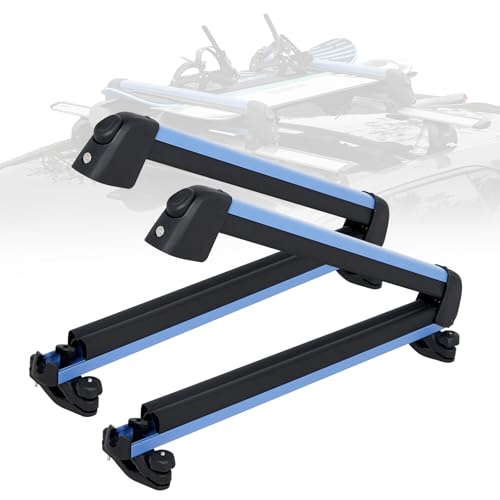
- ✓ Easy tool-free installation
- ✓ Secure anti-theft lock system
- ✓ High capacity for skis and boards
- ✕ Lock may be stiff initially
- ✕ Slightly bulky when removed
| Material | High-quality aluminum alloy with anti-rust and anti-corrosion properties |
| Load Capacity | Carries up to 6 pairs of skis or 4 snowboards |
| Security Features | Includes keys and anti-theft locking system |
| Compatibility | Universal fit with square and most aerodynamic roof racks |
| Installation | Tool-free, easy to install and remove |
| Additional Features | Includes ski lift attachment for high bindings |
The first time I clipped these Ski & Snowboard Roof Racks onto my car, I was surprised by how effortless the process was. The tool-free installation took just a few minutes, and the large, glove-friendly buttons made locking and unlocking a breeze even in cold weather.
The aluminum alloy construction immediately felt sturdy and durable. I tested it by loading up to 6 pairs of skis, and the racks held everything securely without any wobbling.
The anti-theft lock system gave me peace of mind, knowing my gear was protected during a quick stop for lunch.
What I really appreciated was how well it fit my roof rack — it’s compatible with most square and aerodynamic bars. Plus, the included snowboard lift attachment made it simple to load my high-boot bindings without fussing over clearance issues.
The soft rubber strips kept my boards and skis from getting scratched, which is such a relief. And the pressure-bearing capacity meant I could carry extra gear like poles or fishing rods without worry.
The anti-corrosion coating also gave me confidence that it will last through many seasons.
Overall, this rack combines ease of use with robust security and impressive capacity. It’s perfect for a weekend ski trip or longer winter getaway.
The only minor downside I noticed was that the locking mechanism can be a little stiff at first, but it loosens up quickly with use.
What Features Make a Car Ideal for Ski Trips?
The best car for a ski trip should have several key features to ensure safety, comfort, and functionality during the journey.
- All-Wheel Drive (AWD) or Four-Wheel Drive (4WD): These drivetrains provide enhanced traction on slippery, snowy, or icy roads, making it easier to navigate challenging winter conditions.
- Spacious Cargo Area: Ample storage space is essential for carrying ski gear, luggage, and other equipment, allowing for a comfortable and organized trip.
- Heated Seats and Climate Control: Comfort features such as heated seats can make a significant difference during cold weather, while effective climate control helps maintain a cozy cabin temperature.
- Roof Racks: Roof racks are useful for transporting skis or snowboards, freeing up interior space and ensuring that your gear is securely mounted for the journey.
- High Ground Clearance: Vehicles with higher ground clearance can handle snow drifts and uneven terrain better, reducing the risk of getting stuck or damaged.
- Good Fuel Efficiency: Since ski trips often involve long drives, a car with good fuel efficiency can help save on gas expenses and reduce the frequency of refueling stops.
- Advanced Safety Features: Features such as anti-lock brakes, traction control, and adaptive cruise control enhance safety on winter roads, providing peace of mind during the drive.
- Durable Tires: Winter tires or all-season tires with good tread can improve grip and handling in snowy conditions, ensuring better control during the trip.
Why is All-Wheel Drive Essential for Skiing?
All-Wheel Drive (AWD) is essential for skiing because it provides improved traction and stability on slippery, snow-covered roads, which are common when traveling to ski resorts.
According to the American Automobile Association (AAA), vehicles equipped with AWD systems are better suited for winter driving conditions, as they distribute power to all four wheels, enhancing grip on icy surfaces (AAA, 2020). This capability is especially important when navigating steep and winding mountain roads that often lead to ski destinations.
The underlying mechanism of AWD systems involves a complex interaction between the vehicle’s engine, transmission, and differential, which allows for optimal power distribution based on road conditions. When one wheel experiences loss of traction, the system can automatically redirect power to the wheels with better grip, thereby preventing slips and maintaining control (Car and Driver, 2021). This proactive management of power is crucial when driving in unpredictable winter weather, making AWD vehicles more reliable and safer for ski trips.
How Important is Cargo Space for Ski Gear?
Cargo space is crucial for a ski trip as it determines how much gear can be transported comfortably and efficiently.
- Size of Ski Equipment: Ski gear typically includes skis, poles, boots, and helmets, all of which can take up significant space. A vehicle with ample cargo space allows for easy organization and prevents damage to the equipment during transport.
- Additional Gear Storage: Beyond just skis, travelers often need to carry extra clothing, food, and other recreational items. A spacious trunk or back seat area enables passengers to pack everything needed for a successful trip without overcrowding the cabin.
- Accessibility and Comfort: The ease of loading and unloading gear is essential, especially in cold or snowy conditions. Vehicles with larger openings or lower loading heights make it more convenient to handle bulky equipment and ensure that passengers remain comfortable during the journey.
- Passenger Capacity: If you’re traveling with a group, the right cargo space must accommodate both passengers and their gear. A vehicle that balances passenger and cargo capacity allows for a more enjoyable trip without sacrificing comfort or safety.
- Versatility for Different Trips: Choosing a car with flexible cargo options, such as foldable seats or roof racks, enhances its usability for various activities beyond skiing. This versatility ensures that the vehicle remains practical for other adventures throughout the year.
Which Types of Cars Are Best Suited for Skiing?
The best cars for a ski trip typically combine all-wheel drive, ample cargo space, and comfort for long journeys.
- Subaru Outback: Known for its excellent all-wheel drive system, the Subaru Outback provides great traction on snowy roads. Its spacious cargo area allows for easy storage of ski gear, and its elevated ground clearance helps navigate through deeper snow.
- Jeep Grand Cherokee: The Jeep Grand Cherokee is a rugged SUV that excels in off-road conditions, making it ideal for reaching remote ski resorts. With a powerful engine option and a spacious interior, it comfortably accommodates passengers and their equipment.
- Toyota 4Runner: This SUV is built for adventure with a sturdy frame and impressive four-wheel drive capabilities. The Toyota 4Runner offers plenty of cargo space for skis and snowboards, making it an excellent choice for families heading to the mountains.
- Ford Explorer: The Ford Explorer combines a roomy cabin with available all-wheel drive, making it suitable for winter travel. Its flexible seating and cargo configurations allow for carrying bulky ski gear with ease, and it features modern technology for a comfortable ride.
- Audi Q5: A luxury compact SUV, the Audi Q5 offers a sophisticated all-wheel drive system known as Quattro, which provides exceptional grip on slick surfaces. Its premium interior and cargo space make it a comfortable option for long drives to ski resorts, while the performance features enhance the driving experience.
- Volkswagen Tiguan: The Volkswagen Tiguan is a versatile compact SUV that offers an available all-wheel drive option and a spacious interior. Its fold-flat rear seats allow for generous cargo space, making it convenient for transporting ski equipment and providing a comfortable ride for passengers.
What Advantages Do SUVs Offer for Winter Travel?
| Advantage | Description |
|---|---|
| All-Wheel Drive | Provides better traction on icy and snowy roads, enhancing stability. |
| Ground Clearance | Higher clearance helps prevent snow buildup under the vehicle and improves visibility. |
| Space | Offers ample cargo space for ski gear and passengers, making trips more convenient. |
| Towing Capacity | Many SUVs can tow trailers, allowing for carrying extra equipment or vehicles. |
| Safety Features | Many SUVs come equipped with advanced safety features such as stability control, traction control, and anti-lock brakes, which are crucial for winter driving. |
| Fuel Efficiency | Some newer SUVs offer improved fuel efficiency compared to older models, helping to reduce costs during long winter trips. |
| Comfort and Technology | SUVs often provide enhanced comfort with spacious interiors and advanced technology for navigation and entertainment during long drives. |
How Do Crossovers Compare to Traditional SUVs for Ski Trips?
| Feature | Crossover | Traditional SUV |
|---|---|---|
| Storage Space | Usually offers flexible cargo space with rear seats that fold down easily. | Typically has larger cargo capacity, suitable for transporting ski gear and luggage. |
| Fuel Efficiency | Generally more fuel-efficient due to lighter weight and smaller engines. | Less fuel-efficient, especially larger models with more powerful engines. |
| Maneuverability | Easier to handle in urban settings and tight mountain roads. | Can be bulkier, making tight turns and parking more challenging. |
| Off-Road Capability | Some models offer all-wheel drive, but less suitable for rugged terrain. | Designed for off-road performance, often better for rough ski trail access. |
| Towing Capacity | Generally lower towing capacity, suitable for smaller trailers or gear. | Higher towing capacity, better for towing larger trailers or ski equipment. |
| Passenger Comfort | Often designed for comfort with spacious interiors for passengers. | May provide more spacious seating but can be less comfortable on long trips. |
| Safety Features | Usually equipped with advanced safety features and driver assistance technologies. | Safety ratings can vary; larger size can provide a sense of safety. |
| Price Range | Generally more affordable than traditional SUVs, both in terms of purchase price and maintenance. | Typically more expensive, both to buy and maintain. |
Are Sedans Viable Choices for Ski Travel?
Trunk Space is another important consideration, as you need enough room to accommodate your ski equipment. While some sedans may have limited cargo capacity, models like the Honda Accord can offer a surprisingly spacious trunk to fit your gear comfortably.
Fuel Efficiency is a significant advantage of sedans, especially for long-distance travel to ski resorts. A sedan’s lighter weight typically translates to better mileage, allowing you to save money on gas during your trip.
Comfort and Features play a vital role in ensuring an enjoyable journey, particularly during long drives. Sedans are often equipped with amenities such as leather seating, infotainment systems, and advanced climate control, which can make the ride to your ski destination much more pleasant.
Handling and Driveability are important when navigating potentially treacherous winter roads. Sedans tend to have a lower center of gravity, which can enhance stability and maneuverability, making them easier to drive on winding mountain passes compared to larger vehicles.
What Safety Features Should Ski Trip Vehicles Include?
When selecting the best car for a ski trip, certain safety features are essential to ensure a secure and comfortable journey.
- All-Wheel Drive (AWD) or Four-Wheel Drive (4WD): These systems provide better traction on snow and ice, improving vehicle control and stability in slippery conditions.
- Anti-lock Braking System (ABS): ABS helps prevent wheel lock-up during hard braking, allowing the driver to maintain steering control, which is crucial when navigating icy roads.
- Traction Control System: This feature helps to prevent wheel spin during acceleration by adjusting engine power and braking force, enhancing grip on slippery surfaces.
- Winter Tires: Equipped with specialized rubber compounds and tread patterns, winter tires significantly improve grip and handling in cold weather and snowy conditions.
- Blind Spot Monitoring: This safety technology alerts drivers to vehicles in their blind spots, which can be particularly useful when changing lanes in inclement weather.
- Adaptive Cruise Control: This system maintains a set speed while automatically adjusting to the speed of the vehicle in front, reducing driver fatigue on long stretches of highway.
- Heated Seats and Steering Wheel: While not a safety feature per se, these amenities enhance comfort and can help keep drivers alert and focused during cold trips.
- Emergency Braking System: This system automatically applies the brakes if a collision is imminent, providing an added layer of safety in emergency situations.
All-Wheel Drive (AWD) or Four-Wheel Drive (4WD) systems are crucial for ski trips as they offer superior traction on snowy and icy roads, allowing for safer navigation through challenging terrain. Anti-lock Braking Systems (ABS) prevent wheel lock-up, which is vital when trying to stop quickly on slick surfaces, helping to maintain steering control and avoid potential accidents.
A Traction Control System is essential for managing wheel spin during acceleration, particularly in slippery conditions, thereby enhancing stability. Winter tires are specifically designed to perform in cold temperatures and provide better traction on snow and ice, making them a necessary consideration for winter driving. Blind Spot Monitoring is increasingly important for safety, as it helps detect vehicles that may not be easily visible, reducing the risk of side collisions.
Adaptive Cruise Control can alleviate some of the stress during long drives by automatically adjusting speed based on traffic, which can be particularly helpful on highways leading to ski resorts. While heated seats and steering wheels may not directly impact safety, they contribute to driver comfort, which can indirectly enhance focus and alertness during the trip.
Lastly, an Emergency Braking System is a vital feature that can automatically apply brakes to prevent collisions, providing an extra layer of security for drivers and passengers alike during winter travels.
How Do Traction Control and Stability Assist Enhance Safety in Winter Conditions?
Traction control and stability assist are crucial features that enhance safety while driving in winter conditions.
- Traction Control: This system helps prevent wheel spin by adjusting engine power and applying brakes to individual wheels when it detects a loss of traction.
- Stability Assist: This feature works in conjunction with traction control to maintain vehicle stability during sharp turns or sudden maneuvers, particularly on slippery surfaces.
Traction Control: By continuously monitoring the speed of each wheel, traction control can detect when a wheel is spinning faster than the others, a common occurrence on icy roads. When this happens, the system reduces engine power or selectively applies brakes to the spinning wheel, allowing the vehicle to regain traction and maintain forward motion without skidding.
Stability Assist: This technology employs sensors to detect when the vehicle begins to skid or lose stability, often in conditions such as snowy or icy roads. It can automatically apply brakes to individual wheels or reduce engine power to help the driver regain control, making it particularly beneficial for navigating sharp corners or reacting to unexpected obstacles in winter driving conditions.
Why is Tire Quality Critical for Driving in Snowy Conditions?
Tire quality is critical for driving in snowy conditions primarily because tires are the only contact point between the vehicle and the road, affecting traction, handling, and safety.
According to the National Highway Traffic Safety Administration (NHTSA), using the right tires can significantly enhance a vehicle’s performance in winter conditions. Specifically, winter tires are designed with specialized rubber compounds that remain flexible in cold temperatures, providing better grip on icy and snowy surfaces compared to all-season tires.
The underlying mechanism involves the tread design and rubber composition of winter tires, which feature deeper treads and unique patterns that help channel snow and slush away from the contact surface. This design allows for increased surface area contact, which translates to improved traction. In contrast, all-season tires can harden in cold temperatures, reducing their ability to grip the road effectively, leading to longer stopping distances and increased risk of skidding.
Moreover, the performance of winter tires in snowy conditions is further supported by studies from various automotive safety organizations, which demonstrate that vehicles equipped with winter-specific tires can stop up to 30% shorter on snow-covered roads compared to those with standard tires. This enhanced stopping power is crucial for avoiding accidents and ensuring the safety of passengers, particularly on ski trips where roads may not be frequently cleared of snow.
What Are the Best Car Models for Ski Trips?
The best car models for ski trips typically offer ample space, all-wheel drive, and reliability in snowy conditions.
- Subaru Outback: The Subaru Outback is renowned for its standard all-wheel drive and high ground clearance, making it ideal for navigating snowy roads. Its spacious interior and roof rails provide ample storage for ski gear and equipment, ensuring you can transport everything you need comfortably.
- Toyota 4Runner: The Toyota 4Runner is a rugged SUV that excels in off-road conditions, including snowy and icy terrain. With its powerful V6 engine and available four-wheel drive, it offers excellent traction and stability, while the spacious cabin accommodates passengers and gear with ease.
- Ford Explorer: The Ford Explorer combines a roomy interior with advanced four-wheel drive options, making it a versatile choice for ski trips. Its flexible seating and cargo configurations allow for easy transport of skis, snowboards, and other winter sports equipment, while features like heated seats enhance comfort during cold weather drives.
- Audi Q5: The Audi Q5 is a luxury crossover that provides a sophisticated driving experience along with all-wheel drive capabilities. Its upscale interior and advanced safety features make it a comfortable option for long trips, while the cargo space can easily accommodate gear for a weekend on the slopes.
- Jeep Grand Cherokee: The Jeep Grand Cherokee is known for its off-road prowess, making it well-suited for ski trips in challenging conditions. With its powerful engine options and advanced four-wheel drive systems, it offers great performance in snow, while the spacious interior can hold passengers and their skiing gear without feeling cramped.
Which SUVs Are Top Picks for Skiing?
| Model | Cargo Space | All-Wheel Drive | Fuel Efficiency | Ski Rack Availability | Towing Capacity | Safety Ratings | Warranty/Reliability Ratings |
|---|---|---|---|---|---|---|---|
| Subaru Outback | 75.7 cubic feet – Ample for ski gear | Standard – Excellent traction in snow | 26 MPG – Efficient for long trips | Available – Roof racks for skis | 2,700 lbs – Can tow small trailers | 5-star – Excellent crash test ratings | 3 years/36,000 miles – Good reliability |
| Toyota 4Runner | 89.7 cubic feet – Plenty of room for outdoor equipment | Available – Great off-road capability | 20 MPG – Less efficient but rugged | Available – Compatible with ski racks | 5,000 lbs – Strong towing capacity | 4-star – Solid safety features | 3 years/36,000 miles – Reliable for long trips |
| Honda CR-V | 75.8 cubic feet – Versatile storage options | Available – Good handling in winter | 28 MPG – Economical for daily use | Available – Roof box options for skis | 1,500 lbs – Adequate for small trailers | 5-star – High safety ratings | 3 years/36,000 miles – Consistently reliable |
| Ford Explorer | 87.8 cubic feet – Spacious for families | Standard – Reliable in winter conditions | 24 MPG – Balanced fuel economy | Available – Supports ski racks | 5,600 lbs – Strong towing capability | 5-star – Excellent safety features | 3 years/36,000 miles – Good reliability |
What Makes Some Sedans Suitable for Winter Adventures?
Some sedans are particularly well-suited for winter adventures due to their design, features, and performance capabilities.
- All-Wheel Drive (AWD): Many sedans equipped with AWD provide better traction and stability on snowy or icy roads, making them ideal for winter driving conditions.
- Ground Clearance: Sedans with higher ground clearance can navigate through deeper snow without getting stuck, which is essential when traveling to ski resorts.
- Winter Tires Compatibility: The best sedans for ski trips can accommodate winter tires, which significantly enhance grip and handling in cold weather.
- Heating Features: Sedans that offer heated seats and steering wheels provide additional comfort during cold winter drives, making long trips more enjoyable.
- Spacious Trunk: Ample trunk space is vital for storing ski equipment and luggage, ensuring that you have enough room for all your gear without compromising passenger comfort.
Many sedans equipped with AWD provide better traction and stability on snowy or icy roads, making them ideal for winter driving conditions. This feature is essential for maintaining control and ensuring safety when navigating challenging winter landscapes.
Sedans with higher ground clearance can navigate through deeper snow without getting stuck, which is essential when traveling to ski resorts. This attribute allows for easier access to off-road areas or less-maintained routes that may be encountered during winter adventures.
The best sedans for ski trips can accommodate winter tires, which significantly enhance grip and handling in cold weather. These tires are specifically designed to perform well in low temperatures, providing better stopping distances and cornering capabilities on slippery surfaces.
Sedans that offer heated seats and steering wheels provide additional comfort during cold winter drives, making long trips more enjoyable. This feature can be particularly helpful for skiers who spend long hours in the car before hitting the slopes.
Ample trunk space is vital for storing ski equipment and luggage, ensuring that you have enough room for all your gear without compromising passenger comfort. A spacious trunk allows for easy packing and access to your equipment when you arrive at your destination.
How Can You Prepare Your Vehicle for a Ski Trip?
Preparing your vehicle for a ski trip is essential to ensure safety and comfort while traveling in winter conditions.
- Check Tire Condition: Ensure that your tires are in good condition and have adequate tread depth for winter driving.
- Inspect Fluids: Check and top up essential fluids, including oil, antifreeze, windshield washer fluid, and brake fluid.
- Pack Emergency Supplies: Have an emergency kit that includes items like a shovel, ice scraper, jumper cables, and blankets.
- Install Roof Racks or Ski Carriers: If you have gear to transport, consider installing roof racks or ski carriers to maximize space inside the vehicle.
- Check Battery Health: Cold weather can affect battery performance; ensure your battery is charged and in good working condition.
- Clean and Organize the Interior: Clear out unnecessary items from your car to make space for luggage and gear, ensuring a comfortable ride.
- Plan Your Route: Research your route for road conditions and potential hazards, and check for any closures due to snow or weather.
Checking tire condition is crucial as winter driving requires tires that can grip icy or snowy roads effectively; consider investing in winter tires if you plan to drive frequently in such conditions.
Inspecting fluids ensures that your vehicle operates smoothly in cold temperatures; make sure to use winter-grade fluids where applicable to avoid freezing.
Packing emergency supplies is a safety measure that can help you handle unexpected situations, such as getting stuck in snow, requiring tools or warm clothing while waiting for assistance.
Installing roof racks or ski carriers is beneficial for transporting ski equipment safely and efficiently, keeping the interior of your car spacious and organized for passengers.
Checking battery health is important in winter, as cold weather can drain battery power; a well-maintained battery will help you avoid starting issues when you need to hit the slopes.
Cleaning and organizing the interior ensures a clutter-free environment, making it easier to access essential items and providing a more pleasant journey for everyone on board.
Planning your route helps you anticipate challenges along the way, allowing you to choose the safest paths and be prepared for any detours that might be necessary due to winter weather conditions.
What Maintenance Steps Should You Take Before Hitting the Road?
Wiper blades should be in optimal condition to handle snow and rain, as visibility is paramount during winter driving. Worn wipers can smear snow and ice, making it difficult to see the road.
Finally, having an emergency kit prepared can make a significant difference in case of unexpected situations on the road. Items like a flashlight, snacks, and warm clothing can provide comfort and safety while waiting for assistance.
How Can You Pack Your Car Efficiently for a Ski Trip?
When preparing for a ski trip, packing your car efficiently is crucial to maximize space and ensure safety.
- Roof Box: A roof box is an excellent addition for extra storage, allowing you to free up space inside your vehicle. It is particularly useful for larger items like skis, snowboards, and bulky winter gear, ensuring that your passengers have ample room for comfort during the drive.
- Ski Racks: Installing ski racks on your car’s roof or hitch can securely hold your skis and snowboards, keeping them accessible and safe. This prevents damage to your equipment and allows for more space inside the car, making it easier to organize other essentials.
- Organizational Bags: Utilizing bags specifically designed for travel, such as packing cubes or duffels, can help keep your gear sorted and easy to find. These bags allow you to compartmentalize items like clothing, gear, and accessories, streamlining the packing process and making it easier to unpack upon arrival.
- Emergency Kit: An emergency kit is vital for any winter trip, especially in snowy conditions. Ensure your kit includes items like a shovel, ice scraper, jumper cables, and a first-aid kit, which can be lifesavers if you encounter vehicle issues or accidents on the road.
- Winter Clothing: Layering your winter clothing is key for both comfort and space-saving. Pack thermal layers, waterproof outerwear, and accessories like gloves and hats in a way that allows for easy access, so you can quickly adapt to changing weather conditions during your trip.
- Coolers or Insulated Bags: If you plan to bring food or beverages, using coolers or insulated bags will help maintain their temperature during the drive. This is particularly useful for keeping snacks and drinks ready for consumption during breaks on the slopes.
- Backseat Storage Solutions: Consider using backseat organizers or storage nets to utilize the space behind the front seats. These can hold smaller items like snacks, maps, and entertainment for passengers, keeping them within reach while maintaining a clutter-free environment.
What Additional Tips Can Enhance Your Ski Trip Experience?
To enhance your ski trip experience, consider the following tips:
- Choose the Right Vehicle: Opt for a car that offers ample space for passengers and gear, as well as good winter performance.
- Pack Smart: Organize your gear efficiently to maximize space and accessibility during your trip.
- Check Weather Conditions: Stay informed about the weather forecast to prepare for changing conditions on the road and at the resort.
- Bring Snacks and Water: Keep your energy levels up by packing nutritious snacks and plenty of water for the journey.
- Plan Your Routes: Familiarize yourself with the best routes to avoid delays and ensure access to ski areas.
- Carry Emergency Supplies: Always have a winter emergency kit in your car, including blankets, food, and a first-aid kit.
- Consider a Roof Box or Ski Rack: Use a roof box or ski rack to transport your gear without sacrificing interior space.
- Book Accommodations in Advance: Secure your lodging ahead of time to avoid last-minute hassles and to find the best deals.
- Bring Entertainment: Prepare some in-car entertainment options for long drives, especially if traveling with children.
- Plan for Après-Ski Activities: Research local restaurants and entertainment options to enjoy after a day on the slopes.
Choose the Right Vehicle: Selecting a vehicle with adequate space for passengers and equipment is crucial. Look for all-wheel drive or four-wheel drive options that are designed for snowy conditions, ensuring safety and stability on the road.
Pack Smart: Proper packing can make a big difference in comfort during the trip. Organize your ski gear and clothing into easily accessible bags, and consider using compression sacks to save space.
Check Weather Conditions: Being aware of the weather can help you adjust travel plans and gear accordingly. Utilize apps or websites for real-time updates on road conditions and resort weather.
Bring Snacks and Water: Keeping hydrated and nourished on long drives is essential for maintaining energy and focus. Pack a variety of healthy snacks like nuts, trail mix, and fruits.
Plan Your Routes: Knowing your route ahead of time can help you avoid delays and discover scenic stops along the way. Use navigation tools to check for traffic patterns and construction zones.
Carry Emergency Supplies: A winter emergency kit is a safety net for unexpected situations. Include items such as a flashlight, extra warm clothing, food, water, and a first-aid kit to be prepared for emergencies.
Consider a Roof Box or Ski Rack: Using a roof box or ski rack allows you to carry your equipment without cluttering the passenger space. This can make the ride more comfortable and organized for everyone in the vehicle.
Book Accommodations in Advance: Finding a place to stay can be more difficult during peak ski season, so booking in advance ensures you have a comfortable place to rest after a day on the slopes. Look for accommodations that offer convenient access to ski lifts and amenities.
Bring Entertainment: Long car rides can be tedious, especially for kids. Download movies, audiobooks, or games on electronic devices to keep everyone entertained during the drive.
Plan for Après-Ski Activities: After a day of skiing, it’s nice to unwind with good food and entertainment. Research local restaurants, bars, and other attractions to enjoy the full ski resort experience.
How Can You Ensure Safe Driving in Winter Weather?
Driving in winter conditions, especially on ski trips, requires a heightened level of preparedness and awareness. To ensure safe driving, consider the following essential tips:
-
Use Winter Tires: Equip your vehicle with winter tires that provide better traction on snow and ice. These tires are specifically designed to grip cold roads and improve handling.
-
Check Your Battery: Cold temperatures can reduce battery efficiency. Ensure your battery is in good condition, and consider testing it before embarking on your trip.
-
Keep Your Gas Tank Full: Fill your gas tank to at least half-full. This minimizes the risk of running out of fuel in case of traffic delays and helps prevent your fuel lines from freezing.
-
Maintain Visibility: Clear snow and ice from all windows, mirrors, and lights. Ensure your wipers are functioning well and use windshield washer fluid designed for winter conditions.
-
Adjust Driving Habits: Reduce speed and maintain a larger following distance. Be gentle on the brakes and accelerate gradually to avoid skidding.
-
Stay Informed: Monitor weather forecasts and road conditions. If severe weather is predicted, reconsider your travel plans.
By adopting these strategies, you can navigate winter roads more safely and enjoy your ski trip with confidence.
What Should You Know About Handling Car Troubles in Snowy Conditions?
When planning a ski trip, it’s essential to consider how to handle car troubles in snowy conditions, ensuring safety and reliability.
- All-Wheel Drive (AWD) or Four-Wheel Drive (4WD): These drivetrains provide better traction on snow and ice, making them ideal for winter conditions.
- Tires Designed for Winter Conditions: Winter tires are specifically engineered with tread patterns and rubber compounds that enhance grip on cold, snowy surfaces.
- Regular Maintenance Checks: Ensuring your vehicle is in good condition before embarking on a ski trip can prevent breakdowns, especially in harsh weather.
- Emergency Kit: Carrying an emergency kit with essentials like blankets, food, water, and a flashlight is vital for safety in case of unexpected car troubles.
- Driving Techniques: Knowing how to drive in snowy conditions, including gentle acceleration and braking, can help avoid accidents and maintain control.
All-Wheel Drive (AWD) or Four-Wheel Drive (4WD): Vehicles equipped with AWD or 4WD distribute power to all four wheels, which significantly enhances traction on slippery surfaces. This feature is particularly beneficial when navigating hilly terrains often found in ski regions, providing greater stability and confidence on the road.
Tires Designed for Winter Conditions: Winter tires are crafted from softer rubber compounds that remain pliable in cold temperatures, allowing for better contact with the road. Their unique tread designs are optimized to channel snow and slush, improving grip and reducing the likelihood of hydroplaning.
Regular Maintenance Checks: Before hitting the road for a ski trip, it’s crucial to perform maintenance checks on critical components such as brakes, battery, and fluids. A well-maintained vehicle is less likely to experience mechanical failures or flat tires in snowy conditions, providing peace of mind during your travels.
Emergency Kit: An emergency kit is essential for any winter trip, containing items like warm blankets, non-perishable snacks, a first-aid kit, and a flashlight. In the event of a breakdown or getting stuck, these supplies can significantly improve your comfort and safety while waiting for assistance.
Driving Techniques: Understanding driving techniques for snowy weather, such as maintaining a safe distance from other vehicles, can help mitigate risks. Techniques like accelerating slowly, braking gently, and steering smoothly can prevent skidding and help maintain control of the car in challenging conditions.
Related Post: